
How to Choose Outdoor Lift Capacity for Beach Homes

Share this article

A lift that handles a few grocery bags may struggle with a wheelchair, beach cart, or loaded cooler. Choosing the right outdoor lift capacity means planning for the heaviest realistic load, the way it will be placed on the platform, and the coastal conditions around your home.

Rated capacity is only one part of the decision. Platform size, structural support, wind exposure, corrosion protection, and local code requirements all affect which lift is suitable. Before ordering, have a qualified lift professional review the project and confirm requirements with your local building authority.

Key Takeaways

  • Calculate the combined weight of passengers, mobility equipment, cargo, and containers.
  • Choose a lift based on its intended use, not its lightest daily load.
  • Confirm that the porch, balcony, landing, anchors, and foundation can support the system.
  • Coastal homes need corrosion-resistant materials and a plan for salt, storms, flooding, and maintenance.
  • A qualified lift professional and local authorities must approve the final design.

Start With the Load You Will Actually Carry

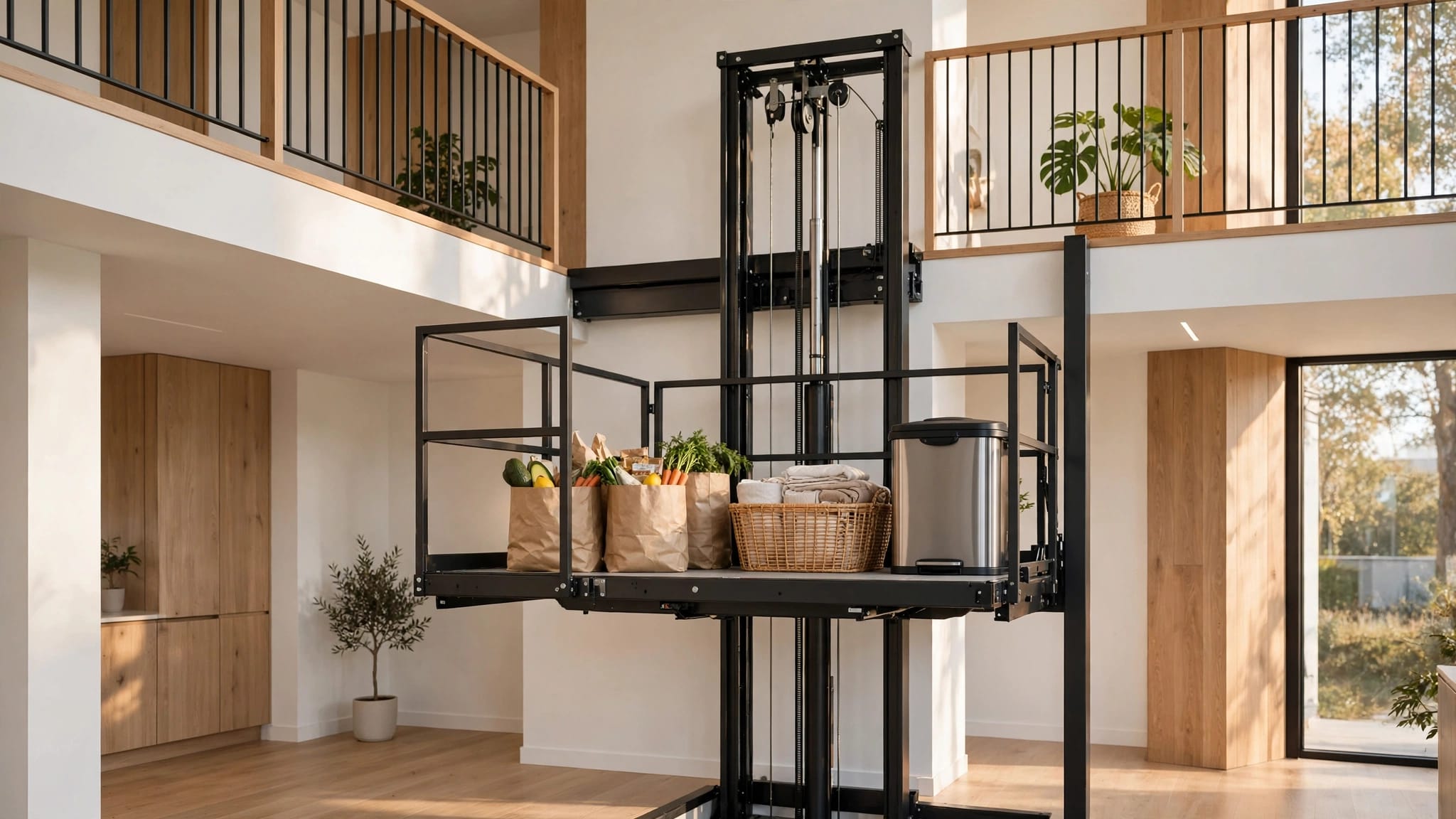
The first step is to list everything the lift may carry on a busy day. Include people, wheelchairs, scooters, beach equipment, groceries, luggage, and containers. A lift used by one person with a small bag has different requirements than one carrying a wheelchair user and a caregiver.

For example, a wheelchair user might weigh 190 pounds, a power wheelchair 100 pounds, and personal items 50 pounds. That combined load reaches 340 pounds before adding another passenger. A manual wheelchair weighs less, but a beach cart, wet gear, or several grocery bags can quickly change the calculation.

Write down the heaviest regular combination rather than guessing from an average trip. Consider these common beach-home loads:

  • One adult with groceries or luggage
  • A wheelchair or mobility scooter with its user
  • A caregiver traveling with a passenger
  • A loaded beach wagon or utility cart
  • Patio furniture, coolers, tools, or building supplies
  • Several passengers, if the lift is designed and approved for passenger travel

The lift's rated capacity normally refers to the load carried on its platform. However, product documents should explain how the rating applies to passengers, cargo, platform dimensions, and loading conditions. Ask the manufacturer or installer to confirm the exact limits in writing.

Avoid choosing a lift that matches your estimated load exactly. If your normal calculation reaches 650 pounds, a 750-pound model may be more appropriate than a 650-pound option, provided the structure and local requirements support it. A larger rating can also affect the lift's dimensions, power needs, attachment points, and total cost.

The right capacity is based on your heaviest planned use, with professional review of the next suitable rating.

Never assume that a cargo lift can carry people. Passenger use requires a lift designed, equipped, and approved for that purpose. A cargo platform may have a different control system, enclosure, gate arrangement, or safety classification.

Match Capacity to Beach-Home Use

Capacity decisions become clearer when you connect them to specific routines. A seasonal rental, a full-time residence, and a multigenerational home may need different solutions even when the buildings look similar.

A two-story vacation home might need to move luggage, groceries, and beach supplies to an elevated living area. If the lift only carries items, a cargo lift may meet the need. If people must ride with those items, the project may require a passenger-compliant elevator or vertical platform lift instead.

A home with an older resident or wheelchair user needs a different review. The total load includes the person, mobility device, caregiver, and anything carried during the trip. The platform must also provide enough clear space for the device to enter, turn if required, and remain safely inside the gates.

Beach homes often have unusual loads. Wet umbrellas, sand chairs, paddleboards, coolers, fishing equipment, and folded strollers can take up more room than their weight suggests. A platform with sufficient capacity may still be impractical if the usable floor area is too small.

Think about how the lift will be loaded. A centered load places different demands on the system than a cart pushed to one edge. A long item may fit by weight but create a clearance or balance problem. Rolling loads also require suitable thresholds, gates, brakes, and landing surfaces.

Future use matters as well. A lift installed for groceries may later support aging in place, a mobility scooter, or a caregiver. That doesn't mean you should buy the largest model available. It means you should discuss likely changes with the lift professional before selecting a platform and capacity.

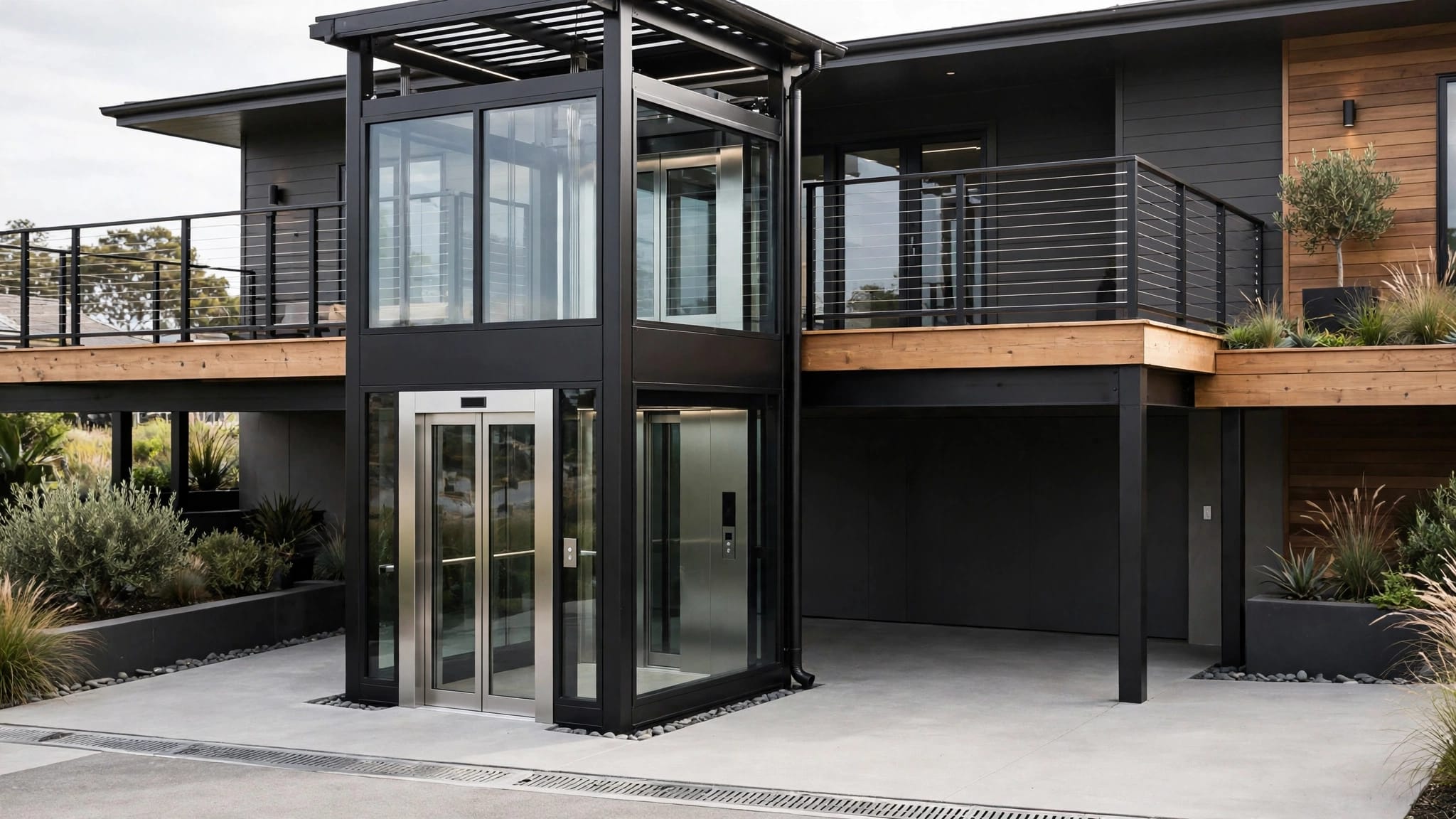
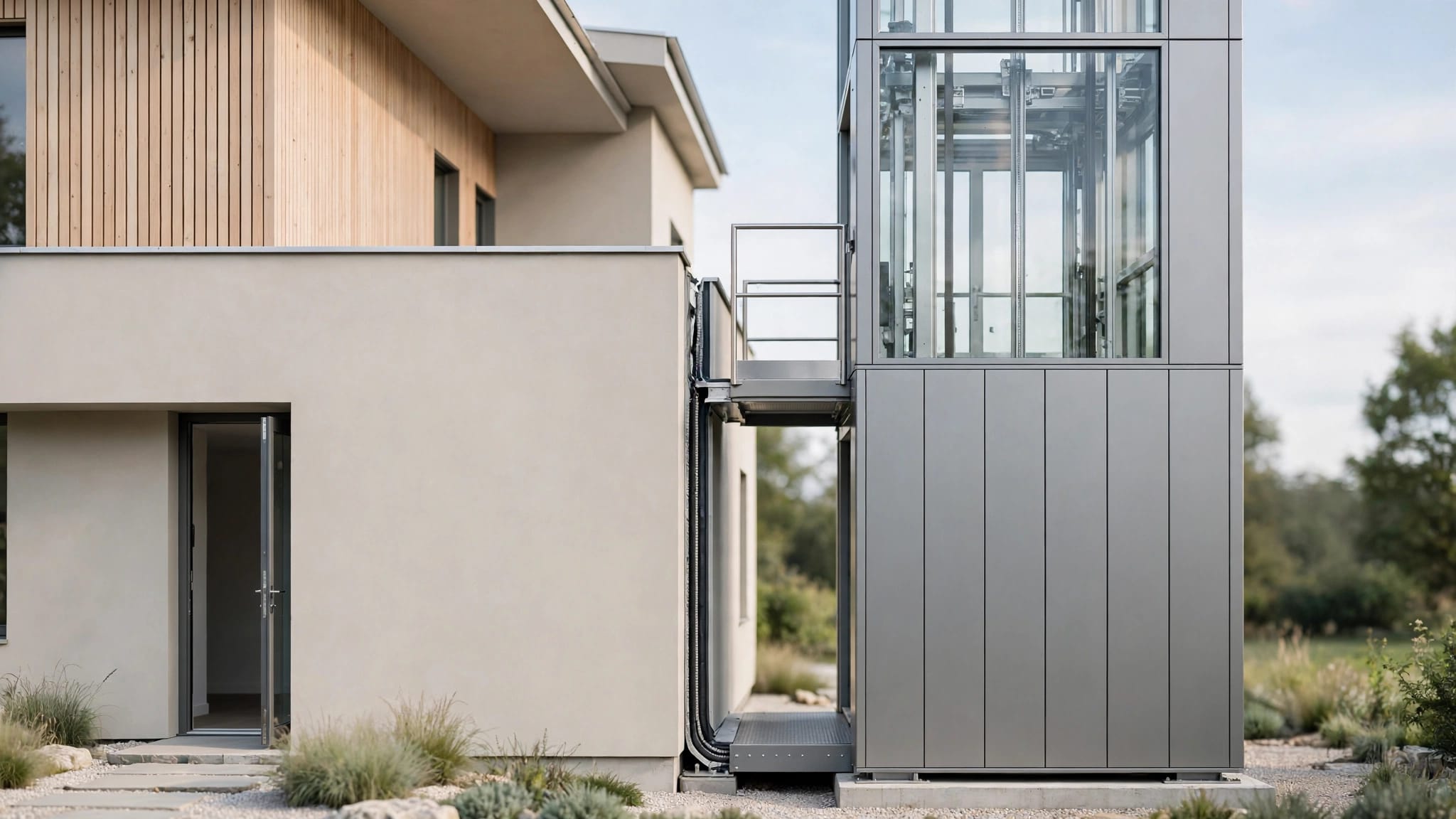
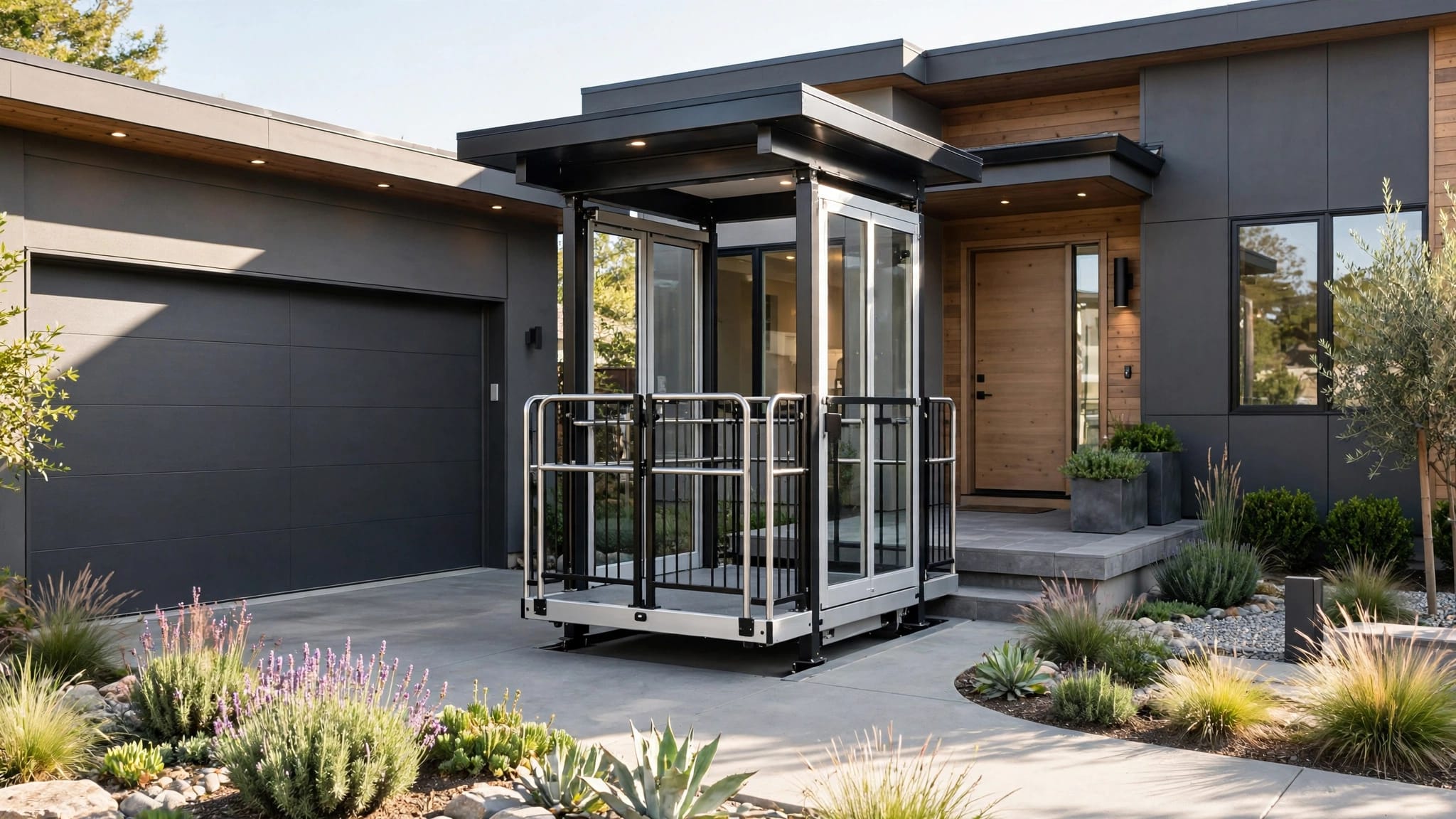
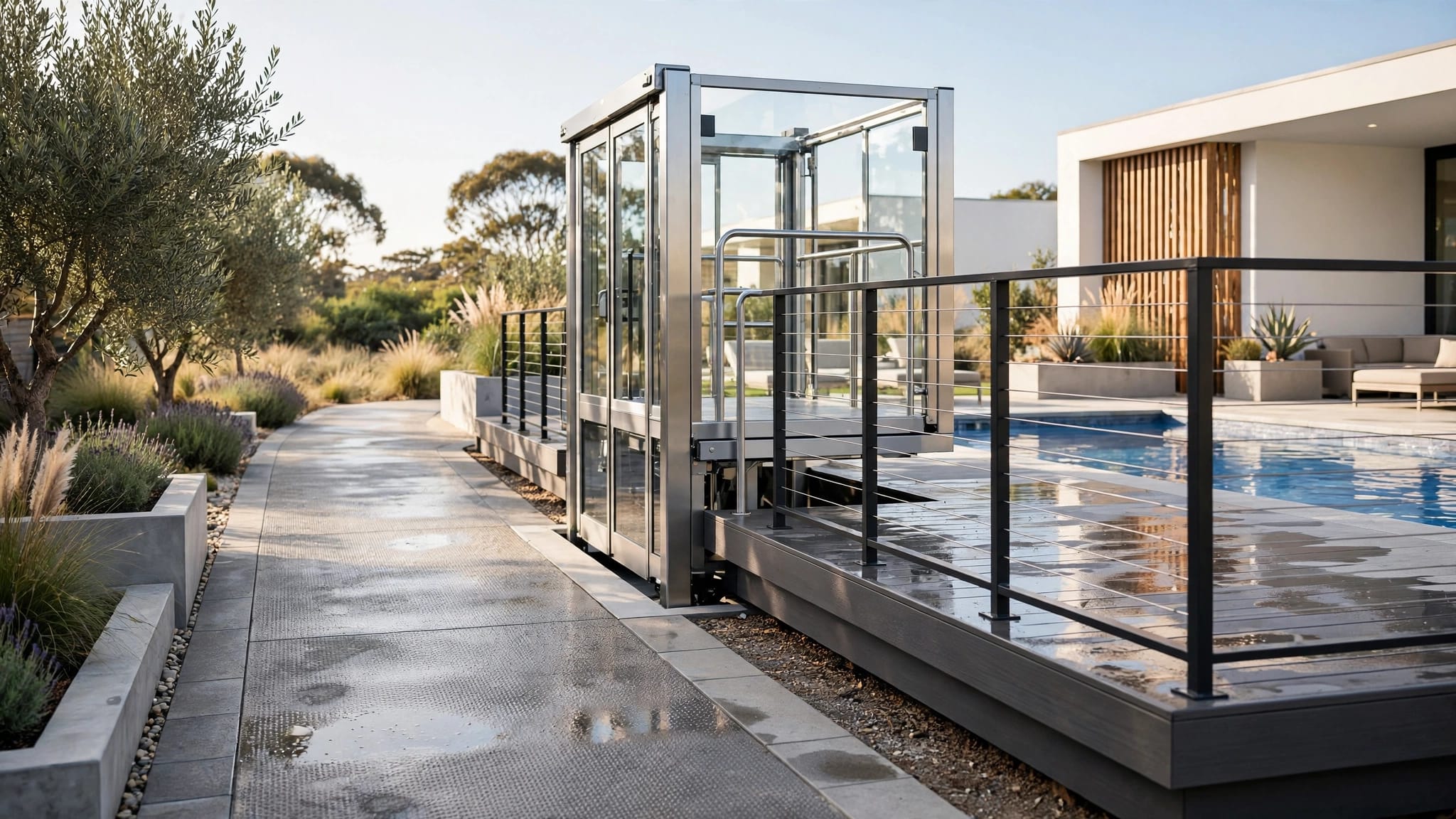
Some exterior systems attach to a porch, balcony, or stair landing, which can reduce the need for a large interior shaft. The attachment method still depends on the building's framing and the exact lift design. Review the product's lift process and planning information with the installer so the proposed location matches the home's structure and access needs.

Check Platform Size, Loading, and Structural Support

A rated capacity doesn't tell you whether the lift will work at your home. The platform must fit the person, equipment, and cargo without forcing unsafe loading.

Measure the largest mobility device or cart you expect to use. Record its length, width, turning radius, and total weight with the user seated. Then review the landing width and approach angle. A platform can have enough weight capacity but still fail the practical test if the entrance is too narrow or the user can't position the device safely.

The structure below and beside the lift also needs careful review. An exterior lift can transfer vertical and horizontal forces through its frame, anchors, brackets, landings, and foundation. Existing porch posts may support a roof or deck load, but that doesn't prove they can support a lift and its operating forces.

A qualified professional may need to assess:

  • Porch, balcony, stair, or landing framing
  • Anchor locations and the condition of the supporting material
  • Concrete footings, slab thickness, or new foundation needs
  • Load transfer into walls, beams, posts, and the ground
  • Clearance from doors, railings, utilities, and roof edges
  • Wind exposure and movement during severe weather

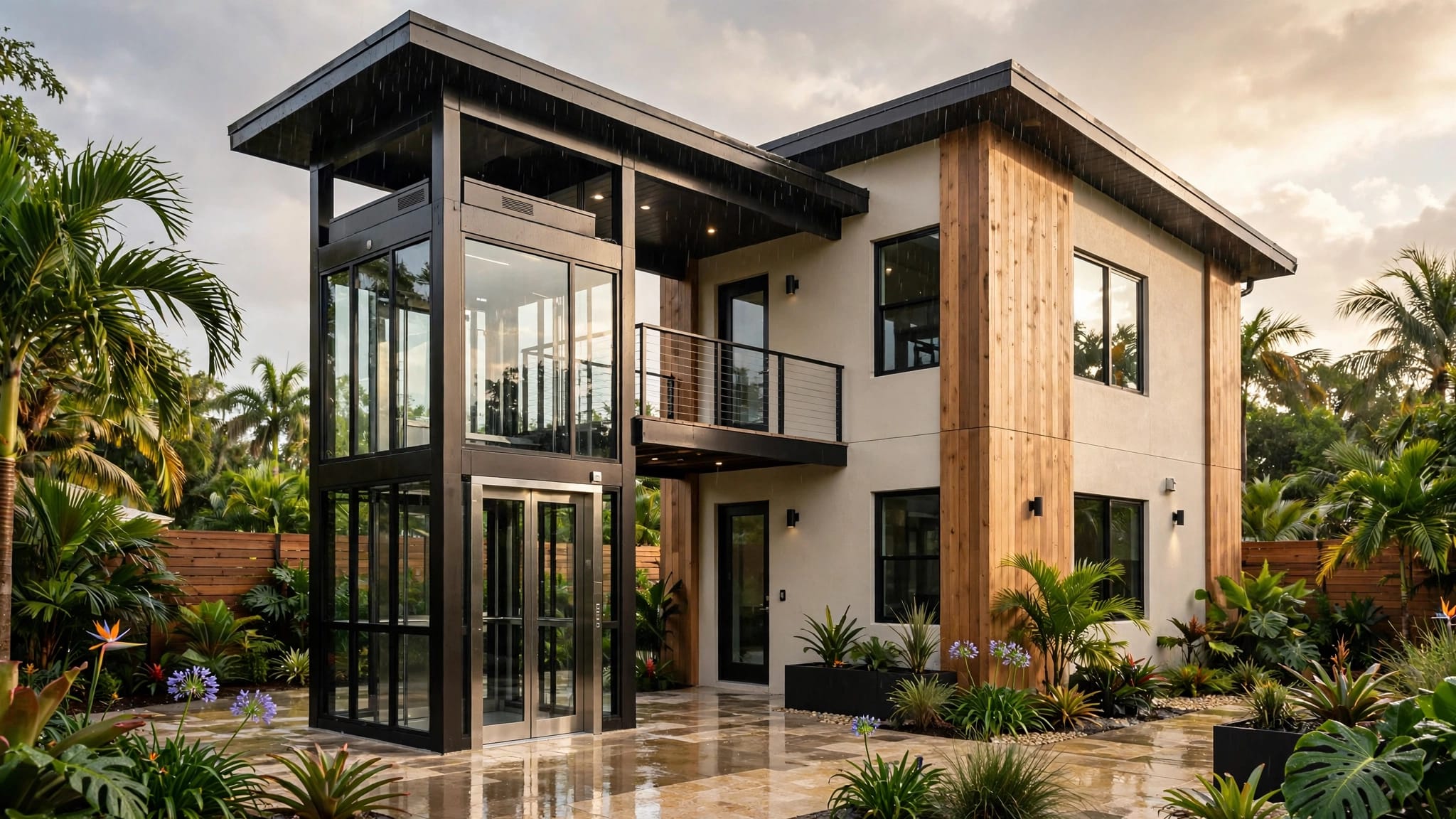
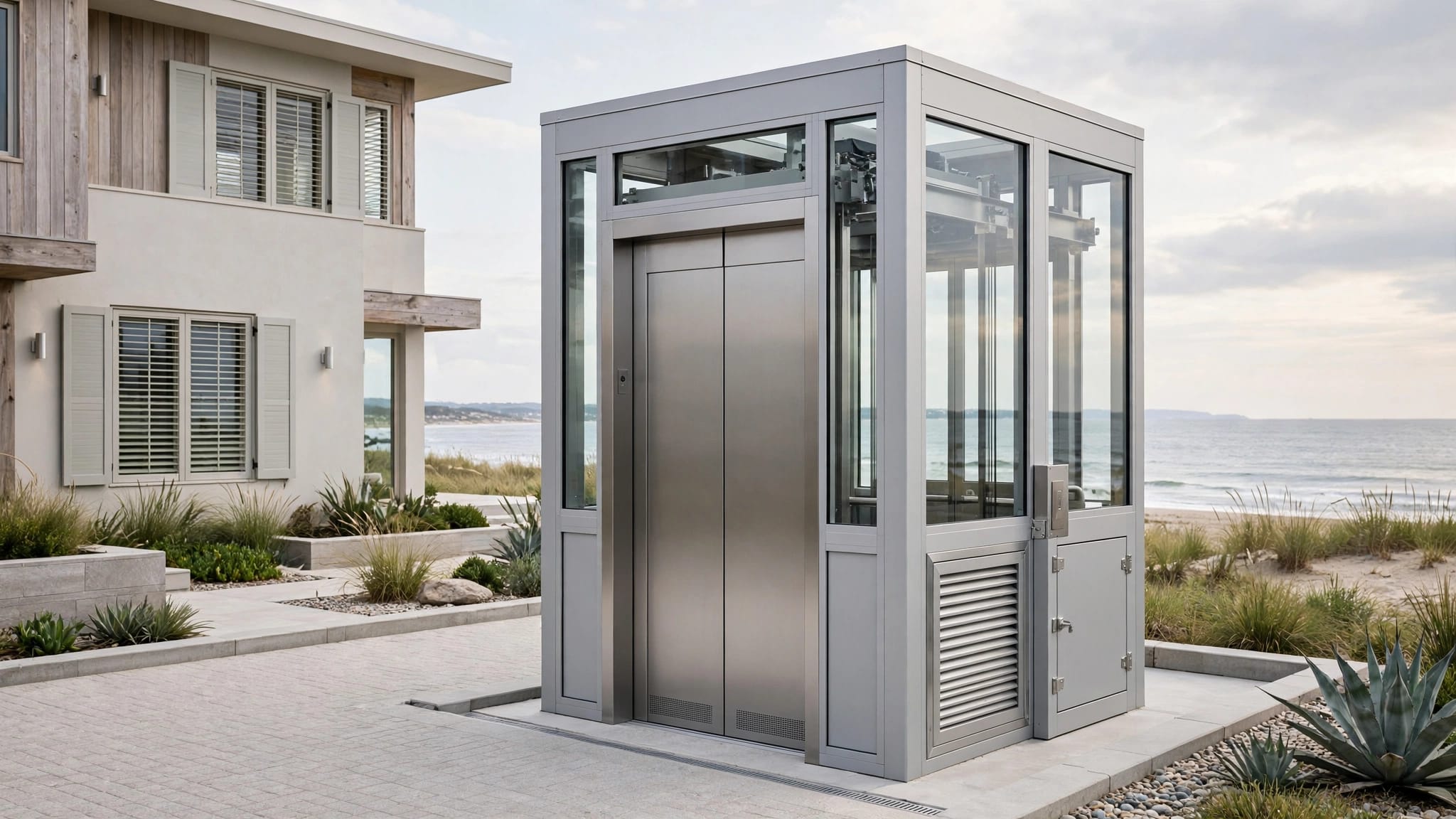
Coastal construction adds more concerns. Salt air can attack fasteners, brackets, cables, enclosures, and electrical connections. Ask which parts use stainless steel, galvanized steel, aluminum, protective coatings, or other corrosion-resistant materials. The answer should cover the complete installation, not only the visible frame.

Material compatibility also matters. Two different metals can corrode faster when saltwater and moisture create an electrical path between them. Your installer should select compatible materials and protect connection points where needed.

Flood zones require separate planning. A lift placed too low may face standing water, debris, or electrical hazards during a storm. Local officials and the lift professional can identify elevation, drainage, disconnect, and equipment-location requirements that apply to the property.

Account for Capacity, Weather, and Local Code Together

The lift's capacity rating, the home's structure, and local code compliance are connected. Increasing the rated load may change the size or weight of the equipment and the forces transferred to the building. A larger platform may also require different landings, gates, clearances, or foundations.

Local requirements vary by jurisdiction and by lift type. A cargo lift, vertical platform lift, and passenger elevator don't follow the same rules. Accessibility standards may also depend on whether the lift serves a private residence, a public area, a rental property, or a commercial building.

Ask your lift professional which approvals apply before construction begins. Depending on the project, the review may involve building, electrical, accessibility, zoning, floodplain, or fire officials. The final installation should match approved drawings and the manufacturer's instructions.

Passenger lifts need special attention to doors, gates, controls, emergency systems, and safe travel. A platform lift intended for accessibility may have different requirements than an enclosed passenger elevator. A cargo lift may be restricted to materials, even if its platform appears large enough for a person.

Storm planning belongs in the early design discussion. Ask how the lift should be secured, parked, disconnected, or protected when a hurricane threatens. Don't rely on an improvised cover or a last-minute decision. Wind-borne debris, saltwater, and power loss can affect equipment in different ways.

Maintenance also affects long-term capacity and safety. Salt deposits should not remain on exposed components, and the owner should know which parts need inspection after storms. Follow the manufacturer's maintenance schedule and arrange service with a provider familiar with exterior lifting equipment.

The strongest installation plan includes written answers to four questions:

  1. What is the rated capacity for this exact model and configuration?
  2. What people, devices, or cargo may legally ride on it?
  3. What structural work and permits does the property require?
  4. What maintenance and storm procedures protect the equipment?

Choose the Capacity With a Qualified Professional

A product brochure can show capacity options, but it cannot determine whether one will work at your property. A lift professional needs to review the site, intended use, access points, structure, and local requirements.

Bring useful information to the first consultation. Provide the home's address, number of levels, desired landings, platform measurements, mobility equipment specifications, and a list of the heaviest loads. Photos of the porch, balcony, stair landing, and surrounding walls can help start the discussion, but they don't replace an on-site assessment.

Ask for a written proposal that identifies the lift type, rated load, platform size, attachment method, materials, controls, gates, power requirements, and expected approvals. The proposal should also state what work falls outside the lift price, such as structural reinforcement, concrete, electrical service, permits, railings, drainage, or finish repairs.

Capacity options vary by design. Some residential and commercial exterior systems offer ratings up to 750 or 1,000 pounds, but those figures don't apply to every model or installation. A 1,000-pound rating doesn't make a lift suitable for passenger use, and it doesn't remove the need for structural engineering or code approval.

The best selection balances useful capacity with the actual site. Oversizing can add cost and structural demands. Undersizing can limit safe use and force an expensive replacement later. Professional review helps you choose a rating that fits both the home and the people who depend on it.

Beach-Home Lift Capacity Checklist

Before approving a design, confirm these points:

  • The heaviest passenger, mobility device, cargo, and container weights are documented.
  • The intended use clearly identifies passenger, accessibility, or cargo service.
  • The platform fits the largest wheelchair, scooter, cart, or item.
  • The proposed capacity exceeds the normal combined load.
  • A qualified professional has reviewed the porch, balcony, landing, anchors, and foundation.
  • Materials and fasteners suit salt air, humidity, and regular exposure.
  • Flood, wind, storm, drainage, and power-loss concerns have been addressed.
  • Local building and accessibility authorities have confirmed the required approvals.
  • The proposal includes maintenance, inspections, and post-storm service requirements.

Conclusion

Choosing an outdoor lift capacity for a beach home starts with the heaviest real trip, not the smallest daily load. Add the passenger, mobility equipment, beach gear, and cargo, then review the next suitable rating with a qualified lift professional.

A safe installation also depends on structural support, corrosion-resistant materials, storm planning, and local approval. When those details are documented together, your lift can support daily access without leaving capacity, code, or coastal exposure to guesswork.

Recent Posts

By Veranda 'Vator July 9, 2026
A new outdoor lift can look like a one-day project from the street, but the real schedule starts long before the crew arrives. For an elevated Florida home, outdoor lift installation usually involves permits, site prep, electrical work, and a final inspection before the first...
By Veranda 'Vator July 8, 2026
Salt air can wear down an outdoor lift faster than most homeowners expect. In coastal Florida, moisture, heat, and storm debris all work on the same parts at the same time. A clear outdoor lift maintenance routine helps protect cargo lifts, passenger-compliant elevators, and v...
By Veranda 'Vator July 7, 2026
An outdoor vertical platform lift does not have one universal travel limit. The height depends on the model, the structure, and the code in your area, so the brochure number is only part of the picture. Many installations cover a short rise from grade to a porch, deck, or land...
By Veranda 'Vator July 6, 2026
Stairs are fine until they aren't. On an elevated home, they can turn groceries, laundry, beach gear, or a wheelchair into a daily burden. An outdoor lift retrofit can solve that without tearing the house apart. The right setup depends on the structure, the landing height, the...
By Veranda 'Vator July 5, 2026
Beach homes put elevator rules under a harsher microscope. Salt air attacks hardware, wind pushes on the exterior shell, and flood zones change what the building office will approve. If you're adding a passenger elevator or cargo lift to a coastal home, the Florida elevator co...
By Veranda 'Vator July 4, 2026
Outdoor elevator pricing can swing by tens of thousands of dollars before you even choose finishes. The number on a brochure is only the starting point, because weather exposure, site work, and code requirements can change the real budget fast. That is why two homes with simil...
By Veranda 'Vator July 3, 2026
Living in an elevated home changes the way you move through the day. A stair climb with groceries, laundry, beach gear, or a suitcase gets old fast, and the wrong lift choice can make the problem worse. The cargo lift vs passenger elevator decision comes down to use, code, and...
By Veranda 'Vator December 22, 2025
1. Buy from an established manufacturer and know their history. Metal shop reality TV has made welding a popular hobby. All too often hobbyist welders see a metal product they can duplicate and figure they can get into the manufacturing biz. This is bad for consumers because these garage mini factories rarely last, and rarely have adequate quality control in place. 2. Ask to see engineering drawings with a raised seal from a reputable third party structural engineer, and know what they are certifying. As a cargo lift buyer you should be concerned about whether the lift you are buying meets the specifications as advertised. Any reputable manufacturer will have already had an engineer who is separate from their firm, review their design and place their raised seal on the plans. Reasons for this is to validate the lifting capacity and to validate it will meet windstorm criteria. Both of these points must be in writing, on stamped drawings, with the manufacturers name on themfor you to know you are getting what you are paying for. If you are buying a lift advertised at 1000lb capacity it needs to state that specifically on the plans. Unscrupulous manufacturers will have less critical aspects of the lift evaluated so they have something with a raised seal in hand. They will then attempt to trick unwitting clients into thinking the stamp certifies all of their advertising claims. Be further aware that engineers specialize in different things. This is a structural engineer application. Be wary of plans stamped by civil engineers, electrical engineers etc, and also by in house engineers who are employed by the manufacturer. 3. Get a copy of the manufacturer’s insurance certificate. Homeowners often ask the contractors doing the installation for proof of insurance, but the lift manufacturers proof of insurance is often ignored. 4. Verify your lift is made by who the contractor says it is. Knocking off a product and then “passing off” as a name brand is common and illegal. Ask your lift manufacturer for ways to identify whether your lift is genuine. Even if the seller admits it is a knock off you will likely be getting something built by a facility we discussed in point 1. 5. Communicate directly with the lift manufacturer before making your choice. Installation contractors are often more concerned with making the right choice for themselves, not you. Most of the time an installer will put in the lift of your choice regardless of whether they have bias towards one or the other. If you find a lift manufacturer you like ask them to recommend an installer in your area.