
Cargo Lift vs Passenger Elevator for Elevated Homes

Share this article

Living in an elevated home changes the way you move through the day. A stair climb with groceries, laundry, beach gear, or a suitcase gets old fast, and the wrong lift choice can make the problem worse.

The cargo lift vs passenger elevator decision comes down to use, code, and comfort. One is built to haul goods. The other is built to carry people safely and comfortably.

What each lift is built to carry

For elevated homes, the first question is simple. What needs to ride between floors most often?

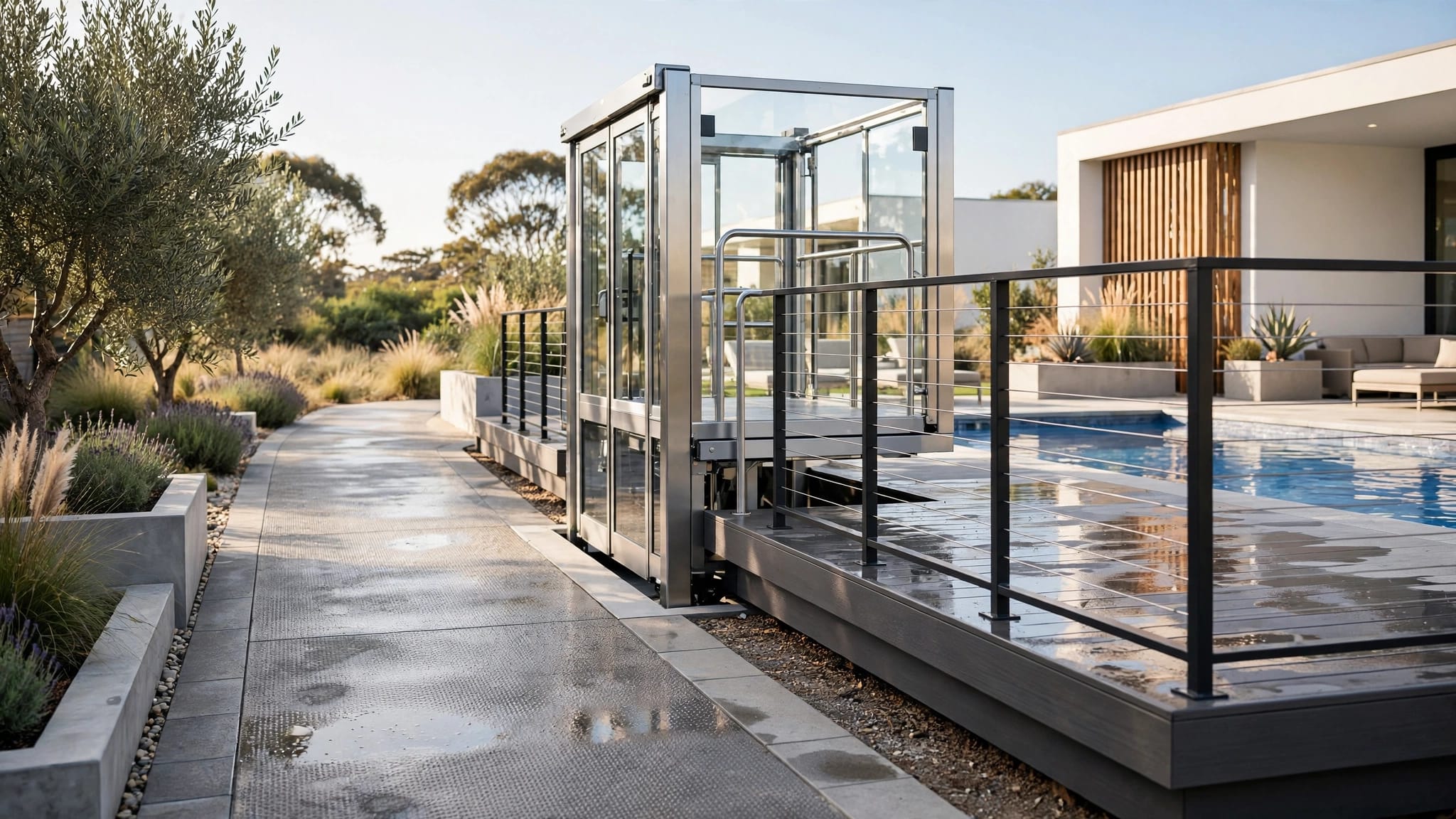
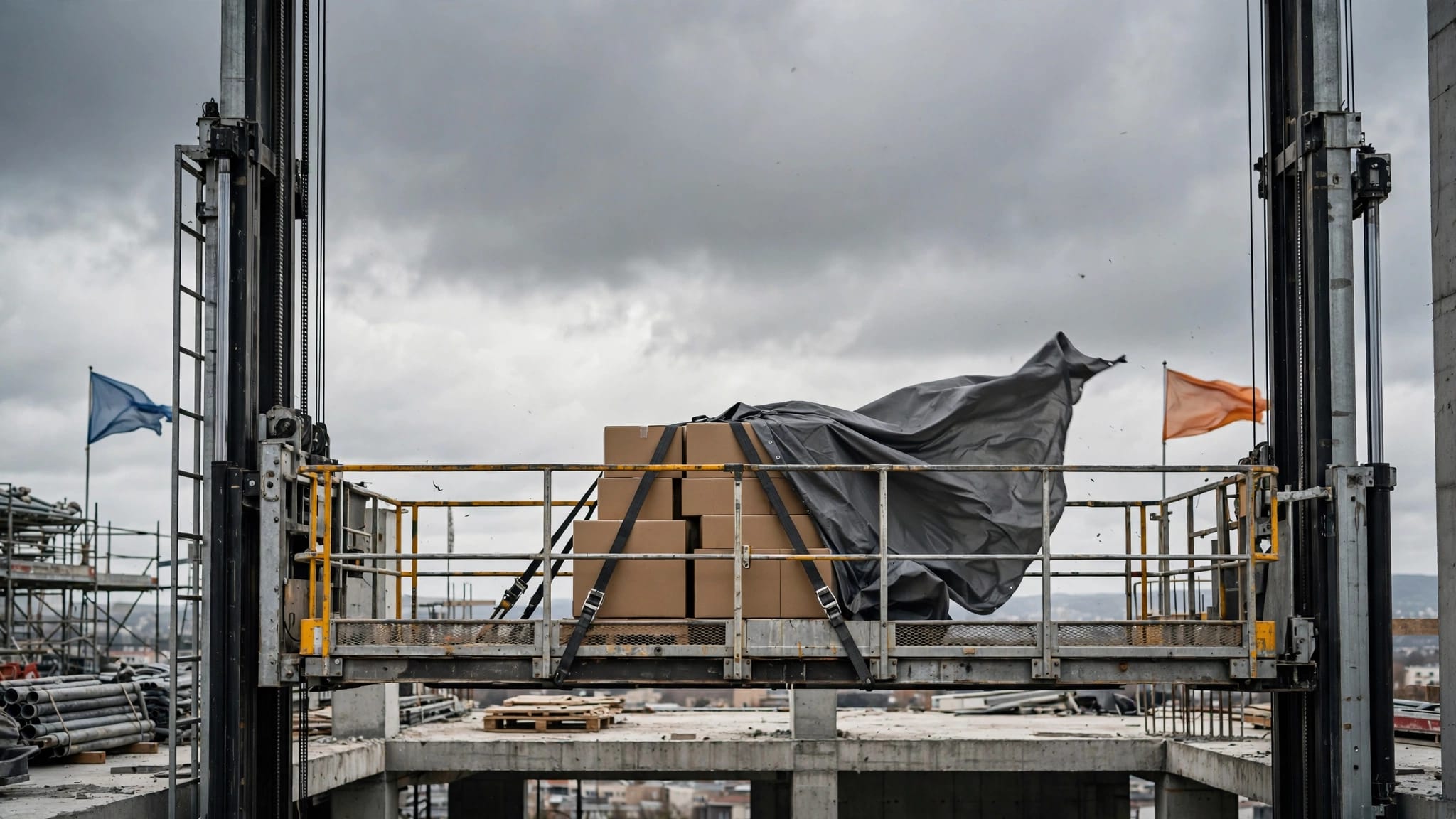
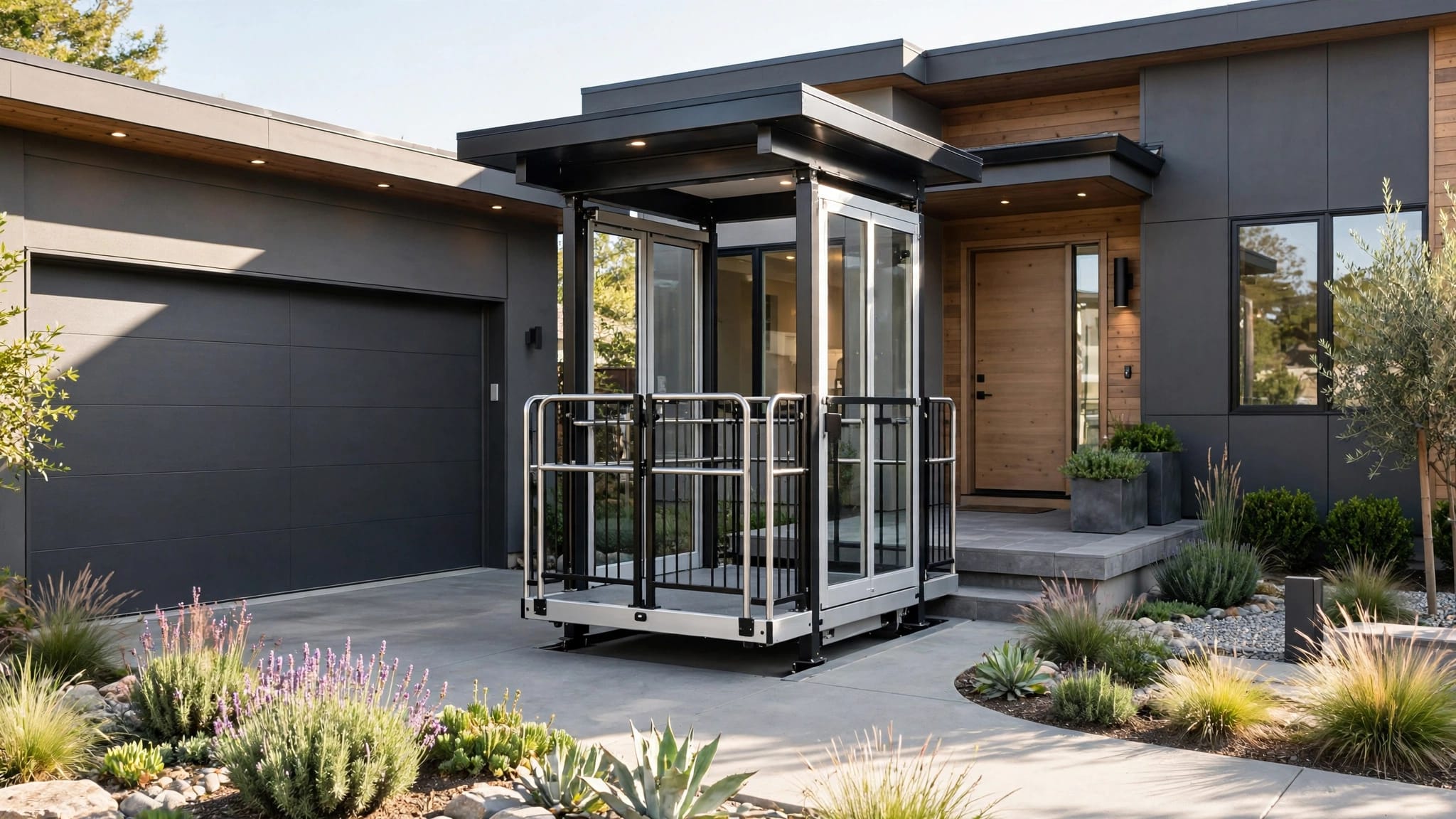
Cargo lifts are generally designed for goods, groceries, luggage, coolers, tools, and supplies . They can also handle boxes, beach chairs, laundry baskets, and small household items. In a beach house or flood-zone home, that can remove a lot of stair traffic without changing how people move through the house.

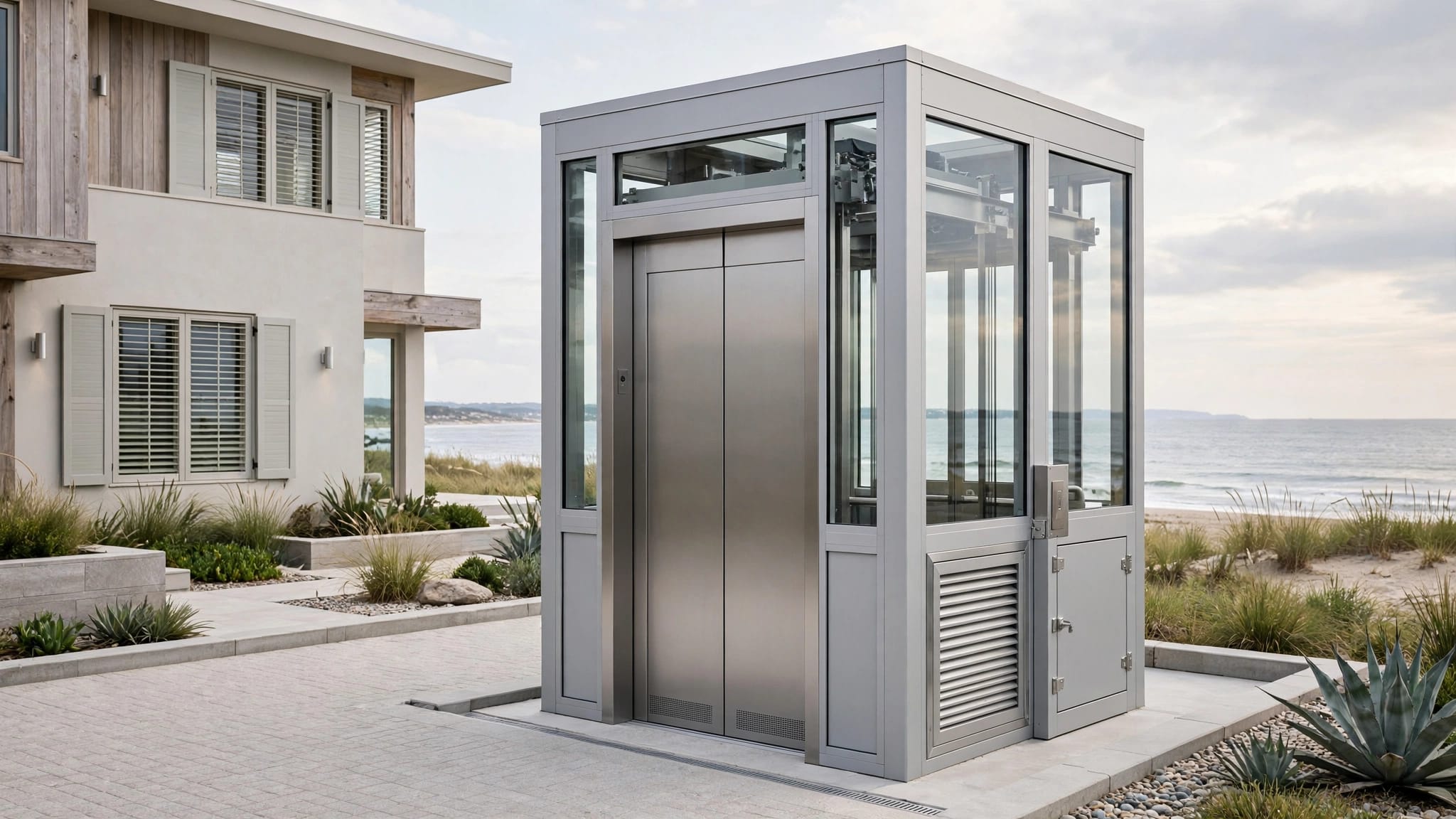
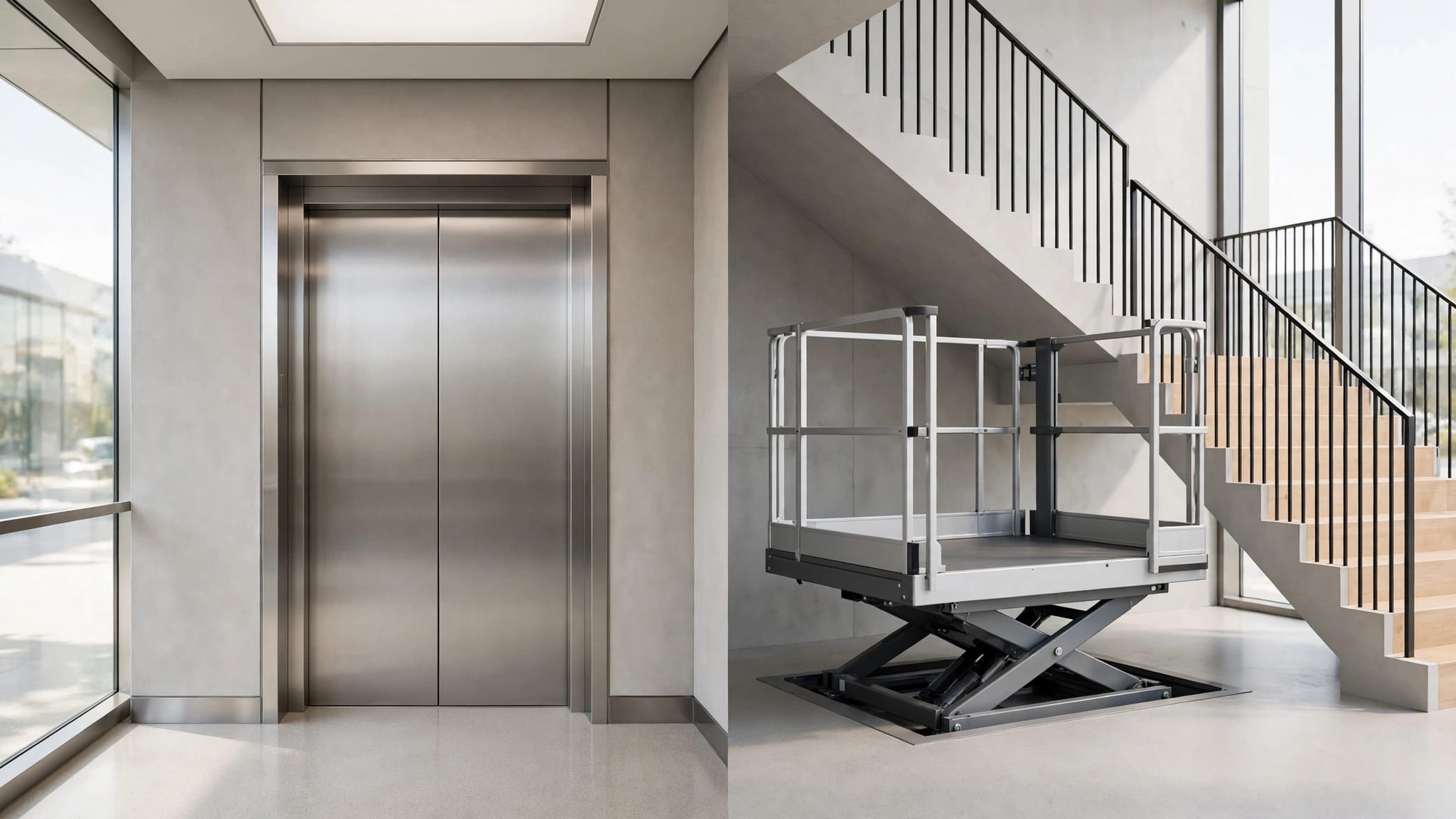
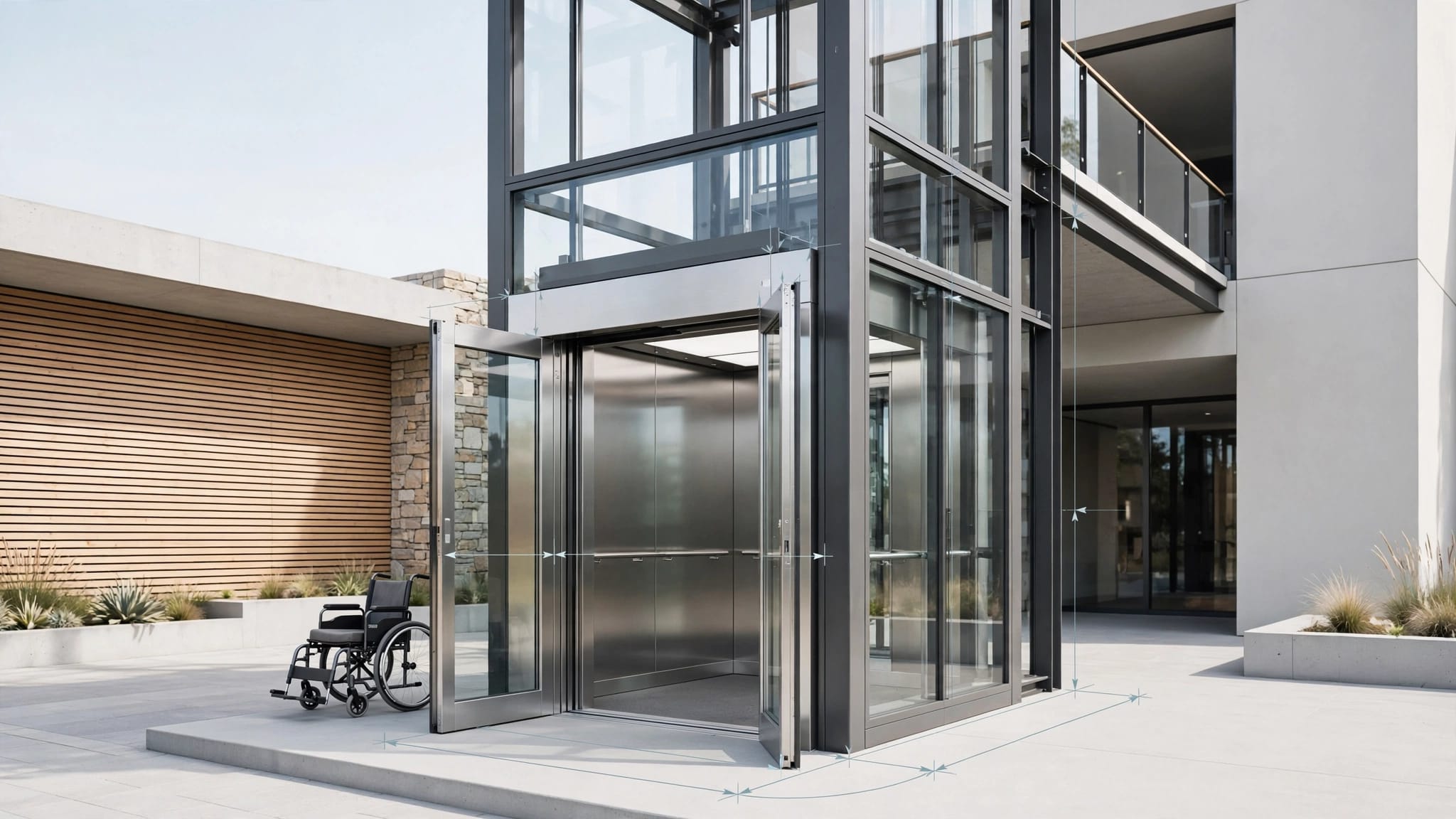
Passenger elevators are designed and permitted for transporting people . They are built for everyday use by family members, guests, and anyone who needs easier access between floors. The enclosure, controls, doors, and safety systems all reflect that purpose.

That basic split changes everything else. It affects the size of the opening, the amount of construction, the budget, and the approvals you may need before installation.

Cargo lift vs passenger elevator at a glance

A side-by-side view makes the choice easier.

Feature Cargo lift Passenger elevator
Main purpose Moves goods, groceries, luggage, and supplies Moves people between floors
Typical design Often an open platform or simpler enclosure Enclosed cab with passenger controls
Comfort Functional and utility-focused Smoother ride, more comfort, more privacy
Code and permitted use Varies by jurisdiction and manufacturer, and many models are not passenger-compliant Built to stricter requirements for people
Cost and complexity Usually simpler to install Usually more complex and expensive
Best fit Beach houses, stilt homes, utility access, supply hauling Aging-in-place homes, daily family access, guest use

A cargo lift usually wins on simplicity. A passenger elevator usually wins when the lift becomes part of daily life. The right answer depends less on what looks impressive and more on what the home actually needs.

A bigger platform doesn't change the rules. The lift's approved use does.

When a cargo lift makes sense

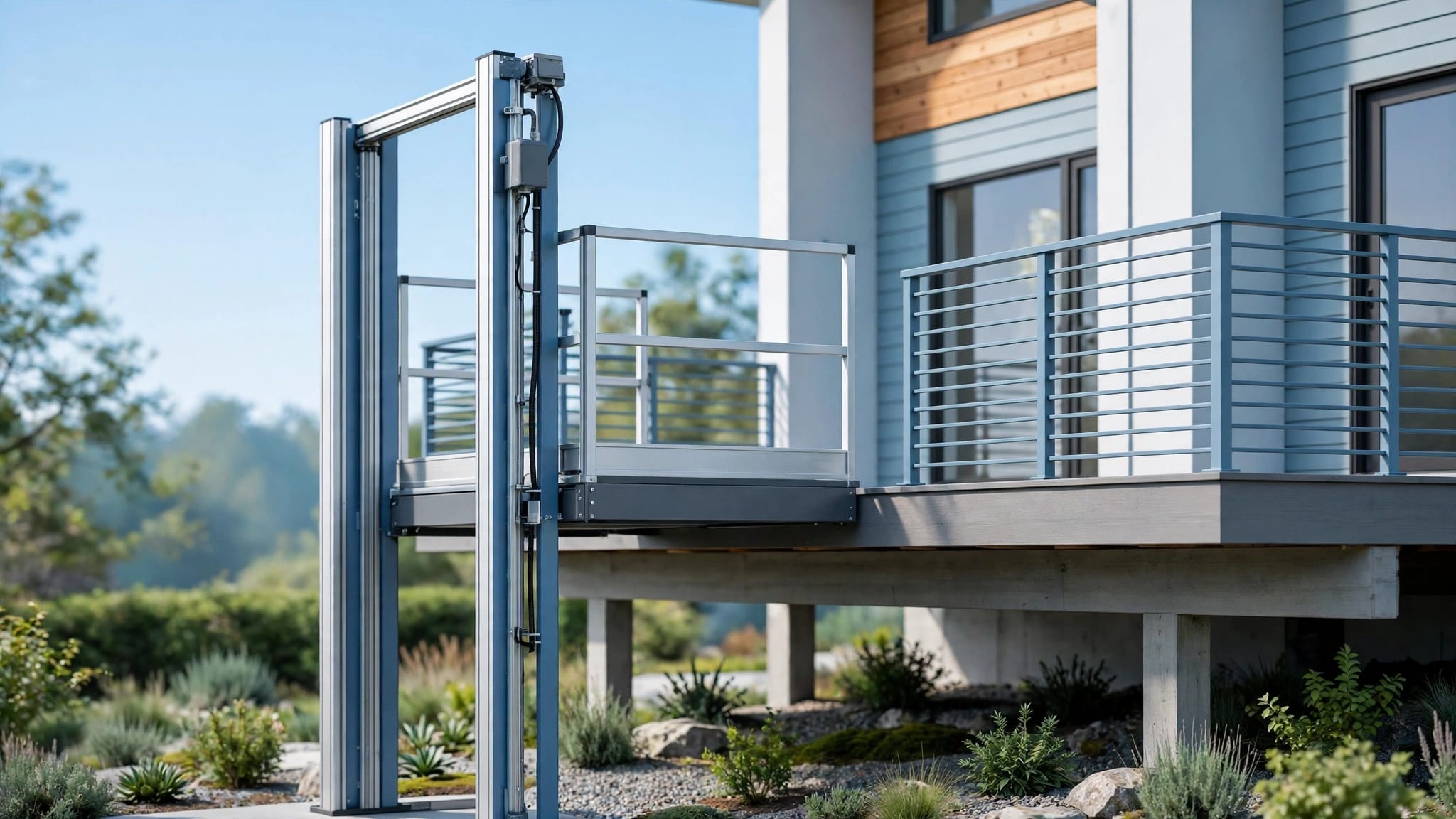
Cargo lifts shine in homes where the lift mostly carries things, not people. That includes beach houses, stilt homes, and elevated homes with porches, balconies, or landings that already give you a natural loading point.

If your usual load looks like groceries, ice chests, luggage, towels, paint, cleaning supplies, or rental turnover items, a cargo lift is often the cleaner fit. It saves steps without asking you to redesign the whole house. For many homeowners, that matters more than a polished passenger cab.

Manufacturers that focus on exterior-mounted systems often build around that use. For example, Veranda 'Vator's residential lift solutions are designed for porches, balconies, and landings, which is useful when you want to move supplies without giving up interior space.

Cargo lifts also make sense when the lift is part of a utility path rather than the main living route. Think garage to kitchen, ground level to storage deck, or first floor to laundry landing. In those cases, you want a dependable workhorse, not a full passenger system.

The limits matter too. A cargo lift is not a shortcut to passenger transport. If people are expected to ride it regularly, the design and approvals need to match that reality.

When a passenger elevator makes more sense

A passenger elevator is the better answer when the lift is part of everyday living. That includes homes where older adults live full time, where mobility changes are expected, or where guests will use the upper floors often.

It also fits better when you want comfort and convenience, not just utility. An enclosed passenger cab feels more like part of the house. It is easier to use in daily clothes, with a child in your arms, or after a long beach day when everyone is tired and sandy.

For families planning to age in place, this choice can pay off in daily ease. A passenger elevator reduces the strain of stairs, and it keeps the home usable as needs change. That matters in elevated homes, where stairs are often unavoidable by design.

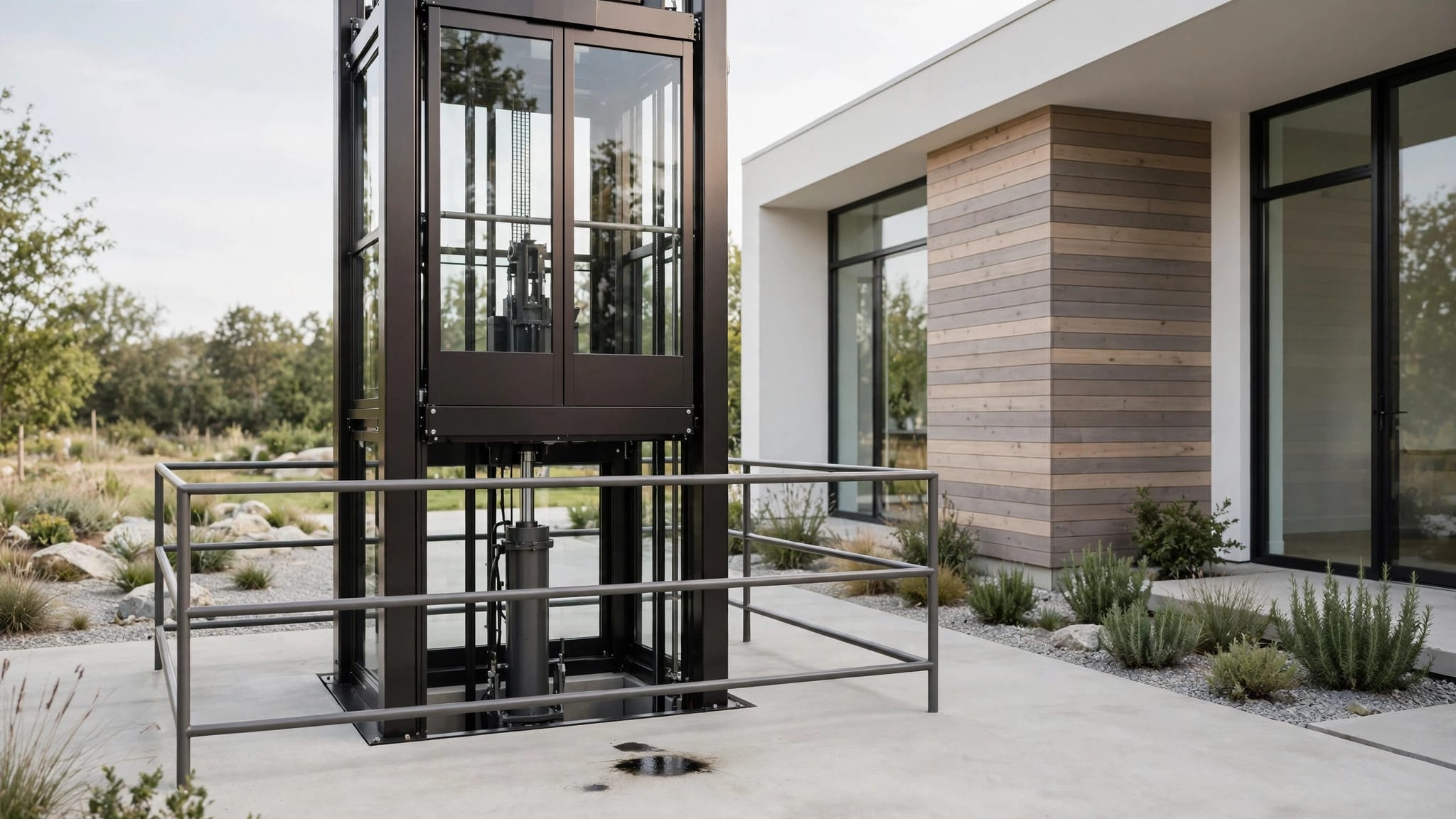
Passenger elevators usually require more space, more finish work, and more upfront planning. They also bring a tighter focus on safety systems and code compliance. That extra complexity is normal. The tradeoff is a lift that works like a true part of the home instead of a service device.

Permits, code, and safety checks that matter

This is the section to slow down and check details. Code requirements, permitting, and approved use vary by jurisdiction and manufacturer , so verify local requirements before you buy.

Before signing a contract, ask these questions:

  • Is the model approved for people, or only for freight and supplies?
  • What code does my city, county, or state use for this installation?
  • Does my flood zone, wind zone, or coastal location change the design?
  • What safety features come standard, such as gates, interlocks, or braking systems?
  • Who will service the unit, and how often does it need inspection or maintenance?

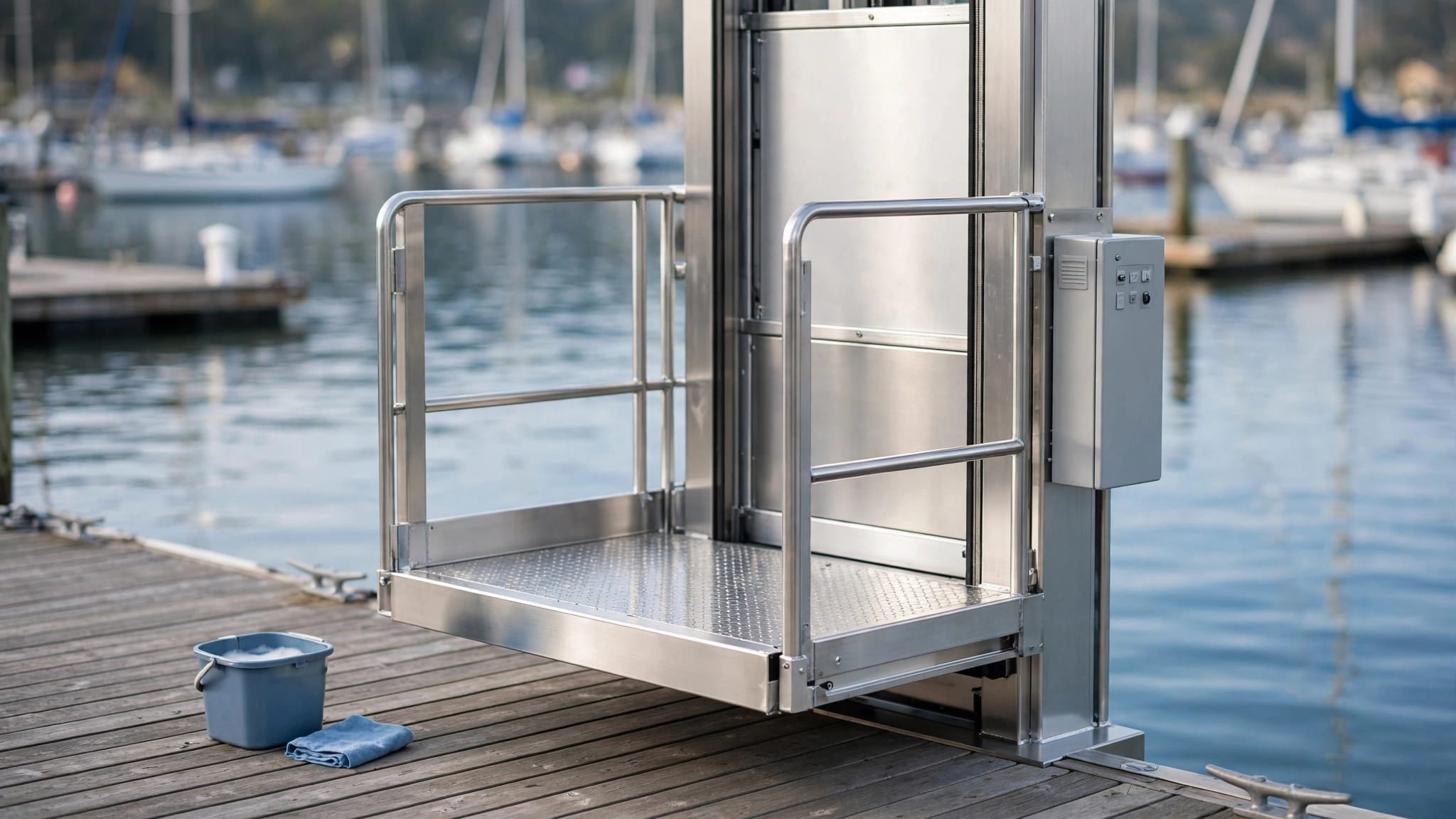
If the property is near salt air, ask about corrosion resistance too. Marine-grade materials, sealed hardware, and exterior finishes can matter a lot in beach communities. Outdoor equipment ages faster when it sits in humidity and salt spray.

The FAQ on lift differences and safety standards gives a helpful plain-language starting point, especially when you want to understand cargo lifts, passenger elevators, and related code questions. Local building officials still have the final say.

In general, cargo lifts tend to have simpler use cases, while passenger elevators face stricter expectations because people ride them. That difference is why the permit path can change even when the opening size looks similar.

Picking the right lift for a beach house, stilt home, or flood-zone property

Weekend beach house

A cargo lift often wins here. It carries coolers, groceries, beach chairs, luggage, and laundry without forcing everyone up the stairs. If the house is used mainly for short stays, utility may matter more than a full passenger cab.

Year-round family home

A passenger elevator usually makes more sense. If parents, grandparents, or kids use the home every day, the lift becomes part of daily movement. That changes the value of comfort, enclosure, and easier access.

Rental or mixed-use property

Here, the decision depends on who uses the lift and how often. If guests will ride it, a passenger elevator is usually the safer and more practical route. If staff or owners only need a way to move supplies, a cargo lift can still be a smart fit, as long as the approved use matches the plan.

Flood-zone homes add one more layer. The lift should suit the site conditions as well as the load. Exterior mounting, corrosion resistance, and simple maintenance access can matter just as much as capacity.

The best choice is the one that matches the home's real routine. If the lift will mostly haul things, a cargo lift usually keeps things simple. If it will carry people every week, a passenger elevator is the better long-term fit.

Conclusion

The cargo lift and the passenger elevator solve different problems, even when they sit on the same kind of elevated home. Cargo lifts are built for goods, groceries, luggage, and supplies. Passenger elevators are built and permitted for people.

If you picture the hardest day in the house, the answer usually gets clearer. Heavy beach gear and storage runs point toward a cargo lift. Daily access for family and guests points toward a passenger elevator.

The right lift is the one that matches the load, the code, and the way the home actually lives.

Recent Posts

By Veranda 'Vator December 22, 2025
1. Buy from an established manufacturer and know their history. Metal shop reality TV has made welding a popular hobby. All too often hobbyist welders see a metal product they can duplicate and figure they can get into the manufacturing biz. This is bad for consumers because these garage mini factories rarely last, and rarely have adequate quality control in place. 2. Ask to see engineering drawings with a raised seal from a reputable third party structural engineer, and know what they are certifying. As a cargo lift buyer you should be concerned about whether the lift you are buying meets the specifications as advertised. Any reputable manufacturer will have already had an engineer who is separate from their firm, review their design and place their raised seal on the plans. Reasons for this is to validate the lifting capacity and to validate it will meet windstorm criteria. Both of these points must be in writing, on stamped drawings, with the manufacturers name on themfor you to know you are getting what you are paying for. If you are buying a lift advertised at 1000lb capacity it needs to state that specifically on the plans. Unscrupulous manufacturers will have less critical aspects of the lift evaluated so they have something with a raised seal in hand. They will then attempt to trick unwitting clients into thinking the stamp certifies all of their advertising claims. Be further aware that engineers specialize in different things. This is a structural engineer application. Be wary of plans stamped by civil engineers, electrical engineers etc, and also by in house engineers who are employed by the manufacturer. 3. Get a copy of the manufacturer’s insurance certificate. Homeowners often ask the contractors doing the installation for proof of insurance, but the lift manufacturers proof of insurance is often ignored. 4. Verify your lift is made by who the contractor says it is. Knocking off a product and then “passing off” as a name brand is common and illegal. Ask your lift manufacturer for ways to identify whether your lift is genuine. Even if the seller admits it is a knock off you will likely be getting something built by a facility we discussed in point 1. 5. Communicate directly with the lift manufacturer before making your choice. Installation contractors are often more concerned with making the right choice for themselves, not you. Most of the time an installer will put in the lift of your choice regardless of whether they have bias towards one or the other. If you find a lift manufacturer you like ask them to recommend an installer in your area.