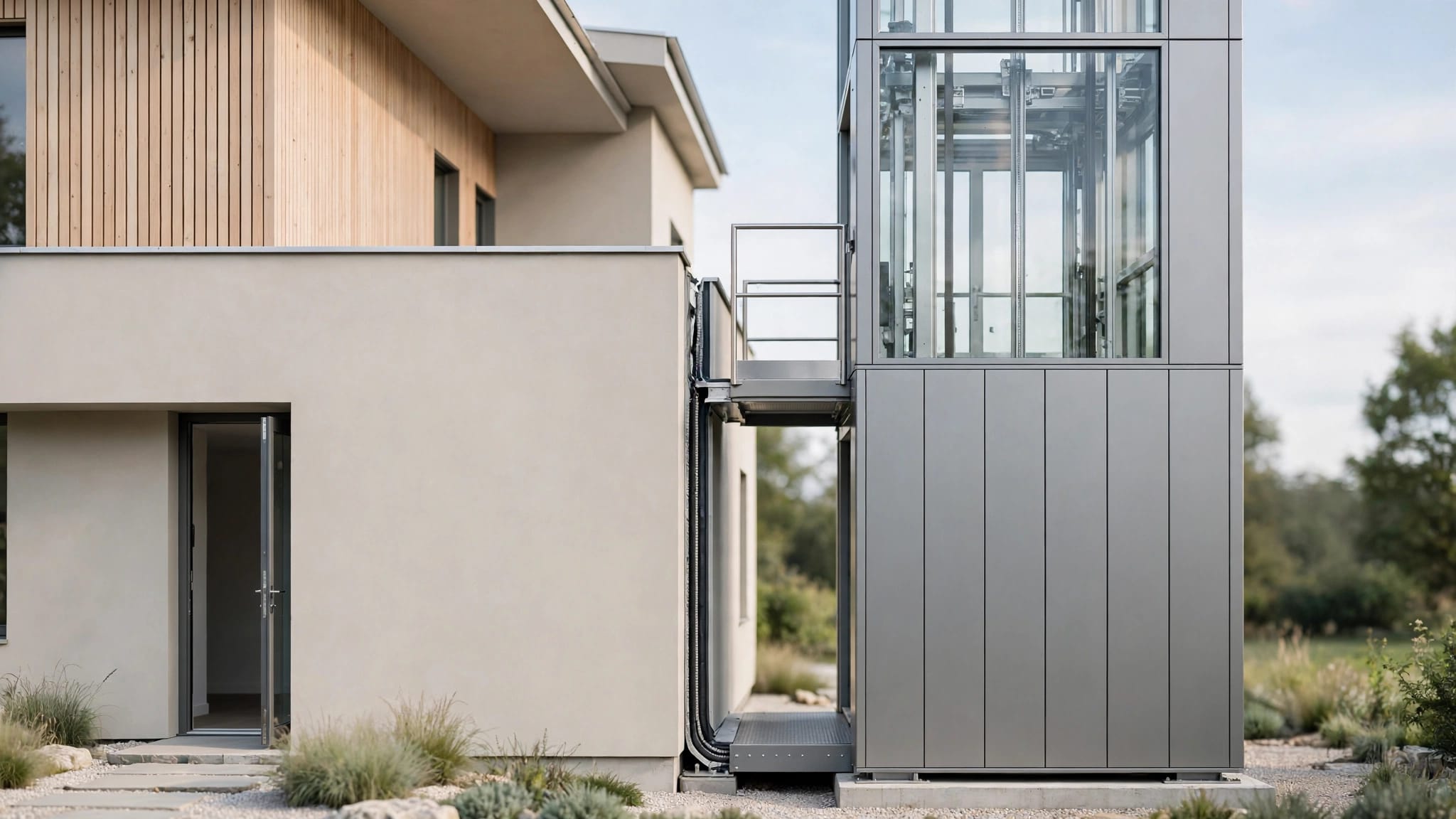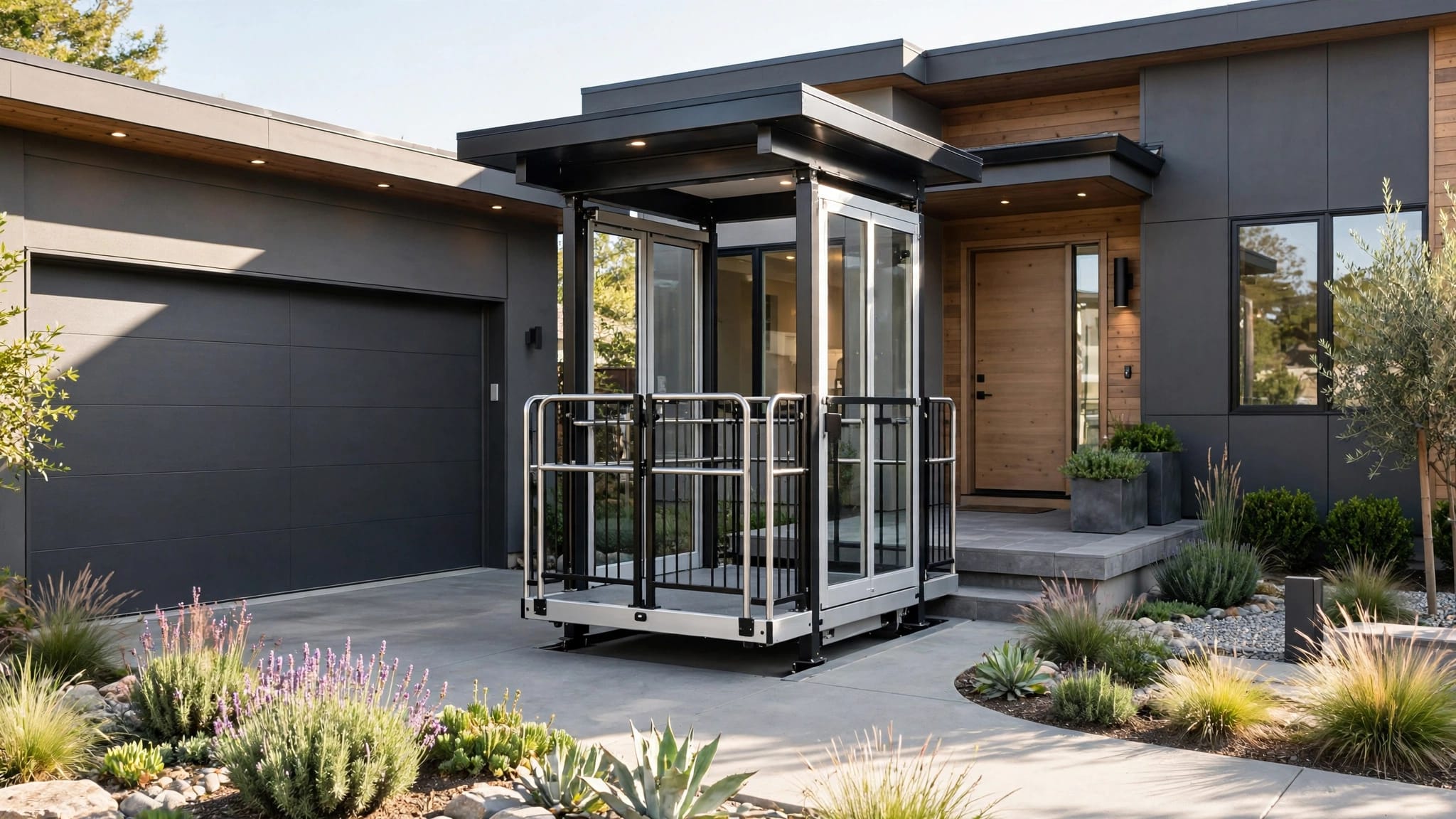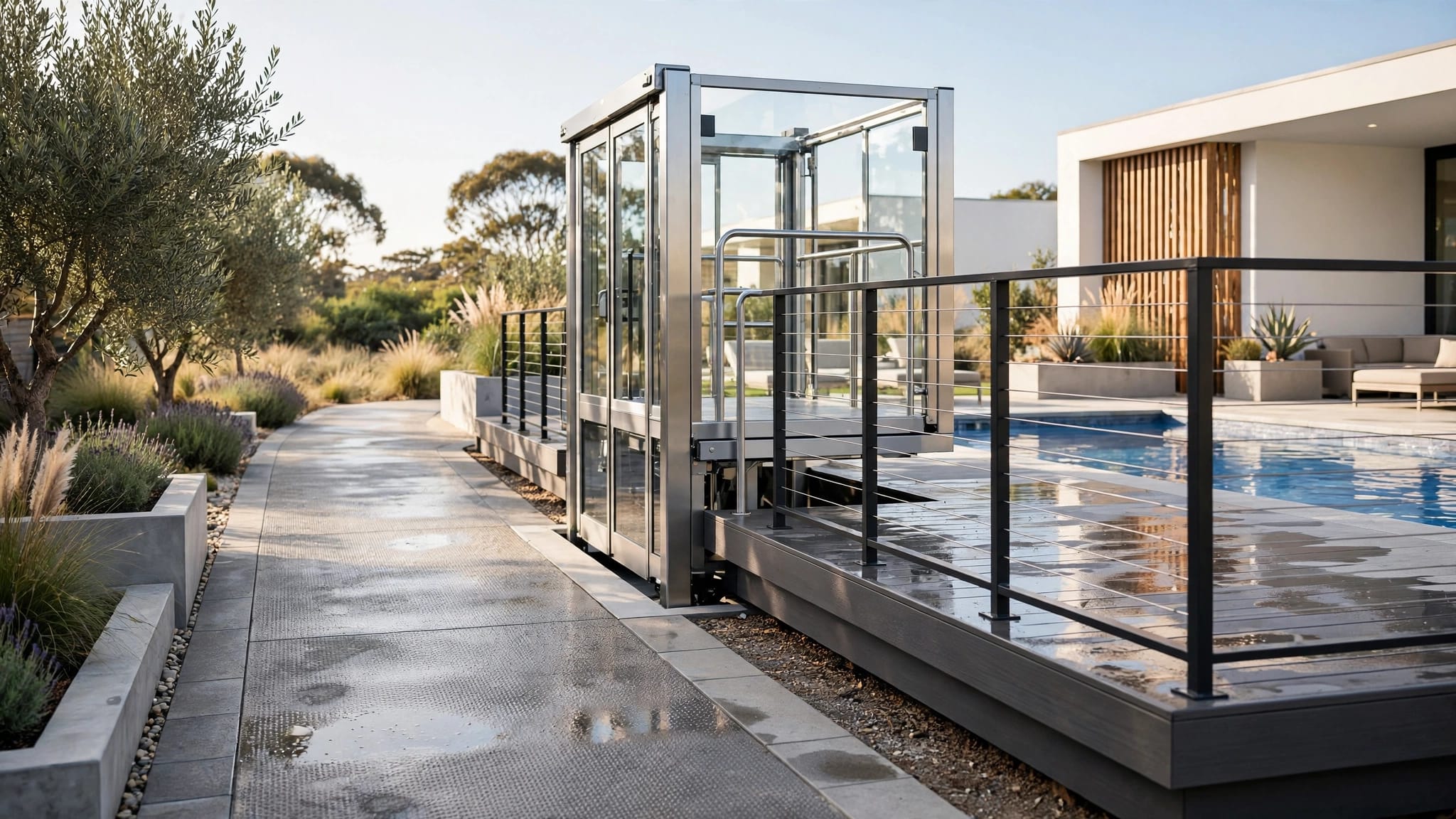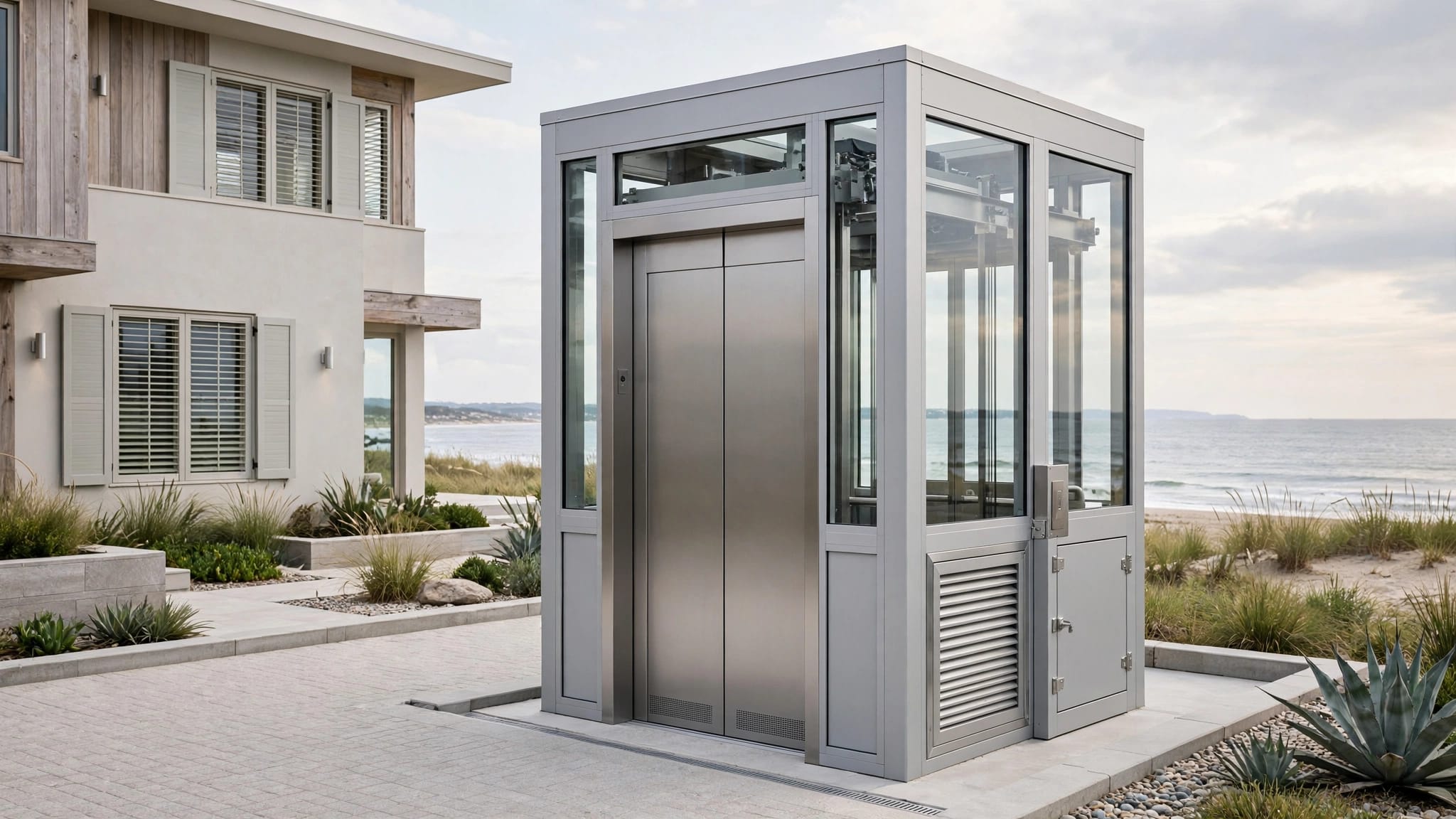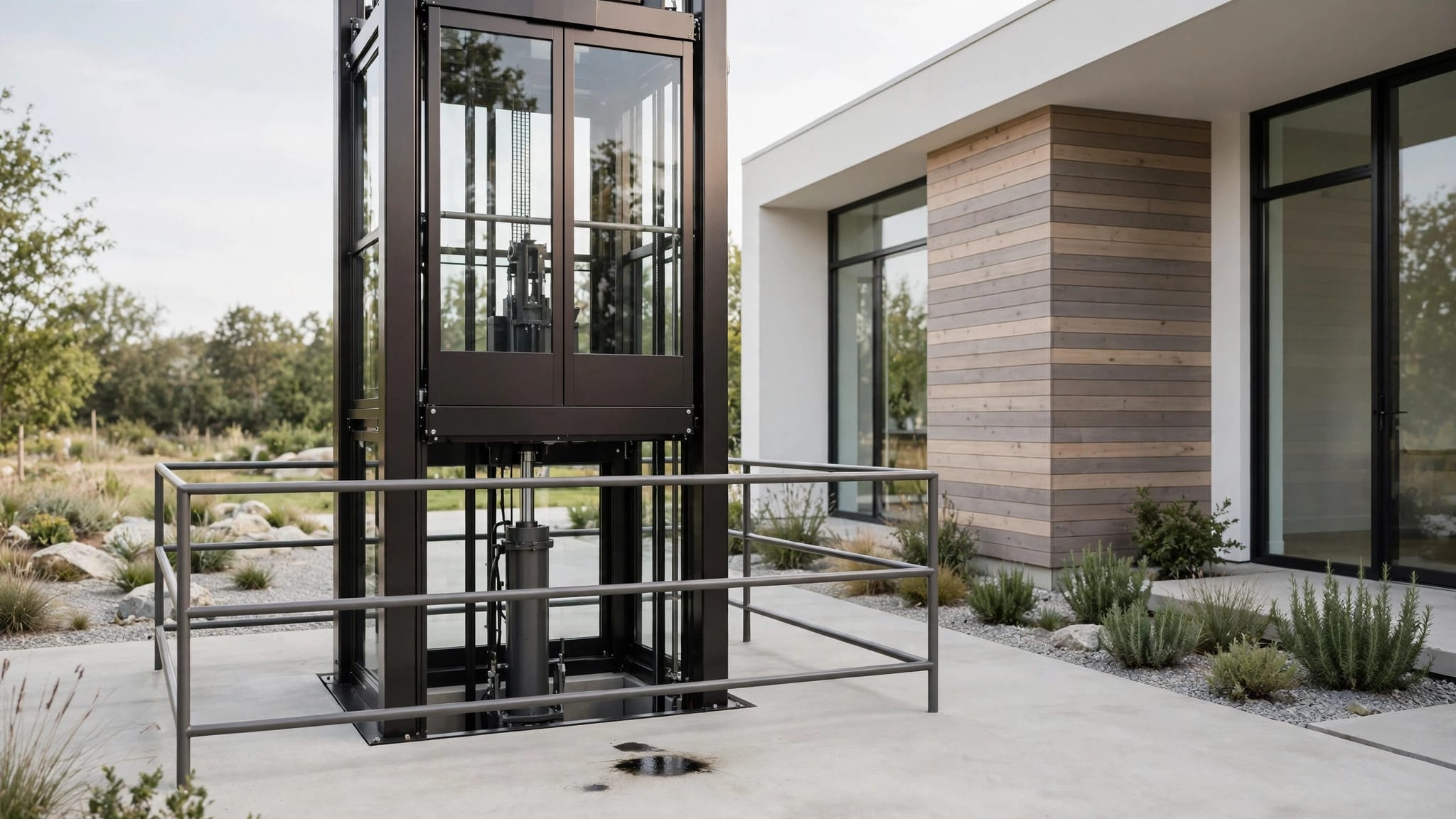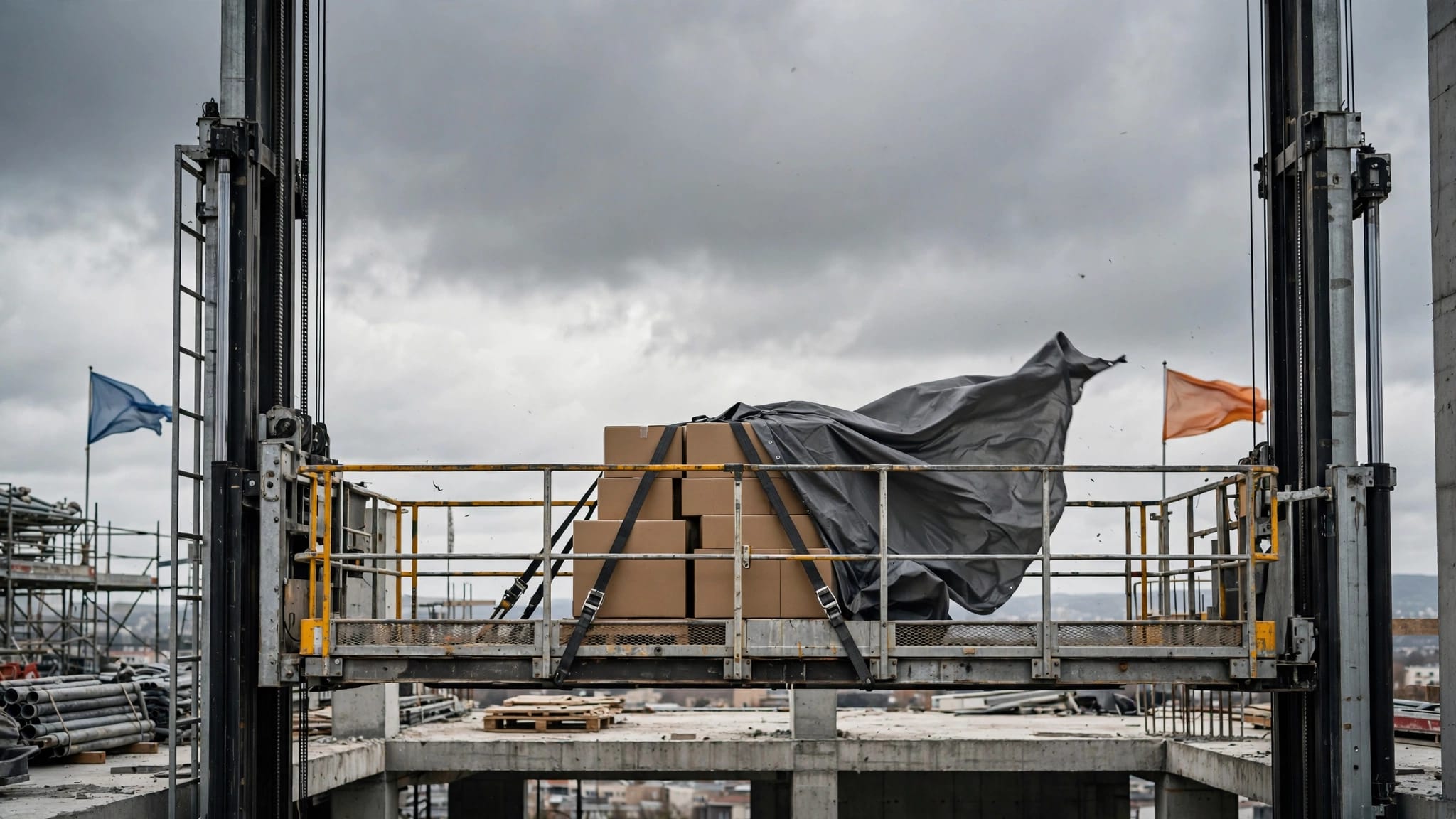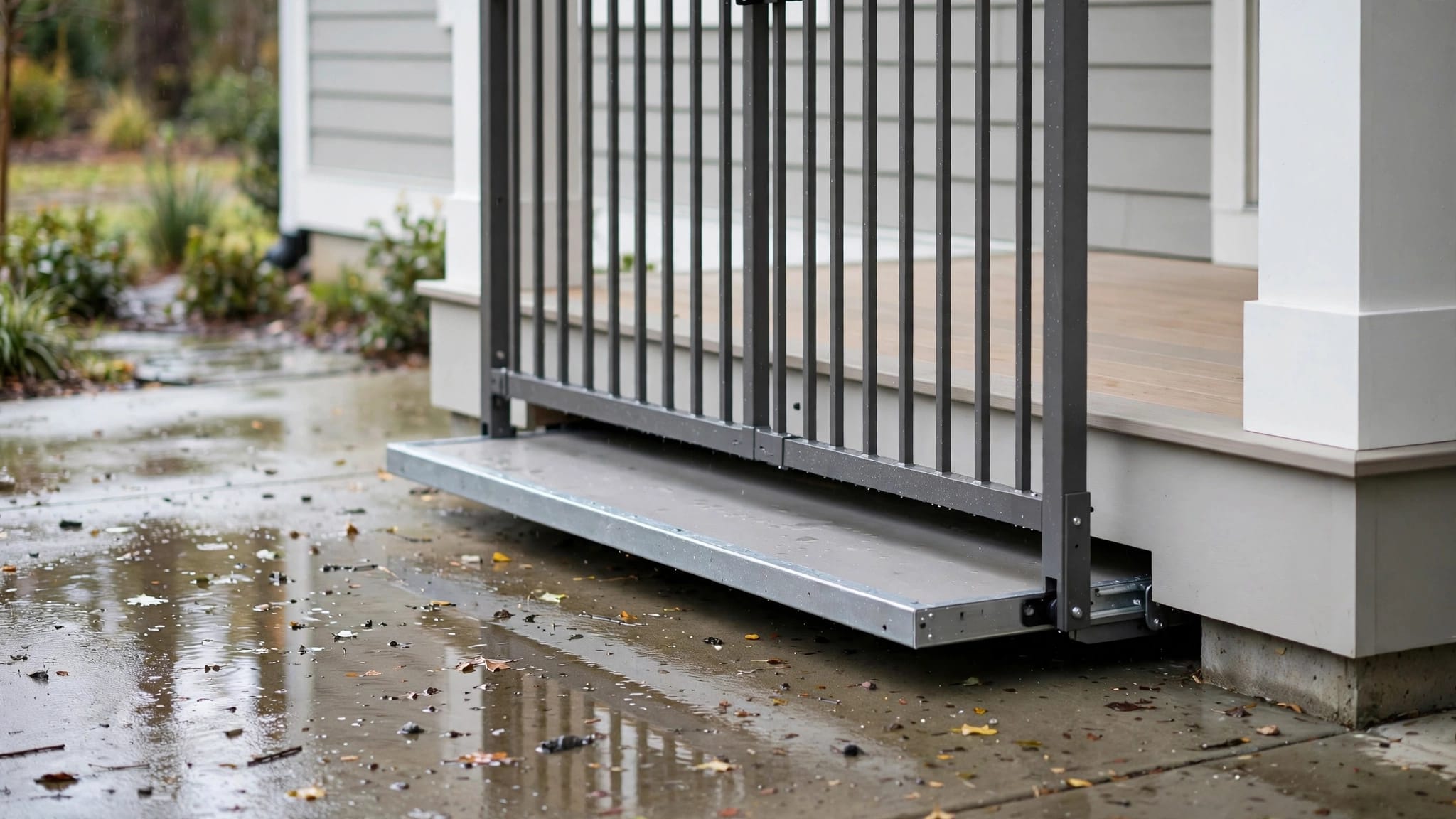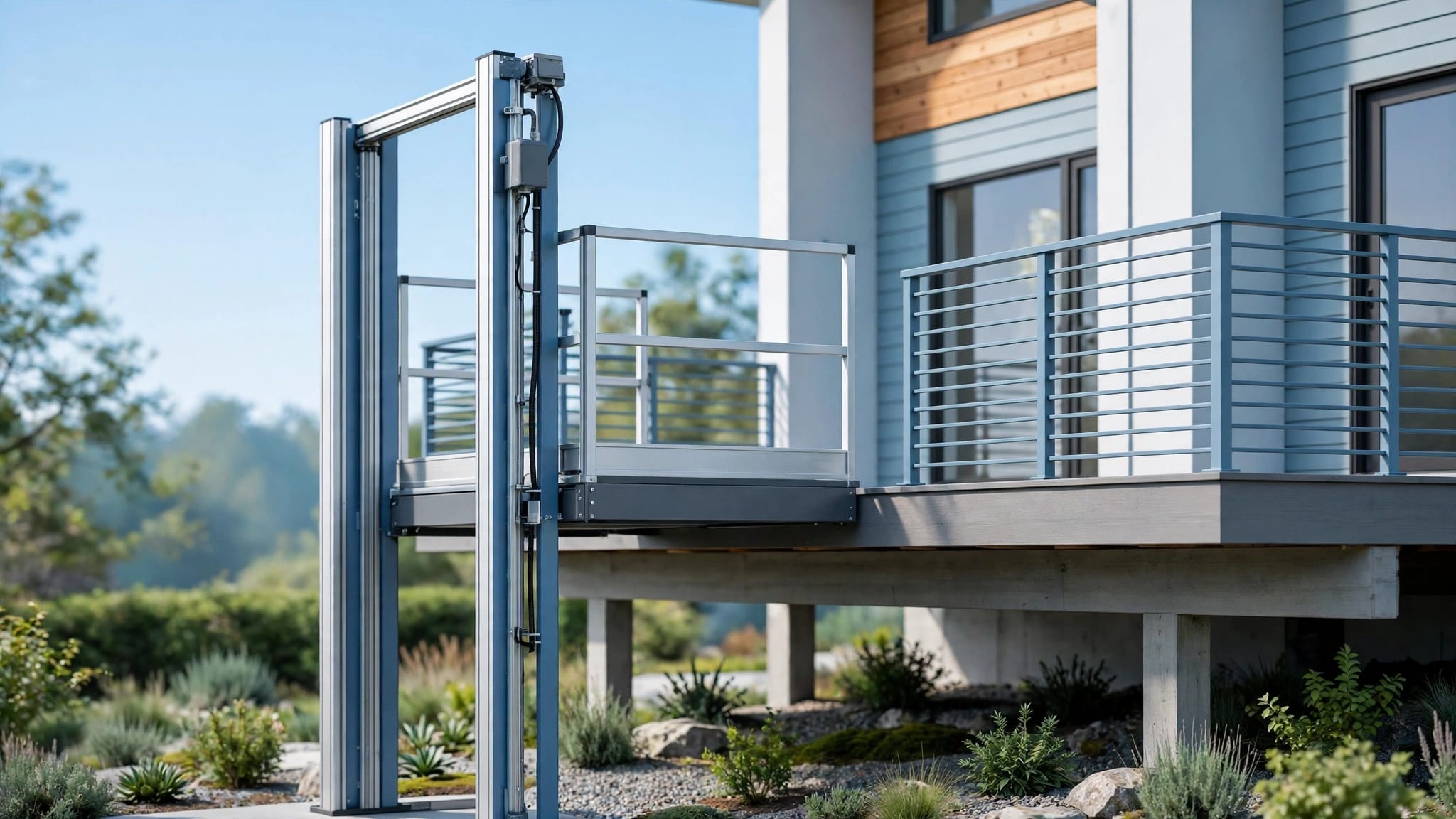
Beach homes put elevator rules under a harsher microscope. Salt air attacks hardware, wind pushes on the exterior shell, and flood zones change what the building office will approve.
If you're adding a passenger elevator or cargo lift to a coastal home, the Florida elevator code is only part of the picture. The structure, the weather exposure, and the maintenance plan all have to work together.
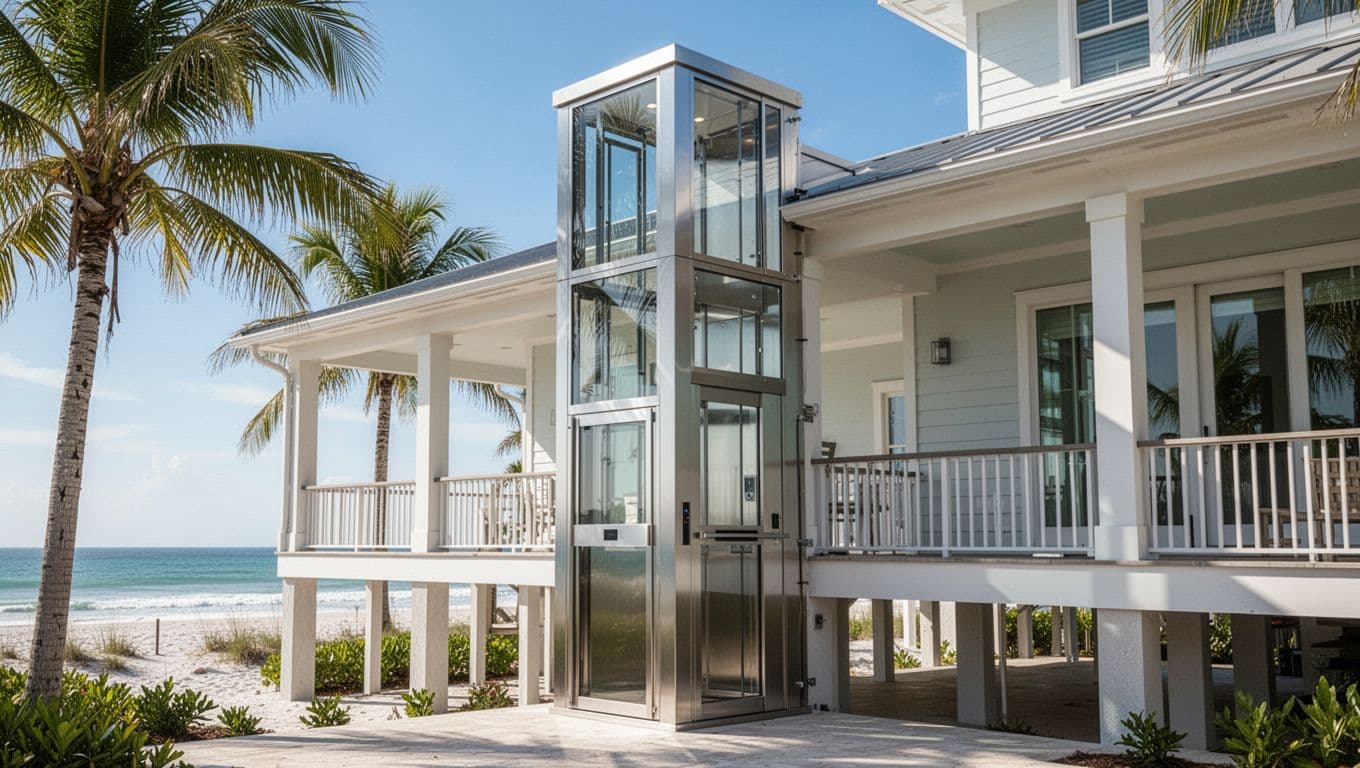
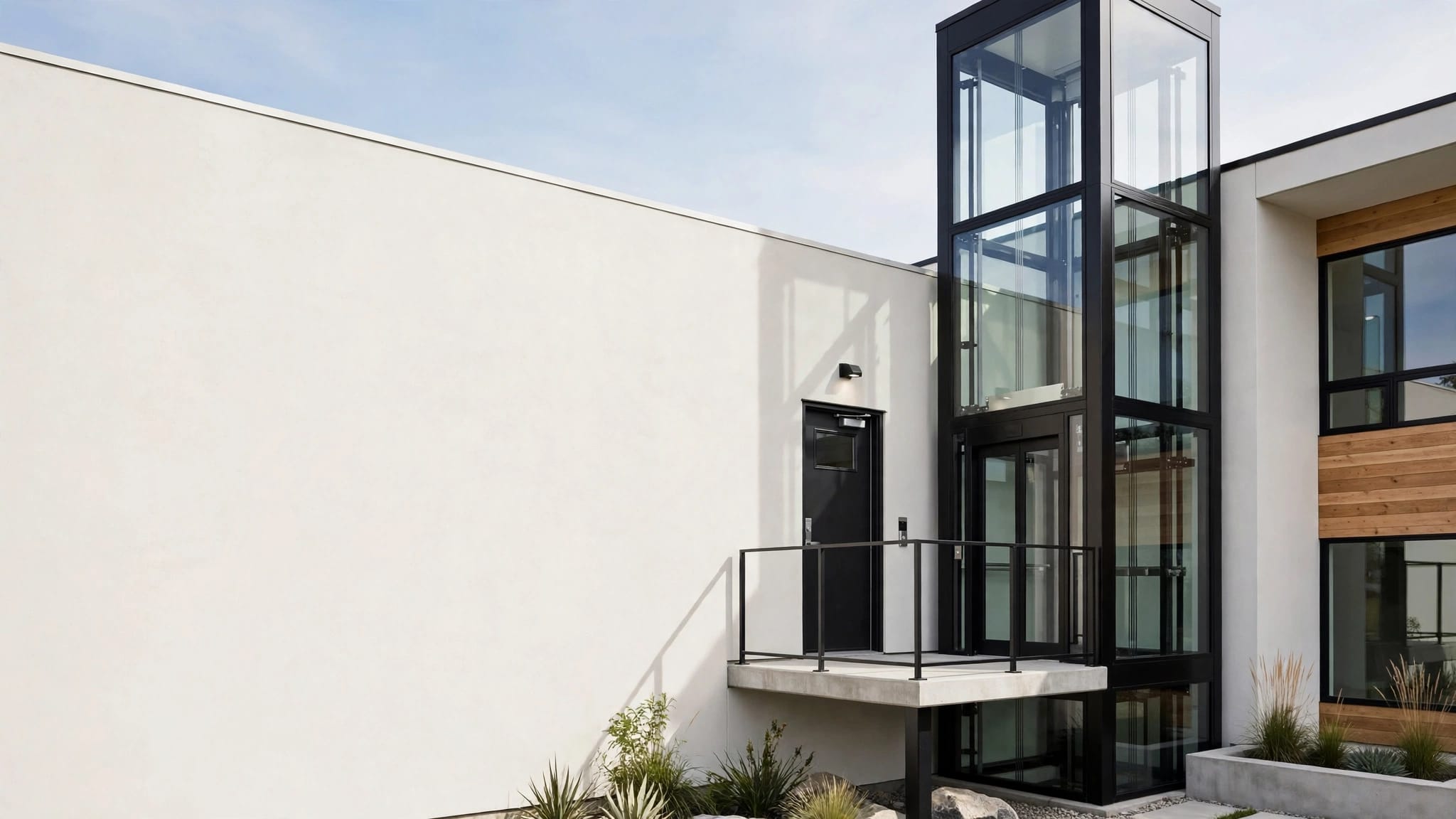
Exterior lifts can be a smart fit for raised porches and balconies, but the design has to match the house and the site. That starts with the code path, because a bad first choice can slow down the whole project.
Key Takeaways
- ASME A17.1 is the main code path for passenger elevators, while ASME A18.1 often applies to vertical platform lifts.
- Outdoor lifts on the coast need corrosion-resistant materials, strong anchorage, and weather protection that can handle salt, rain, and wind.
- Flood zones, local AHJs, and county rules can change the permit path, so Florida code alone is never the whole answer.
- Older elevators may need door-lock monitoring updates, emergency communication checks, and other modernization work.
- A licensed elevator contractor and structural engineer should review the site before fabrication or permit submittal.
Which codes usually apply to outdoor elevators in Florida?
For new passenger elevators, ASME A17.1 is the starting point. Florida's 8th Edition 2023 Building Code also matters, because it pulls in wind and structural rules that affect the shaft, attachments, and enclosure.
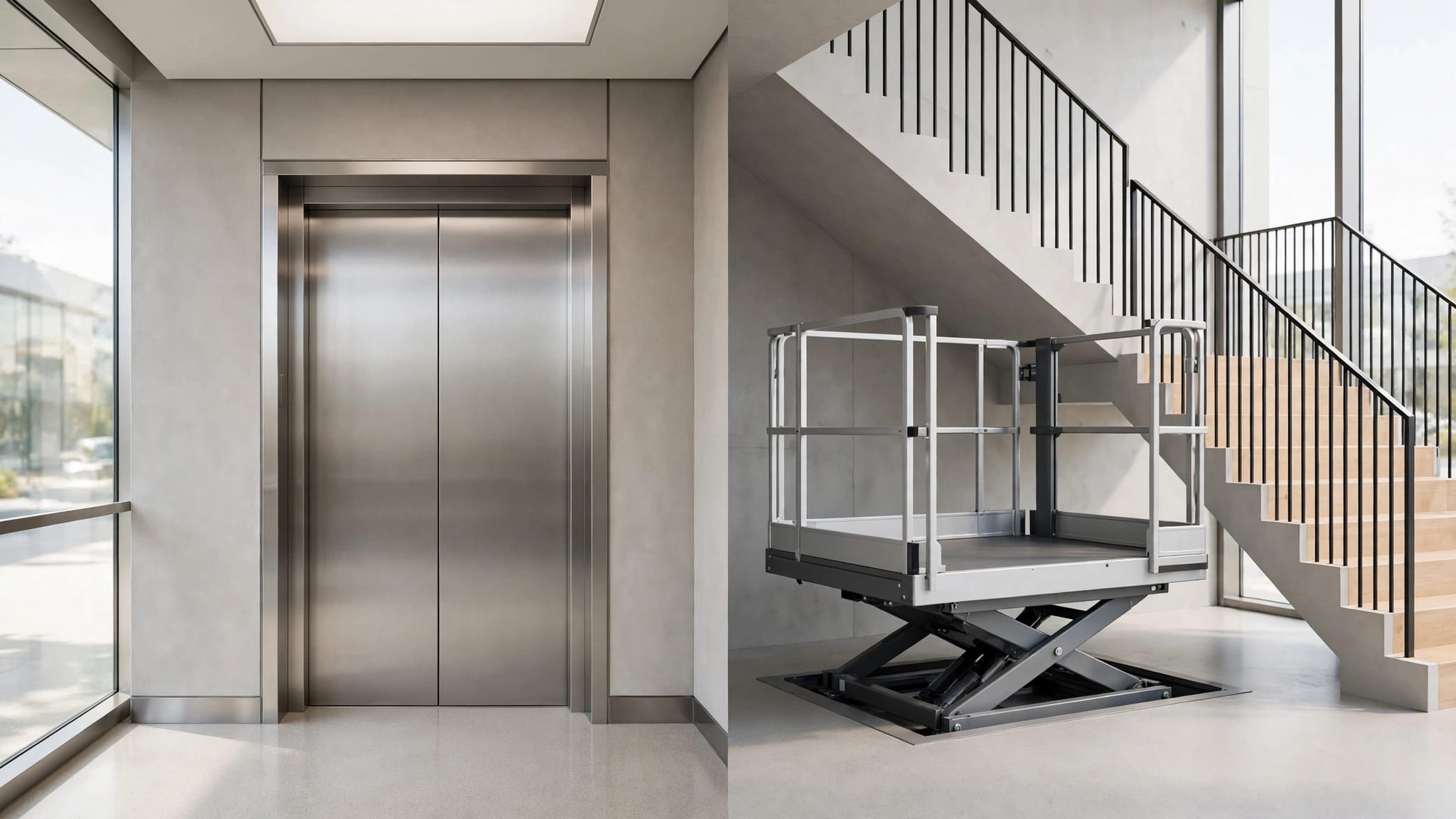
Vertical platform lifts usually fall under ASME A18.1. Cargo lifts are different again, because they move materials, not passengers. If you're still deciding which system fits the home, the distinction in elevator vs cargo lift safety standards matters before the drawings go to permit.
Existing elevators can bring another layer. Florida's door-lock monitoring rules for many systems took effect on January 1, 2024, and older units, especially post-2000 installations, may need modernization so the doors stay locked until the cab is properly secured.
The practical point is simple. A porch lift on a beach house may look like one project, but code treats the structure, the lift type, and the use very differently.
A lift that works on paper can still fail at the permit desk if the code path doesn't match its use.
When the home sits in a flood hazard area or near a municipal coastal overlay, the local building official can ask for more documentation. That can include sealed drawings, product approvals, and details that show how the lift connects to the house without weakening the envelope.
Beach homes also use a mix of slab, pile, and porch framing. The lift base and attachment points have to match that structure. A shaft that is fine on inland soil may need extra bracing, different anchorage, or corrosion-rated connectors near the coast.
Coastal wind, salt, and flood exposure change the design
The coast is hard on metal. Salt creeps into fasteners, control boxes, and door hardware, so marine-grade aluminum, stainless hardware, and sealed electrical components matter.
Florida's current building code uses ASCE 7-22 for wind loads, and beach homes often fall into Exposure C or even the High Velocity Hurricane Zone in Miami-Dade and Broward. That changes anchorage, wall attachment, and shaft bracing in a hurry.
A marine-grade finish helps, but it doesn't replace proper wind anchorage or flood planning.
In Miami-Dade and Broward, product approval can mean a Florida Product Approval number, a Miami-Dade NOA, or Broward Product Control paperwork, depending on the component. Elsewhere, the permit set still needs structural drawings sealed by a Florida-licensed engineer or architect.
Flood zones add another layer. The lift may sit outside the home's flood elevation, yet its landing, pit, controls, and service access still need to make sense if water gets into the area. A raised beach home with a porch-mounted elevator often needs different detailing than a slab-on-grade house with a simple interior shaft.
Openings near the landing need weather seals and, where applicable, impact-rated glazing or doors. Controls should stay dry, and service access should remain safe after a hard rain. If the lift sits where spray reaches it, plan for rinsing, coating touch-ups, and scheduled hardware checks.
Salt, wind, and water also change maintenance expectations. Owners should plan on periodic inspection of seals, finish wear, door operation, and exposed hardware. On the coast, small rust spots grow fast.
Power loss planning matters too. The approved design should spell out how the elevator handles an outage, how occupants communicate, and how the home owner or tech gets the car back in service.
What inspectors and building officials usually check first
Before the first ride, the approval usually comes down to a few basics. These are the items that cause the most delays when they don't match the submitted plan.
- Pit depth and overhead clearance match the approved drawings.
- Door interlocks and door-lock monitoring keep the landing doors closed until the cab is ready.
- Two-way emergency communication works without relying on a homeowner's phone.
- Electrical disconnects, controls, and labeling are easy to reach and match the permit set.
- Weatherproofing, ventilation, and service access are in place.
- Fire blocking, door ratings, and shaft details match the building layout.
Inspectors also look for smooth travel and clean door operation, because rubbing or binding often points to framing or alignment problems. In a salty coastal setting, that check matters more than most homeowners expect.
Emergency operation deserves attention before the project starts, not after installation. Ask how the unit behaves during a power loss, how occupants call for help, and what the recovery process looks like for the service tech. If the home depends on the lift for access, that conversation belongs in the first design review.
Inspectors care about the basics because the basics fail first. If the cab rubs the frame, if the door timing feels off, or if the landing gate doesn't latch cleanly, the problem usually traces back to framing, alignment, or wiring. Coastal moisture can turn a small tolerance issue into a service call.
Picking the right lift for a beach home
A beach house doesn't always need the same lift type as a city home. The right choice depends on who uses it, how high it travels, and whether the lift must carry people or only freight.
Here's a quick comparison that helps separate the options.
| Lift type | Typical use | Code path | Best fit for beach homes |
|---|---|---|---|
| Passenger elevator | People between floors | ASME A17.1 and local review | Best when daily access matters and the lift must be passenger-compliant |
| Vertical platform lift | Wheelchair access over a shorter rise | ASME A18.1 | Good for porches, balconies, and landings with limited travel |
| Cargo lift | Groceries, luggage, supplies | Material-handling review, not passenger code | Good for heavy items, but not for people |
The right box in that table matters more than the price tag. A cargo lift can save your back, but it does not replace a passenger elevator. Many VPLs fit shorter rises, which is why they show up often on raised beach porches.
Passenger elevators fit homes where family members, guests, or aging homeowners need full access between floors. Cargo lifts work well for groceries, luggage, and beach gear, but they don't solve accessibility by themselves. VPLs are useful when the rise is shorter and the access path is simple.
Before you commit, map the actual use case. Count how often people will ride it, how much weight it must carry, and whether the wall or porch can support the attachment. Then match that plan to the code, not the other way around.
Conclusion
Florida beach homes ask a lot from an elevator. The code has to match the lift type, and the lift has to survive salt, wind, water, and regular use.
Once you sort the permit path, the rest becomes more manageable. Strong attachments, corrosion-resistant parts, emergency communication, and a maintenance plan matter just as much as the cabin itself.
The smartest move is to verify the current Florida elevator code with the local AHJ, a licensed elevator contractor, a structural engineer, and the building official before fabrication starts. On the coast, the best-looking lift is the one that still fits the code after the first storm season.
Recent Posts