What Affects Outdoor Home Elevator Cost in 2026

Share this article

Outdoor elevator pricing can swing by tens of thousands of dollars before you even choose finishes. The number on a brochure is only the starting point, because weather exposure, site work, and code requirements can change the real budget fast.

That is why two homes with similar height can get very different quotes. One may need only a simple platform lift, while another needs a fully enclosed, passenger-compliant system with corrosion-resistant parts and a stronger foundation.

If you are budgeting for an outdoor lift in 2026, the numbers make more sense once you separate the equipment from the full installed project.

Key Takeaways

  • Base equipment and installed cost are not the same thing. The lift itself is only one line in the budget.
  • Travel height changes everything. More floors usually mean more structure, more labor, and higher code demands.
  • Climate matters. Coastal air, humidity, and direct rain push buyers toward marine-grade materials and sealed components.
  • Hidden costs add up fast. Site work, concrete, electrical upgrades, permits, and inspections can change the final number a lot.
  • The right lift type matters. A cargo lift, vertical platform lift, and passenger elevator all follow different rules and budgets.

Base Equipment Price vs. Total Installed Price

A product quote can look manageable until the rest of the project gets added. The equipment package may include the cab, rails, drive system, controls, and safety hardware, but it does not always include the structure that makes outdoor installation possible.

The installed price covers the real job. That means labor, framing, enclosure work, foundation work, wiring, permits, and inspection.

Cost layer What it usually covers
Equipment package Cab or platform, drive system, controls, doors, and core safety parts
Installation labor Assembly, alignment, testing, and adjustment
Site work Concrete pad, framing, hoistway, landing openings, or porch modifications
Compliance Permits, code checks, and inspections
Ownership Maintenance, weather-related upkeep, and replacement parts

For 2026, basic outdoor systems often start around $8,000 to $12,000 installed. Standard weatherproof residential elevators often land between $18,000 and $40,000 for a two-stop setup. Custom or luxury systems can move past $50,000 and may reach well over $100,000 when the design is highly specialized.

A low equipment quote can hide a large project total once the structure, wiring, and inspection work are added.

Travel Height, Lift Type, and Capacity

The more floors the lift serves, the more the budget climbs. Each added stop usually means more rail, more doors, more labor, and more structural work. In many projects, that adds several thousand dollars per floor, and more if the system is custom.

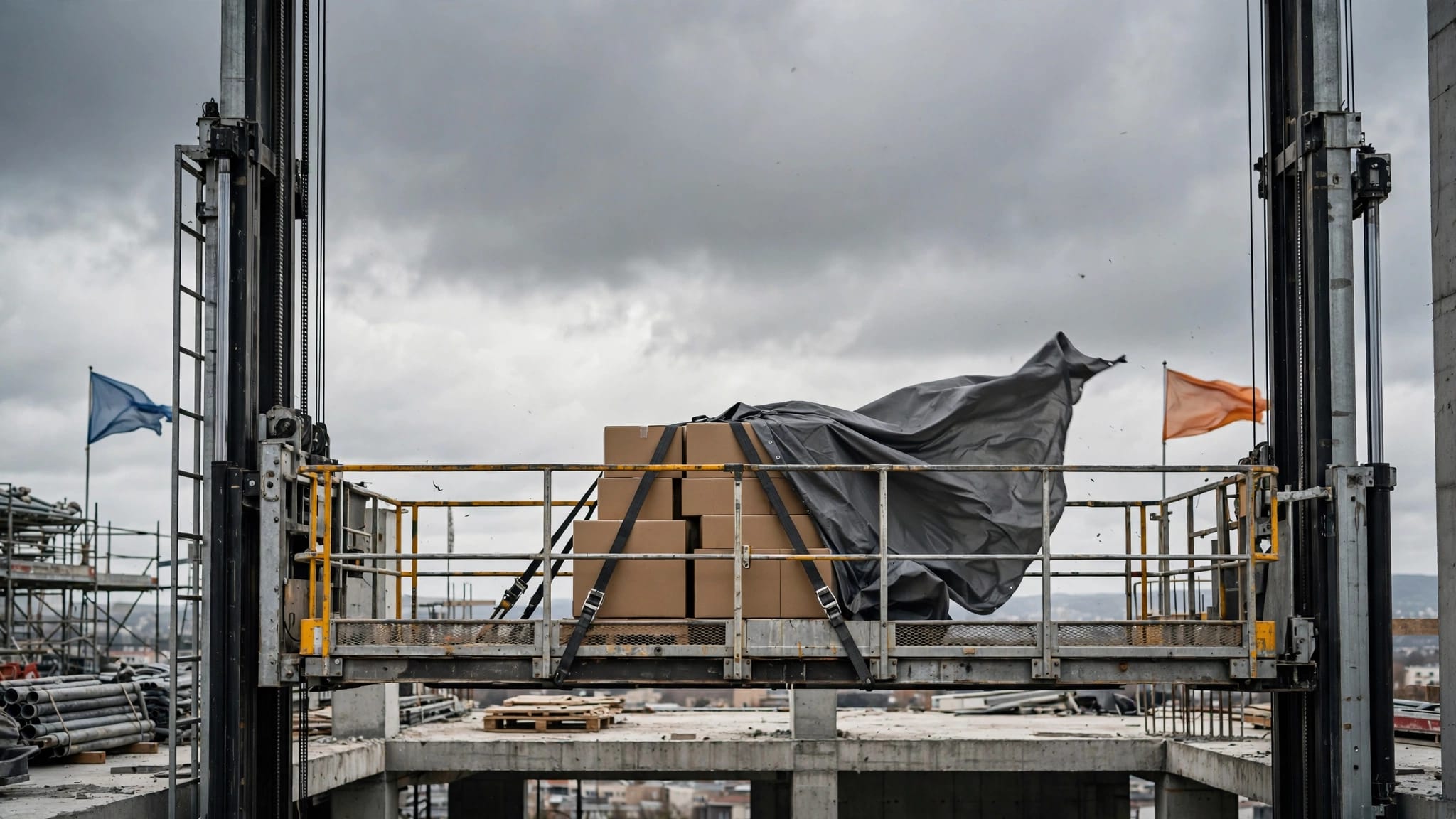
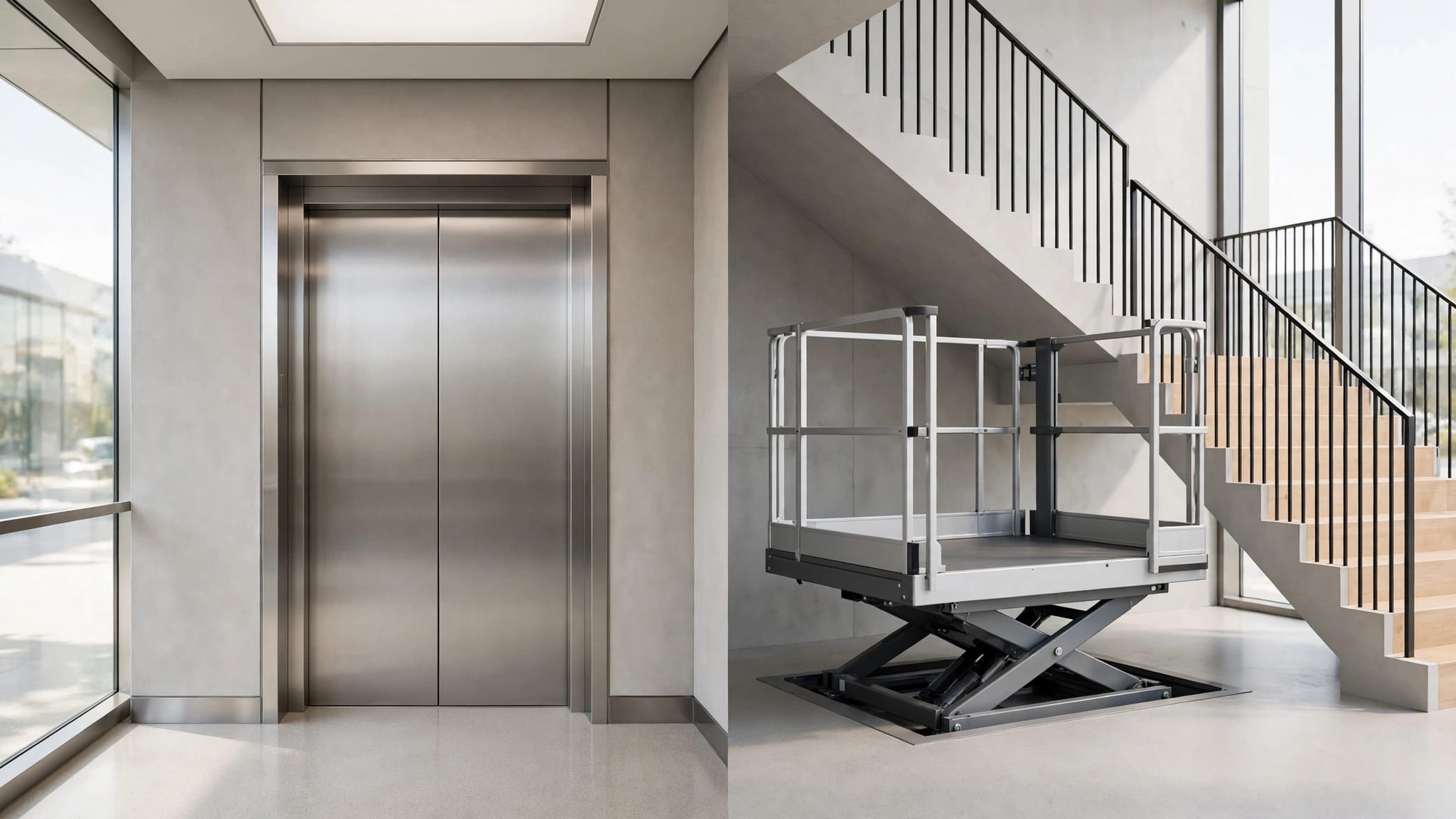
Lift type matters just as much. A vertical platform lift usually costs less than a full passenger elevator because it is built for shorter travel and simpler access. A cargo lift can also cost less when it is designed for materials instead of people. Passenger elevators sit at the higher end because they must meet stricter performance and safety expectations.

Capacity changes the price too. A lift sized for one person and a few items is cheaper than a wheelchair-accessible cab or a larger platform meant to handle heavy materials. Bigger equipment needs stronger components, wider openings, and more space around the lift.

If you are comparing options, think about the job first. Do you need to move a person, a wheelchair, or boxes and building supplies? The answer changes the design, and the design changes the budget.

For homeowners trying to sort through those categories, the lift installation and compliance FAQs are a helpful place to separate VPLs, cargo lifts, and passenger elevators.

Climate Exposure Changes the Build

Outdoor lifts live a harder life than indoor ones. Sun, rain, humidity, salt air, and wind all affect the parts that keep the system safe and smooth.

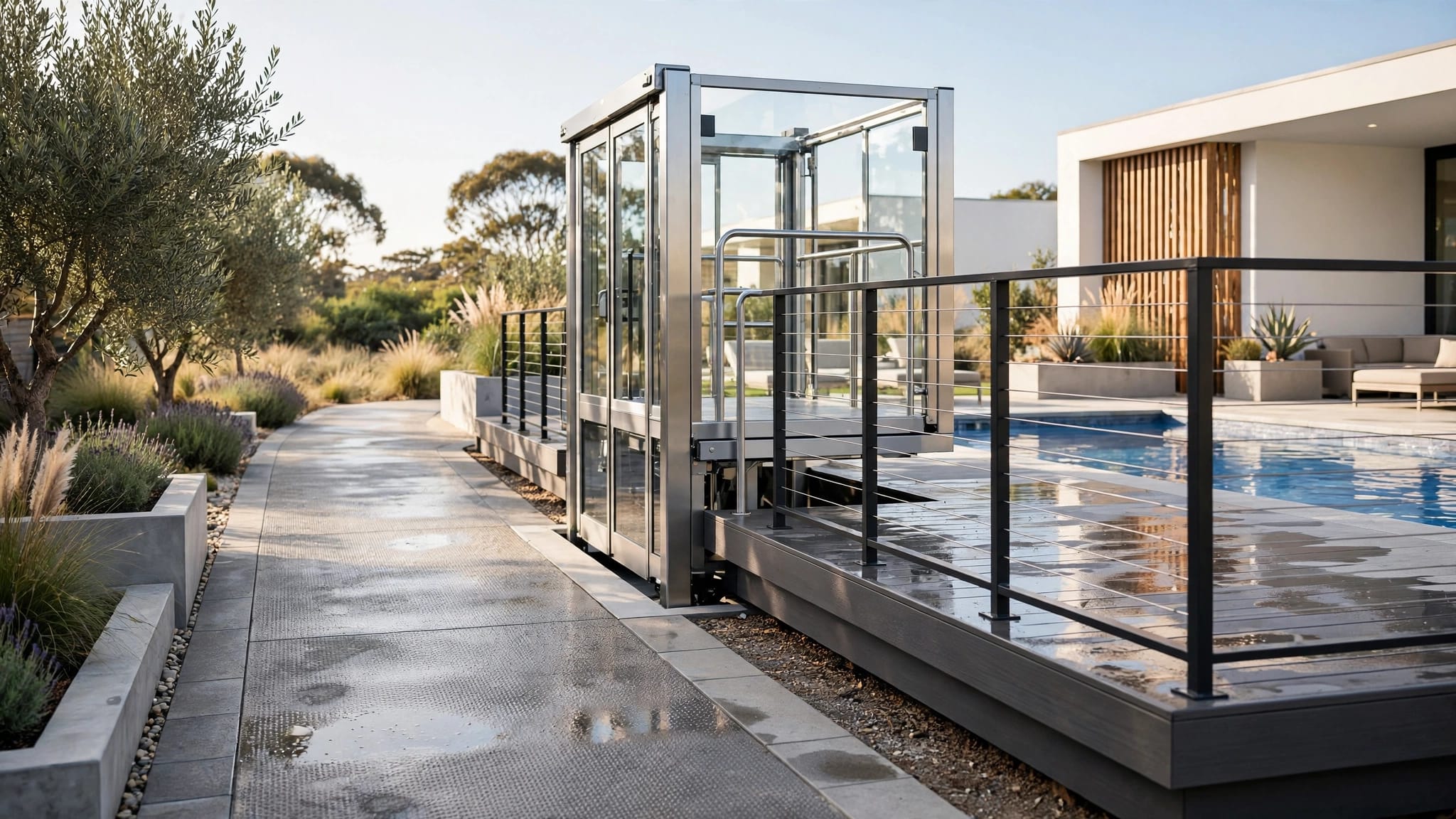
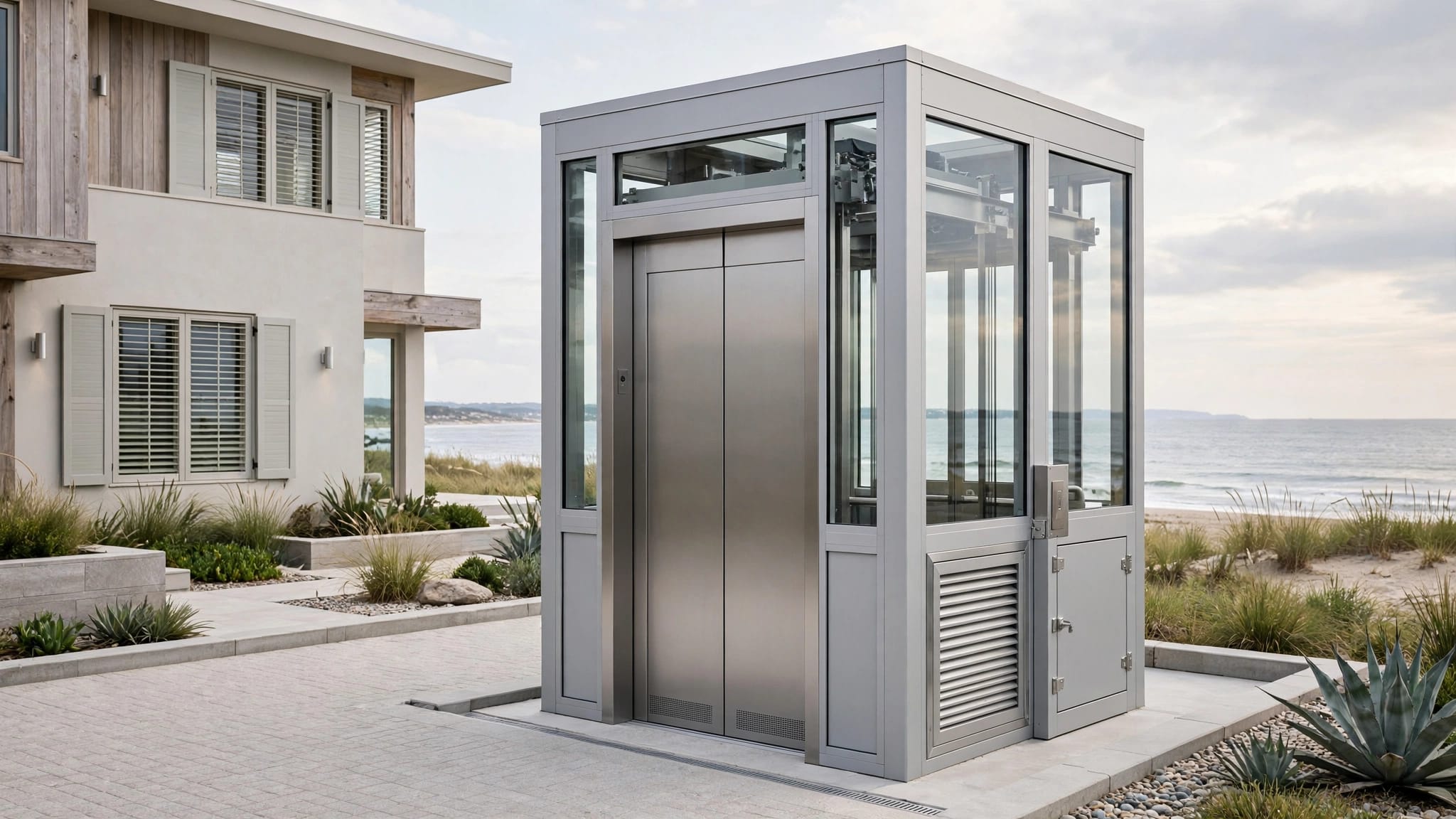
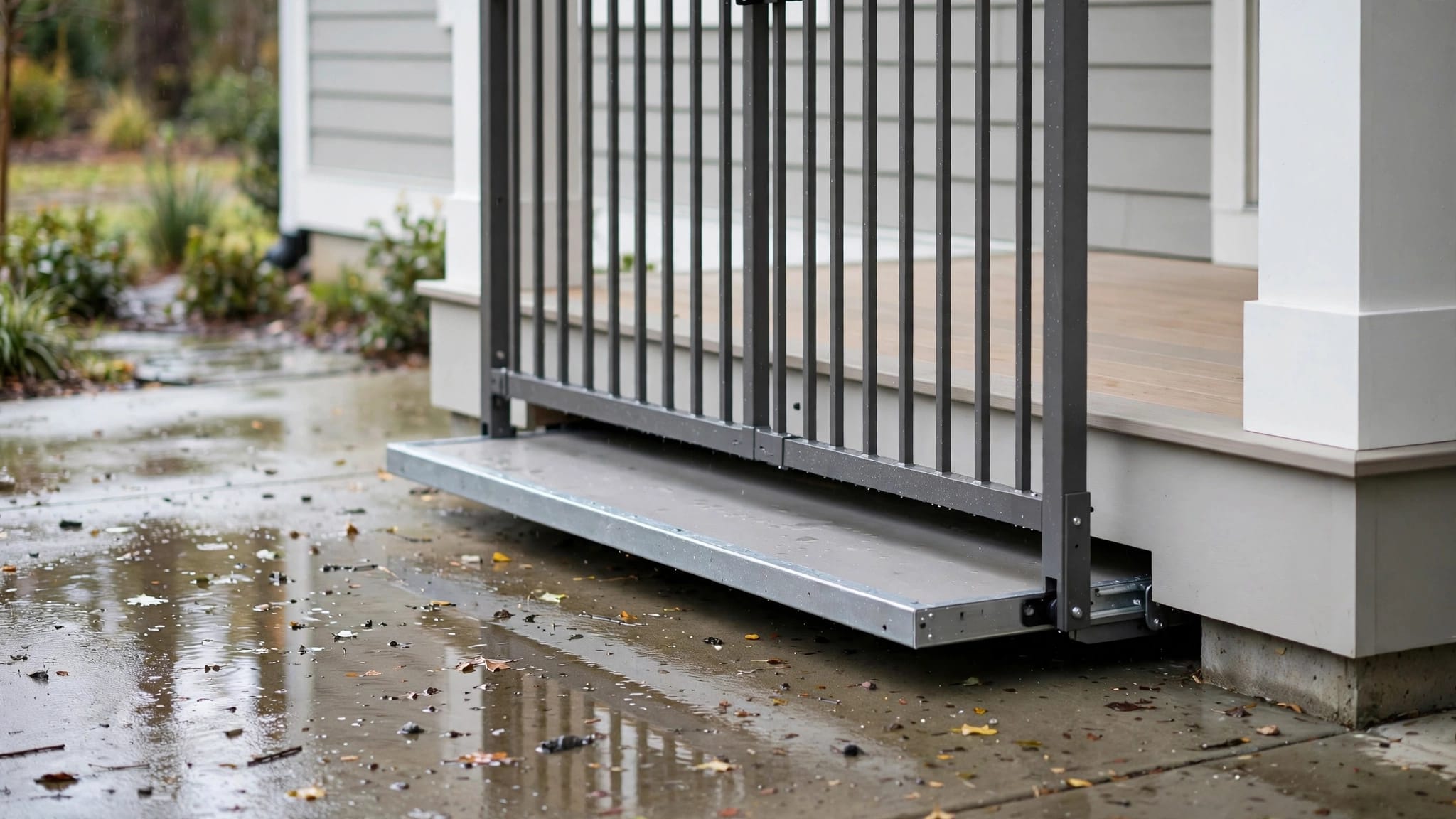
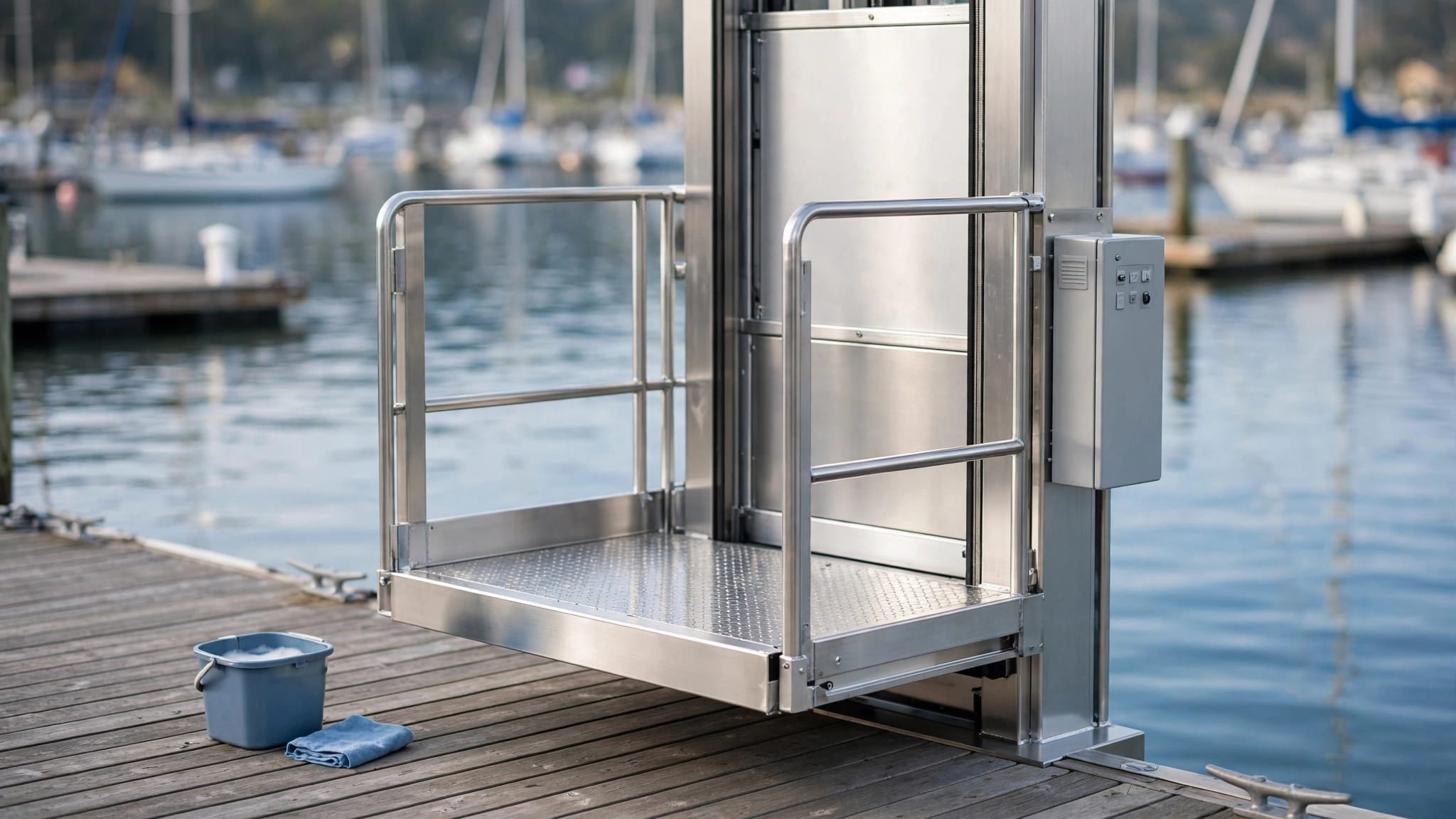
Coastal homes usually need better corrosion resistance. That can mean stainless steel hardware, sealed controls, marine-grade coatings, and weather protection for exposed components. In a humid climate, even a less dramatic environment still calls for materials that resist rust and breakdown.

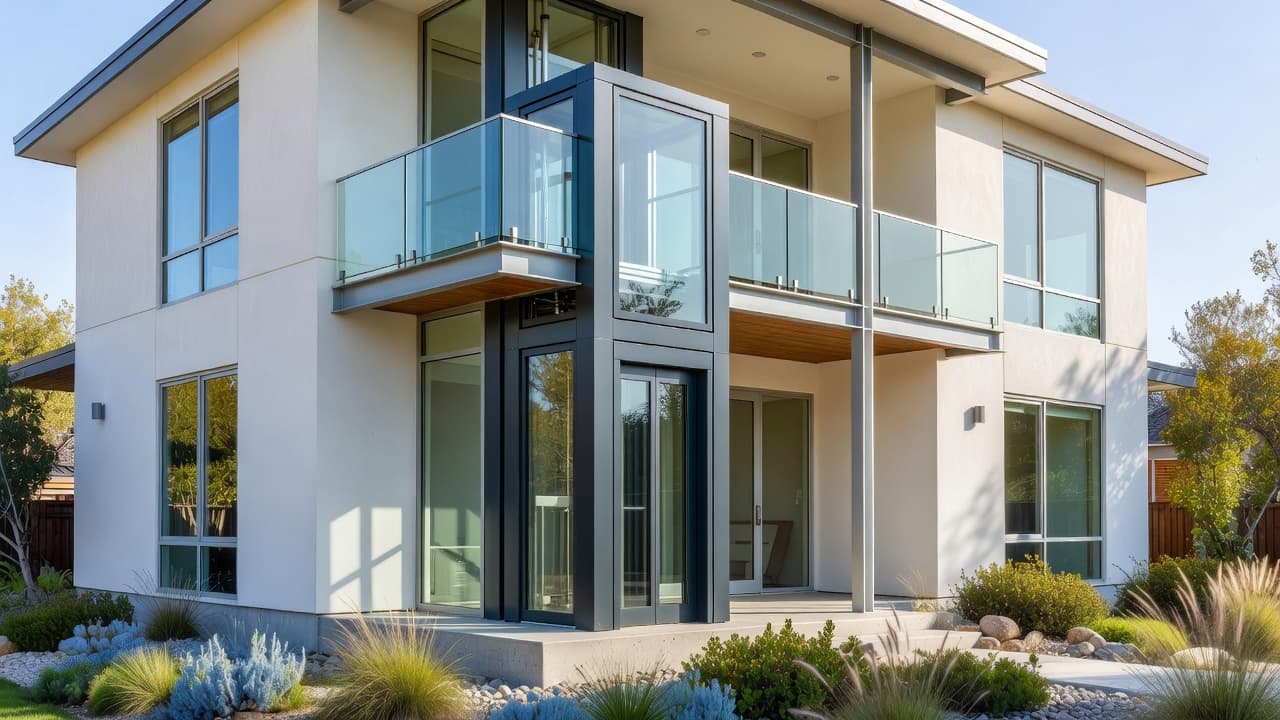
The enclosure matters too. A fully protected lift usually costs more than an open or partially protected setup, but that extra spending helps reduce wear over time. If the lift sits beside a porch or balcony, the builder may also need to add weather sealing, drainage planning, and stronger exterior finishes.

A home near the Gulf Coast can face a different cost profile than an inland house with mild weather. The difference is not cosmetic. It affects the metals, seals, and service schedule.

Site Work, Utilities, and Access Prep

This is where many budgets jump.

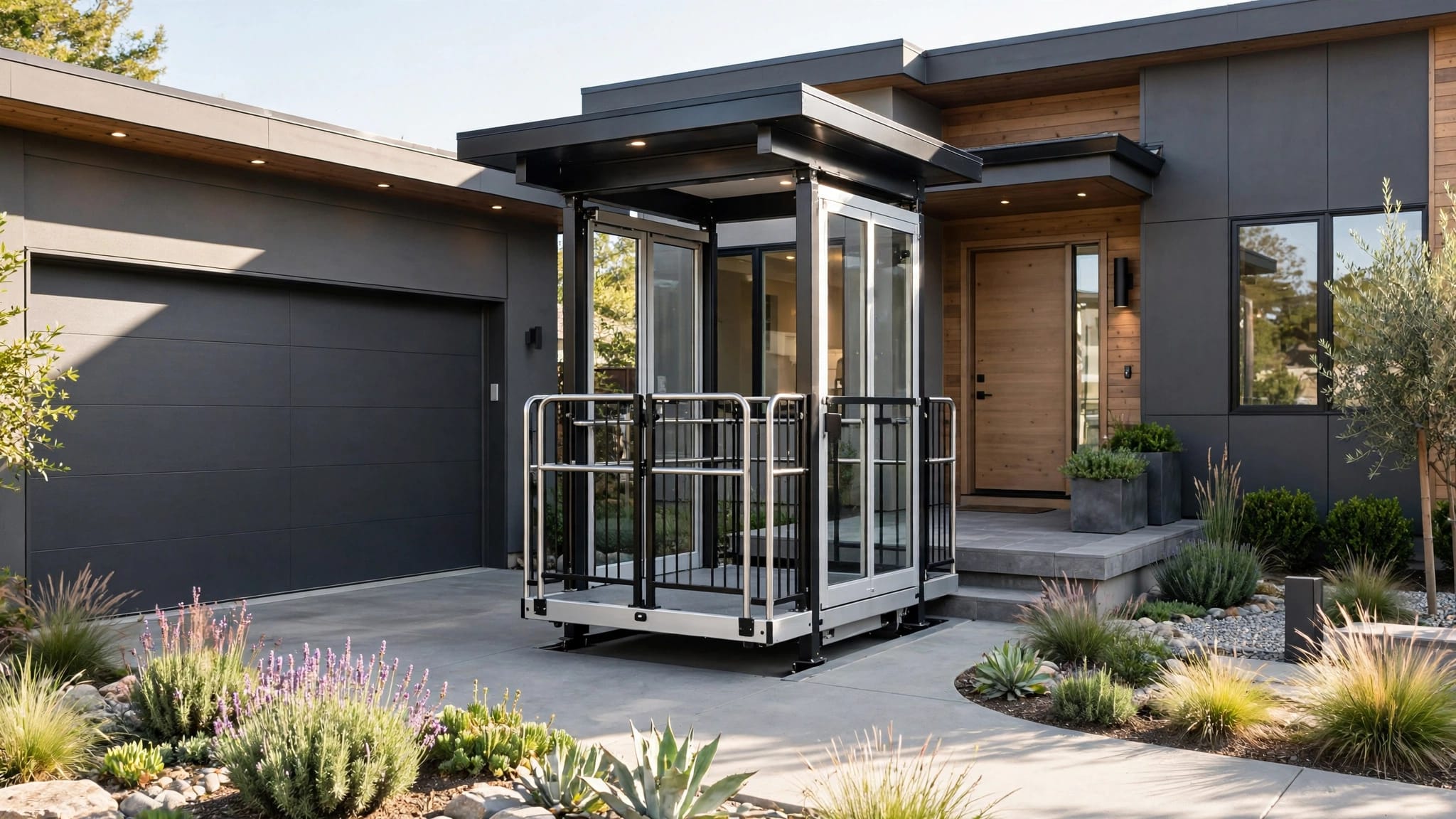
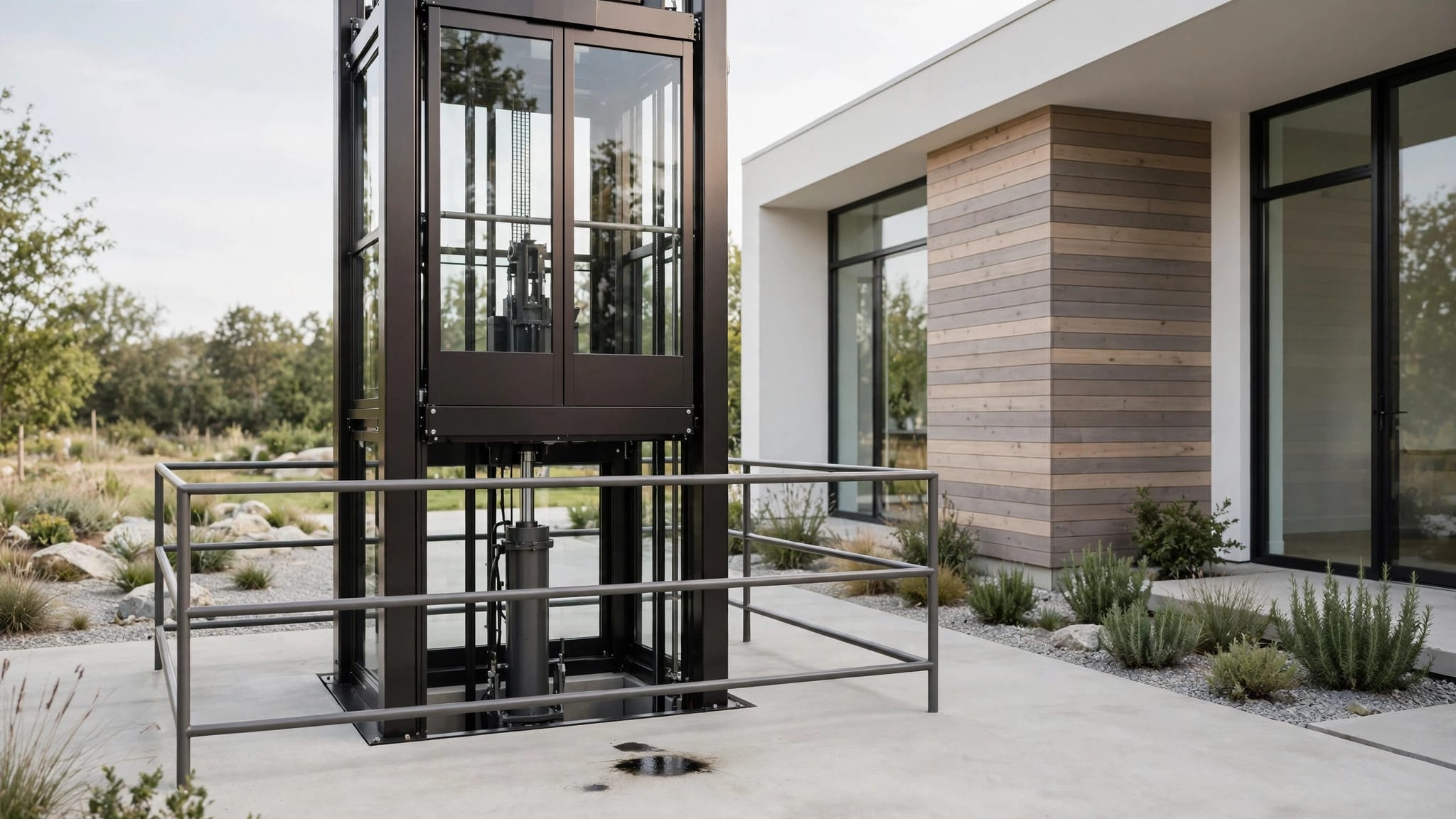
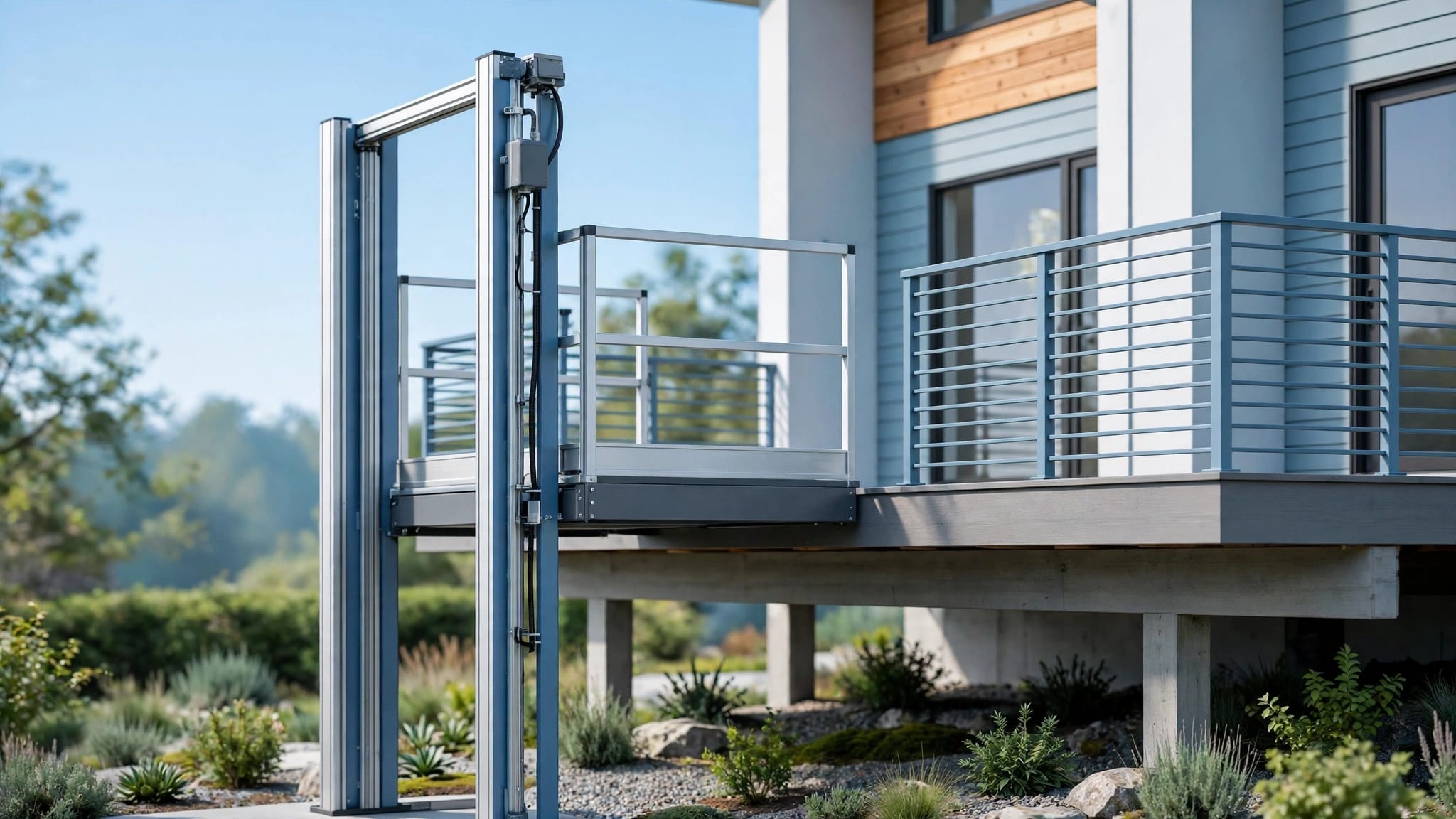
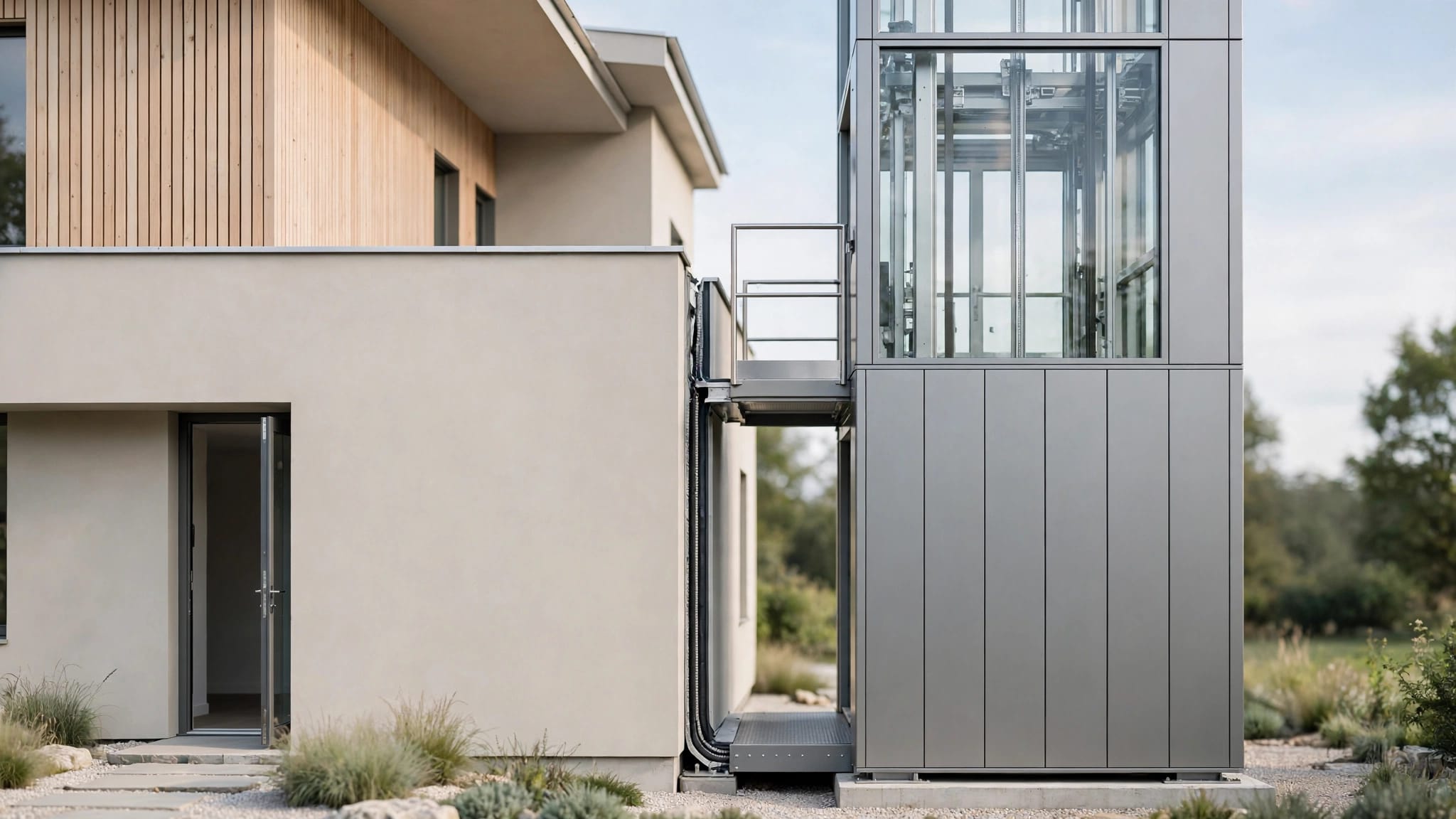
Outdoor installation often needs a concrete pad, landing pads, porch reinforcement, or a custom support structure. Some systems need a pit or a framed hoistway. Others need landing openings cut into existing walls or decks. Each of those steps adds labor and materials.

Utility work also matters. The lift may need a dedicated electrical circuit, upgraded service, or backup lowering features. If the equipment room is far from the home panel, the electrical run can get expensive. If the site is tight and access is difficult, labor goes up again.

Delivery and equipment staging can affect the bill too. A narrow side yard, a raised waterfront lot, or a hard-to-reach rear porch can require extra planning before the first part is installed. That is one reason two nearly identical lifts can come with very different final numbers.

When a project needs a stronger structural setup, look for a manufacturer that understands both lift design and site conditions. Companies with experience in passenger and cargo lift solutions are usually better at spotting the extra work before it shows up as a surprise.

Permits, Safety Rules, and Lift Type

Permitting is rarely the most exciting part of the project, but it affects cost and timeline more than most people expect. Local building departments may require drawings, structural review, electrical sign-off, and final inspections before the lift can run.

The code class also changes the process. Vertical platform lifts, cargo lifts, and passenger elevators do not follow the same path. If the lift carries people, the requirements are stricter, and that can affect both the equipment and the paperwork. In some projects, the choice between a VPL and a passenger elevator changes the whole budget.

That is why the cheapest option on paper is not always the cheapest option to install. A lower-cost lift can still trigger structural changes or inspection delays if the site does not fit the equipment well.

Most homeowners should ask early whether the proposed unit matches the travel height, the user needs, and the local code path. Getting that answer late usually costs more than getting it right at the start.

Custom Features and Long-Term Upkeep

Custom finishes can turn a practical lift into a premium one. Glass panels, upgraded interior walls, special flooring, custom handrails, automatic gates, and decorative lighting all add cost. They also extend lead time.

Accessibility upgrades matter too. A wider cab, a different entry configuration, or controls placed for easier reach can raise the price, but they also make the lift more usable day to day. That is especially important when the lift must handle a wheelchair or larger cargo loads.

Long-term ownership costs deserve a line in the budget. Outdoor systems need periodic service, and weather exposure can increase part replacement over time. Seals, switches, finishes, and exposed hardware often wear faster in hot sun and salt air.

Maintenance visits are not free, and emergency repairs are even less predictable. A smart budget includes annual servicing, minor part replacement, and a reserve for weather-related upkeep. If the home sits in a coastal zone, that reserve should be larger.

How to Compare Quotes Before You Buy

The cleanest way to compare outdoor elevator quotes is to ask what each price includes. One bid may cover only the equipment, while another includes delivery, installation, site prep, and inspections.

Before you sign, make sure each proposal answers these points:

  • What lift type is being priced, and is it built for passengers, cargo, or platform access?
  • What site work is included, such as the pad, enclosure, or structural framing?
  • What electrical work is required, and who handles it?
  • What permits, inspections, and final testing are part of the quote?

A good quote also explains the warranty, service schedule, and weather protection. Without those details, you are comparing numbers that do not mean the same thing.

The best bid is not always the lowest one. It is the one that matches the site, the climate, and the way the lift will be used.

Conclusion

Outdoor home elevator cost in 2026 depends on much more than the machine itself. The biggest differences come from travel height, lift type, climate exposure, site prep, and local code requirements.

If you remember one thing, make it this: the equipment price is only the first layer. The full installed cost is shaped by the structure around it, the weather it has to survive, and the rules it has to meet.

A careful quote tells you those details up front. That is the difference between a project that fits the budget and one that grows after the contract is signed.

Recent Posts

By Veranda 'Vator July 3, 2026
Living in an elevated home changes the way you move through the day. A stair climb with groceries, laundry, beach gear, or a suitcase gets old fast, and the wrong lift choice can make the problem worse. The cargo lift vs passenger elevator decision comes down to use, code, and...
By Veranda 'Vator December 22, 2025
1. Buy from an established manufacturer and know their history. Metal shop reality TV has made welding a popular hobby. All too often hobbyist welders see a metal product they can duplicate and figure they can get into the manufacturing biz. This is bad for consumers because these garage mini factories rarely last, and rarely have adequate quality control in place. 2. Ask to see engineering drawings with a raised seal from a reputable third party structural engineer, and know what they are certifying. As a cargo lift buyer you should be concerned about whether the lift you are buying meets the specifications as advertised. Any reputable manufacturer will have already had an engineer who is separate from their firm, review their design and place their raised seal on the plans. Reasons for this is to validate the lifting capacity and to validate it will meet windstorm criteria. Both of these points must be in writing, on stamped drawings, with the manufacturers name on themfor you to know you are getting what you are paying for. If you are buying a lift advertised at 1000lb capacity it needs to state that specifically on the plans. Unscrupulous manufacturers will have less critical aspects of the lift evaluated so they have something with a raised seal in hand. They will then attempt to trick unwitting clients into thinking the stamp certifies all of their advertising claims. Be further aware that engineers specialize in different things. This is a structural engineer application. Be wary of plans stamped by civil engineers, electrical engineers etc, and also by in house engineers who are employed by the manufacturer. 3. Get a copy of the manufacturer’s insurance certificate. Homeowners often ask the contractors doing the installation for proof of insurance, but the lift manufacturers proof of insurance is often ignored. 4. Verify your lift is made by who the contractor says it is. Knocking off a product and then “passing off” as a name brand is common and illegal. Ask your lift manufacturer for ways to identify whether your lift is genuine. Even if the seller admits it is a knock off you will likely be getting something built by a facility we discussed in point 1. 5. Communicate directly with the lift manufacturer before making your choice. Installation contractors are often more concerned with making the right choice for themselves, not you. Most of the time an installer will put in the lift of your choice regardless of whether they have bias towards one or the other. If you find a lift manufacturer you like ask them to recommend an installer in your area.