
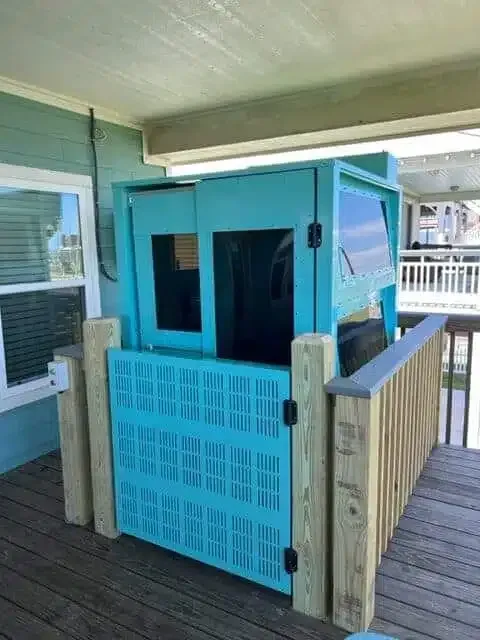
5 Tips to make sure your beach house ELEVATOR purchase is the right one

Share this article

5 Tips to make sure your beach house ELEVATOR purchase is the right one

1. Buy from an established manufacturer and know their history. Metal shop reality TV has made welding a popular hobby. All too often hobbyist welders see a metal product they can duplicate and figure they can get into the manufacturing biz. This is bad for consumers because these garage mini factories rarely last, and rarely have adequate quality control in place. 


2. Ask to see engineering drawings with a raised seal from a reputable third party structural engineer, and know what they are certifying. As a cargo lift buyer you should be concerned about whether the lift you are buying meets the specifications as advertised. Any reputable manufacturer will have already had an engineer who is separate from their firm, review their design and place their raised seal on the plans. Reasons for this is to validate the lifting capacity and to validate it will meet windstorm criteria. Both of these points must be in writing, on stamped drawings, with the manufacturers name on themfor you to know you are getting what you are paying for. If you are buying a lift advertised at 1000lb capacity it needs to state that specifically on the plans. Unscrupulous manufacturers will have less critical aspects of the lift evaluated so they have something with a raised seal in hand. They will then attempt to trick unwitting clients into thinking the stamp certifies all of their advertising claims. Be further aware that engineers specialize in different things. This is a structural engineer application. Be wary of plans stamped by civil engineers, electrical engineers etc, and also by in house engineers who are employed by the manufacturer.


3. Get a copy of the manufacturer’s insurance certificate. Homeowners often ask the contractors doing the installation for proof of insurance, but the lift manufacturers proof of insurance is often ignored.


4. Verify your lift is made by who the contractor says it is. Knocking off a product and then “passing off” as a name brand is common and illegal. Ask your lift manufacturer for ways to identify whether your lift is genuine. Even if the seller admits it is a knock off you will likely be getting something built by a facility we discussed in point 1.


5. Communicate directly with the lift manufacturer before making your choice. Installation contractors are often more concerned with making the right choice for themselves, not you. Most of the time an installer will put in the lift of your choice regardless of whether they have bias towards one or the other. If you find a lift manufacturer you like ask them to recommend an installer in your area.

Recent Posts

By Veranda 'Vator September 19, 2026
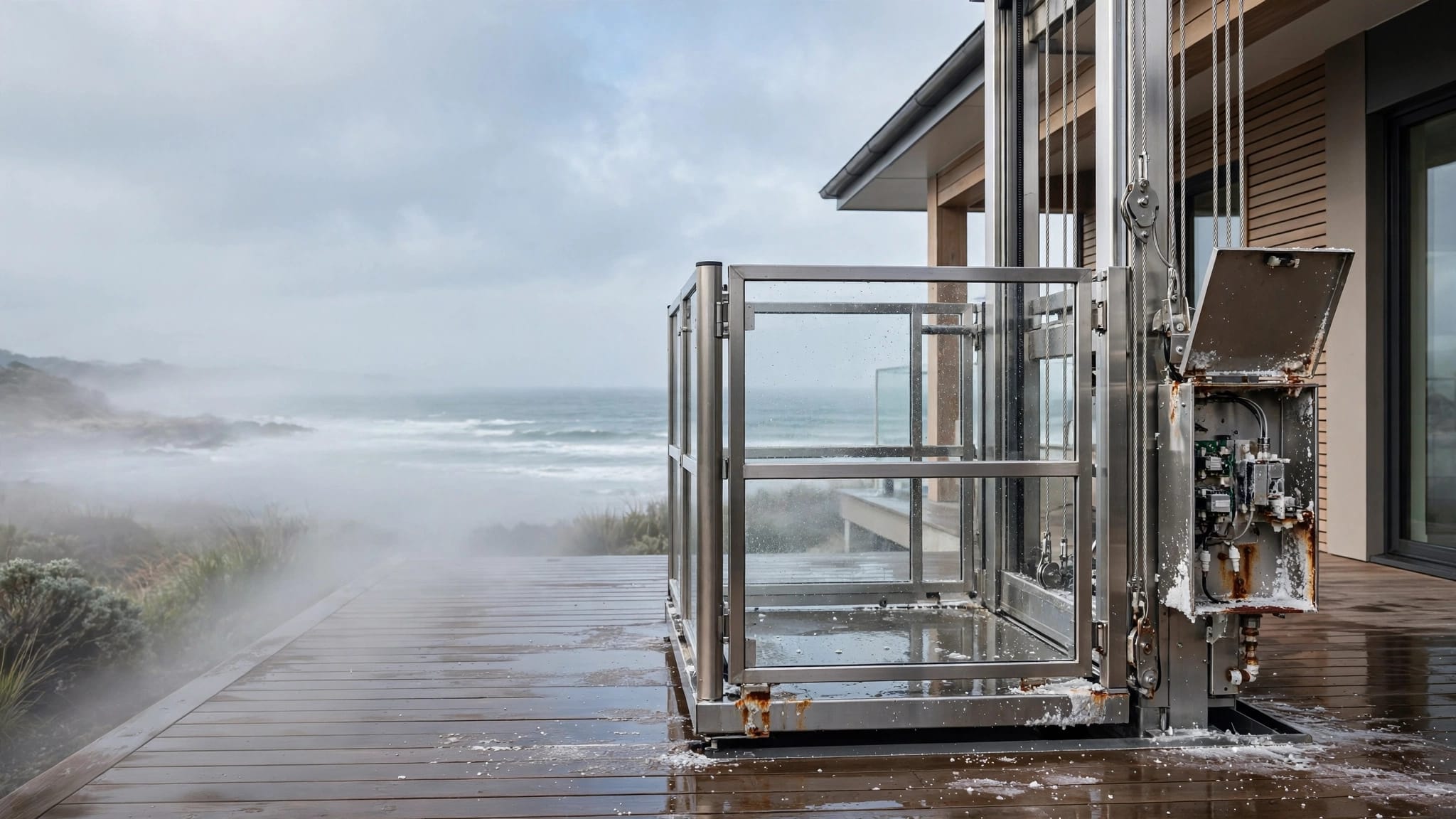
Salt air can damage an outdoor lift before you see obvious rust. For homeowners, coastal lift service contracts should address humidity, wind-driven rain, flooding, storms, corrosion, and the equipment's intended use. A low-cost plan may cover scheduled visits but exclude part...
By Veranda 'Vator September 18, 2026
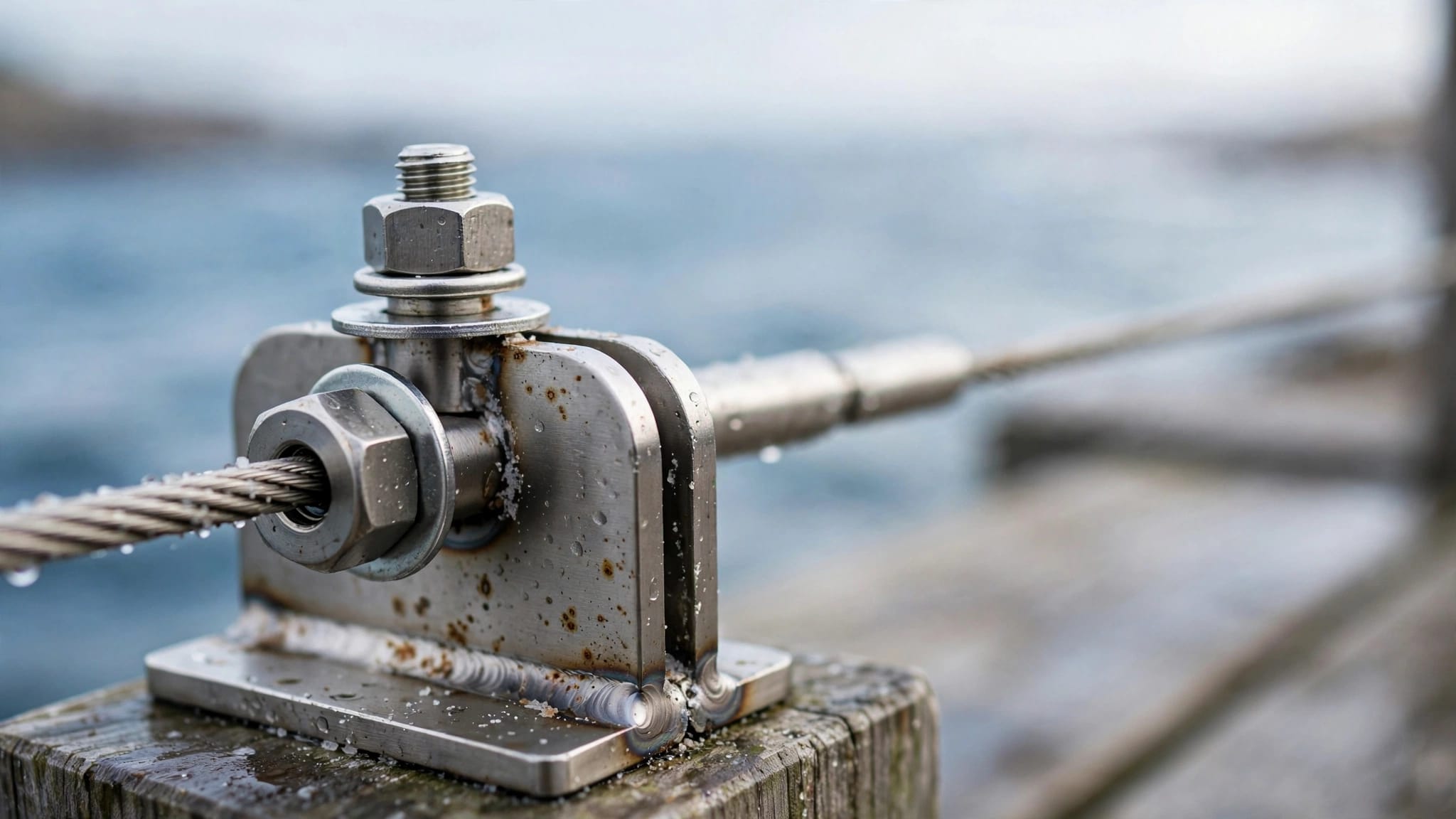
Salt air can damage stainless fasteners long before a lift shows obvious rust. Stainless hardware corrosion often begins as residue, staining, or pitting around a joint, then spreads where moisture remains trapped. Property owners and maintenance teams can catch early changes...
By Veranda 'Vator September 17, 2026
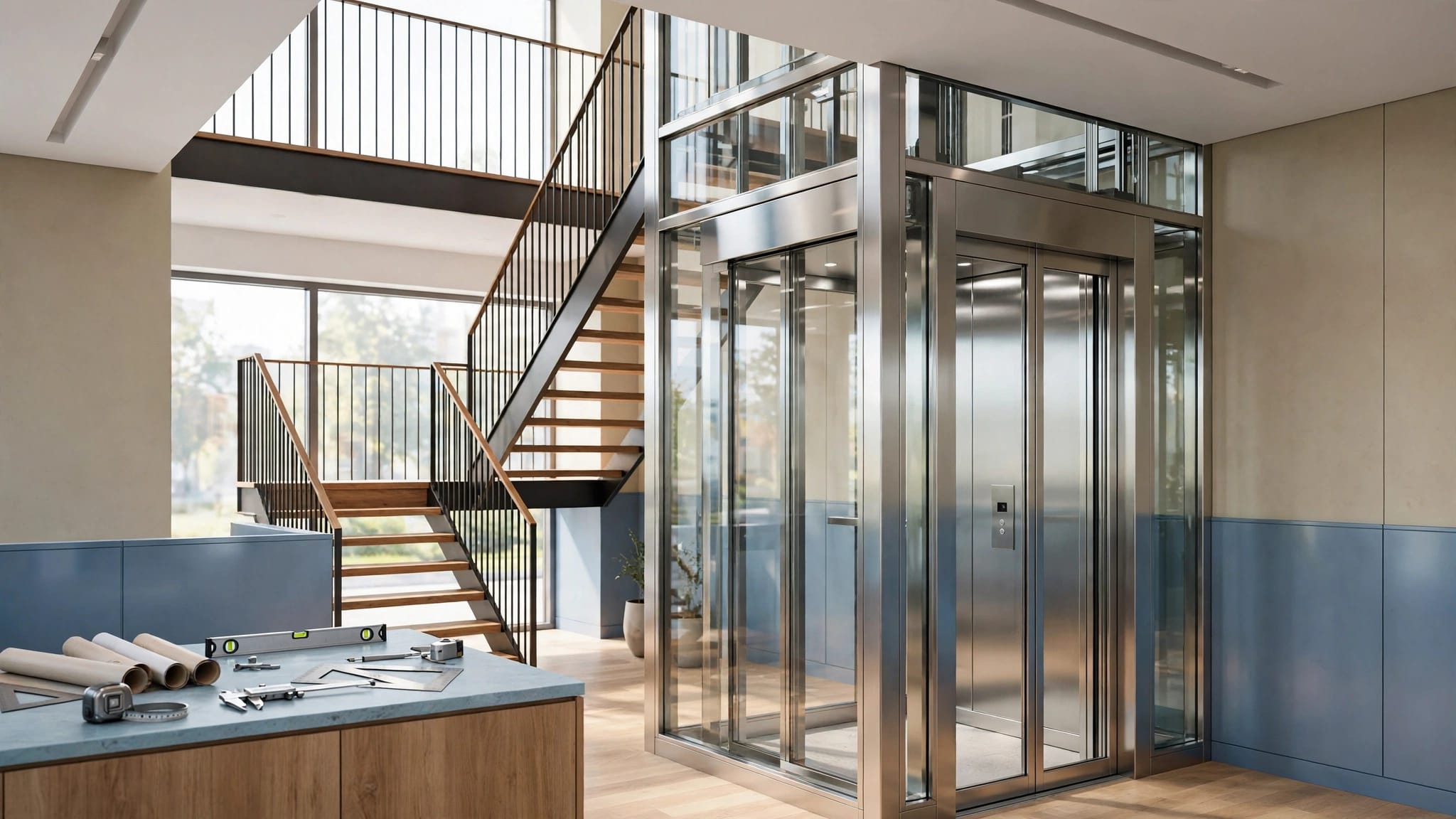
A small commercial building may need reliable access between floors without the footprint of a full-size passenger elevator. LULA elevators can fit that gap, but only when the building, travel distance, accessibility needs, and local code path support the choice. A limited-use...

By Veranda 'Vator September 16, 2026
The right number of residential lift stops depends on where people, wheelchairs, vehicles, luggage, or supplies need to enter and exit. There is no universal number that suits every home. A two-story house may need two stops, while an elevated coastal home could need three or...
By Veranda 'Vator September 15, 2026
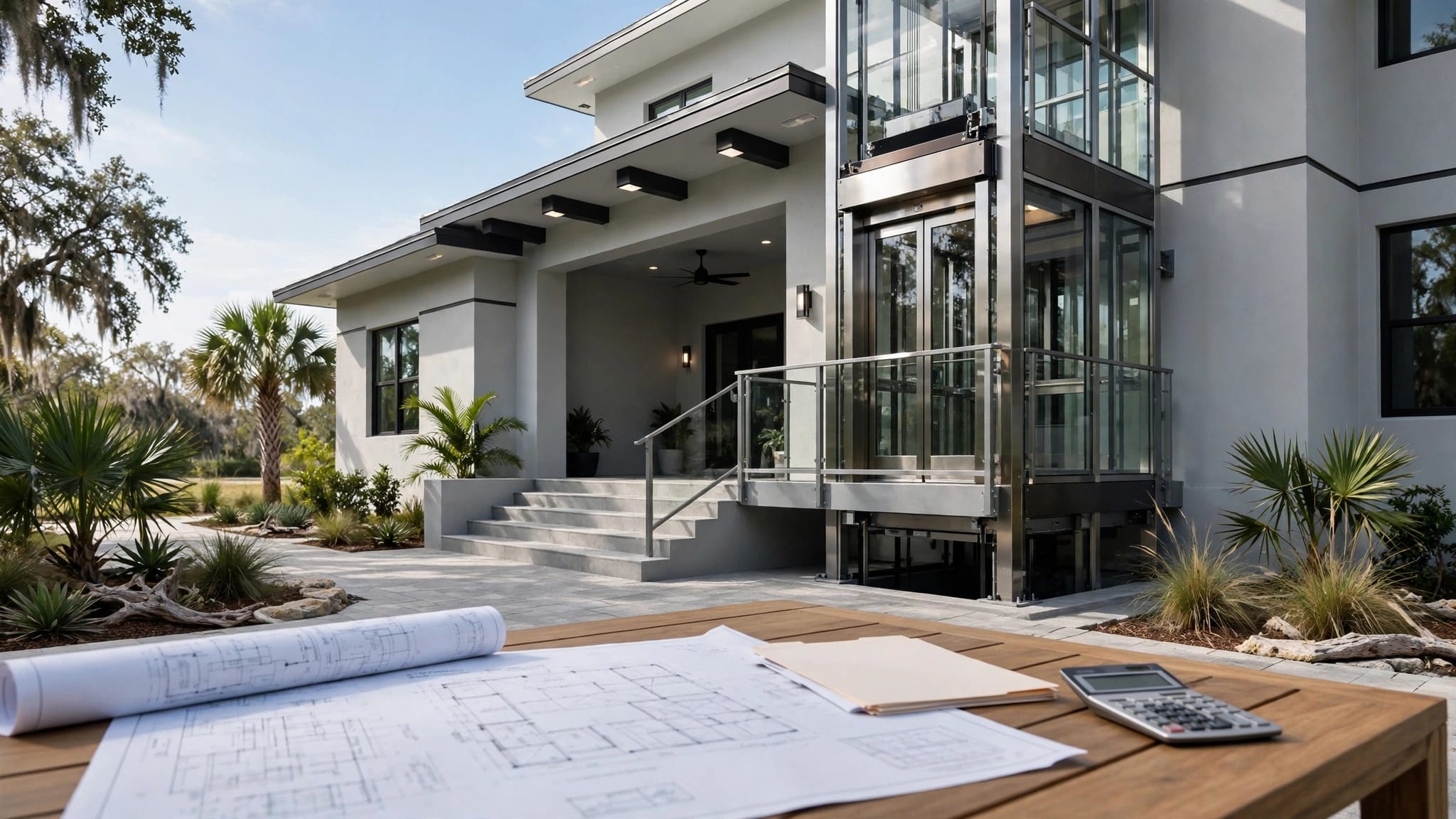
Outdoor elevator financing starts with a clear project, not a loan application. Florida homeowners need to identify the equipment, site work, permits, storm requirements, and access needs before comparing lenders. A cargo lift, vertical platform lift, and passenger elevator se...
By Veranda 'Vator September 14, 2026
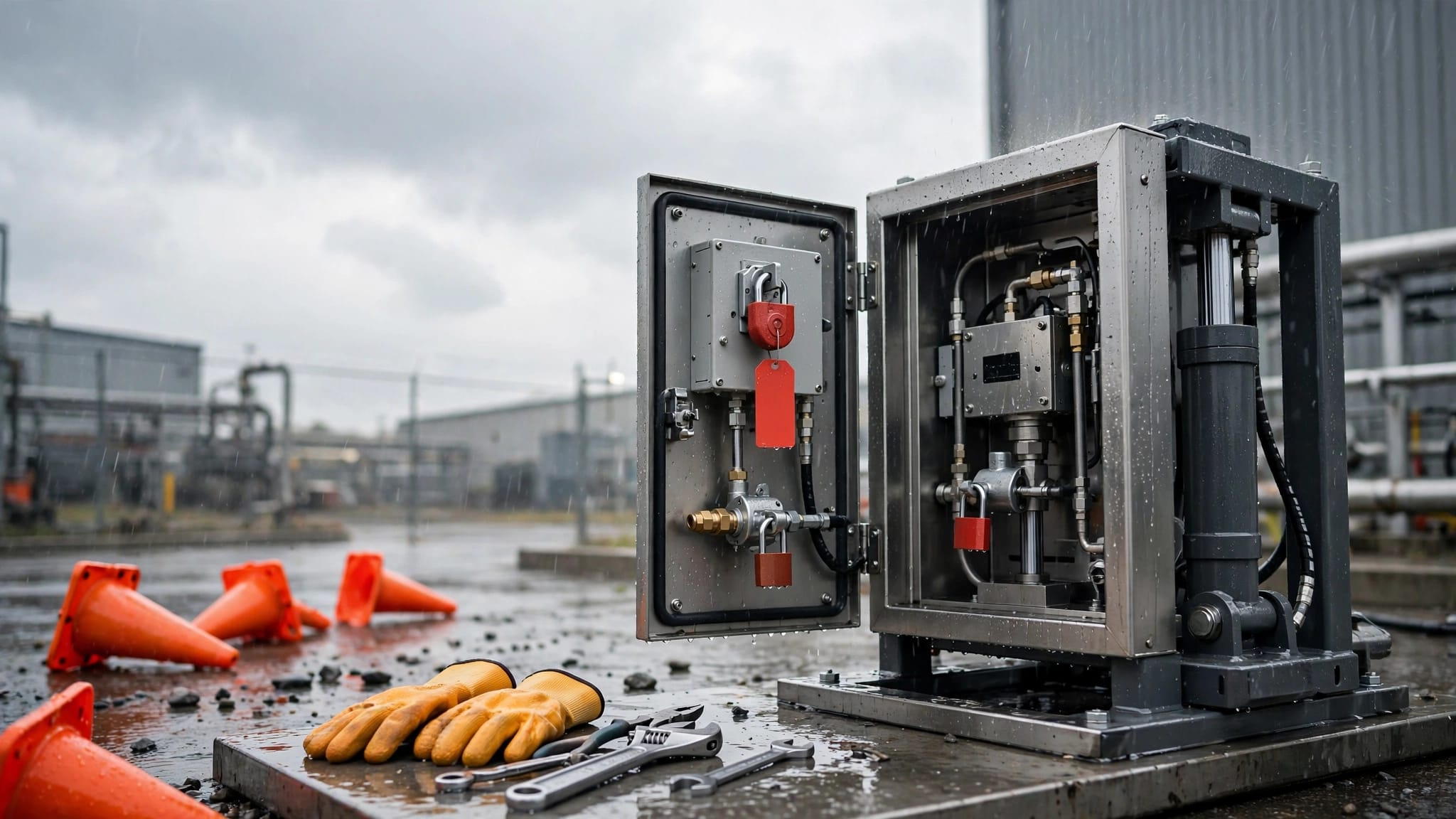
An outdoor elevator can look idle while electrical, hydraulic, mechanical, or gravitational energy remains dangerous. A written elevator lockout tagout procedure protects maintenance crews from unexpected movement, startup, and stored energy during inspection, repair, cleaning...
By Veranda 'Vator September 13, 2026
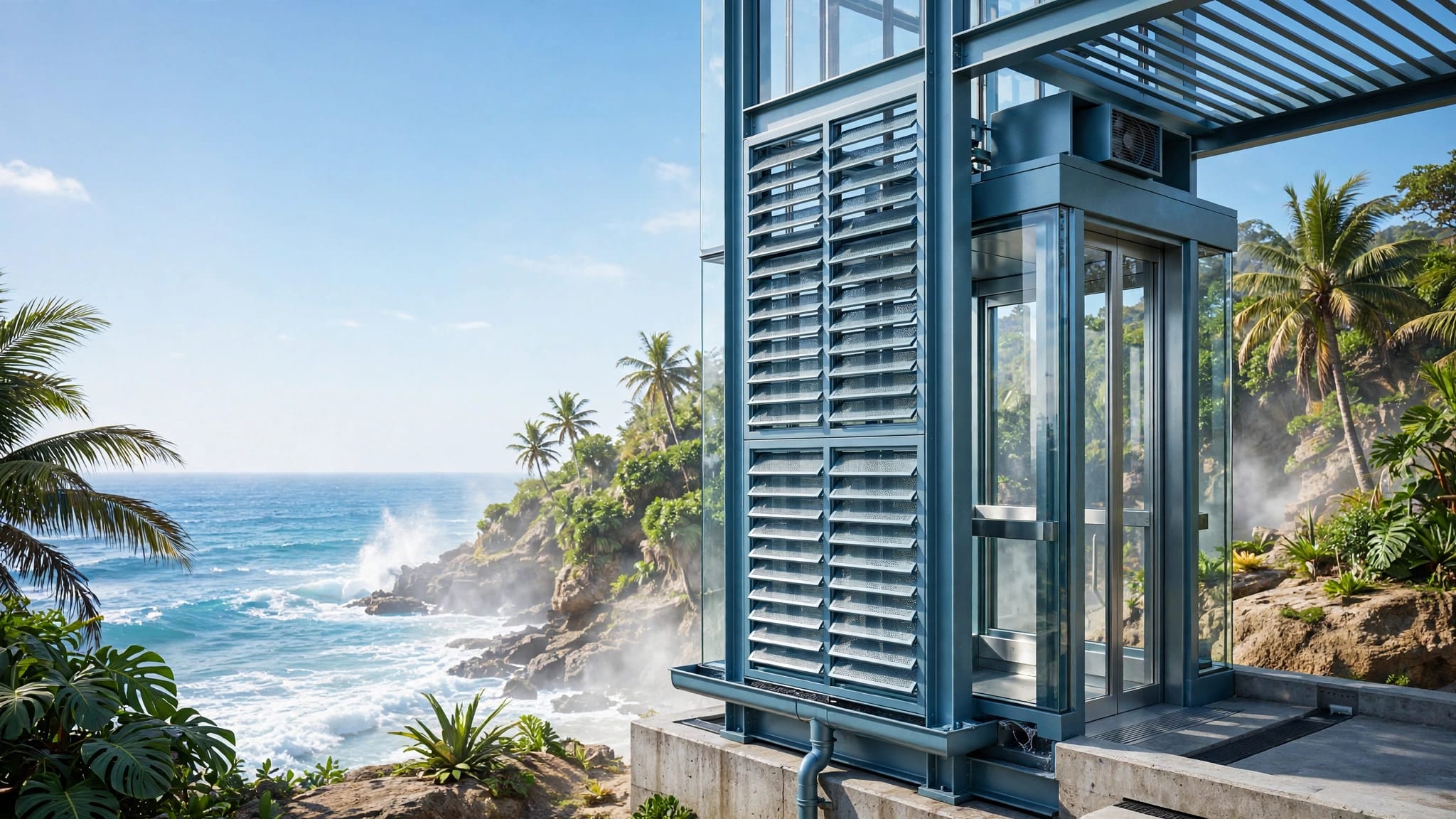
Outdoor elevator ventilation needs careful planning when a lift operates beside the ocean. Heat, humidity, salt spray, wind-driven rain, and direct sun can affect the cab, controls, finishes, and surrounding equipment. For building owners, architects, and facility managers, th...
By Veranda 'Vator September 12, 2026
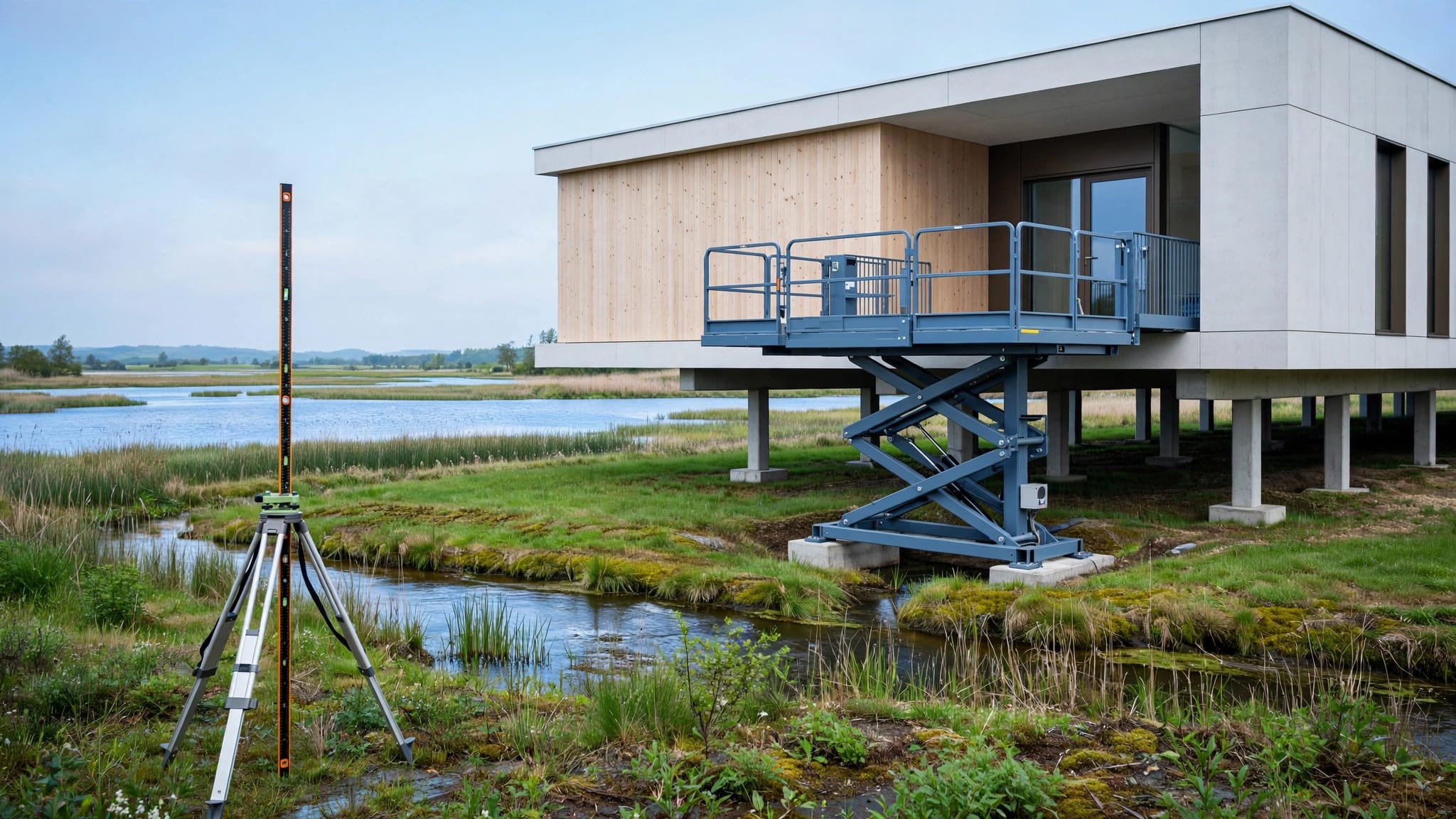
An outdoor lift can solve a major access problem, but floodplain work requires more than choosing the right equipment. Lift elevation certificates help document how the lift and nearby building relate to flood elevations, grade, and other site conditions. The certificate is no...
By Veranda 'Vator September 11, 2026
An exterior lift can turn a steep porch, raised deck, or split-level entrance into a usable route. However, it has to fit the mobility device, the property, and the weather it will face every day. For homeowners, caregivers, and property managers, outdoor wheelchair lifts need...
By Veranda 'Vator September 10, 2026
A raised coastal home can stay comfortable for decades when every level remains easy to reach. Outdoor elevator planning gives homeowners a practical way to reduce stair use while protecting daily independence. The right lift depends on far more than travel height. Your proper...
Show More