Cargo Lift vs. Dumbwaiter for Elevated Coastal Homes

Share this article

Living in elevated homes solves the critical challenge of keeping living areas safely above storm surges and potential floodwater, but this architectural choice often creates a new daily inconvenience. Transporting groceries, patio furniture, heavy tools, and luggage up multiple flights of stairs quickly becomes a physical burden.

When deciding between a cargo lift vs dumbwaiter, the right choice depends on the items you need to move, their weight, and whether you require a system that allows passengers to ride. A cargo lift is built to handle substantial loads between levels, whereas a dumbwaiter is designed to transport smaller items through a compact, dedicated shaft. Understanding these distinctions is especially vital for coastal homes, where harsh salt air, wind-driven rain, flooding, and the constant threat of hurricanes dictate where equipment must be installed and how much maintenance it will require over time.

Key Takeaways

  • A cargo lift is designed to move heavy items and bulky equipment between floors.
  • A dumbwaiter is ideal for transporting lightweight items like meals, laundry, and household supplies.
  • Neither system should be treated as a passenger elevator without the proper design and approval.
  • Coastal installations need careful attention to corrosion, drainage, storm exposure, and service access.
  • A local lift installer and building official should review the design before construction or renovation begins.

Cargo Lift and Dumbwaiter: The Core Difference

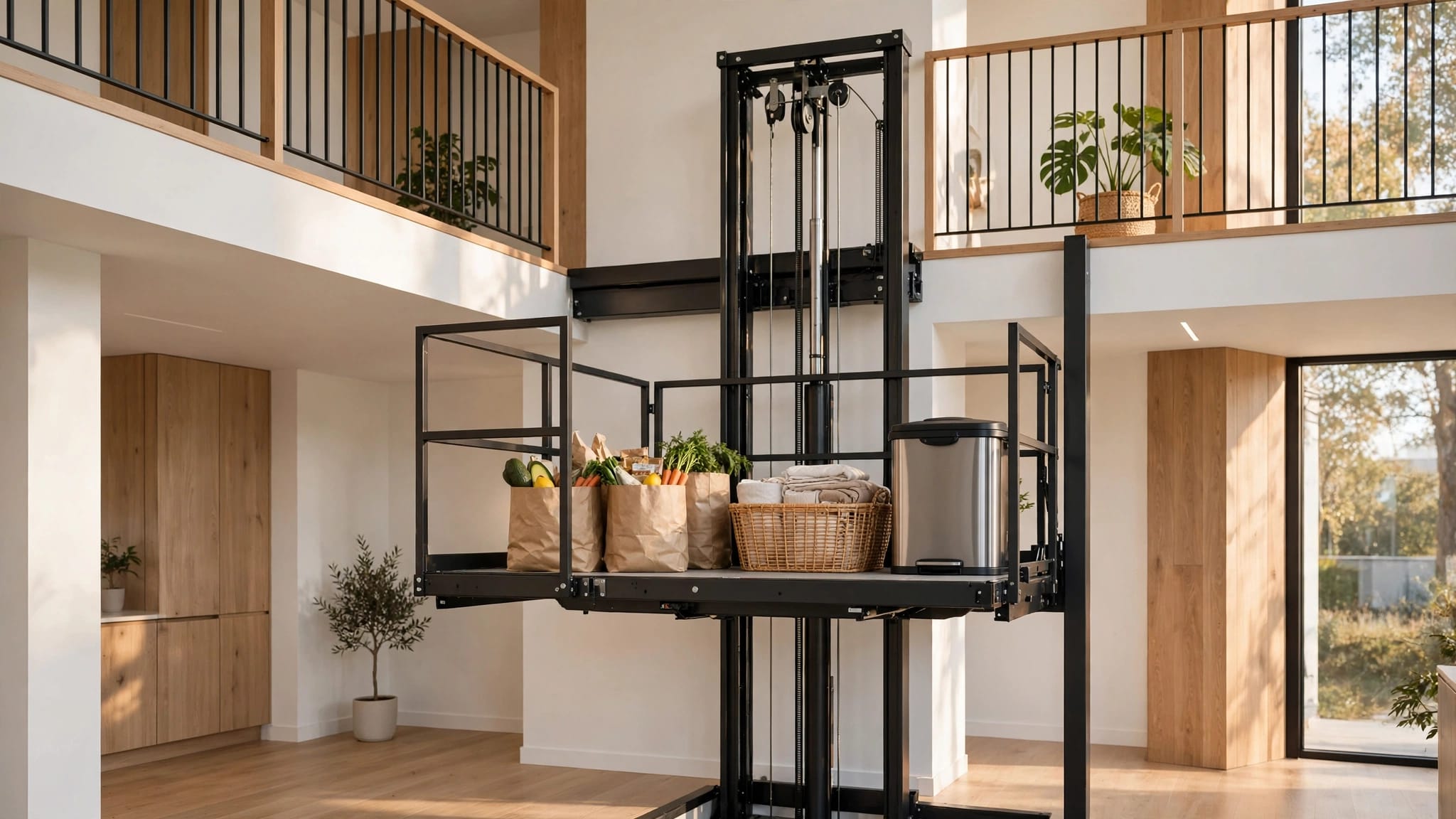
A cargo lift is the better match when you need to move substantial or awkward loads. Depending on the model and installation, a residential cargo lift can offer a significant weight capacity, such as 750 or 1,000 pounds. That allows you to move boxed appliances, landscape supplies, coolers, tools, or outdoor furniture that would be difficult to carry upstairs.

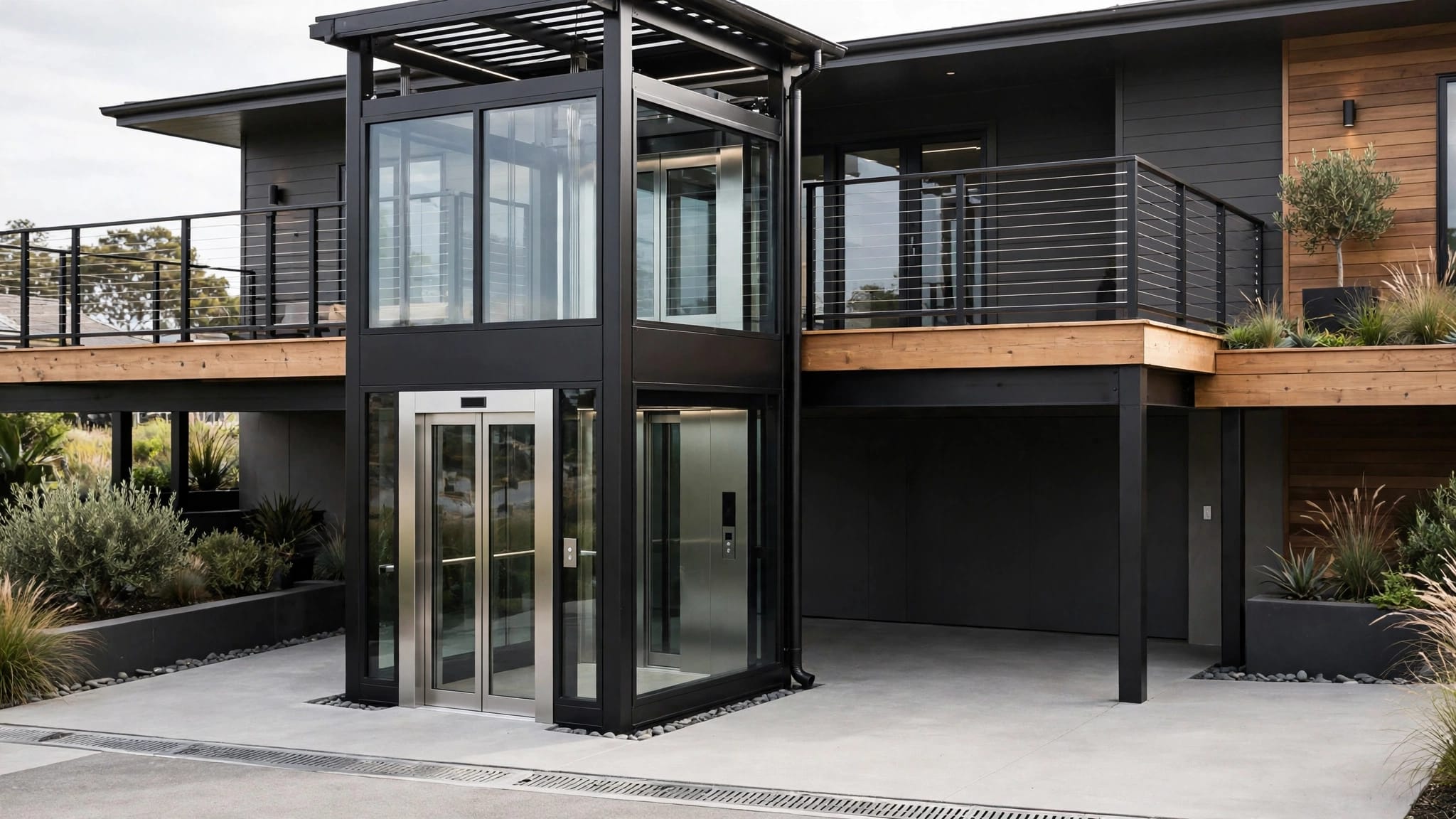
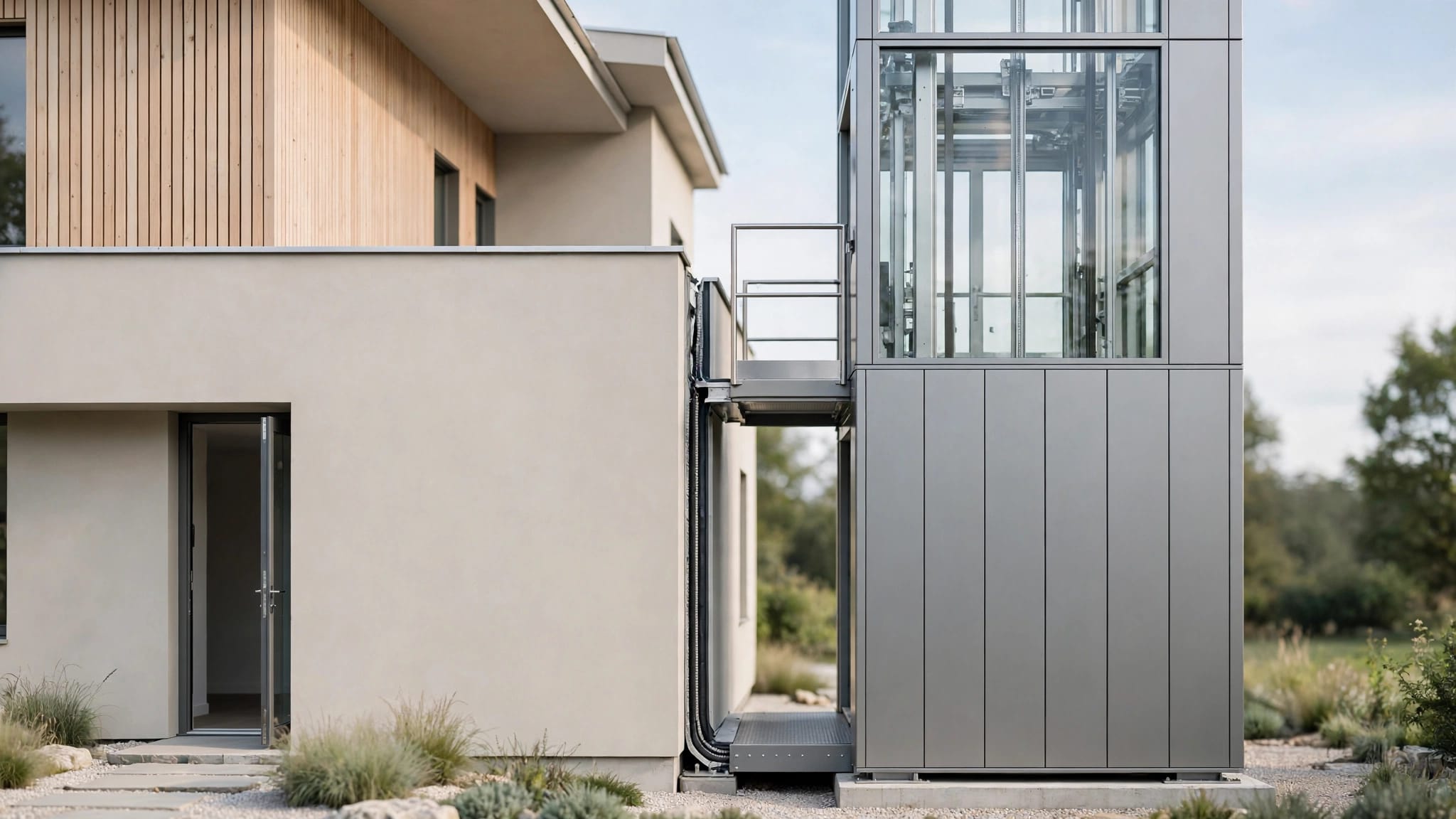
The platform also tends to provide more usable space than a dumbwaiter car. A lift mounted beside a porch, balcony, or stair landing can connect several levels without taking up as much interior floor area. Exterior-mounted designs are useful when the home has already been built and an indoor shaft would require major remodeling.

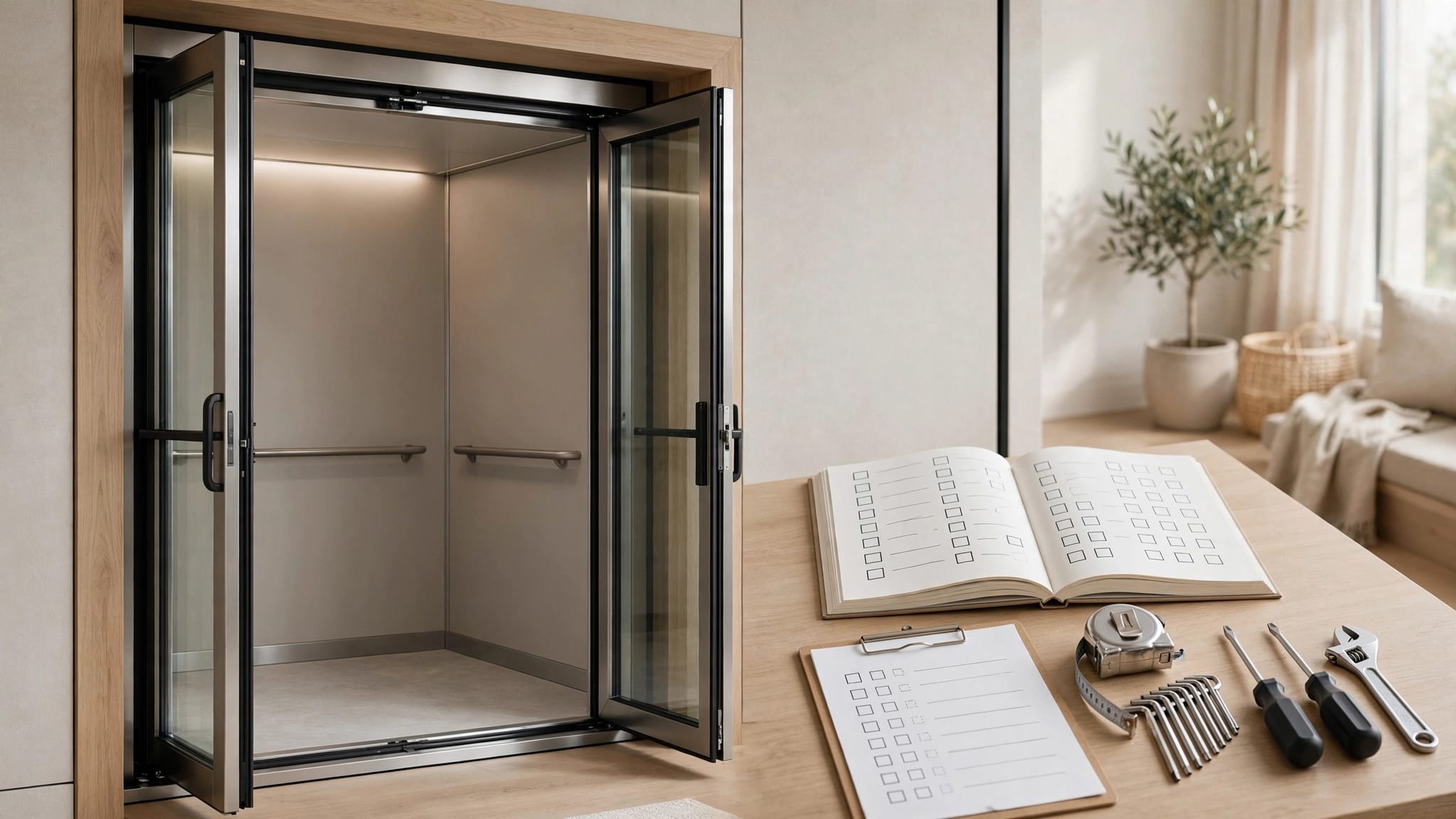
A dumbwaiter is essentially a small elevator designed for household goods. It typically carries items such as dishes, prepared meals, groceries, linens, books, or laundry. Because it operates within a dedicated vertical shaft, its compact design works well between a kitchen, pantry, garage, and upper living area.

The distinction matters because a dumbwaiter is not a substitute for a heavy-duty freight elevator. A large cooler may fit, but a riding mower, grill, or full-size appliance usually will not. Before choosing one, measure the largest item you expect to move, then account for its weight and clearance.

Neither option automatically provides passenger transportation. A cargo lift designed for goods is not the same as a passenger elevator, and a dumbwaiter is not intended for people. If a resident or guest needs to travel between floors, discuss a passenger-compliant elevator or vertical platform lift with a qualified professional.

Photo by Mathias Reding

Compare Capacity, Access, and Everyday Use

The best choice becomes clearer when you compare how each system fits your daily routines in a multi story residence. A dumbwaiter often works well for a home where the main challenge is moving lightweight items between a kitchen and an upper floor. A cargo lift, which functions much like a freight elevator for residential use, makes more sense when the home includes a garage, boat storage area, workshop, pool deck, or large outdoor entertaining space.

Feature Cargo Lift (Material Lift/VRC) Dumbwaiter
Main purpose Moving heavy items or bulky goods Moving small household items
Typical access Larger platform with landing access Compact car inside a shaft
Load planning Based on rated capacity and platform size Based on car dimensions and smaller loads
Common uses Furniture, equipment, supplies, coolers Meals, laundry, groceries, dishes
Installation options Often exterior or attached to landings Commonly installed inside walls or a dedicated shaft
Passenger use Only if the system is designed and approved for it Not intended for passengers

A cargo lift, often referred to in industrial settings as material lifts or VRC lifts, can reduce the need to drag supplies over stairs, but it requires enough room at each landing. Check the path from the driveway or garage to the platform. A lift that reaches the right floors will not help much if you cannot safely position a cart beside it.

Dumbwaiters usually require more planning inside the home. The shaft must pass through multiple floors, and each opening needs a practical location. Kitchen placement often drives the design, but access to the laundry room or storage area may matter just as much.

Daily loading habits also influence the decision. If you move a few grocery bags at a time, a dumbwaiter may be convenient. If you bring in construction materials, outdoor equipment, or storm preparations, a cargo lift gives you more useful capacity.

Coastal Conditions Should Shape the Installation

Salt air can accelerate corrosion on exposed metal, fasteners, and moving parts. Wind-driven rain can reach areas that ordinary rainfall does not, especially around landings, gates, and controls. For an elevated coastal home, equipment selection and placement deserve as much attention as capacity.

Ask the installer which components are suitable for exterior exposure. Marine-grade construction, corrosion-resistant finishes, and sealed electrical equipment, including the electric motor, can help, but no material removes the need for inspection and cleaning. The installer should explain which parts need regular attention and which cleaning products are safe to use on your system.

Drainage is another major concern. Water should not collect around the base, landing, pit area, controls, or drive equipment. The lift's position should account for the home's finished grade, nearby downspouts, roof runoff, and possible floodwater. A low platform location may create service problems if water reaches the equipment after a storm.

Wind exposure also affects the layout. A lift attached to a porch or balcony may sit in a more exposed position than equipment tucked near the building. To preserve reliable outdoor functionality despite harsh weather, review the support structure, attachment points, gates, and travel path with the installer and the professional responsible for the home's structural design.

Hurricane-prone areas require a written storm plan. Ask how the platform should be left before a storm, whether power should be disconnected, how gates should be secured, and what inspection is required after high winds or flooding. Do not assume the lift can operate normally after a storm simply because the motor still runs.

Coastal durability comes from the full installation, not one advertised material. Equipment, drainage, structure, controls, and maintenance all need to fit the site.

Which Lift Fits Your Home?

Start with the largest item you need to move, not the smallest. Write down its weight, length, width, and height. Include carts, pallets, containers, or protective packaging if you will use them with the lift.

A cargo lift is usually the stronger choice when you regularly move heavy loads, as it offers the superior weight capacity required for:

  • Outdoor furniture and grills
  • Building materials and renovation supplies
  • Large coolers or food-service equipment
  • Lawn and garden equipment
  • Workshop tools and storage containers

A dumbwaiter serves as an efficient package handling lift when your routine involves lighter items:

  • Meals and dishes
  • Laundry and linens
  • Groceries in small bags
  • Pantry supplies
  • Books and household packages

Next, consider the number of floors. A dumbwaiter can be efficient between two closely connected levels, but a cargo lift may be more practical when a garage, ground-level storage area, and several elevated porches all need access.

Space and appearance matter too. A dumbwaiter can hide inside the home, although the shaft takes valuable wall and floor space. An exterior cargo lift remains visible, yet it can preserve interior rooms and connect directly with existing landings. Many homeowners prefer that arrangement during a renovation because it limits demolition.

The final question is whether anyone needs to ride. If the answer is yes, stop comparing these two systems and request an evaluation for a passenger elevator or vertical platform lift. Accessibility needs, mobility devices, doorway sizes, platform dimensions, and local requirements all affect that decision.

Plan the Lift Before You Build or Remodel

The best time to plan a lift is before the porch, balcony, stair landing, or exterior wall is finished. A new home design can reserve space for the platform, landings, power supply, drainage, and structural support. A remodel still allows options, but late changes often increase construction work.

Give the installer accurate information about the home's height, floor-to-floor measurements, exposure, access points, and expected loads. Photos and a site visit can reveal obstacles that a basic floor plan misses, including roof overhangs, utility lines, pool decks, seawalls, and narrow property setbacks.

Also ask for a clear service plan. Confirm who will inspect the system, how replacement parts are handled, and what maintenance the coastal environment requires. Keep the manufacturer's load rating visible to everyone who operates the lift, and do not exceed it with a single heavy item or a combined load.

A qualified local installer should coordinate with your architect, contractor, structural professional, and building department. Although these systems are not designed for commercial applications, they must still comply with local building codes and relevant ASME standards. Your project team should verify that all necessary safety features are in place and that the equipment is certified for your specific environment. Given the complexities of coastal construction, opting for professional installation is the best way to ensure the long-term reliability and performance of your lift system. Requirements vary by location and equipment type, so your team must confirm permits, electrical work, gates, emergency features, and flood-related conditions for your property.

Frequently Asked Questions

Can I use a cargo lift or dumbwaiter to transport family members between floors?

No, neither system is designed or safety-certified for passenger use. These lifts are strictly for transporting household items and cargo, and attempting to ride them can lead to serious injury or system failure.

How does the coastal environment affect the longevity of these lift systems?

Salt air and high humidity accelerate the corrosion of metal components and electrical connections, which can significantly shorten the equipment's lifespan. To maximize durability, you must prioritize marine-grade materials, ensure proper drainage, and perform routine maintenance after every major storm.

What is the most important factor when choosing between a cargo lift and a dumbwaiter?

The decision should be based primarily on the size and weight of the items you need to transport most frequently. If you need to move heavy tools, large coolers, or bulky outdoor furniture, a cargo lift is necessary, whereas a dumbwaiter is best suited for light household goods like groceries and laundry.

Can a cargo lift be installed on an existing elevated home?

Yes, exterior-mounted cargo lifts are often an excellent solution for homes already built, as they avoid the need for major interior structural modifications. However, you should consult with a professional installer to ensure the home's structure can support the lift and that it complies with local building codes.

Conclusion

Choosing the right solution when weighing a cargo lift vs dumbwaiter starts with the intended load. A dumbwaiter handles small household items through a compact shaft, while a cargo lift provides the space and capacity for heavier goods at an elevated coastal home.

Salt air, wind-driven rain, flooding, and hurricanes make installation details just as important as the lift itself. Plan the equipment around your largest loads, the home's landings, and the local site conditions. Regardless of your choice, remember that post-storm maintenance should always include a thorough check of the electric motor to ensure the system remains operational. When people need to travel between floors, choose a system designed specifically for passengers and have a qualified local installer and building official review the plan.

Recent Posts

By Veranda 'Vator July 12, 2026
An exterior elevator can stop within seconds of a power failure, even when the rest of a building still has limited electricity. The car may remain at a landing, stop between floors, or move to a safe floor if an approved emergency system is installed. The response depends on...
By Veranda 'Vator July 11, 2026
A coastal home can look perfect on paper until you need to move a wheelchair, cooler, appliance, or suitcase between levels. In multi-story residences, stairs, narrow landings, and salt air can quickly transform your elevated home into a serious access problem. A beach house e...
By Veranda 'Vator July 10, 2026
A lift that handles a few grocery bags may struggle with a wheelchair, beach cart, or loaded cooler. Choosing the right outdoor lift capacity means planning for the heaviest realistic load, the way it will be placed on the platform, and the coastal conditions around your home....
By Veranda 'Vator July 9, 2026
A new outdoor lift can look like a one-day project from the street, but the real schedule starts long before the crew arrives. For an elevated Florida home, outdoor lift installation usually involves permits, site prep, electrical work, and a final inspection before the first...
By Veranda 'Vator July 8, 2026
Salt air can wear down an outdoor lift faster than most homeowners expect. In coastal Florida, moisture, heat, and storm debris all work on the same parts at the same time. A clear outdoor lift maintenance routine helps protect cargo lifts, passenger-compliant elevators, and v...
By Veranda 'Vator July 7, 2026
An outdoor vertical platform lift does not have one universal travel limit. The height depends on the model, the structure, and the code in your area, so the brochure number is only part of the picture. Many installations cover a short rise from grade to a porch, deck, or land...
By Veranda 'Vator July 6, 2026
Stairs are fine until they aren't. On an elevated home, they can turn groceries, laundry, beach gear, or a wheelchair into a daily burden. An outdoor lift retrofit can solve that without tearing the house apart. The right setup depends on the structure, the landing height, the...
By Veranda 'Vator July 5, 2026
Beach homes put elevator rules under a harsher microscope. Salt air attacks hardware, wind pushes on the exterior shell, and flood zones change what the building office will approve. If you're adding a passenger elevator or cargo lift to a coastal home, the Florida elevator co...
By Veranda 'Vator July 4, 2026
Outdoor elevator pricing can swing by tens of thousands of dollars before you even choose finishes. The number on a brochure is only the starting point, because weather exposure, site work, and code requirements can change the real budget fast. That is why two homes with simil...
By Veranda 'Vator July 3, 2026
Living in an elevated home changes the way you move through the day. A stair climb with groceries, laundry, beach gear, or a suitcase gets old fast, and the wrong lift choice can make the problem worse. The cargo lift vs passenger elevator decision comes down to use, code, and...
Show More