What Happens to an Exterior Elevator in a Power Outage?

Share this article

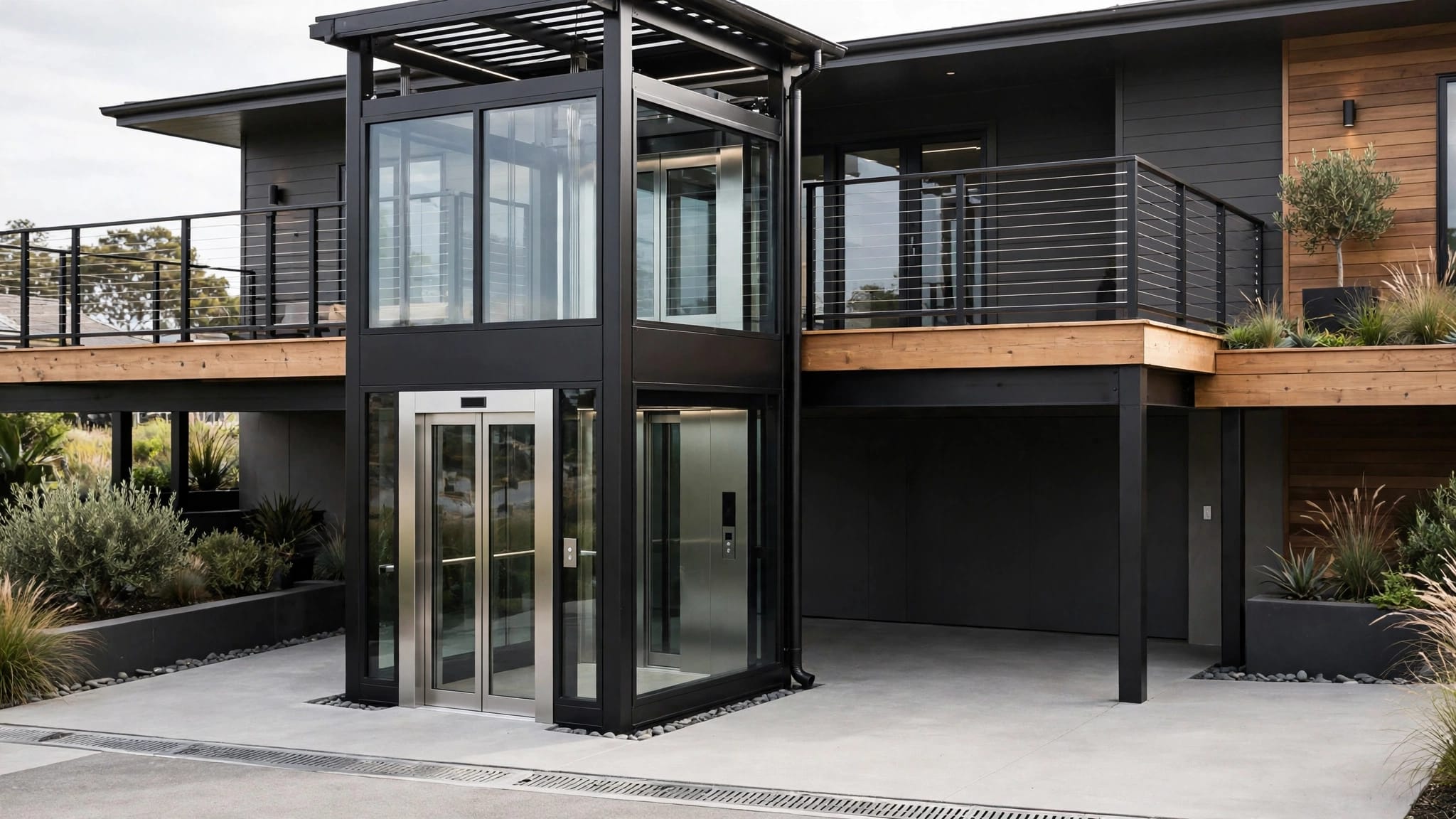
An exterior elevator can stop within seconds of a power failure, even when the rest of a building still has limited electricity. The car may remain at a landing, stop between floors, or move to a safe floor if an approved emergency system is installed.

The response depends on the lift's design, controls, backup equipment, and condition. Knowing what happens during an elevator power outage helps users stay calm and helps property owners plan the right safety measures.

Key Takeaways

  • Power loss usually stops the drive system, while brakes and safety circuits help prevent uncontrolled movement.
  • Some exterior elevators have battery lowering, automatic rescue devices, or generator power, but these features aren't standard on every lift.
  • Passengers should use the alarm or phone, remain inside, and wait for qualified responders.
  • Cargo lifts and passenger elevators have different rules, capacities, and emergency features.
  • Owners should confirm backup-power coverage with the elevator contractor, electrical professional, and local authority.

What Happens When the Power Fails?

When utility power disappears, the elevator controller detects the loss and shuts down the motor or hydraulic pump. The lift won't continue normal travel because the drive system no longer has the energy needed to move the car.

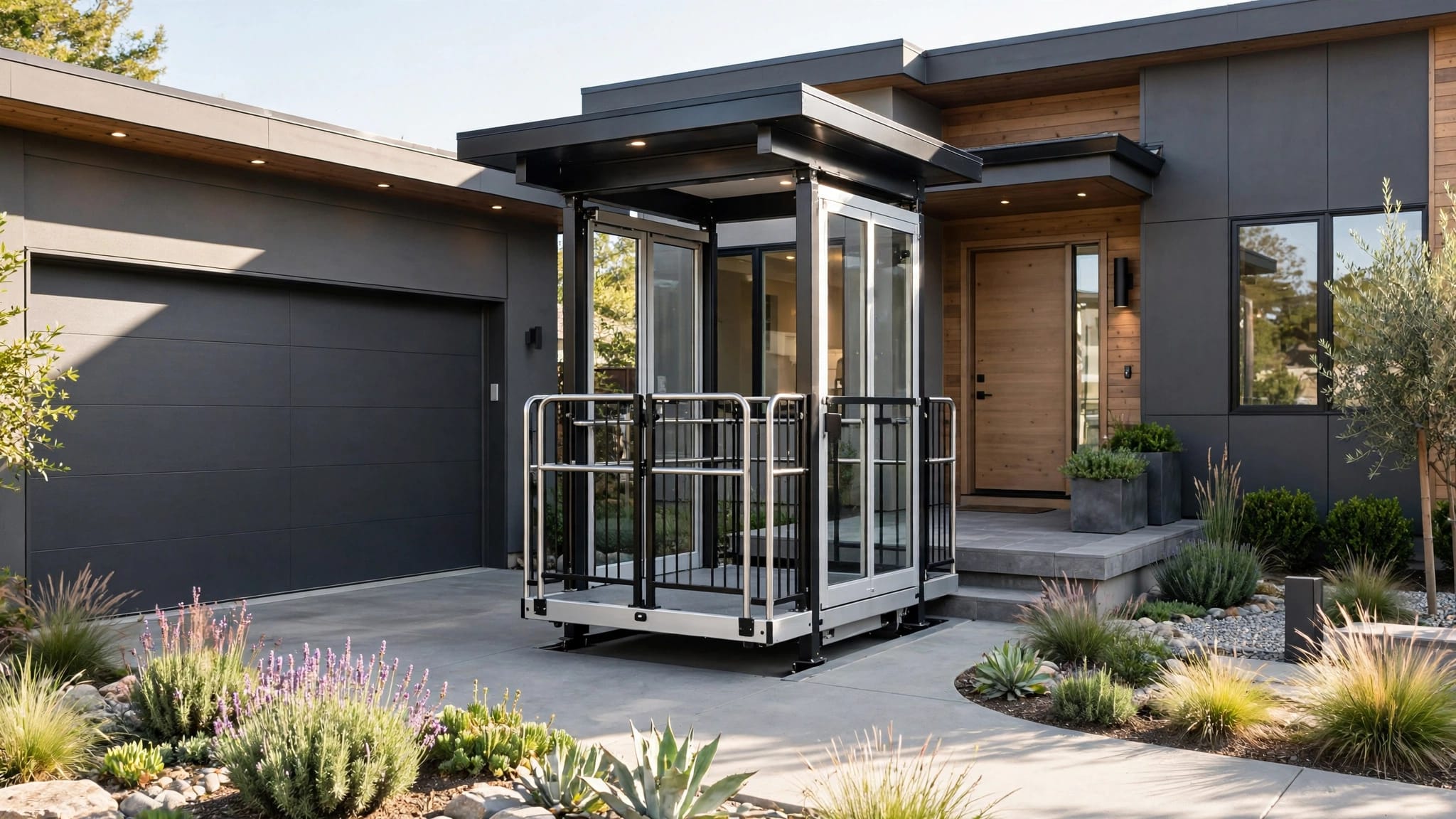
On many systems, a mechanical brake applies when electrical power is removed. The brake helps hold the car in place, but the exact response depends on whether the equipment uses traction, hydraulic, screw-drive, or another lifting method. An exterior vertical platform lift can also respond differently from a fully enclosed passenger elevator.

The car may stop at a landing if the outage occurs while the doors are open or during a completed trip. If the failure happens during travel, the car can stop between floors. Doors generally remain closed and secured until the control system or a trained technician releases them.

Interior lights, alarms, and communication devices may continue working for a limited time. Those functions often use a battery, emergency circuit, or separate low-voltage supply. However, a working light doesn't prove that the elevator itself has backup travel power.

Weather can add another concern for an exterior installation. Wind-driven rain, flooding, lightning, or damaged electrical equipment may prevent the system from returning to service after the building regains power. A technician may need to inspect the lift before anyone uses it again.

Power failure usually stops elevator movement, but it doesn't automatically create a dangerous free fall. The installed brake and safety systems still matter, and trained responders should handle any car stopped between floors.

Does an Exterior Elevator Have Backup Power?

Some exterior elevators include backup features, while others depend entirely on restored utility power. The phrase "backup power" can describe several different systems, and they don't all do the same job.

A battery lowering system may move the car to a nearby landing, often at reduced speed, and open the doors. An automatic rescue device can perform a similar function after detecting a power loss. These systems need compatible controls, adequate battery capacity, and regular maintenance. They may not operate during every fault, especially if a safety circuit detects another problem.

A standby generator can supply electricity to an elevator, but the building's generator must have enough capacity for the lift and its starting load. Transfer equipment must also connect the elevator correctly. Many generators power selected emergency circuits rather than every building system, so an elevator may not be included.

The following comparison shows why two exterior lifts in different buildings can react differently:

Backup arrangement Possible response during an outage Main limitation
No travel backup The car stops and waits for utility power or service Passengers may remain inside
Battery lowering or rescue device The car may move to a landing and release passengers Works only when installed, charged, and fault-free
Standby generator Normal or limited operation may continue The generator and transfer system must support the elevator
Emergency lights and alarm only Occupants can see and request help These features don't move the car

A generator or battery system also doesn't remove the need for inspection. If a storm damages wiring, floods a pit or landing area, or trips a safety device, the elevator may stay locked out even when backup power is available.

Ask the installer for the exact emergency sequence. The answer should identify whether the system lowers automatically, how long communication equipment operates, and which parts the generator supports.

What Should Passengers Do If the Car Stops?

Stay inside the elevator car unless emergency responders direct you to leave. The landing may not be level with the car, and climbing through a partially opened door can cause a fall or place you near moving equipment.

Press the alarm button and use the emergency phone if one is available. Call the building's emergency number or local emergency services when necessary. Tell the operator the building address, elevator location if known, number of people inside, and any medical concern.

Keep away from the doors. Don't force them open, pry against the landing entrance, or attempt to climb out through the roof hatch. Those actions can expose passengers to shafts, electrical equipment, or unexpected car movement.

If the car has ventilation, breathing air should remain available, but passengers should still conserve phone battery and speak clearly with responders. People with mobility, medical, or anxiety concerns should tell the operator early so responders can plan assistance.

Qualified elevator technicians and emergency responders use controlled procedures to release occupants. They may need to secure the car, verify its position, disconnect equipment, or move passengers through a safe landing. A building manager should not improvise a rescue, even when the car appears close to a floor.

After leaving, passengers should stay clear of the equipment. A lift that has stopped during an outage may restart unexpectedly when power returns unless a technician has placed it out of service.

How Property Owners Can Prepare

Owners and facility managers should treat emergency operation as part of the elevator plan, not as an assumption. The installation documents should state what happens when normal power fails and which components remain active.

Start by asking the elevator contractor these questions:

  • Does the lift have automatic rescue or battery lowering?
  • Does the standby generator supply the elevator, or only nearby lighting?
  • How long will the alarm, phone, and emergency lights operate?
  • What happens if the car stops between landings?
  • Which conditions keep the system locked out after power returns?
  • Who should be called for a passenger entrapment?

Keep the answers with the building's emergency procedures. Make sure staff know the elevator's location, equipment type, service provider, and emergency contact information. A simple posted notice can tell occupants to use the alarm, remain inside, and wait for trained help.

Maintenance records should include batteries, emergency lighting, communication equipment, brakes, door locks, control panels, and generator transfer tests. The technician should follow the manufacturer's instructions and applicable local requirements. Building staff shouldn't bypass safety circuits or repeatedly reset faults to force operation.

Storm-prone properties need additional planning. Exterior equipment may face salt air, heavy rain, flooding, debris, and lightning-related electrical damage. A pre-storm inspection can identify exposed wiring, drainage problems, loose covers, and access issues that could delay service.

Never connect a portable generator directly to elevator equipment. Improper backfeeding can injure workers, damage controls, or create a fire risk. A qualified electrician must design and install any connection to standby power.

Cargo Lifts, Passenger Elevators, and VPLs React Differently

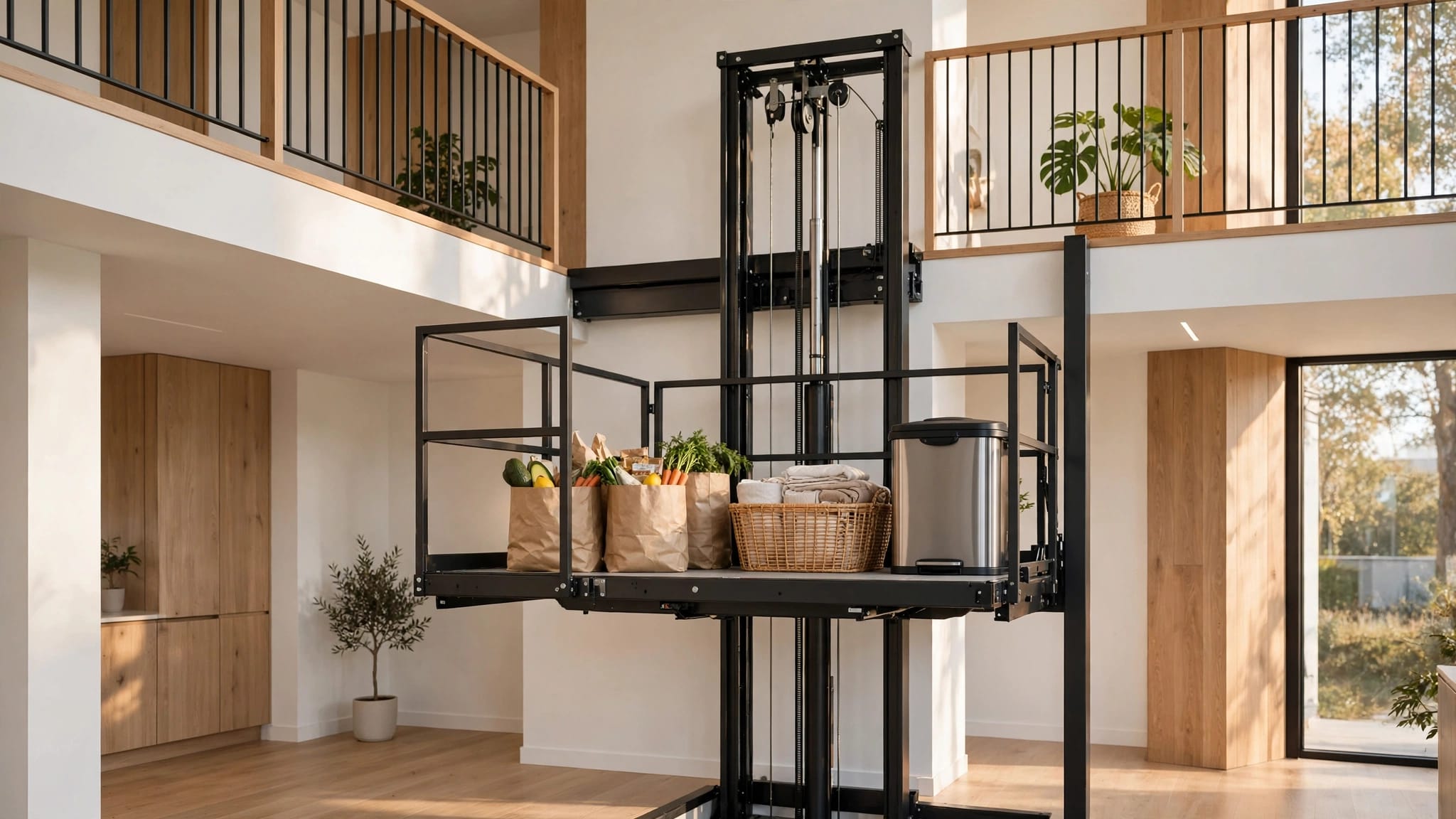
The type of lifting equipment affects both normal use and emergency response. A passenger-compliant elevator may include enclosed travel, door interlocks, communication equipment, and controls intended for occupied transport. A vertical platform lift may use a platform rather than a conventional enclosed car. A cargo lift may be designed only to move materials.

Cargo equipment shouldn't carry people unless its documentation and applicable approvals allow passenger use. If a cargo lift loses power while loaded, workers should keep clear and wait for the service provider. They shouldn't unload materials by entering a shaft or climbing onto the platform.

A vertical platform lift may have a battery-powered lowering feature, but that feature isn't universal. Some models lower to the nearest landing, while others require manual service procedures. Capacity, travel height, gate configuration, and control design also affect the response.

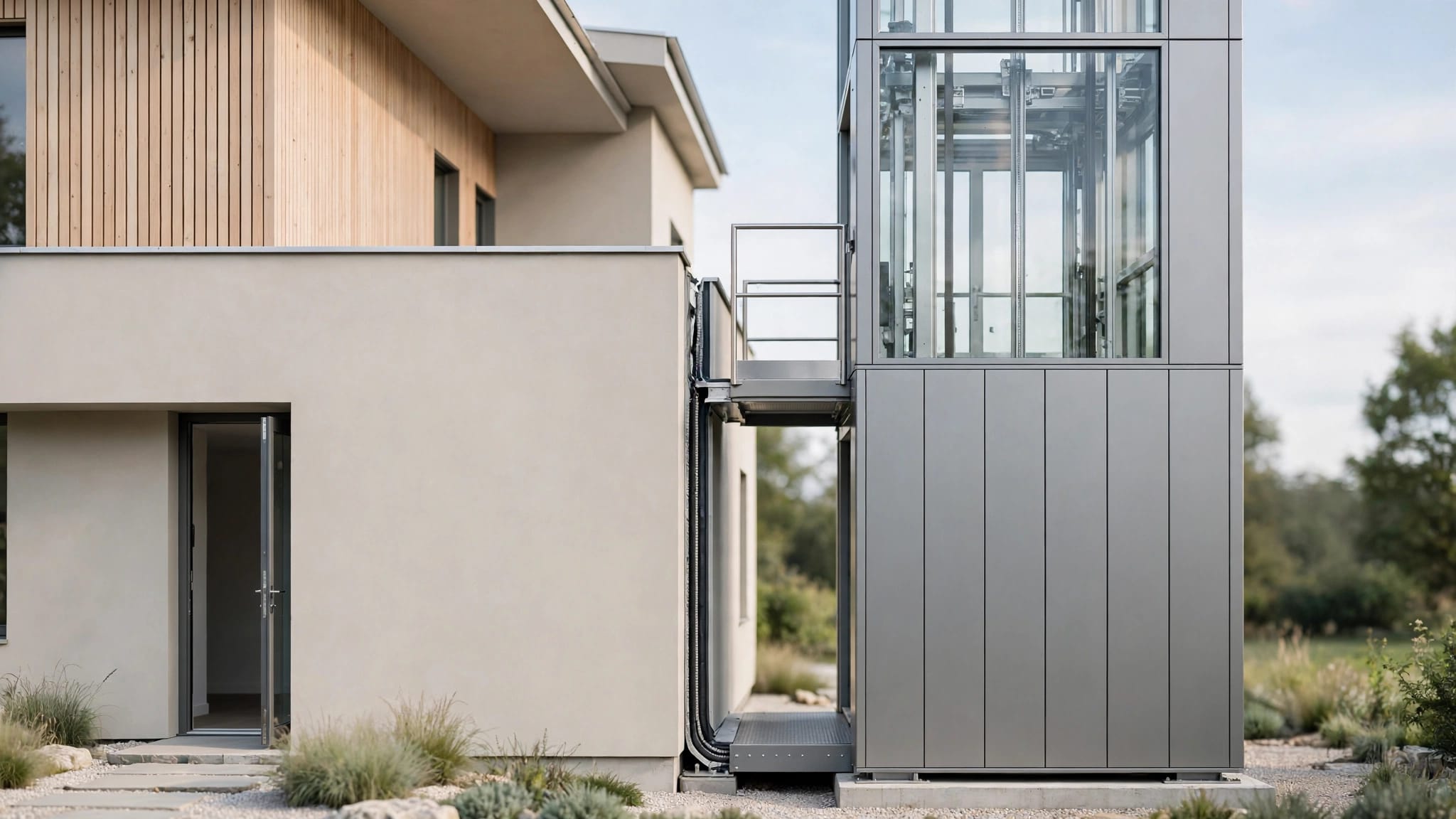
Exterior mounting doesn't determine the emergency behavior by itself. A lift attached to a porch, balcony, or stair landing can use different drive systems and safety packages. The manufacturer's specifications and the actual installed equipment control the answer.

Equipment type Common outage concern Safe response
Passenger elevator Occupants may be stopped between floors Use communication equipment and wait for responders
Vertical platform lift Platform may remain between landings Follow the posted procedure and don't climb off
Cargo lift Materials may shift or block access Keep people away until qualified service arrives

Before purchasing or modifying an exterior lift, ask for a written description of emergency operation. Confirm whether the equipment is intended for passengers, cargo, or both. Also review local code and accessibility requirements with the appropriate professionals.

What Happens After Power Returns?

Restored electricity doesn't always mean the lift is ready for use. The controller may remain in a fault or inspection state until someone resets it. Some systems perform a startup check, return to a designated landing, or wait for a technician before accepting calls.

Building staff should look for unusual sounds, water near equipment, damaged doors, error indicators, or signs of storm impact. They shouldn't keep cycling the power when the elevator won't operate. Repeated resets can hide a fault and complicate diagnosis.

If someone was trapped, the elevator contractor should inspect the car, doors, controls, and safety circuits before normal service resumes. The same applies when the outage involved lightning, flooding, fire alarm activity, or a generator transition.

A short outage may leave no visible damage, but intermittent power can still affect electronic controls. Service records should document the event and any corrective work. That information helps identify recurring electrical or maintenance problems.

Conclusion

During an exterior elevator power outage, the lifting system usually stops, the safety controls respond, and the car may remain at a landing or between floors. Battery lowering, automatic rescue equipment, or generator power can change that outcome, but those features depend on the actual installation.

Passengers should use the alarm or emergency phone, stay inside, and wait for qualified responders. Owners should confirm the backup-power arrangement, maintain communication equipment, and keep a clear service plan for storms and other outages. The safest answer is always the one written for that specific lift, tested by its service team, and understood before the lights go out.

Recent Posts

By Veranda 'Vator July 11, 2026
A coastal home can look perfect on paper until you need to move a wheelchair, cooler, appliance, or suitcase between levels. In multi-story residences, stairs, narrow landings, and salt air can quickly transform your elevated home into a serious access problem. A beach house e...
By Veranda 'Vator July 10, 2026
A lift that handles a few grocery bags may struggle with a wheelchair, beach cart, or loaded cooler. Choosing the right outdoor lift capacity means planning for the heaviest realistic load, the way it will be placed on the platform, and the coastal conditions around your home....
By Veranda 'Vator July 9, 2026
A new outdoor lift can look like a one-day project from the street, but the real schedule starts long before the crew arrives. For an elevated Florida home, outdoor lift installation usually involves permits, site prep, electrical work, and a final inspection before the first...
By Veranda 'Vator July 8, 2026
Salt air can wear down an outdoor lift faster than most homeowners expect. In coastal Florida, moisture, heat, and storm debris all work on the same parts at the same time. A clear outdoor lift maintenance routine helps protect cargo lifts, passenger-compliant elevators, and v...
By Veranda 'Vator July 7, 2026
An outdoor vertical platform lift does not have one universal travel limit. The height depends on the model, the structure, and the code in your area, so the brochure number is only part of the picture. Many installations cover a short rise from grade to a porch, deck, or land...
By Veranda 'Vator July 6, 2026
Stairs are fine until they aren't. On an elevated home, they can turn groceries, laundry, beach gear, or a wheelchair into a daily burden. An outdoor lift retrofit can solve that without tearing the house apart. The right setup depends on the structure, the landing height, the...
By Veranda 'Vator July 5, 2026
Beach homes put elevator rules under a harsher microscope. Salt air attacks hardware, wind pushes on the exterior shell, and flood zones change what the building office will approve. If you're adding a passenger elevator or cargo lift to a coastal home, the Florida elevator co...
By Veranda 'Vator July 4, 2026
Outdoor elevator pricing can swing by tens of thousands of dollars before you even choose finishes. The number on a brochure is only the starting point, because weather exposure, site work, and code requirements can change the real budget fast. That is why two homes with simil...
By Veranda 'Vator July 3, 2026
Living in an elevated home changes the way you move through the day. A stair climb with groceries, laundry, beach gear, or a suitcase gets old fast, and the wrong lift choice can make the problem worse. The cargo lift vs passenger elevator decision comes down to use, code, and...
By Veranda 'Vator December 22, 2025
1. Buy from an established manufacturer and know their history. Metal shop reality TV has made welding a popular hobby. All too often hobbyist welders see a metal product they can duplicate and figure they can get into the manufacturing biz. This is bad for consumers because these garage mini factories rarely last, and rarely have adequate quality control in place. 2. Ask to see engineering drawings with a raised seal from a reputable third party structural engineer, and know what they are certifying. As a cargo lift buyer you should be concerned about whether the lift you are buying meets the specifications as advertised. Any reputable manufacturer will have already had an engineer who is separate from their firm, review their design and place their raised seal on the plans. Reasons for this is to validate the lifting capacity and to validate it will meet windstorm criteria. Both of these points must be in writing, on stamped drawings, with the manufacturers name on themfor you to know you are getting what you are paying for. If you are buying a lift advertised at 1000lb capacity it needs to state that specifically on the plans. Unscrupulous manufacturers will have less critical aspects of the lift evaluated so they have something with a raised seal in hand. They will then attempt to trick unwitting clients into thinking the stamp certifies all of their advertising claims. Be further aware that engineers specialize in different things. This is a structural engineer application. Be wary of plans stamped by civil engineers, electrical engineers etc, and also by in house engineers who are employed by the manufacturer. 3. Get a copy of the manufacturer’s insurance certificate. Homeowners often ask the contractors doing the installation for proof of insurance, but the lift manufacturers proof of insurance is often ignored. 4. Verify your lift is made by who the contractor says it is. Knocking off a product and then “passing off” as a name brand is common and illegal. Ask your lift manufacturer for ways to identify whether your lift is genuine. Even if the seller admits it is a knock off you will likely be getting something built by a facility we discussed in point 1. 5. Communicate directly with the lift manufacturer before making your choice. Installation contractors are often more concerned with making the right choice for themselves, not you. Most of the time an installer will put in the lift of your choice regardless of whether they have bias towards one or the other. If you find a lift manufacturer you like ask them to recommend an installer in your area.