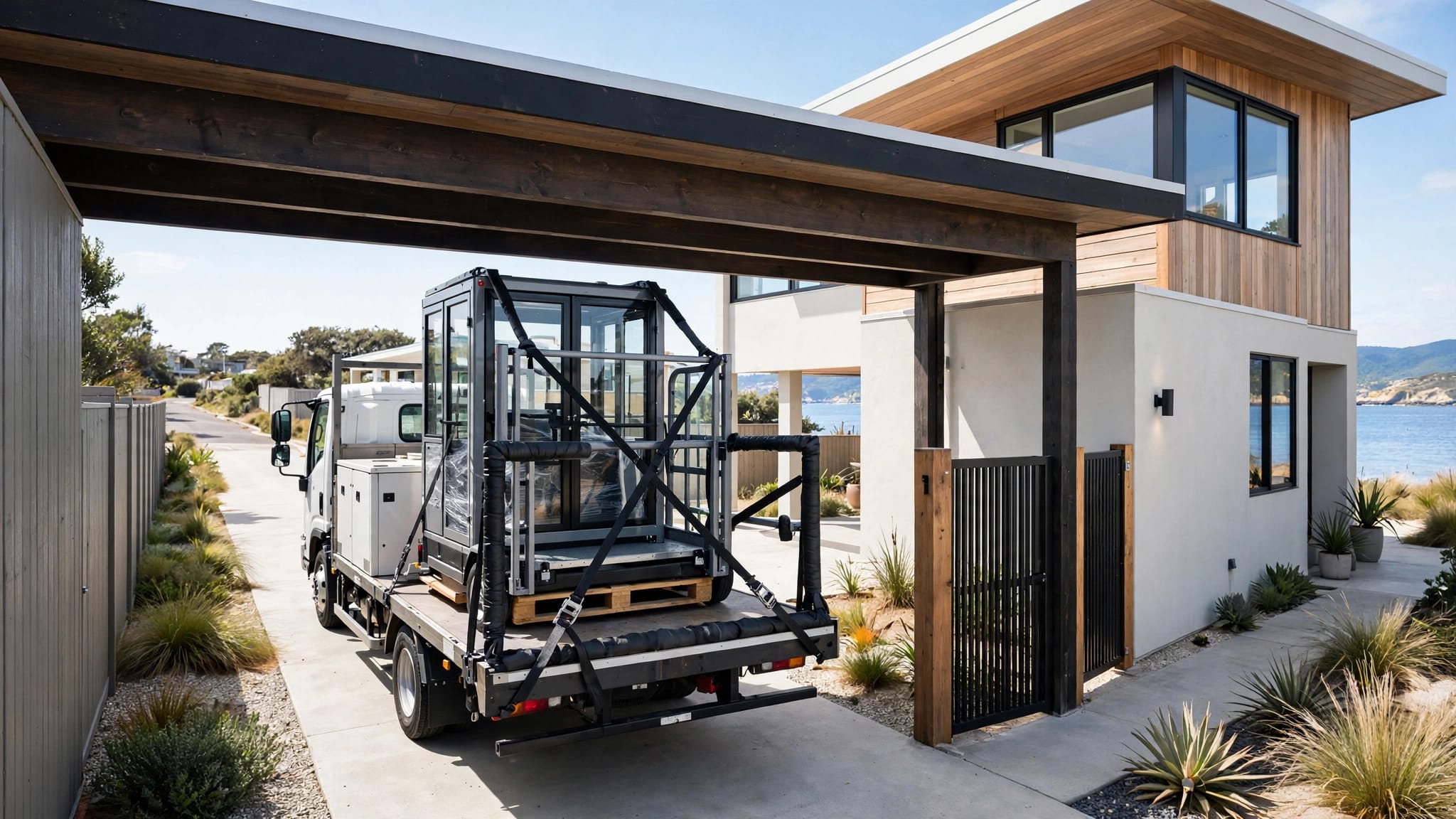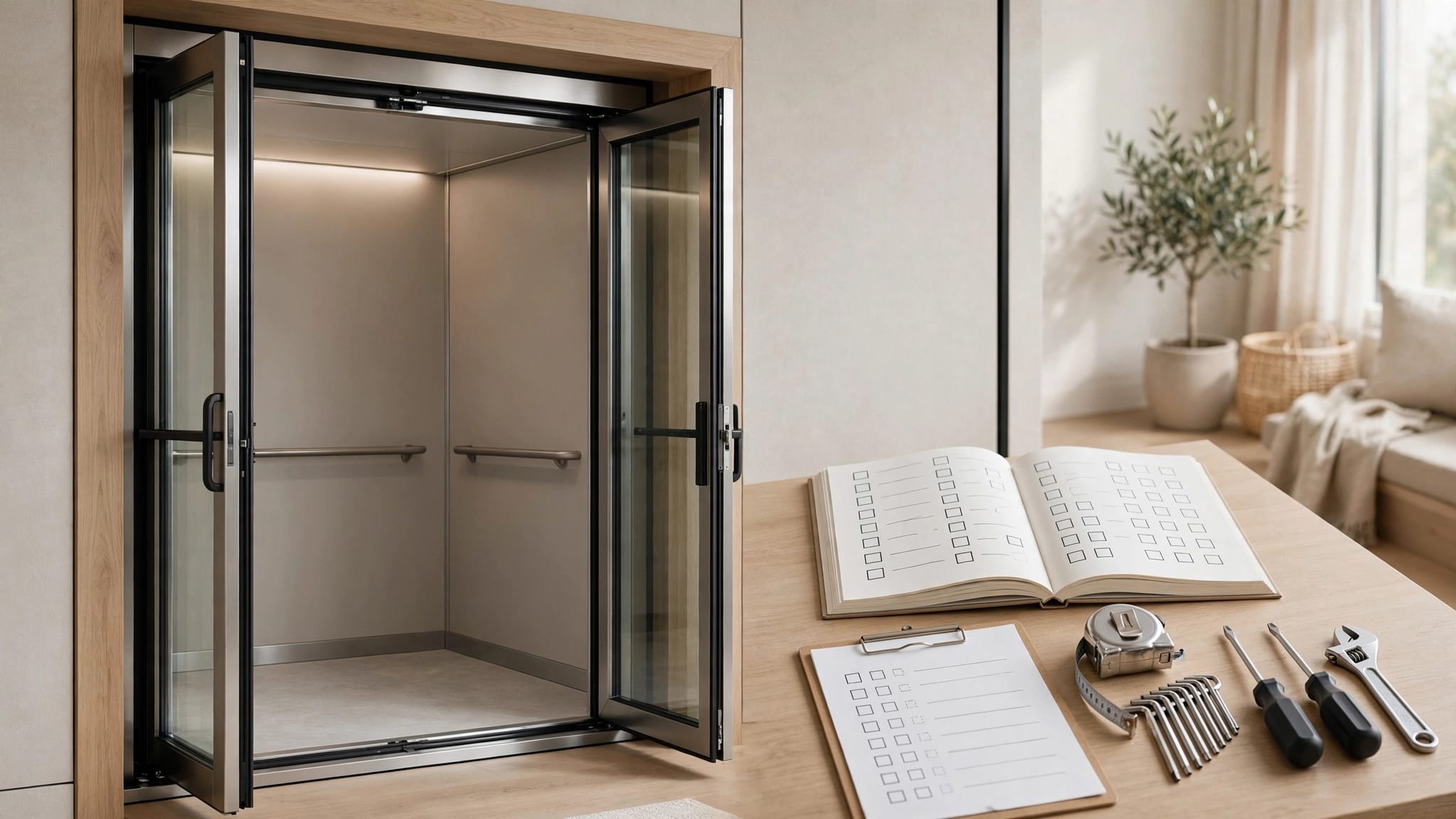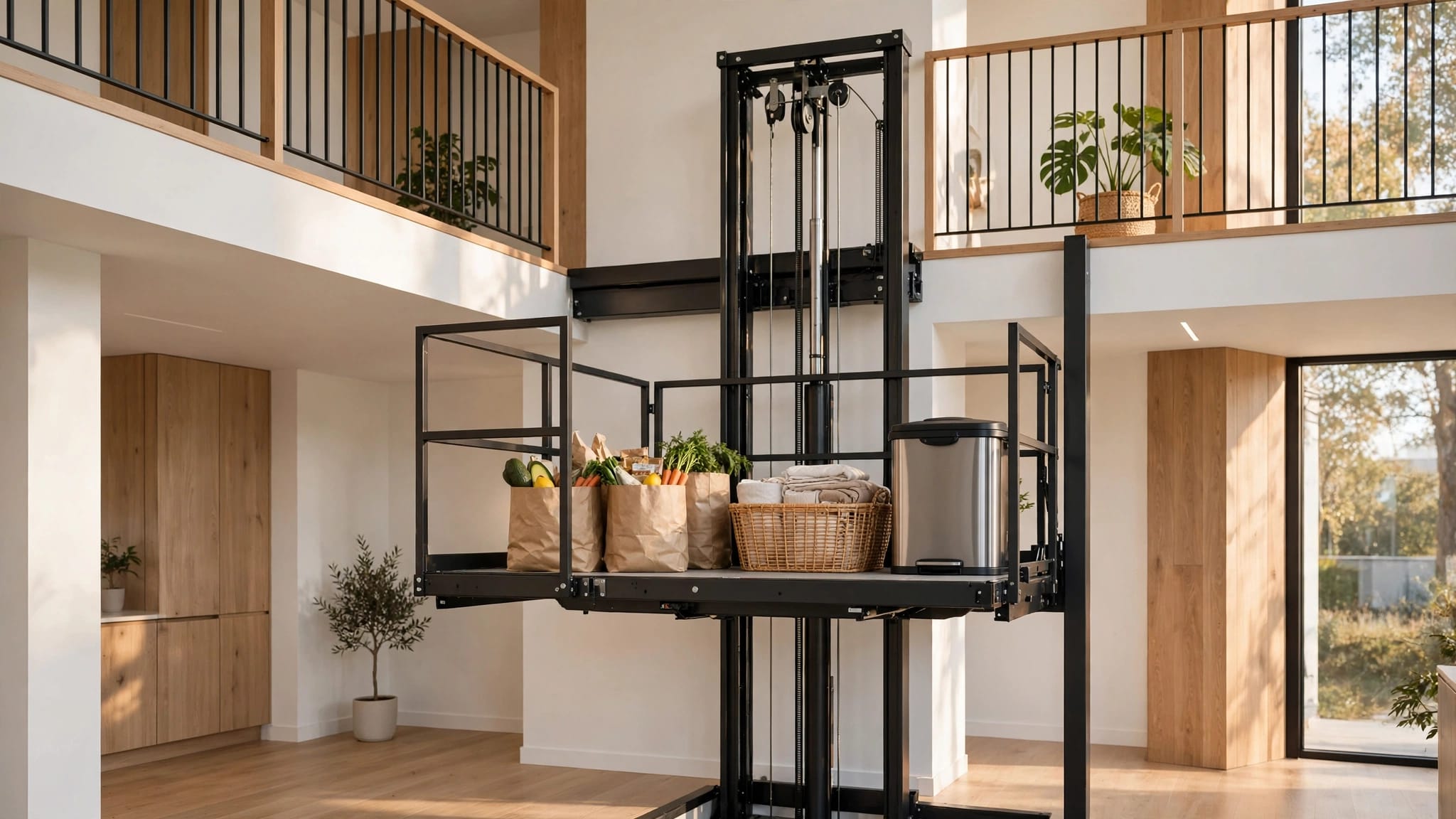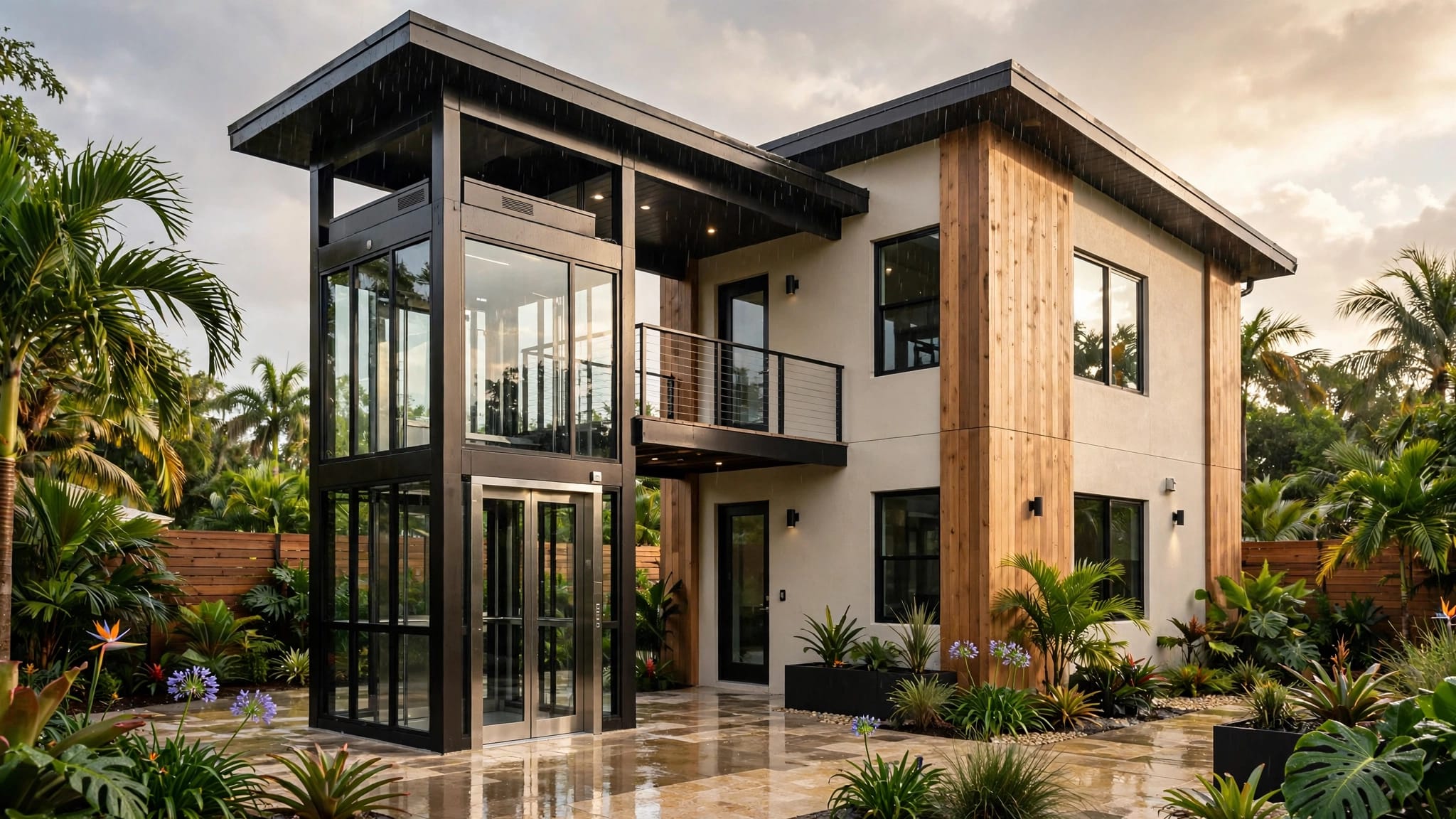
Exterior Elevator Gates for Safe Elevated Homes

Share this article

An exterior elevator can make an elevated home easier to use, but the landing gate deserves the same attention as the lift itself. Without a properly designed barrier, an open shaft or platform can create a serious fall hazard.

The right exterior elevator gates protect family members, guests, pets, groceries, tools, and mobility equipment while supporting daily access. Coastal homeowners also need materials and hardware that can handle salt air, rain, strong sunlight, and storm preparation.

Before choosing a style, match the gate to the lift, landing, weather conditions, and local requirements. A qualified residential elevator installer should confirm those details before you purchase.

Key Takeaways

  • Choose a landing gate that matches the lift type, opening, traffic pattern, and expected load.
  • Interlocks, latches, guard panels, and safe clearances matter more than appearance alone.
  • Marine-grade materials and corrosion-resistant hardware are strong choices for coastal homes.
  • Accessibility requires careful planning around clear openings, thresholds, controls, and landing space.
  • Ask the installer to review permits, code requirements, storm procedures, maintenance, and warranty coverage.

Why Landing Gates Matter on Elevated Homes

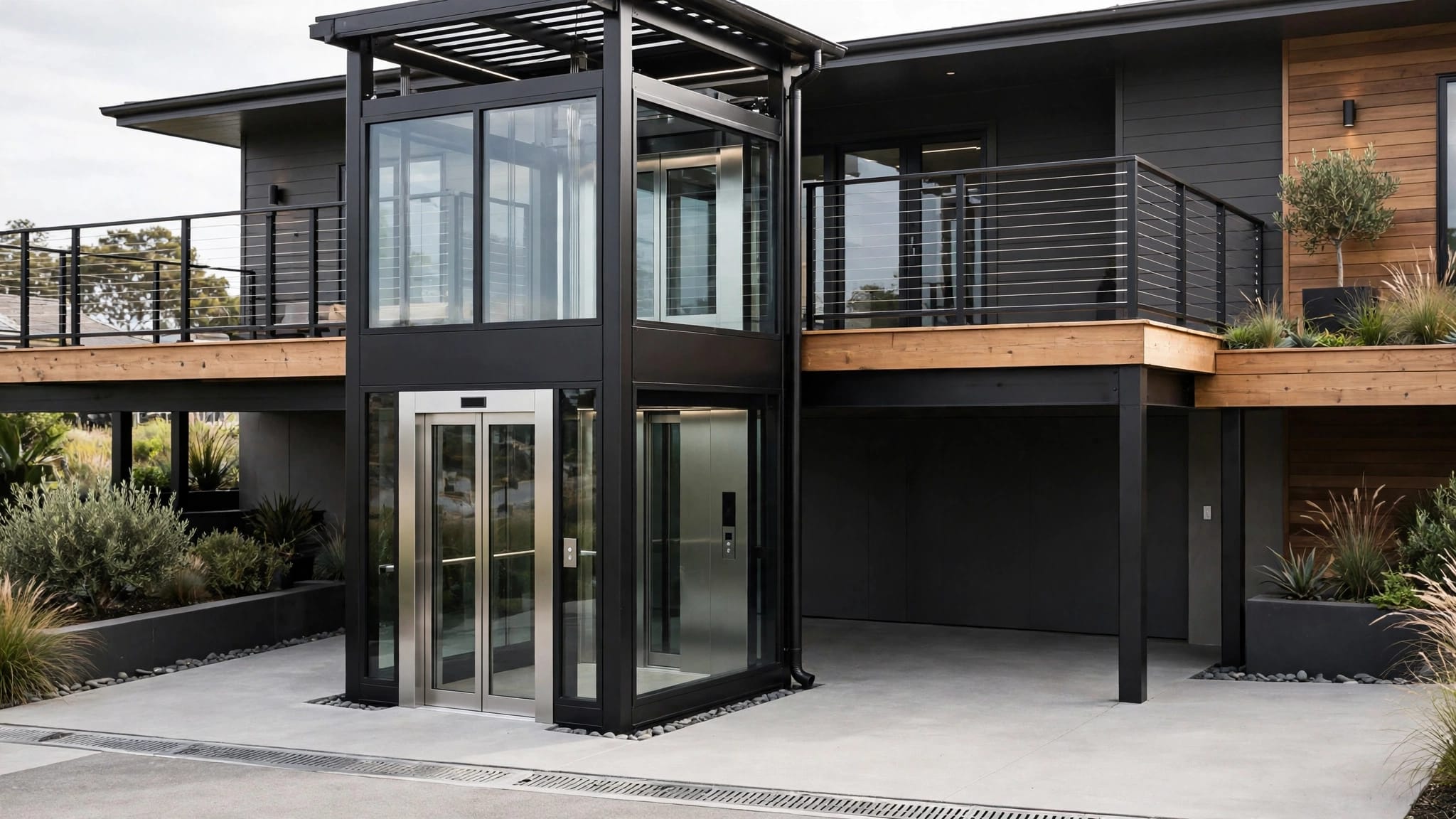
An exterior elevator landing may sit several feet above grade, beside a porch, or at the edge of a second-story deck. When the lift platform leaves the landing, the opening must remain protected. A gate creates a physical barrier that helps prevent someone from stepping into an unoccupied shaft or off an exposed platform.

That protection matters even more in homes with children, older adults, pets, or frequent visitors. A delivery worker may not know the lift's operating pattern. A guest carrying luggage may focus on the destination instead of the opening. Good gate design reduces the chance that a simple distraction becomes an accident.

The gate also affects how people use the elevator. It needs to open easily when the lift is correctly positioned, close securely after entry, and avoid blocking stairs, doors, walkways, or furniture. A heavy gate that drags across a sloped deck can become a daily frustration and a maintenance problem.

Most importantly, the gate must work with the lift's control and safety system. An installer may specify an interlock that prevents operation when the gate is open or unsecured. The exact arrangement depends on the elevator or vertical platform lift, local regulations, and the approved equipment design.

A landing gate is part of the elevator safety system, not a decorative fence added after installation.

Exterior elevator gates also help define the landing visually. Open mesh can preserve views and airflow, while more enclosed panels provide privacy and may protect cargo from falling outward. The safest choice depends on the site's structure and the way your household uses the lift.

Match the Gate Style to the Lift and Landing

Start by identifying the equipment. A cargo lift, passenger elevator, and vertical platform lift may require different gate dimensions, controls, and safety components. A gate for a wheelchair platform must provide comfortable entry and exit. A cargo lift gate may need clearance for carts, lawn equipment, or large boxes.

Swing gates are common where the landing has enough room for the gate to open without striking a person or object. They can offer a familiar, straightforward design, but the swing path requires careful planning. A gate that opens toward a stair edge or narrows the approach can create a new hazard.

Sliding or vertical-opening designs may work better in tight spaces. They can preserve landing space, although they add tracks, guides, rollers, or lifting components that need inspection. Salt, sand, and debris can affect moving parts, so ask how the system drains and how technicians will reach it.

Mesh gates provide visibility and airflow. That can help users see whether the platform is present and allow breezes through an exposed landing. Solid or partially enclosed panels offer more privacy and may help contain loose cargo, but they can add wind load and weight.

The gate should also match the platform's rated use. Residential lift systems often support capacities such as 750 to 1,000 pounds, depending on the model and configuration. The gate doesn't increase the lift's rated capacity. Instead, its frame, hinges, latch, and attachment points must work with the approved equipment and surrounding structure.

Ask the installer to review these points before selecting a finish or pattern:

  • The clear opening needed for passengers, wheelchairs, carts, and cargo
  • The direction and amount of gate travel
  • The landing's slope, drainage, and available working space
  • The platform position required before the gate can open
  • The location of controls, emergency devices, lights, and handrails

A good gate fits the way the home operates. A beautiful design that interferes with a wheelchair approach or cargo loading is the wrong design for that landing.

Select Materials for Sun, Salt, Rain, and Wind

Coastal conditions can damage exterior metal faster than many homeowners expect. Salt deposits collect on hinges, fasteners, welds, tracks, and latch assemblies. Direct sunlight can fade finishes, while standing water speeds corrosion around the base of the gate.

Marine-grade aluminum is often a practical option because it combines low weight with corrosion resistance. Stainless steel can provide strong hardware and a clean appearance, but the grade matters. Installers may recommend 316 stainless steel for exposed coastal areas because it offers better resistance to chlorides than common lower grades.

Material selection is only one part of durability. A coastal gate also needs suitable fasteners, weld treatment, drainage, surface finishing, and separation between dissimilar metals. A painted frame can look sound while corrosion begins inside a hinge or beneath a mounting plate.

Solid panels need special attention in hurricane-prone regions. They can catch more wind than open mesh, increasing stress on the gate frame and the structure supporting it. Your installer should review the home's location, exposure, attachment points, and local requirements before approving a panel style.

Storm planning belongs in the purchase discussion. Ask whether the gate should be secured, removed, latched, or left in place during a named storm. Never improvise by tying moving parts shut or bypassing a safety interlock. The manufacturer or installer should provide the correct procedure for your equipment.

Routine care still matters, even with corrosion-resistant construction. Rinse salt deposits with fresh water when appropriate, keep tracks and drainage paths clear, and inspect hinges and latches for stiffness. Avoid applying a lubricant unless the manufacturer approves it, since some products attract sand or interfere with sensors.

A durable exterior gate should tolerate the home's environment, but no material is maintenance-free beside the ocean. Good design makes inspection and cleaning practical.

Put Safety and Accessibility Ahead of Appearance

A landing gate should close fully and latch without force that a typical user cannot manage. Its guard surfaces should prevent a person from slipping through or reaching an unsafe opening. The exact requirements depend on the elevator type and the authority having jurisdiction, so your installer should identify the applicable rules during planning.

Interlocks deserve close attention. They coordinate the gate with the lift so the platform doesn't travel under unsafe conditions. Ask the installer what happens if the gate isn't fully closed, the platform stops between landings, or electrical power fails. You should understand normal operation and emergency procedures before anyone uses the lift.

Accessibility requires more than a wide gate. The approach should provide a stable, level path with enough room for a wheelchair user to align with the platform. A raised threshold, narrow turn, or gate that swings into the approach can make an otherwise accessible lift difficult to use.

Controls should sit where a seated user can reach them without leaning across the gate. Lighting also matters at night, especially when the landing is outside the home's main lighting zone. Weather covers can protect controls, but they shouldn't create glare, condensation, or an awkward reach.

For cargo use, measure the largest items you plan to move. A cart with groceries may need more room than a person with a small bag. Long tools, coolers, construction materials, and luggage can catch on gate posts or handles if the opening is tight.

Keep the landing clear after installation. Do not place planters, storage boxes, hoses, or outdoor furniture inside the gate's travel path. A clean approach helps users enter safely and gives technicians room to inspect the system.

Accessibility works best when the gate, platform, controls, and landing are planned as one system.

An experienced installer can also help coordinate the lift with deck framing, guardrails, stairs, weatherproof electrical work, and drainage. That coordination reduces the risk of discovering that a preferred gate style conflicts with the existing structure.

Compare Quotes Beyond the Gate Price

A gate quote may cover more than the visible frame. Compare what each proposal includes, because the lowest equipment price may not reflect the finished installation cost.

Ask whether the quote includes the gate, latch, interlock, controls, mounting hardware, electrical connections, structural modifications, permits, inspection support, delivery, and startup testing. Confirm whether the installer will coordinate with a deck contractor, electrician, architect, or engineer when the project requires multiple trades.

The final price can change with the number of landings, gate dimensions, material grade, finish, automation, site access, and structural reinforcement. Coastal homes may also need additional attention to corrosion protection and storm exposure. Request a written scope that identifies exclusions before work begins.

Use these questions when comparing residential elevator installers:

  1. Which gate designs are approved for this lift model?
  2. What materials and fasteners suit the home's coastal exposure?
  3. How does the interlock operate, and what happens during a power outage?
  4. Will the gate support the required passenger, wheelchair, or cargo access?
  5. Who handles permits, inspections, and coordination with the existing deck?
  6. What cleaning, lubrication, inspection, and replacement parts does the system need?
  7. What warranty covers the gate, hardware, controls, and installation?

Look for an installer who measures the site instead of selecting a gate from a catalog alone. The company should explain the safety system in plain language and provide operating instructions for every household member.

Veranda 'Vator has more than 20 years of lift-manufacturing experience and focuses on exterior lift solutions for elevated and coastal properties. Whether you need a cargo lift, passenger-compliant elevator, or wheelchair-accessible vertical platform lift, discuss the gate as part of the complete system.

Plan for Long-Term Use and Maintenance

Exterior elevator gates receive frequent use, so small problems can become disruptive. A latch that needs extra force, a hinge that develops play, or a track that collects sand can affect daily access. Schedule inspections according to the manufacturer's instructions and local requirements.

Watch for early signs of trouble, including rust stains, cracked welds, loose fasteners, sagging, unusual noise, incomplete closure, or a gate that rubs against the frame. Stop using the lift and contact the installer if the interlock, latch, or gate no longer works as designed.

Keep written records of service visits and repairs. Those records help technicians diagnose recurring problems and may support warranty claims. They also give a future homeowner useful information about the lift's maintenance history.

As your needs change, review the gate and platform together. A household may begin with passenger use, then add a wheelchair, beach equipment, bicycles, or heavier cargo. The lift's rated capacity and opening dimensions still control what it can safely carry.

Conclusion

Choosing exterior elevator gates requires more than matching a color to the home's trim. The gate must protect each landing, work with the lift's safety controls, withstand coastal exposure, and provide enough room for people and cargo.

Start with the equipment and site conditions, then compare materials, opening styles, accessibility details, storm procedures, maintenance needs, and complete installation costs. With a qualified residential elevator installer involved early, your landing gate can support safe daily use without becoming an obstacle to the home.

Recent Posts

By Veranda 'Vator July 14, 2026
A hurricane can turn loose outdoor furniture into flying debris, push rain into electrical equipment, and leave floodwater around a lift shaft or platform. A practical outdoor home lift hurricane preparation plan protects the equipment and gives your household clear instructio...
By Veranda 'Vator July 13, 2026
Living in elevated homes solves the critical challenge of keeping living areas safely above storm surges and potential floodwater, but this architectural choice often creates a new daily inconvenience. Transporting groceries, patio furniture, heavy tools, and luggage up multip...
By Veranda 'Vator July 12, 2026
An exterior elevator can stop within seconds of a power failure, even when the rest of a building still has limited electricity. The car may remain at a landing, stop between floors, or move to a safe floor if an approved emergency system is installed. The response depends on...
By Veranda 'Vator July 11, 2026
A coastal home can look perfect on paper until you need to move a wheelchair, cooler, appliance, or suitcase between levels. In multi-story residences, stairs, narrow landings, and salt air can quickly transform your elevated home into a serious access problem. A beach house e...
By Veranda 'Vator July 10, 2026
A lift that handles a few grocery bags may struggle with a wheelchair, beach cart, or loaded cooler. Choosing the right outdoor lift capacity means planning for the heaviest realistic load, the way it will be placed on the platform, and the coastal conditions around your home....
By Veranda 'Vator July 9, 2026
A new outdoor lift can look like a one-day project from the street, but the real schedule starts long before the crew arrives. For an elevated Florida home, outdoor lift installation usually involves permits, site prep, electrical work, and a final inspection before the first...
By Veranda 'Vator July 8, 2026
Salt air can wear down an outdoor lift faster than most homeowners expect. In coastal Florida, moisture, heat, and storm debris all work on the same parts at the same time. A clear outdoor lift maintenance routine helps protect cargo lifts, passenger-compliant elevators, and v...
By Veranda 'Vator July 7, 2026
An outdoor vertical platform lift does not have one universal travel limit. The height depends on the model, the structure, and the code in your area, so the brochure number is only part of the picture. Many installations cover a short rise from grade to a porch, deck, or land...
By Veranda 'Vator July 6, 2026
Stairs are fine until they aren't. On an elevated home, they can turn groceries, laundry, beach gear, or a wheelchair into a daily burden. An outdoor lift retrofit can solve that without tearing the house apart. The right setup depends on the structure, the landing height, the...
By Veranda 'Vator July 5, 2026
Beach homes put elevator rules under a harsher microscope. Salt air attacks hardware, wind pushes on the exterior shell, and flood zones change what the building office will approve. If you're adding a passenger elevator or cargo lift to a coastal home, the Florida elevator co...
Show More