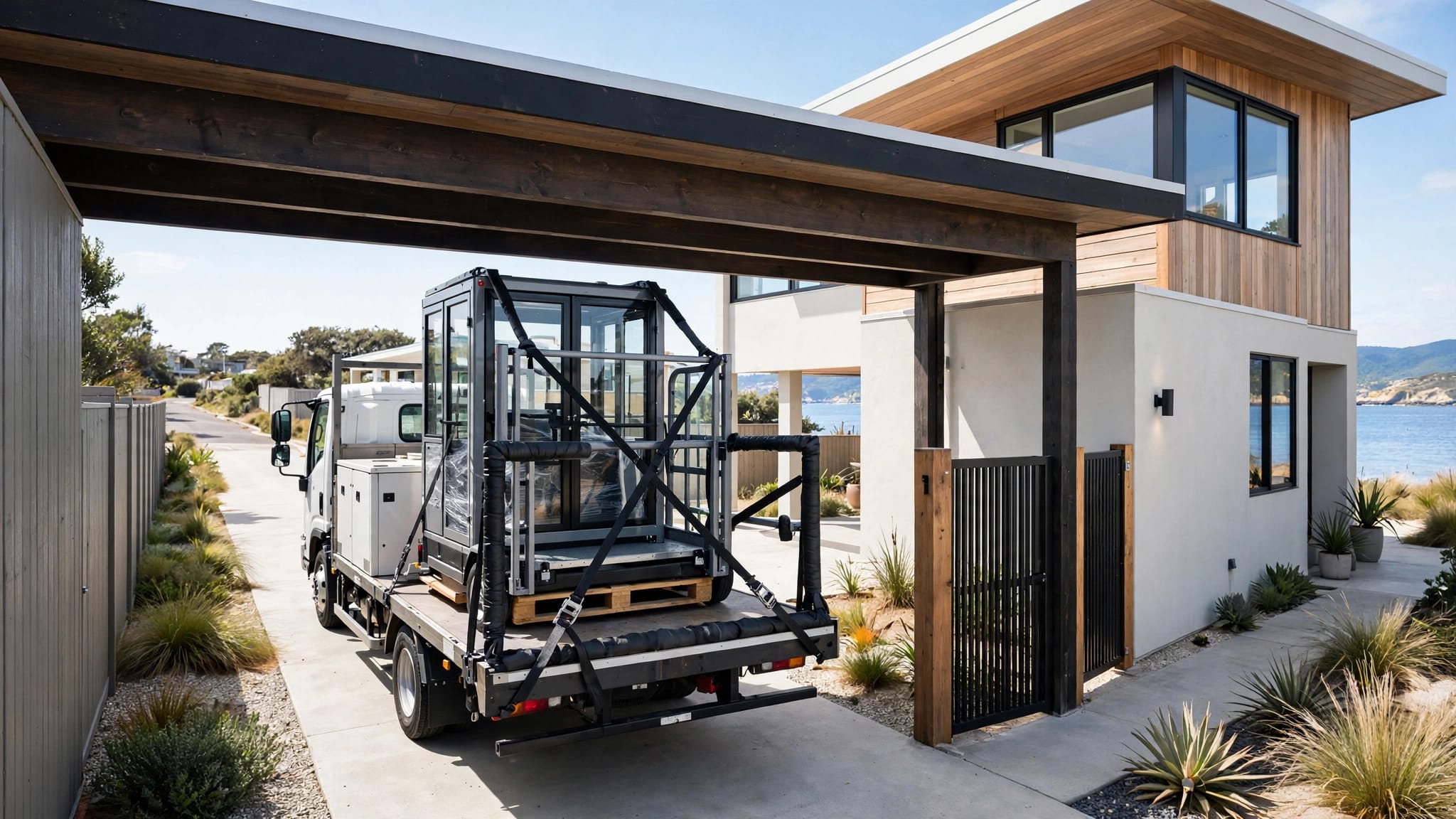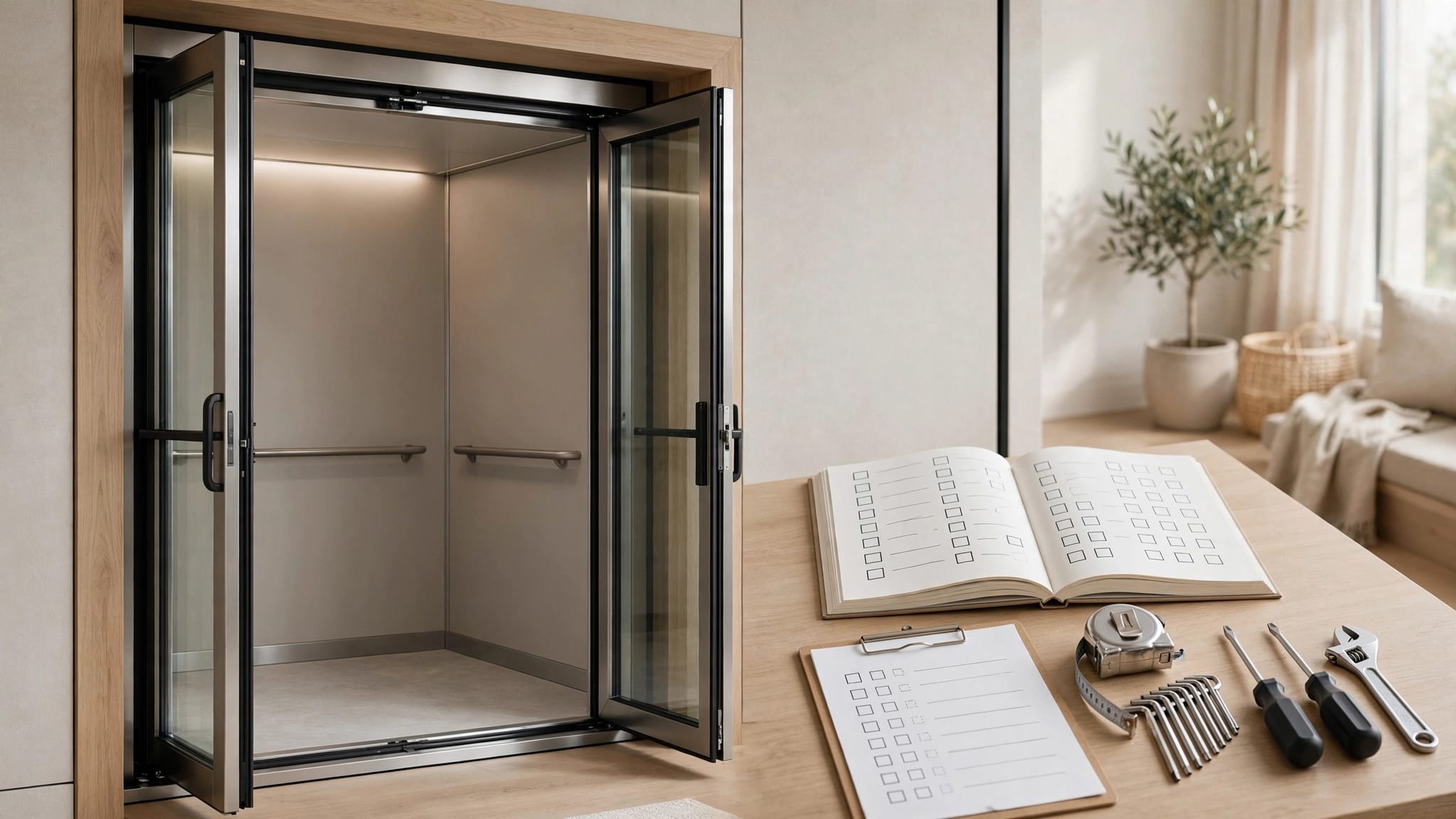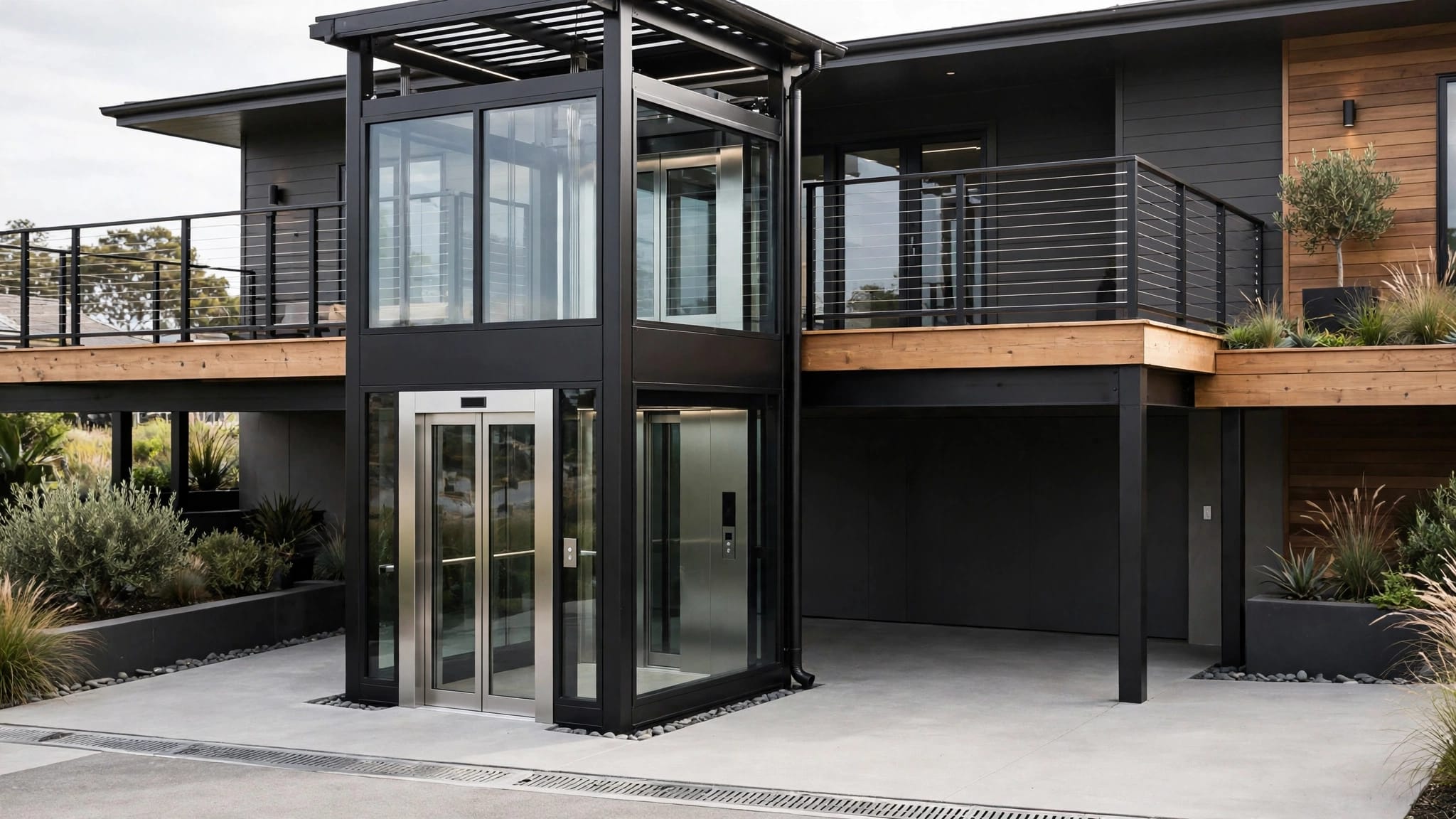

A hurricane can turn loose outdoor furniture into flying debris, push rain into electrical equipment, and leave floodwater around a lift shaft or platform. A practical outdoor home lift hurricane preparation plan protects the equipment and gives your household clear instructions when normal access changes.
Exterior-mounted passenger lifts, cargo lifts, and vertical platform lifts need more than a quick cover before landfall. Their rails, gates, controls, cables, anchors, and power systems all need attention. Start with your manufacturer's instructions, then involve a qualified lift technician for inspections, repairs, electrical work, or any lift exposed to storm damage.
Key Takeaways
- Schedule a professional lift inspection before hurricane season, especially in coastal areas.
- Follow the manufacturer's approved storm position and shutdown procedure.
- Remove loose objects near the lift, but don't modify or tie down lift components yourself.
- Keep people away from a lift exposed to flooding, saltwater, wind damage, or debris.
- Have a qualified lift technician inspect and release the equipment before anyone uses it again.
Why Exterior Home Lifts Need a Storm Plan
Outdoor lifts face weather that indoor equipment usually avoids. Wind-driven rain can reach control boxes, door switches, motors, and electrical connections. Salt air can accelerate corrosion on coastal properties, while debris can strike gates, platforms, rails, and protective panels.
A lift attached to a porch, balcony, or stair landing also connects several parts of the building. Storm damage to the landing, railing, wall, roof, or foundation can affect the lift even when the machine itself looks intact. A bent support or shifted landing may change the alignment of the rails and platform.
Marine-grade construction and corrosion-resistant materials can improve durability, but they don't make a lift hurricane-proof. Every lift has operating limits set by its design and installation. Wind speed, flooding, flying debris, and electrical surges can still create dangerous conditions.
Passenger and cargo equipment also create different storm concerns. A passenger lift may provide everyday access between floors, but it isn't automatically an evacuation device. A cargo lift may move heavy supplies, yet leaving materials on its platform can add weight and create a hazard if the structure shifts.
Review your household's emergency plan before a storm forms. Decide how a family member with mobility needs will reach a safe location if the lift is unavailable. Store essential supplies on the accessible floor when possible, rather than relying on the lift during severe weather.
Complete a Pre-Season Lift Inspection
The best time to find a loose fastener, damaged cable, or failing gate interlock is before a tropical system appears on the forecast. Schedule an inspection with a qualified lift technician before the busiest part of hurricane season. In the Atlantic basin, the official season runs from June 1 through November 30, but local storms can affect preparation schedules before or after those dates.
Ask the technician to review the parts that keep the lift aligned, supported, and controlled. Depending on the model, the inspection may include:
- Mounting brackets, anchor bolts, rails, landing attachments, and surrounding structure
- Cables, pulleys, sheaves, braking equipment, and other drive components
- Gates, door locks, interlocks, guard panels, and platform edges
- Limit switches, emergency stops, controls, alarms, and communication devices
- Electrical enclosures, wiring, grounding, drainage, and signs of corrosion
- Water paths around the base, landings, platform, and equipment cabinet
The technician should also confirm that the lift operates within its rated capacity and follows the current manufacturer's maintenance requirements. Don't use a cargo platform to store hurricane supplies if the load could exceed its rating or interfere with the gate and controls.
Take clear photos of the lift, landings, controls, and mounting points after the inspection. Keep the model number, serial number, service records, warranty details, and technician's contact information in a waterproof folder or secure digital location. Photos can help with insurance claims and give the service team a reference after the storm.
Read the owner's manual before an emergency. Look for instructions about parking the platform, turning off power, securing gates, covering equipment, and restoring operation. Never invent a tie-down method or attach straps to cables, rails, gates, or moving parts. If the manual doesn't address hurricane conditions, ask the manufacturer or service provider for written guidance.
Prepare the Lift When a Storm Is Forecast
Once a hurricane watch or warning affects your area, shift from routine maintenance to a clear shutdown plan. Give yourself time to act before strong winds, heavy rain, or evacuation traffic begins.
First, inspect the area around the lift from a safe position. Move patio furniture, planters, tools, umbrellas, decorations, trash cans, and other loose objects indoors or to an approved sheltered location. These items can strike the lift or block access to a landing. Don't pile storm materials against the rails, platform, enclosure, or controls.
Next, follow the manufacturer's directions for placing the lift in its storm position. Some designs may require the platform to remain at a particular landing. Others may have specific instructions for gates, power isolation, or protective covers. The correct position depends on the equipment, so don't copy a procedure from another lift.
Before shutting down power, confirm that the platform is empty and positioned as directed. If a disconnect switch exists, use it only as the manual specifies. Electrical work, generator connections, and changes to disconnects belong to a licensed electrician and qualified lift technician.
Use this short pre-storm checklist:
- Save the service provider's emergency number in your phone.
- Photograph the lift and nearby building connections.
- Remove loose objects from every approach and landing.
- Close and latch gates only as the manufacturer instructs.
- Move essential medication, water, and supplies to an accessible level.
- Keep the lift out of service when conditions become unsafe.
- Tell every household member where the lift's controls and disconnect are located.
Don't operate the lift to move people or heavy cargo while lightning, extreme wind, flooding, or unstable power creates a risk. A backup generator doesn't automatically make operation safe. Incorrectly connected backup power can damage equipment, create shock hazards, or cause the lift to start unexpectedly. A licensed electrician must install any generator connection, transfer switch, or other power equipment.
If local officials order evacuation, follow their instructions rather than treating the lift as a substitute for an evacuation plan. Arrange accessible transportation early if someone in the household depends on the lift for mobility.
Protect the Surrounding Structure and Electrical Equipment
The lift is only one part of the storm exposure. Water often reaches equipment through nearby walls, roofs, landings, doors, or poor drainage. Walk the route from the upper landing to the ground and look for places where rainwater could collect or flow toward electrical components.
Clear leaves and debris from drains and gutters, but don't climb onto a roof or unstable structure during storm preparation. Check that downspouts discharge away from the lift base and foundation. If water regularly pools near the equipment, discuss grading, drainage, or a sump solution with a qualified contractor before hurricane season.
Keep approved equipment covers available if the manufacturer recommends them. A cover should protect the specified component without trapping water, blocking ventilation, interfering with drainage, or contacting moving parts. Plastic sheeting placed over an entire lift can create new problems if wind catches it or condensation forms underneath.
Inspect nearby walls, porch roofs, stair landings, railings, and balconies for cracks, loose materials, or deterioration. Don't use the lift if the structure supporting it has suffered damage. A technician may need to coordinate with a structural engineer, building contractor, or electrician before the lift can return to service.
For homes near the Gulf Coast, saltwater deserves extra attention. Salt deposits can remain after surfaces dry and may continue attacking metal and electrical connections. Never spray water, cleaners, or corrosion treatments inside a control box unless the manufacturer specifically approves the product and method.
After the Hurricane, Keep the Lift Out of Service
The most dangerous mistake after a storm is assuming that a lift is safe because it still has power or appears to run. Water can enter hidden connections, debris can affect alignment, and wind can damage the building attachment without leaving obvious marks.
Stay away from the lift if you see standing water, mud, exposed wiring, damaged gates, bent rails, broken glass, loose panels, frayed cables, or shifted supports. Keep children and other household members away from the platform and landings. Don't touch electrical equipment while standing on a wet surface.
Use a visual check from a dry, safe location, then call a qualified lift technician. The technician should inspect any equipment exposed to flooding, saltwater, wind damage, lightning, or debris before operation. Electrical repairs require a licensed electrician, and structural concerns may require a qualified building professional.
Post-storm steps should follow this order:
- Confirm that the building and surrounding landings are safe to approach.
- Keep power off if water or electrical damage is present.
- Photograph damage before cleanup when it is safe to do so.
- Contact the lift manufacturer, installer, or qualified service technician.
- Arrange electrical and structural evaluations when the inspection identifies related damage.
- Follow the technician's instructions for drying, cleaning, replacing, and testing components.
- Return the lift to service only after the technician approves it.
Never hose down a lift to remove salt, mud, or debris. Water can spread contamination into switches, bearings, motors, and control equipment. The service team can specify safe cleaning methods and identify parts that need replacement rather than reuse.
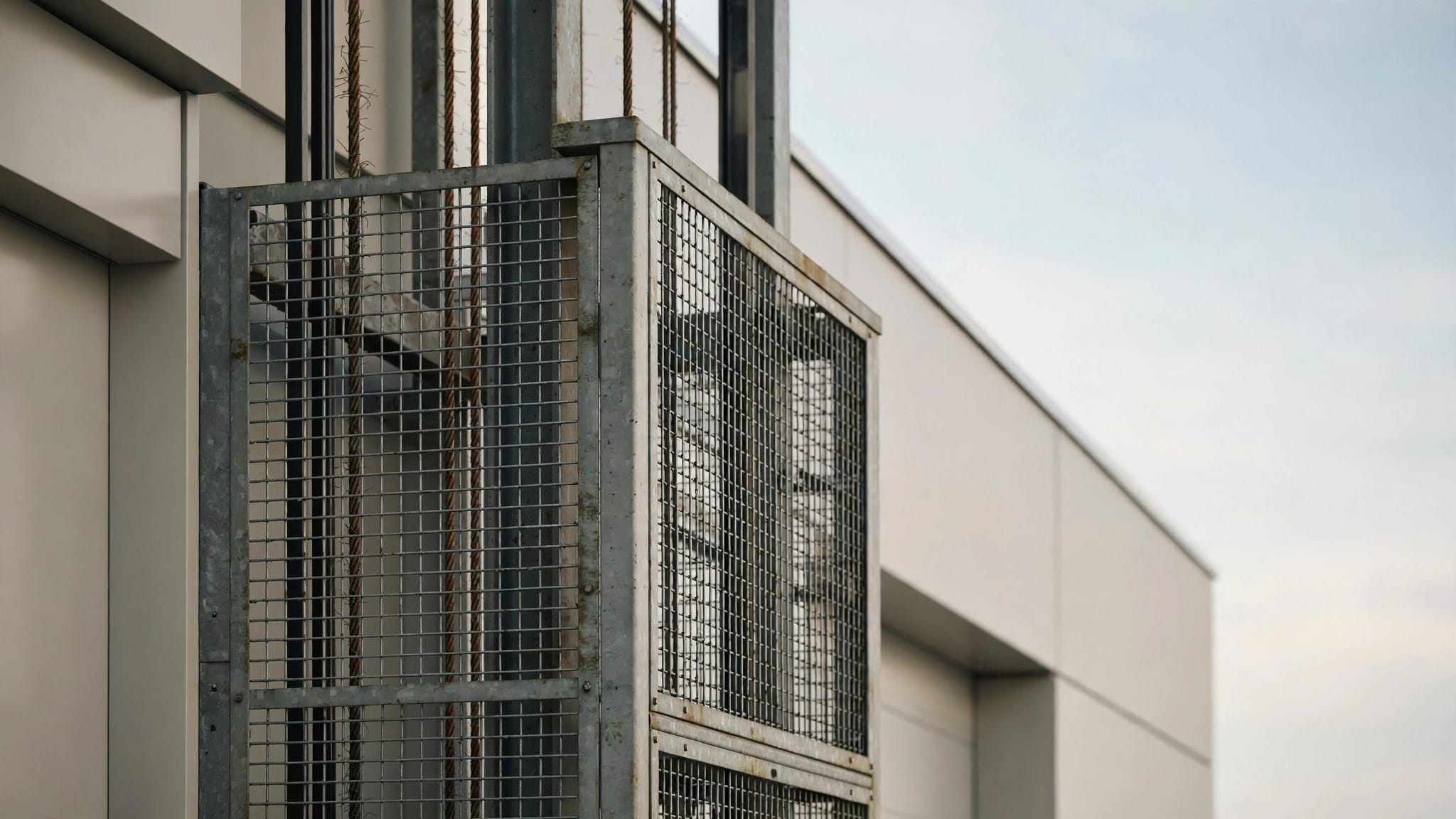
Photo by Peter Dyllong
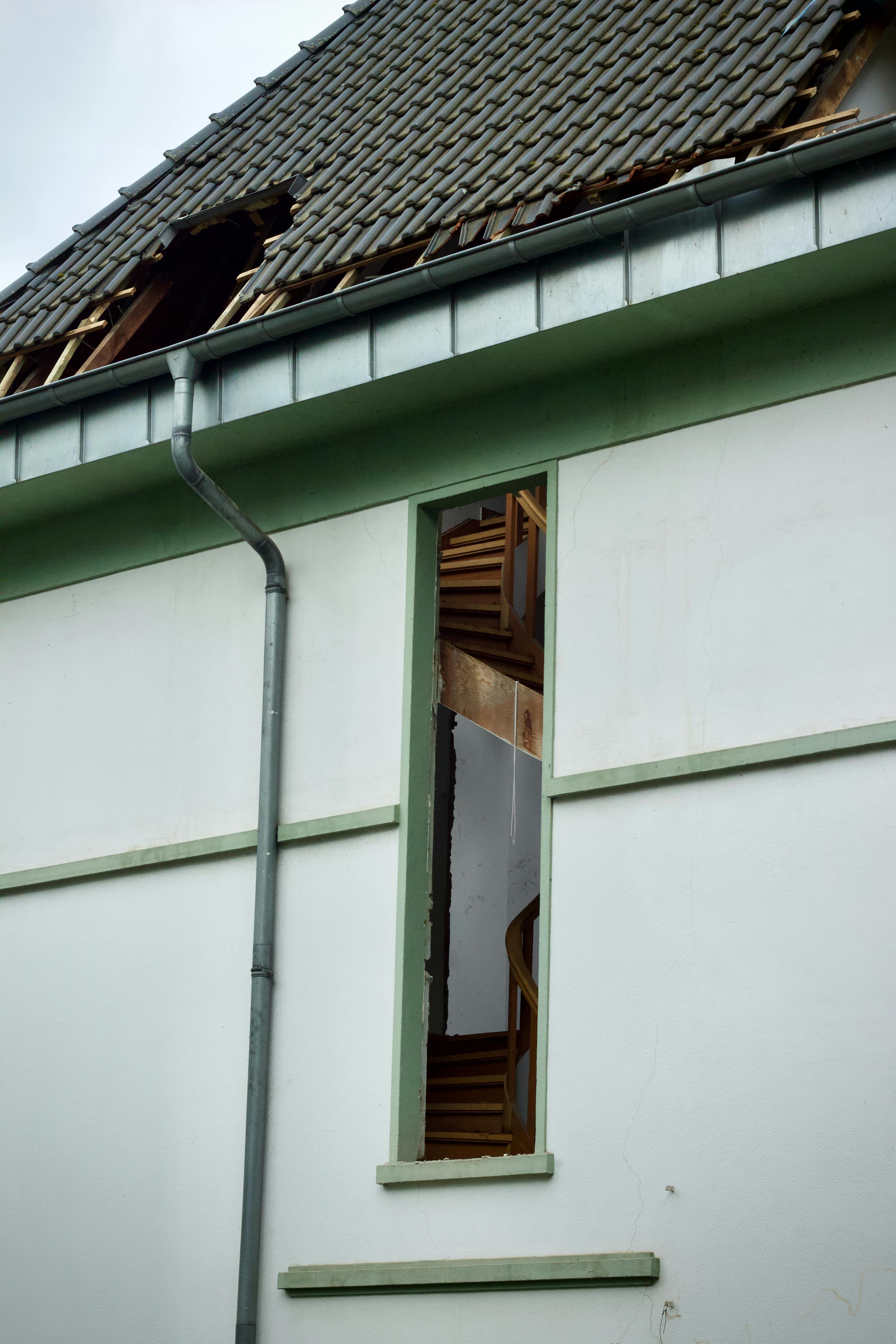
A lift exposed to floodwater may need more than drying. Water can damage insulation, lubricants, bearings, sensors, and electrical contacts. Saltwater exposure is especially serious because corrosion can continue after the equipment looks dry. Let the qualified technician determine whether cleaning, testing, or replacement is safe.
Keep Passenger and Cargo Operations Clear
Hurricane preparation should match the way your household uses the lift. Passenger lifts need a reliable communication plan for anyone who depends on them for access. Keep a charged phone or other approved communication method available, and arrange alternate access if the lift must remain shut down.
For cargo lifts, secure supplies inside the home instead of leaving them on the platform. Heavy items can shift, block gates, exceed the rated capacity, or fall during unexpected movement. Never carry people on equipment designed only for cargo use. Likewise, don't carry loads that exceed the manufacturer's capacity, even for a short trip.
Post a simple household instruction near the normal control area, without covering safety labels or operating information. It can state who to call, where to find the manual, and that storm-exposed equipment must remain out of service until inspected. Keep the detailed procedure in a waterproof location.
Review the plan each year after servicing the lift or changing the property. A new roof, screened porch, generator, drainage project, or landscaping change can alter wind and water exposure. Update photos and service contacts when ownership or providers change.
Conclusion
A sound hurricane plan starts before the first storm warning. Inspect the lift, clear nearby hazards, protect drainage paths, and follow the manufacturer's exact shutdown instructions.
After the storm, treat flooding, saltwater, debris, electrical problems, and structural movement as reasons to stop using the lift. Professional inspection is the line between a lift that looks usable and one that is safe to operate. With a written plan and the right technician, your household can protect its access equipment without taking unnecessary risks.
Recent Posts