How Salt Air Damages Outdoor Elevator Components

Share this article

Salt air can shorten the service life of an outdoor elevator long before corrosion becomes obvious. Tiny chloride particles settle on metal, wiring, moving parts, and protective finishes, then react with moisture every time the surface gets damp.

That process affects both cargo lifts and passenger elevators near beaches, bays, canals, and waterfront homes. Regular rinsing helps, but material selection, drainage, inspections, and professional service matter just as much. Start with the parts most exposed to coastal air.

Key Takeaways

  • Salt and moisture create corrosion that can affect metal, electrical connections, bearings, and safety switches.
  • Stainless steel and protective coatings reduce damage, but no outdoor material is maintenance-free.
  • Homeowners can spot surface changes, standing water, and unusual operating sounds, but technicians must handle repairs and adjustments.
  • Freshwater rinsing, careful cleaning, storm inspections, and scheduled service help protect outdoor lift equipment.

Why Coastal Air Is Hard on Outdoor Elevators

Salt air carries chloride particles that settle on exposed surfaces. When humidity, rain, or spray wets those particles, they create an electrolyte that speeds up the electrochemical reaction known as corrosion.

The process can continue even when the lift looks dry. Salt residue remains behind after water evaporates, so the next humid morning can restart the reaction. Repeated wet and dry cycles are often harder on equipment than a single rainstorm.

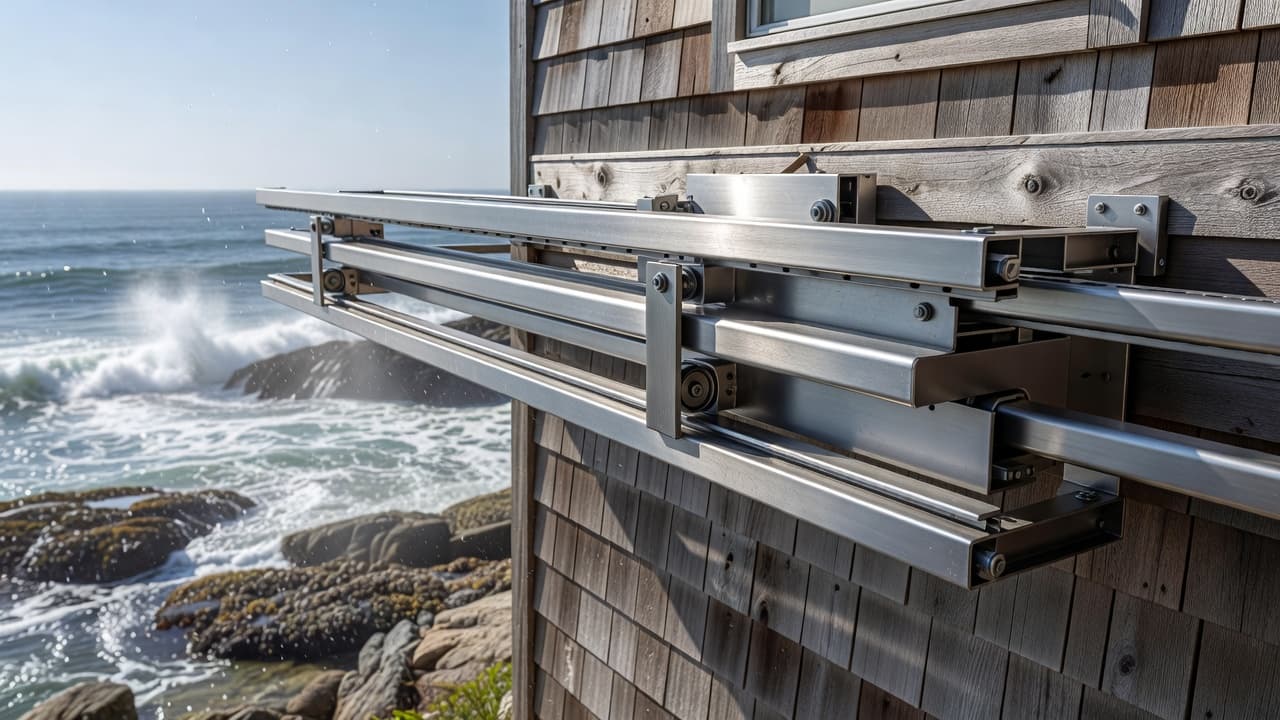
Wind also pushes salty moisture into gaps around fasteners, covers, guide systems, gates, and electrical fittings. A lift installed close to open water receives a heavier salt load than one several streets inland. Properties exposed to direct ocean spray face the greatest risk.

Heat makes the problem worse in many coastal regions. Warm metal surfaces can hold moisture and salt deposits, while strong sunlight breaks down some paints, sealants, and plastic components. Storms add another source of stress by bringing wind-driven rain, sand, debris, and temporary flooding.

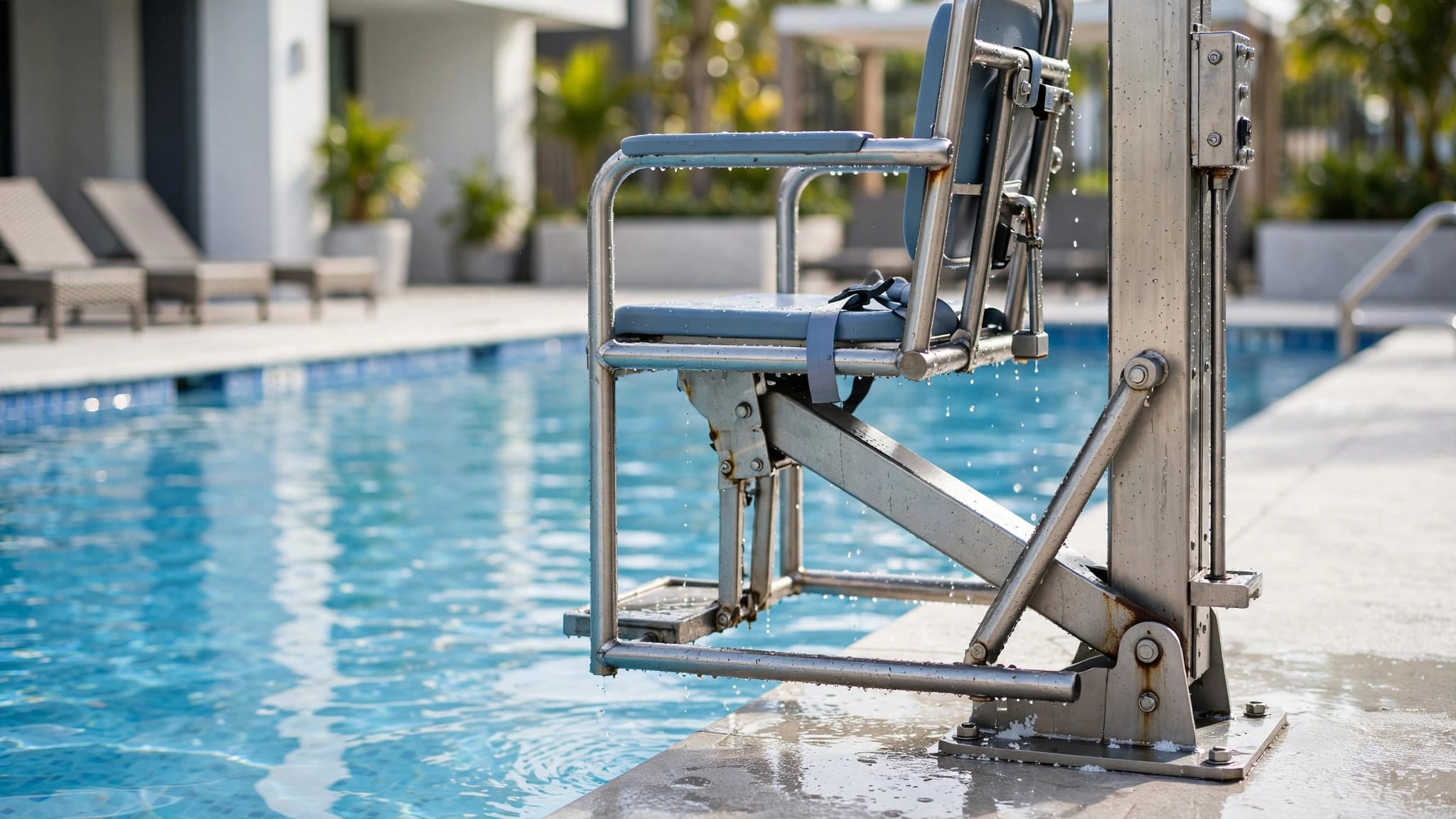
Corrosion doesn't always begin as thick red rust. Stainless steel can develop tea-colored staining or small pits. Aluminum can show white powdery deposits and pitting. Coated steel may blister beneath its finish, while fasteners can seize before the surrounding structure looks damaged.

For outdoor elevator components, the location and design of the lift matter. A covered installation with good drainage has a different maintenance burden than a fully exposed system beside the shoreline. Even so, every coastal lift needs a plan for salt removal and inspection.

Which Elevator Components Salt Air Affects First

Salt exposure reaches more than the visible tower or platform. It can affect any part that remains outdoors or connects the exterior equipment to indoor controls.

Metal frames, rails, and fasteners

Structural steel, brackets, rails, bolts, and hinges collect salt film. Damage often begins around scratches, welds, cut edges, and places where water sits. Once a protective coating breaks, corrosion can spread beneath the finish.

Stainless steel offers better resistance than ordinary carbon steel, but it isn't corrosion-proof. Chlorides can cause staining and pitting, especially in tight joints where deposits remain wet. Marine environments may call for suitable stainless grades, carefully selected coatings, and compatible fasteners.

Dissimilar metals can create galvanic corrosion when saltwater connects them. For example, aluminum and steel may corrode at different rates if their contact points stay wet. Proper isolation, fastener selection, and drainage reduce that risk.

Chains, cables, rollers, and drive parts

Outdoor cargo lifts often use chains, sprockets, cables, sheaves, guide rollers, or other moving hardware. Salt residue can remove or weaken lubrication, attract grit, and increase wear at contact points.

A chain may become stiff or develop surface corrosion. A cable can show rust between strands, where a quick glance may not reveal the full condition. Bearings and rollers can become noisy or rough when moisture reaches their internal surfaces.

Contamination can also affect traction-based systems. Sand and salt may reduce the clean contact needed by certain drive components, while corrosion changes clearances and increases friction. A technician must inspect these parts because guards and covers can hide damage.

Gates, switches, wiring, and controls

Safety gates depend on reliable hinges, latches, interlocks, and switches. Salt can corrode their contacts or make mechanical parts stick. If a gate doesn't close or latch correctly, the elevator may stop operating, as it should.

Limit switches and control wiring face a different problem. Moisture can enter connectors, conduit ends, junction boxes, and control cabinets. Corroded terminals may create intermittent faults that are difficult to reproduce.

Never open an electrical cabinet or bypass a safety switch during a homeowner inspection. A qualified elevator technician should test circuits, inspect enclosures, and replace damaged components using the manufacturer's procedures.

What Homeowners Can Check Safely

Routine visual checks help catch small problems before they become service calls involving major parts. Check the lift from safe, accessible areas, and don't remove guards, climb the structure, or reach into moving equipment.

Look for new rust, bubbling paint, white deposits on aluminum, flaking coatings, loose covers, standing water, and blocked drainage paths. Pay close attention to fasteners, gate hinges, exposed brackets, and the lower sections of the lift, where spray and runoff often collect.

During normal operation, listen for changes. Scraping, squealing, clicking, jerking, delayed starts, or uneven travel deserve professional attention. Notice whether a gate closes fully and whether the platform or car stops at its usual landing position.

Keep a simple maintenance log with the date, weather conditions, visible changes, and operating symptoms. Photos taken from the ground can help a technician compare corrosion or coating damage over time.

Stop using the lift and arrange service if you see a damaged cable, severe rust or pitting, a loose structural part, exposed wiring, a gate that won't latch, or water inside a control enclosure. Don't spray lubricant onto a cable, chain, switch, or rail unless the equipment manual specifically allows it.

Qualified technicians handle the work that requires training and specialized tools. Their service may include measuring cable or chain condition, checking alignment and clearances, testing brakes and interlocks, inspecting electrical connections, lubricating approved parts, and verifying safe operation.

A visual inspection can identify warning signs, but it can't confirm the condition of hidden cables, bearings, terminals, brakes, or safety circuits.

The service interval depends on the lift design, use, exposure, and manufacturer's instructions. A lightly used lift under a roof may need a different schedule than a heavily used cargo lift beside open water. Coastal exposure should always be part of that service discussion.

Coastal Maintenance Practices That Reduce Damage

Freshwater rinsing removes salt before it can remain on the equipment. After salt spray, storms, or extended periods of high humidity, rinse accessible exterior surfaces with clean, low-pressure water. Keep the spray away from control cabinets, motors, switches, bearings, and other components that aren't rated for direct water exposure.

Use a mild, non-abrasive soap when residue remains. A soft brush or cloth can clean reachable surfaces without scratching protective finishes. Rinse away all soap and allow the equipment to dry. Avoid pressure washers because forced water can drive salt and moisture into seals, bearings, connectors, and enclosures.

Don't use household bleach, harsh acids, or abrasive pads on metal parts. These products can damage finishes or leave residues that increase corrosion. Use only cleaning and corrosion-control products approved for the lift's materials.

Lubrication also requires care. The correct lubricant depends on the chain, bearing, guide, or drive system. Too little lubrication increases friction, while the wrong product can collect sand and salt. A technician should lubricate and adjust internal moving parts according to the manufacturer's instructions.

Keep nearby gutters, downspouts, sprinklers, and washdown hoses from directing water onto the lift. Clear leaves and debris from drainage openings without sealing or blocking them. Good airflow and drainage help surfaces dry between exposures.

After a hurricane, tropical storm, or major surge event, inspect the lift before putting it back into service. Look for debris, bent parts, standing water, damaged wiring, coating loss, and movement in the structure. Floodwater and saltwater intrusion require professional evaluation, even if the lift still runs.

Maintenance records should include cleaning dates, storm inspections, repairs, replacement parts, and technician visits. A clear history helps identify recurring exposure points and supports better planning for property managers.

Choosing an Outdoor Lift for a Coastal Property

Coastal maintenance starts before installation. Ask how the lift protects exposed metal, electrical controls, fasteners, moving parts, and drainage points. A marine-grade construction approach can reduce corrosion risk, but it doesn't eliminate the need for cleaning and service.

Design details matter. Weather-resistant enclosures help protect controls. Suitable stainless hardware, durable coatings, covered drive components, and properly managed drainage can reduce direct exposure. Wind ratings and local storm requirements also matter for elevated and hurricane-prone properties.

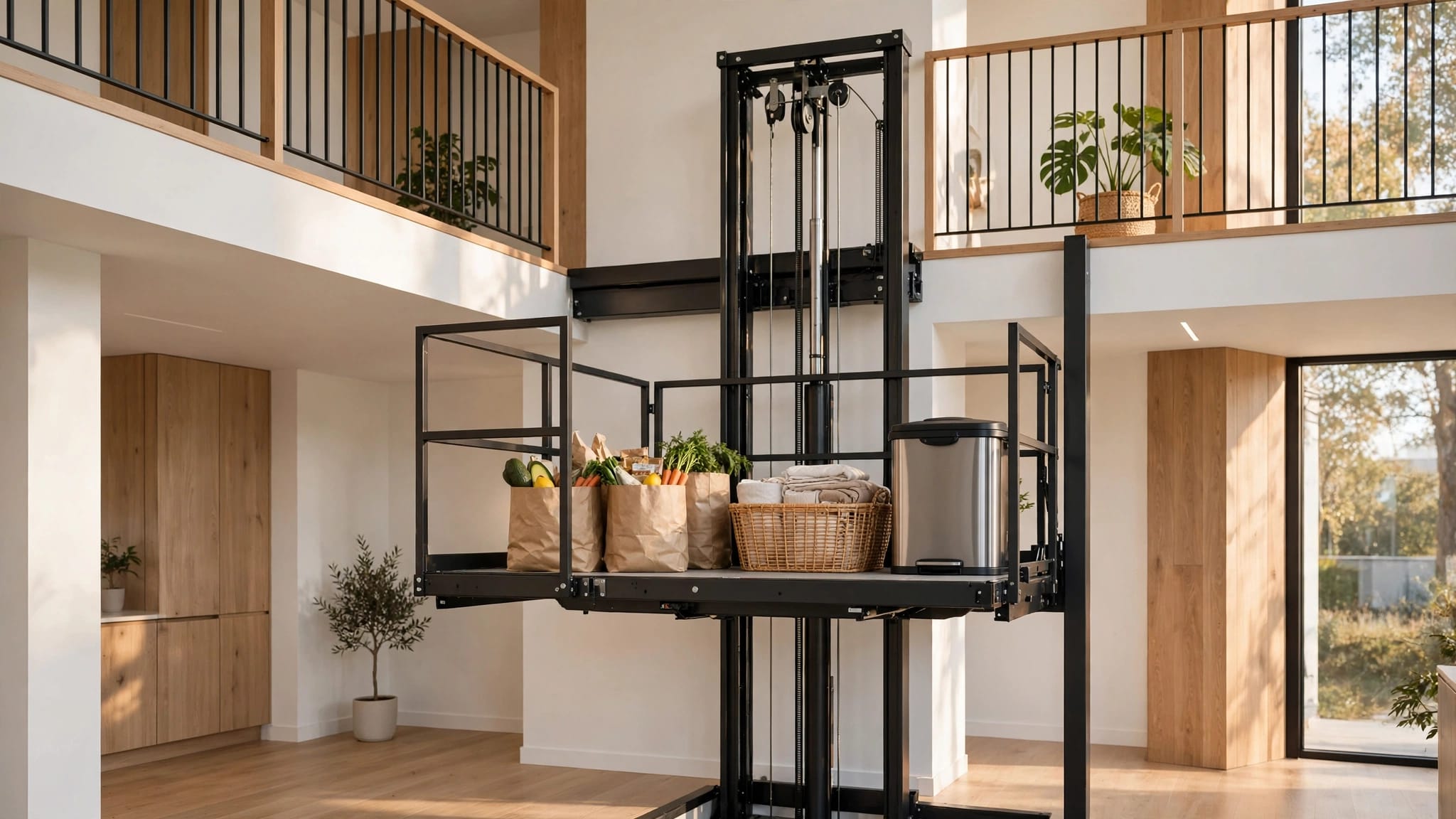
The lift type must match the intended use. A cargo lift carries materials and shouldn't carry passengers unless it has the required passenger design and approval. A passenger-compliant elevator follows different safety requirements, while a vertical platform lift supports wheelchair access within its permitted travel range. The outdoor lift installation and care FAQ answers common questions about these categories and coastal operation.

Capacity matters, too. Moving groceries, tools, luggage, or building materials can place repeated loads on a cargo lift. For an overview of durable residential cargo lifts for coastal homes, review the equipment's construction, safety features, rated capacity, and intended installation conditions.

Ask the installer how technicians will access the equipment for future inspections. A corrosion-resistant component that cannot be cleaned or serviced easily can still create long-term maintenance problems. Good planning leaves room for safe inspection, replacement, drainage, and storm preparation.

Conclusion

Salt air affects outdoor elevator components through repeated exposure to chloride residue and moisture. Metal frames, fasteners, drive parts, cables, gates, switches, and electrical connections can all suffer damage when deposits remain in place.

Homeowners and property managers can monitor visible surfaces, drainage, sounds, and gate operation. Qualified elevator technicians must inspect hidden parts, test safety systems, repair corrosion, and approve the lift for continued use. With suitable coastal materials and a consistent maintenance routine, an outdoor lift can remain dependable even in a demanding shoreline environment.

Recent Posts

By Veranda 'Vator July 17, 2026
Water can turn a reliable outdoor lift into a costly repair project when it reaches the pit, controls, or supporting structure. Exterior elevator drainage starts with site grading, not with a pump installed after construction. Property owners and project decision-makers should...
By Veranda 'Vator July 16, 2026
Moving dock supplies by stairs, ladders, or narrow walkways can turn a routine task into a daily safety concern. Heavy coolers, dock boxes, tools, batteries, hoses, and maintenance equipment become harder to control when surfaces are wet or access points sit above the shorelin...
By Veranda 'Vator July 15, 2026
An exterior elevator can make an elevated home easier to use, but the landing gate deserves the same attention as the lift itself. Without a properly designed barrier, an open shaft or platform can create a serious fall hazard. The right exterior elevator gates protect family...
By Veranda 'Vator July 14, 2026
A hurricane can turn loose outdoor furniture into flying debris, push rain into electrical equipment, and leave floodwater around a lift shaft or platform. A practical outdoor home lift hurricane preparation plan protects the equipment and gives your household clear instructio...
By Veranda 'Vator July 13, 2026
Living in elevated homes solves the critical challenge of keeping living areas safely above storm surges and potential floodwater, but this architectural choice often creates a new daily inconvenience. Transporting groceries, patio furniture, heavy tools, and luggage up multip...
By Veranda 'Vator July 12, 2026
An exterior elevator can stop within seconds of a power failure, even when the rest of a building still has limited electricity. The car may remain at a landing, stop between floors, or move to a safe floor if an approved emergency system is installed. The response depends on...
By Veranda 'Vator July 11, 2026
A coastal home can look perfect on paper until you need to move a wheelchair, cooler, appliance, or suitcase between levels. In multi-story residences, stairs, narrow landings, and salt air can quickly transform your elevated home into a serious access problem. A beach house e...
By Veranda 'Vator July 10, 2026
A lift that handles a few grocery bags may struggle with a wheelchair, beach cart, or loaded cooler. Choosing the right outdoor lift capacity means planning for the heaviest realistic load, the way it will be placed on the platform, and the coastal conditions around your home....
By Veranda 'Vator July 9, 2026
A new outdoor lift can look like a one-day project from the street, but the real schedule starts long before the crew arrives. For an elevated Florida home, outdoor lift installation usually involves permits, site prep, electrical work, and a final inspection before the first...
By Veranda 'Vator July 8, 2026
Salt air can wear down an outdoor lift faster than most homeowners expect. In coastal Florida, moisture, heat, and storm debris all work on the same parts at the same time. A clear outdoor lift maintenance routine helps protect cargo lifts, passenger-compliant elevators, and v...
Show More