Outdoor Cargo Lifts for Safer Waterfront Work

Share this article

Moving dock supplies by stairs, ladders, or narrow walkways can turn a routine task into a daily safety concern. Heavy coolers, dock boxes, tools, batteries, hoses, and maintenance equipment become harder to control when surfaces are wet or access points sit above the shoreline.

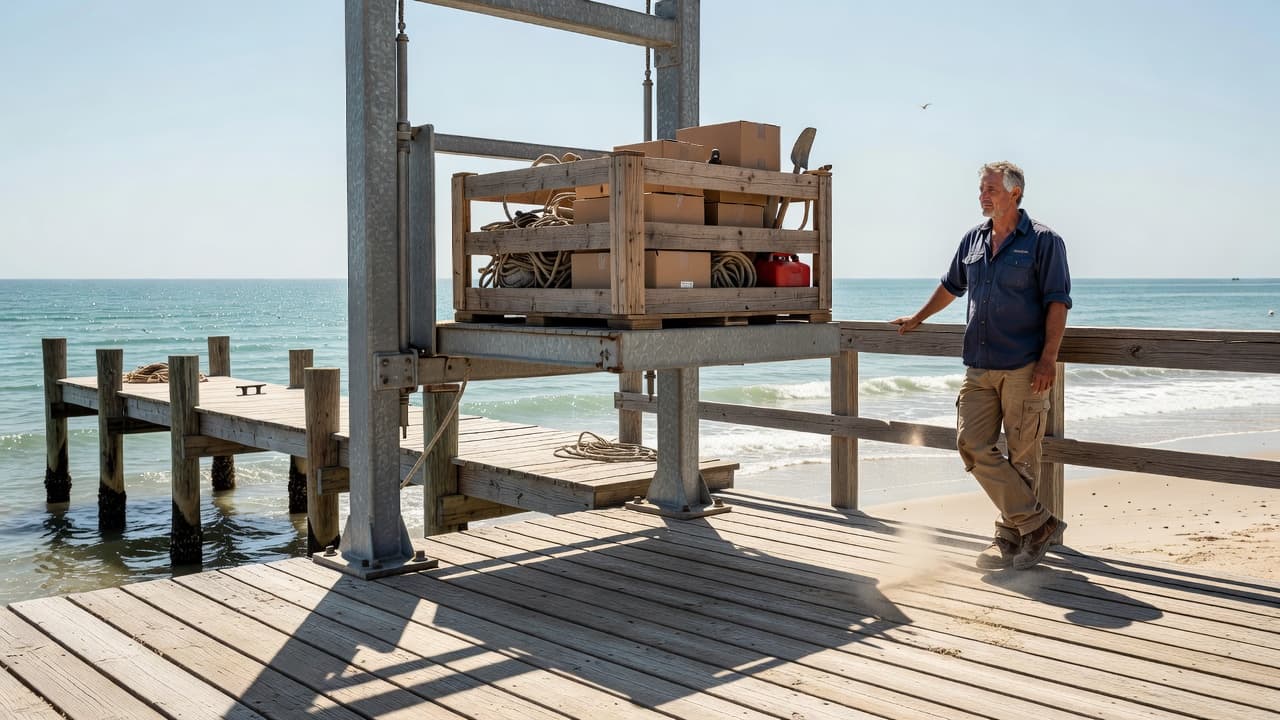
Outdoor cargo lifts create a dedicated vertical route for materials at marinas, waterfront homes, yacht clubs, and commercial docks. The right system can reduce manual carrying, protect equipment from unnecessary drops, and make regular waterfront work easier to organize. First, however, the lift must match the site, the loads, and the local requirements.

Key Takeaways

  • Outdoor lifts can move heavy or awkward dock supplies without relying on stairs or ladders.
  • Salt air, spray, rain, flooding, and storms influence material and equipment choices.
  • Platform size, travel distance, landing layout, and daily use matter as much as rated capacity.
  • A qualified installer should review structure, anchoring, electrical service, drainage, and local requirements.
  • Routine inspections and fresh-water cleaning help identify corrosion and wear before they affect operation.

Why Waterfront Properties Use Cargo Lifts

Waterfront buildings often place storage rooms, garages, living areas, and docks at different elevations. A marina office may sit above a service dock, while a coastal home may have parking at street level and outdoor living areas several feet higher. Carrying supplies between those levels takes time and creates more opportunities for slips, dropped items, and back strain.

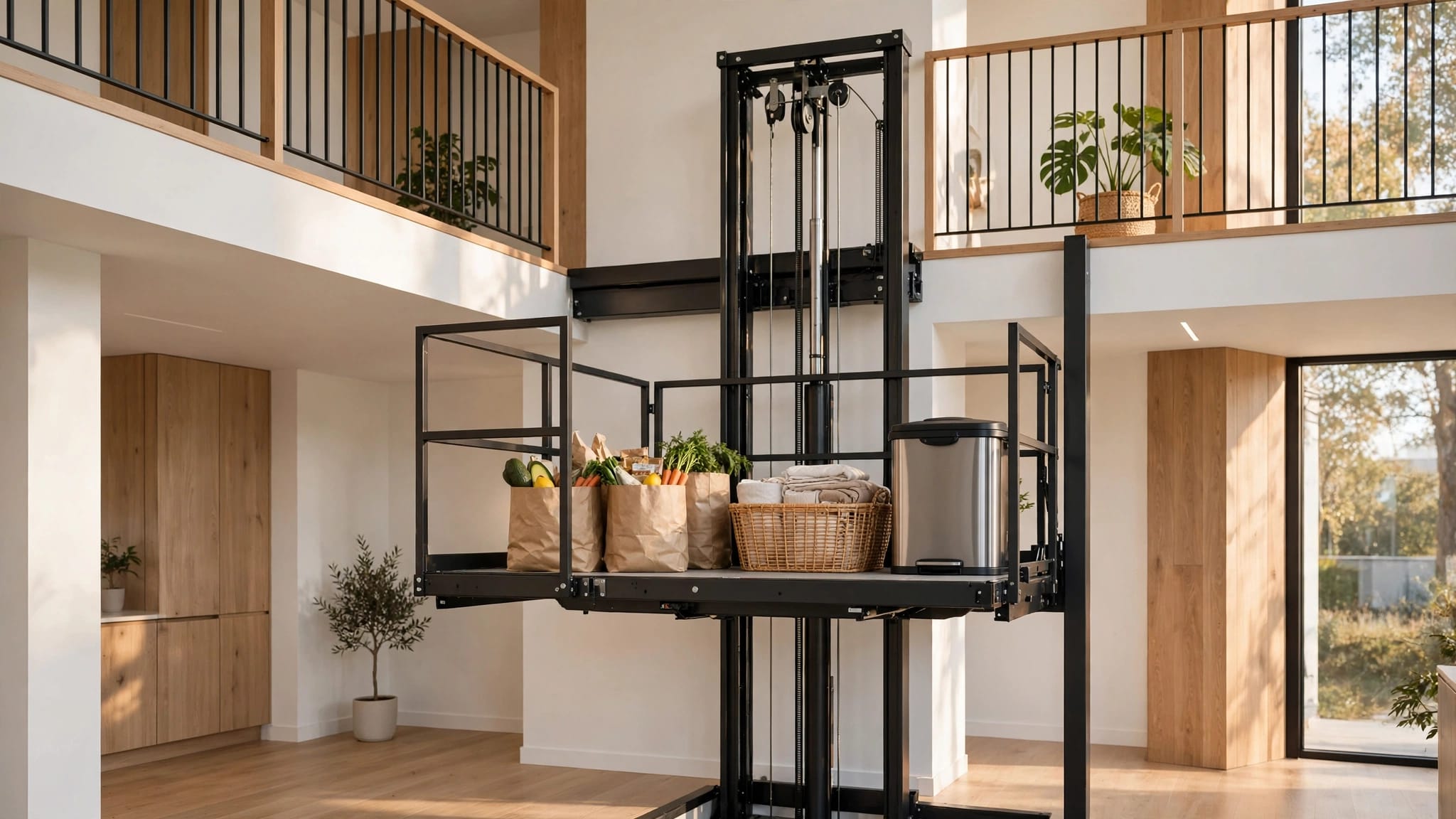
A cargo lift provides a platform for materials rather than people. Depending on the design, it can move containers, carts, landscaping supplies, fishing equipment, repair tools, and other bulky items between defined landings. The platform may also help staff move supplies from a dock to a raised deck without passing through the main building.

For a marina, that can mean fewer trips while restocking dock carts or moving repair gear. For a private property, the lift can handle groceries, coolers, outdoor furniture, kayaks, and maintenance materials that are difficult to carry along stairs. The best use depends on the platform dimensions and the lift's approved operating instructions.

A cargo lift isn't automatically suitable for riders. If people need to travel between floors, choose a system designed and approved for passenger use. Veranda 'Vator's cargo lifts for heavy materials address material transport, while its passenger compliant elevators are intended for a different type of use.

The distinction matters because passenger travel involves different safeguards, controls, access arrangements, and installation requirements. Keep people off a material lift unless the manufacturer has expressly designed the equipment for that purpose.

Choosing an Outdoor Cargo Lift for Dock Supplies

Start with the work, not a catalog photo. Write down the heaviest items you expect to move, then include the cart, bin, pallet, or handling device that will travel on the platform. Also consider how often the lift will operate during a busy day. A system used occasionally at a private dock may have different needs than one supporting marina maintenance crews.

Platform dimensions deserve close attention. A narrow platform might carry a single container but leave no room for a cart handle or awkward equipment. Measure the widest item, the turning space at each landing, and the approach path on the dock. Check whether gates open into a walkway or interfere with nearby railings.

The rated capacity must come from the manufacturer and the specific configuration. Never treat a published rating as permission to exceed it, stack loads above the platform, or carry a shifting load. A qualified installer can help confirm whether your expected equipment, travel distance, duty cycle, and support structure fit the proposed system.

Controls and protective features also affect daily use. Ask how the lift manages stopping, unintended movement, access gates, platform alignment, and emergency conditions. Depending on the model, features may include braking systems, multiple cables, safety gates, limit controls, and guarded operating points. Review the actual specifications instead of assuming every lift includes the same equipment.

Waterfront exposure adds another layer. Look for construction and fasteners suited to salt air, moisture, and outdoor conditions. Stainless components may help in exposed areas, but corrosion resistance depends on the entire assembly, including hardware, wiring, coatings, bearings, drainage, and cleaning practices. A coastal installer should explain which materials fit your location and exposure level.

Planning the Installation Around the Waterfront Site

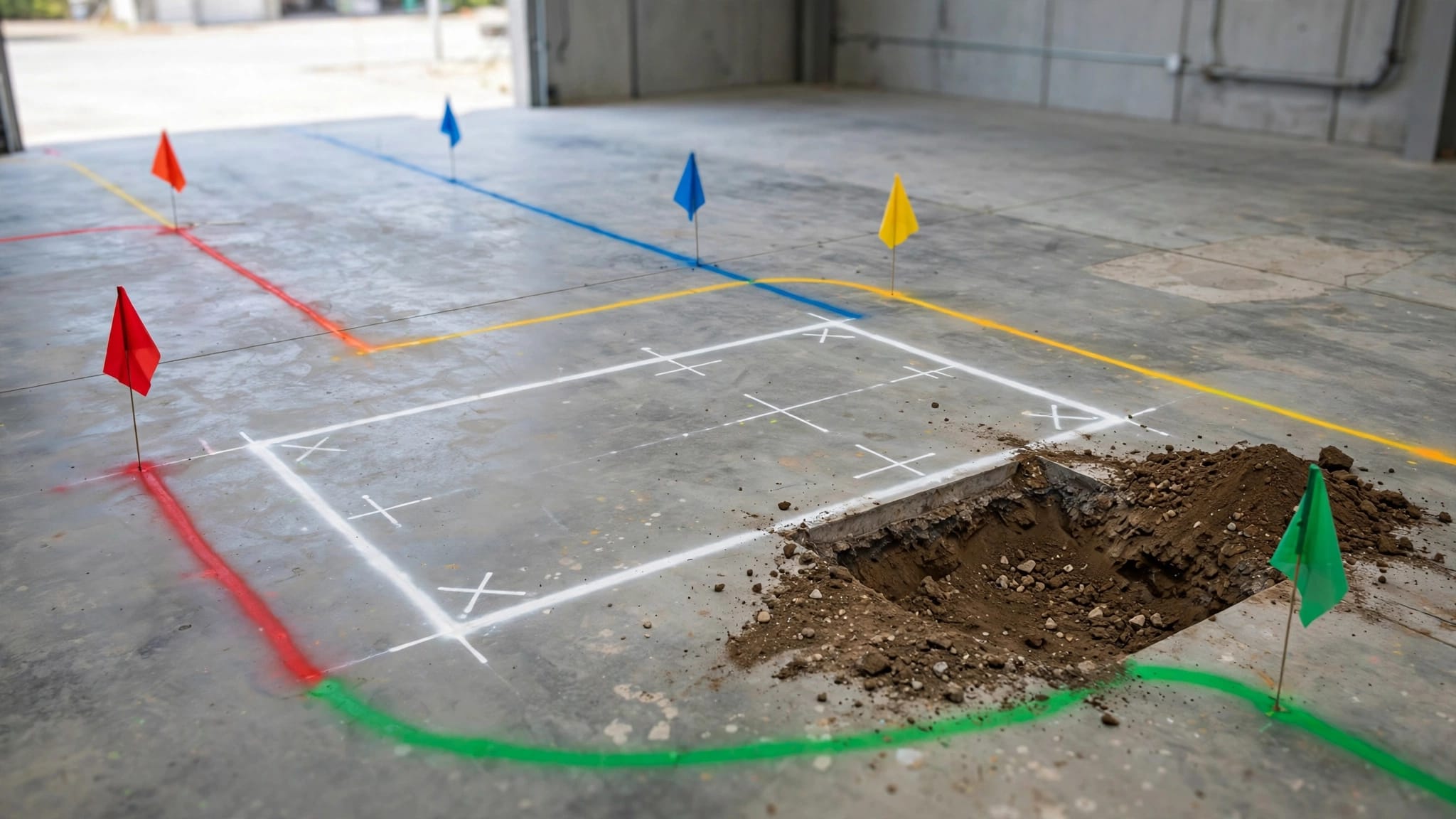
A lift needs more than a clear vertical opening. The installer must understand what supports the equipment at the ground level, dock level, deck, or upper landing. Existing timber decks, concrete slabs, seawalls, and pile-supported docks can have different structural limits and movement patterns.

Begin with a site survey that records the total travel distance, landing heights, platform footprint, overhead clearance, and access routes. Include doors, railings, rooflines, dock boxes, boat lifts, and other equipment that could block the platform. Tidal changes may also affect the relationship between a floating dock and a fixed structure.

Floating docks require special attention because they rise and fall with water levels. A fixed lift may not align safely with a moving landing unless the design accounts for that movement. Wave action, wakes, current, and seasonal water conditions can place extra demands on connections and access points. The installer should assess those conditions before selecting an attachment method.

Electrical planning matters as well. Outdoor equipment needs a suitable power supply, weather-protected components, and a service layout that matches the manufacturer's instructions. Keep controls away from routine splash zones where possible, and plan for drainage so water doesn't collect around the base or drive components.

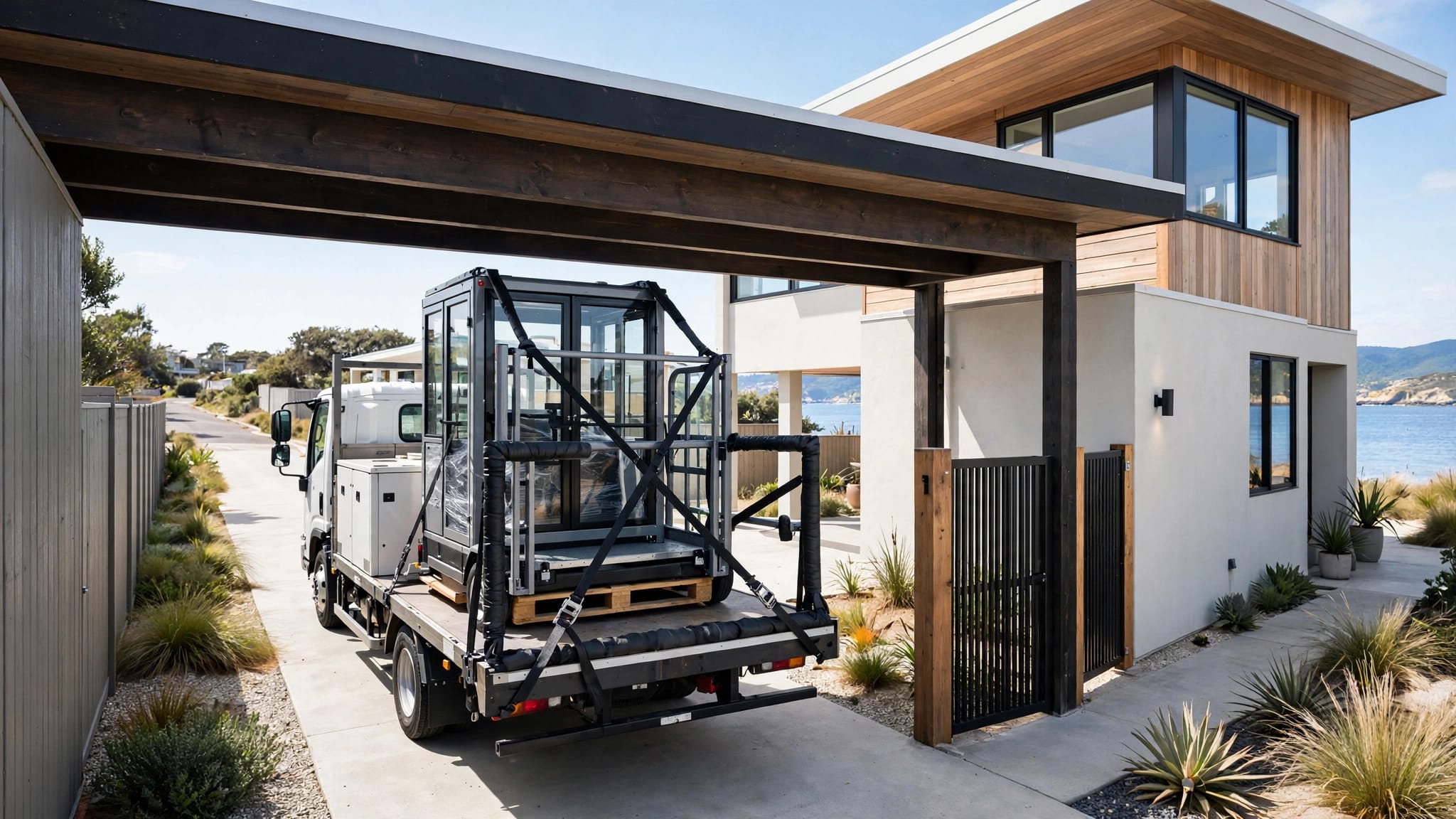
Local permits, flood-zone rules, coastal restrictions, electrical requirements, and property association approvals may apply. Requirements vary by location and project type, so don't rely on an internet diagram or a general installation estimate. Ask a qualified lift installer to coordinate with the appropriate professionals and confirm the applicable local requirements.

A successful waterfront installation begins with accurate measurements and a clear understanding of how the dock behaves in real weather.

Storm planning belongs in the initial conversation. Discuss how to secure the platform, whether the lift should remain at a certain landing, and how to isolate power when severe weather threatens. If the property sits in a flood-prone area, ask how water levels and debris could affect the equipment.

Protecting the Lift From Saltwater and Weather

Salt spray reaches equipment that never touches the water. Wind can carry salt onto cables, fasteners, guides, controls, and platform surfaces. Rain then dissolves those deposits and moves moisture into joints, seams, and drainage points. Over time, small areas of corrosion can affect movement, hardware, or electrical connections.

Material selection should match the exposure. Ask the manufacturer about stainless steel parts, protective finishes, sealed electrical components, corrosion-resistant fasteners, and replacement options. Marine-grade construction can help, but it doesn't remove the need for cleaning and inspection. Even corrosion-resistant materials require care in a harsh coastal setting.

Placement can reduce exposure. A lift tucked beneath a properly designed overhang may receive less direct rain, while still retaining enough clearance for safe operation. However, the enclosure must not trap humidity or block drainage. Avoid placing the drive equipment where runoff from a roof, gutter, or upper deck falls directly onto it.

A regular fresh-water rinse can remove salt deposits from suitable exterior surfaces. Follow the manufacturer's cleaning instructions, especially around motors, controls, sensors, bearings, and electrical connections. Don't use aggressive chemicals or direct high-pressure spray unless the equipment documentation allows it.

Watch for changes during each inspection. Rust stains, pitted metal, frayed cables, unusual sounds, jerky movement, loose hardware, damaged gates, and water inside control enclosures all deserve attention. A small issue is easier to address before the lift carries another heavy load.

Storms create separate risks. High winds can move unsecured items onto the platform or into the lift path. Floodwater can carry sand, debris, and salt into areas that normally stay dry. Before severe weather, follow the manufacturer's shutdown and securing procedure. Afterward, have the equipment inspected if it has encountered flooding, impact, wind damage, or electrical trouble.

Operating and Maintaining the Lift Safely

Safe handling starts with a consistent loading routine. Place the heaviest item low and near the center of the platform. Keep wheels locked on carts, secure loose gear, and prevent hoses, straps, or handles from extending beyond the platform. An uneven load can shift during travel and create a hazard at the landing.

Keep the operating area clear before starting the lift. People should remain away from the platform path, gates, and landing edges unless the system's instructions specifically permit access. Never use a cargo lift to carry passengers unless it is designed and approved for passenger travel.

Train every regular operator on the controls, capacity, gate operation, emergency procedure, and shutdown process. Marina staff also need a clear rule for damaged equipment. If the lift makes an unusual noise, stops unevenly, shows cable damage, or fails to close a gate correctly, remove it from service and contact a qualified technician.

Maintenance should follow the manufacturer's schedule and the actual conditions at your property. A heavily used marina lift exposed to daily salt spray may need closer attention than a residential system used once a week. Keep service records that show inspections, cleaning, adjustments, repairs, and replaced parts.

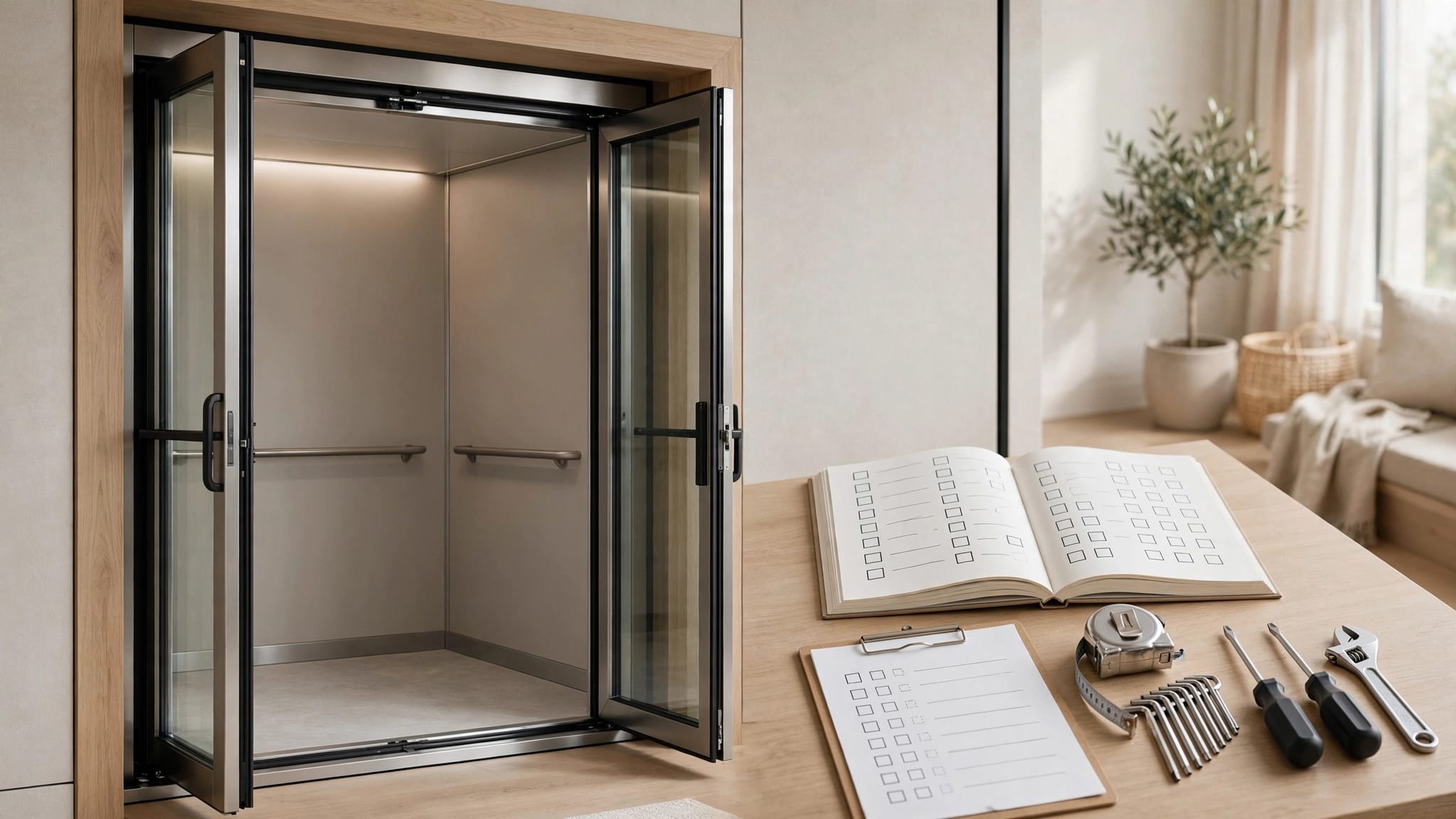
During routine checks, look at the platform, gates, fasteners, cables, guides, controls, and surrounding structure. Confirm that drainage remains open and that dock changes haven't altered alignment or clearances. Don't lubricate or adjust parts unless the manufacturer identifies the correct product and procedure.

Good maintenance is a work habit, not a repair strategy. Salt, water, and heavy use reward regular attention.

Conclusion

Outdoor cargo lifts give waterfront owners and dock managers a safer way to move supplies across changing elevations. Their value depends on more than lifting power. Platform size, load handling, corrosion resistance, site structure, weather exposure, and operator training all shape the result.

Choose a system around the work your property actually requires, then have qualified professionals review the installation and local requirements. With proper loading practices and routine maintenance, a waterfront lift can make demanding dock work more controlled, accessible, and dependable.

Recent Posts

By Veranda 'Vator July 15, 2026
An exterior elevator can make an elevated home easier to use, but the landing gate deserves the same attention as the lift itself. Without a properly designed barrier, an open shaft or platform can create a serious fall hazard. The right exterior elevator gates protect family...
By Veranda 'Vator July 14, 2026
A hurricane can turn loose outdoor furniture into flying debris, push rain into electrical equipment, and leave floodwater around a lift shaft or platform. A practical outdoor home lift hurricane preparation plan protects the equipment and gives your household clear instructio...
By Veranda 'Vator July 13, 2026
Living in elevated homes solves the critical challenge of keeping living areas safely above storm surges and potential floodwater, but this architectural choice often creates a new daily inconvenience. Transporting groceries, patio furniture, heavy tools, and luggage up multip...
By Veranda 'Vator July 12, 2026
An exterior elevator can stop within seconds of a power failure, even when the rest of a building still has limited electricity. The car may remain at a landing, stop between floors, or move to a safe floor if an approved emergency system is installed. The response depends on...
By Veranda 'Vator July 11, 2026
A coastal home can look perfect on paper until you need to move a wheelchair, cooler, appliance, or suitcase between levels. In multi-story residences, stairs, narrow landings, and salt air can quickly transform your elevated home into a serious access problem. A beach house e...
By Veranda 'Vator July 10, 2026
A lift that handles a few grocery bags may struggle with a wheelchair, beach cart, or loaded cooler. Choosing the right outdoor lift capacity means planning for the heaviest realistic load, the way it will be placed on the platform, and the coastal conditions around your home....
By Veranda 'Vator July 9, 2026
A new outdoor lift can look like a one-day project from the street, but the real schedule starts long before the crew arrives. For an elevated Florida home, outdoor lift installation usually involves permits, site prep, electrical work, and a final inspection before the first...
By Veranda 'Vator July 8, 2026
Salt air can wear down an outdoor lift faster than most homeowners expect. In coastal Florida, moisture, heat, and storm debris all work on the same parts at the same time. A clear outdoor lift maintenance routine helps protect cargo lifts, passenger-compliant elevators, and v...
By Veranda 'Vator July 7, 2026
An outdoor vertical platform lift does not have one universal travel limit. The height depends on the model, the structure, and the code in your area, so the brochure number is only part of the picture. Many installations cover a short rise from grade to a porch, deck, or land...
By Veranda 'Vator July 6, 2026
Stairs are fine until they aren't. On an elevated home, they can turn groceries, laundry, beach gear, or a wheelchair into a daily burden. An outdoor lift retrofit can solve that without tearing the house apart. The right setup depends on the structure, the landing height, the...
Show More