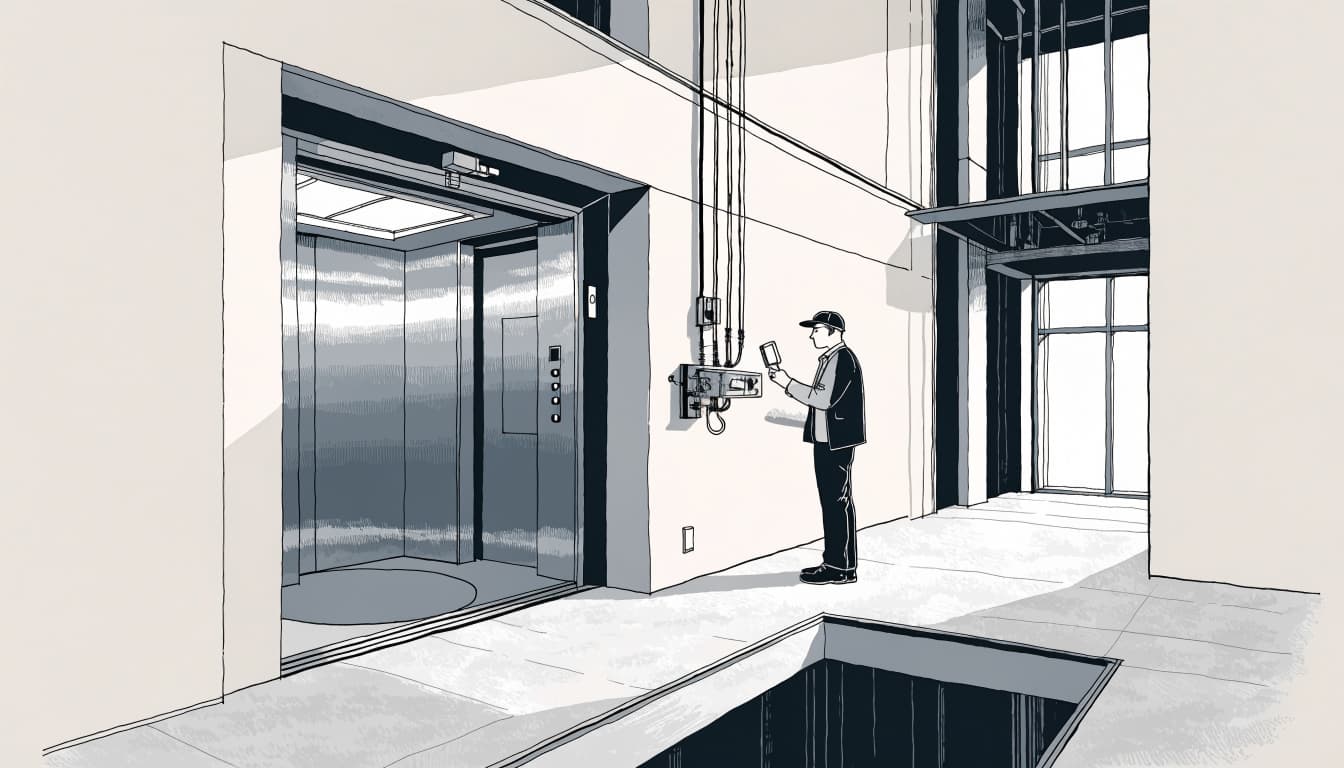
Routine elevator service keeps equipment maintained, while a formal elevator inspection assesses it against applicable safety requirements. Both matter, but they answer different questions and produce different records.
As an owner, you need to know which work your provider performs and which inspection or approval requirements apply to your equipment. The distinction starts with who does the work and what each visit documents.
How routine service and code inspections differ
A maintenance technician looks after the equipment over time. A code inspector evaluates whether it meets the requirements that apply to an inspection. The same visit can involve both parties, but their responsibilities remain distinct.
| Routine service and maintenance | Formal code inspection | |
|---|---|---|
| Main purpose | Maintain safe, reliable operation and address wear | Assess compliance with applicable requirements |
| Typical work | Examine, adjust, lubricate, repair, and perform required tests | Examine equipment, review applicable records, and witness or conduct required tests |
| Who performs it | Qualified elevator service personnel | An inspector qualified or authorized under local rules |
| Typical record | Service report, repair history, and test results | Inspection report, findings, and any applicable approval documentation |
| Timing | Based on the equipment, contract, and applicable rules | Set by the jurisdiction and equipment classification |
The practical takeaway is to track service, testing, and inspection as separate obligations . A maintenance invoice tells you work occurred; an inspection report tells you what the inspector found.
What happens during routine elevator service
Routine service gives a qualified technician opportunities to find wear and correct problems before they interrupt use. The work depends on the model, its environment, and the manufacturer's instructions.
Examinations and repairs
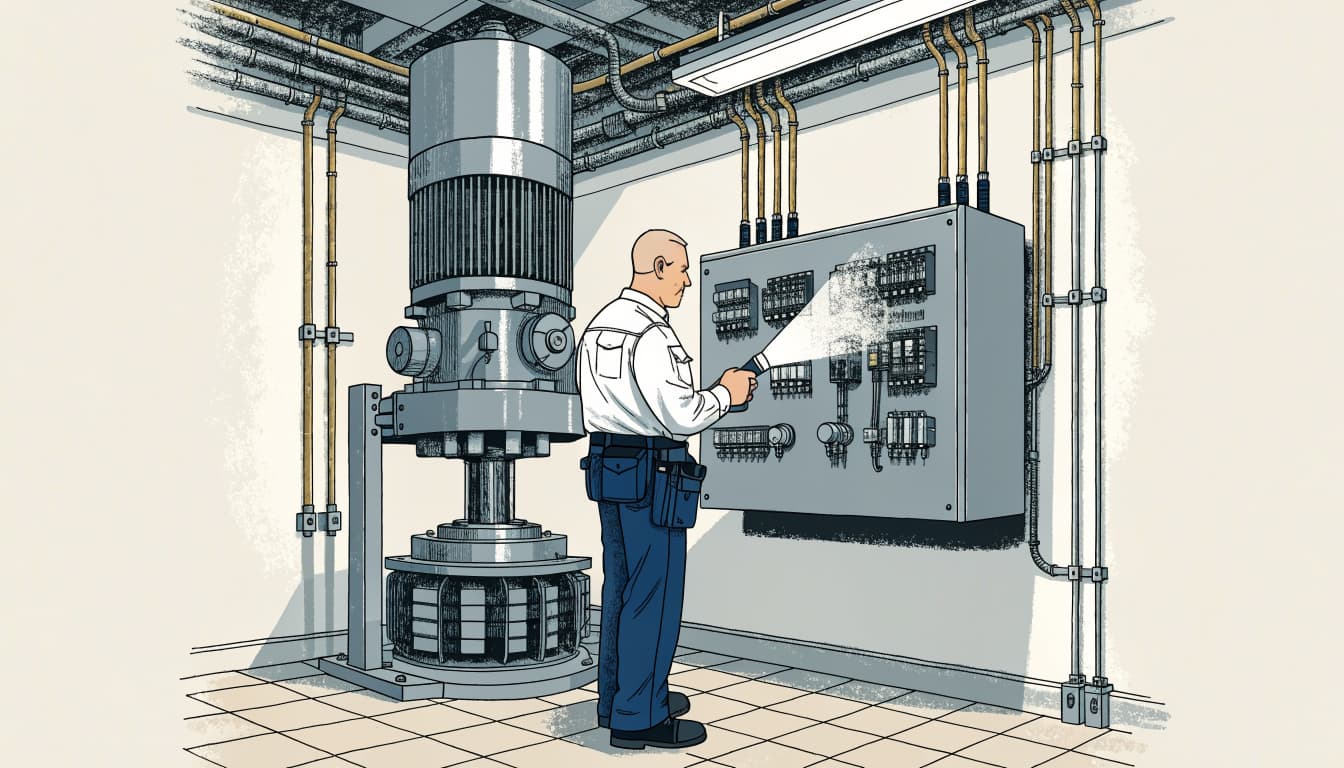
A technician may examine door and gate operation, controls, the drive or pump, wiring, and other components. The visit can also include adjustments, lubrication, cleaning, or replacement of worn parts when appropriate.
For outdoor equipment, exposure deserves attention. Salt, moisture, and poor drainage can affect hardware, wiring, seals, and controls. A technician should document signs of corrosion or water entry and identify any repair that remains open.
Owners can help by reporting changes between visits. Note the affected landing, the time a problem occurs, and whether it followed a storm or power interruption. Details about a gate that fails to latch can help the technician assess elevator door interlock safety.
Periodic safety tests
Some equipment also needs periodic safety tests under its applicable code or service requirements. A qualified professional performs the test using procedures appropriate to the device.
Tests may occur during a scheduled service appointment, but they deserve their own entries in the equipment file. Record the test date, results, and any follow-up work. That history helps the owner and inspector distinguish an ordinary service visit from a required test.
What a formal elevator inspection covers
A formal inspection looks at the equipment through the applicable regulatory requirements. Depending on the jurisdiction and the device, an inspector may examine safety components, review records, and witness required tests.
Who performs the inspection
Inspector qualifications and inspection arrangements vary by location. The authority having jurisdiction, often called the AHJ , may be a state agency or an authorized local program. It determines which requirements apply to a covered installation.
The maintenance company and inspector may need to coordinate access or testing. For example, service personnel may operate equipment or perform a required test while an authorized inspector witnesses it. Local rules determine the roles.
What the report tells you
An inspection report records the inspector's findings. It may identify deficiencies, required corrections, or satisfactory results. An operating certificate or other approval, where required, is a separate document to retain with that report.
If the report lists a deficiency, record the deadline and the person responsible for arranging the correction. Keep the repair report and any follow-up inspection documentation together so the file shows how the item was resolved.
Florida inspection and service intervals
Florida provides a useful example of why owners need separate calendars for service and inspection. Its rules are specific to covered equipment in that state and shouldn't be treated as a schedule for every location.
Annual inspections and a limited exception
Under Florida Statutes Chapter 399, covered elevators and other conveyances generally require an annual inspection by a certified elevator inspector or an authorized local program.
The law includes a limited exception for an elevator that serves only two adjacent floors and has a service maintenance contract in effect. Escalators and dumbwaiters don't qualify for that exception. Required contract verification must be filed at least annually.
An owner relying on that exception still needs to manage the service arrangement and its documentation. The exception addresses the annual inspection requirement for qualifying equipment; it doesn't remove the need for maintenance.
Examinations and periodic tests
Florida's Rule 61C-5.013 sets separate service-contract requirements. These include routine examinations at least annually, annual Category 1 safety tests, and Category 5 safety tests every five years. A certified elevator technician or certified elevator inspector must perform the examinations and tests.
Florida also places responsibility on the owner for safe operation, proper maintenance, inspection, and correction of code deficiencies. Keep each due date and completed report in the equipment file rather than assuming one appointment covers every obligation.
Why the type of lift matters
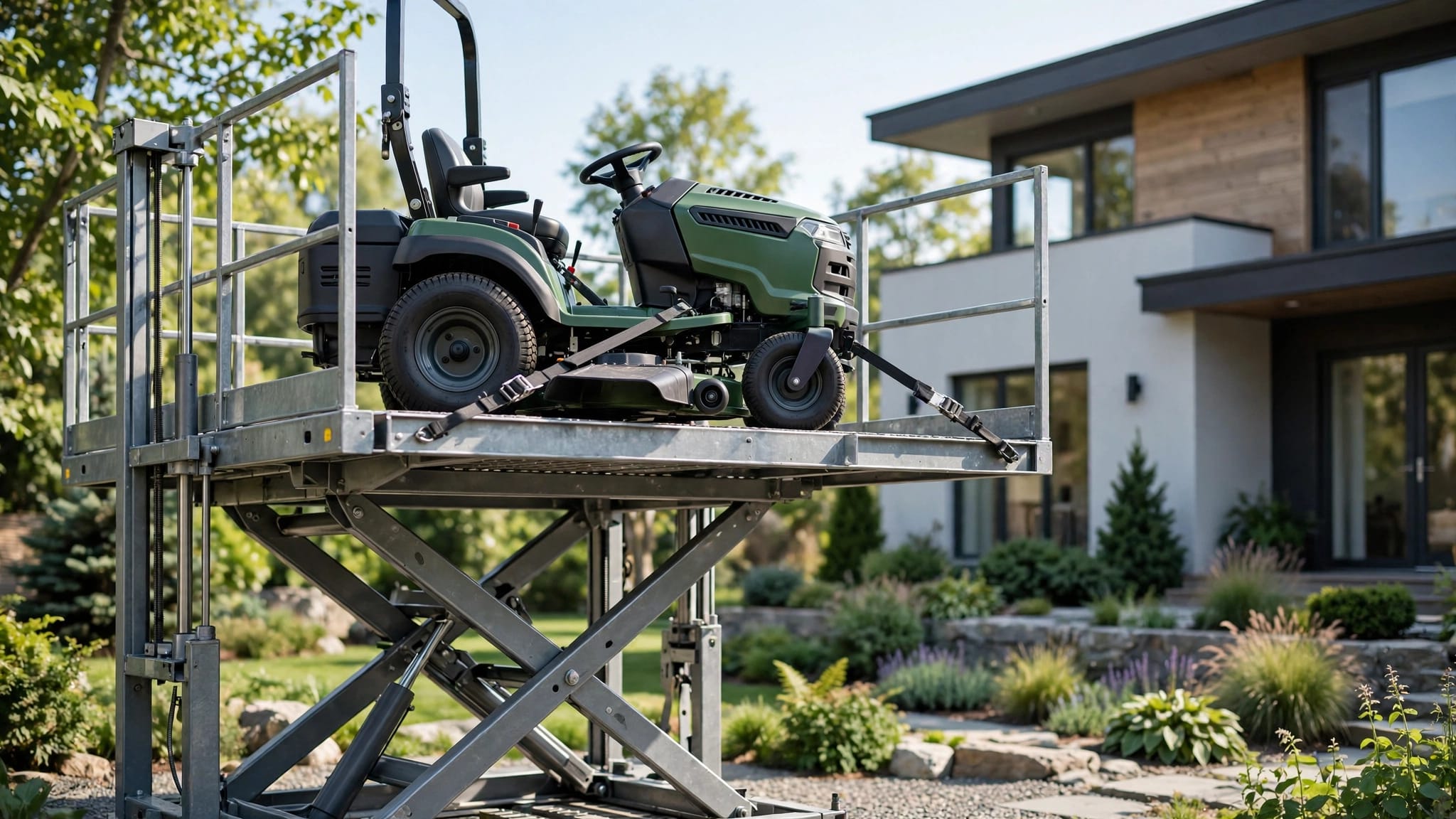
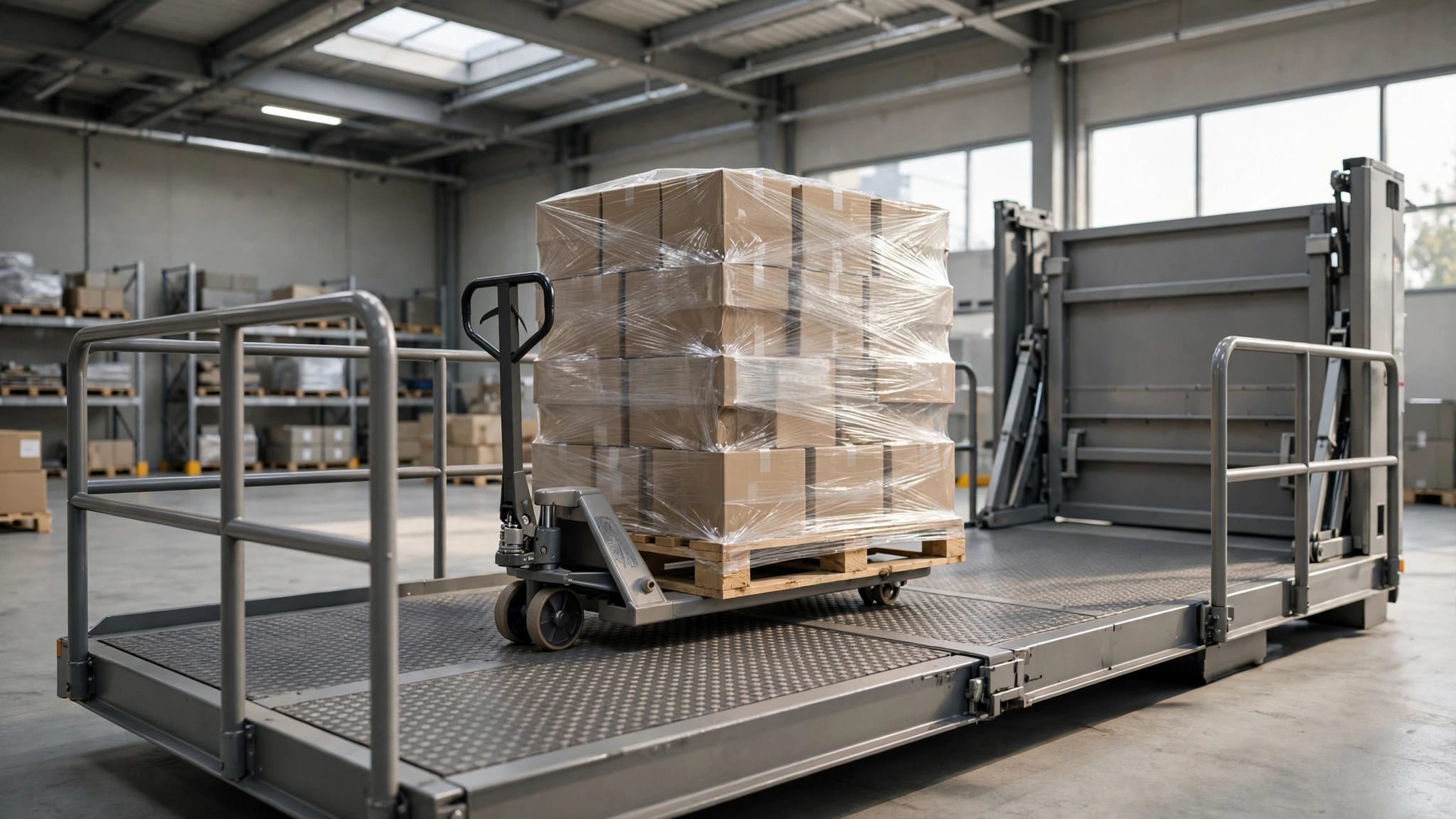
A passenger elevator, a cargo lift, and a vertical platform lift can have different approved uses and safety requirements. Start your records with the manufacturer's model and serial number, rated capacity, intended use, and installation location.
Passenger elevators carry people. Cargo lifts move materials and shouldn't carry riders when they aren't rated for passenger use. Vertical platform lifts can provide an accessible route within their approved application. Our guide to commercial platform lift requirements covers related accessibility and maintenance considerations.
The code path can differ, too. ASME A17.1/CSA B44 is a safety code for elevators, while ASME A18.1 addresses platform lifts and stairway chairlifts. Jurisdictions adopt particular editions and may add their own requirements. Building use, local rules, and the equipment's classification all affect the inspection schedule.
Keep maintenance and inspection records together
A complete file makes it easier to prepare for visits, track outstanding work, and hand responsibilities to a new property manager. Keep a copy accessible to the people who manage the lift, along with any records required at the equipment site.
Service history
Retain the manufacturer's instructions and service agreement, followed by dated reports for examinations, repairs, and tests. Each report should identify the equipment, the service company, the work performed, and any unresolved condition.
Add your own observations when they help explain a problem. For an outdoor unit, dated photos after a storm can document visible water entry or damage. Keep the technician's findings and repair notes with those photos.
Florida's rule requires the registered elevator company to record routine examination and required test dates and keep those records in the machine room for review by the Division or its contractual designees.
Inspection and approval documents
Store inspection reports, deficiency notices, applicable certificates, and evidence of completed corrections alongside the maintenance history. Also retain installation permits and approved plans when available.
A service report and an inspection report may describe the same component, but each adds a different piece of the history. Keeping both makes it easier to see when a concern was found, repaired, and closed out.
Prepare for an elevator inspection
Preparation helps the inspector and service provider complete their work without avoidable delays. Arrange the visit around the equipment's applicable requirements and any tests that need service personnel present.
Make access and records available
Provide access to landings, equipment spaces, and controls as appropriate. Keep the areas clear of stored materials, and have the maintenance history and previous inspection report available.
For a new installation, the team needs completed landings, working power, and safe access before acceptance testing. Coordinate the timing while the installation team is still available to address any findings.
Assign responsibilities before the visit
Put one person in charge of the schedule and document collection. That person can coordinate the inspector, service provider, property manager, and any building staff who need notice of an interruption.
Agree in writing on who will arrange required testing, provide access, receive the report, and schedule repairs. For a public-facing lift, plan how you'll communicate a temporary closure and identify another accessible route when one exists.
Respond to faults and inspection findings
A problem reported between visits deserves attention even if the next inspection is months away. Unusual noise, uneven stopping, a damaged gate, or a fault message can give the service provider useful information.
If continued operation may be unsafe, take the equipment out of service and contact qualified personnel. Don't bypass a gate, force a door, or attempt an improvised repair. If someone is trapped, contact emergency responders and follow the building's emergency procedure. Never ask an untrained person to move the cab or release a brake.
For outdoor equipment, our guidance on safe responses to elevator faults explains what information to record. Keep the fault report with the technician's diagnosis, repair documentation, and any inspection follow-up.
When an inspector identifies a deficiency, give the service provider the written finding rather than a verbal summary. Track the correction through completion and retain the documentation that shows the final outcome.
Keep both obligations on your calendar
Routine service gives your equipment ongoing care. A formal elevator inspection provides a documented assessment against applicable requirements. Owners need a record of both.
Keep the lift's classification, service history, test dates, and inspection documents together. A clear schedule and assigned responsibilities make it easier to address problems and maintain the records your property needs.
Recent Posts