Residential Elevator Speed: Understanding a One-Floor Trip

Share this article

A residential elevator's speed depends on the model, and its listed travel speed doesn't tell you the complete ride time. Starting, stopping, leveling, and operating the doors all contribute to a one-floor trip.

For you, the useful distinction is between time in motion and the full experience of reaching another floor. Understanding that difference makes elevator specifications easier to interpret without treating one speed as universal.

Key Takeaways

  • Residential elevator speed varies by model, so one figure doesn't describe every home elevator.
  • Travel speed measures the car's movement, while the complete ride includes door operation and controlled stops.
  • Passenger elevators, cargo lifts, and vertical platform lifts have different intended uses; speed alone doesn't determine suitability.

Understanding Residential Elevator Speed

Feet per minute and meters per second

Elevator specifications commonly express speed in feet per minute, abbreviated fpm, or meters per second, written m/s. Both describe how much vertical distance the car covers over time.

These units describe the same physical measurement using different scales. However, neither tells you how long the doors remain open or how the elevator approaches a landing. A speed specification describes movement, not the entire operating sequence.

Because specifications vary by model, a general description of "home elevator speed" shouldn't replace the selected equipment's stated performance.

Rated speed and actual movement

Rated speed describes the elevator's specified operating speed. During a trip, however, the car must accelerate and decelerate rather than move at that speed throughout.

On a short run, those transitions can account for a meaningful part of the movement. Some trips may not include much sustained travel at rated speed.

That distinction matters when interpreting a brochure: dividing distance by rated speed gives a simplified calculation, not a complete prediction of the ride.

What Happens During a One-Floor Trip?

A one-floor trip includes several stages before the passenger can leave at the destination. For practical discussion, the ride cycle starts when departure doors close and ends when destination doors open.

Acceleration, deceleration, and leveling

The elevator begins with controlled acceleration. As it approaches the destination, it slows and brings the car floor into alignment with the landing.

This final alignment is called leveling . It supports entry and exit, especially for someone using a wheelchair, walker, or rolling cart.

The distance between landings also matters when describing a trip. "One floor" identifies adjacent stops, but it doesn't specify the vertical distance between them. That makes it an incomplete basis for calculating travel time.

Doors, gates, and passenger access

Before normal travel begins, the required doors or gates must close and their safety interlocks must permit movement. At the destination, the access sequence follows the elevator's stopping and leveling sequence.

Automatic doors and manually operated arrangements create different passenger experiences. Boarding and exiting also belong in the full journey, even though they aren't part of the car's movement.

A door-to-door ride and a stopwatch measurement of car movement describe different intervals.

Waiting for the elevator adds another interval if the car begins at a different landing.

Choose the Equipment Category Before Comparing Speed

Passenger elevators carry people between levels. Their controls, access protection, enclosure, and emergency provisions reflect occupied use.

Cargo lifts primarily move goods such as groceries, luggage, tools, and household supplies. A platform's size or weight capacity doesn't establish permission to carry passengers. Equipment used for riders must have the appropriate passenger design and approvals.

Our guide to cargo lifts versus passenger elevators explains how intended use affects the equipment choice.

Vertical platform lifts, often called VPLs, form another category. They can suit wheelchair access over a shorter rise, with platform dimensions, controls, and landing access shaped around that purpose.

These categories aren't interchangeable speed options. The first decision is whether the equipment needs to transport people, materials, or provide a suitable accessibility route. Comfort, capacity, and permitted use belong in that decision alongside performance.

Building Layout Shapes the Experience

An elevator connects landings, but those landings must connect conveniently with the rooms and outdoor spaces you use. Door swings, approach space, and clear routes affect everyday access.

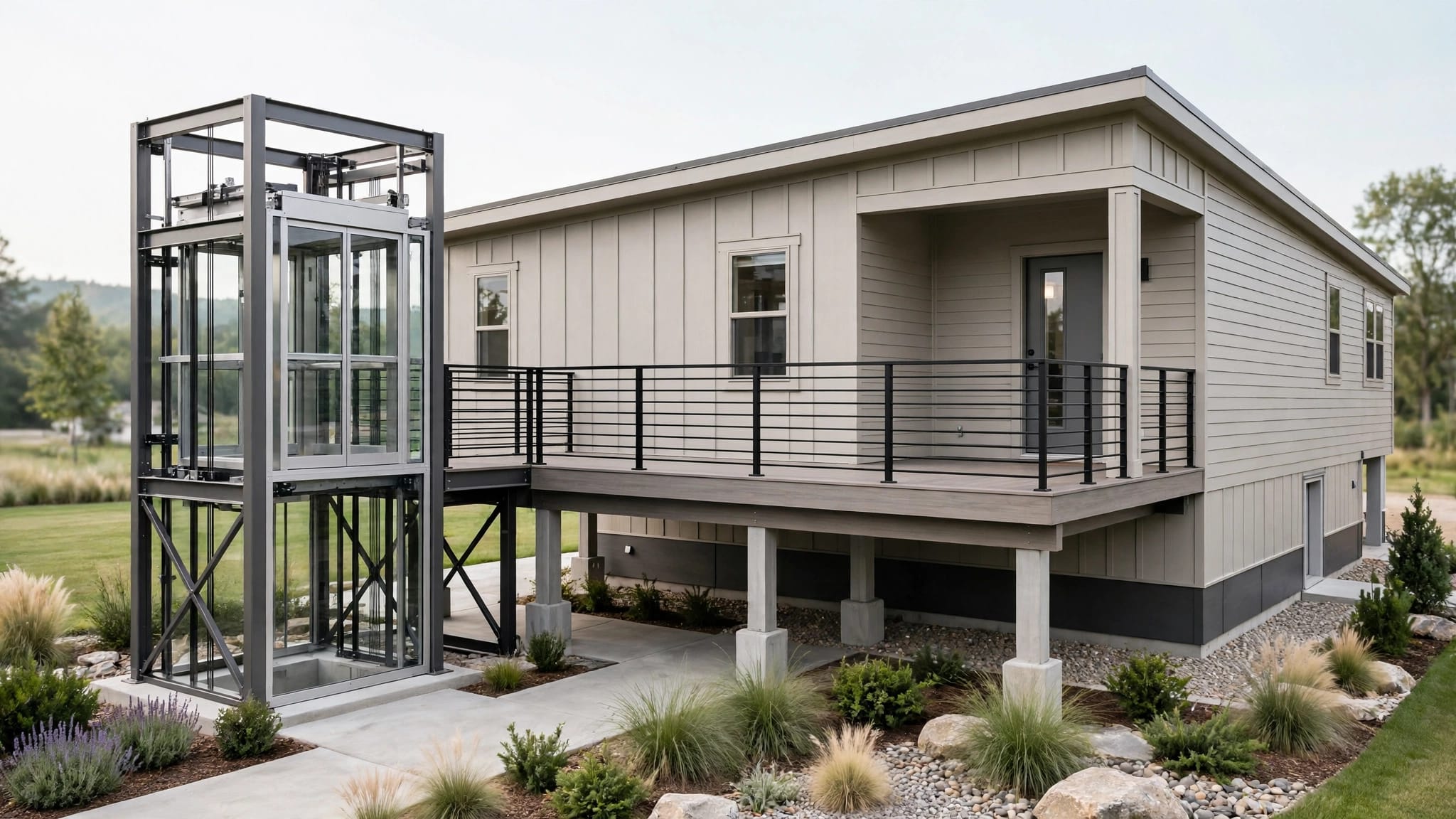
For example, an exterior installation can connect existing porches, balconies, or deck landings. An interior elevator needs an appropriate route through the home. Our comparison of indoor and outdoor home elevators covers those placement differences.

For an existing raised home, planning an outdoor lift retrofit also involves the supporting structure and usable landing space.

A car can reach the correct floor while leaving someone with an awkward doorway or obstructed approach. Good access planning considers the route beyond the elevator threshold.

Frequently Asked Questions

Does travel speed include the doors opening?

No. Travel speed describes vertical movement, usually in fpm or m/s. Door opening, door closing, and any programmed pause are separate parts of the operating cycle.

That's why a speed figure alone can't describe the elapsed time between preparing to leave one landing and stepping out at another.

Can a cargo lift replace a passenger elevator?

Only equipment designed and approved for passenger transport should carry people. A cargo lift's capacity, stability, or apparent similarity to a passenger system doesn't establish that suitability.

For household material handling, a cargo lift can address a different need. Regular access for residents or guests calls for equipment intended for occupied travel.

Focus on the Complete Ride

Residential elevator speed is one part of a larger operating sequence. A useful understanding includes controlled movement, accurate leveling, and door operation without treating a single specification as universal.

For daily convenience, the complete journey matters most. The right equipment must suit its passengers or materials and provide usable access at every landing.

Recent Posts

By Veranda 'Vator • October 26, 2026
Yes, a residential elevator can be installed in some manufactured homes, but feasibility depends on the structure, foundation, available space, elevator type, and local requirements. Not every home can support the installation , even when there appears to be room. For a raised...

By Veranda 'Vator • October 25, 2026
Braille and tactile labels aren't automatically required on every residential elevator in the United States. Residential elevator Braille requirements depend on the building's use, the equipment classification, and the applicable federal, state, and local rules. An elevator se...
By Veranda 'Vator • October 24, 2026
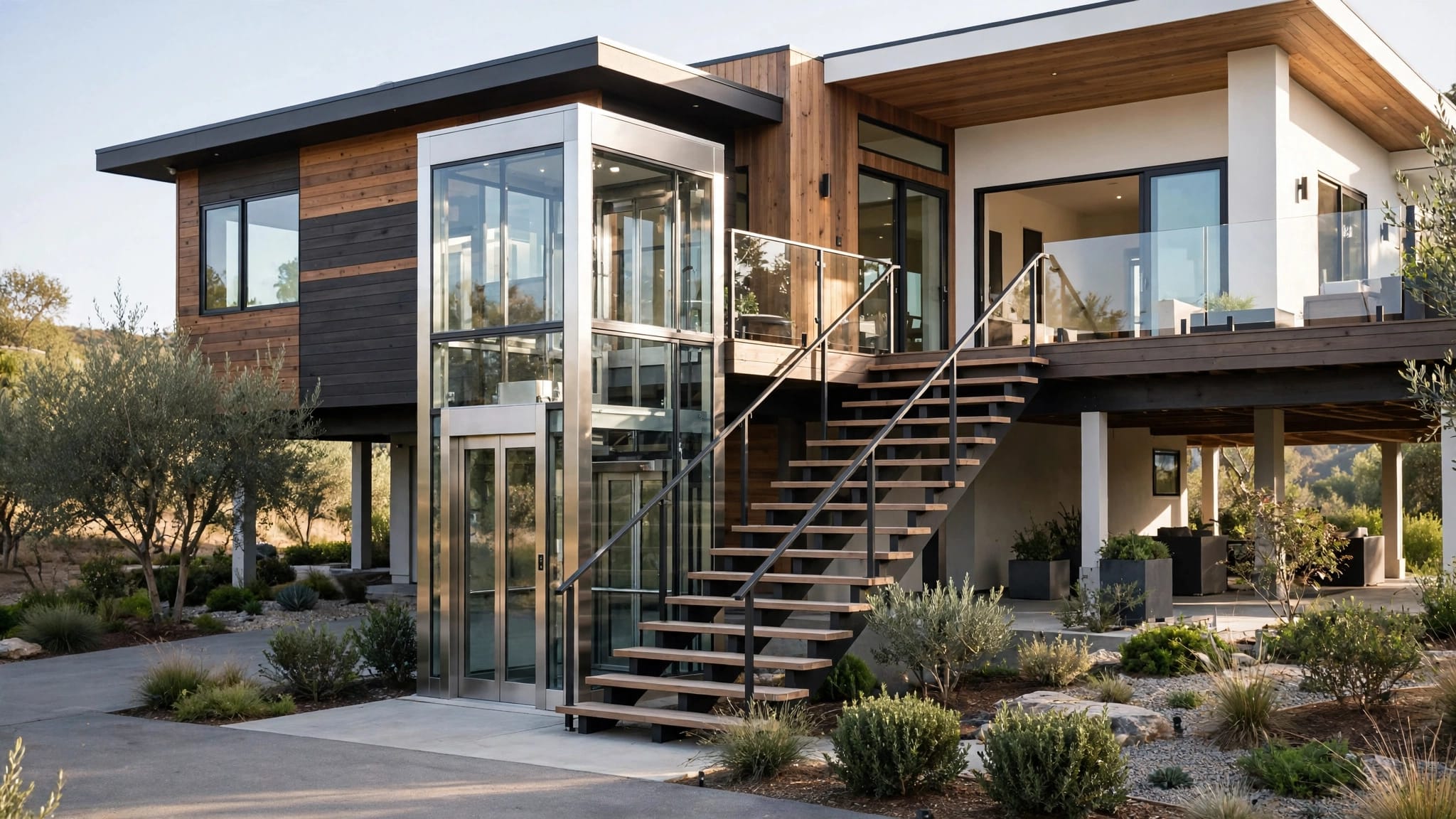
An outdoor elevator can increase a home's resale value, but there's no dependable percentage you can apply to every property. Its strongest selling point is usable access , especially when stairs separate the driveway from the main living space. For homeowners, the financial q...
By Veranda 'Vator • October 23, 2026
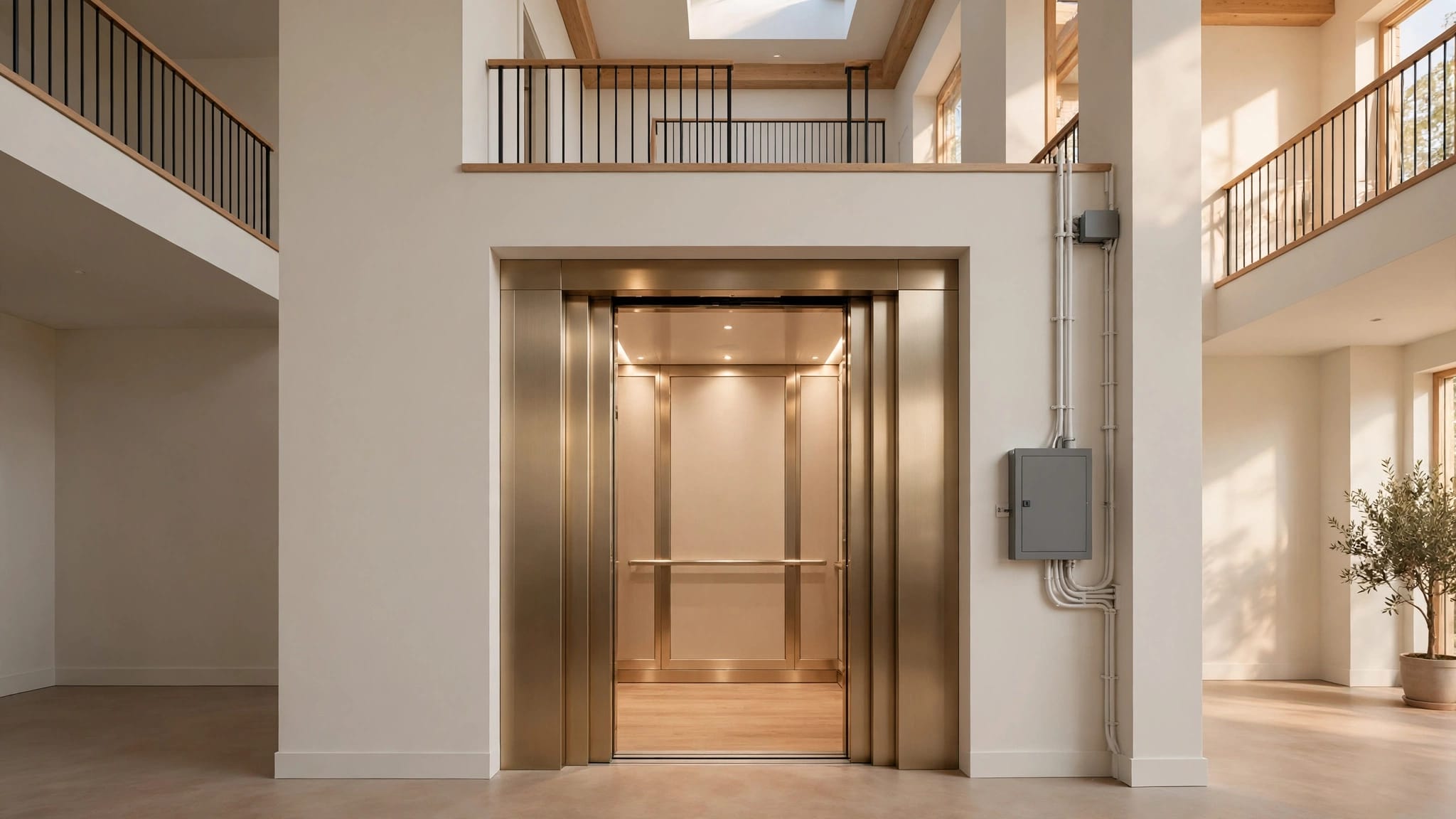
Residential elevator electricity use includes power for trips and standby systems , so travel time alone won't explain your bill. TK Elevator has published an example reaching 4,000 kilowatt-hours (kWh) annually for a hydraulic lift in a three-story building. That figure isn't...
By Veranda 'Vator • October 22, 2026
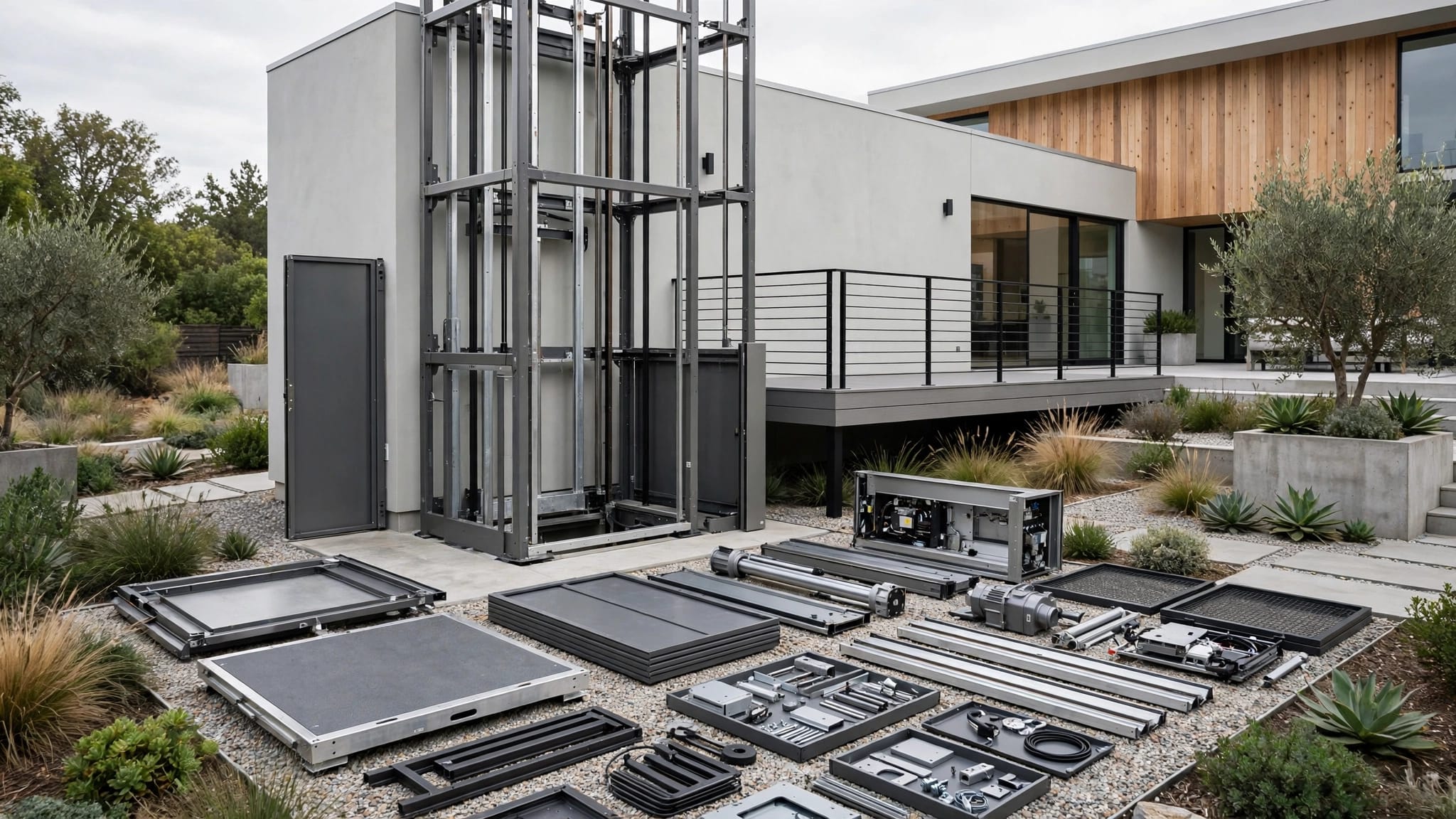
An outdoor elevator may be movable, but relocating it is rarely a simple matter of taking it apart and reinstalling it. Outdoor elevator relocation depends on the lift's type and condition, manufacturer requirements, and whether the new property can support the equipment safel...
By Veranda 'Vator • October 21, 2026
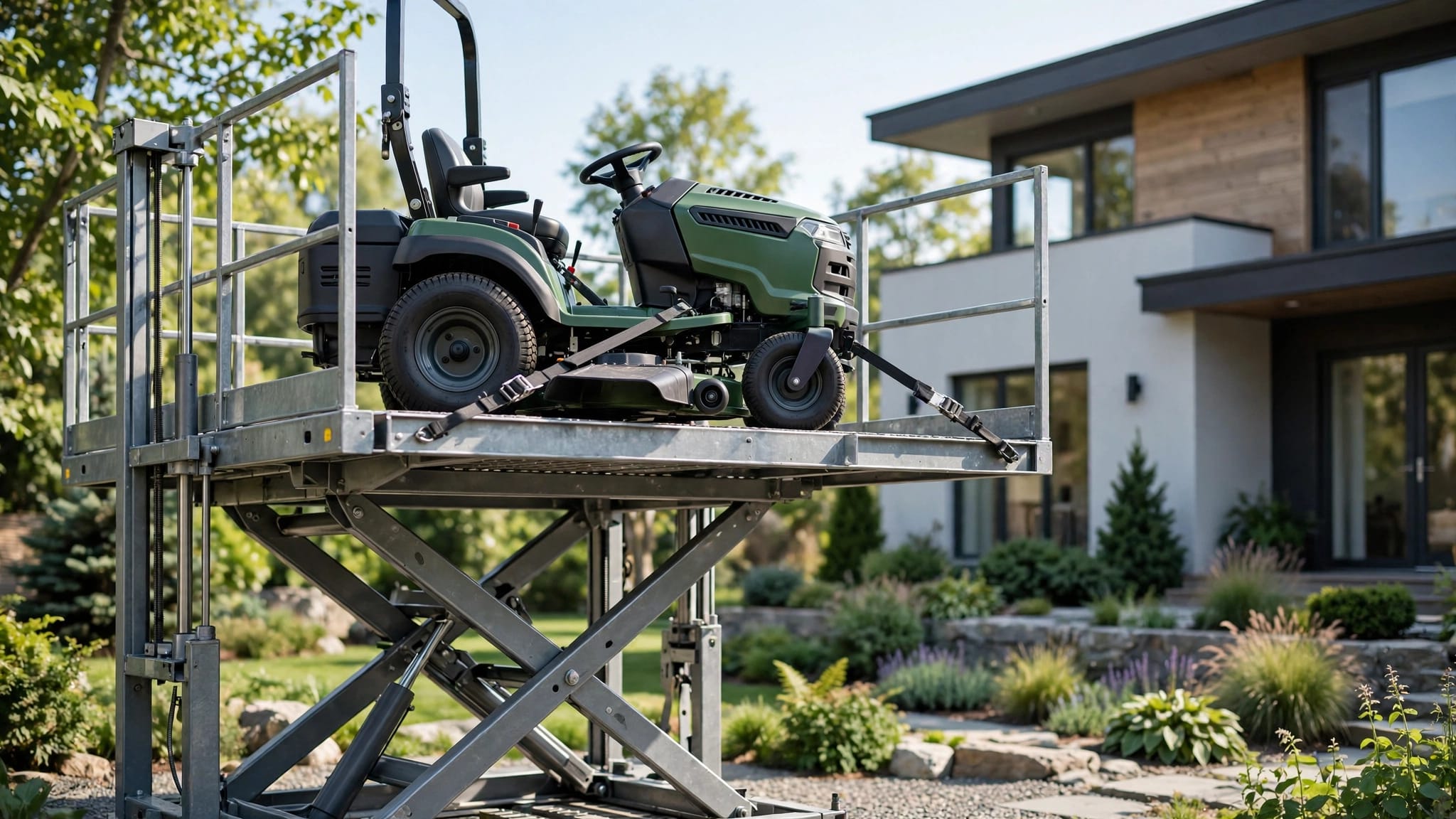
An outdoor cargo lift can move a riding lawn mower when its rated capacity and usable platform dimensions suit the loaded mower. The mower must also be loaded and secured in a way the lift's instructions permit. A mower's weight alone doesn't settle the question. Attachments,...
By Veranda 'Vator • October 20, 2026
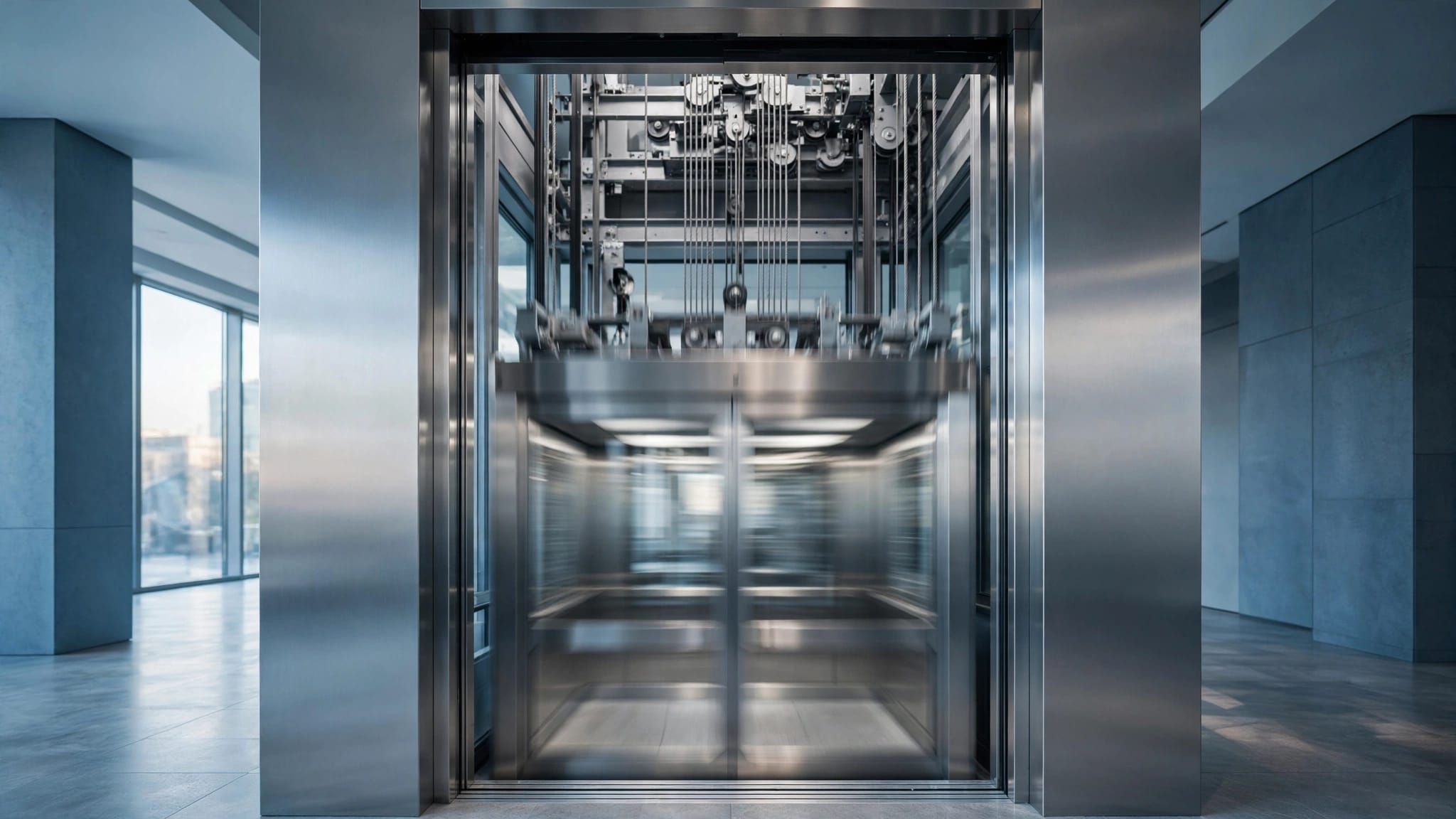
An elevator duty cycle describes the work a lift is expected to perform over time. It accounts for how often the equipment starts, how much it carries, and how long it runs. These details help you choose equipment that fits expected use, rather than relying on capacity alone....
By Veranda 'Vator • October 19, 2026
A residential elevator needs more room than its cab alone suggests. The right allowance depends on the lift's intended use, its manufacturer, and the structure around it, so there isn't one footprint that fits every home. When planning residential elevator dimensions, separate...
By Veranda 'Vator • October 18, 2026
A split-level home can make a short trip between rooms feel like a daily obstacle when stairs are difficult or heavy items need moving. A well-planned split-level home elevator connects the floors you use, without blocking the routes and rooms that make the house work. The fir...
By Veranda 'Vator • October 17, 2026
An outdoor home elevator can remain useful for many years, but there's no single lifespan that applies to every installation. The equipment type, installation quality, climate, exposure, usage, and maintenance all affect how long the complete system stays in service. It also h...
Show More