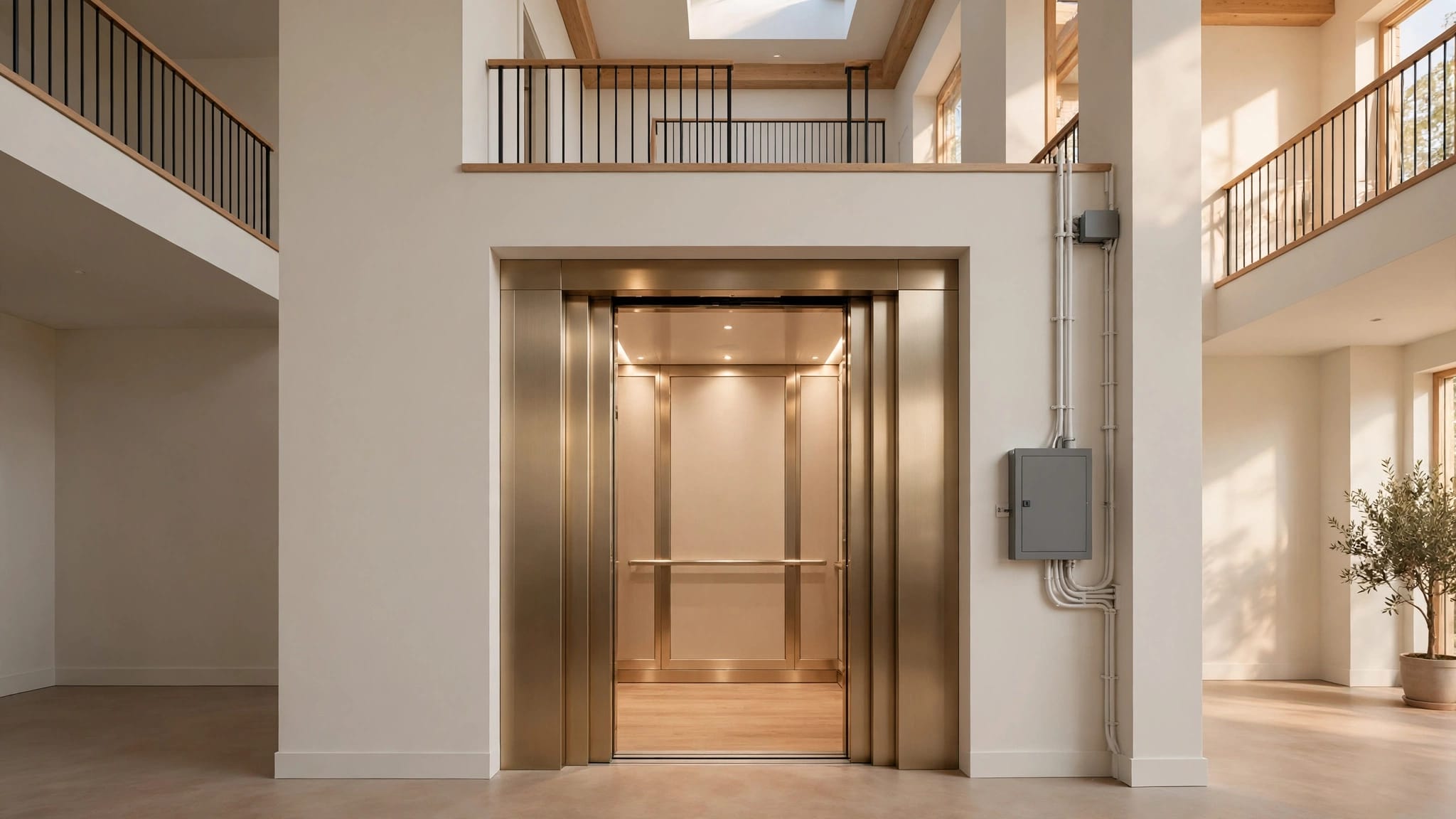
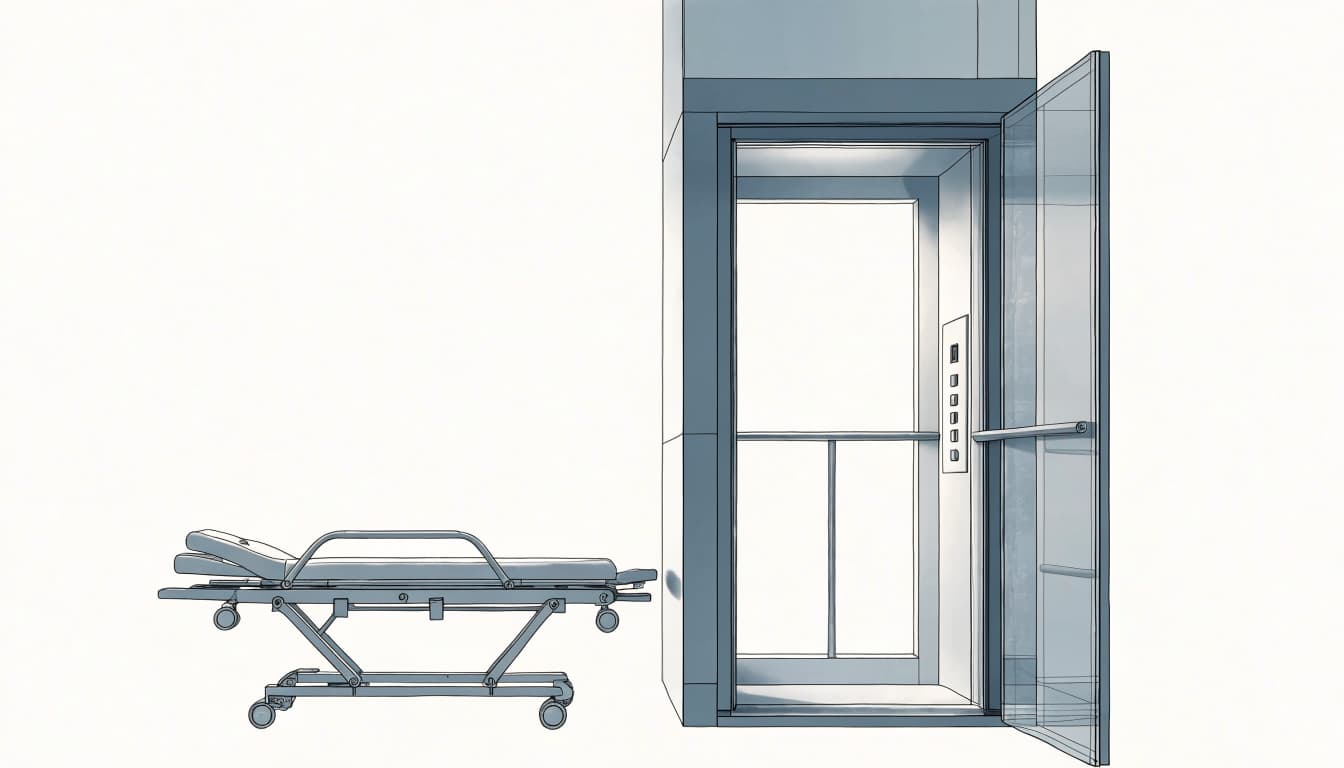

A residential elevator can fit a medical stretcher if its doorway, cabin, and approach accommodate that stretcher's actual dimensions. However, there's no single universal "standard stretcher" size, and physical fit alone doesn't establish safe patient transport.
For your home, the answer depends on the specific elevator, the cot, and the space responders need. Start with usable dimensions rather than the elevator's advertised footprint.
Key Takeaways
- Stretcher dimensions vary by model and configuration, so one cot fitting doesn't mean every stretcher will fit.
- Clear door openings, cabin dimensions, and landing space all affect access.
- Safe transport also requires appropriate capacity, room for responders, and equipment approved to carry people.
Why There's No Universal Standard Stretcher Size
"Medical stretcher" describes different equipment, not one fixed footprint. Ambulance cots can have adjustable sections, accessories, and different transport configurations. Consequently, a general description such as "stretcher accessible" needs a specific equipment reference.
For example, Stryker's Power-PRO XT specifications give these dimensions for model 6506:
| Measurement | Listed dimension |
|---|---|
| Standard length | 81 inches |
| Minimum length | 63 inches |
| Overall width | 23 inches |
The shorter measurement describes the cot's shortening capability. It doesn't establish that this configuration suits every occupied transfer.
An elevator layout intended for this cot therefore needs to account for the configuration responders would actually use. Selecting the smallest published dimension can produce a misleading impression of compatibility, particularly when the patient needs support along the cot's full length.
Measurements That Determine Stretcher Fit
Clear Door Opening and Interior Dimensions
The clear opening is the usable passage with the elevator doors and gates fully open. A nominal door size or unfinished construction opening doesn't describe that space.
Inside, measure usable cabin length and width rather than shaft dimensions. Handrails, controls, trim, and door equipment can affect the available room. The complete stretcher must fit without obstructing normal door closure.
Door height also matters for the occupied cot, attached equipment, and responders. Comparing only the cot's width with the doorway leaves much of the access question unanswered.
Approach Space and Turning Room
A stretcher that fits inside the cabin may still struggle to reach it. Hallway corners, door swings, and narrow landings can prevent a workable approach.
Assess the entire route between the patient's location, elevator, and responder entrance. Thresholds and nearby stair edges also deserve attention, while outdoor approaches need suitable lighting and drainage.
A diagonal measurement alone doesn't prove access. The cot needs a workable path through the doorway and into its transport position. There isn't a universal turning-clearance formula that resolves every layout.
Physical Fit Doesn't Establish Safe Transport
Capacity and Space for Responders
The elevator's rated load must accommodate the patient, cot, accompanying personnel, and carried medical equipment. A cot's own capacity rating doesn't describe the elevator's lifting capacity.
Space matters alongside weight. Stryker requires at least two operators for an occupied Power-PRO XT cot. That's a model-specific operating requirement, not a general elevator-design rule.
The transport plan must address where responders stand and how they maintain patient care. An empty-cot fit assessment doesn't demonstrate that an occupied transfer will work safely.
Equipment Approved to Carry People
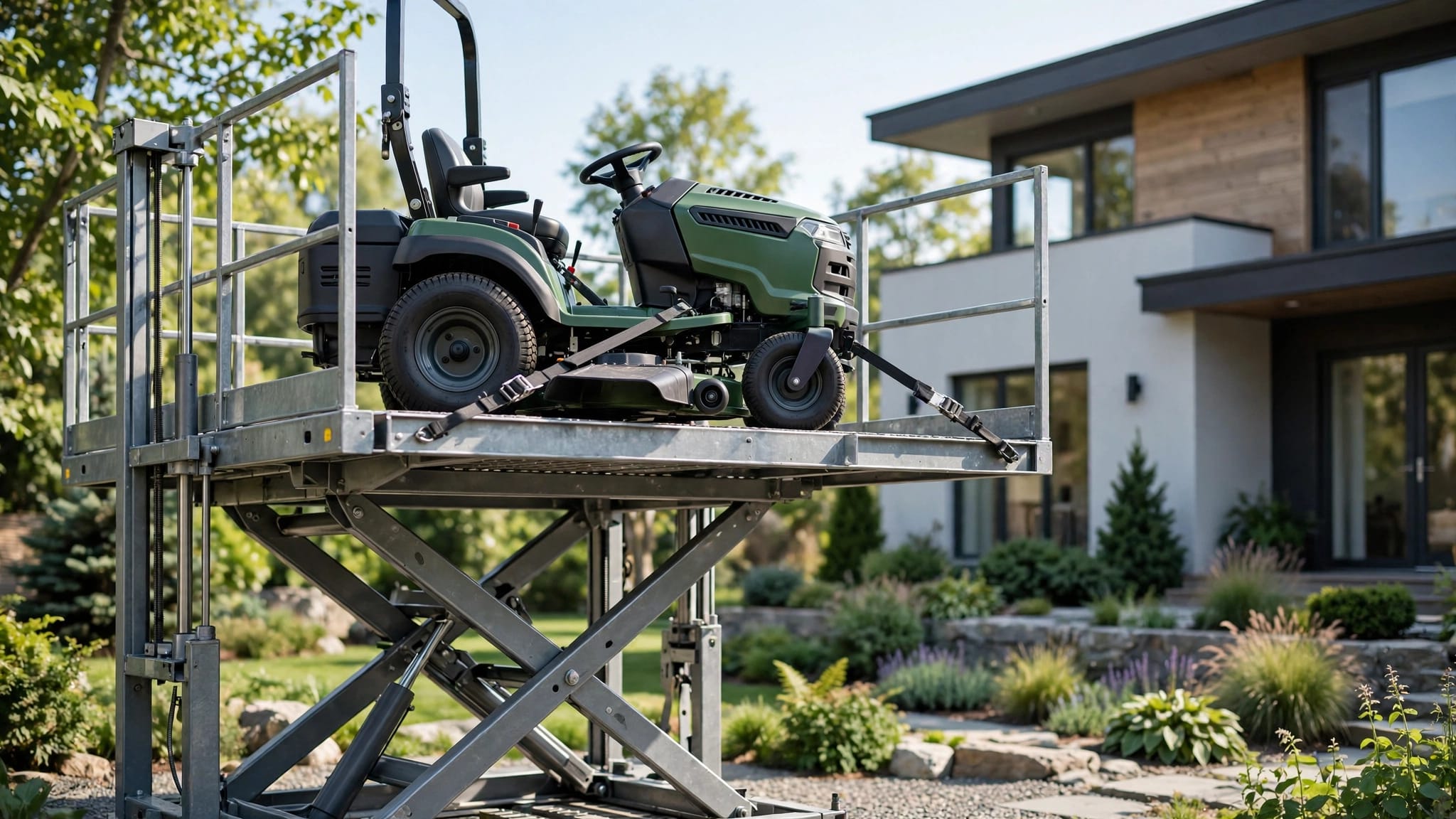
A large cargo platform doesn't become suitable for patient transport because a stretcher fits on it. A cargo lift is for goods, and no one should ride it during a medical emergency.
Our comparison of cargo lifts and passenger elevators explains this distinction. Passenger elevators and vertical platform lifts also have different purposes; their names alone don't establish stretcher suitability.
Room for the cot doesn't establish room for the patient, required operators, and equipment during an occupied transfer.
Plan Stretcher Access Before Construction
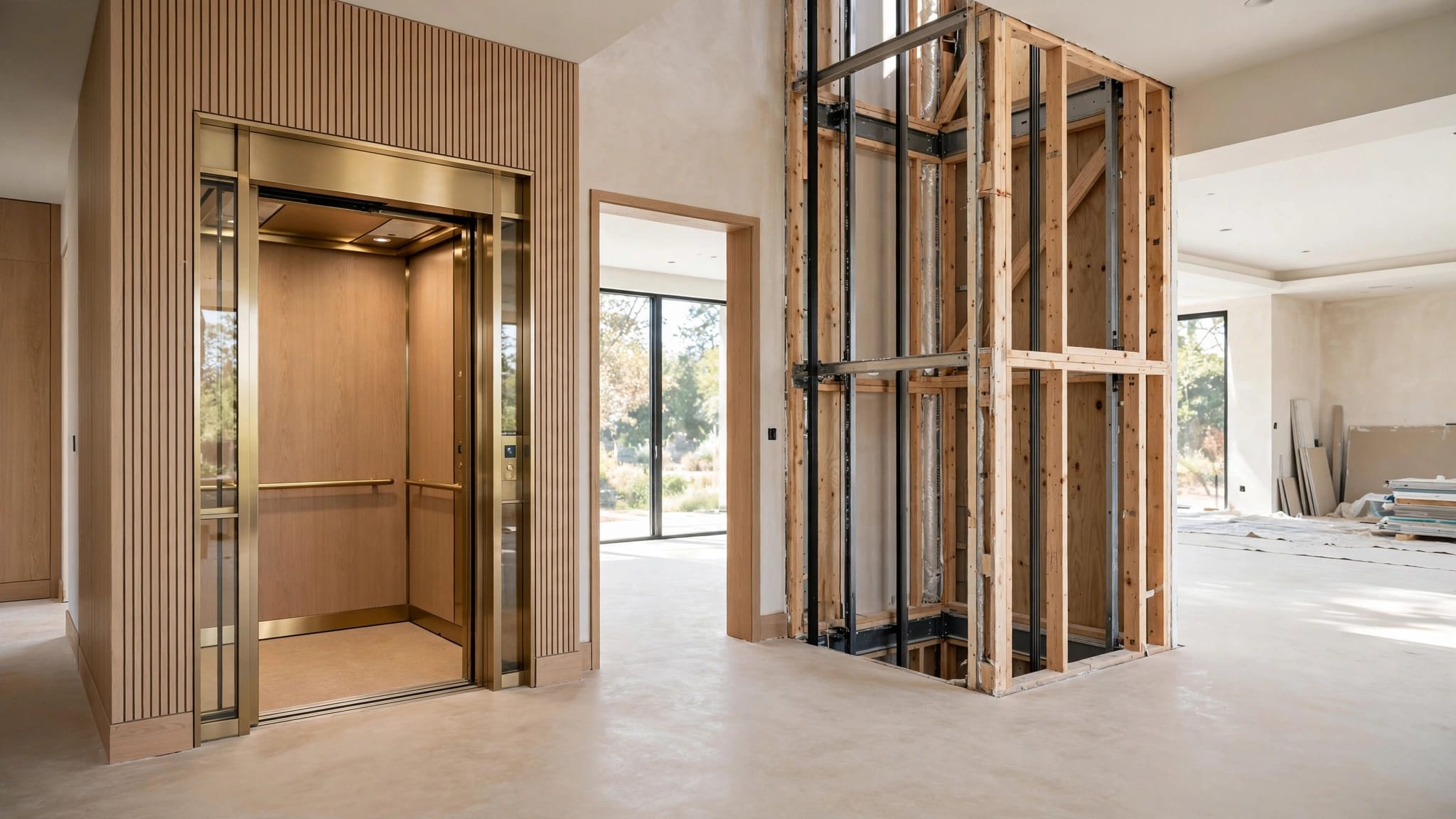
For a new installation, make stretcher access a design requirement before fixing the shaft, doors, and landings. Retrofitting a larger cabin won't solve a narrow approach or a poorly positioned doorway.
The elevator manufacturer, a qualified design professional, and local emergency responders should confirm the requirements together. Each contributes a different part: equipment limitations, building layout, and practical patient-handling needs.
Give that team a shared plan showing the intended cot, usable openings, cabin dimensions, rated load, and access route. Our exterior lift planning guidance addresses the value of reserving structural and landing space early.
Also plan for power interruptions and service access. Local responders determine their procedures, while qualified elevator personnel handle equipment-specific technical work. A home elevator shouldn't be the household's only emergency access plan.
Frequently Asked Questions
Does Wheelchair Access Mean a Stretcher Will Fit?
No. A wheelchair and an ambulance cot have different footprints and maneuvering needs. An elevator that accommodates a seated passenger may lack the length or approach space needed for a stretcher. Evaluate the intended cot separately.
Can a Stretcher Be Shortened to Fit?
Some models have shortening features, including the Power-PRO XT. However, its minimum published length isn't a blanket allowance for occupied transport. Responders must use a configuration appropriate to the equipment and the patient's needs.
Build Around the Whole Patient Transfer
A residential elevator may accommodate a particular stretcher, but the answer requires more than matching two measurements. Safe access includes the doorway, cabin, approach, load, and people supporting the patient.
Plan those elements together before installation. That creates a stronger basis for emergency access than relying on a "standard stretcher" label or an empty cot fitting inside.
Recent Posts