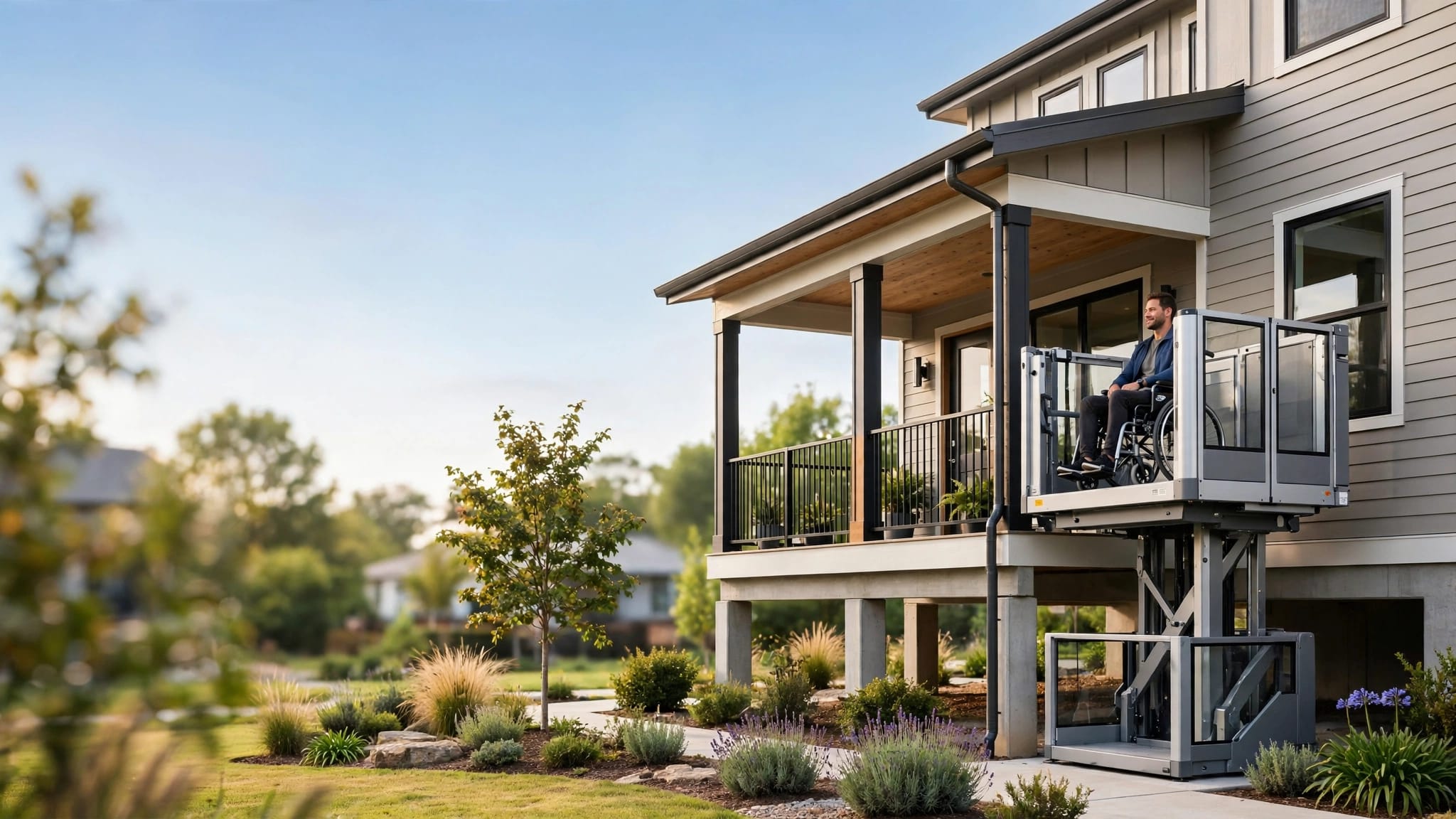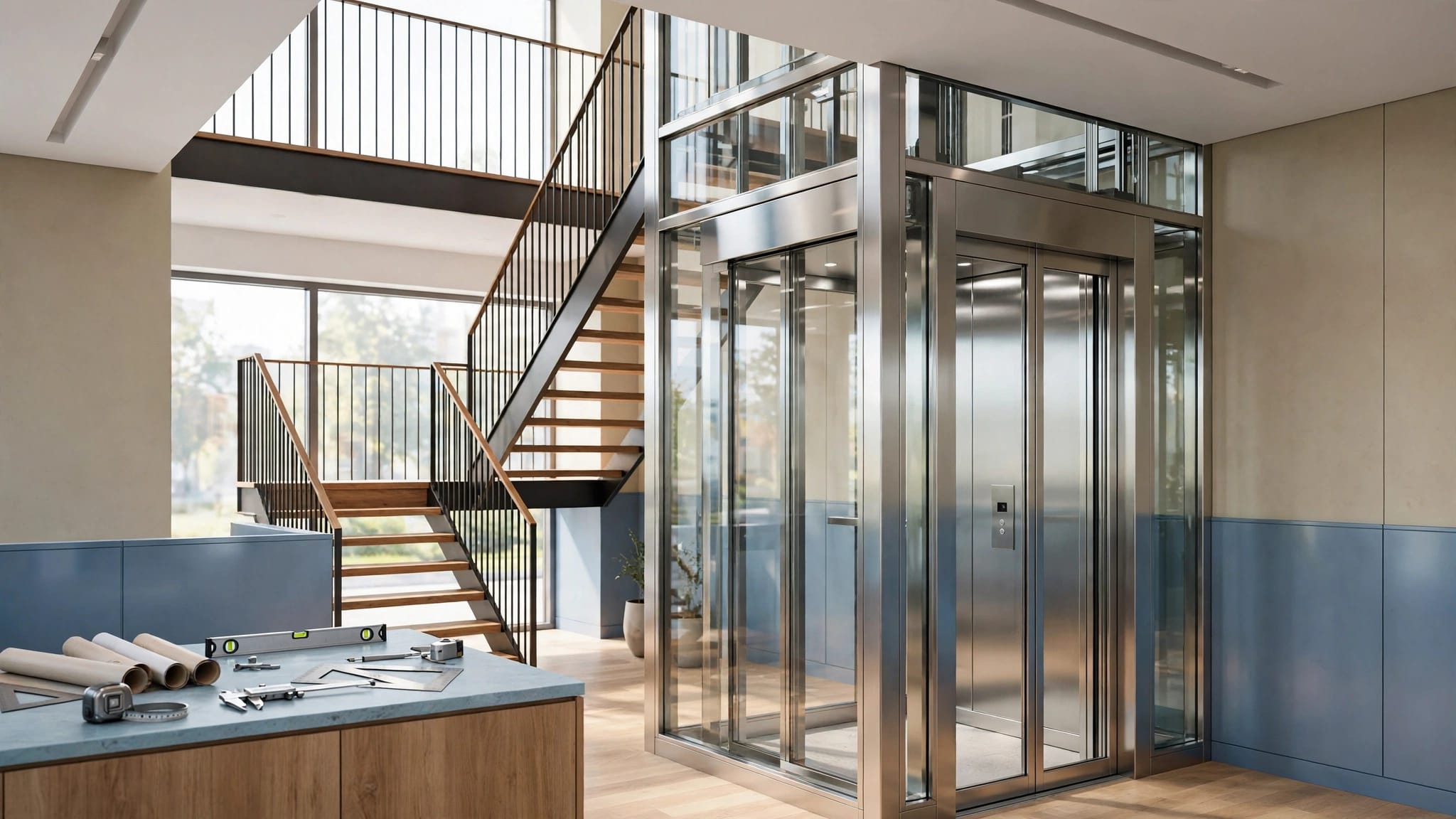
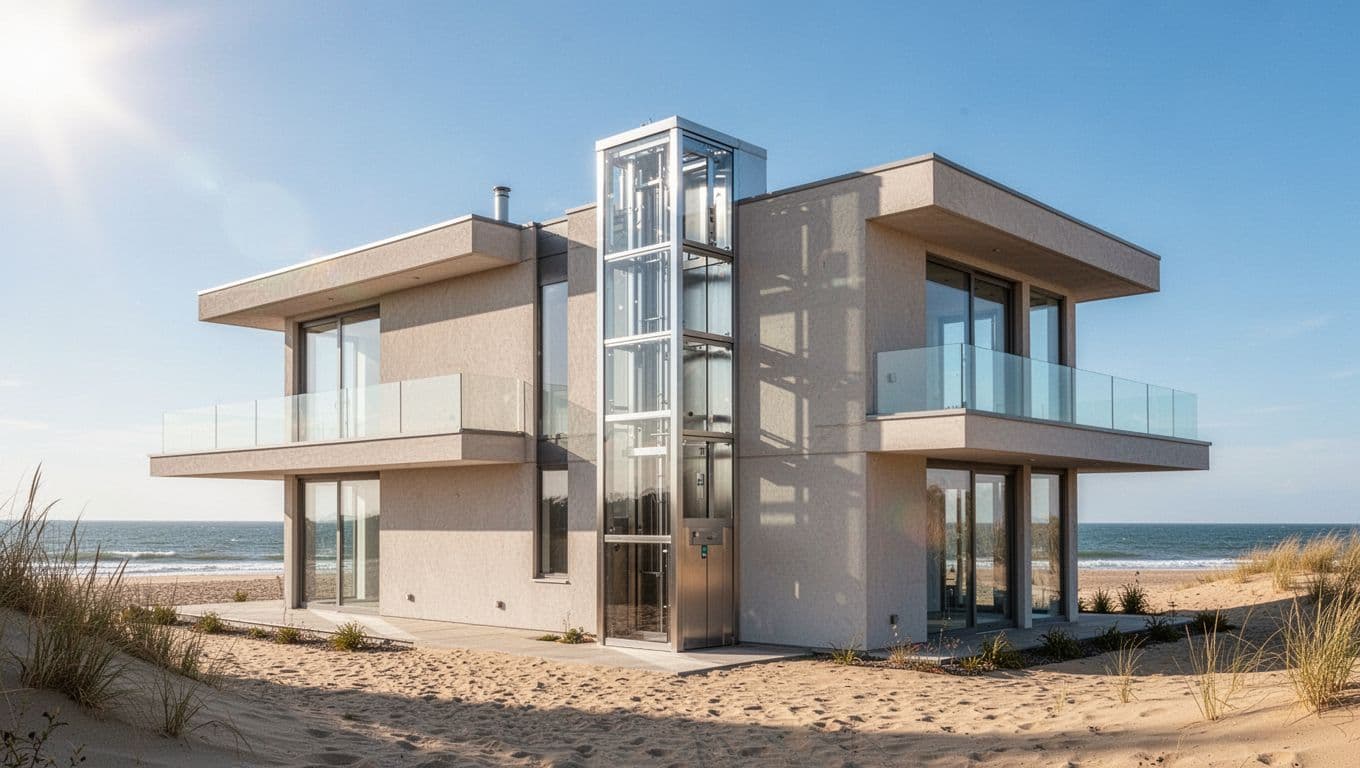
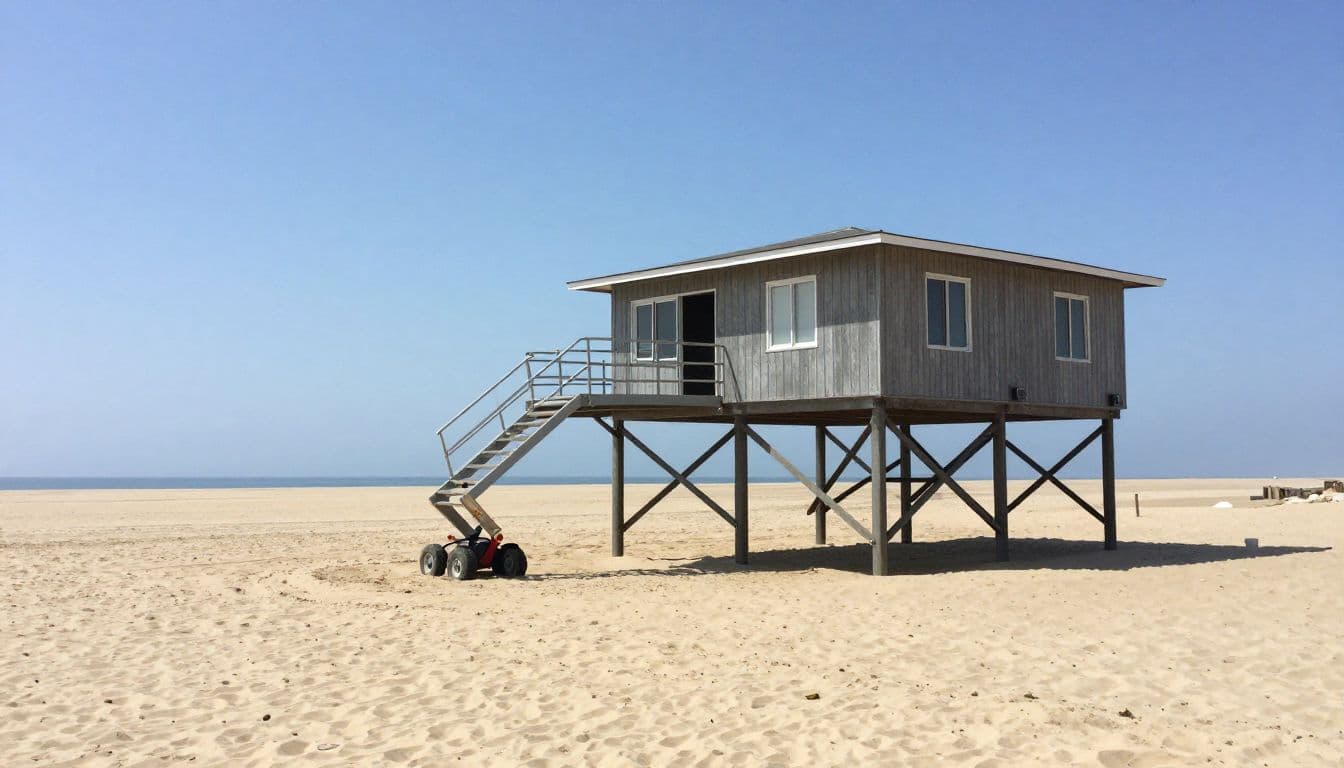
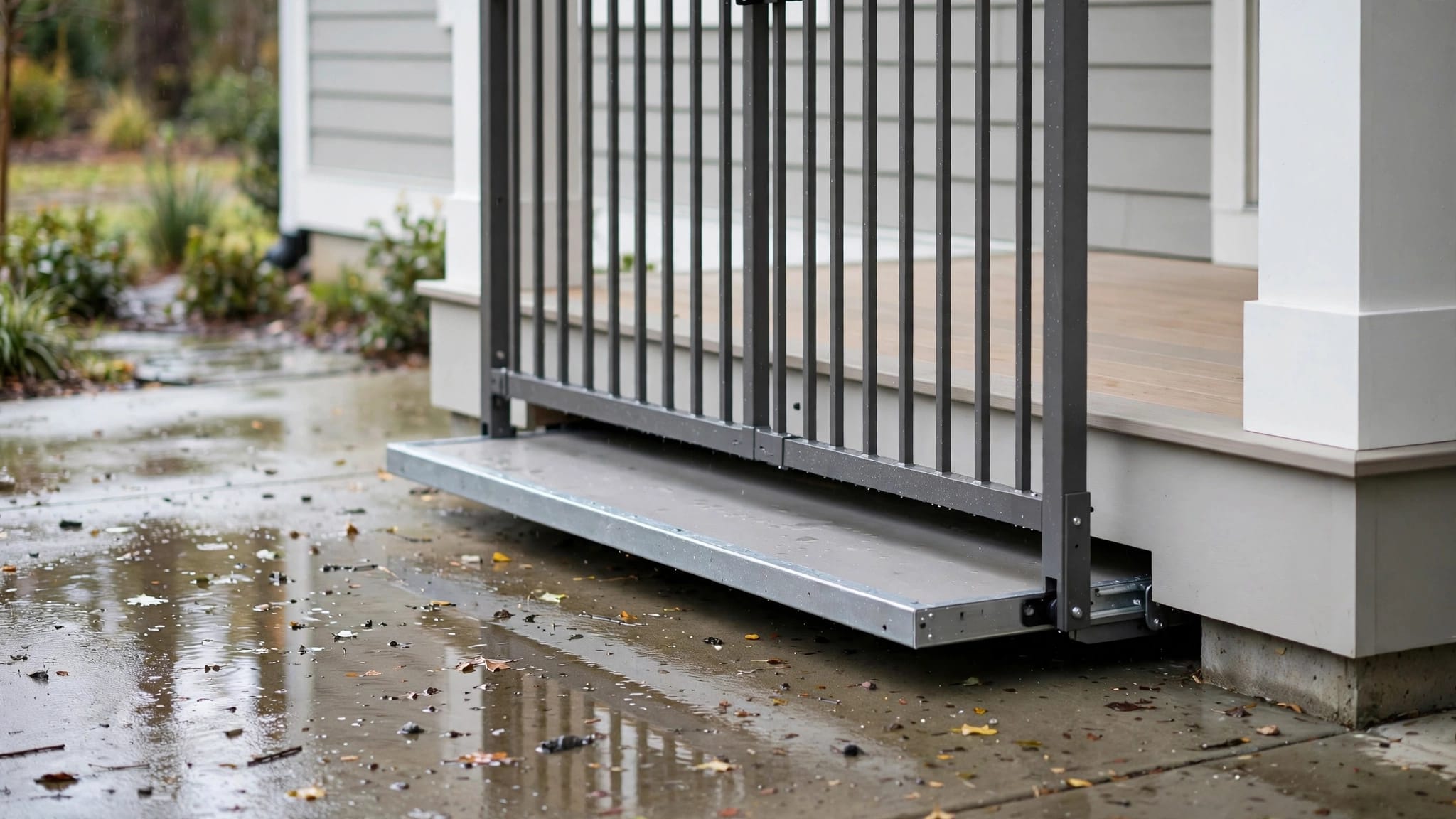
An outdoor elevator can move groceries, luggage, tools, and people between floors, but it also adds a major piece of equipment to your coastal property. If a storm damages the lift or a guest gets hurt using it, the right policy details matter.
Beach house insurance may cover a permanently installed elevator under the home, another structure, or a special equipment endorsement. The answer depends on how the lift is built, where it sits, how you use it, and which perils your policy covers.
Coverage questions are easiest to resolve before a loss. Start by identifying how your insurer classifies the elevator and what exclusions apply.
What beach house insurance may cover
An outdoor elevator can be part of the insured property when it is permanently attached to the home or supporting structure. However, insurance companies may classify it in different ways.
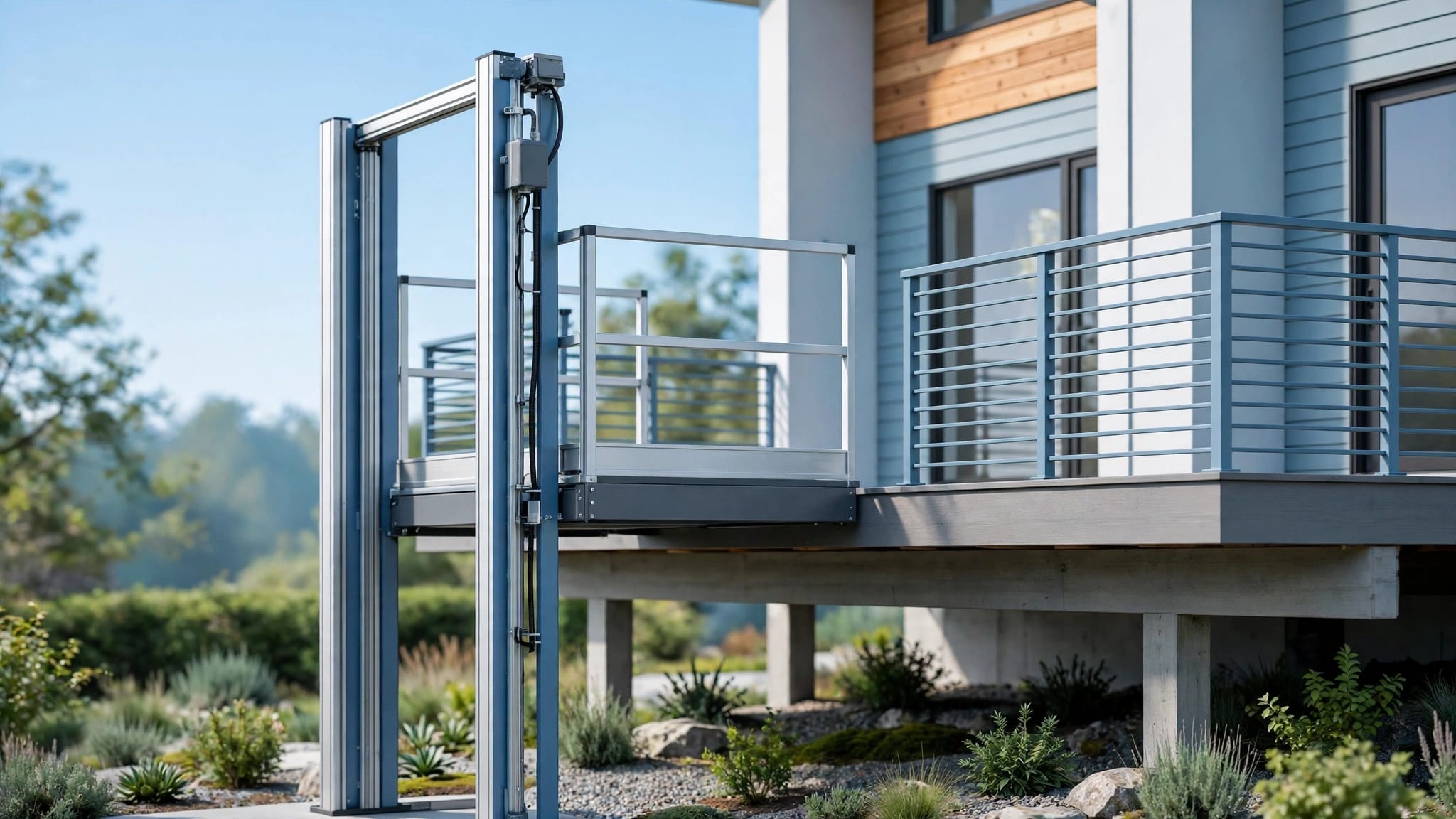
A lift attached to the main house might fall under dwelling coverage. A detached lift tower or separate shaft could fall under other structures coverage. Some policies may treat the motor, controls, cables, and platform as building equipment. Others may require a scheduled item or equipment breakdown endorsement.
The policy's coverage limit matters just as much as the classification. A detached-structure limit may be lower than the cost to replace a coastal elevator. Your deductible may also apply separately for wind, hurricanes, or other named perils.
Start with the elevator's property classification
Tell the insurer exactly what you have. Use the manufacturer's description and installation records rather than calling every lift an elevator. A cargo lift designed for supplies is different from a passenger-compliant elevator designed to carry people.
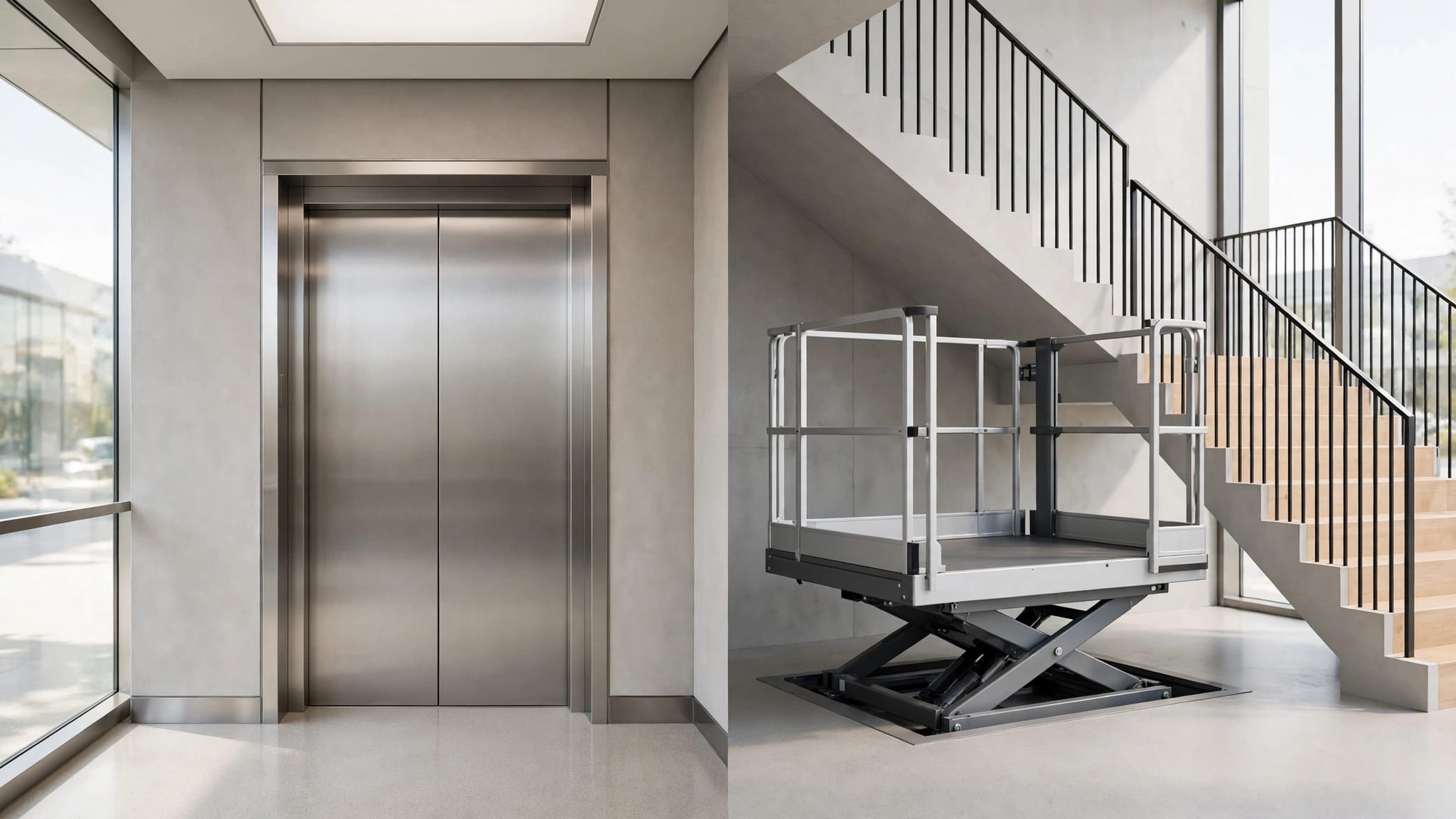
The difference affects underwriting, safety requirements, and potentially liability coverage. This comparison of cargo lifts versus passenger elevators can help you describe the installation accurately.
| Installation or use | Policy question to ask |
|---|---|
| Attached to the residence | Is the lift included within dwelling coverage? |
| Detached tower or shaft | Does other structures coverage include the full replacement cost? |
| Cargo-only operation | Does the policy allow the stated use and users? |
| Passenger operation | Does the insurer require code documents or an endorsement? |
| Rental or business use | Do you need landlord or commercial coverage? |
A claim for covered storm damage may include repair or replacement of eligible parts, subject to the policy's limits, deductible, exclusions, and settlement method. Some policies pay replacement cost, while others first apply depreciation or use actual cash value.
Separate covered damage from upkeep costs
Insurance is designed for sudden, accidental damage caused by a covered event. It usually isn't a maintenance plan for equipment that wears out over time.
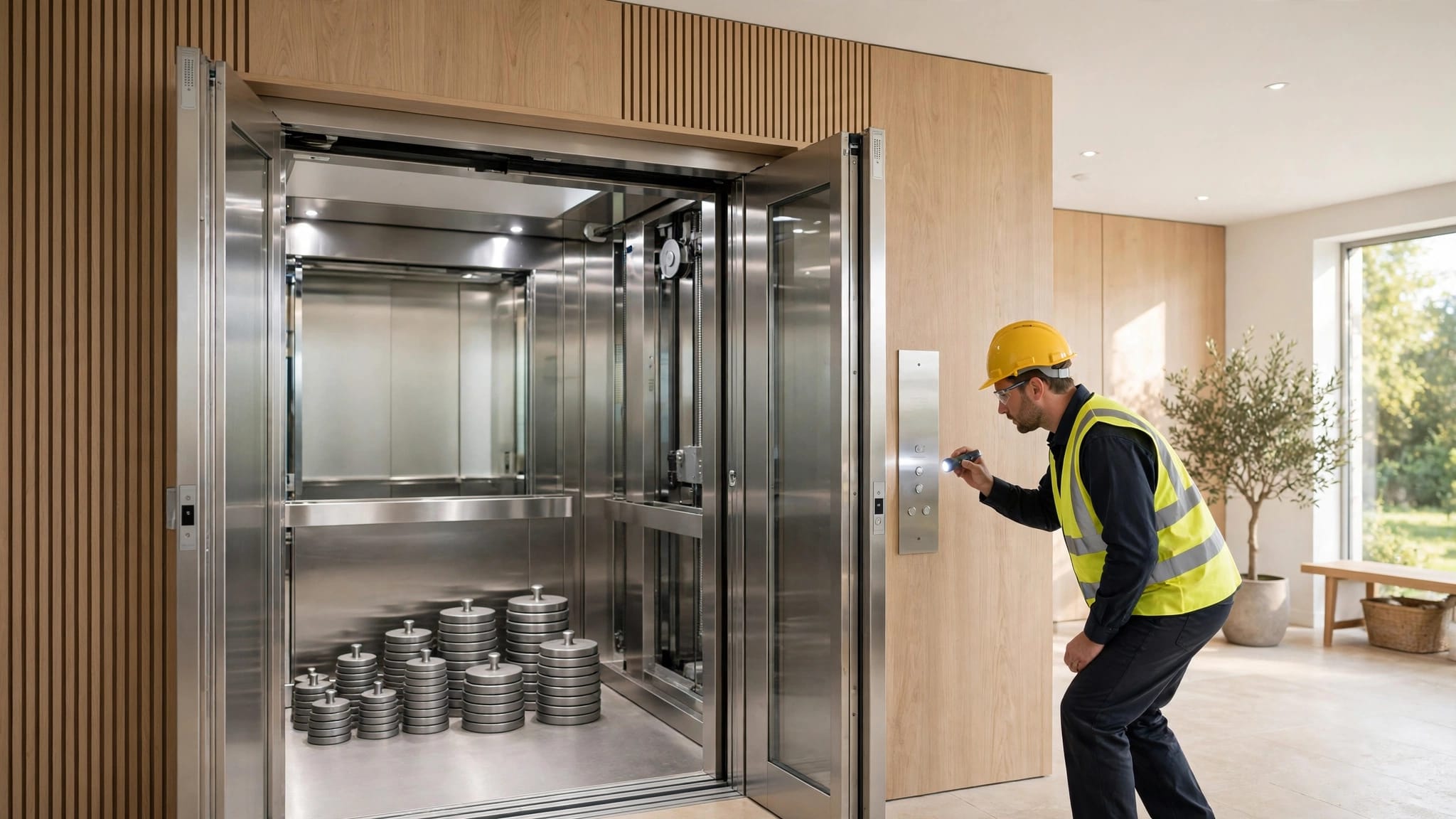
Routine service may include cleaning, lubrication, inspections, adjustment, and replacement of parts that reach the end of their useful life. Depending on the system, owners may also need regular attention to cables, rollers, brakes, gates, controls, electrical connections, and drainage around the shaft.
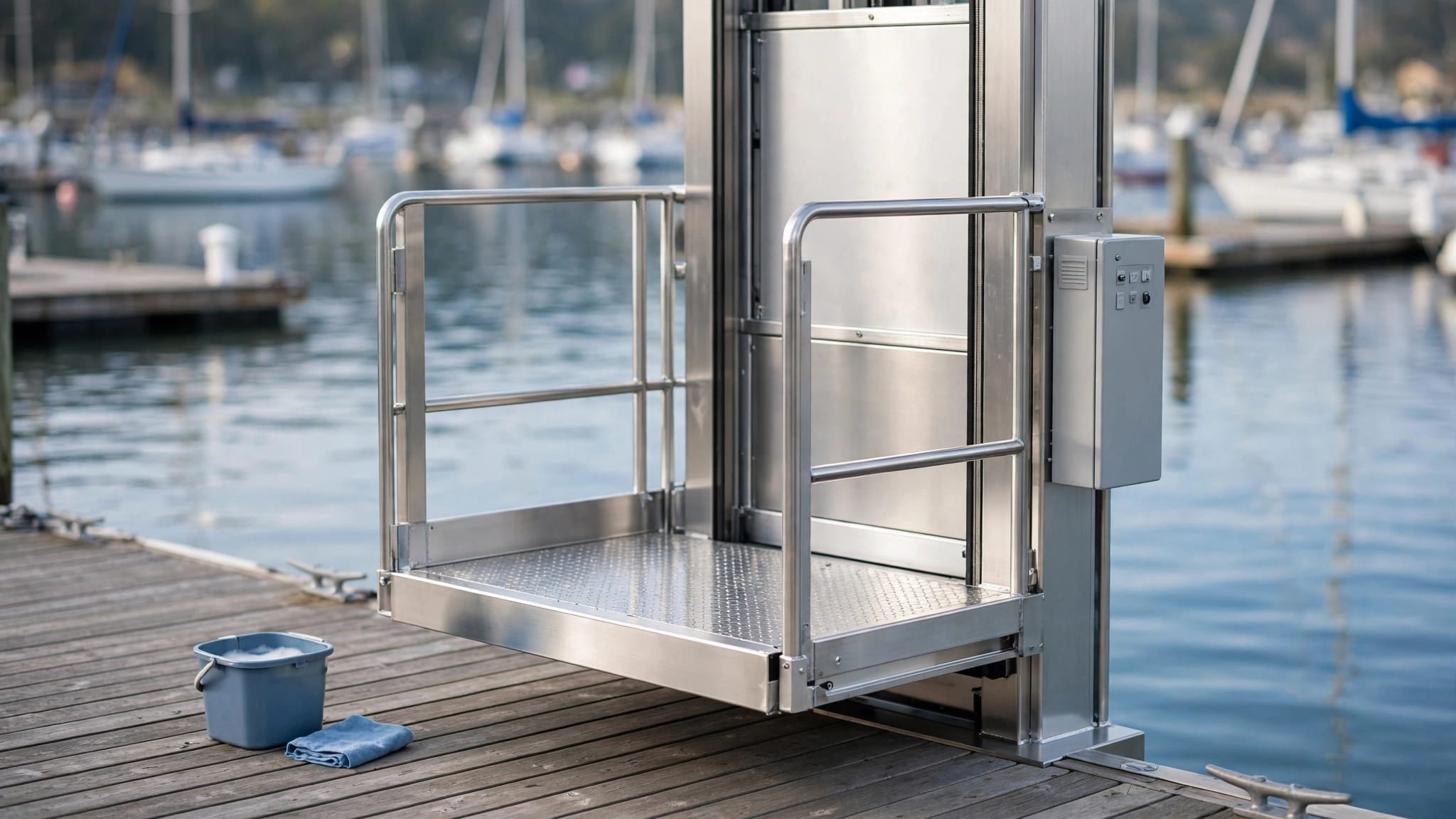
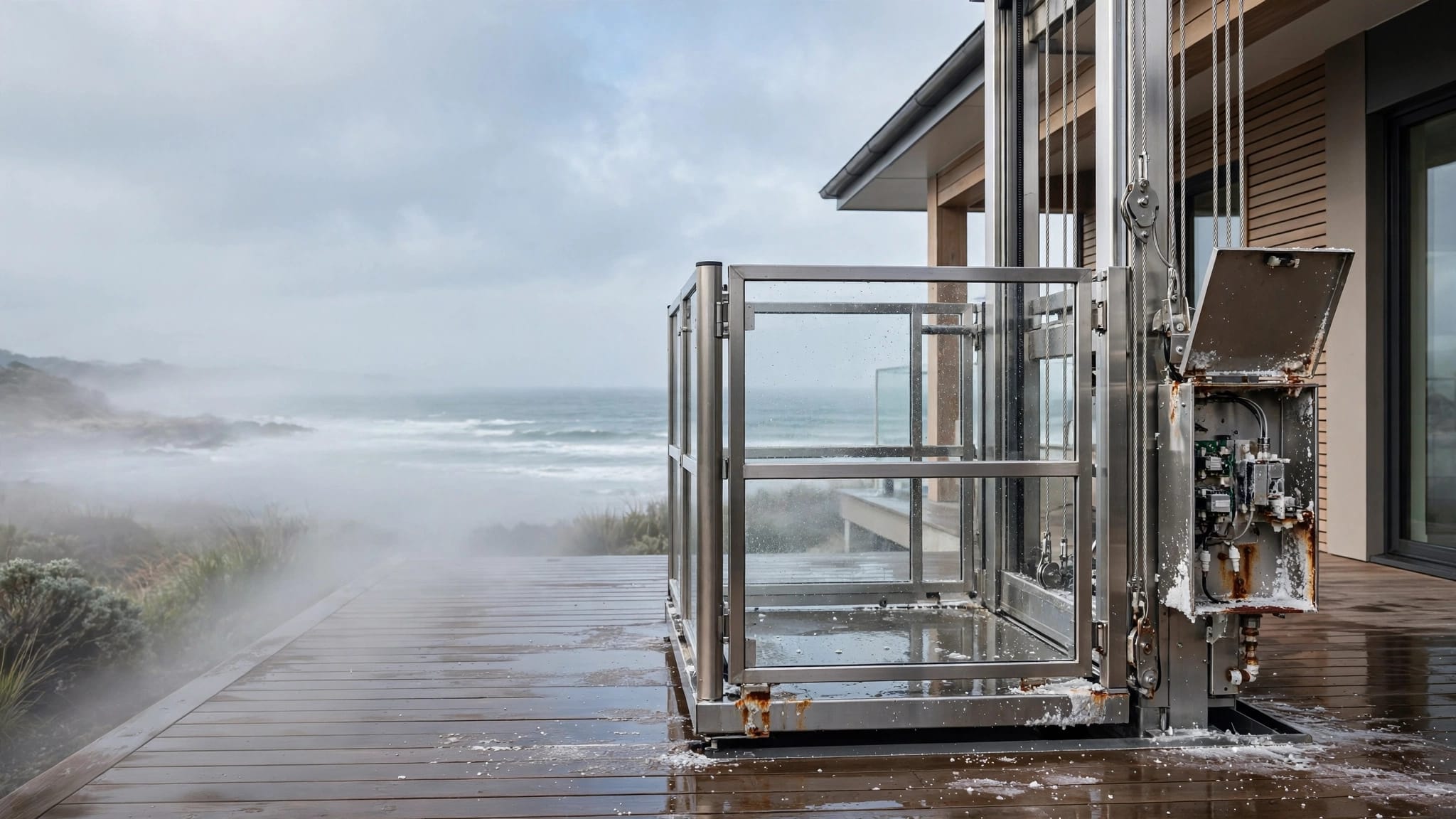
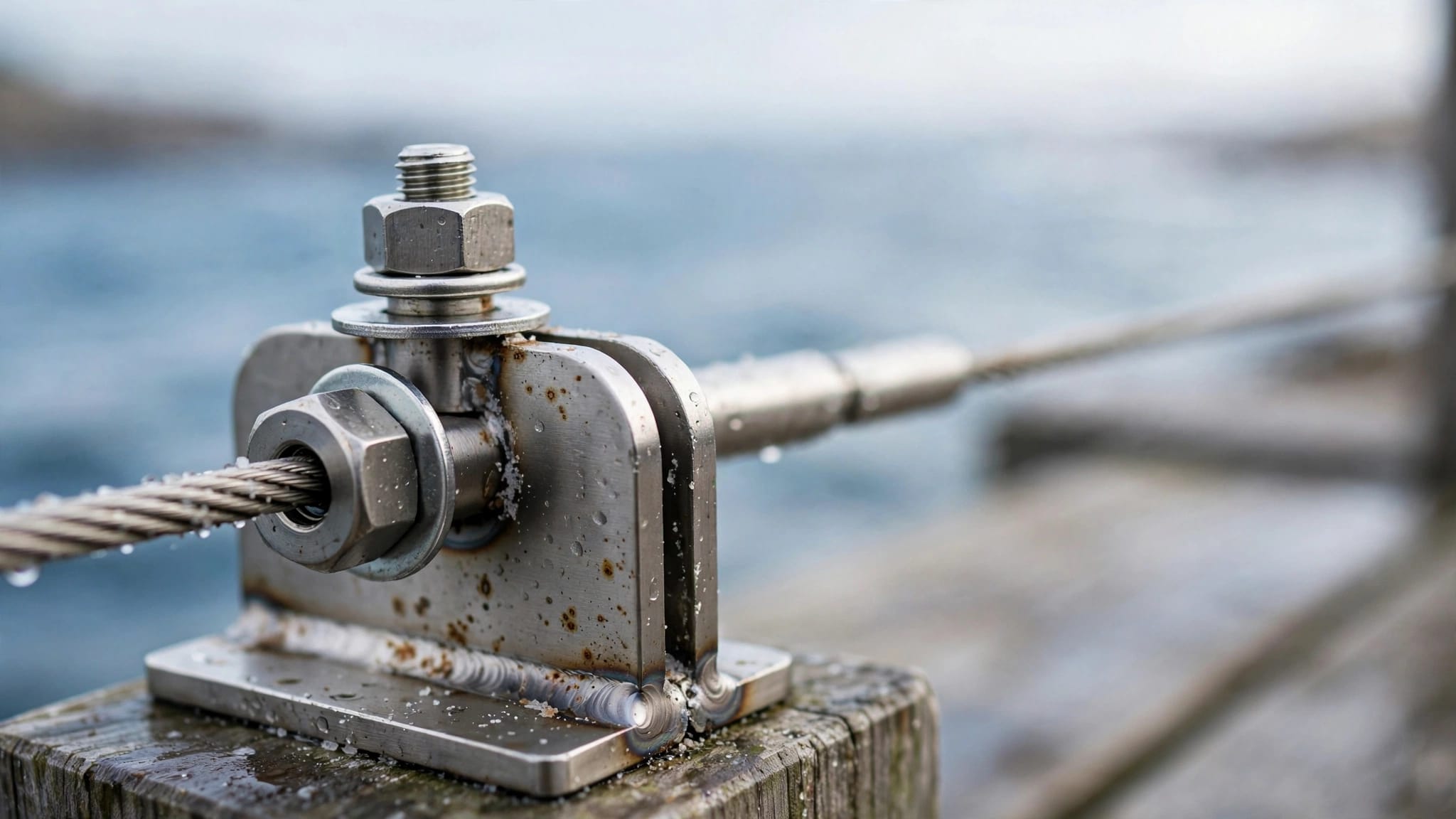
Salt air creates extra maintenance demands. Corrosion, mineral deposits, sand, moisture intrusion, and ultraviolet exposure can affect outdoor equipment even when no single storm causes the problem. Marine-grade materials can help an installation handle coastal conditions, but they don't remove the need for inspections and care.
Common maintenance and wear costs
Owners generally need to budget for:
- Scheduled inspections required by the manufacturer or local authority.
- Cleaning salt and sand from exposed surfaces and moving components.
- Lubrication or adjustment of approved mechanical parts.
- Replacement of worn cables, rollers, seals, switches, or batteries.
- Repairs caused by neglect, poor upkeep, gradual corrosion, or ordinary deterioration.
A policy may exclude wear and tear, rust, corrosion, mechanical breakdown, and inadequate maintenance. Exact wording varies, so don't assume that a failed motor or corroded cable qualifies as a covered loss.
Equipment breakdown coverage may provide a separate option for certain sudden mechanical or electrical failures. It can have its own deductible, exclusions, sublimits, and service requirements. Ask whether it applies to outdoor elevators and which components it includes.
A storm-damaged control panel and a control panel that failed after years of deterioration may receive very different claim treatment.
Keep service invoices, inspection reports, repair records, and photographs. They can help establish the lift's condition before a loss and show that you followed the manufacturer's maintenance instructions.
Storm, wind, flood, and power outage coverage
Coastal claims often involve more than one source of damage. Wind, wind-driven rain, storm surge, flooding, fallen trees, lightning, and extended power loss may fall under different sections of your insurance program.
A standard homeowners policy often excludes flood, which can include rising water from storm surge. Separate flood insurance may be needed, but its treatment of outdoor equipment depends on the policy, location, elevation, and applicable limits. Ask whether the lift's platform, motor, controls, wiring, and supporting structure qualify for coverage.
Wind and hurricane coverage also require careful review. Some coastal policies use a named-storm or hurricane deductible instead of the standard all-peril deductible. A lift damaged during a hurricane could therefore produce a larger out-of-pocket cost than expected.
Power outages create another gray area. A policy may exclude damage caused by utility interruption, while a covered lightning event or electrical surge could receive different treatment. Battery backup systems, generators, and surge protection may reduce operational problems, but they don't change the policy's exclusions.
Before severe weather arrives, follow the manufacturer's shutdown instructions. Secure the platform and gates, remove loose items, disconnect power only when directed, and keep people away from the lift during unsafe conditions. After the storm, don't operate a visibly damaged system until a qualified technician inspects it.
Document damage from a safe location. Take wide photographs of the home and lift, then capture close views of broken gates, bent rails, damaged cables, water intrusion, and electrical components. Save emergency repair receipts and notify the insurer promptly.
Liability coverage for passengers and guests
Property coverage addresses damage to the lift. Liability coverage addresses claims that someone was injured or their property was damaged because of an incident connected to your property.
Passenger use deserves extra attention. A cargo lift may not be designed or approved for people, while a passenger-compliant model includes different controls, enclosures, access points, and safety systems. If family members, guests, renters, or employees will ride the lift, tell your insurance professional before relying on personal liability coverage.
Some insurers may ask for installation permits, inspection records, maintenance logs, safety gates, braking systems, or other documentation. Those requests don't automatically mean a claim will be denied, but missing records can complicate an investigation.
The use of the property also changes the risk. A private family residence, vacation rental, long-term rental, and commercial property may require different policies or endorsements. Short-term guests could fall under separate rental exclusions or conditions. If you rent the beach house, discuss the lift with the insurer that writes the rental policy.
A personal umbrella policy may provide additional liability limits, but it doesn't replace the underlying home policy or fix an excluded use. Confirm that the underlying policy recognizes the elevator and that the umbrella doesn't exclude the same activity.
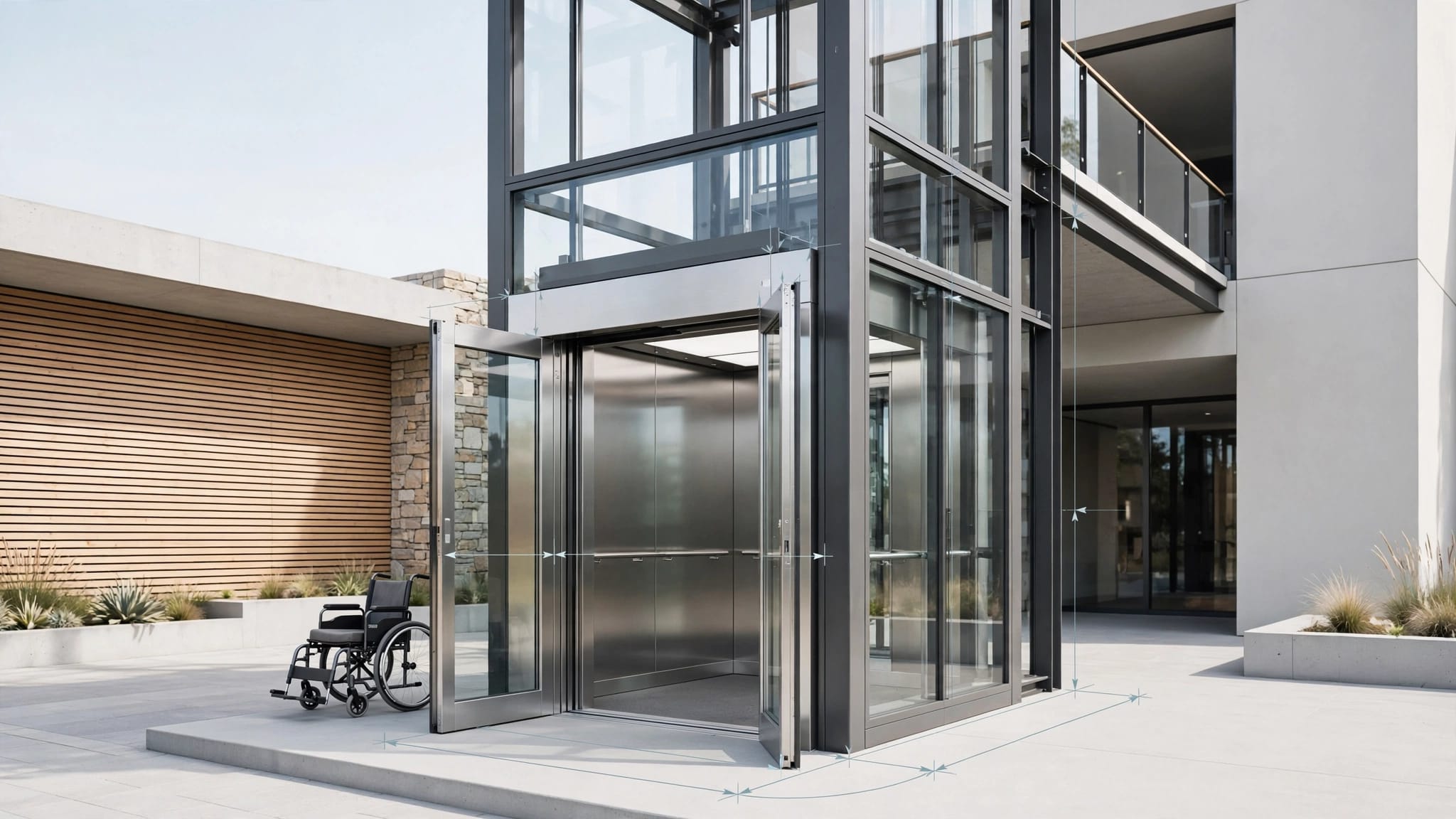
For passenger installations, review passenger-compliant elevators with the system's intended use in mind. The equipment description, approval status, and operating rules should match what happens at your property.
How to review your policy before a loss
A policy review should produce clear answers, not a vague assumption that the elevator is covered. Ask your licensed insurance professional to review the declarations page, endorsements, exclusions, and conditions alongside the installation documents.
Bring the following information:
- The lift type, manufacturer, model, capacity, and intended use.
- The purchase invoice and current replacement estimate.
- The installation location, attachment points, and supporting structure.
- Permits, inspection records, and maintenance history.
- Photos showing the lift and its connection to the house.
- Details about rentals, guests, employees, or commercial activity.
- The coastal perils that concern you, including wind, flood, surge, and corrosion.
Ask whether the elevator is included as part of the dwelling, another structure, scheduled equipment, or a separate endorsement. Then ask whether the policy covers sudden damage to the motor, controls, cables, platform, shaft, gates, and electrical components.
Also confirm these details:
- Which deductible applies to wind, hurricanes, flood, and equipment breakdown?
- Does the policy pay replacement cost or actual cash value?
- Are corrosion, rust, mechanical failure, and power interruption excluded?
- Does ordinance or law coverage help with required code upgrades after a loss?
- Does liability coverage allow passenger use, rental use, and commercial use?
- Are temporary repairs, debris removal, and emergency service subject to separate limits?
Update the insurer when you add a lift, change from cargo-only use to passenger use, enclose the system, rent the property, or make structural changes. Keep a copy of the policy and endorsement forms with your service records. Coverage depends on the contract in force when the damage occurs, not on a general description of what homeowners insurance often covers.
Conclusion
An outdoor elevator can be a major asset for a raised or multi-story beach home, but it needs to appear accurately in your insurance records. Beach house insurance may address covered physical damage or liability, while routine maintenance, gradual corrosion, and worn components usually require an owner-paid budget.
Describe the lift honestly, match the coverage to its construction and use, and review coastal exclusions before the next storm. A conversation with a licensed insurance professional can clarify whether your current policy protects the structure, equipment, and people who use it.
Recent Posts