Hydraulic vs. Electric Outdoor Home Lifts by the Coast

Share this article

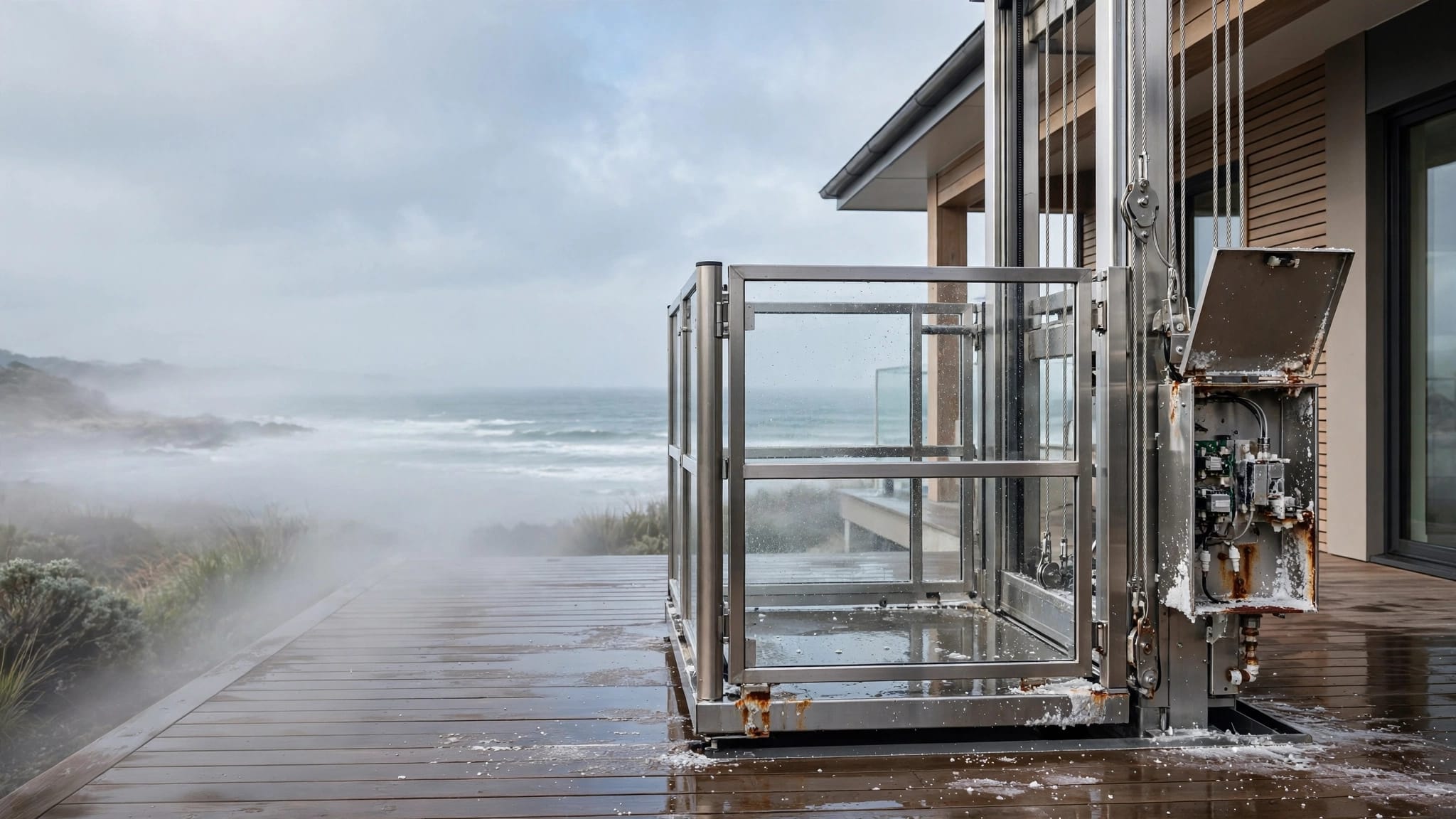
Salt air can damage lift components long before rust becomes visible. Outdoor home lifts also face humidity, wind-driven rain, storm debris, floodwater, and power interruptions that rarely affect an indoor installation.

For coastal homeowners, the choice between hydraulic and electric systems depends on more than ride quality or energy use. The enclosure, drainage, electrical protection, materials, intended load, and storm plan all affect long-term performance. Start with the coastal conditions, then compare the lifting systems.

Why Coastal Exposure Changes the Lift Decision

A lift beside the ocean operates in a harsh environment every day. Salt deposits collect on rails, fasteners, gates, cables, hinges, and electrical connections. High humidity can also create condensation inside cabinets or protected spaces when temperature changes quickly.

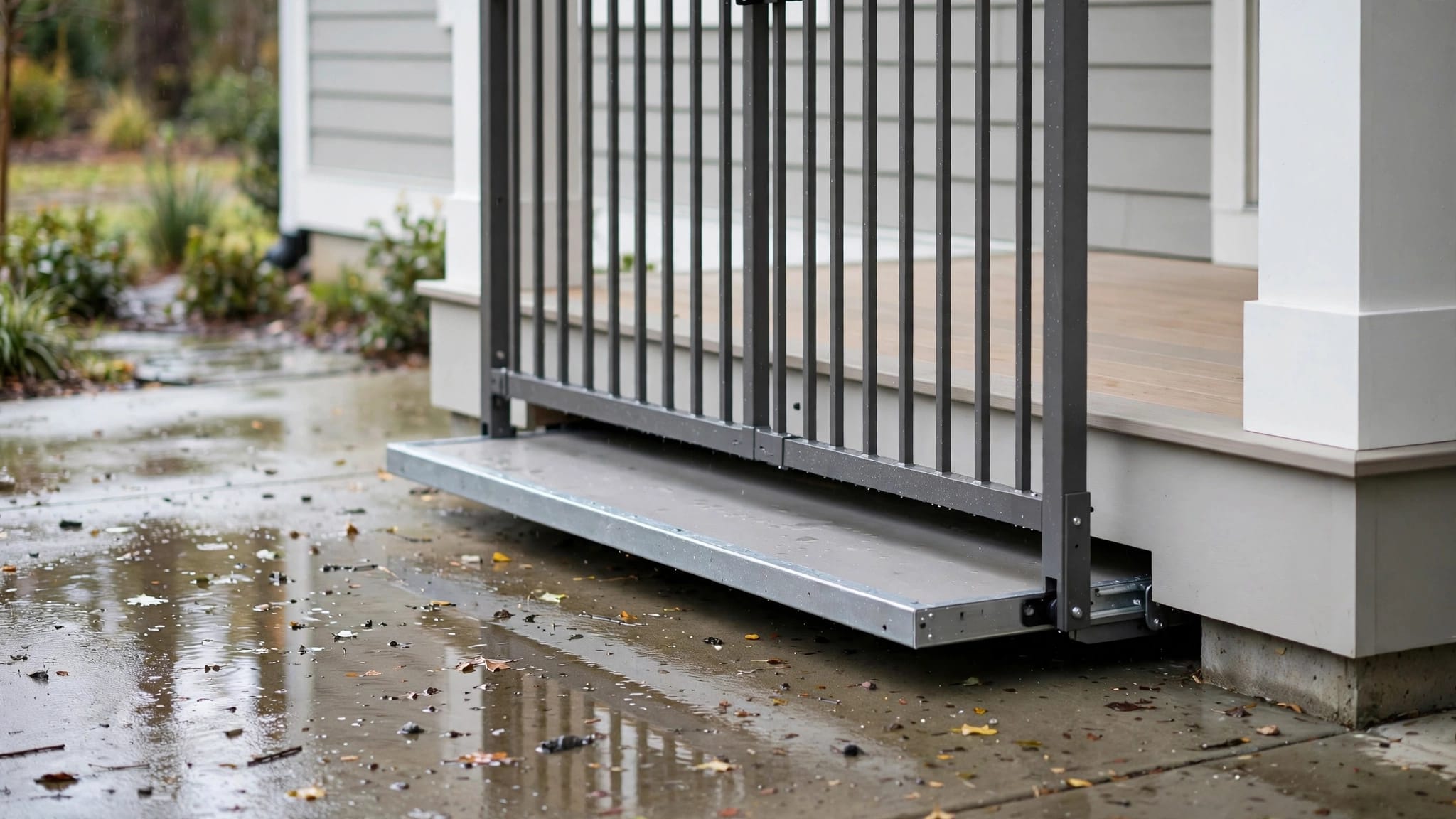
Wind-driven rain creates another problem. Water can enter through gaps that ordinary weather sealing might handle inland. A properly designed installation needs protected controls, sealed access points, sloped surfaces, and drainage that moves water away from the lift structure.

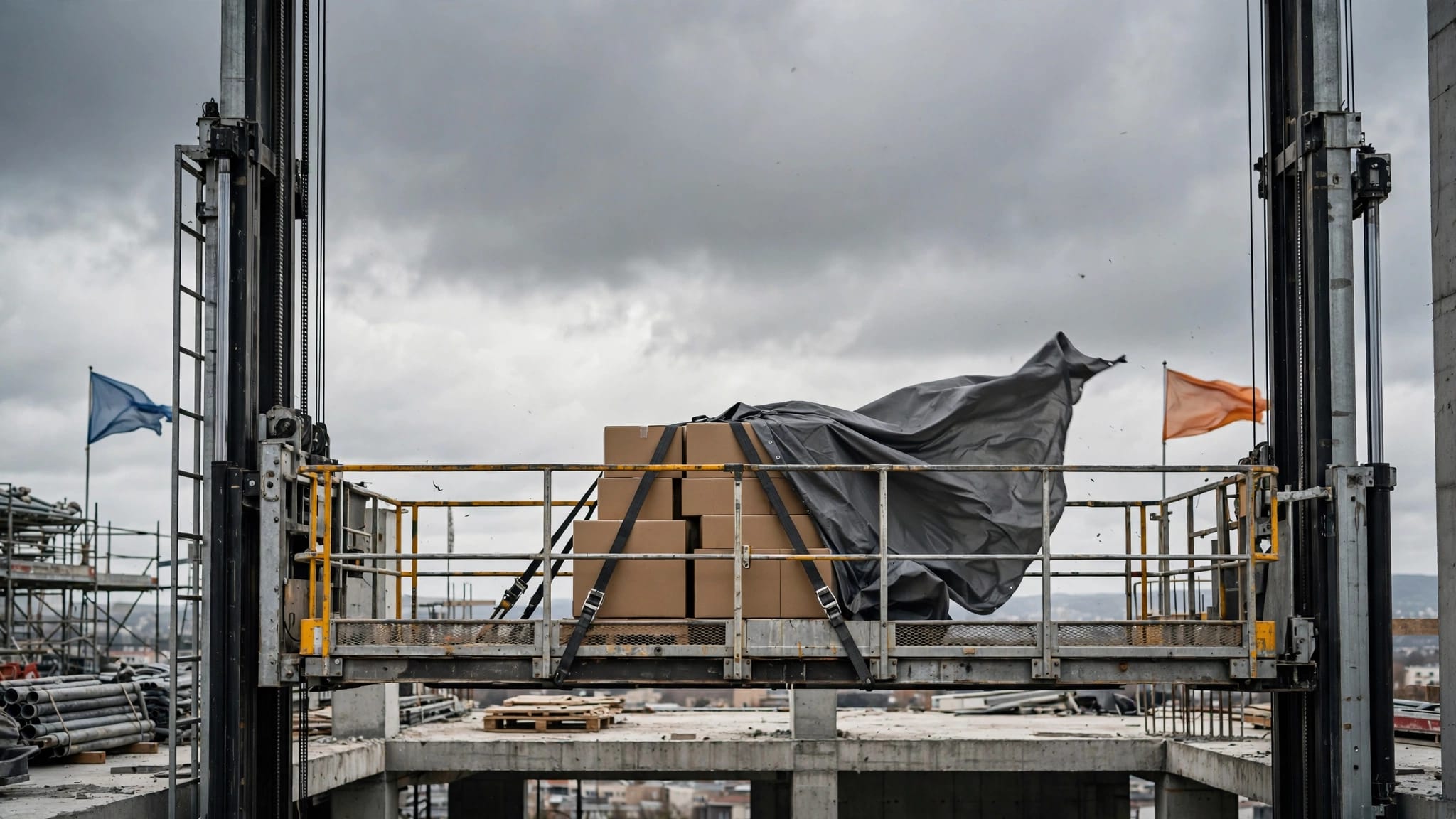
Storm exposure deserves separate planning. Strong wind can place heavy loads on the shaft, gates, anchors, and surrounding structure. Floodwater can damage motors, cylinders, wiring, controls, and pit equipment. A lift that looks intact after a storm may still have hidden electrical or corrosion damage.

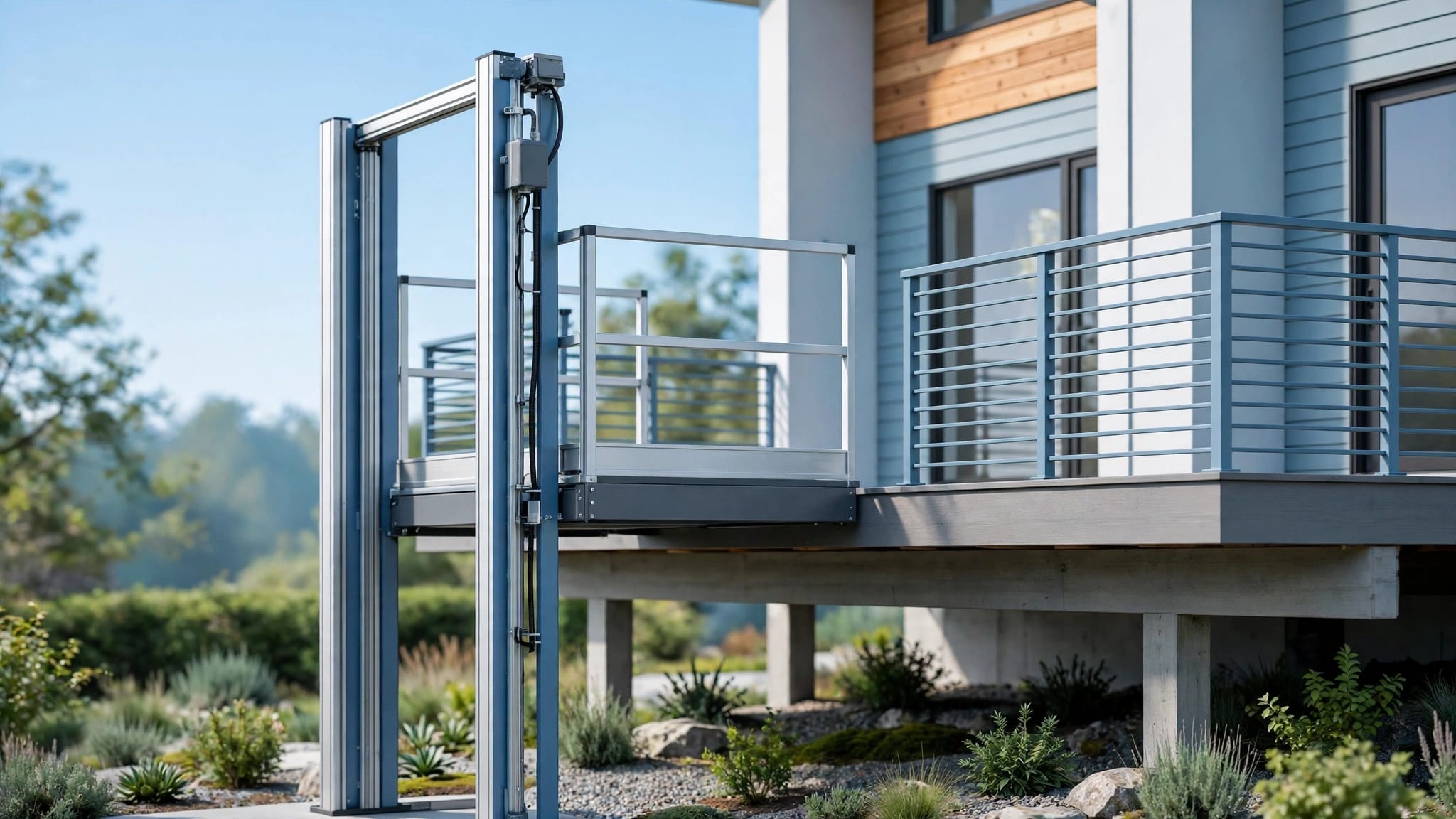
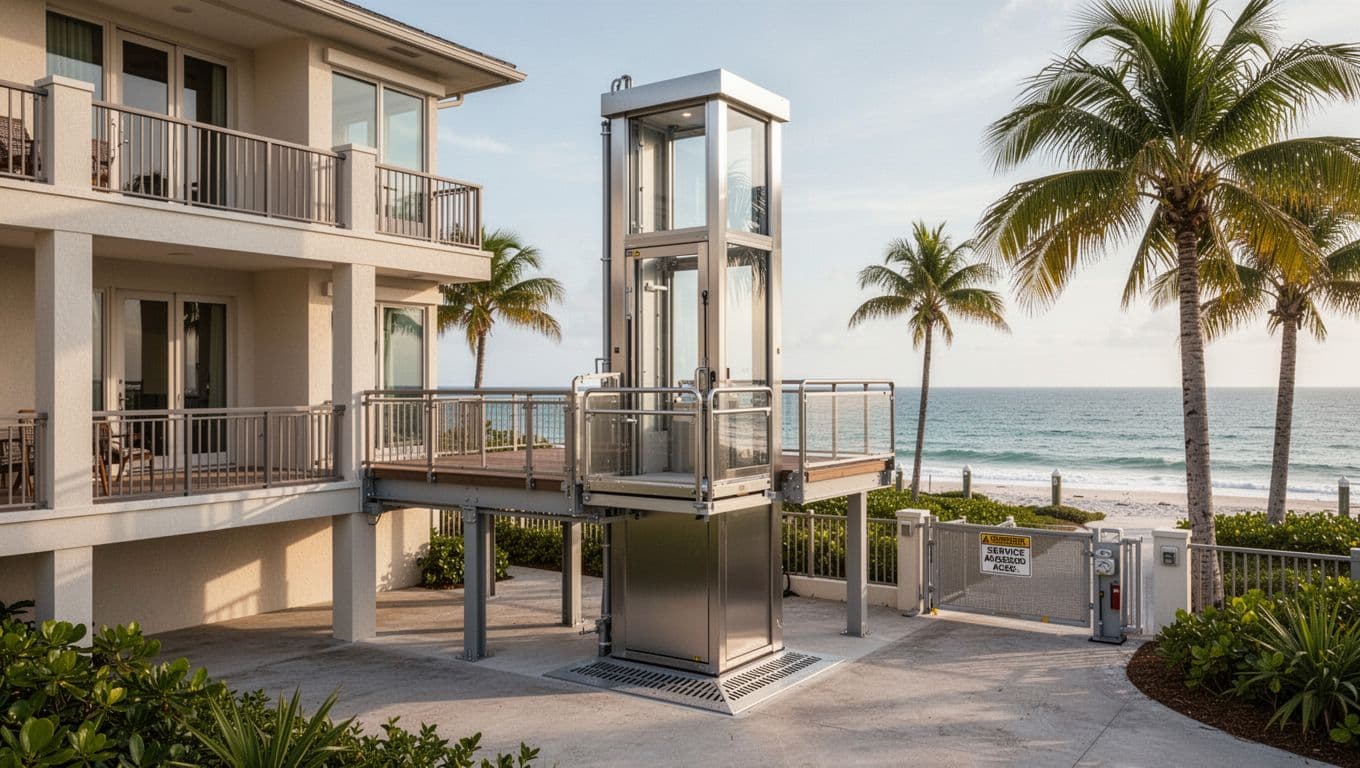
Homeowners planning a new installation should review planning an exterior lift for a beach house before construction begins. Placement affects the foundation, deck framing, service access, drainage, and electrical route.

A coastal lift needs a weather-protected installation, not simply an indoor lift placed outside.

The equipment must match the exposure rating. Some residential elevator systems require an enclosed hoistway and should not face direct weather. Others are designed for exterior use with appropriate finishes, covers, drainage, and structural protection. Product specifications determine which approach is acceptable.

Comparing hydraulic and electric outdoor home lifts

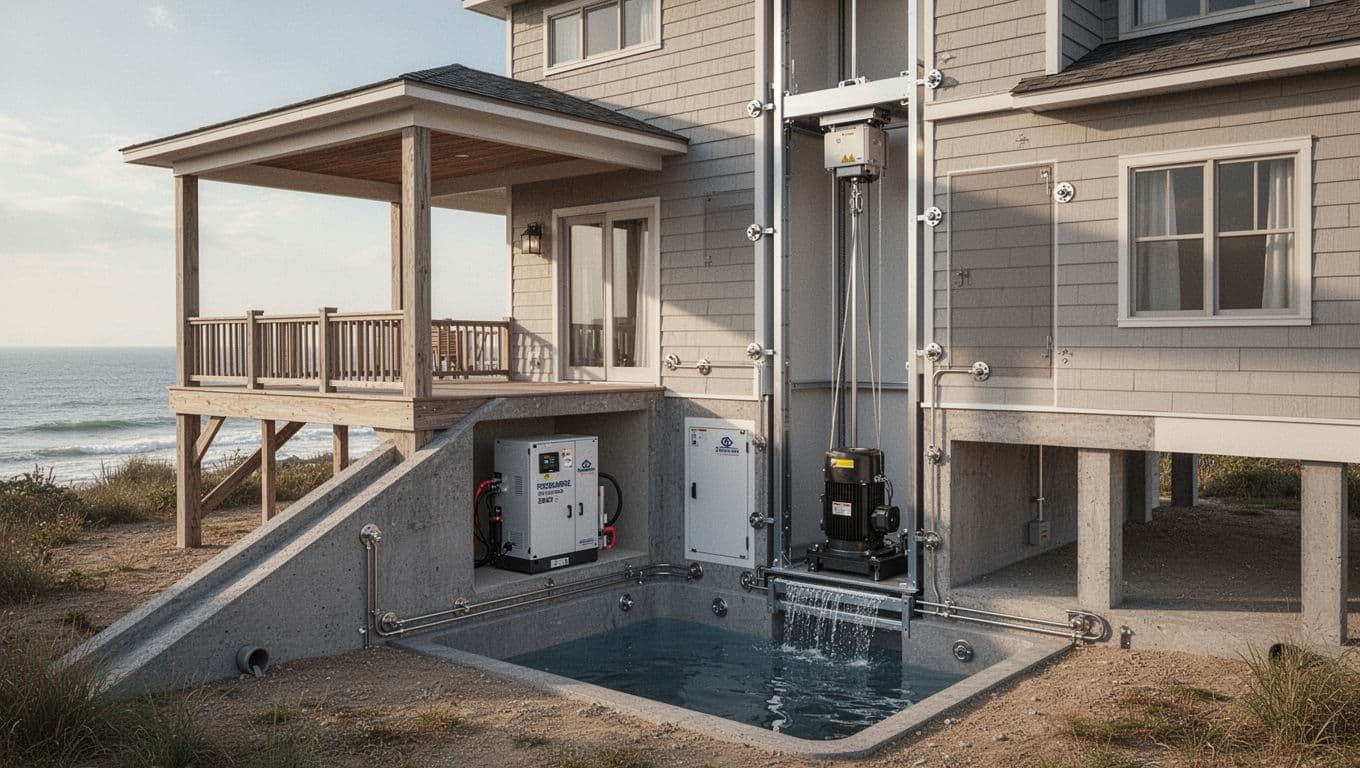
Hydraulic lifts use a pump to pressurize fluid and move a cylinder. The cylinder raises the car or platform, while controlled valves manage the descent. The system usually requires space for hydraulic equipment, and the pit or cylinder area needs careful water management.

Electric traction lifts use a motor, sheave, and steel ropes or belts to raise and lower the car. Gearless traction systems connect the motor directly to the sheave and don't use hydraulic or gear oil. Other electric lifts may use screws, chains, or different drive arrangements, so "electric" describes a broad category.

The difference affects the equipment that needs protection. A hydraulic installation must protect the pump, reservoir, fluid, hoses, seals, fittings, and valves. An electric traction installation avoids hydraulic fluid, but it still has ropes, rails, brakes, motor components, controls, and batteries that can corrode.

Traction systems often provide higher speed and precise starts and stops. Hydraulic systems may offer a familiar ride but can produce pump noise during operation. Actual ride comfort and sound depend on the controller, enclosure, installation, and maintenance.

Energy use also varies. Under similar operating conditions, electric traction systems generally use less electricity than hydraulic systems. TK Elevator has published an example of a hydraulic lift using up to 4,000 kilowatt-hours per year in a three-story building. That figure is an example, not a prediction for every home. Usage, travel height, load, duty cycle, motor size, and controls all affect consumption.

Some electric systems include emergency battery lowering. That feature can move the lift to a landing during a power outage, but it's not universal. A hydraulic system may require a different rescue procedure, backup power arrangement, or manual service response. Ask for the exact outage sequence before choosing a system.

The Main Coastal Risks of Each System

Hydraulic equipment needs careful fluid and pit protection

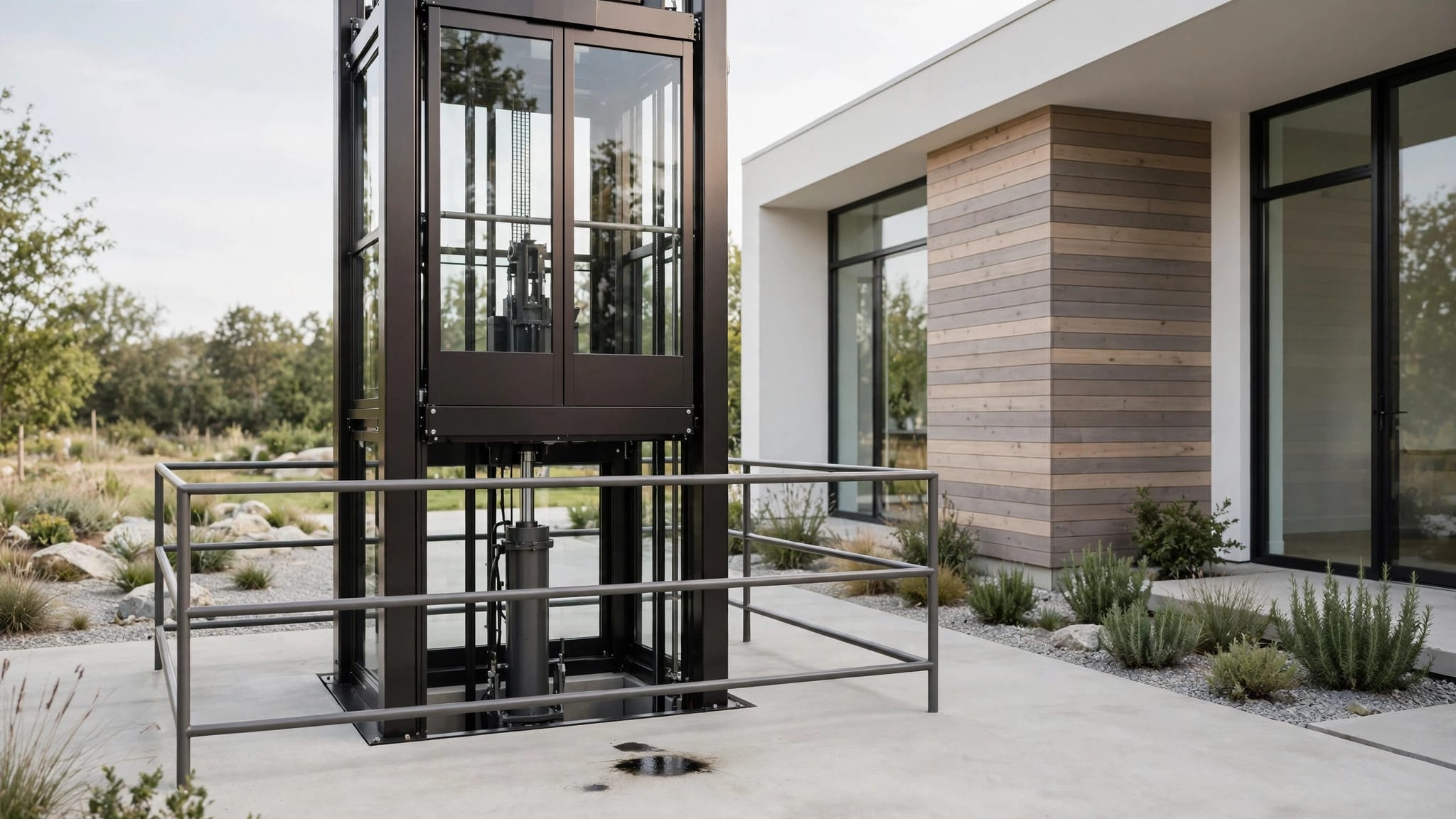
Hydraulic equipment introduces fluid, seals, hoses, and valves into the maintenance plan. Salt air can corrode fittings and support hardware, while moisture around a pit can affect cylinders and other metal parts. A leak can also create a service problem that isn't solved by cleaning surface rust.

The power unit needs a dry, ventilated, accessible location that stays within the manufacturer's environmental limits. If the equipment sits near grade, the design should account for runoff, flood exposure, and water entering through doors or service openings.

Hydraulic systems aren't automatically unsuitable for coastal homes. They can work well when the cylinder, power unit, pit, enclosure, finishes, and drainage all match the site. The trade-off is a larger fluid-related maintenance burden.

Electric systems remove oil, but corrosion remains

A gearless electric system avoids hydraulic oil and its related leak concerns. That can simplify some maintenance tasks, especially where a separate hydraulic cabinet or reservoir would face moisture exposure.

However, the system still relies on metal ropes, rails, brakes, fasteners, and electrical equipment. Salt deposits can affect these parts, especially when the lift remains exposed between uses. Ropes need inspection, and corrosion on a load-bearing or braking component requires professional attention.

Removing hydraulic fluid reduces one coastal risk. It doesn't make an electric lift corrosion-proof.

The best choice depends on which equipment can receive better protection at your property. A well-enclosed hydraulic system may be a better fit than a poorly protected electric system, and the reverse can also be true.

Waterproofing, Drainage, and Electrical Protection

Keep water away from the pit and equipment

Water management should appear in the design drawings, not as an afterthought. The lift may need a waterproof pit, a sump or approved drainage method, water-resistant construction joints, and a finished grade that directs runoff away from the shaft.

An Inclinator LX planning guide, for example, specifies a waterproof pit and gives environmental requirements of 40 to 100 degrees Fahrenheit for the hoistway. It also states that the hoistway should not be exposed directly to the elements. These are product-specific requirements, not universal dimensions for every lift.

Coastal sites may also need flood-zone review, elevated equipment, protective barriers, and structural anchorage. The lift manufacturer, builder, architect, and engineer should coordinate these details before installation.

Protect power, controls, and outage operation

Electrical protection needs to match the local electrical rules and the equipment design. A qualified electrician should address grounding, disconnects, overcurrent protection, surge protection, wiring routes, and cabinet placement. Components should stay above likely water levels where the site conditions require it.

Power interruptions deserve a written procedure. Ask whether the lift has battery lowering, whether the batteries are accessible and replaceable, how long the feature operates, and whether a generator or other backup source is compatible. Also confirm what happens if the lift stops between landings.

Before a storm, follow the manufacturer's shutdown instructions. Remove nearby loose objects, secure gates and covers as directed, and keep water away from controls. Don't use the lift after flooding, saltwater intrusion, lightning damage, or visible structural impact until a qualified technician inspects it. The guidance on hurricane preparation for outdoor home lifts can help organize that preparation.

Choose the Lift Category Before the Drive Type

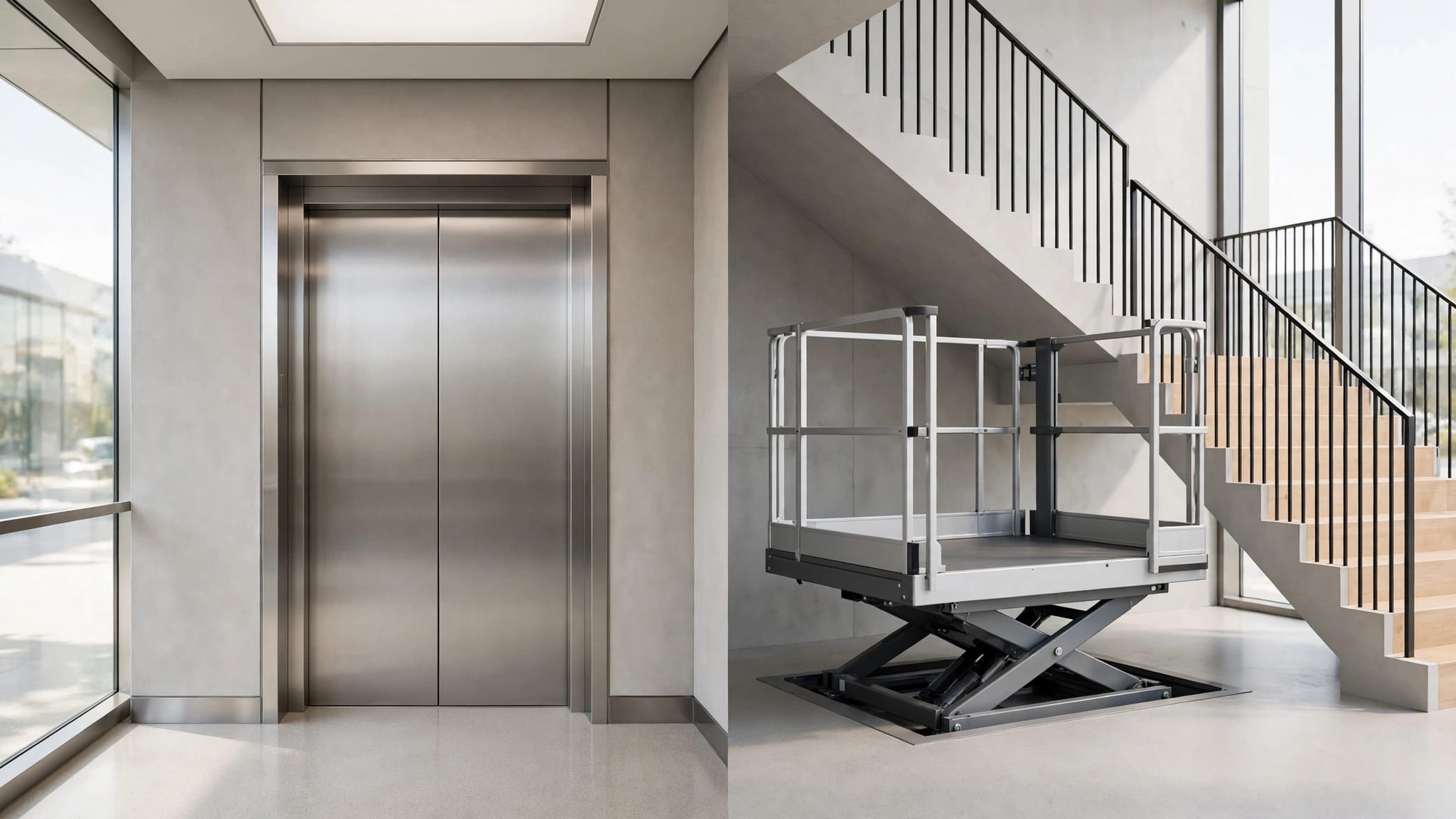
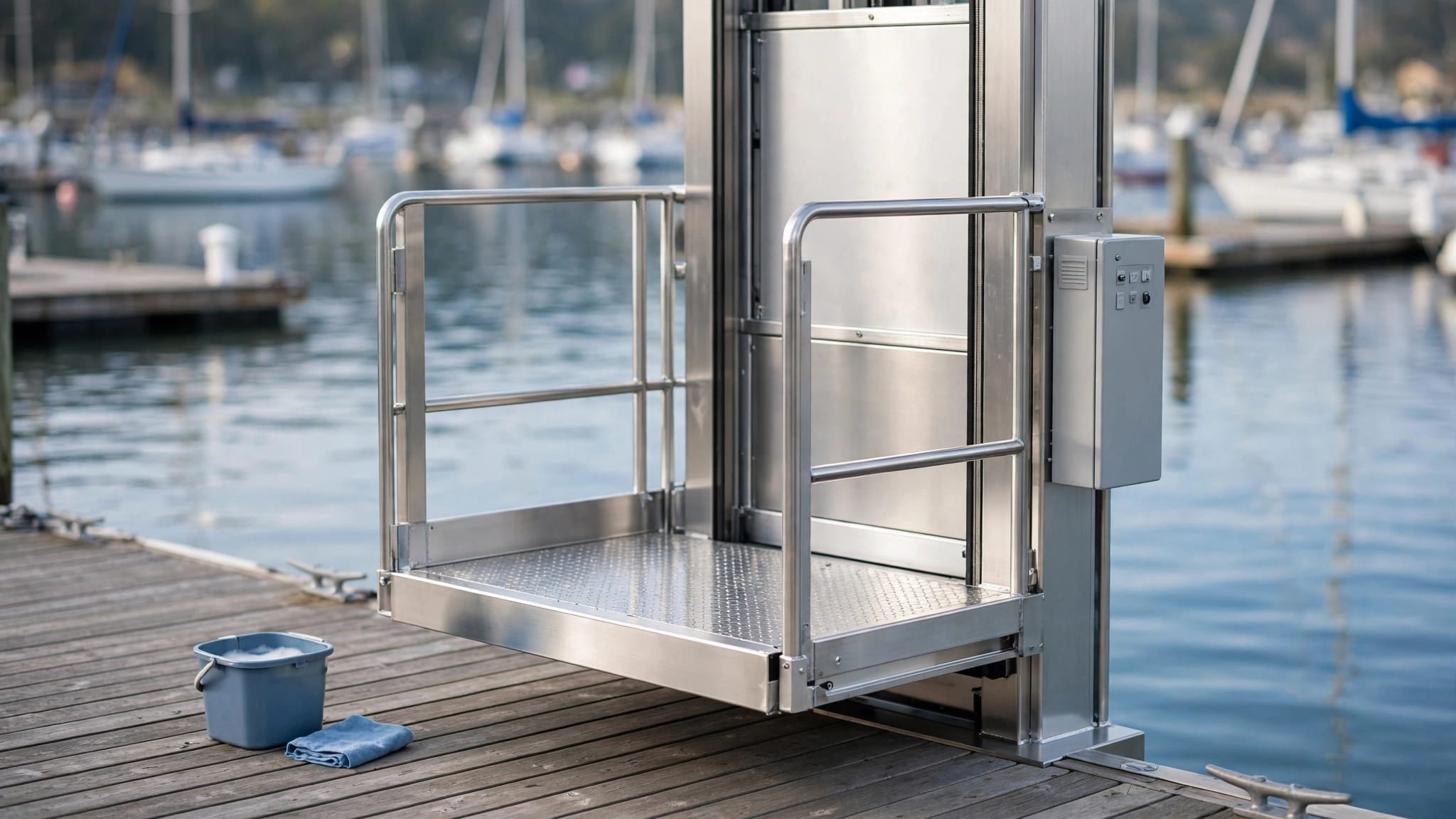
The drive system is only one part of the decision. First determine whether the property needs a cargo lift, a passenger-compliant elevator, or a vertical platform lift.

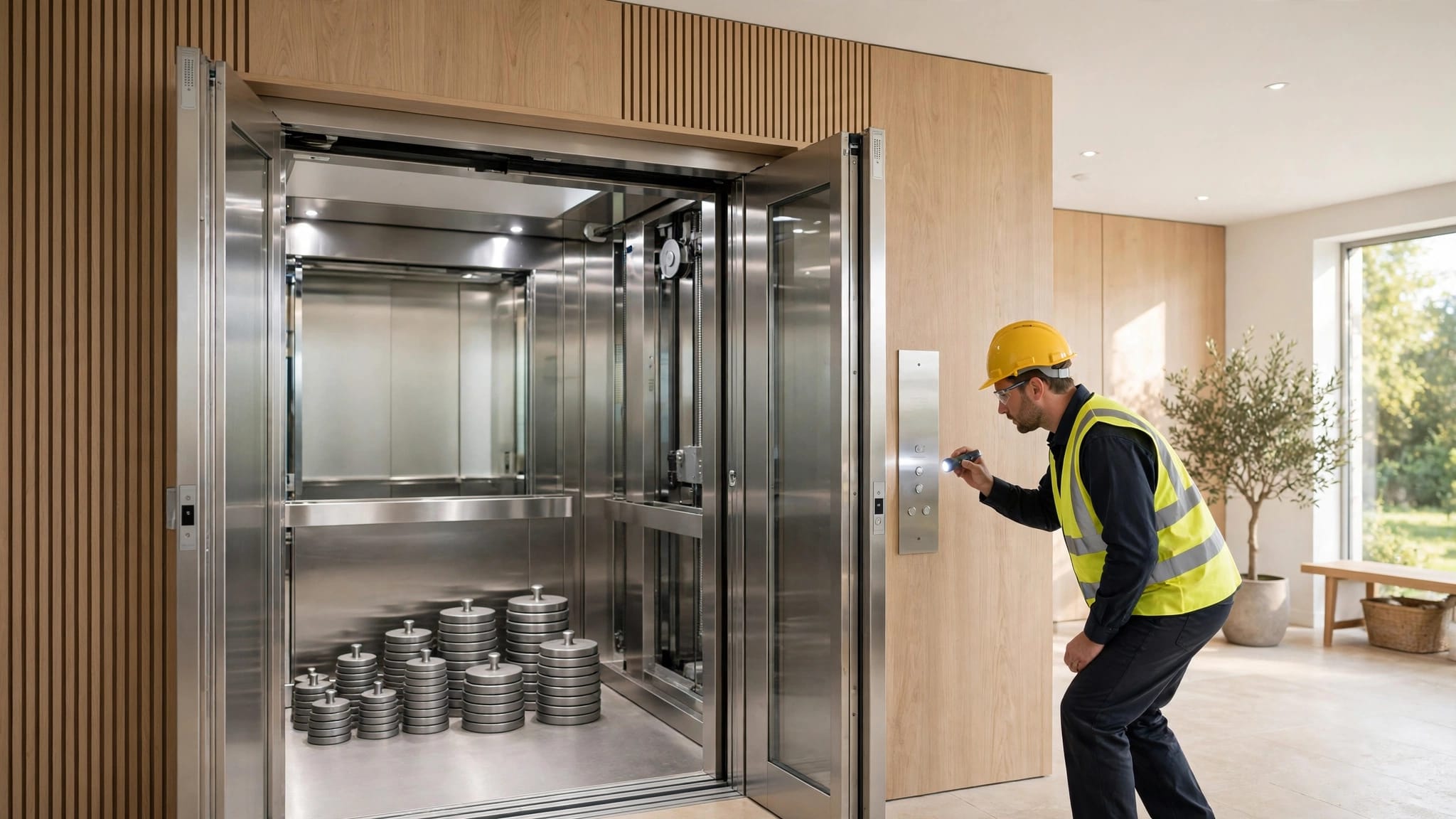
A cargo lift can move groceries, luggage, tools, coolers, beach equipment, and building supplies between levels. It may have a capacity in the 750 to 1,000 pound range, but the rated load, controls, guarding, and permitted use vary by model. A cargo lift shouldn't carry people unless it was designed and approved for occupied transport.

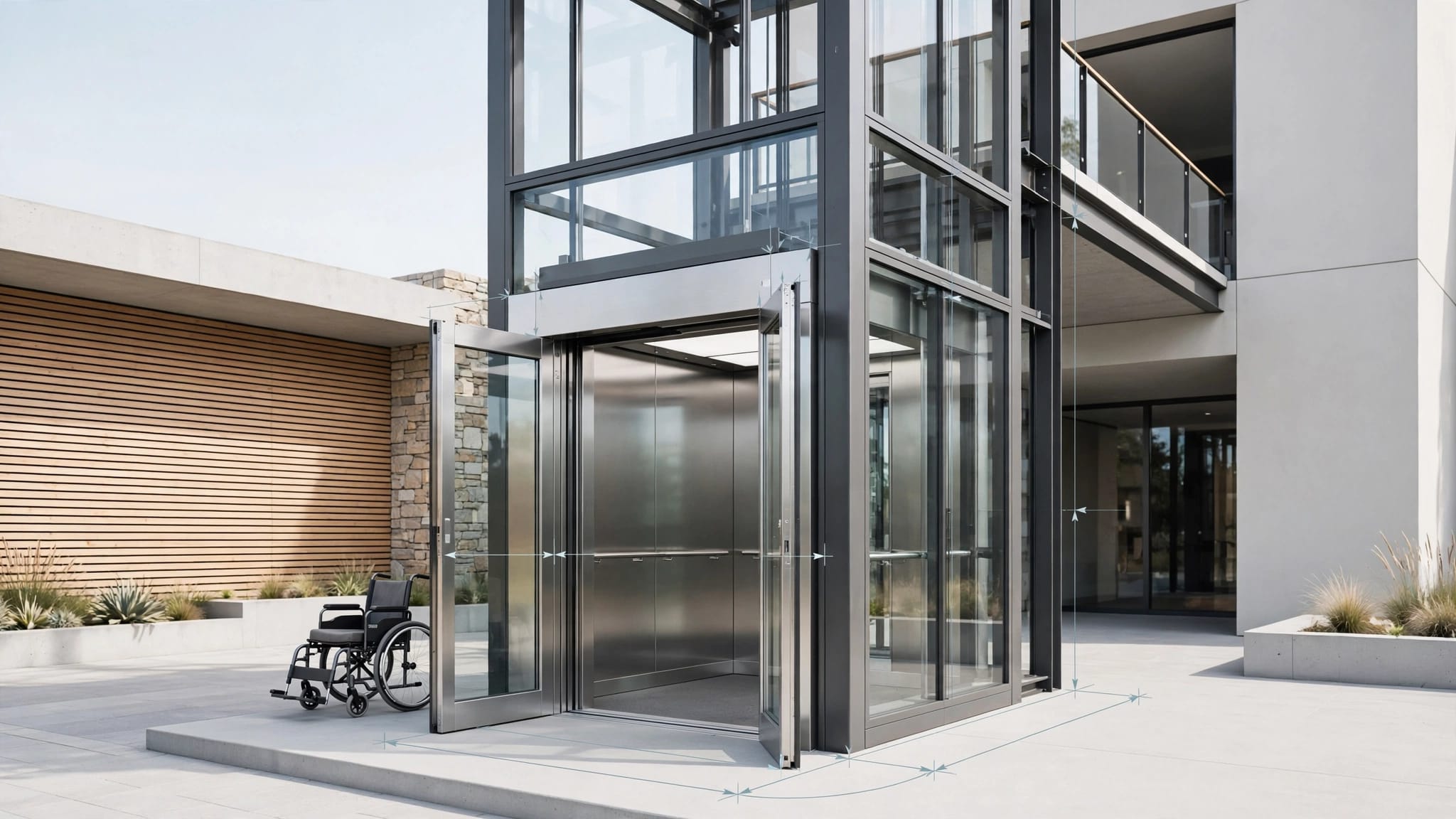
A passenger elevator has different requirements for the car, doors, gates, interlocks, controls, emergency communication, and stopping systems. A vertical platform lift carries a wheelchair user and, where permitted, an attendant on an open or enclosed platform. It follows a different equipment category from a conventional elevator.

Review cargo lift versus passenger elevator before comparing hydraulic and electric options. The right system must handle the people or materials involved, the travel height, the weather exposure, and the available service space.

For a coastal home, ask these questions during design:

  • Is the equipment rated for exterior exposure, or does it need a fully enclosed hoistway?
  • Which parts use corrosion-resistant finishes, coatings, and fasteners?
  • Where will water drain if heavy rain enters the shaft area?
  • What happens during a utility outage or storm shutdown?
  • Can a technician reach the motor, pump, controls, batteries, and ropes safely?
  • Is the lift category correct for passengers, wheelchair access, or cargo?

Maintenance Intervals for Coastal Outdoor Home Lifts

A coastal maintenance plan should include routine visual checks and scheduled professional service. Many homeowners start with a monthly walk-around, although the manufacturer's instructions control the actual interval.

Look for salt buildup, coating damage, rust, loose fasteners, standing water, blocked drains, damaged seals, unusual sounds, slow movement, and gates that don't close or latch normally. Don't lubricate, adjust, or open safety components unless the instructions allow it.

Professional service should cover the parts tied to the drive system. Hydraulic units need checks of fluid condition, hoses, seals, fittings, valves, and the pump. Electric systems need inspection of ropes or belts, rails, brakes, motor components, controls, and battery systems.

The service interval may be annual, semiannual, or more frequent, depending on use, exposure, storm history, and the manufacturer's schedule. A vacant beach house may need a caretaker or service provider to check the lift during periods of nonuse. Salt air continues to affect equipment even when nobody is riding it.

After a hurricane, tropical storm, surge event, or nearby lightning strike, stop operation until the lift receives a post-storm inspection. Use this coastal outdoor lift maintenance checklist to organize routine checks, but rely on a qualified technician for repairs and safety testing.

Confirm Local Requirements Before Ordering

Building, electrical, accessibility, elevator, and emergency requirements vary by state, county, city, flood zone, and installation type. The authority having jurisdiction may apply different rules to a residential elevator, cargo lift, or vertical platform lift.

ASME A17.1 is commonly associated with elevators, while ASME A18.1 often applies to platform lifts and stairway lifts. The adopted code edition, local amendments, wind requirements, flood rules, and permit process still need verification for the property.

Review the Florida outdoor elevator code requirements if the home is in Florida, then confirm the details with the local building department and project professionals. Product drawings should also identify pit depth, overhead clearance, anchorage, electrical loads, environmental limits, and emergency operation.

Conclusion

Hydraulic and electric outdoor home lifts can both suit a coastal property when the installation matches the site. Hydraulic systems require close attention to fluid equipment, seals, hoses, and pit conditions. Electric traction systems avoid hydraulic oil but still need protection for ropes, rails, brakes, controls, and electrical components.

The strongest decision starts with exposure, intended use, drainage, outage operation, and service access. Choose the drive system only after the lift category and coastal installation requirements are clear.

Recent Posts

By Veranda 'Vator August 13, 2026
A machine room isn't automatically part of an outdoor elevator installation. Many exterior passenger elevators, cargo lifts, and vertical platform lifts place their drive equipment inside the shaft or in a protected cabinet nearby. An outdoor elevator machine room isn't automa...
By Veranda 'Vator August 12, 2026
An outdoor elevator can move groceries, luggage, tools, and people between floors, but it also adds a major piece of equipment to your coastal property. If a storm damages the lift or a guest gets hurt using it, the right policy details matter. Beach house insurance may cover...
By Veranda 'Vator August 11, 2026
Rain can turn an exterior elevator landing into a dangerous entry point within minutes. Snow, ice, salt spray, and tracked-in grit create added problems for anyone carrying groceries, pushing a wheelchair, or moving cargo. The right non-slip elevator surfaces help maintain tra...
By Veranda 'Vator August 10, 2026
When outdoor elevator error codes appear, the display is giving you a starting point, not a repair instruction. Weather, power quality, moisture, corrosion, and safety circuits can all trigger a shutdown. Property owners and facility managers need a clear response that protect...
By Veranda 'Vator August 9, 2026
Floodwater can turn a working outdoor lift into an electrical and mechanical hazard within minutes. A flooded outdoor lift may look clean after the water drains, but hidden damage can remain inside controls, wiring, brakes, and moving parts. If water has reached a cargo lift,...
By Veranda 'Vator August 8, 2026
An outdoor lift can stop because of a power failure, control fault, or weather-related problem. When that happens, exterior elevator emergency phones give occupants a direct way to contact help without relying on a personal cell phone. Emergency phones and alarm systems work t...
By Veranda 'Vator August 7, 2026
A beach house outdoor elevator can make an elevated home far easier to use. Groceries, luggage, beach chairs, tools, and mobility equipment no longer need to travel up several flights of stairs. However, buying a home with an existing lift adds another inspection project. The...
By Veranda 'Vator August 6, 2026
A coastal home gives pests easy access to moisture, shelter, and food. An outdoor elevator adds enclosed spaces, landing areas, control cabinets, and platform edges that need regular attention. Good exterior elevator pest prevention keeps insects and rodents away without creat...
By Veranda 'Vator August 5, 2026
A lightning strike can damage an outdoor elevator without hitting the lift directly. Current can travel through nearby metal, power lines, communication cables, or building steel before reaching sensitive controls. For Florida property owners, outdoor elevator lightning protec...
By Veranda 'Vator August 4, 2026
An outdoor lift can make an elevated home safer and easier to use, but exposed equipment needs thoughtful weather protection. The choice between a full exterior lift enclosure and a roof-style weather cover affects daily access, maintenance, storm preparation, appearance, and...
Show More