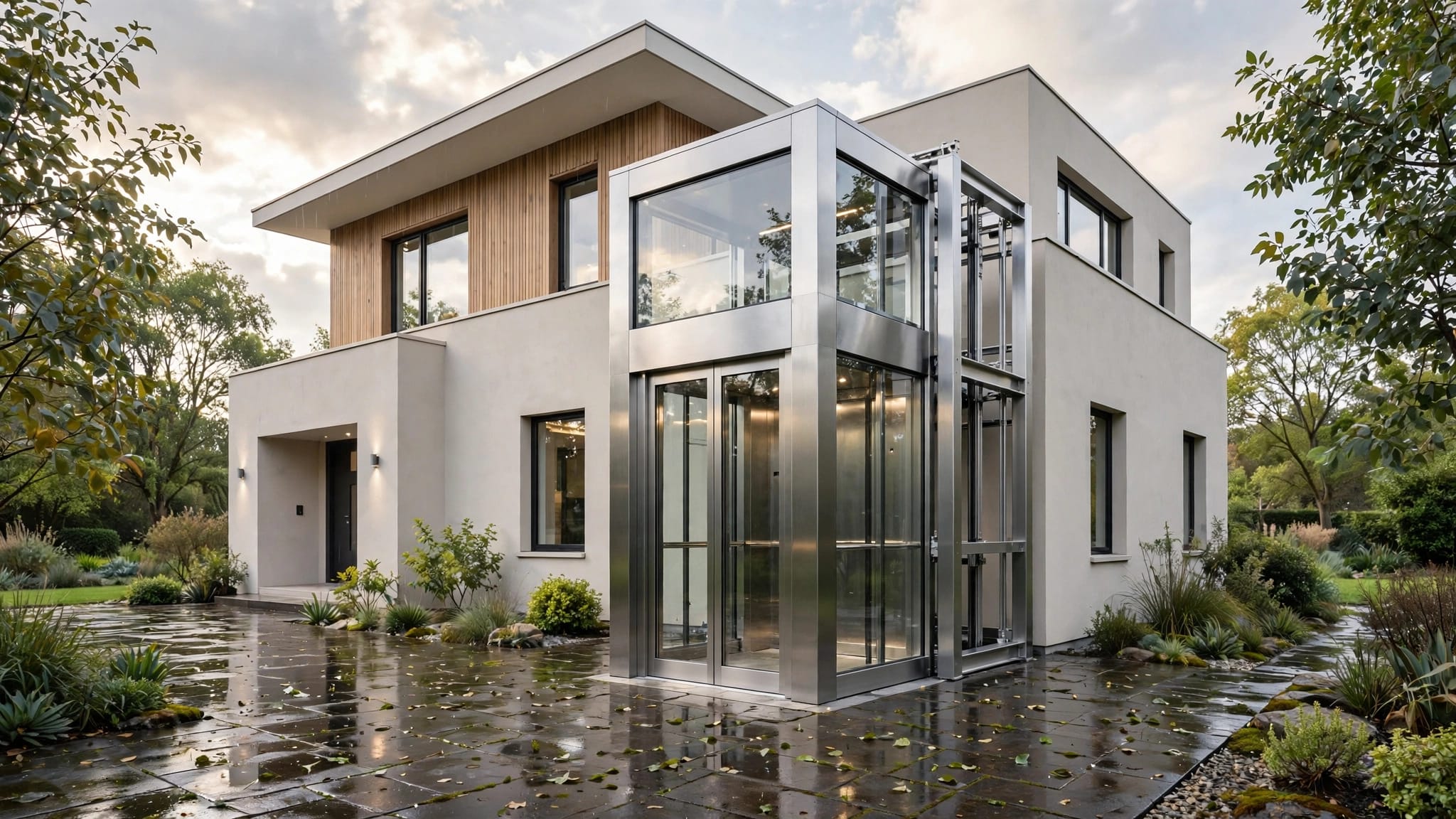

A lift can remove a daily bottleneck, yet a low purchase price doesn't always produce a sound investment. Outdoor lift ROI depends on the full installed cost, the lift's intended use, recurring compliance expenses, and the business problem it solves.
For a commercial property owner, the right calculation puts labor, access, tenant needs, weather exposure, and future repairs in the same worksheet. A cargo lift, passenger-compliant elevator, and vertical platform lift can all add value, but they create different cost and risk profiles.
Start with the operating need, then build the financial case around facts from your property.
Define the business case before pricing equipment
An outdoor lift earns a return when it removes a measurable cost, protects income, or supports approved access for occupants and visitors. It may also meet an accessibility obligation, even if it doesn't create a direct revenue line.
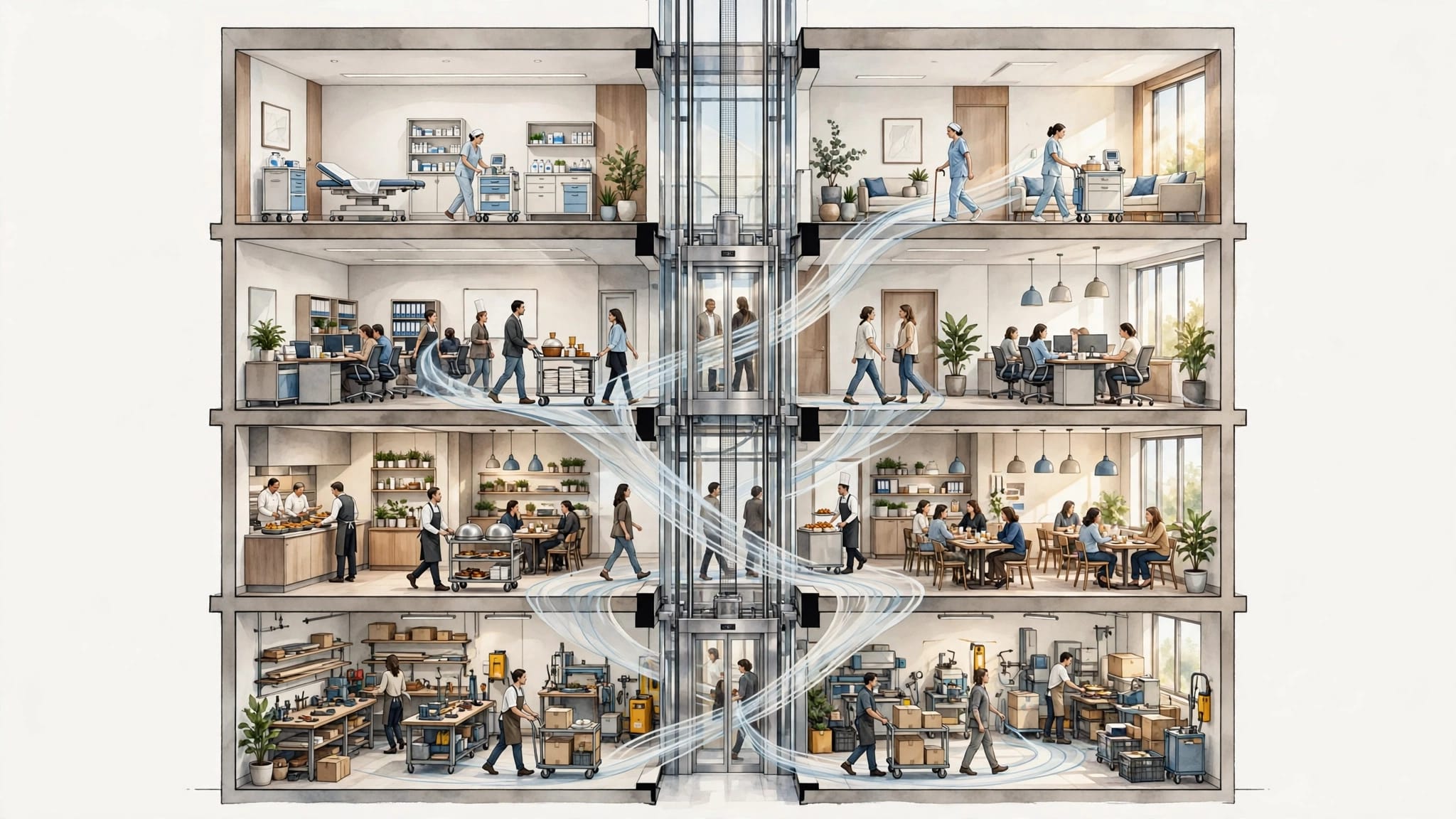
For example, a lift may reduce staff time spent carrying supplies upstairs. It may also replace repeated rental of material-handling equipment or make an upper floor practical for a tenant with mobility needs.
Match the lift to its approved use
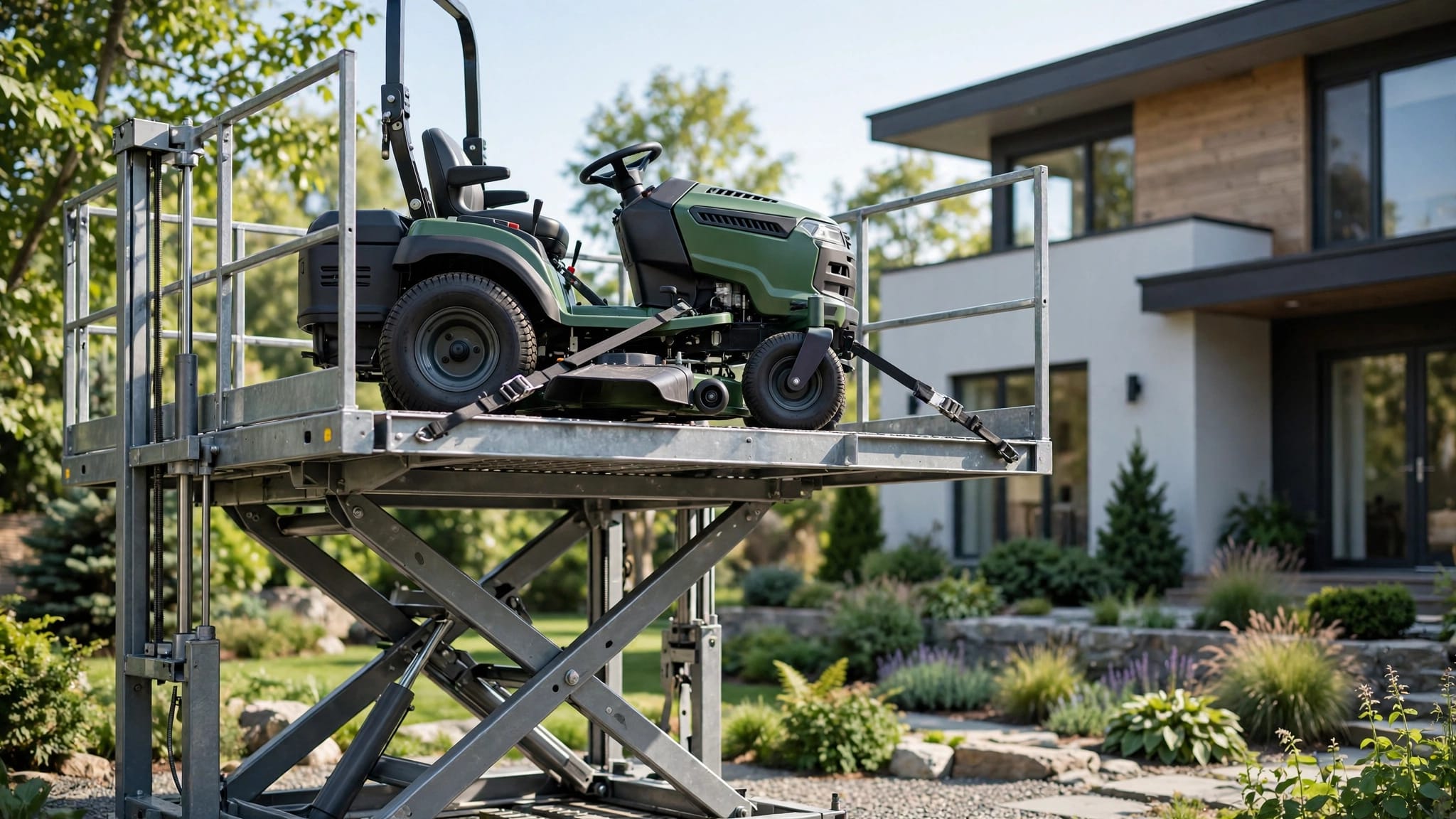
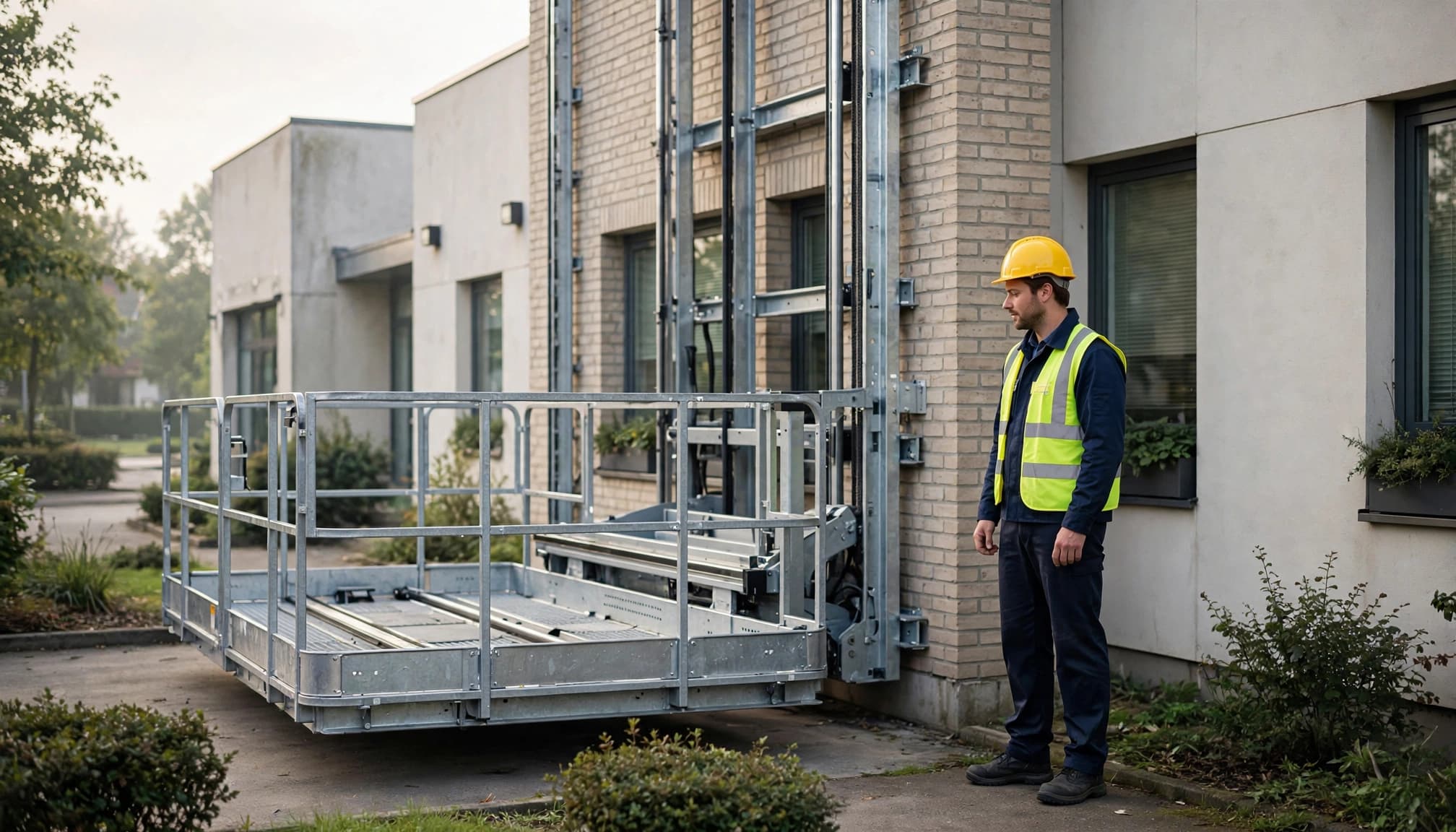
A cargo lift moves tools, equipment, deliveries, and materials. It should not carry people unless the manufacturer has designed and approved it for passenger use.
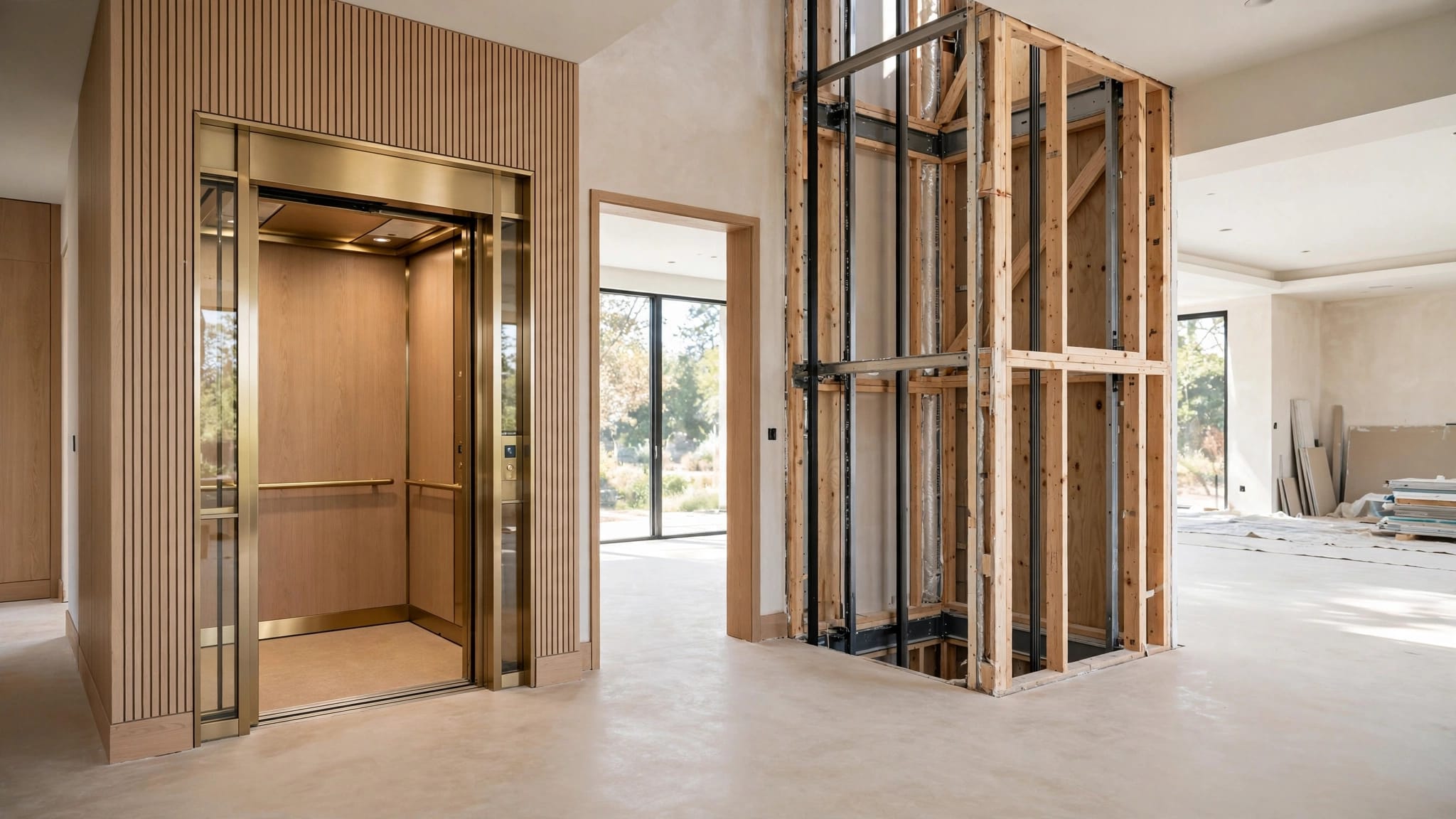
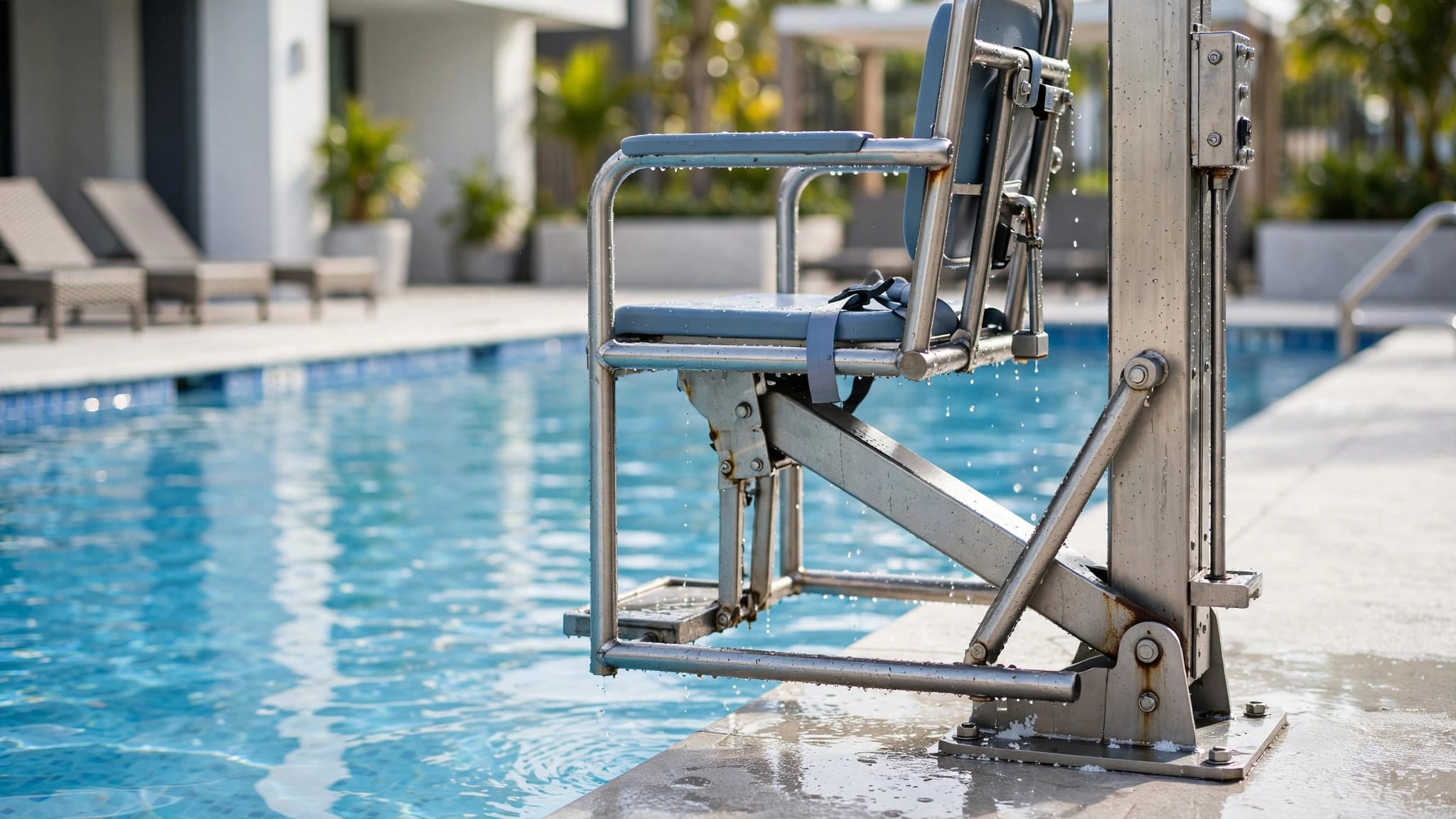
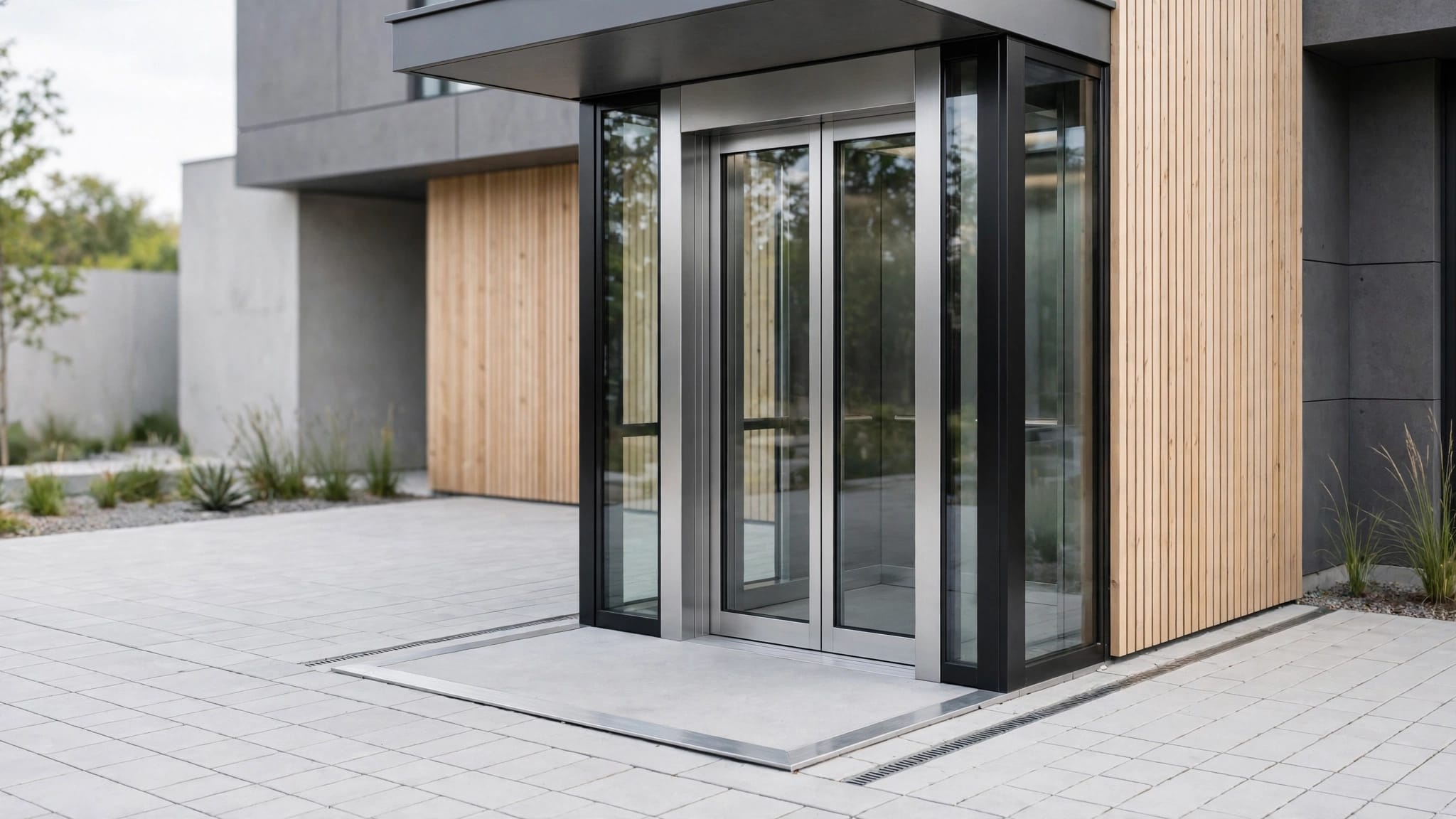
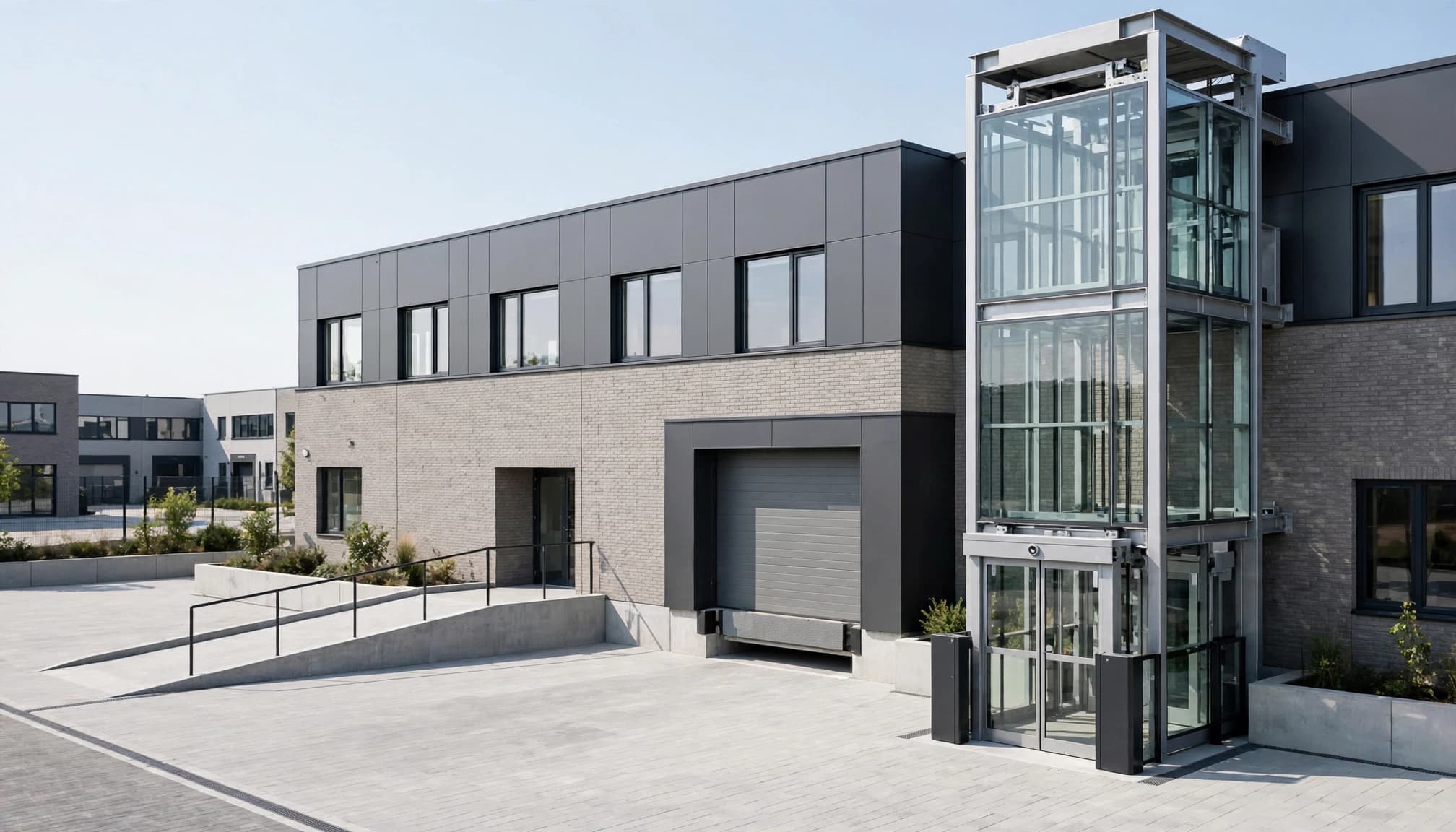
A passenger-compliant outdoor elevator carries people between levels. A vertical platform lift, or VPL, may fit shorter accessibility travel in an appropriate code-approved setting. The proper classification affects the equipment, gates, controls, permits, inspection requirements, and insurance questions.
An incorrect classification can wreck an otherwise attractive forecast. Saving money on a cargo unit does not offset the exposure created when people need a passenger-rated system.
Write down the operational problem
Use property records rather than broad estimates. Track how often employees move goods between floors, how long each move takes, what outside services cost, and whether access limits tenant use.
A detailed outdoor elevator site survey checklist can also identify landing locations, structural constraints, utility routes, and the actual loads the lift must carry.
Build the fully loaded initial investment
The invoice for the lift is only one part of the capital cost. Your ROI model should capture every expense needed to place the equipment into approved service.
A commercial VPL can range roughly from $30,000 to $80,000 before unusual site work, based on 2026 pricing guides from providers such as Arrow Lift and Anter Lift. Published estimates for commercial hydraulic elevators commonly begin around $75,000, while machine-room-less and traction systems can cost much more.
Cargo lift pricing varies widely by capacity, travel height, platform dimensions, drive system, exposure, and installation details. Request a project-specific quote instead of applying a generic price range.
Include these capital-cost categories
| Cost category | Items to include |
|---|---|
| Lift equipment | Platform or car, drive equipment, gates, controls, safety devices, weather-rated components |
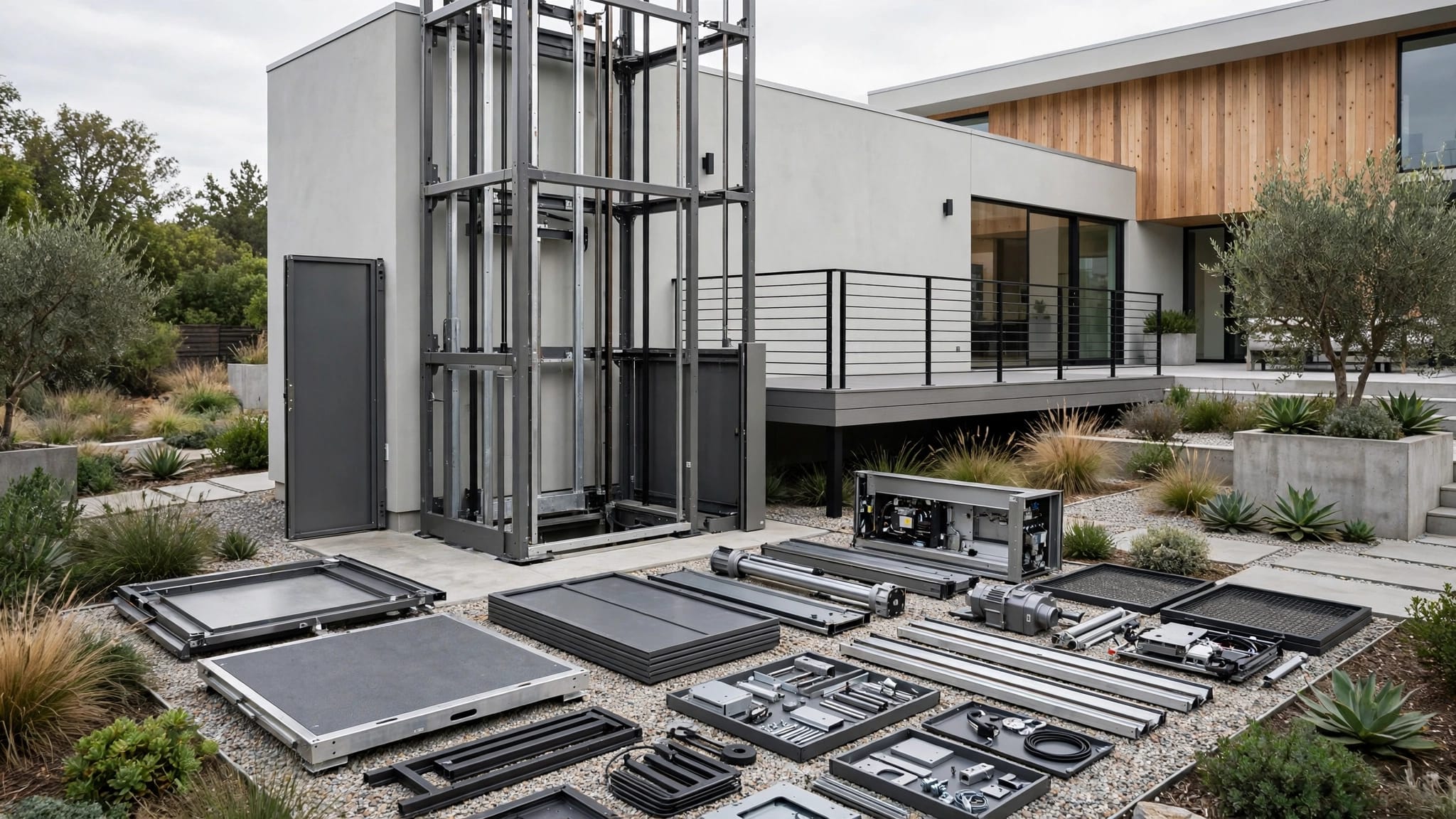
| Construction | Footing, pad, tower, shaft, brackets, structural reinforcement, landings, enclosure or cover |
| Site and utilities | Electrical service, trenching, drainage, grading, lighting, access improvements |
| Approval costs | Design work, permits, plan review, inspections, testing, filing fees |
| Start-up items | Delivery, crane or equipment access, commissioning, staff training, contingency |
The initial investment is the sum of these costs. It should also include interest during construction if the project uses financing and that cost materially affects the decision.
Calculate annual net benefit from property data
Annual net benefit shows how much financial value remains after recurring ownership costs. This figure drives both simple payback and long-term return.
Use this formula:
Annual net benefit = Annual financial benefits - Annual operating and compliance costs
Benefits must have evidence behind them. Time sheets, vendor invoices, rent rolls, tenant correspondence, and work-order history provide better support than assumptions about convenience.
Count benefits that can be supported
Labor savings are common for cargo applications. If two employees spend an hour each day moving supplies by stairs, the lift may reduce paid labor or free staff for billable work.
Other possible benefits include lower equipment-rental costs, fewer delivery delays, reduced damage from manual handling, and retained rental income from usable upper-level space. Accessibility can also reduce the risk of losing a qualified tenant or customer group.
Don't count the same gain twice. For instance, a labor saving already captured in payroll should not also appear as increased operating income.
Include recurring costs every year
Annual operating costs often include electricity, service contracts, inspection fees, periodic safety testing, repair allowances, administrative time, and insurance adjustments. In Florida, conveyances subject to Chapter 399 generally require annual inspection by a certified inspector, while Category 1 safety testing is also annual.
Some two-floor conveyances under a qualifying maintenance contract may receive an inspection exception. Your elevator contractor and local authority should confirm how the rule applies to the proposed equipment.
Calculate outdoor lift ROI and simple payback
A simple return calculation offers a clear first look at the investment. It does not predict the future, but it helps owners compare options on the same basis.
Use a period long enough to reflect the property's holding plan. Ten years often gives a useful view, although a commercial lift may require major component work before the end of its full service life.
Use a consistent ROI formula
For a multi-year holding period:
Simple ROI = ((Total net benefits over the period - Initial investment) / Initial investment) x 100
If the project costs $200,000 and creates $350,000 in total net benefits over 10 years, the simple ROI is:
(($350,000 - $200,000) / $200,000) x 100 = 75%
This version shows net gain after recovering the initial cost. State the formula in investment committee materials because some teams use "ROI" to mean annual net benefit divided by initial cost.
Find the payback period
Simple payback answers a narrow question: How many years will annual net benefit take to recover the initial investment?
Payback period = Initial investment / Annual net benefit
A $200,000 project with $35,000 of annual net benefit has a payback period of about 5.7 years.
Payback does not account for inflation, financing, tax treatment, or a major repair in year seven. Use it as a screening tool, not the final approval test.
A short payback can still hide high future costs if the lift needs expensive weather repairs, modernization, or structural work later.
Work through a commercial outdoor lift example
Consider a hypothetical two-story Florida commercial property. The owner needs an exterior passenger-compliant lift to provide access to an upper-level professional suite and reduce staff assistance with deliveries.
These figures are illustrative assumptions , not a vendor quote. Actual costs vary by lift type, building conditions, location, code requirements, and vendor pricing.
| Initial cost assumption | Amount |
|---|---|
| Outdoor passenger lift equipment and installation | $145,000 |
| Foundation, structural attachments, drainage, and electrical work | $38,000 |
| Permits, engineering, inspections, and contingency | $17,000 |
| Total initial investment | $200,000 |
The owner then estimates annual financial effects based on payroll, invoices, and lease discussions.
| Annual benefit or cost | Amount |
|---|---|
| Reduced staff handling and delivery time | $21,000 |
| Avoided equipment-rental and outside moving costs | $9,000 |
| Protected annual income from accessible upper-floor occupancy | $16,000 |
| Total annual benefits | $46,000 |
| Service contract, inspections, testing, and administration | ($7,000) |
| Electricity and repair reserve | ($4,000) |
| Annual net benefit | $35,000 |
The simple payback is $200,000 divided by $35,000, or 5.7 years . Over 10 years, total net benefits equal $350,000. The simple ROI is therefore 75% .
The model should not treat the $16,000 occupancy benefit as certain. If the tenant has not renewed, use a lower probability-weighted value or remove it entirely.
Include total cost of ownership, not only maintenance
Total cost of ownership, or TCO, combines upfront spending with every material cost expected during the holding period. It gives a clearer view than a purchase-price comparison.
Commercial elevator cost summaries often estimate annual maintenance between $2,400 and $15,000, depending on system type, service level, use, and location. Outdoor equipment in high-salt or storm-prone areas may need a larger reserve.
Plan for later-life expenses
Create a reserve for items that wear, move, seal, or carry loads. Cables, rollers, batteries, switches, finishes, gate hardware, and electrical components may require planned replacement.
Many commercial elevator models also plan for modernization around year 20. Your system may have a different schedule, but long-term capital needs belong in the forecast.
For each year, include:
- Scheduled service, inspections, testing, and recordkeeping.
- Expected repair reserves based on exposure and use.
- Major component replacement or modernization reserves.
- Cleaning, drainage upkeep, and storm-preparation costs.
- Insurance deductibles or uninsured loss exposure where relevant.
Account for site, code, and weather risk
The lift's environment can alter both installed cost and annual ownership cost. An exterior system beside a protected loading bay faces different conditions than one exposed to coastal wind and salt spray.
Foundation design depends on the geotechnical report, lift loads, groundwater, flood exposure, and local approvals. Dense, stable soils may support a reinforced shallow footing. Loose sand, a high water table, erosion risk, or heavy uplift loads may require piles or another engineered deep-foundation approach.
Treat drainage as an investment input
Water must drain away from the lift base, landings, controls, and any pit. Roof runoff, paved areas, irrigation, and surrounding grade can direct water toward the structure.
A sump pump can remove water that reaches a pit, but it should not replace proper grading, waterproofing, and an approved discharge location. Discharging water beside the footing can saturate soil, create erosion, and cause future repair costs.
Budget for coastal exposure
Salt residue can continue corroding surfaces after visible water dries. Wind-driven rain, ultraviolet exposure, humidity, sand, and debris also affect exposed equipment.
Ask each bidder about marine-grade materials, corrosion-resistant fasteners, sealed electrical equipment, drainage details, and the required cleaning schedule. A cover or enclosure can reduce direct exposure, but it must allow ventilation, drainage, and technician access.
Review outdoor lift maintenance needs in coastal Florida when estimating service frequency and weather-related repair reserves.
Use NPV when cash flow changes over time
Net present value, or NPV, recognizes that a dollar received five years from now is worth less than a dollar received today. It is useful when the project includes financing, uneven benefits, rent escalation, or larger repair costs later.
The formula is:
NPV = Sum of discounted future net benefits - Initial investment
Each future year's net benefit is divided by (1 + discount rate)^year
. The discount rate reflects your cost of capital, investment hurdle rate, or another approved return requirement.
Apply NPV to the example
Assume the hypothetical property receives $35,000 in annual net benefits for 10 years and uses an 8% discount rate. The present value of those benefits is about $234,850.
Subtract the $200,000 initial investment. The estimated NPV is about $34,850 before taxes, financing effects, and residual value.
If a $25,000 major repair occurs in year seven, its present value at 8% is about $14,600. The project still has a positive NPV, but its margin is much smaller.
A negative NPV does not mean the lift has no value. It means the documented financial benefits may not meet the return threshold at the selected assumptions.
Stress-test the outdoor lift ROI model
A base-case forecast is only one version of the future. A risk-adjusted decision tests what happens when benefits arrive late or costs rise.
Use conservative, expected, and adverse cases. Keep the assumptions visible so the team can challenge them before signing a contract.
| Scenario | Annual net benefit | Simple payback on $200,000 |
|---|---|---|
| Conservative case | $25,000 | 8.0 years |
| Expected case | $35,000 | 5.7 years |
| Strong-performance case | $45,000 | 4.4 years |
The conservative case deserves the most attention. If the lift only works financially under the strongest assumptions, the project carries more investment risk than the headline ROI suggests.
Also test delays in permitting, site discoveries, tenant turnover, a higher maintenance contract price, storm repairs, and construction changes. A contingency line helps, yet it cannot replace a realistic site investigation.
Make the approval decision with the right records
A strong investment file has more than a vendor proposal. It includes the site survey, building and structural review, code path, drainage plan, maintenance terms, warranty exclusions, and insurance questions.
Compare lift options using the same assumptions. A less expensive cargo lift should not compete directly with a passenger-compliant elevator if the property needs passenger access. Similarly, a VPL may fit a limited-travel accessibility need but not a high-use multi-floor traffic pattern.
Before approval, ask for written confirmation of rated capacity, allowed users, weather limitations, service response coverage, required maintenance, and responsibilities for structural work. Keep inspection reports and maintenance records after installation, since those documents support safe operation and future budgeting.
Final thoughts on outdoor lift ROI
A dependable outdoor lift ROI calculation starts with the property problem, not the equipment price. Annual net benefit, payback, TCO, and NPV give a clearer view when they use documented costs and conservative assumptions.
The strongest investment case accounts for the lift's approved purpose, the site's weather and structural demands, and the costs that appear years after installation.
Recent Posts