A lift can change how a property works every day, but the value depends on much more than the equipment itself. The lift installer you choose affects safety, access, project timing, and the service you receive years after the system goes into use.
For homeowners and property managers, a cargo lift, passenger elevator, or vertical platform lift is a major investment. Ask focused questions before signing a contract, then compare the answers in writing.
1. Has the Lift Installer Worked With Your Exact Lift Type?
A company may have broad construction experience and still lack the knowledge needed for your lift. Start by describing how the lift will be used, who will use it, what it must carry, how far it must travel, and whether it sits indoors or outside.
Cargo lifts, passenger elevators, and VPLs have different jobs
Cargo lifts move materials such as groceries, luggage, tools, carts, and beach equipment. They are not designed for people to ride unless the manufacturer has expressly approved that use.
Passenger elevators need a different level of rider protection, controls, entrances, and safety equipment. A vertical platform lift, often called a VPL, can be a practical accessibility option for wheelchair users over a shorter rise.
Ask the company for recent examples that match your needs. An installer who mainly handles cargo units may not be the right fit for a passenger-compliant elevator. Likewise, an installer familiar with indoor equipment may need more experience for a lift exposed to rain, wind, heat, and salt air.
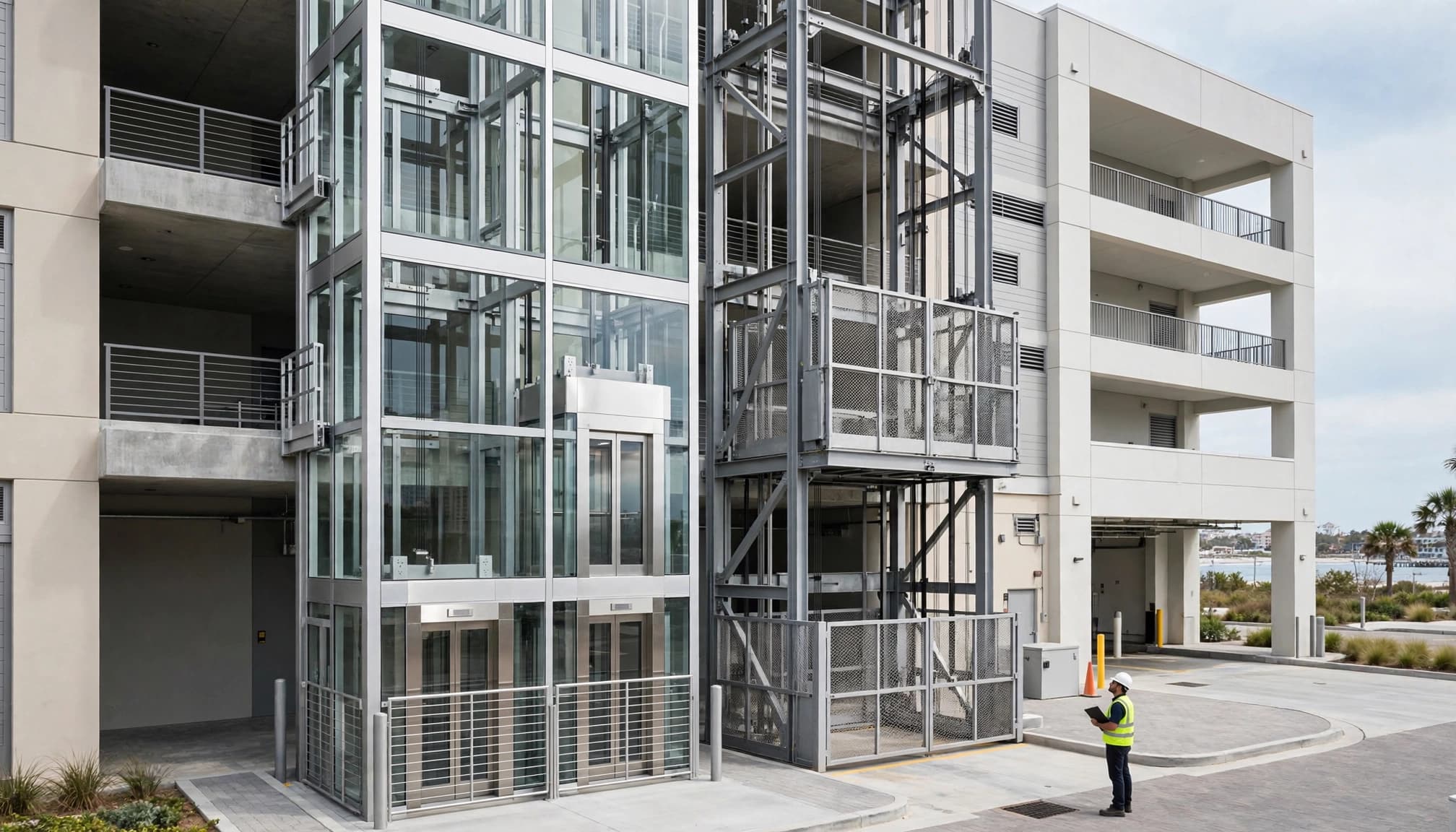
A useful cargo lift versus passenger elevator comparison can help you clarify the equipment category before comparing proposals.
The property matters as much as the machine
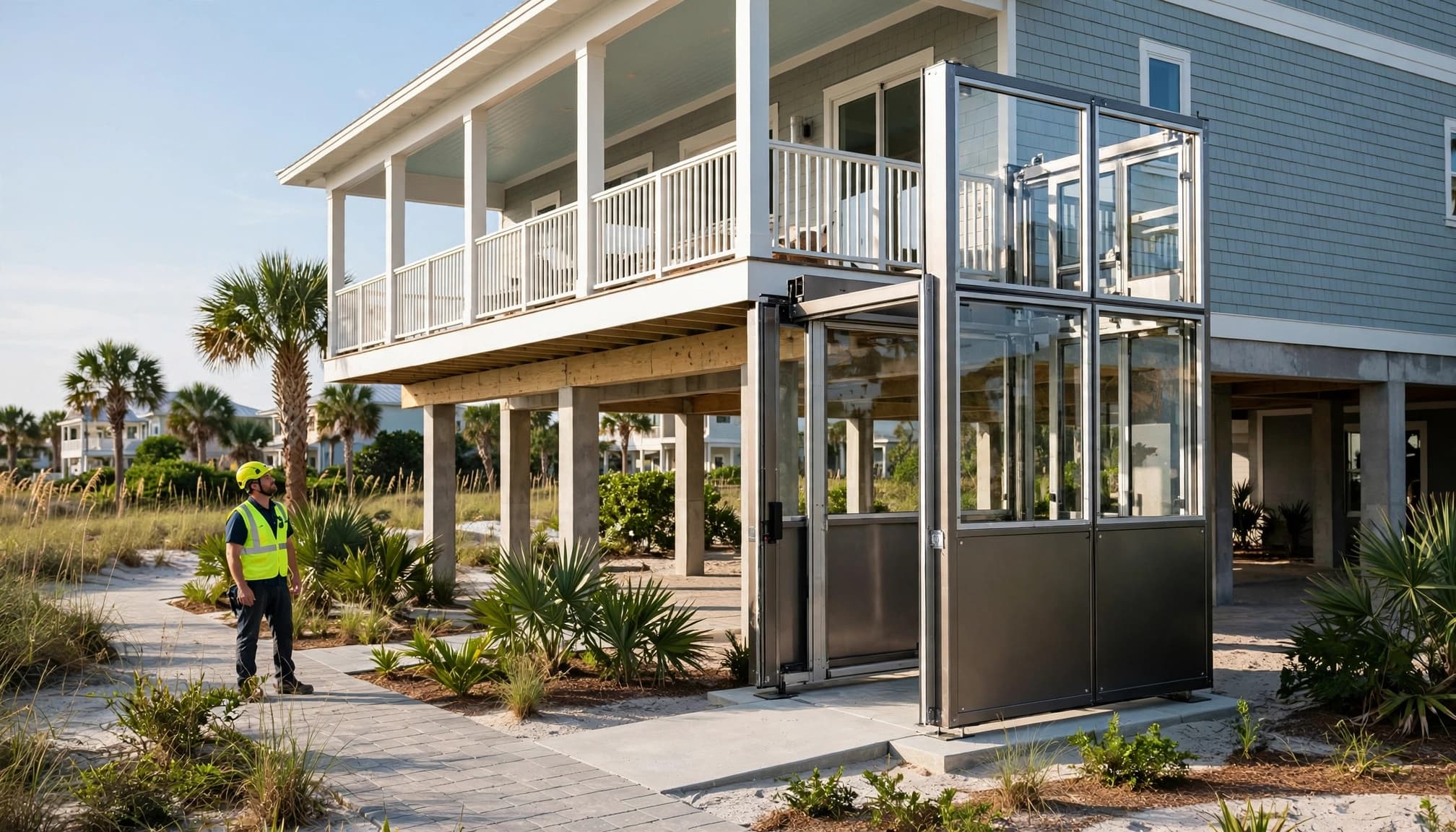
A raised coastal home, a multistory rental property, and a commercial loading area create different installation challenges. Ask whether the company has worked with your building style, exterior finishes, elevation, and access constraints.
For outdoor systems, discuss corrosion-resistant materials, drainage, wind exposure, gate locations, and the condition of the supporting structure. The best lift on paper can become a poor fit if the installer ignores the property around it.
Ask for references from projects with similar lift types and site conditions. A short conversation with a past customer often reveals how well the company communicates when a project gets complicated.
2. How Will the Company Handle Safety and Local Requirements?
Safety is not a feature you add at the end of a project. It shapes the lift choice, structure, gates, controls, electrical work, and inspection path from the beginning.
A capable lift installer should explain the intended use of the equipment in plain language. They should also identify which local departments, inspectors, or design professionals may need to review the work. Requirements differ by city, county, state, building type, and location.
Ask how the equipment matches its intended use
A cargo lift may suit a homeowner who wants to move supplies to an elevated porch. It does not replace a passenger elevator for family members or guests.
Similarly, a VPL may work well for an access route with limited vertical travel. Passenger elevators have different expectations because people ride inside or on the system. Ask the installer to describe the proposed unit's rated capacity, travel distance, gate or door arrangement, emergency features, and approved use.
The cargo lift and passenger elevator FAQs explain important distinctions, including the different safety guidelines commonly associated with these systems.
A platform's weight capacity does not make it safe for every use. Rider access, travel distance, protective enclosures, gates, and controls must all match the approved design.
Clarify permits, inspections, and responsibility
Ask who prepares drawings, obtains permits, coordinates inspections, and responds if a reviewer requests changes. The answer may involve the owner, general contractor, electrician, architect, manufacturer, and installer. Get those roles in writing.
Also ask how the company handles safety during installation. A clear plan covers site access, work-area protection, equipment delivery, and final testing before the lift is released for use. Vague answers here deserve a closer look.
3. What Does the Site Assessment and Installation Process Include?
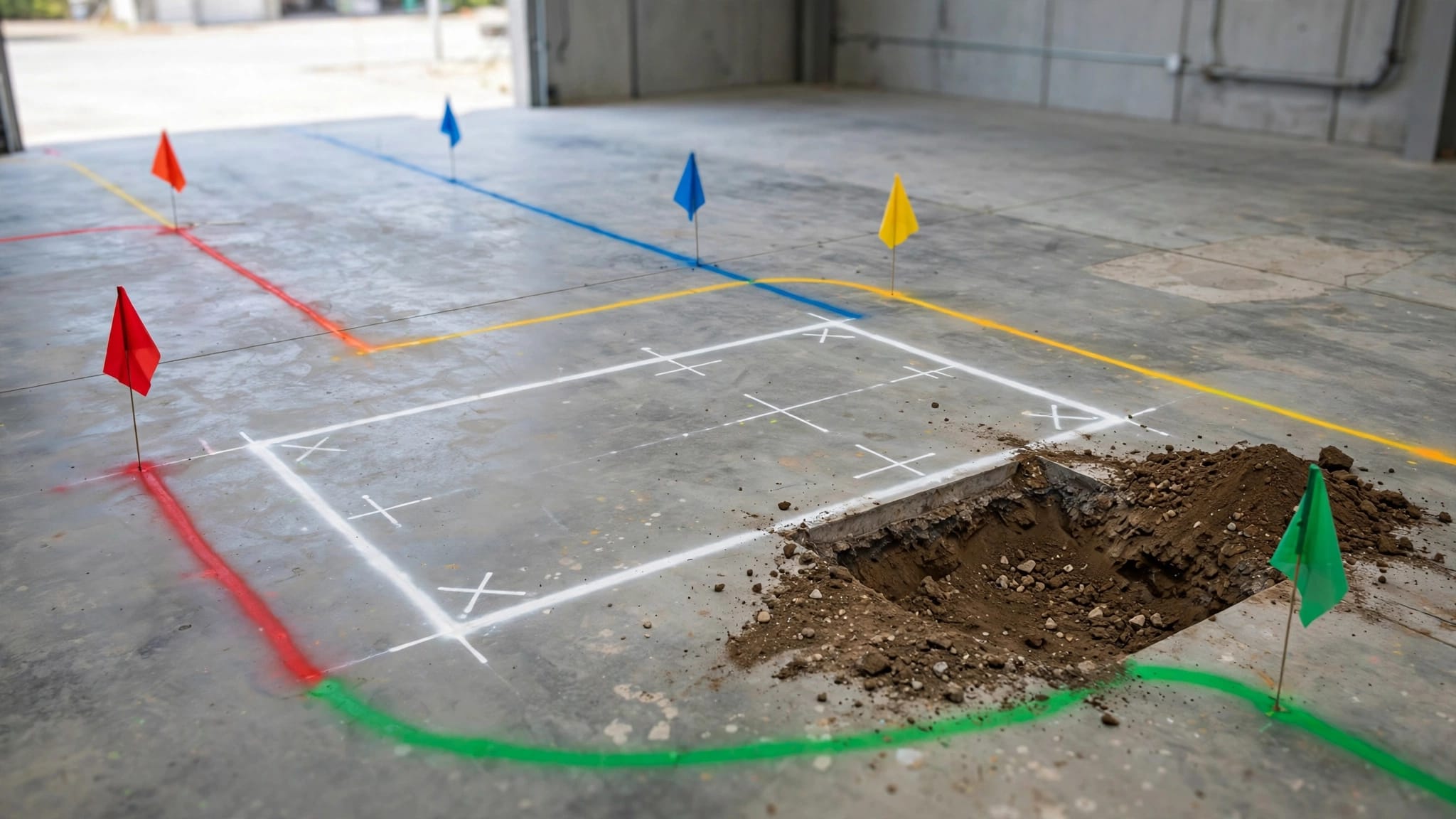
A quote based only on a phone call or a few photos rarely captures the full picture. A site visit should confirm dimensions, landing locations, structure, electrical needs, drainage, and the route used to bring equipment onto the property.
Expect measurements that go beyond platform size
The installer should document the required travel path and clearances at every stop. They also need to know what will go on the platform. A 1,000-pound capacity does not automatically mean every large item fits inside the usable platform area.
Discuss awkward loads before choosing the model. Wheelchairs, rolling carts, appliances, construction materials, and landscaping equipment all need enough room for safe loading and unloading. If people will ride, talk through entrances, gates, controls, lighting, and access at each landing.
A detailed outdoor elevator site survey checklist shows the sort of information that should be settled before final measurements and ordering.
Learn how construction tasks will be coordinated
Installation may require concrete work, framing, electrical service, weather protection, or modifications to an existing deck or landing. Ask which trades the company manages and which ones you must hire separately.
Property managers should also ask about resident access, noise, delivery staging, and any temporary closure of walkways or loading areas. Good planning reduces surprise costs and avoids a half-finished opening waiting on another contractor.
4. Is the Price Clear, and Is the Timeline Realistic?
A low initial number can hide major omissions. Request an itemized written proposal that separates the lift equipment from site work, freight, electrical work, permits, taxes, installation labor, and optional features.
Then compare estimates line by line. Two quotes may list the same lift type while covering very different work.
| Proposal item | What to confirm |
|---|---|
| Lift and standard components | Model, capacity, travel, platform size, controls, gates, and finish |
| Site preparation | Concrete, framing, drainage, demolition, and access work |
| Electrical scope | Power requirements, disconnects, wiring, and responsibility |
| Permits and inspections | Fees, submissions, expected approvals, and follow-up work |
| Optional equipment | Weather covers, enclosures, upgraded gates, or remote controls |
The lowest quote may leave out expensive site preparation. On the other hand, a higher proposal may include work that another contractor has already priced. Ask the lift installer to explain every exclusion before you compare totals.
Ask what can move the schedule
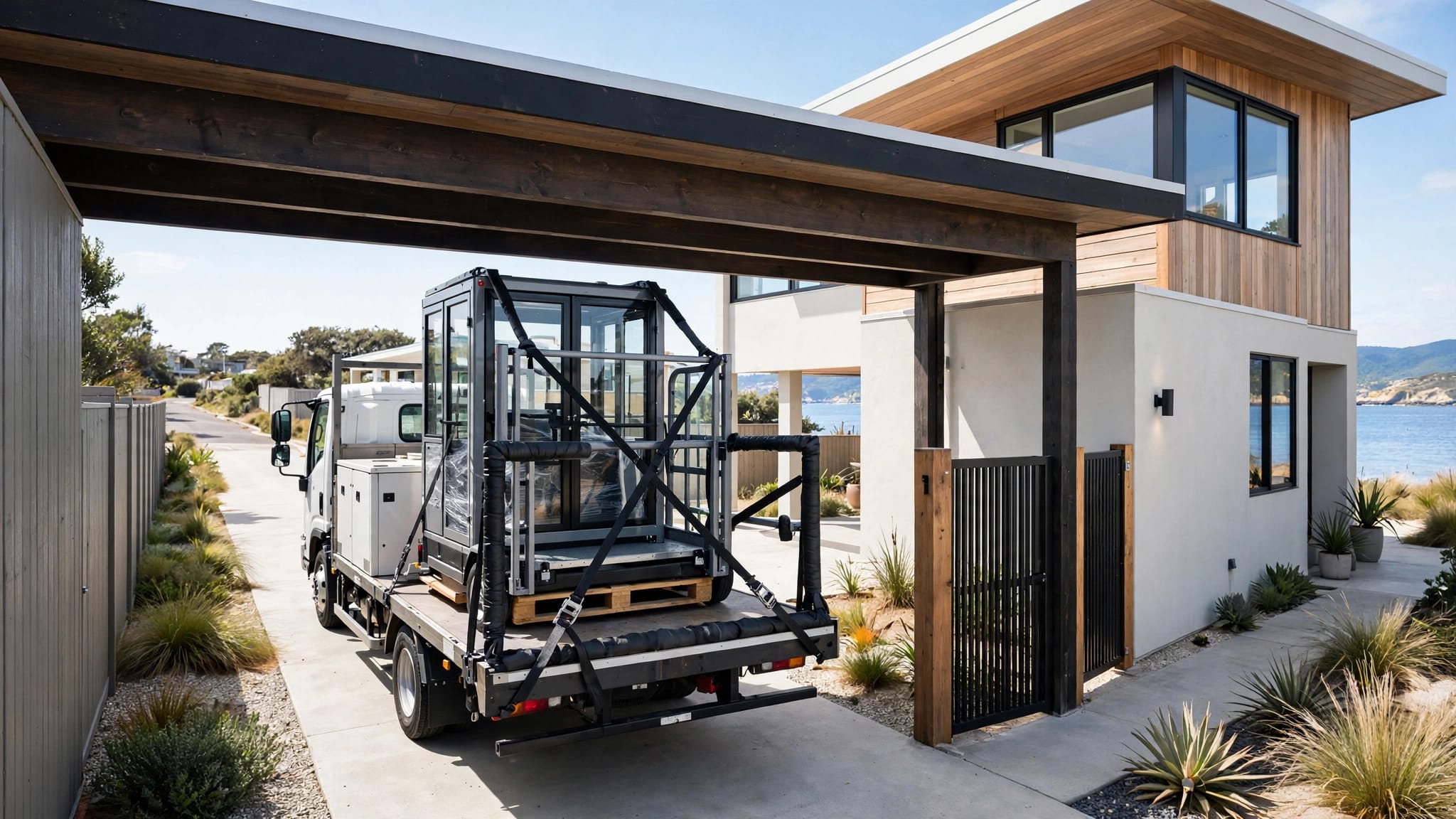
Delivery dates, permit review, site readiness, weather, concrete curing, and electrical availability can all affect the installation calendar. A company should give you a realistic sequence, not a guessed completion date.
Ask when the lead time begins, what conditions must be met before delivery, and how schedule changes will be communicated. If the property is in Florida, this outdoor lift installation timeline offers useful context for permit preparation and site work.
Written change-order procedures also matter. You should know how added work gets approved and priced before it begins.
5. What Happens After the Lift Is Installed?
The final inspection is the start of ownership, not the end of the installer relationship. Before handover, ask what training the company provides and who your staff or household should call when something does not work as expected.
Get warranty details in writing
Ask for separate warranty information for the lift, components, labor, and any installation-related work. Find out what may void coverage, whether service calls have a fee, and how long repairs usually take.
A trustworthy company will explain the limits without burying them in vague promises. Keep warranty records, manuals, permit documents, inspection reports, and service receipts together. Property managers should also record the unit model and serial number where maintenance staff can find them.
Confirm the maintenance plan before problems appear
Outdoor lifts face dirt, moisture, heat, debris, and, in coastal areas, salt exposure. Routine care protects gates, controls, visible hardware, and drainage paths. However, trained technicians should handle adjustments, repairs, and work inside the system.
Ask the installer about recommended service intervals, available maintenance agreements, emergency support, and parts availability. The coastal outdoor lift maintenance checklist outlines practical checks that can support regular professional service.
For a commercial property, determine who will document inspections and report issues. For a home, make sure every regular user understands the lift's intended use and basic operating rules.
Choose the Company That Answers Clearly
The right lift installer brings relevant experience, a careful site review, clear pricing, and dependable aftercare. They should be willing to explain where a cargo lift, passenger elevator, or VPL fits your property, rather than pushing one answer for every situation.
Clear written answers now can prevent expensive changes later. A well-planned installation gives people and materials a safer, more reliable path between levels.
Recent Posts