Outdoor Elevator Rescue Planning for Residential Properties

Share this article

An outdoor elevator can make an elevated home far easier to use, yet a stalled car or damaged gate can turn into an urgent situation. Elevator rescue planning gives your household, property manager, contractor, and local responders a clear path before anyone is trapped.

The plan should match the lift, the site, and the people who may rely on it daily. It also needs to account for weather, power loss, limited access around a raised home, and the difference between a passenger elevator and a materials-only cargo lift.

Start With the Type of Lift on Your Property

A rescue plan can't begin with a generic instruction sheet. First, identify exactly what equipment you own, who may ride it, its travel distance, and which contractor services it.

The intended use controls many safety decisions. A system built to move groceries, luggage, or construction supplies has different safeguards than equipment approved to transport people.

Cargo lifts are never passenger elevators

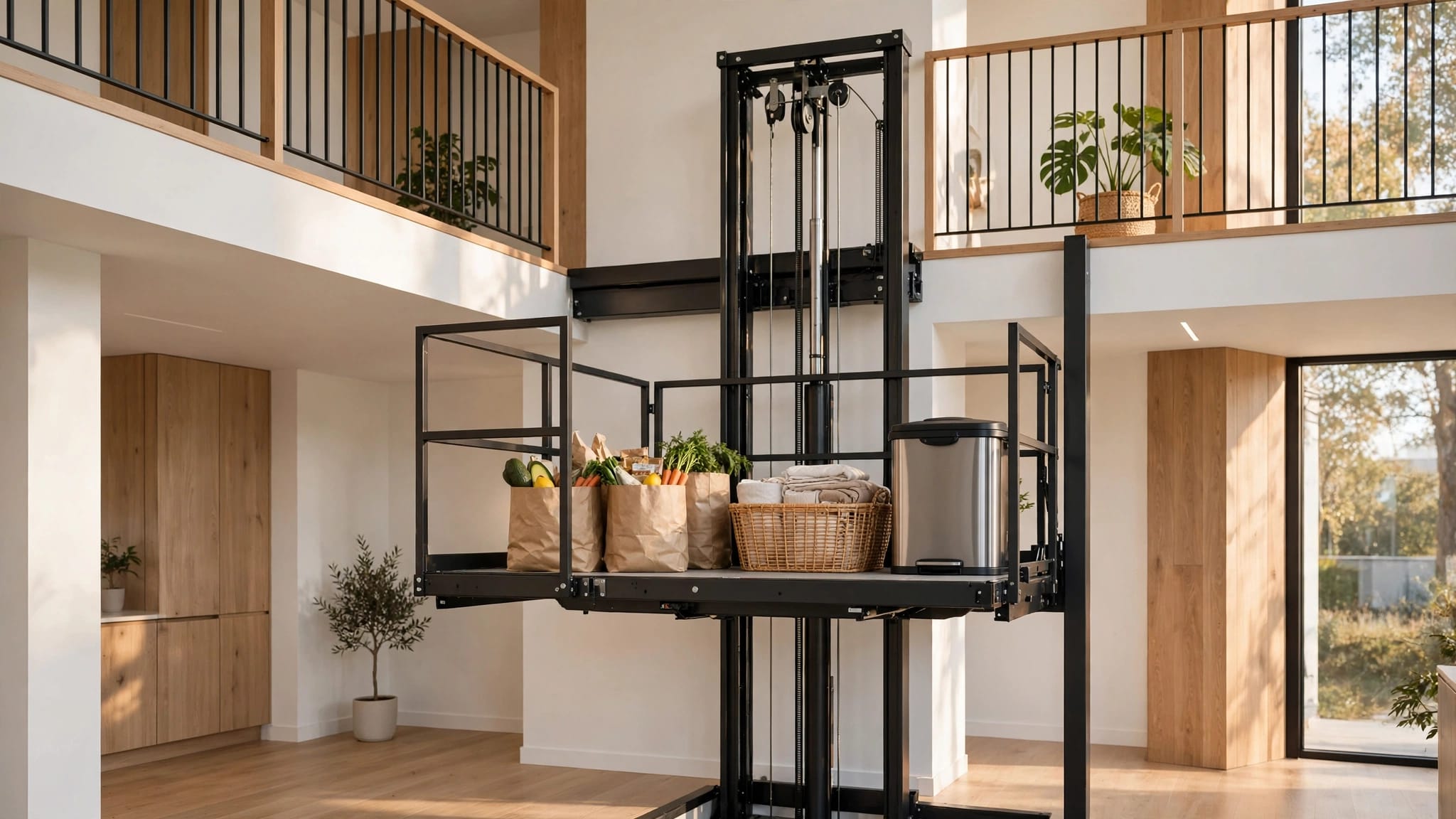
A cargo lift moves property, not people. No one should ride in a cargo lift, even for a short trip or during an emergency. That includes homeowners, guests, children, contractors, and pets.

If someone is inside a cargo lift or has fallen near its platform, call 911. Keep others away from the lift area and contact the service contractor. Do not operate controls in an attempt to move a person to a landing.

Before buying or retrofitting equipment, understand the cargo lift versus passenger elevator distinction. The product category affects permits, gates, controls, inspection needs, and rescue procedures.

Passenger elevators and VPLs need their own plans

Passenger-compliant elevators transport people between floors. They may include a cab, doors or gates, communication equipment, and emergency operating features that differ by model and local requirements.

A vertical platform lift, often called a VPL, supports wheelchair access over a shorter rise. Its platform, barriers, sensing devices, and key controls may require a different response than a full passenger elevator.

Record the manufacturer, model, serial number, rated capacity, service company, and installed safety features. Keep that information where it can be found quickly.

Elevator Rescue Planning Starts With a Usable Site

Emergency crews need safe access before they can help anyone. A beautiful exterior lift installation can become difficult to reach if shrubs, furniture, vehicles, stored gear, or storm debris block the approach.

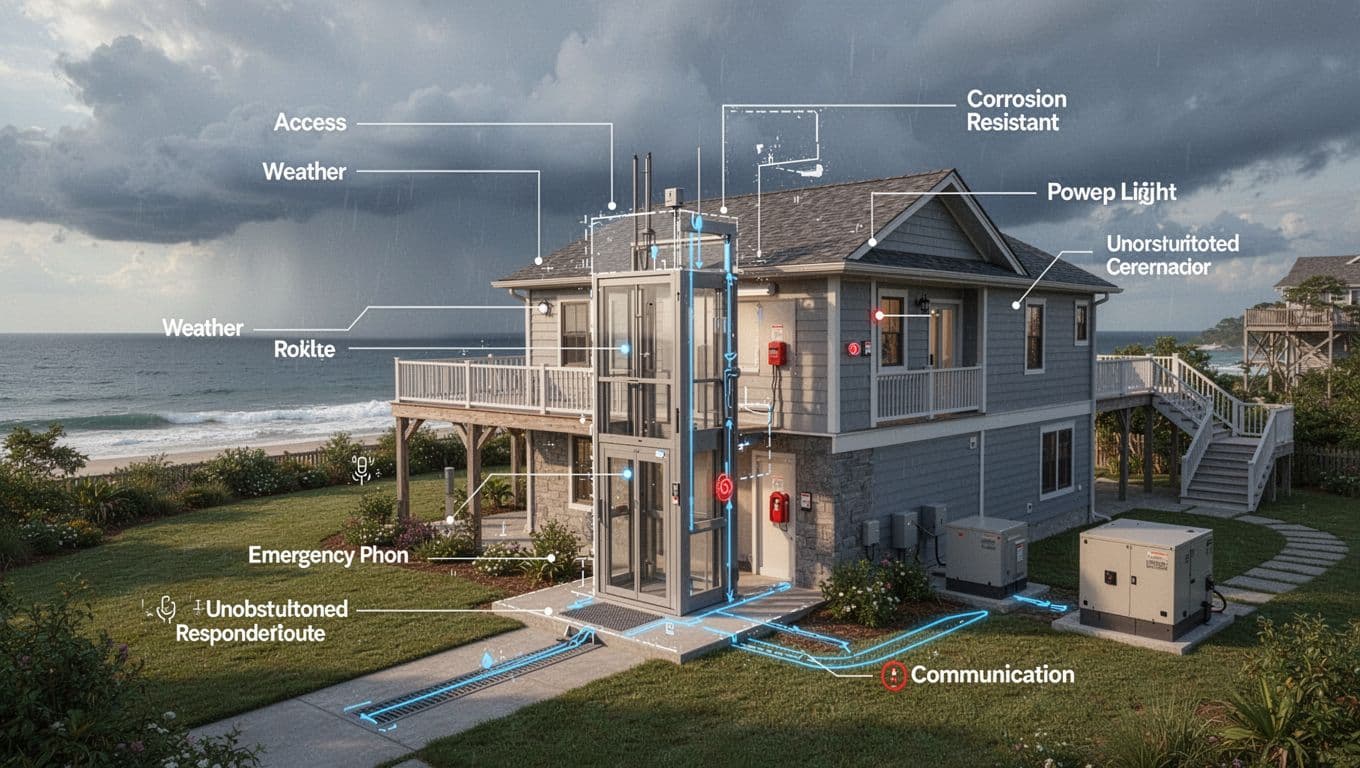
Walk the route from the street or driveway to every lift landing. Include stairs, walkways, gates, exterior lighting, and the area around the controller or disconnect. Measure nothing by guesswork when construction is underway.

Keep each landing clear and well lit

A landing needs room for a user to enter and exit safely. It also needs a clear work area for trained responders and elevator technicians. Don't store patio furniture, planters, beach equipment, trash bins, or boxes beside landing gates.

Lighting matters after sunset and during storms. Check that stairs, paths, gate latches, and control locations remain visible. Replace damaged fixtures and trim vegetation that casts deep shadows.

Gate swings also matter. A gate that opens into a stair path, narrows a landing, or strikes nearby furniture can slow an evacuation or rescue.

Map the equipment responders need

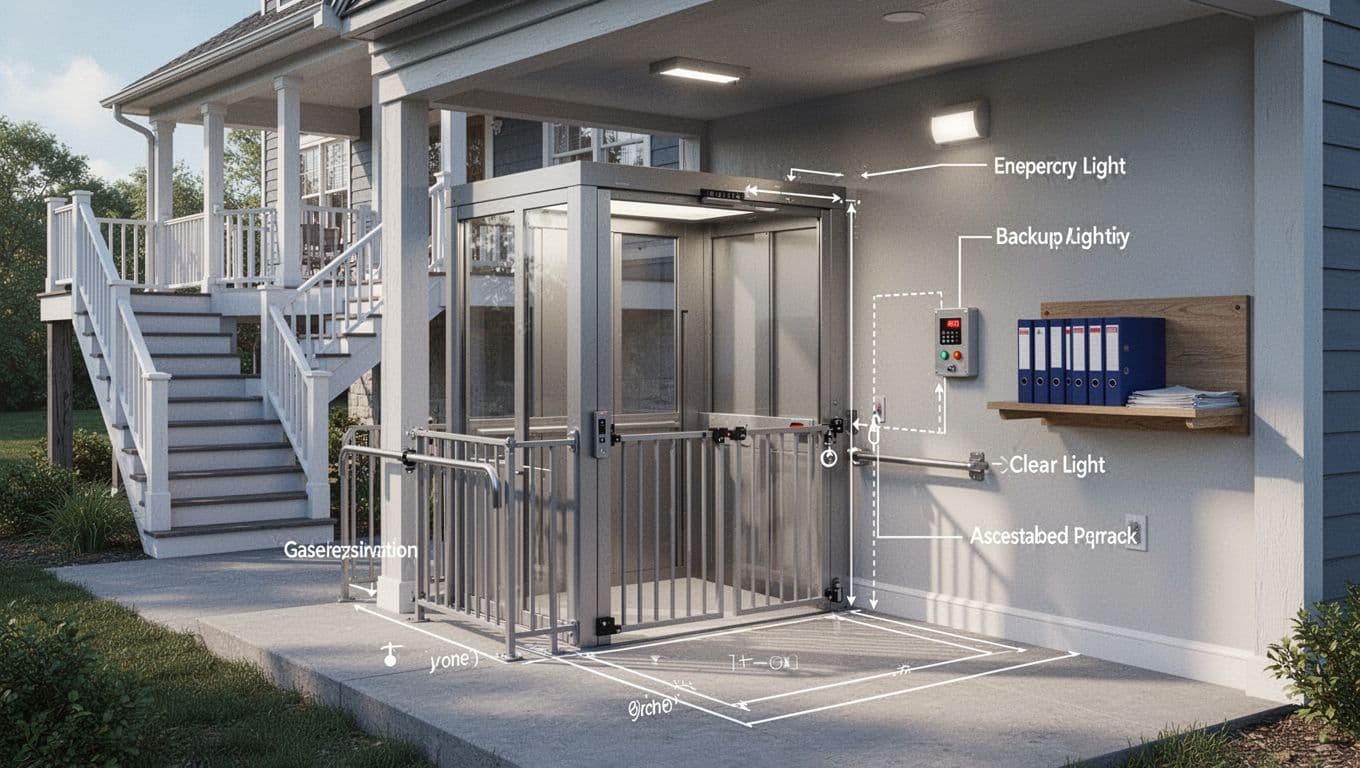
Make a simple property diagram that shows the driveway, the lift's lower and upper landings, electrical disconnects, controller location, main electrical panel, and any generator equipment. Add a north arrow and the property address.

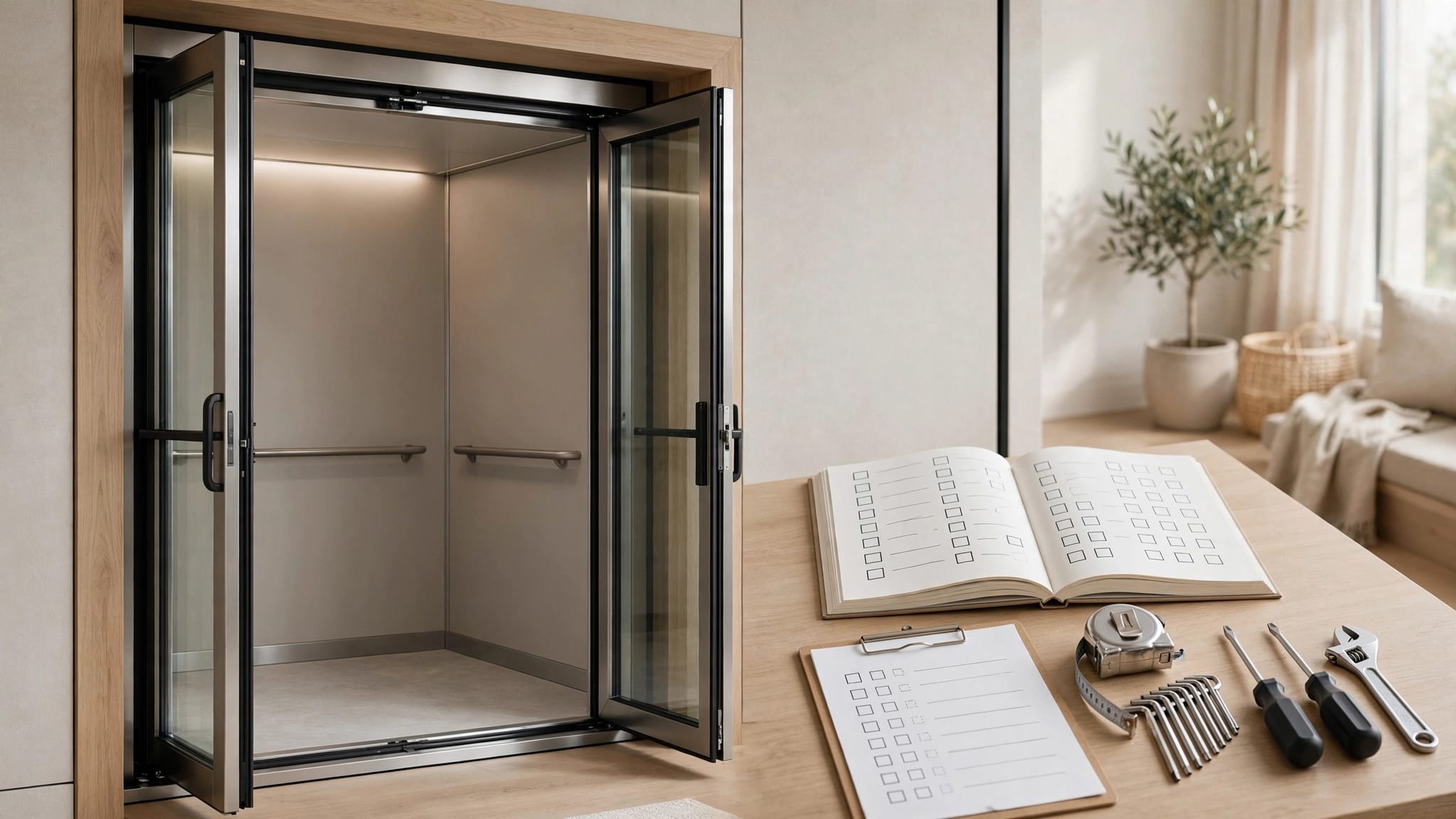
Keep one copy near the household emergency information and another in a weather-protected location agreed on with your contractor. During a remodel or new build, an outdoor elevator site survey checklist can help identify access conflicts before they become permanent.

Build a Property-Specific Rescue File

A rescue file turns scattered details into useful information during a stressful call. Keep it in a labeled weather-resistant folder, then store a digital copy where family members or property staff can reach it.

Include current contractor phone numbers, the lift's identification details, warranty information, maintenance records, permits, site drawings, and photos of each landing. Photos help dispatchers and technicians understand whether the elevator is inside an enclosure, attached to a deck, or exposed to the elements.

Record the details that change the response

Write down the exact street address, gate code if one exists, and the best entry point for emergency vehicles. Identify the location of each landing by floor or deck level, rather than using vague names such as "the top."

Also note whether the elevator has a two-way phone, alarm button, battery-backed communication, emergency lighting, monitored service, or other listed features. Test communication equipment on the schedule set by the manufacturer and service provider.

Give people clear roles

One adult should call for help and stay available for responders. Another person, if present, can keep contact with the trapped occupant through the intercom, phone, or a safe position outside the door.

Property managers should assign a backup contact for times when the primary contact is away. Give both people authority to call the elevator contractor and share the rescue file.

A responder can't use information that is locked in an office, buried in an email thread, or known by only one family member.

Use a Calm Emergency Action Sequence

Post a short procedure near the elevator and in the rescue file. Practice the communication steps with household members, but never stage a simulated entrapment or attempt a technical release.

Use this sequence when a passenger is trapped or the elevator stops unexpectedly:

  1. Ask the occupant to press the alarm or emergency call button and use the two-way phone if available. Tell them to stay inside the car, remain clear of doors, and avoid jumping or forcing anything open.
  2. Confirm the person's location, how many people are inside, and whether anyone has chest pain, breathing trouble, an injury, severe anxiety, heat exposure, or another medical concern.
  3. Call 911 immediately for fire, smoke, water intrusion, medical symptoms, loss of communication, a person who is alone and distressed, or any unsafe condition around the elevator.
  4. Contact the elevator service company and provide the property address, lift identification, occupant status, and the last known car position. Ask for the technician's estimated arrival time.
  5. Keep a phone line or intercom connection open when possible. Give calm updates, but don't promise a release time that you can't confirm.
  6. Clear the landings and block bystanders from gates, controls, and electrical equipment. If conditions permit, post an "OUT OF SERVICE" notice after occupants are safely released.
  7. Meet responders at the planned access point with the rescue file. Tell them about storm damage, water, power issues, pets, security gates, or any changes to the property.
  8. Keep the lift out of service until a qualified technician inspects it and authorizes its return to use.

Never Attempt a DIY Technical Rescue

A stalled elevator can look simple from the outside. It isn't. The car may be between landings, a door may not be locked as it appears, and stored electrical or mechanical energy can create serious hazards.

Do not pry open landing doors, defeat an interlock, reach into a shaft or enclosure, climb onto a platform, or use ladders to reach a trapped person. Never cut power unless trained responders or the elevator contractor directs you to do so.

Opening a door doesn't make exit safe

A visible gap at a gate or door does not mean the car is level with the landing. A person can step into open space, fall, or become caught between moving components.

Trained elevator personnel use manufacturer procedures and controlled methods. Technician rescue work may involve lockout/tagout practices under OSHA's 29 CFR 1910.147, controlled car movement, and checks before anyone exits.

Your job is communication and access

Homeowners can help by keeping the passenger calm, keeping the area clear, and giving responders accurate information. Those actions are more useful than improvised repairs.

If the occupant has immediate medical symptoms, tell the 911 dispatcher. Follow the dispatcher's instructions until emergency personnel arrive.

Plan for Weather, Power, and Coastal Exposure

Outdoor equipment faces conditions that indoor elevators rarely encounter. Heavy rain, wind-driven debris, lightning, flooding, salt air, and heat can affect access routes, gates, electrical components, and communications.

After a hurricane, tropical storm, flood, or major wind event, don't assume the lift is safe because it still moves. Water marks, damaged enclosures, loose panels, unusual noises, corrosion, and debris near travel areas all call for a professional inspection.

Don't rely on a generator without confirmation

A generator may power selected household circuits, yet it may not support the elevator. Even when backup power is available, the lift's controller and safety systems must be compatible with that arrangement.

Ask the installer and electrician to document what happens during an outage. Confirm whether the system stops, travels to a landing, retains emergency lighting, or supports two-way communication. Don't test unapproved generator operation during an emergency.

Salt air makes inspection records more useful

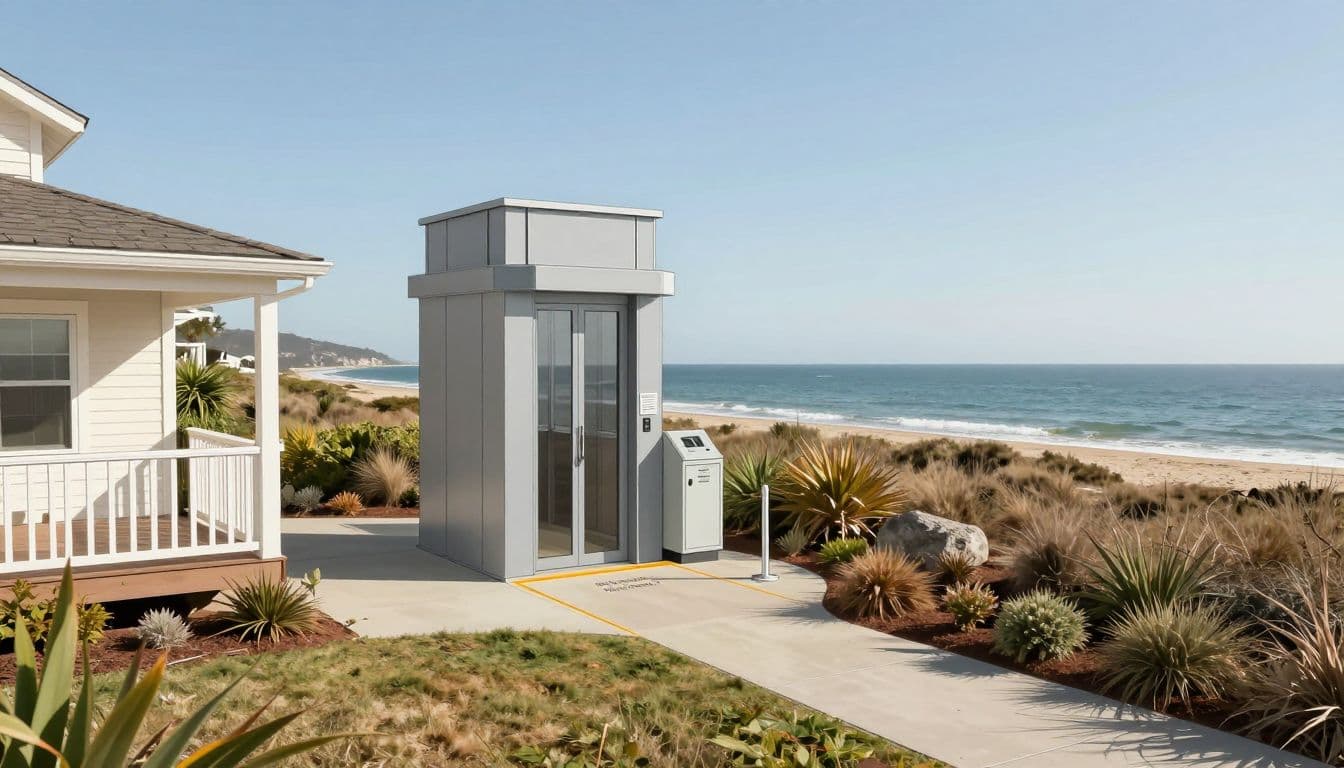
Coastal corrosion can develop in latches, fasteners, electrical enclosures, and gate hardware. Regular service visits create a record of small changes before they become a reason for shutdown.

Use a coastal outdoor lift maintenance checklist to track corrosion, drainage, weather damage, gate operation, and technician findings. Keep service receipts with the rescue file.

Confirm Codes With Your Authority Having Jurisdiction

No single rescue rule applies to every residential outdoor elevator in the United States. Requirements depend on the device type, state and local code adoption, property use, elevation, fire conditions, and the authority having jurisdiction, often called the AHJ.

Your AHJ may include the building department, fire marshal, elevator inspector, or another local agency. A qualified elevator contractor, architect, engineer, electrician, and fire official can clarify which approvals apply to the project.

Passenger lifts, VPLs, and homes follow different paths

ASME A17.1/CSA B44 covers many passenger elevator safety topics, including emergency operation and signaling devices. In some installations, Phase I firefighter recall and Phase II in-car emergency operation may apply. These are trained responder functions, not homeowner controls.

Vertical platform lifts commonly follow different standards, including ASME A18.1. A private single-family home may also follow a different approval path than a rental home, condominium, inn, or shared residential facility.

Accessibility laws and building rules can overlap, yet "ADA compliant" is not a complete project review. Confirm accessibility, egress, landing space, gates, electrical work, fire separation, and emergency access for the actual address.

Florida projects need Florida-specific review

Florida properties may face coastal wind, flood, and fire-prevention requirements beyond the elevator's product documentation. Florida Building Code provisions treat vertical platform lifts as a distinct category, and local officials may apply further conditions.

Review Florida outdoor elevator code requirements early, then confirm the final design with the local AHJ and licensed professionals. A requirement in one county or coastal zone may not apply elsewhere.

Ask Your Elevator Contractor Better Questions

Rescue planning belongs in the first conversations about an installation, retrofit, or replacement. Don't wait for the final inspection to ask how a trapped passenger communicates or how responders reach the equipment.

Questions for the elevator contractor

Ask these questions in writing, then add the answers to your rescue file:

  • Which product standard and locally adopted codes apply to this exact lift and location?
  • Is this equipment approved for people, materials only, or wheelchair access over a limited rise?
  • Where are the disconnect, controller, emergency phone components, and any responder controls?
  • What happens during a power failure, and which features operate on backup power?
  • Which inspections, tests, and maintenance visits does the manufacturer require?
  • What symptoms mean the lift must stay out of service until a technician arrives?
  • Who provides after-hours entrapment service, and what information should we give the dispatcher?

Questions for fire and EMS responders

Contact the local fire department before an emergency when local policy allows. Explain that the home has an exterior lift and ask which access details would help their crews.

Ask whether they want a driveway map, gate code, exterior photos, or a marked responder access route. Confirm whether your area has seasonal flooding, narrow access roads, or bridge restrictions that could affect arrival.

Keep the discussion practical. Local responders decide their own procedures, and the elevator contractor handles equipment-specific technical work.

Keep a Printable Elevator Rescue Planning Checklist

Print this checklist, review it after each service visit, and update it after construction changes or storm repairs.

  • The lift type, manufacturer, model, serial number, and rated capacity are recorded.
  • Everyone understands that no person may ride a cargo lift.
  • The service contractor's 24-hour number is posted and saved in household phones.
  • The property address, best responder entrance, and gate code are current.
  • A diagram shows landings, stairs, controller, disconnect, electrical panel, and generator equipment.
  • Each landing, gate, walkway, and responder route stays clear of stored items.
  • Exterior lights work, and replacement bulbs or fixtures match the installation requirements.
  • The emergency phone, alarm, and communication system receive routine tests.
  • Household members know to call 911 for medical symptoms, fire, smoke, flooding, or loss of contact.
  • Everyone knows not to force doors, bypass gates, climb, or attempt a technical rescue.
  • Storm damage, corrosion, water intrusion, and unusual operation are reported promptly.
  • Service records, inspection reports, permits, and contractor instructions are kept together.
  • The local AHJ and qualified professionals have confirmed applicable building, fire, accessibility, elevator, and emergency-response requirements.
  • The lift remains out of service after an entrapment until a qualified technician clears it.

Review the list at least once a year and after any major change to the home, lift, access route, or household needs.

A Rescue Plan Protects the People Who Depend on the Lift

A well-kept outdoor elevator is easier to use every day, but a written rescue plan matters when normal operation stops. Clear access, working communication, accurate equipment records, and trained responders reduce confusion when minutes feel long.

The strongest elevator rescue planning keeps homeowners out of technical rescue work and puts the right information in the right hands.

Recent Posts

By Veranda 'Vator August 31, 2026
An outdoor lift can make a raised home easier to use every day, but the tower layout affects far more than curb appeal. Outdoor lift towers need the right location, support, drainage, power, and access at every stop. A freestanding tower and a house-attached tower can both pro...
By Veranda 'Vator August 30, 2026
A coastal lift site has to handle more than a change in elevation. It must also stand up to salt spray, wind-driven rain, shifting sand, and occasional floodwater. For homeowners adding pitless platform lifts , the best results start with the site, not the equipment order. A p...
By Veranda 'Vator August 29, 2026
An elevator can remove the challenge of stairs, but only if people can reach it safely in the first place. The path from a driveway, parking area, or patio to an accessible outdoor elevator deserves the same early attention as the lift itself. For homeowners, builders, and des...
By Veranda 'Vator August 28, 2026
A coastal lift can face more electrical stress in one storm season than an indoor unit sees in years. Outdoor elevator electrical requirements must account for salt spray, wind-driven rain, standing water, humidity, flood exposure, and the exact lift installed. A dependable in...
By Veranda 'Vator August 27, 2026
An outdoor elevator can make an elevated beach home easier to live in, but it also changes the home's exterior. Florida HOA elevator approval often turns on details that feel small at first, such as where the tower sits, how visible it is, and where rainwater will go. A strong...
By Veranda 'Vator August 26, 2026
An outdoor lift can appear to work normally until corrosion, water intrusion, or a worn safety component causes a shutdown. A timely outdoor lift modernization review helps property owners protect people, equipment, and access before small issues become larger repairs. Older c...
By Veranda 'Vator August 25, 2026
A reused door code can give a former guest access long after checkout. With an outdoor lift, that mistake can affect both property security and a person's ability to move safely between levels. Outdoor lift access control needs a clear policy before the first reservation arriv...
By Veranda 'Vator August 24, 2026
An outdoor lift can make a raised beach house far easier to enjoy, but it can also create serious risk when guests mistake a cargo platform for a passenger elevator. Clear outdoor elevator safety rules protect guests, staff, and equipment before the first suitcase reaches the...
By Veranda 'Vator August 23, 2026
An outdoor cargo lift can save backs, reduce stair trips, and move bulky supplies safely, but only when people use it for its intended purpose. Cargo lift operator training gives operators a repeatable routine before every load moves. Weather, uneven ground, open gates, and a...
By Veranda 'Vator August 22, 2026
Outdoor elevator placement becomes difficult when the only open side yard sits beside a property line, utility corridor, or access easement. A few feet on a sketch can disappear once zoning setbacks, foundations, landing clearance, and service access enter the plan. If you're...
Show More