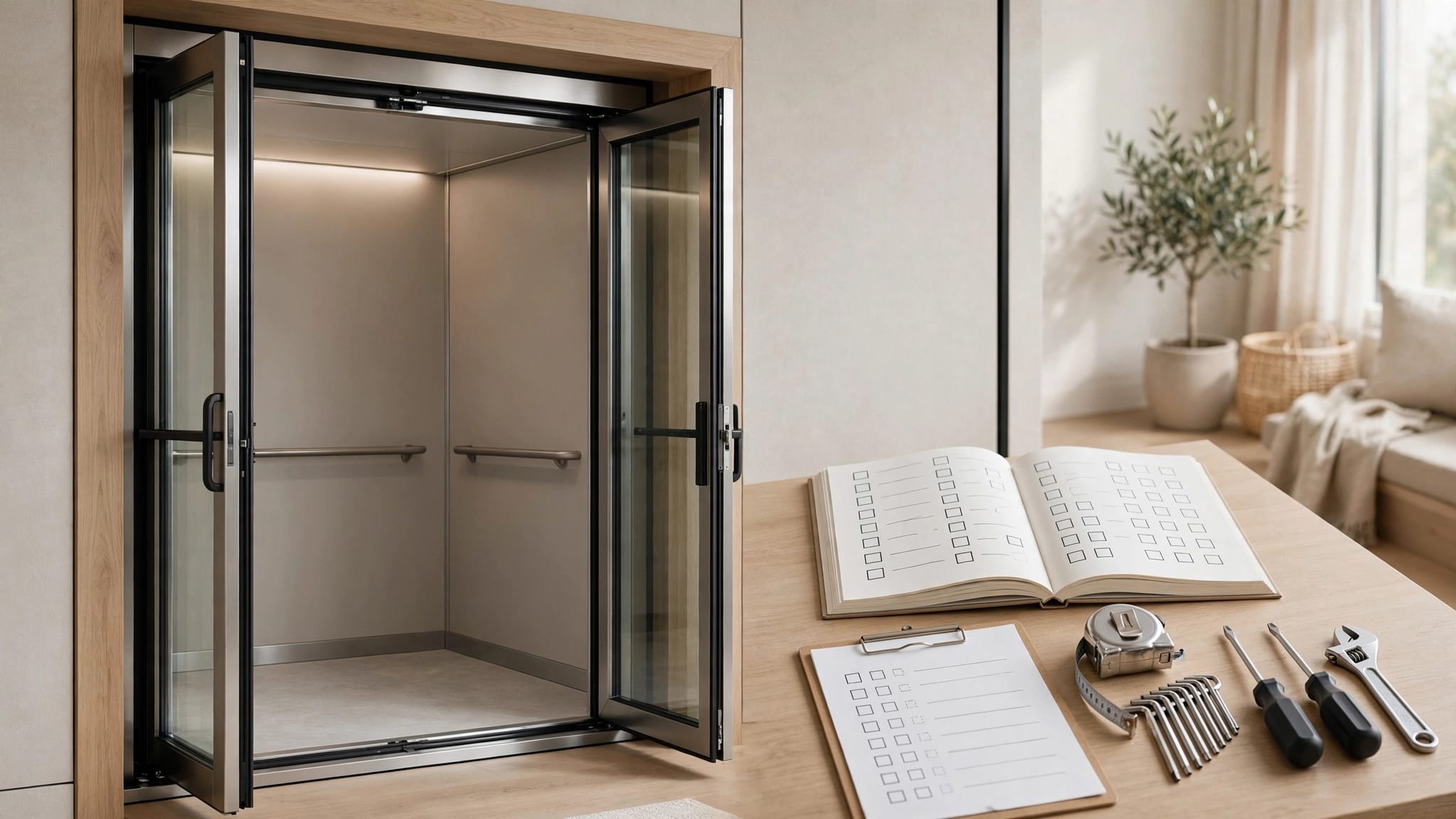
A lift quote can feel dense because it combines equipment details, site work, safety items, and local approval requirements. Knowing the home lift terms on the page helps you compare proposals without guessing what is included.
Use this glossary to match each term to your planned use, whether you need to move people, mobility equipment, groceries, luggage, or building materials. Final requirements must be confirmed with the lift company, your local building department, and qualified structural and electrical professionals.
Home lift terms that identify the equipment
1. Passenger elevator
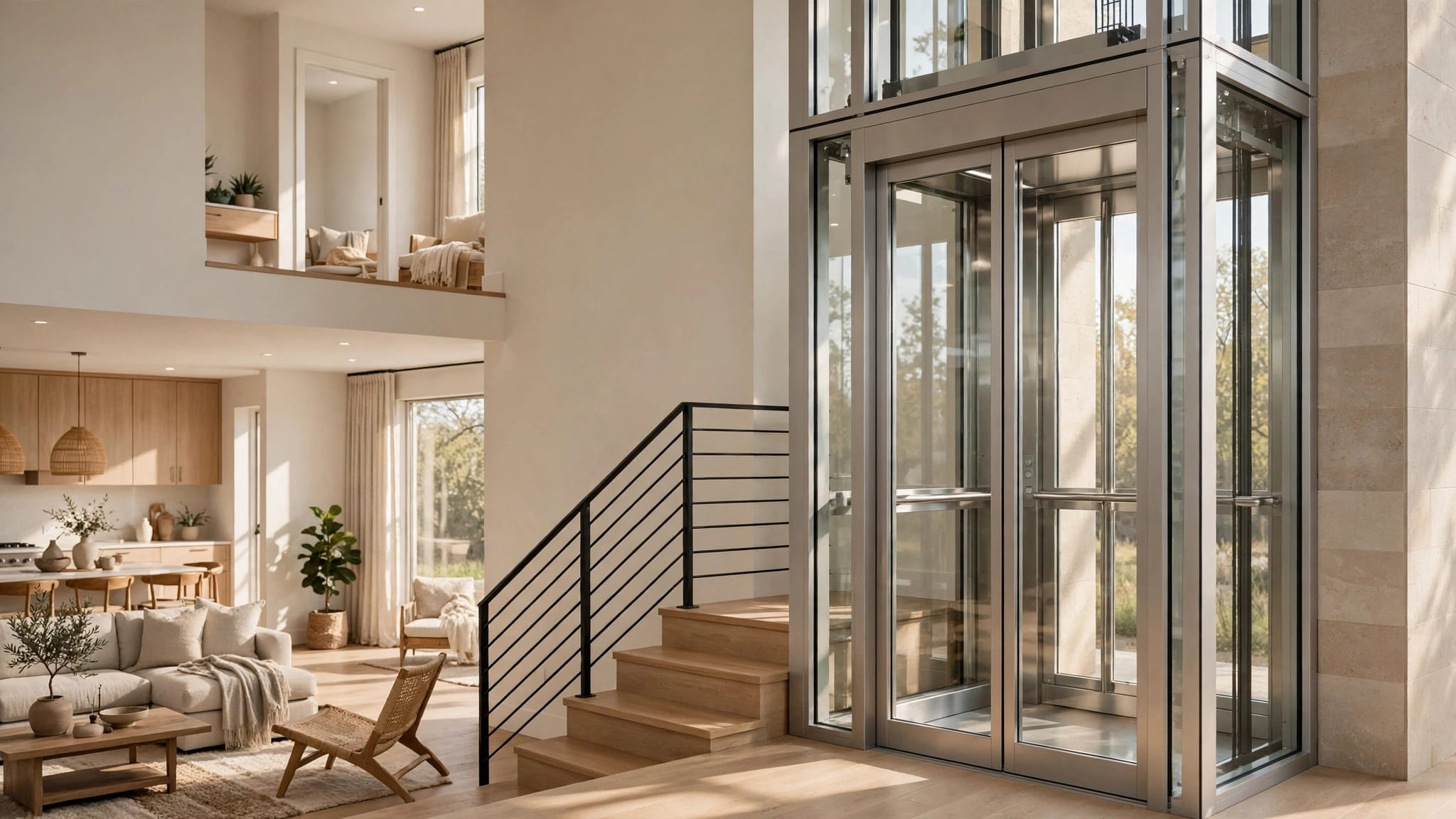
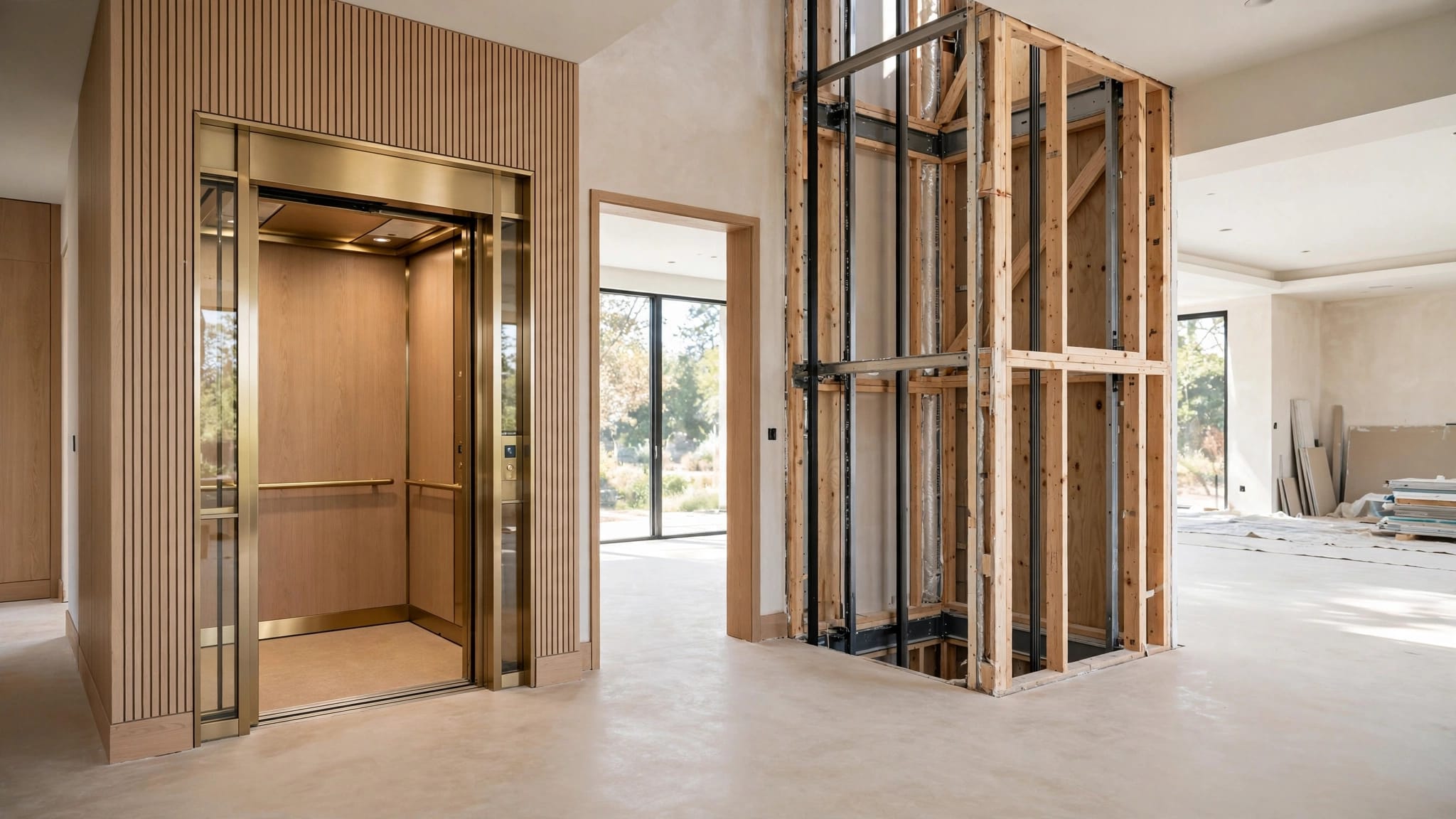
A passenger elevator is built and permitted to carry people between levels. Quotes may describe the cab, doors, controls, lighting, emergency features, and code requirements. It usually requires more enclosure work and coordination than a material lift, which can affect the total project scope.
2. Cargo lift
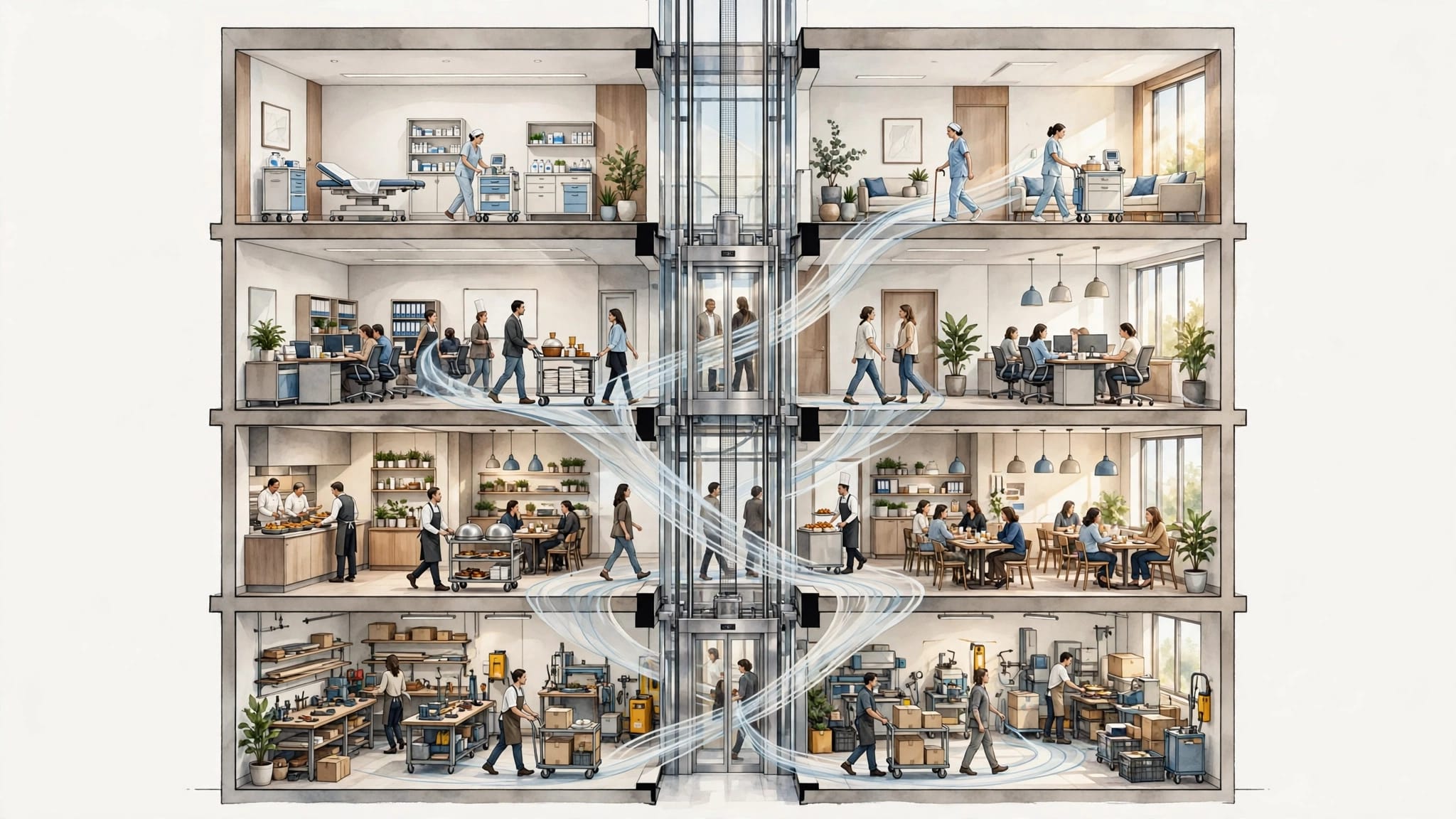
A cargo lift moves materials such as groceries, furniture, tools, boxes, and luggage. It isn't automatically approved for passengers, even if it looks large enough to stand in. Confirm its intended use before you buy, and review the cargo lift versus passenger elevator differences when your home needs both convenience and people access.
3. Vertical platform lift (VPL)
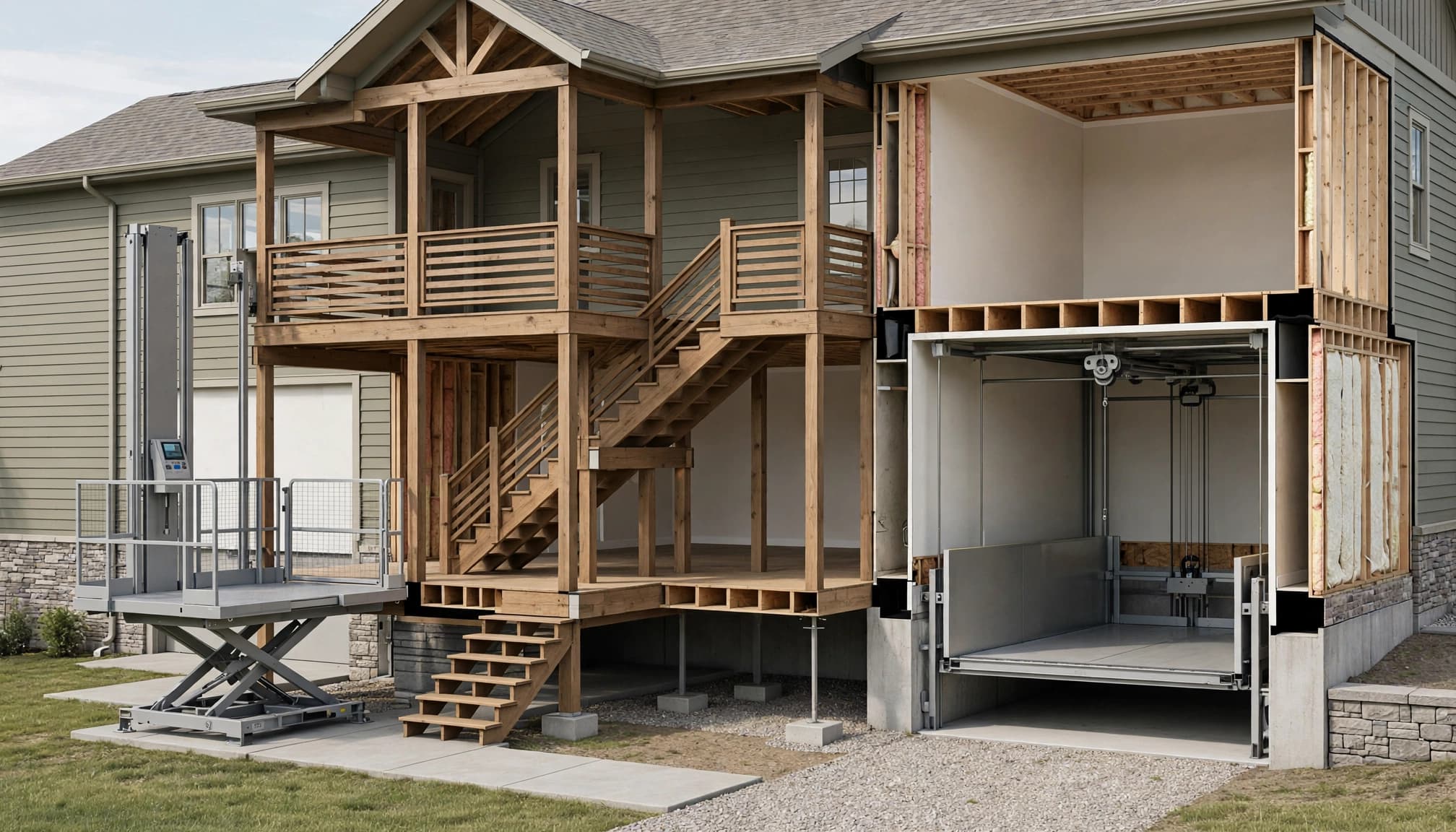
A vertical platform lift carries a wheelchair user, often with a companion, over a shorter vertical distance. It can provide direct access to a porch, deck, or landing without a full elevator shaft. However, travel limits, platform size, gates, and site conditions determine whether a VPL fits the project.
4. Rated load capacity
Rated load capacity is the maximum weight the lift is designed to carry. A quote should state the capacity in pounds and explain whether it applies to people, a wheelchair, freight, or a combination of those loads. Higher capacity can change the equipment size, structural needs, and price.
Travel and space terms that shape the design
5. Travel
Travel is the vertical distance between the lowest and highest lift stops. It sounds simple, but measurements should use finished floor levels rather than rough framing heights. A longer travel distance can require different equipment, more rail sections, additional site work, and a longer installation schedule.
6. Landing
A landing is the floor area where someone enters or exits the lift. Each stop needs a safe approach, enough clear space, and appropriate gate or door protection. Landing dimensions matter for wheelchair turning space, moving bulky items, and avoiding tight thresholds at a porch or balcony.
7. Hoistway
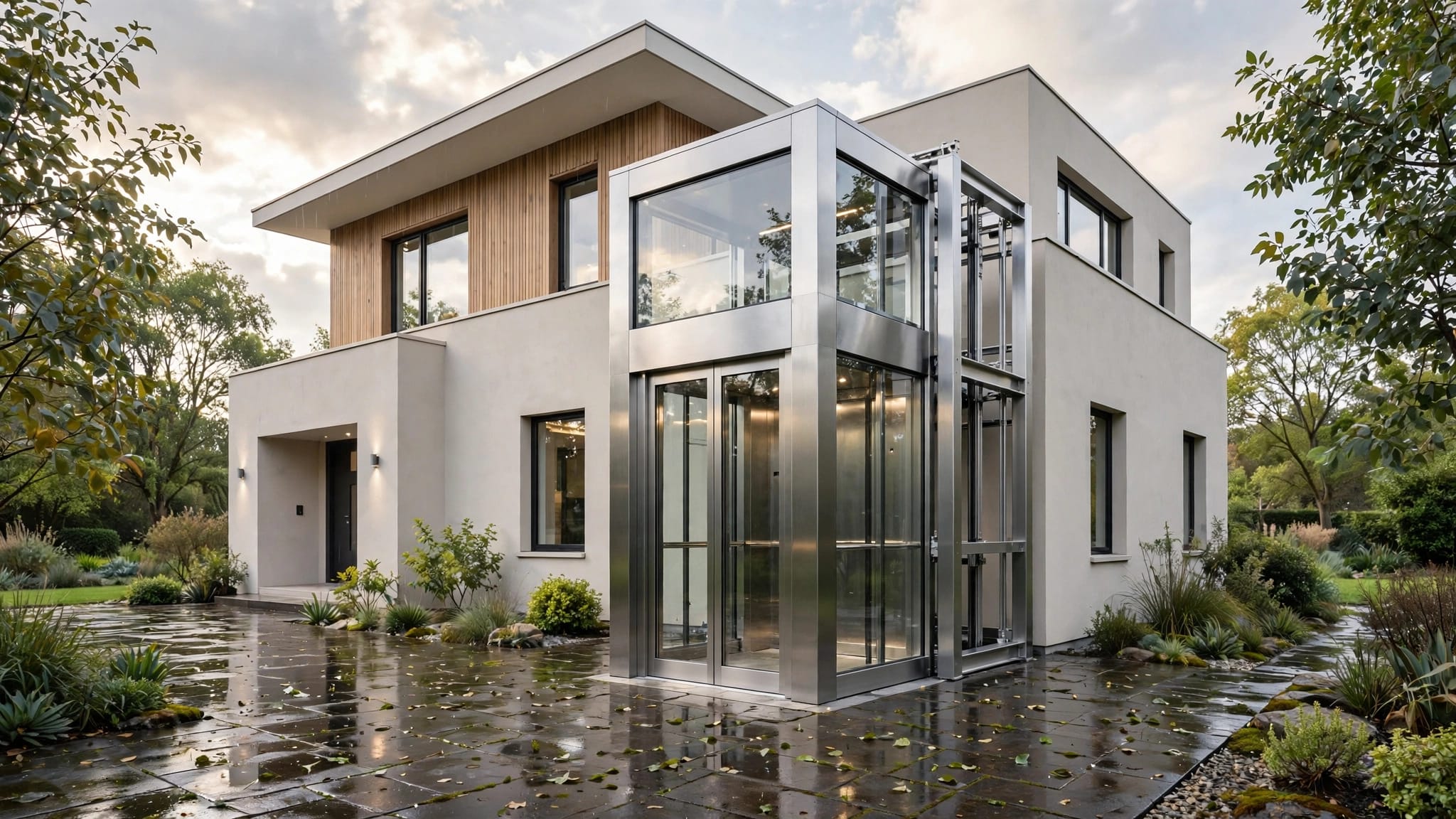
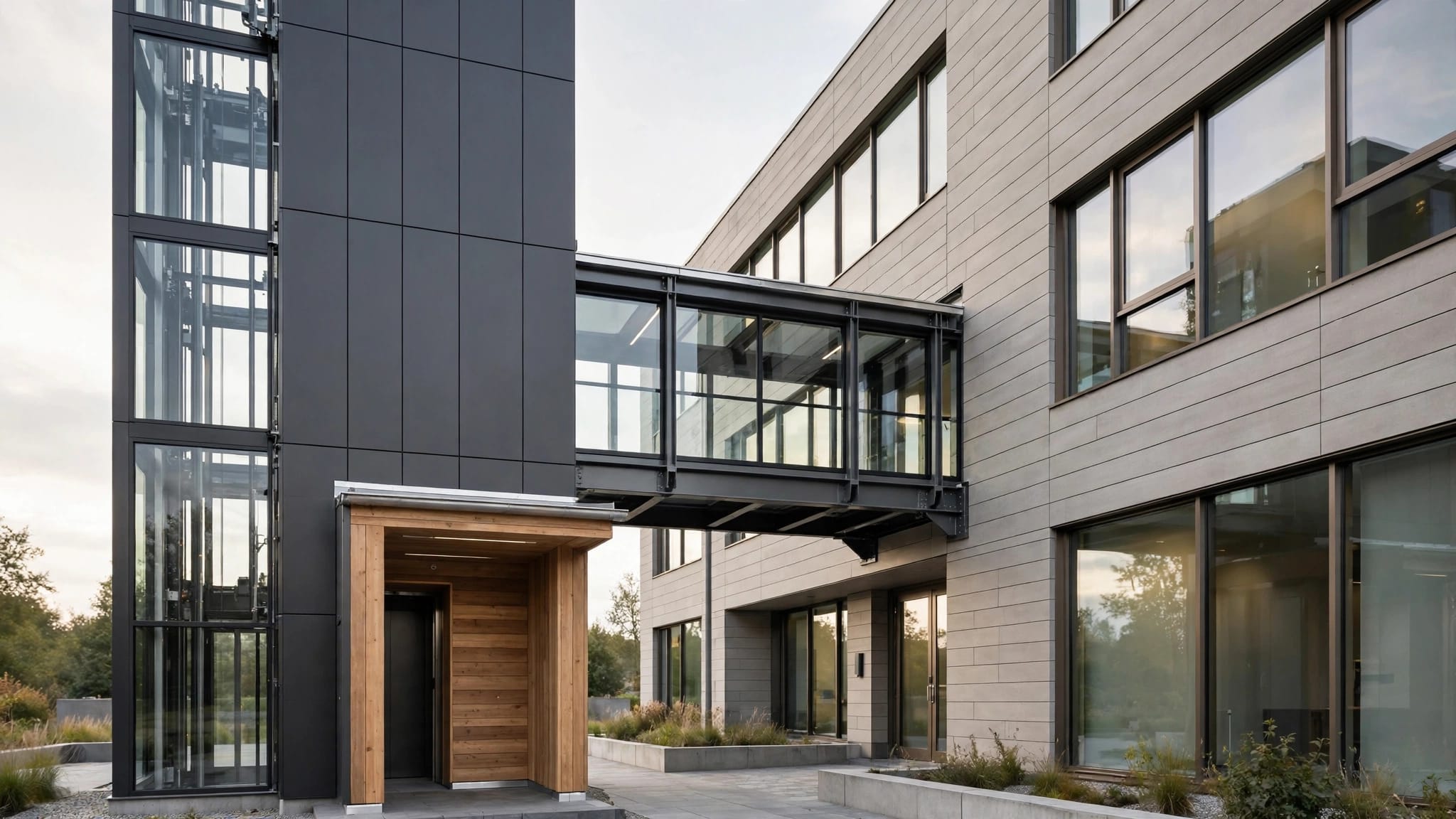
A hoistway is the vertical space where an elevator car moves. It may be a framed enclosure, a masonry shaft, or a purpose-built exterior structure. The quote should state who supplies the hoistway, its dimensions, weather protection, and any finish work that falls outside the lift installer's scope.
8. Pit
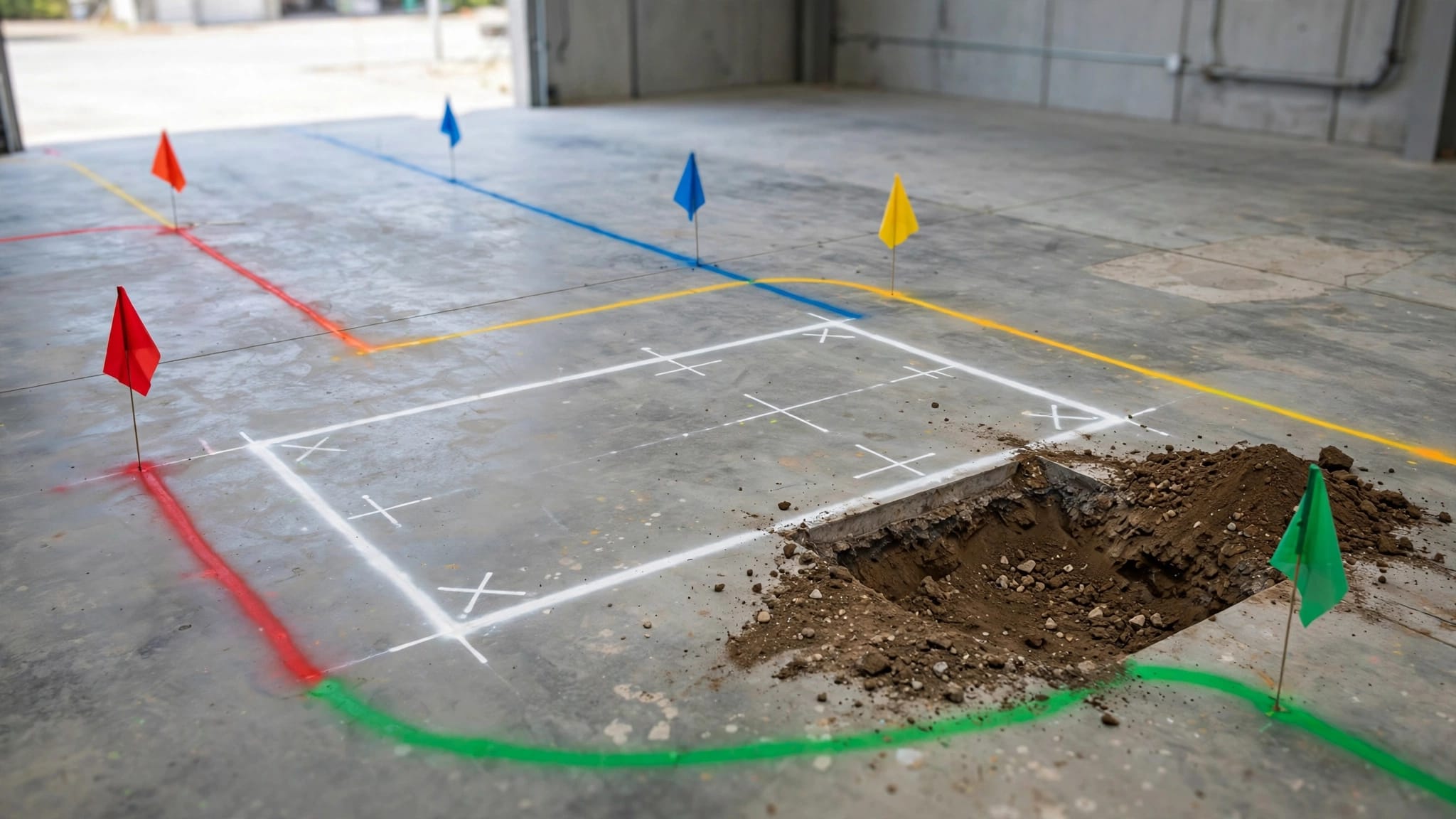
A pit is a recessed area below the lowest landing. Some elevator designs need one to create a level floor at the bottom stop. Excavation, concrete, waterproofing, drainage, and flood conditions can affect pit work, so verify whether the quote includes it or assumes the site is ready.
9. Overhead clearance
Overhead clearance is the space above the top landing that the lift needs to operate safely. It may affect roof framing, porch ceilings, or an existing upper deck. Early measurement prevents a costly surprise after the lift arrives, particularly in retrofit projects with low overhead space.
Entry and safety components on the quote
10. Cab or platform
A cab is an enclosed passenger compartment, while a platform is the load-carrying surface on many cargo lifts and VPLs. This distinction affects privacy, weather exposure, controls, and permitted use. Confirm the usable interior dimensions, not only the overall outside dimensions shown in a drawing.
11. Clear opening
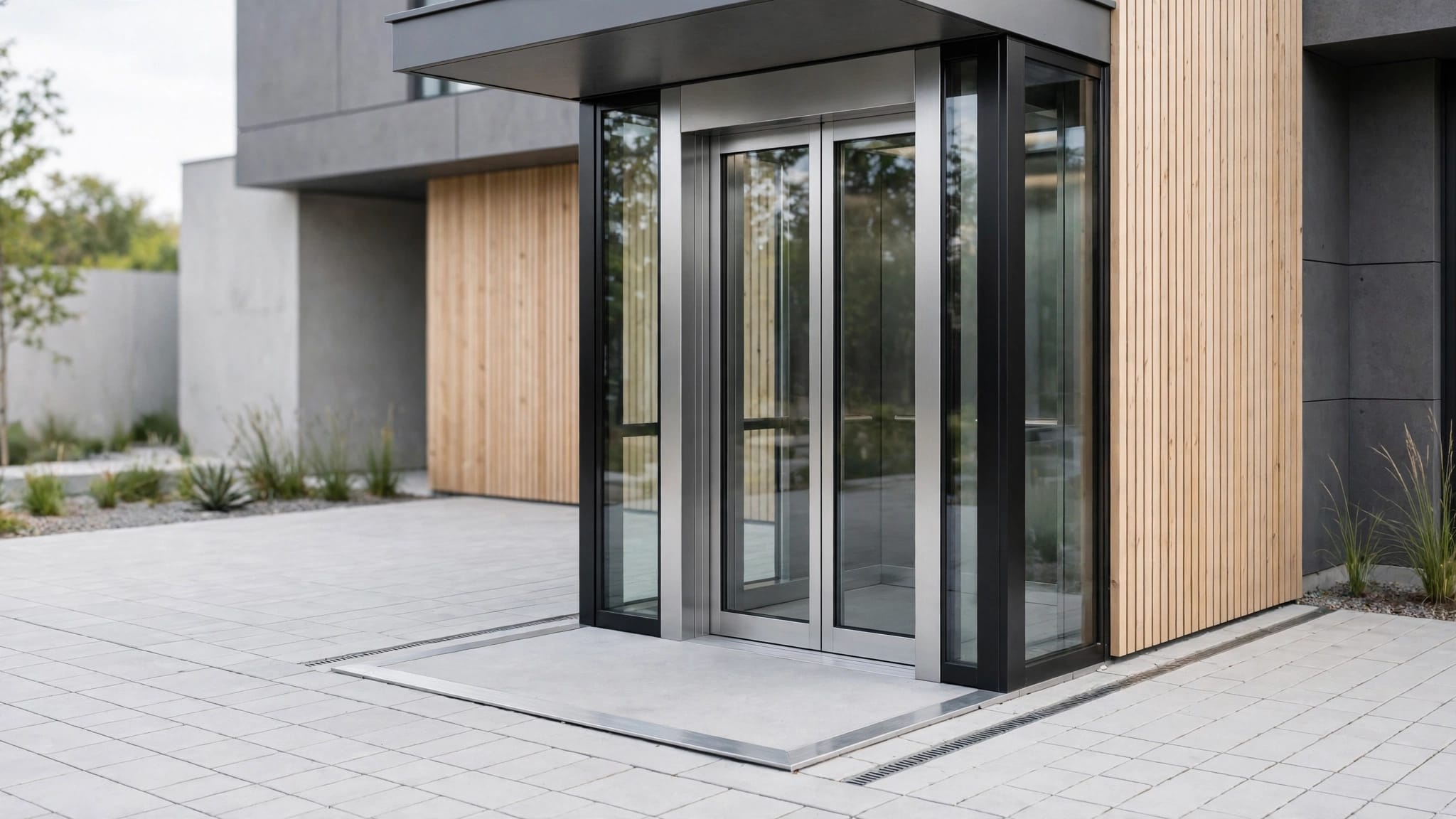
Clear opening is the actual unobstructed width of a doorway or gate when it is open. It is often smaller than the rough opening in a wall. For accessibility, this measurement affects wheelchair access, caregiver space, and the ease of moving walkers or larger household items.
12. Landing gate or elevator door
A landing gate protects an opening at each floor, while an elevator door may close at the cab itself. The quote should identify each gate and door, how it operates, and who provides surrounding framing. Powered doors may add convenience but can add equipment and service considerations.
13. Interlock
An interlock is a safety device that keeps a gate or door secured until the lift is in the correct position. It also prevents lift movement when a protected opening isn't closed. Interlocks are small parts with a large safety role, so ask whether every required landing includes one.
A gate is more than a barrier. Its interlock must work with the lift position and the landing layout.
Mechanical and electrical home lift terms
14. Guide rails
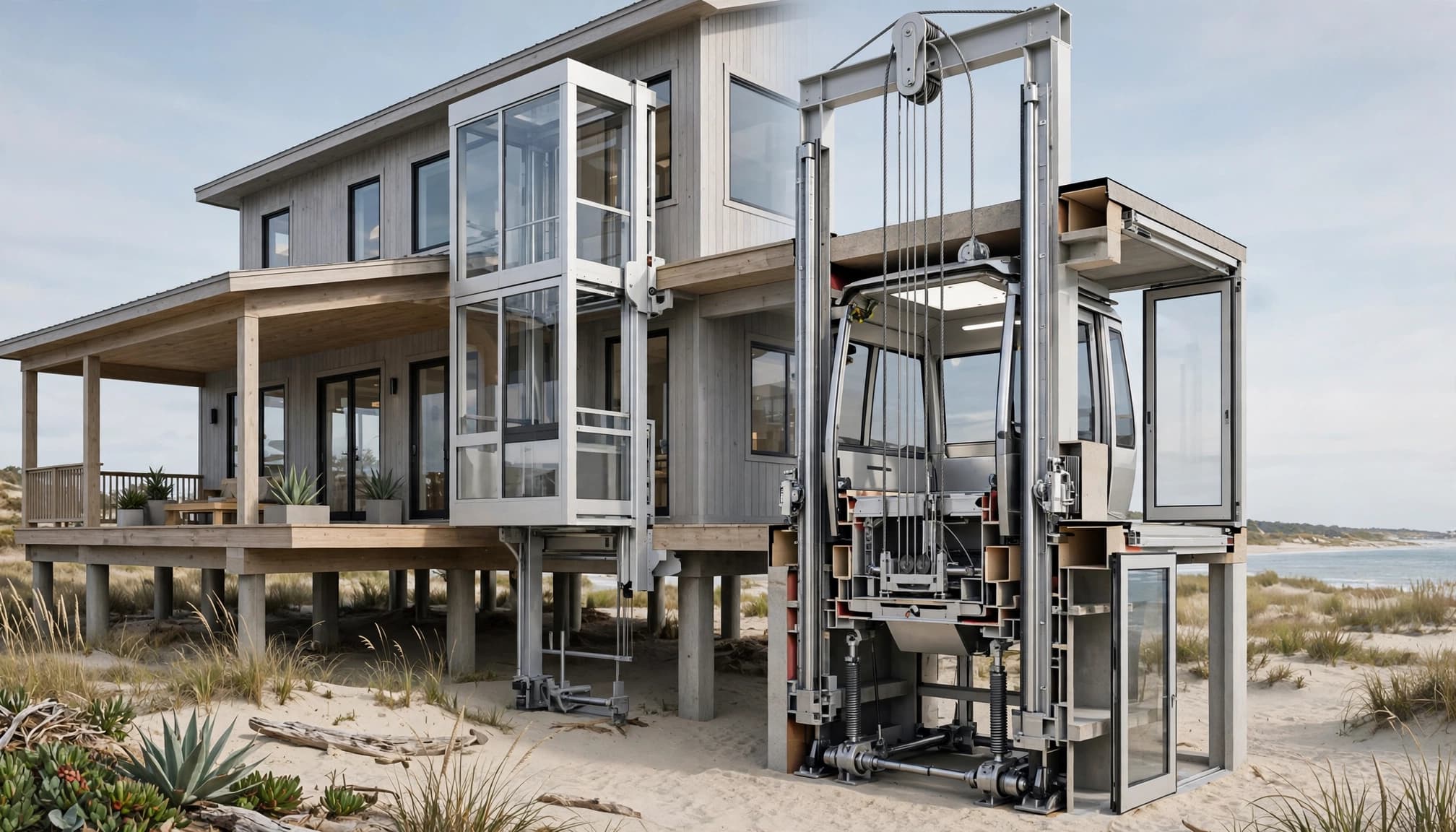
Guide rails are rigid tracks that keep the car or platform moving along its intended path. They must attach to suitable structural support and remain properly aligned. Rail length, fastening points, and exterior exposure can affect both installation labor and future adjustment needs.
15. Drive system
The drive system provides the force that raises and lowers the lift. A quote may describe a cable, drum, hydraulic, screw-drive, or other manufacturer-designed arrangement. Ask how the system fits the site, what electrical supply it needs, and what routine service it requires.
16. Controller
The controller is the electrical unit that manages lift movement, stops, and safety inputs. It may need a protected indoor or weather-rated location, depending on the product. Its placement affects wire runs, service access, and the coordination between the lift installer and electrician.
17. Dedicated circuit
A dedicated circuit supplies power only to the lift equipment. The quote may list voltage, amperage, disconnect requirements, or wiring responsibilities. An electrician should confirm the home's available service and panel capacity before installation dates are set, especially when the property has older electrical equipment.
Site conditions that can change the installation scope
18. Corrosion protection
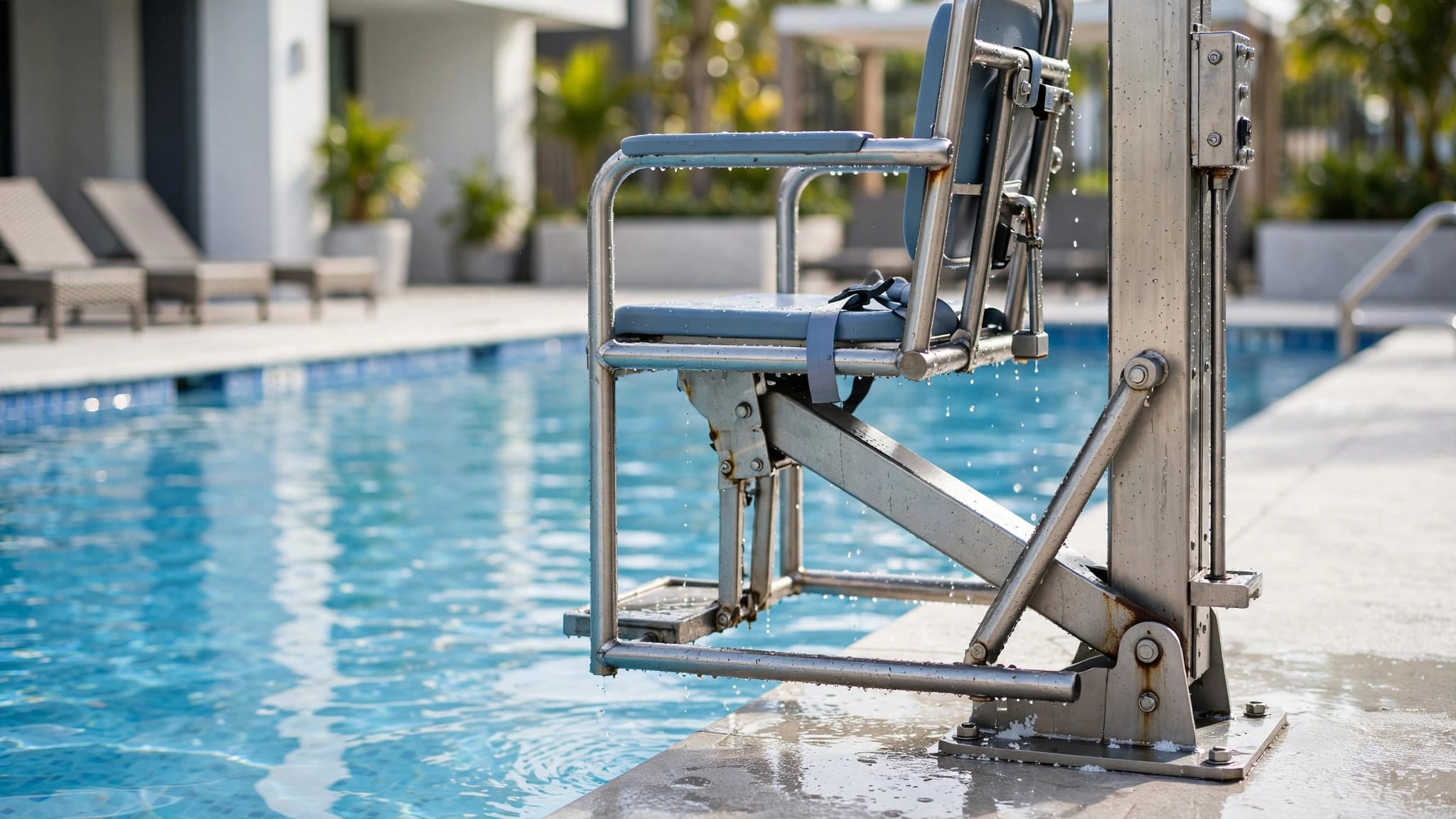
Corrosion protection refers to finishes and materials that resist rust and deterioration. It matters most at coastal homes, exposed decks, and areas with frequent rain or salt air. Ask what the quote includes, such as coatings, stainless hardware, drainage details, or marine-grade components.
19. Site survey
A site survey is an on-site review of measurements, access paths, structural conditions, utilities, and landing locations. It turns early assumptions into a workable plan. A detailed survey can reveal issues such as uneven grade, restricted delivery access, or a porch that needs reinforcement.
20. Structural support
Structural support is the framing, foundation, wall, or independent structure that carries lift loads and rail attachments. The lift supplier can state required loads and attachment points, while a qualified local professional confirms the building can support them. Repair or reinforcement work may be separate from the lift quote.
21. Permit and inspection
Permits and inspections are local approval steps that may apply to the equipment, electrical work, structural changes, or accessibility features. Responsibility varies by project. Confirm who prepares documents, pays fees, schedules inspections, and corrects work if an inspector requests changes.
For existing properties, retrofitting an outdoor lift often requires closer attention to framing, landing access, and utility locations than new construction.
Quote details that affect timing and ownership
22. Lead time
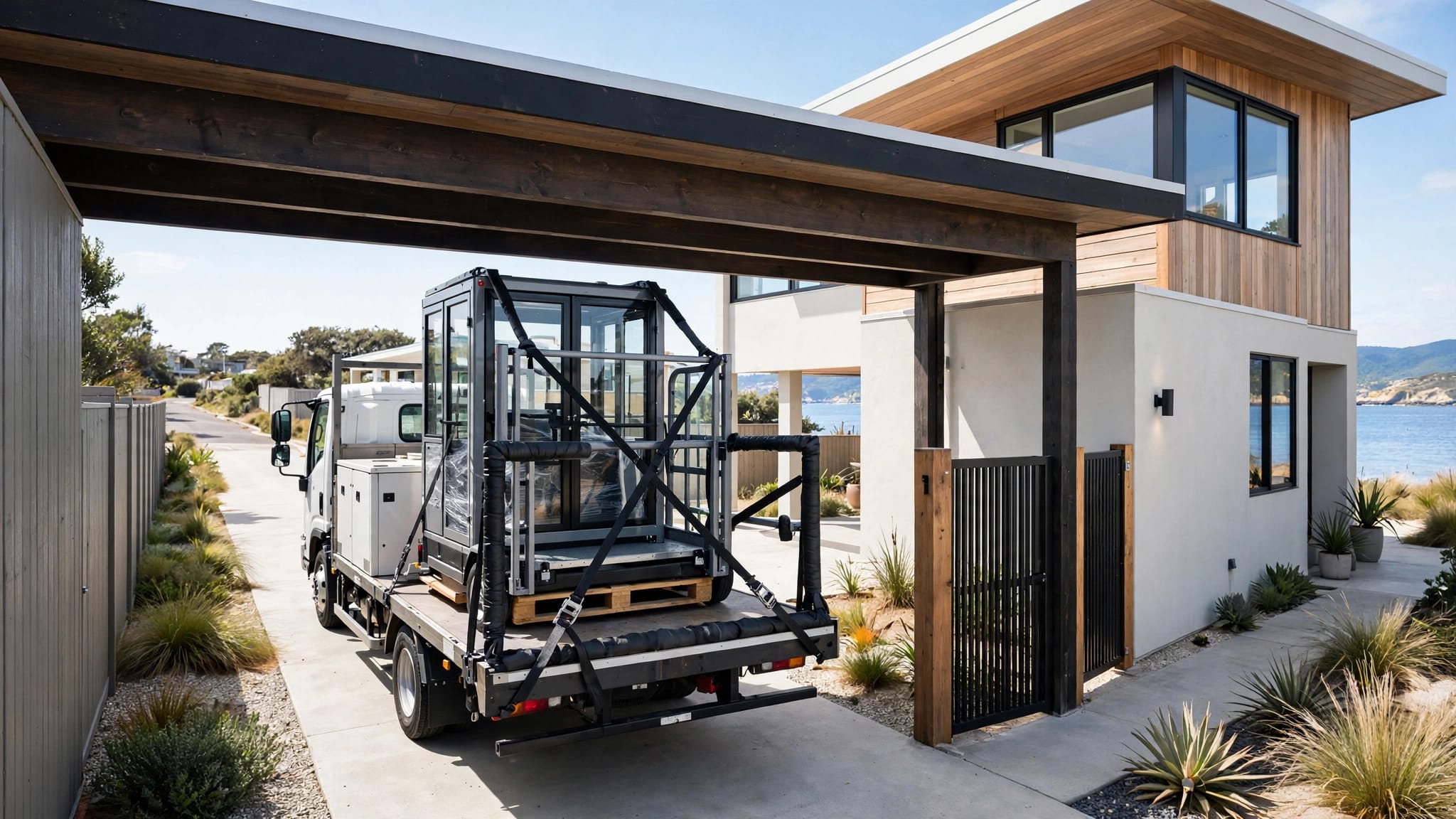
Lead time is the period between a confirmed order and equipment availability. It can include final measurements, engineering review, fabrication, delivery, and site readiness. Ask which milestone starts the clock, because an estimated delivery date may depend on approved drawings or completed construction.
23. Installation scope
Installation scope defines the work included in the lift company's price. It may cover equipment assembly and testing while excluding concrete, framing, finishes, electrical work, demolition, or permits. Compare scopes line by line, because two quotes can describe similar lifts but include very different site work.
24. Warranty
A warranty states what the manufacturer or installer will repair or replace within a defined period. It may treat major equipment, labor, finishes, batteries, and weather damage differently. Read exclusions closely and keep records of service visits, since missed maintenance can affect coverage.
25. Maintenance plan
A maintenance plan outlines inspections, lubrication, adjustments, testing, and replacement of worn components. Outdoor lifts need attention to drainage, debris, exposure, gates, and electrical connections. Ask who provides service in your area, how you request a visit, and which maintenance tasks belong to the owner.
Questions to ask before accepting a lift quote
A clear quote should describe the equipment and the work around it. The strongest choice matches the lift to its intended use, the building, and the people who will rely on it.
Before you sign, use this short checklist:
- Does this lift carry passengers, cargo, wheelchairs, or only one of those uses?
- What capacity, travel distance, platform or cab size, and clear opening does the quote include?
- Which site work is excluded, including structural support, concrete, electrical work, drainage, permits, and finishes?
- Who confirms code requirements, permit needs, and inspection responsibilities?
- What conditions could change the installation date or final project cost?
- What warranty and maintenance support will be available after installation?
Clear answers to these questions turn home lift terms into a practical plan for safer daily access and dependable material handling.
Recent Posts