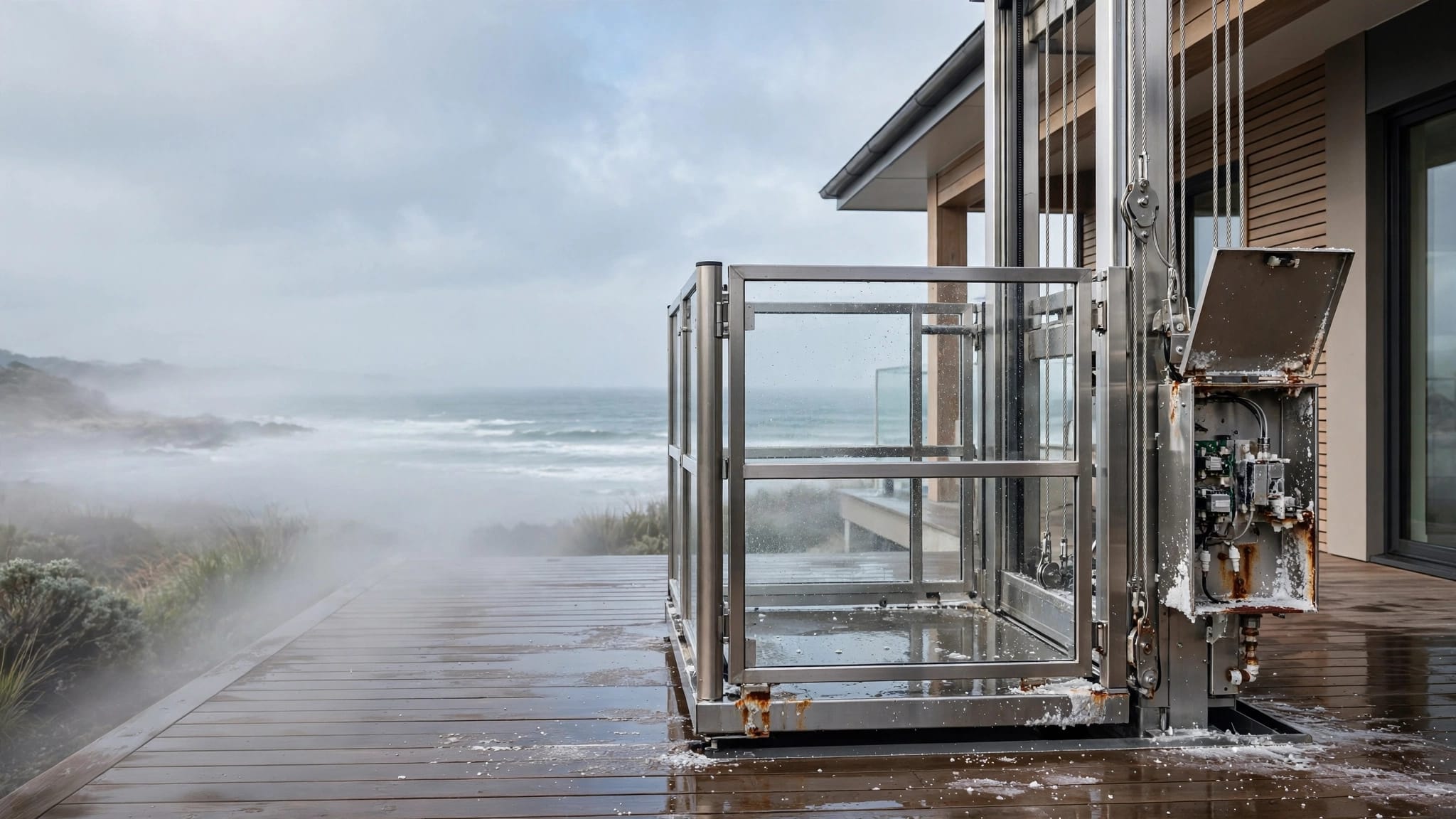
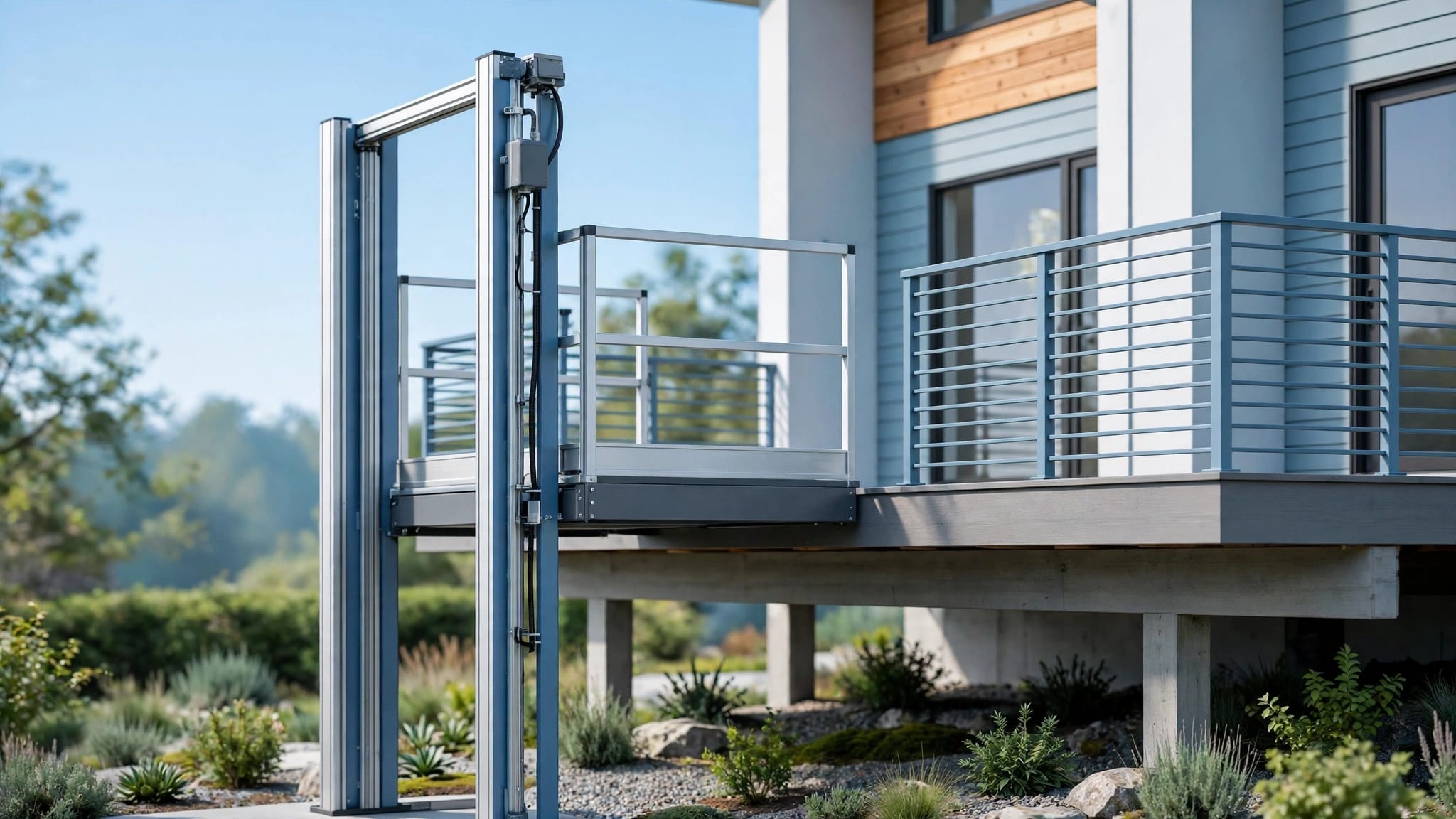
Rain can turn an exterior elevator landing into a dangerous entry point within minutes. Snow, ice, salt spray, and tracked-in grit create added problems for anyone carrying groceries, pushing a wheelchair, or moving cargo.
The right non-slip elevator surfaces help maintain traction, but the floor material is only part of a safe landing. Drainage, platform design, cleaning, lighting, and the transition between the landing and elevator all matter. Start with the conditions around your home, then choose a surface that fits the lift's purpose.
Why Traction Matters on Exterior Home Elevators
An outdoor elevator landing is exposed to weather every day. Even a light rain can leave a smooth metal floor slick. Coastal homes face additional exposure to salt, humidity, sand, and wind-driven moisture. In colder regions, freezing temperatures can turn small puddles into thin sheets of ice.
The risk increases when the landing carries traffic in both directions. A passenger may step out with wet shoes, while a caregiver guides a wheelchair behind them. A cargo user may pull a hand truck across the platform while balancing a box. Each situation needs a stable surface with predictable footing.
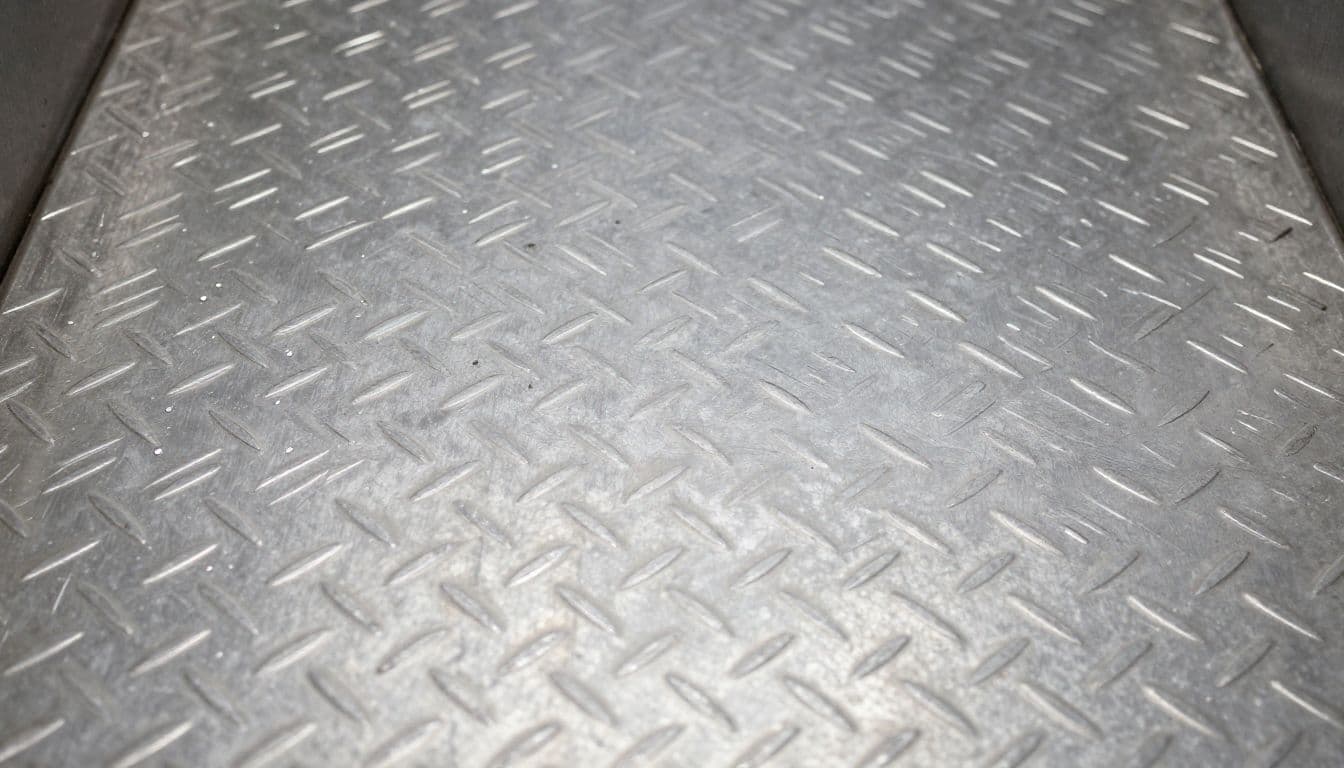
Texture improves grip by giving shoes and wheels more contact with the floor. Drainage reduces the amount of water that remains underfoot. A surface with deep grooves may move water away, while a raised pattern can provide traction when the floor is damp.
A non-slip surface cannot create traction on top of ice. Snow and ice removal must remain part of the operating routine.
The landing should also have a clear transition. A raised edge, loose mat, or uneven seam can catch a wheelchair caster, walker, cart, or boot. For that reason, non-slip elevator surfaces should be selected with the complete entry path in mind.
How Non-Slip Elevator Surfaces Handle Wet Weather
Water management starts with the platform design. The floor should shed rain without creating a steep or awkward path at the elevator entrance. A level loading area is important for passengers and rolling cargo, so homeowners shouldn't add an improvised slope or floor covering without checking the lift design.
Grooves, perforations, or raised textures can help water move away from the main walking area. However, openings must suit the lift's use. A gap that helps drain rain may catch a small wheelchair caster, cane tip, dolly wheel, or pet paw. Ask the manufacturer what floor pattern works with the expected traffic.
The area around the landing matters too. Roofs, awnings, and side panels can reduce direct rainfall, though wind may still drive water onto the platform. A nearby downspout shouldn't discharge across the landing. Gutters and drainage paths need regular inspection because leaves and sand can redirect water toward the elevator.
Snow and ice require a different approach. Clear the platform before use, especially when the surface has shaded areas that freeze first. Use tools and deicing products approved for the floor material and lift components. Metal scrapers can damage coatings, while some salts may accelerate corrosion around fasteners and frames.
Door and gate thresholds also need attention. The surface may provide excellent grip, yet a wet or raised threshold can still cause a stumble. Keep these transition points clean and check them after storms, heavy rain, or freeze-thaw cycles.
Comparing Materials for Exterior Elevator Platforms
Material selection involves more than choosing the roughest available finish. The floor must balance traction with corrosion resistance, rolling comfort, weight, cleaning, and the expected load.
The following comparison shows common options and the trade-offs homeowners should discuss with a lift manufacturer.
| Material or finish | Outdoor strengths | Points to review |
|---|---|---|
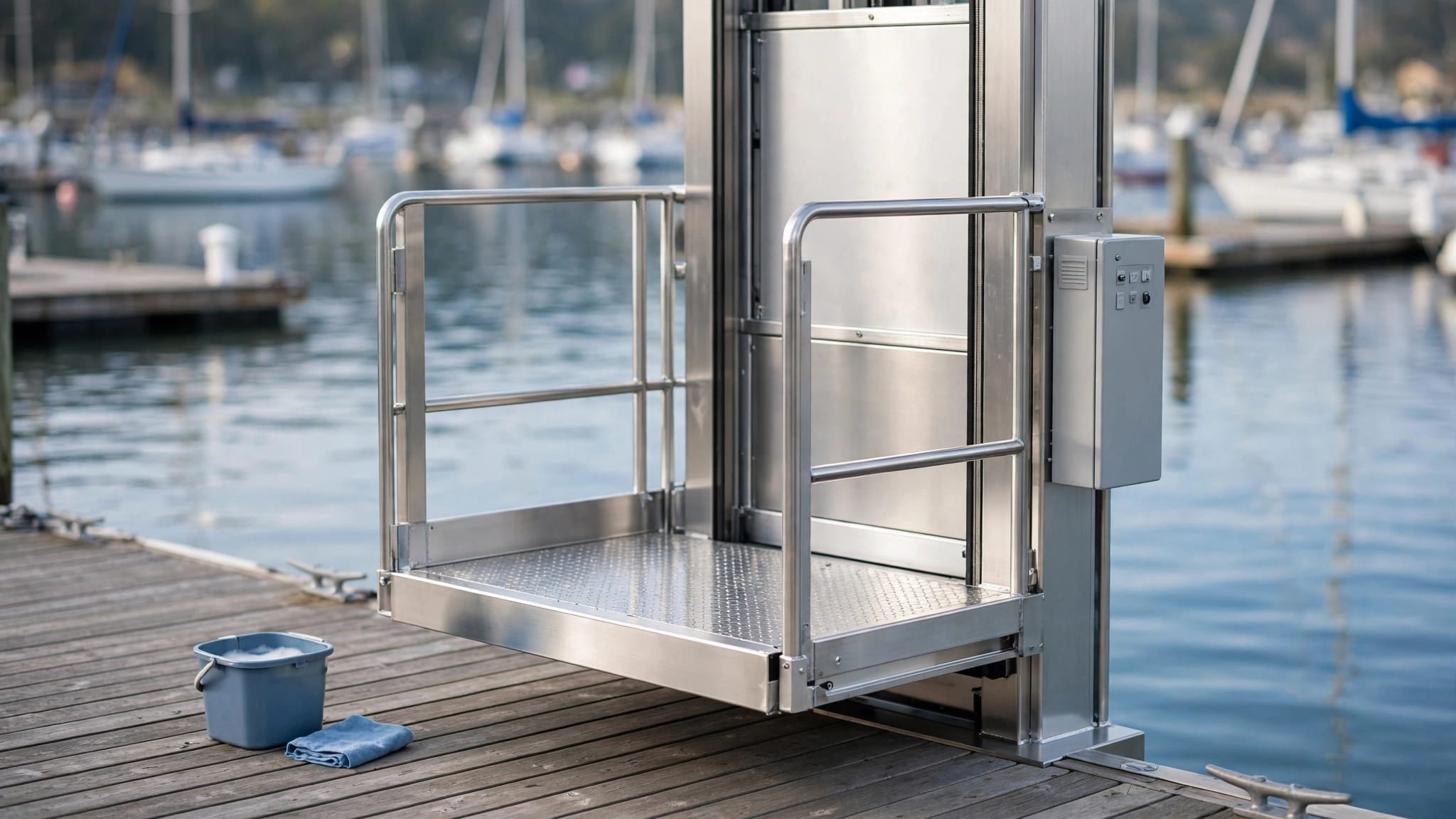
| Textured aluminum | Light, corrosion-resistant, and suitable for many coastal applications | Texture can collect sand and may feel harsh under small wheels |
| Coated steel | Strong and well-suited to heavy-duty platforms | Scratches or damaged coating can expose the metal to moisture |
| Stainless steel | Resists many forms of corrosion and offers a clean appearance | Smooth grades can become slick, and textured versions may cost more |
| Rubber or vinyl flooring | Comfortable underfoot and available in slip-resistant patterns | Edges, adhesive, UV exposure, and trapped moisture need inspection |
| FRP or composite grating | Allows water and debris to pass through in some designs | Open patterns may not suit wheelchairs, canes, or small cargo wheels |
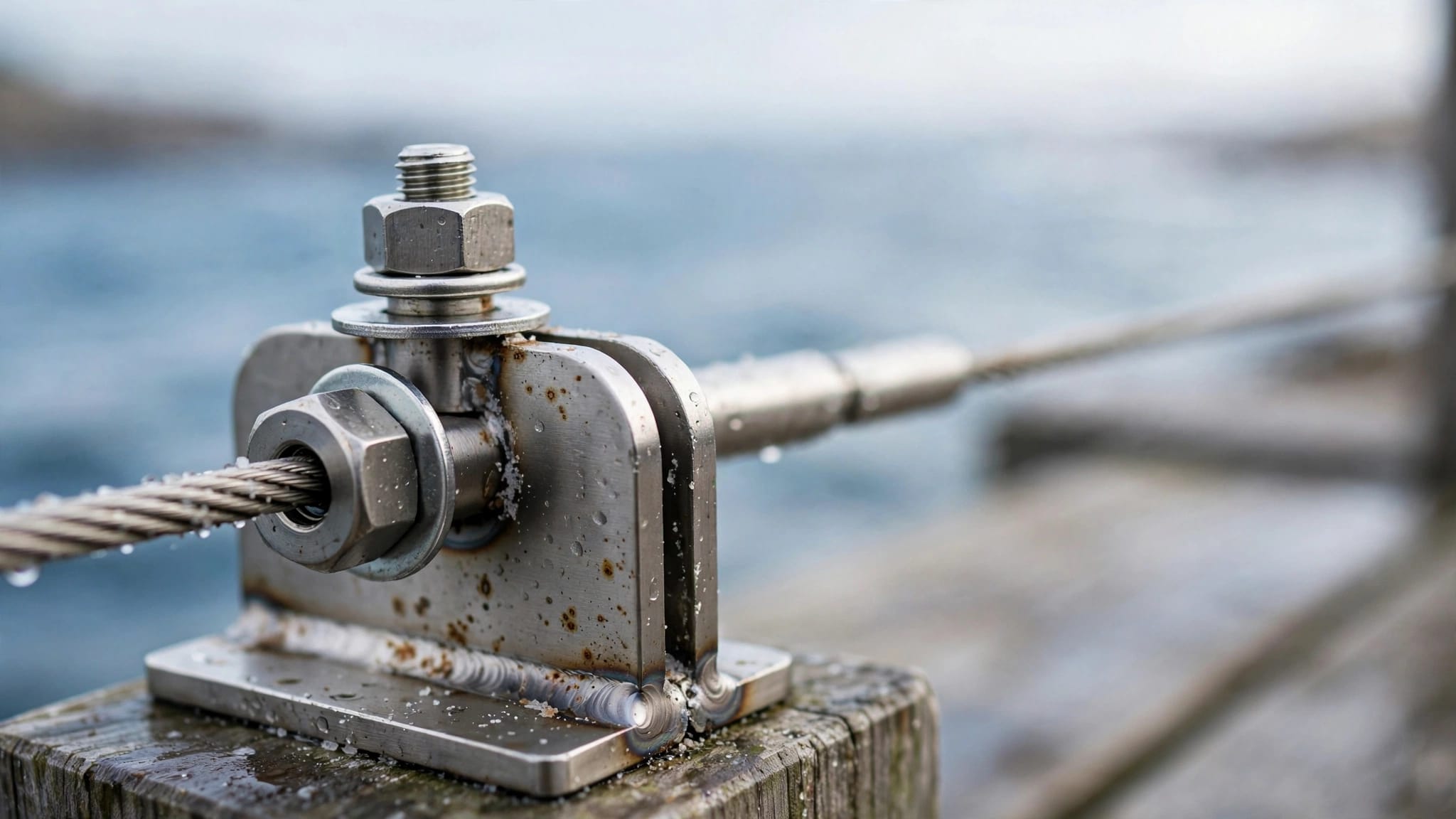
Textured aluminum is common on exterior equipment because it combines low weight with a practical grip pattern. In a coastal setting, the surrounding hardware and fasteners still need compatible corrosion protection. Contact between dissimilar metals can also require careful detailing.
Steel can handle demanding loads, but its finish needs regular attention. A deep scratch, flaking coating, or rust around a fastener deserves prompt inspection. Stainless steel resists corrosion well, yet a polished surface may perform poorly when wet. The finish matters as much as the metal.
Loose mats seem convenient, but they can curl, shift, hold water, or block a gate. Use one only when the lift manufacturer approves it and the mat fits securely without covering drainage points.
The best material is the one that provides traction without creating a new obstacle for the people and equipment using the lift.
Match the Surface to the Lift's Job
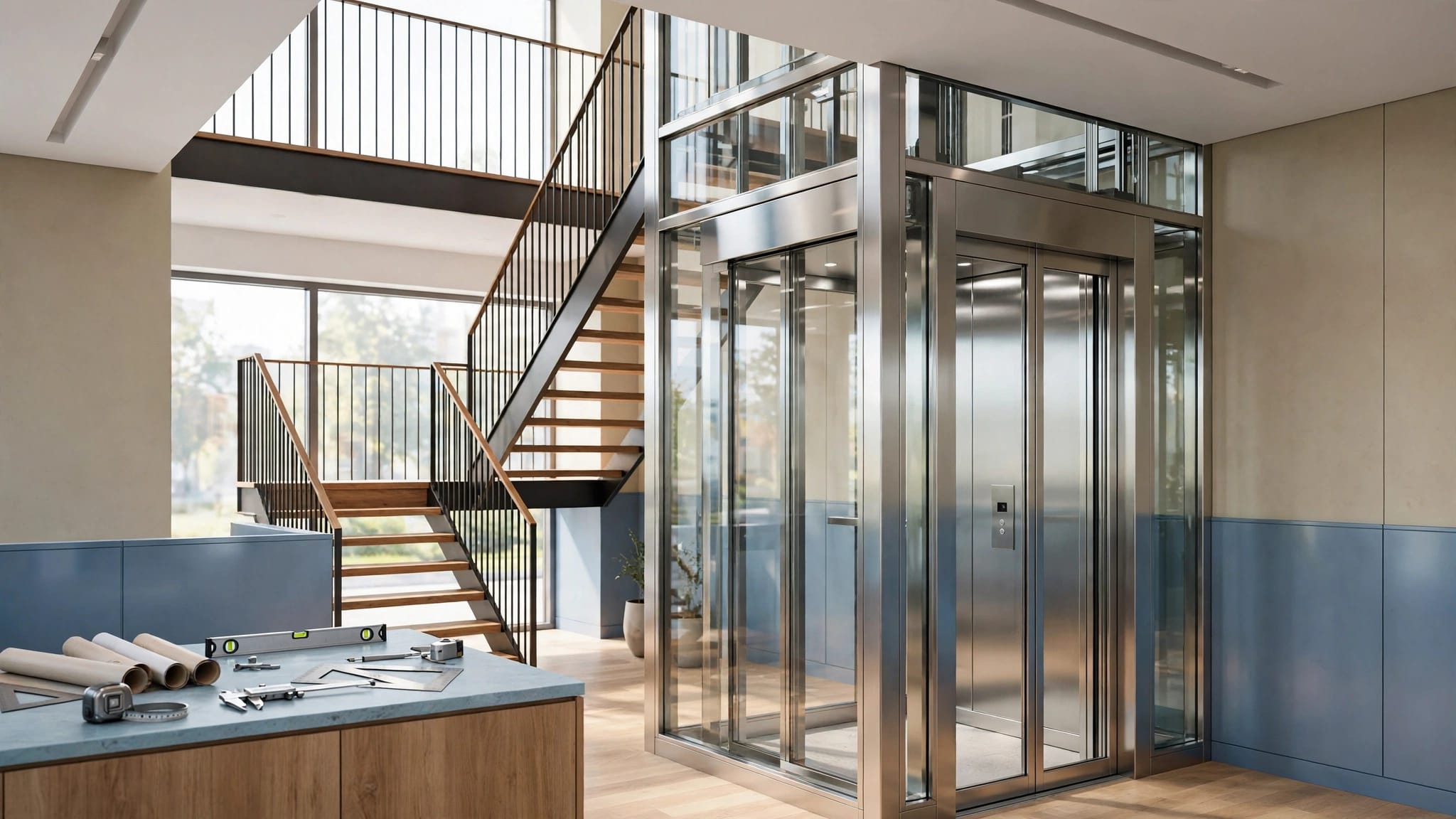
A passenger elevator and a cargo lift don't place the same demands on a platform. The surface should match the type of movement, the load pattern, and the people who use the lift.
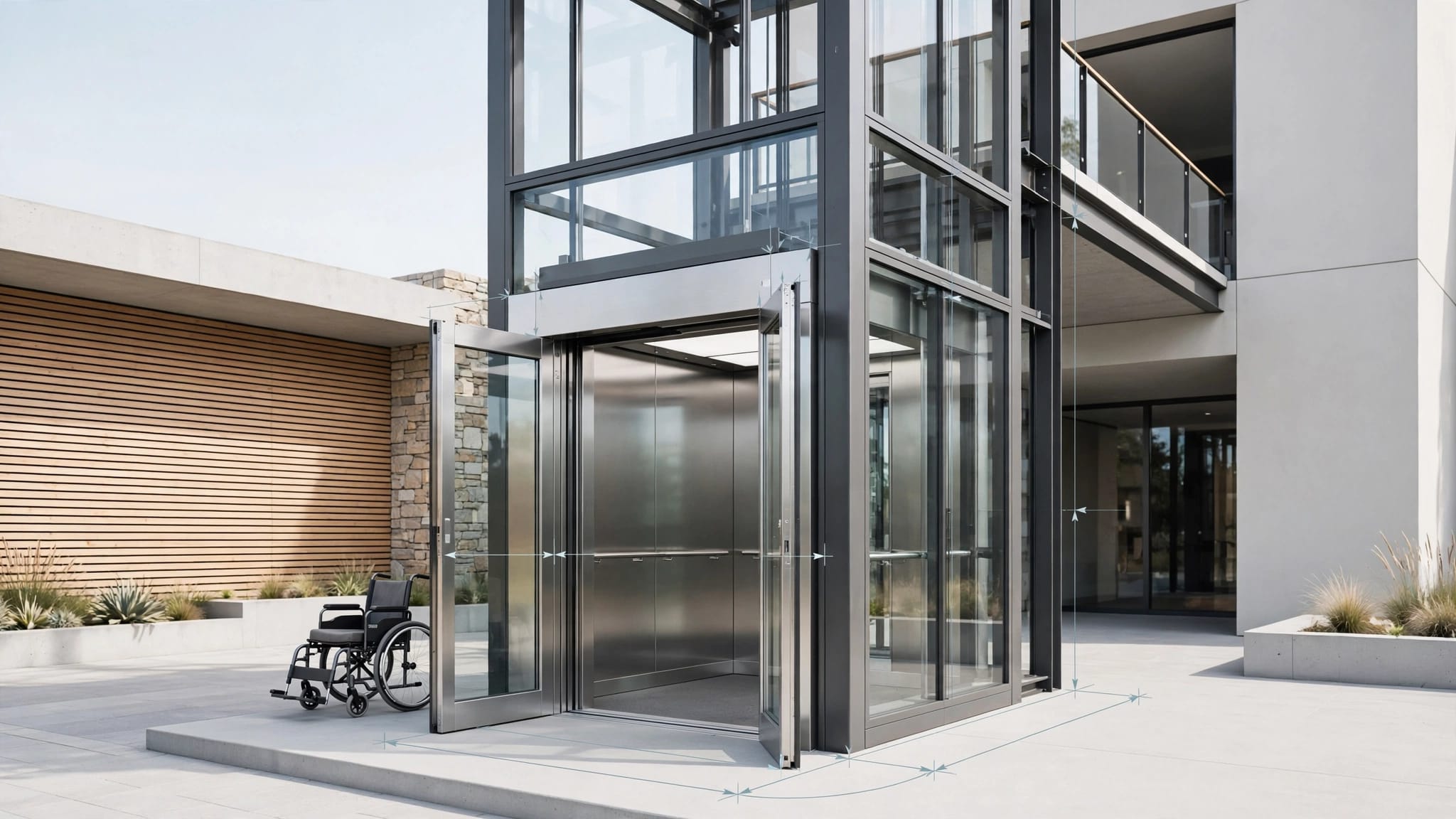
Passenger elevators and vertical platform lifts need a floor that supports stable foot placement and smooth rolling. A wheelchair user may need to turn inside the platform. A person using a cane or walker needs a firm surface without openings that catch tips. Very aggressive textures can improve shoe grip but make pushing a chair or cart harder.
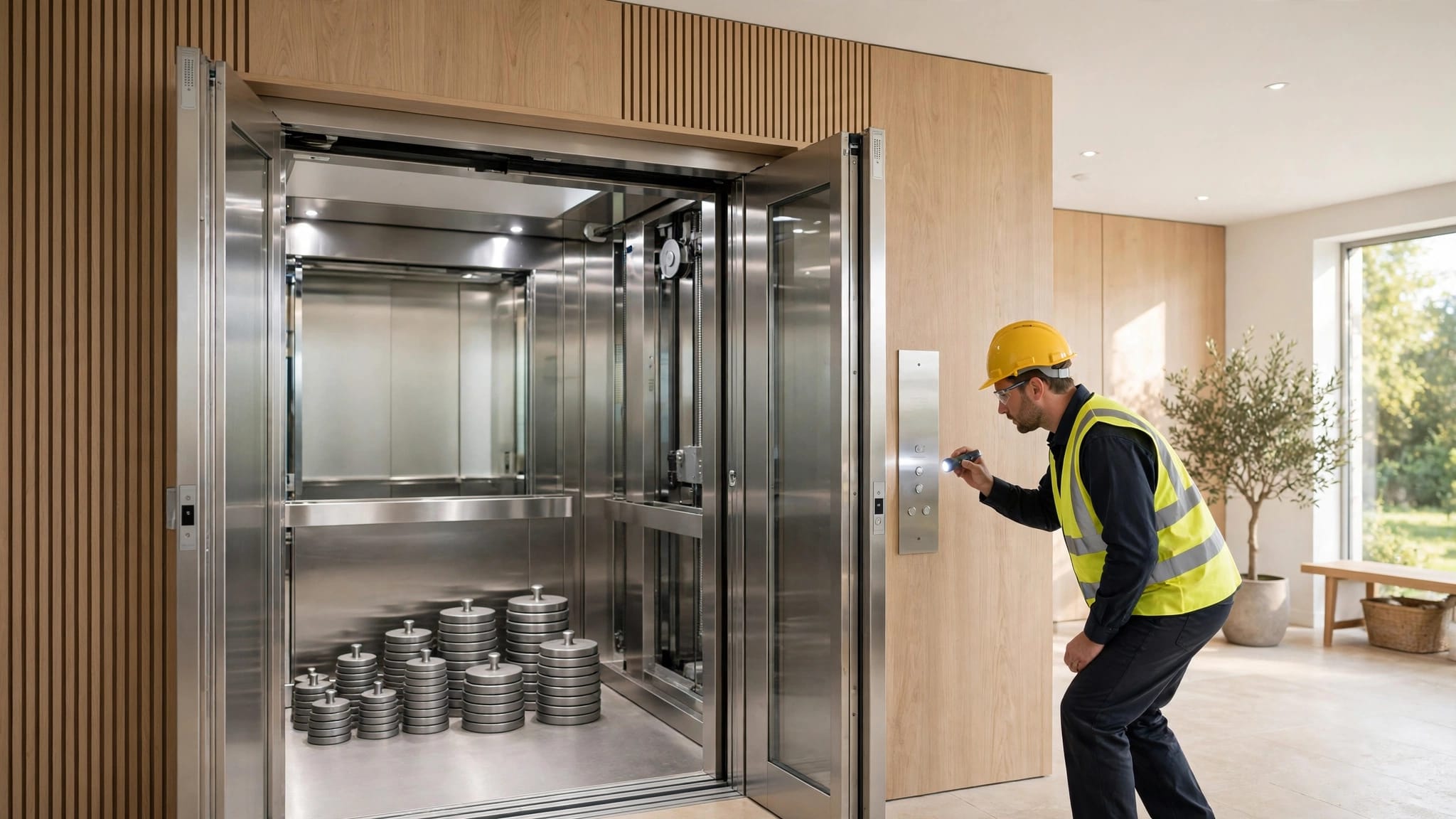
Cargo lifts face different stresses. A hand truck concentrates weight on two small wheels. A tool chest may have hard casters that catch on rough seams. Boxes can hide standing water or debris until someone steps onto the platform. The floor pattern should provide traction while allowing loads to roll across without jolts.
A lift's overall capacity doesn't tell the whole story. A platform rated for 750 or 1,000 pounds still needs a floor assembly, frame, and support system designed for the expected load distribution. Heavy items should stay within the manufacturer's loading guidance and platform dimensions.
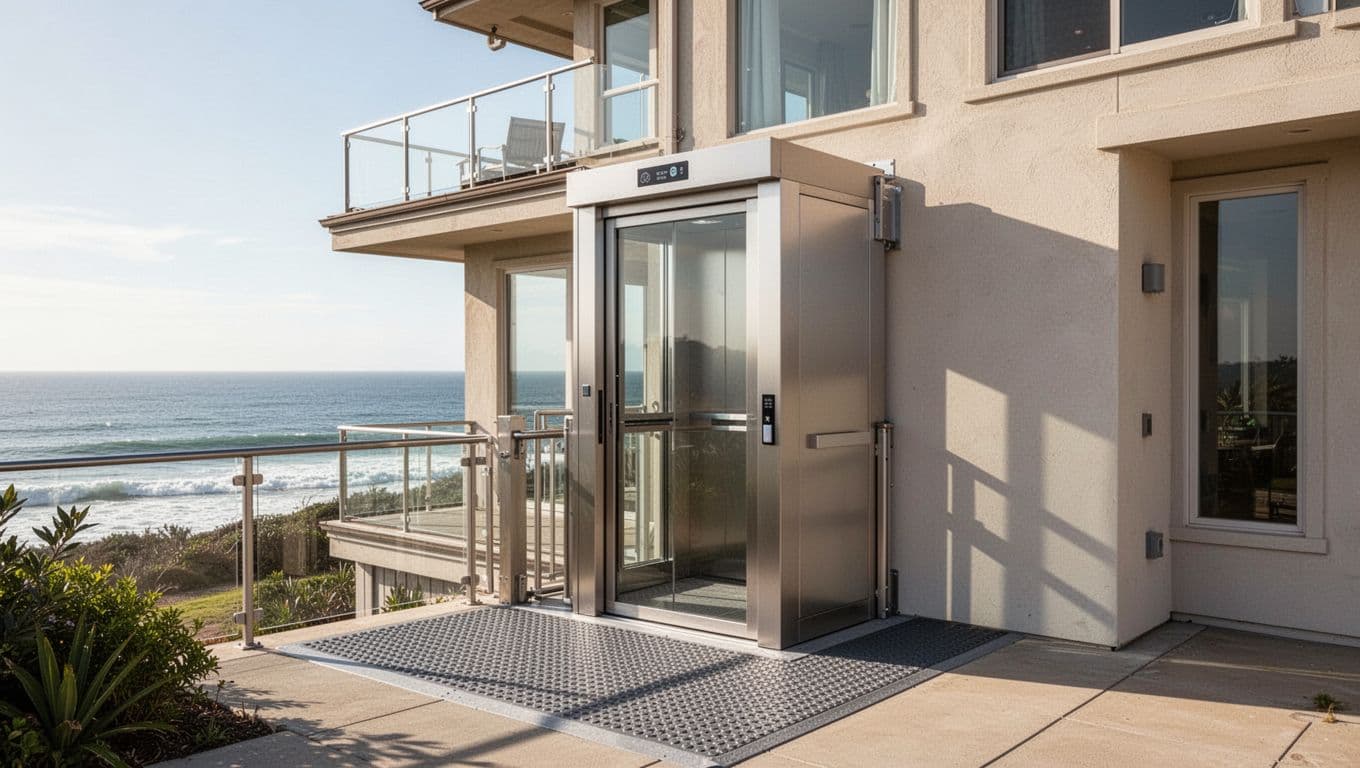
For coastal homes, review the structure around the landing as well. Existing porch posts or balcony framing may not support the forces created by a new lift. This guide to choosing an outdoor lift capacity covers the information homeowners should gather before discussing size and installation.
A wheelchair-accessible lift may also have different travel and platform requirements than a cargo lift. If you're comparing equipment types, the manufacturer's elevator and lift FAQs can help clarify which system fits passenger, accessibility, or material-handling needs.
Design Details That Reduce Slip Risks
Non-slip elevator surfaces work better when the landing makes water and traffic easy to manage. During planning, review the entire approach, not only the panel under the user's feet.
The landing should provide enough room for a passenger to enter, exit, and turn without standing at the edge. Cargo users need space to position a cart before opening a gate or moving a load. The surface should continue through the normal loading area so users don't step from textured flooring onto a smooth, wet strip.
A cover above the lift can reduce rainfall, but it shouldn't interfere with ventilation, maintenance access, or the elevator's travel. Good exterior lighting helps users see water, ice, debris, and changes in level. Place fixtures where the platform and threshold don't sit in shadow.
Safety gates and doors should close properly before operation. Keep their tracks and lower edges free of sand, leaves, and ice. A landing that drains well still becomes hazardous if a blocked track prevents the gate from closing or leaves a puddle at the entrance.
The installation also needs a clear plan for storm conditions. Homeowners should know whether the lift needs to remain at a certain landing, be secured, or stay out of service during high winds, flooding, or electrical outages. Follow the equipment manufacturer's operating instructions and local requirements rather than relying on a floor upgrade alone.
Maintaining an Outdoor Elevator Landing
Regular cleaning preserves traction. Dirt can fill a textured pattern, while salt deposits can leave a slippery film on metal and coated surfaces. A maintenance schedule should reflect the home's exposure, especially near the coast or beneath trees.
Use the cleaning method approved for the floor material and lift equipment. In many cases, removing loose grit first and washing with a mild cleaner prevents residue from building inside the texture. Avoid applying wax, polish, or any product that leaves a smooth film.
After storms or freezing weather, check the landing before anyone uses it. Look for:
- Standing water near the threshold or platform edges.
- Sand, leaves, algae, snow, and ice inside the traction pattern.
- Loose fasteners, damaged coating, curled mats, or lifted flooring.
- New movement, vibration, or gaps at the landing transition.
Remove snow with a tool that won't gouge the surface. Don't chip ice with a metal blade unless the manufacturer permits it. Deicing chemicals should also be compatible with the floor, frame, fasteners, and nearby concrete.
A textured floor that has worn smooth, cracked, or separated from its base needs professional review. Painting over the existing pattern may reduce traction or hide damage. Replace the surface with a compatible component instead of making an unapproved alteration.
Conclusion
A safe exterior elevator landing needs reliable traction in the conditions your home actually faces. Rain, snow, ice, sand, salt, and rolling loads each affect the right choice.
Select non-slip elevator surfaces alongside proper drainage, safe thresholds, adequate lighting, and a maintenance plan. The strongest surface is not always the roughest one. It is the material and pattern that keep passengers steady, let cargo move safely, and remain practical throughout the lift's service life.
Recent Posts