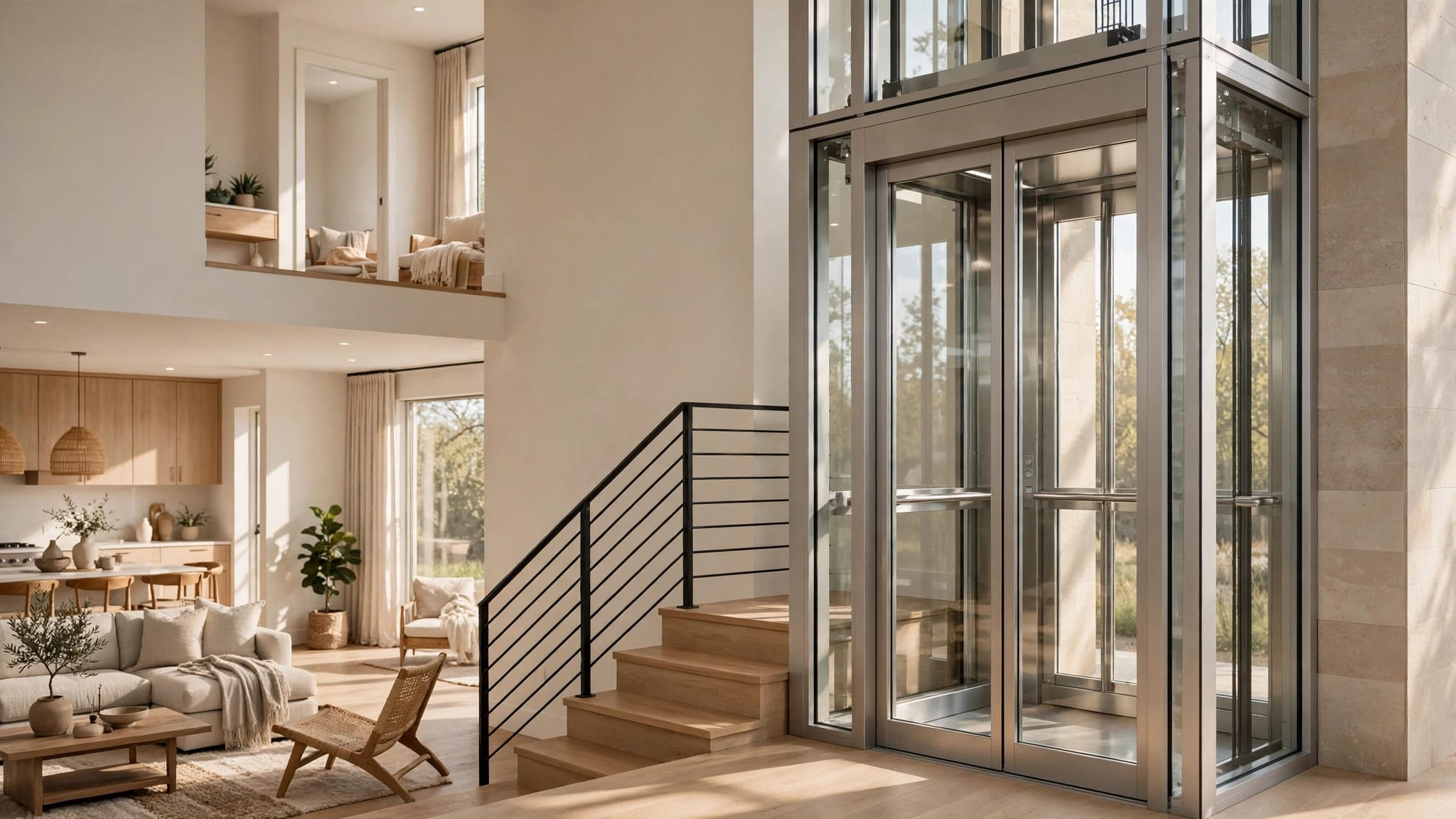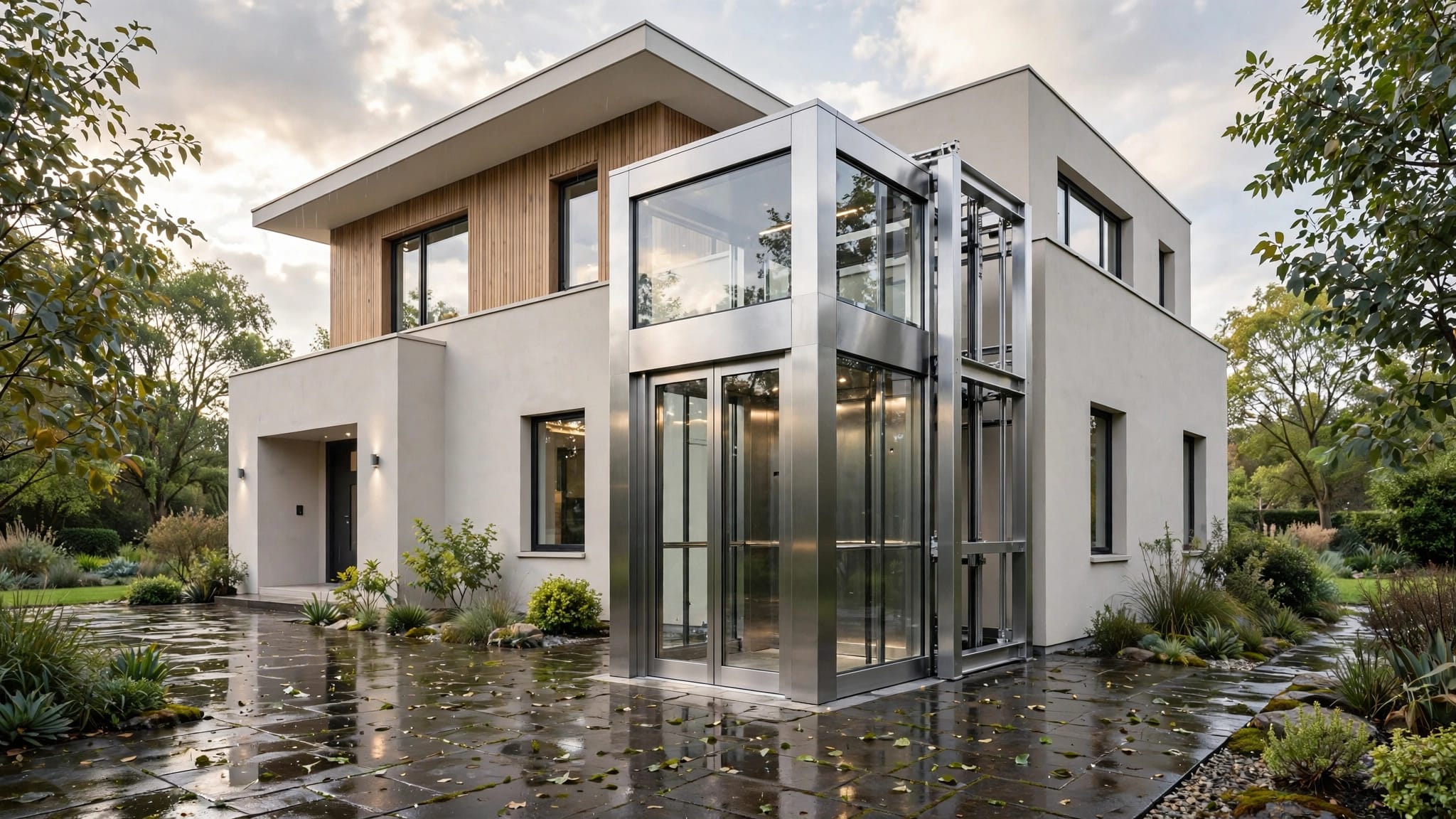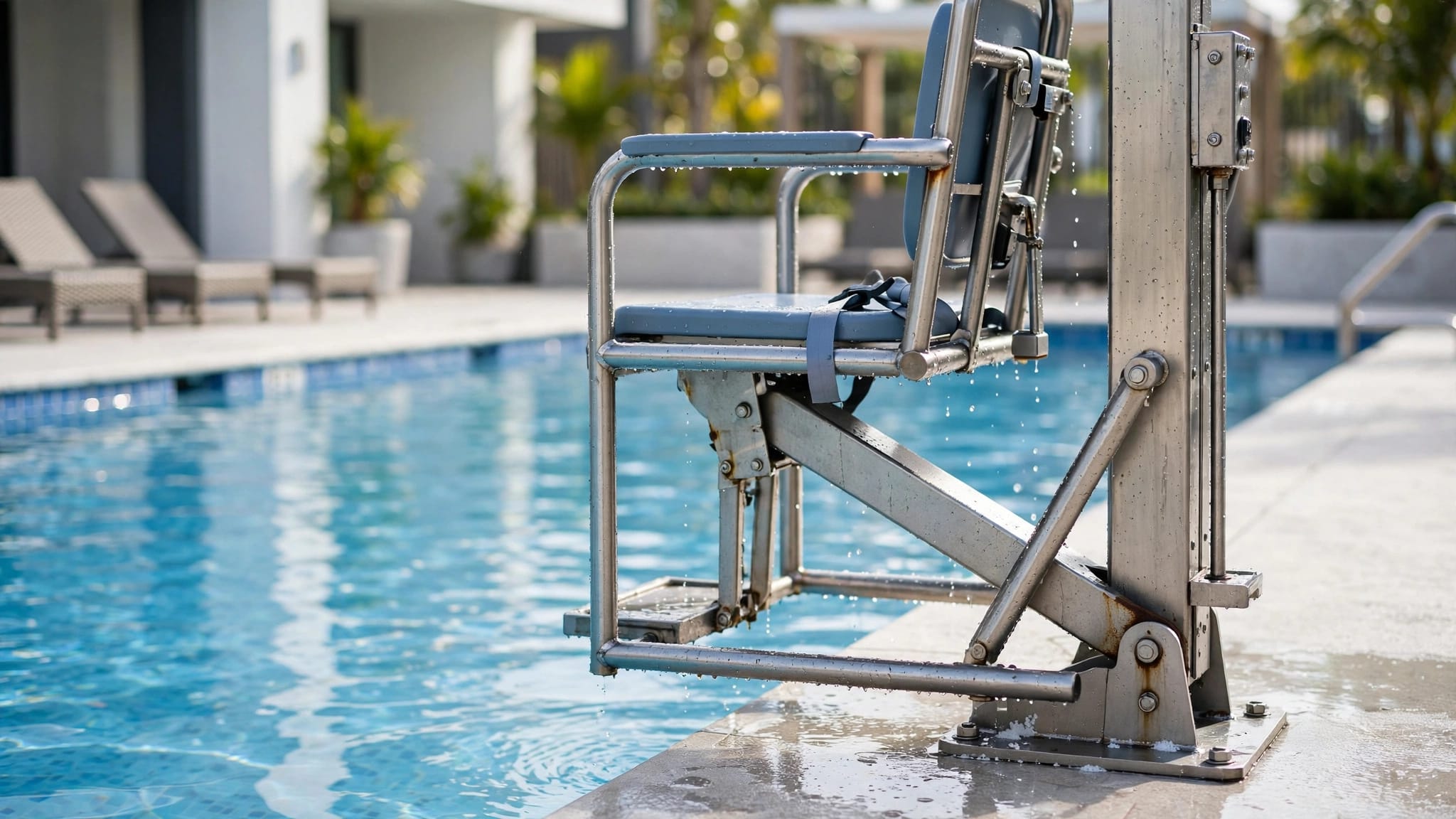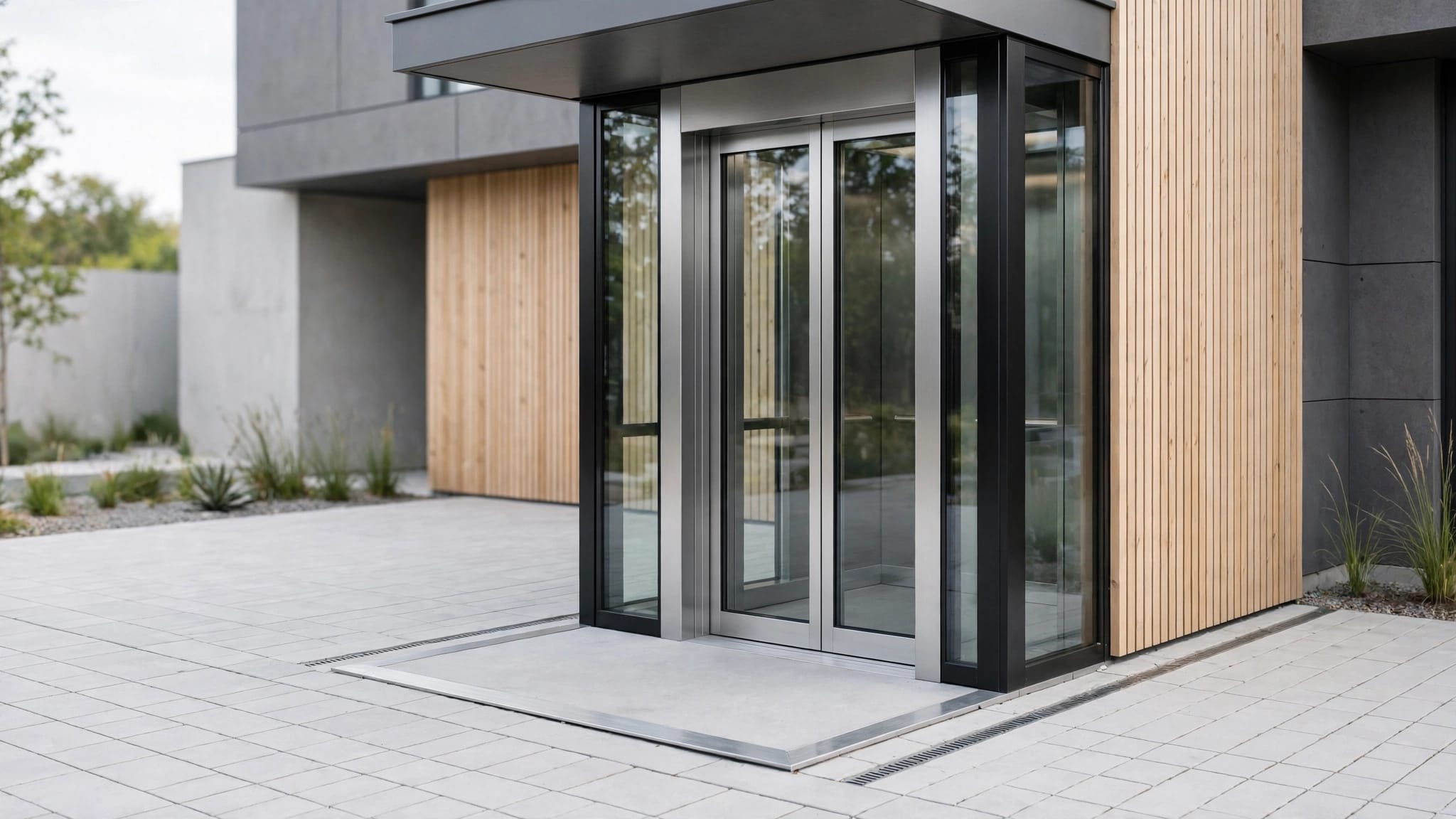
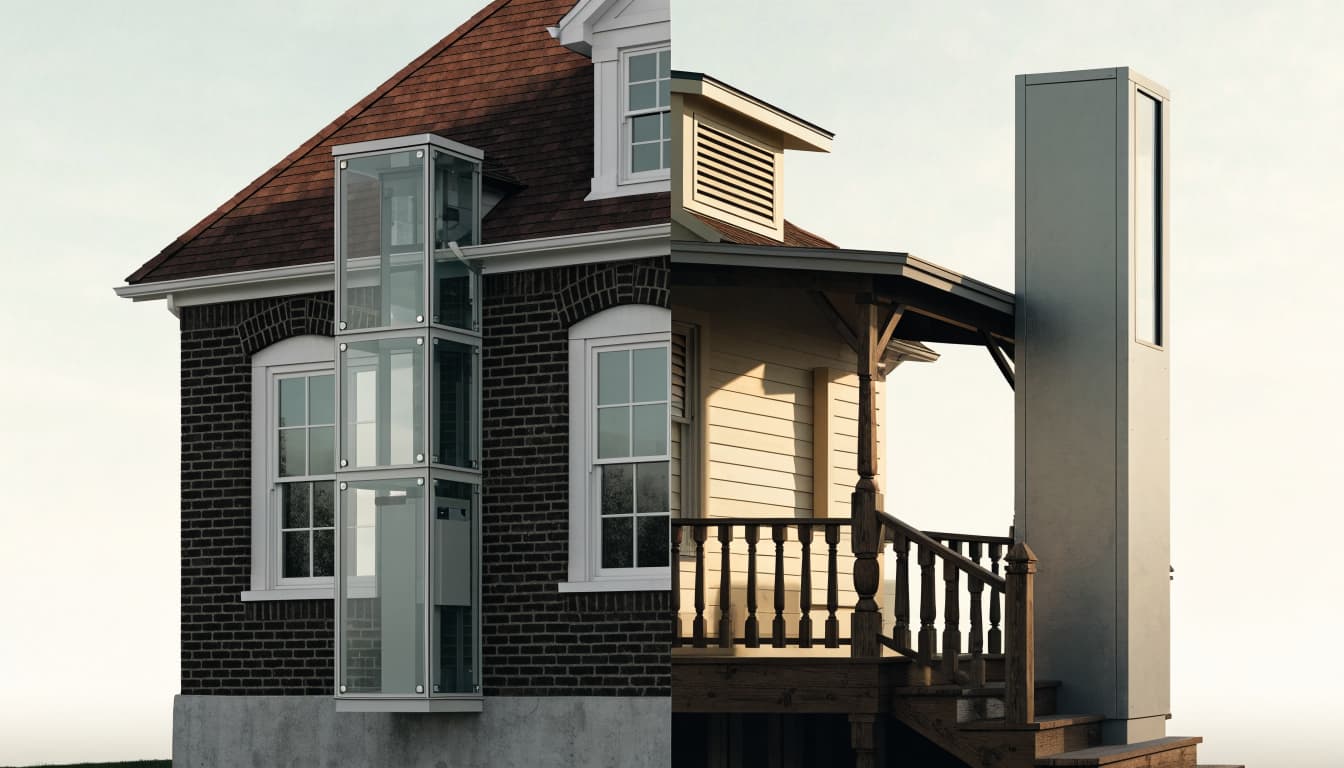
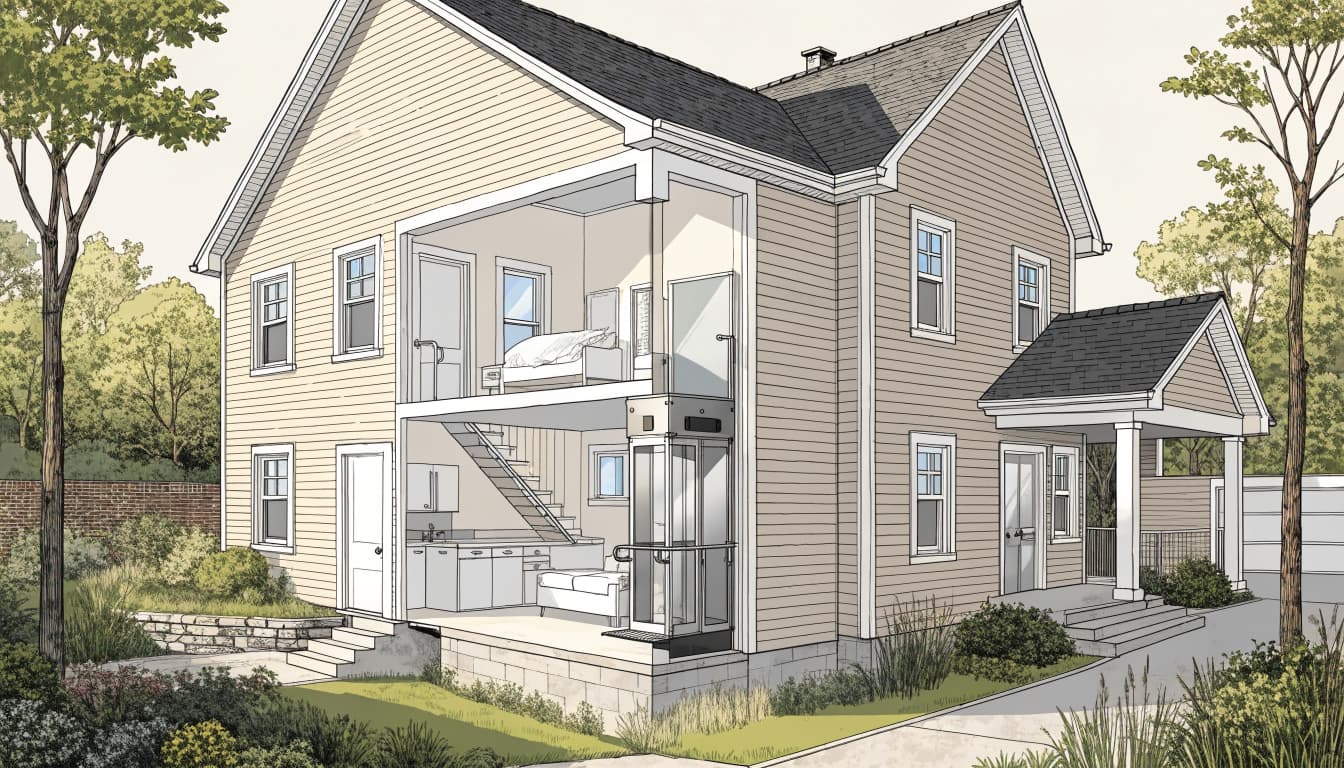
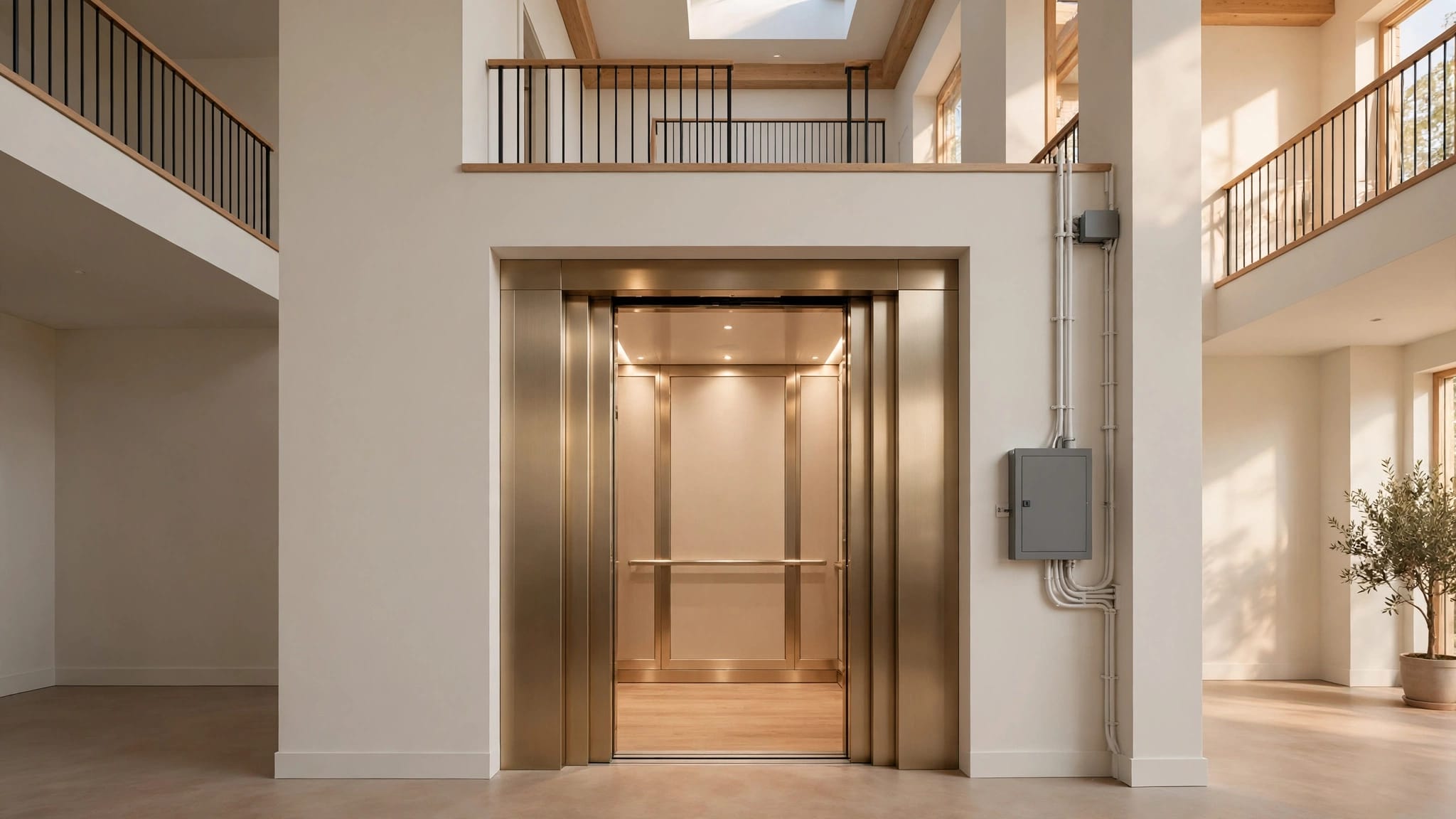
An outdoor elevator can increase a home's resale value, but there's no dependable percentage you can apply to every property. Its strongest selling point is usable access , especially when stairs separate the driveway from the main living space.
For homeowners, the financial question goes beyond installation cost: will future buyers value that access enough to pay more? Start by separating everyday usefulness, buyer appeal, and the price an appraiser can support.
Key Takeaways
- An outdoor elevator can make an elevated home more appealing, but a higher sale price isn't guaranteed.
- Passenger elevators, vertical platform lifts, and cargo lifts solve different problems and shouldn't be marketed as interchangeable.
- Installation quality, accessible landings, maintenance records, and local buyer demand all affect how buyers view the investment.
What Determines an Outdoor Elevator's Resale Value?
An elevator adds a feature buyers can use. However, the amount they will pay for it depends on the property and its market.
Buyer appeal doesn't guarantee a price premium
For someone who struggles with stairs, an elevator may keep a multistory home on the shortlist. Another buyer may appreciate easier trips with luggage but place little financial value on the equipment.
That difference matters. A feature can help a house meet a buyer's needs without producing a separately measurable price increase. It also doesn't establish that the home will sell faster.
A well-maintained lift addresses a practical problem. Whether that usefulness becomes a higher offer depends on competing properties and the buyer's priorities.
Appraised value depends on market evidence
Residential appraisers commonly analyze comparable sales when estimating market value. An elevator's purchase price doesn't automatically become an equal addition to the appraisal.
Comparable homes with similar access features can help show what buyers have paid. Without that evidence, a fixed elevator adjustment is difficult to justify.
There is no dependable national resale percentage for outdoor residential elevators. Treat claims of guaranteed returns cautiously, particularly when they don't distinguish passenger elevators from cargo lifts or other equipment.
Which Buyers May Value Exterior Elevator Access?
The strongest fit is usually a home with a meaningful access barrier. Elevated living areas, long stair runs, and limited ground-floor accommodation make vertical access more relevant.
Households planning for changing mobility
Accessibility matters to many older homeowners. In AARP's 2024 housing preferences survey, 75% of older adults said they wanted to remain in their homes.
That finding supports interest in aging at home. It doesn't measure elevator-specific demand or prove a resale premium.
Still, a passenger elevator can help buyers consider a property that otherwise requires climbing stairs. Multigenerational households may also value access for relatives and visiting family members.
The entire route matters, including the approach, doors, and upper landing.
Owners of elevated and vacation homes
Raised homes create a daily transportation problem even for residents without mobility limitations. Groceries, suitcases, and household supplies all have to reach the living floor.
For these buyers, a lift's usefulness is easy to understand. However, the equipment must match the need.
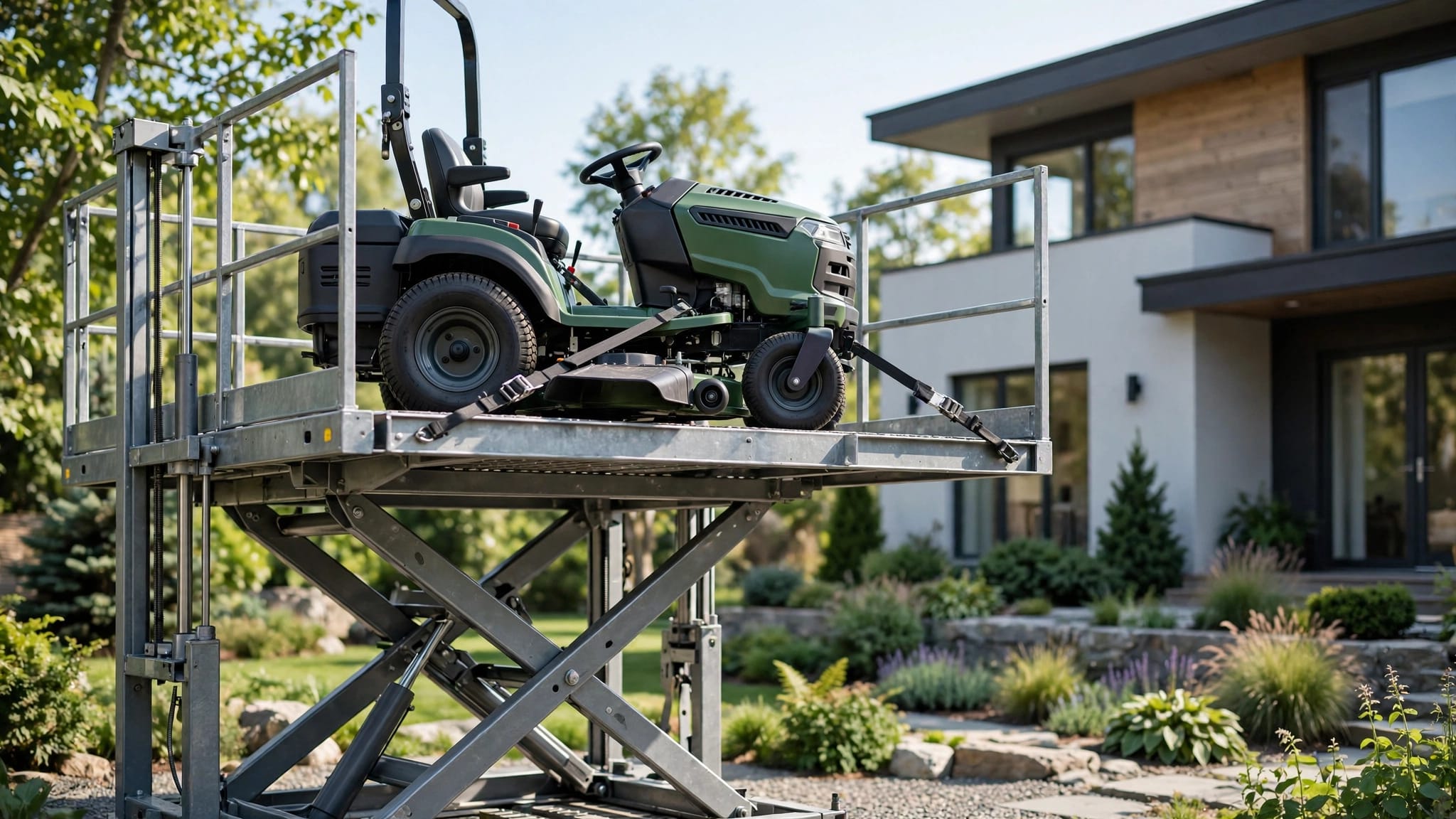
A cargo lift can move supplies, while a suitable passenger system can provide access for people. Buyers who need wheelchair access won't receive the same benefit from goods-only equipment.
Lift Type Changes What You're Offering Buyers
At Veranda 'Vator, our cargo lifts, passenger elevators, and vertical platform lifts address different transportation needs. That distinction should remain clear when discussing resale.
These categories offer different benefits.
| Equipment type | Primary purpose | Potential buyer benefit |
|---|---|---|
| Cargo lift | Moving goods, not people | Easier transport of groceries, luggage, and supplies |
| Vertical platform lift | Carrying a wheelchair user over a suitable vertical rise | Direct access to a porch, deck, or raised entry |
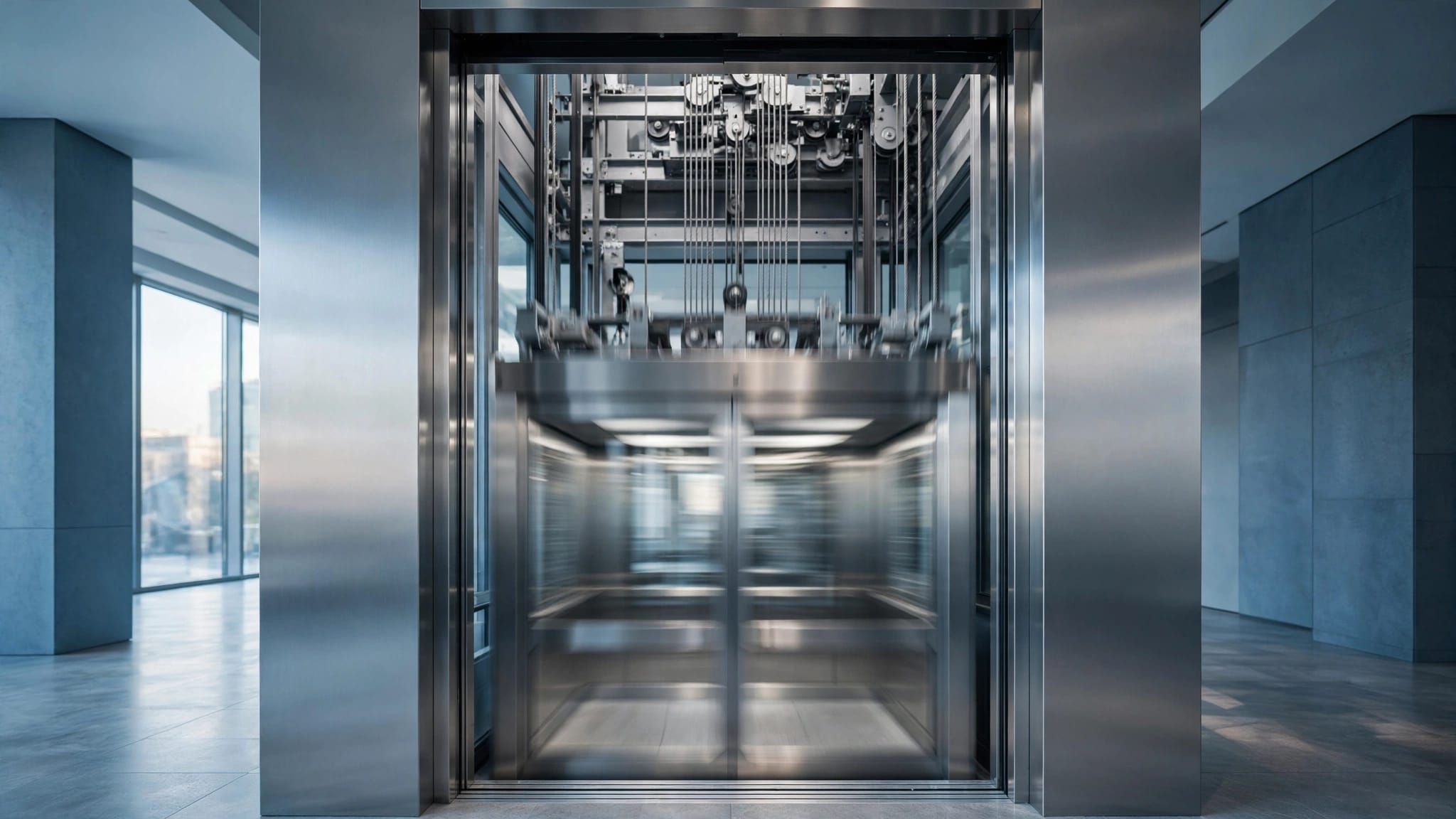
| Passenger elevator | Moving people between levels | Everyday access for residents and guests |
A cargo lift should never be described as a passenger elevator. Its usefulness for household goods doesn't make it suitable for carrying people.
Likewise, wheelchair access requires more than adequate weight capacity. Usable platform space, door openings, reachable controls, and room at the landings affect whether the installation meets someone's needs.
For an existing raised house, our guide to retrofitting an outdoor lift explains how equipment choice relates to the building.
Resale appeal starts with an accurate description of what the lift actually does.
Compare the Full Cost With the Benefits You'll Use
A resale decision needs a complete project budget. The equipment price alone doesn't describe the investment.
Installation includes more than the lift
For context, Lifeway Mobility's home elevator guide gives a general professionally installed range of $35,000 to $80,000 or more . That's a broad home-elevator estimate, not a specific quote for an exterior system.
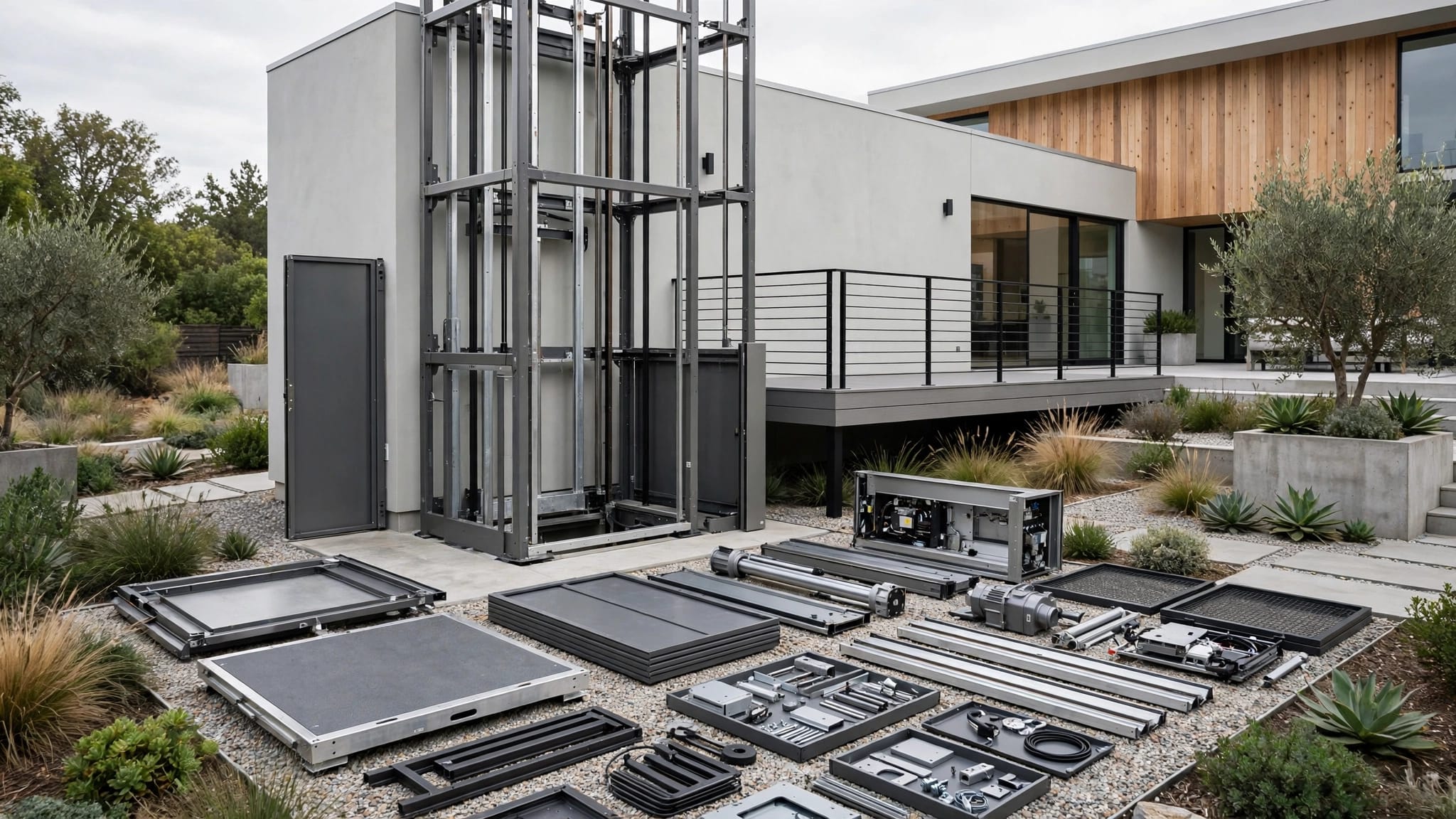
An outdoor project may include engineering, permits, a foundation, structural connections, electrical work, landings, drainage, installation, inspections, and finishes.
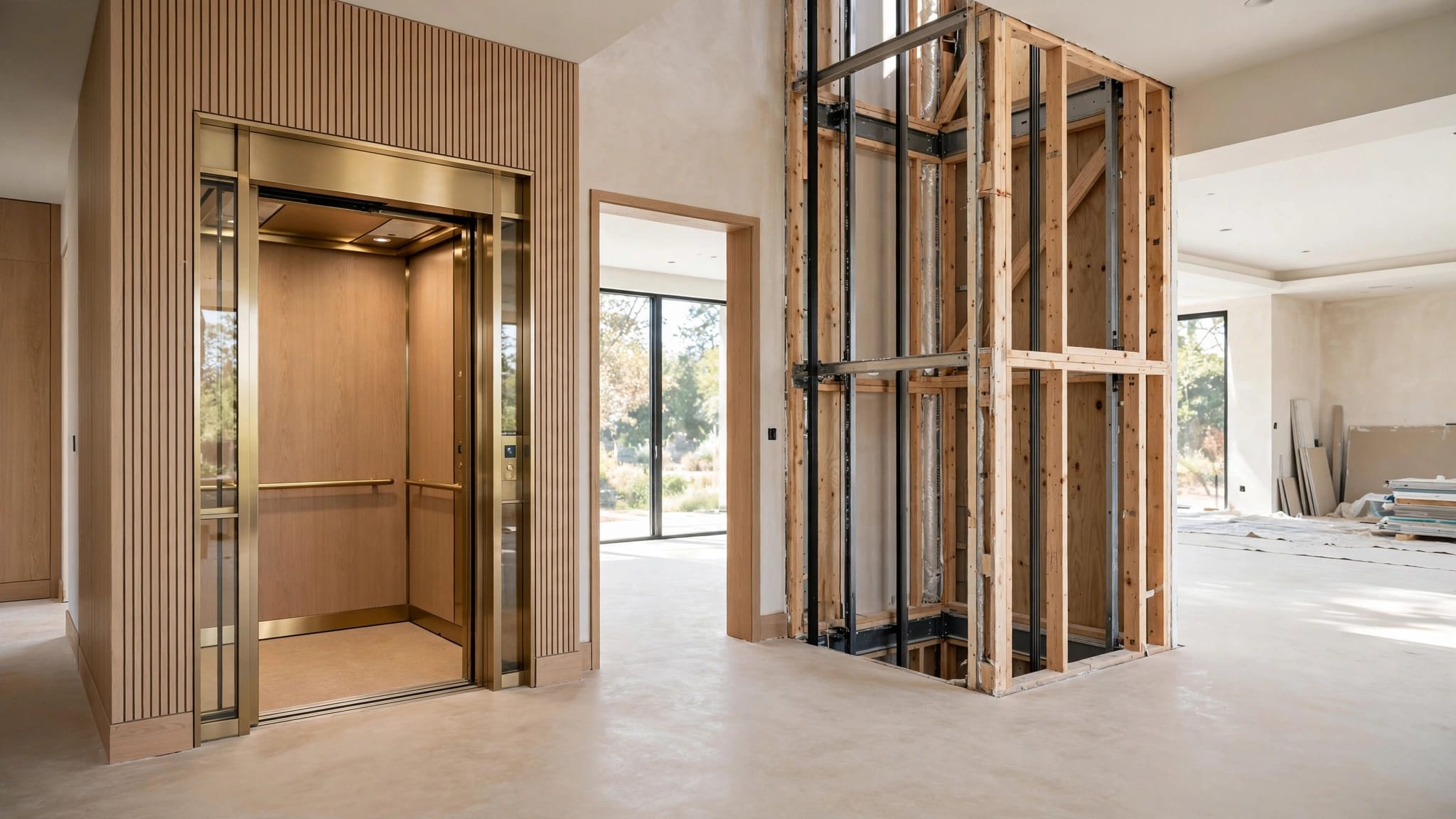
Exterior placement can reduce demolition inside an existing home. However, a separate tower and weather protection can add substantial work outside.
Our comparison of indoor and outdoor home elevators covers those different construction demands.
Separate resale recovery from personal usefulness
If you plan to stay, years of easier access can justify spending that a future sale won't fully recover. That is a different calculation from installing an elevator immediately before listing.
Include scheduled maintenance and potential repairs in the ownership budget. Outdoor exposure also makes protective finishes, drainage, and corrosion control relevant.
New equipment may appeal to buyers, but it still brings ongoing responsibilities. A practical investment balances the access you need now against an uncertain future selling benefit.
Don't base the decision on recovering the full installation cost.
Design Can Strengthen or Weaken Buyer Appeal
An elevator should connect useful spaces without making the rest of the property harder to use. Placement affects both appearance and daily access.
A tower that blocks a window, crowds a side yard, or creates an awkward landing can introduce drawbacks. In contrast, a well-integrated installation preserves circulation and provides a practical route to the living area.
Our guide to outdoor lift tower layouts explains the differences between freestanding and house-attached arrangements.
Access also needs to work beyond the cab. A narrow gate, uneven approach, or tight turn can limit the benefit for someone using a mobility device.
On coastal properties, salt air, wind, rain, and flooding belong in the design process. Suitable materials and protected components support long-term serviceability.
An attractive enclosure helps presentation, but buyers also inherit the structure, drainage, and maintenance requirements behind it.
Prepare an Existing Elevator Before Listing
For a seller, presentation begins with the equipment's condition and documentation. Cosmetic improvements won't resolve an operating problem or a missing service history.
Keep the equipment identification, installation documents, inspection records, service invoices, and operating instructions together. Include available information about repairs and replaced parts.
These records help buyers understand what they're inheriting. They also distinguish documented upkeep from a general statement that the lift "works fine."
Any unusual movement, unexpected noise, damaged gate, or visible corrosion calls for qualified elevator service. Technicians should handle safety-system testing and repairs.
Age alone doesn't establish whether a lift needs replacement. Condition, exposure, service history, and intended use provide a better basis for that decision.
For coastal properties, our guide to evaluating an existing beach house lift outlines the major ownership considerations.
Finally, describe the system accurately in the listing. State whether it carries passengers or cargo, which levels it serves, and its documented rated capacity. Avoid broad claims such as "fully accessible" when the surrounding route doesn't support them.
Frequently Asked Questions
Should I install an outdoor elevator just before selling?
Installing solely for resale carries financial uncertainty because there isn't a dependable national return-on-investment figure for outdoor elevators. Construction also adds expense and a project timeline before listing.
The case is stronger when the home has a clear access barrier and you will benefit from the installation yourself. If selling soon is the main goal, a local real estate professional can assess whether comparable properties show demand for elevator access. A supported market analysis is more useful than a general percentage claim.
Does a cargo lift add the same value as a passenger elevator?
They offer different benefits, so there isn't a basis for assigning them the same resale contribution. A cargo lift helps move supplies. A passenger elevator provides transportation for people.
For buyers who need step-free access, that difference can determine whether the property meets their needs at all. Meanwhile, someone seeking easier grocery trips may find a cargo lift useful. Neither category has a guaranteed resale premium, and both need accurate descriptions, appropriate installation, and ongoing maintenance.
Conclusion: Put Practical Access First
An outdoor elevator's resale value depends on how well it solves an access problem and fits the local market. A suitable, well-maintained installation gives buyers a useful feature, but it doesn't guarantee repayment of the project cost.
Choose equipment for the people or goods it must carry, then plan the complete access route. The strongest investment starts with daily usefulness , supported by sound installation and clear ownership records.
Recent Posts