Can You Relocate an Outdoor Elevator to Another Property?

Share this article

An outdoor elevator may be movable, but relocating it is rarely a simple matter of taking it apart and reinstalling it. Outdoor elevator relocation depends on the lift's type and condition, manufacturer requirements, and whether the new property can support the equipment safely.

The lift and the destination site both need professional assessment. Structural work, electrical changes, permits, and code compliance may all affect whether the move makes sense.

Key Takeaways

  • A cargo lift, passenger elevator, and vertical platform lift have different approved uses and safety requirements.
  • The new property needs suitable structural support, landings, access, electrical service, and weather protection.
  • Existing equipment may need repairs or may not meet the manufacturer's requirements for the new location.
  • Permits, inspections, and local code compliance may apply to the relocation.

Can outdoor elevator relocation work?

Sometimes. The equipment may be reusable, but the decision depends on more than whether it can be dismantled and transported. The new installation must fit the lift's specifications and the conditions at the destination.

Start by identifying the lift type

A cargo lift, private residence elevator, passenger-compliant outdoor elevator, and vertical platform lift can look similar, yet their permitted uses and safety requirements differ. A cargo lift designed for materials cannot be treated as a passenger elevator simply because it has a platform and controls.

Before planning a move, identify the manufacturer, model, serial number, rated use, and installation requirements. The outdoor elevator handover checklist for homeowners covers the equipment details that help establish what lift is on site.

Condition and manufacturer requirements matter

Outdoor equipment faces rain, humidity, wind, sunlight, and, in coastal areas, salt exposure. Corrosion, worn components, or past repairs may affect whether the elevator remains suitable for another installation. The manufacturer's instructions also define installation limits, approved configurations, and maintenance requirements.

A qualified lift professional can assess the equipment before it is dismantled. If it needs substantial repair or no longer fits the intended use, relocating it may be less practical than selecting equipment designed for the new property. Owners considering older equipment can also review signs an outdoor elevator needs modernization.

What must the new property support?

A lift that worked at one property may not fit another. The site's layout, structure, and exposure determine where the elevator can go and what construction it needs.

Foundation, structure, and access

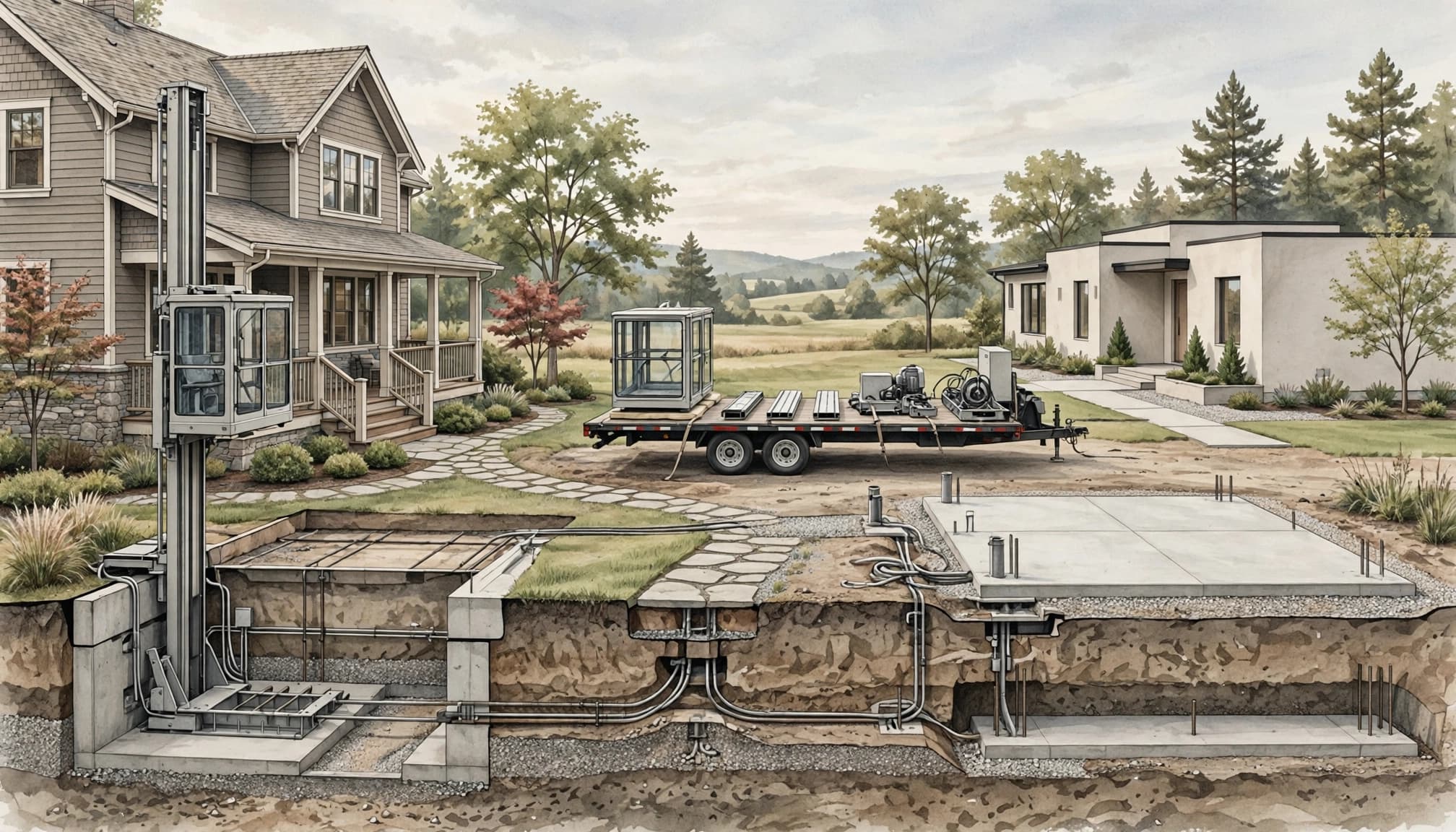
The lift transfers loads through its base, posts, attachment points, and landings. A porch or deck at the new property may look suitable, but its framing may not have been designed to carry those forces. A structural professional should assess the foundation, soil or slab conditions, connections, and any required reinforcement.

The layout matters too. The travel path needs to line up with safe entry and exit points, with enough clearance around doors, gates, and landings. A narrow side yard, nearby utilities, or drainage problems can change the preferred location. Property lines and easements can also affect placement, so review outdoor elevator placement near property lines while considering the new site.

Electrical service and weather exposure

The new location needs electrical service that matches the specific lift, including the required circuit, disconnect, grounding, conduit route, controls, and emergency provisions. An electrician can assess the service and plan the connections around the lift's requirements and local electrical rules.

Outdoor conditions need a fresh review as well. Wind, flooding, standing water, salt air, and storm debris can affect the equipment and its support structure. Drainage and corrosion protection should suit the new exposure. A home in a different climate or flood zone may require changes to the installation even if the lift itself remains in good condition.

Permits and installation planning

Relocation is a construction project as well as an equipment move. Local requirements vary by jurisdiction and lift category, so a permit or inspection may be required before the elevator can operate at the new property.

Plan for local review and code compliance

Authorities may review building, structural, electrical, elevator, accessibility, or safety requirements. The applicable rules depend on the equipment and how the property is used. For example, ASME A18.1 applies to vertical and inclined platform lifts in relevant contexts, but it should not be treated as a universal standard for every lift type and location.

A qualified professional can identify the required approvals and prepare the project documents. These may need to show the lift's location, travel path, landings, clearances, foundation, electrical layout, and safety features. The final installation should match the approved design and the manufacturer's instructions.

Coordinate the move before dismantling

The manufacturer or qualified installer should review the lift's condition and requirements alongside the new site plan. A structural professional can evaluate the supports and landings, while an electrician assesses power and wiring. Contractors and local officials may also need to coordinate permits and inspections.

This sequence helps reveal problems before the equipment is removed from its current location. It also clarifies which components may be reused and what new construction the destination needs. If the new home requires a different lift type or layout, planning a replacement may be safer than adapting unsuitable equipment.

Frequently asked questions

Can I relocate an outdoor elevator myself?

A lift combines mechanical, electrical, and structural components. Dismantling or reinstalling it without the appropriate expertise can create safety risks or damage equipment. A qualified lift professional should assess and handle the work.

Can the existing foundation move with the elevator?

Usually, the foundation is part of the property rather than portable lift equipment. The new site needs its own assessment to determine what base and structural support the lift requires. Don't assume an existing pad, porch, or deck will meet those needs.

Will I need a permit to relocate the lift?

A permit or inspection may be required, but requirements vary by location and equipment category. Local authorities determine which approvals apply. The project team should identify that process before installation work begins.

Make the decision around the new site

An outdoor elevator can sometimes serve a second property, but safe reuse depends on the lift, its condition, and the destination's requirements. Assess the structure, access, electrical service, weather exposure, permits, and code requirements before moving the equipment.

A professional assessment gives you a clearer basis for choosing between relocation and a lift designed for the new property.

Recent Posts

By Veranda 'Vator • October 21, 2026
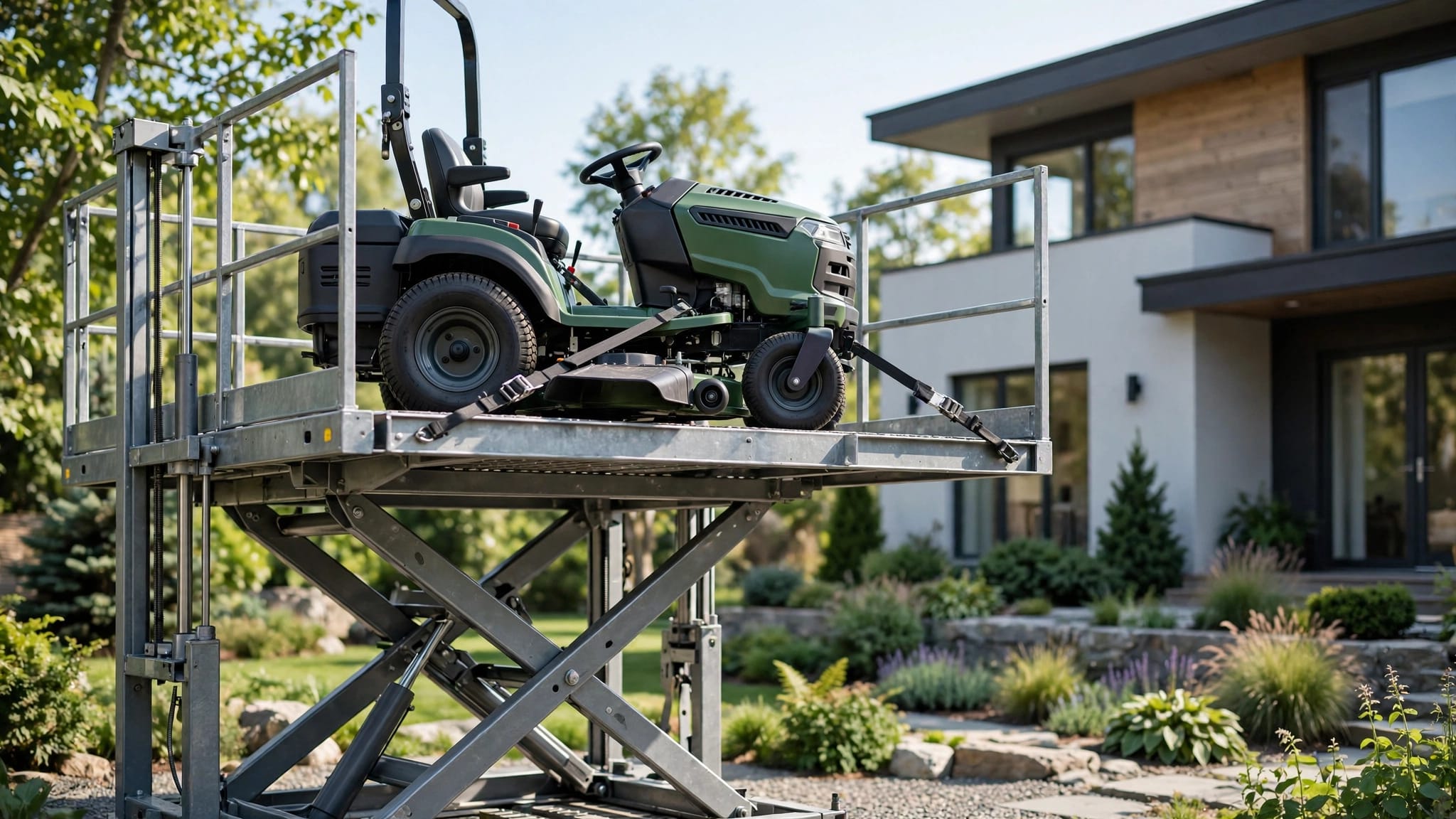
An outdoor cargo lift can move a riding lawn mower when its rated capacity and usable platform dimensions suit the loaded mower. The mower must also be loaded and secured in a way the lift's instructions permit. A mower's weight alone doesn't settle the question. Attachments,...

By Veranda 'Vator • October 20, 2026
An elevator duty cycle describes the work a lift is expected to perform over time. It accounts for how often the equipment starts, how much it carries, and how long it runs. These details help you choose equipment that fits expected use, rather than relying on capacity alone....
By Veranda 'Vator • October 19, 2026
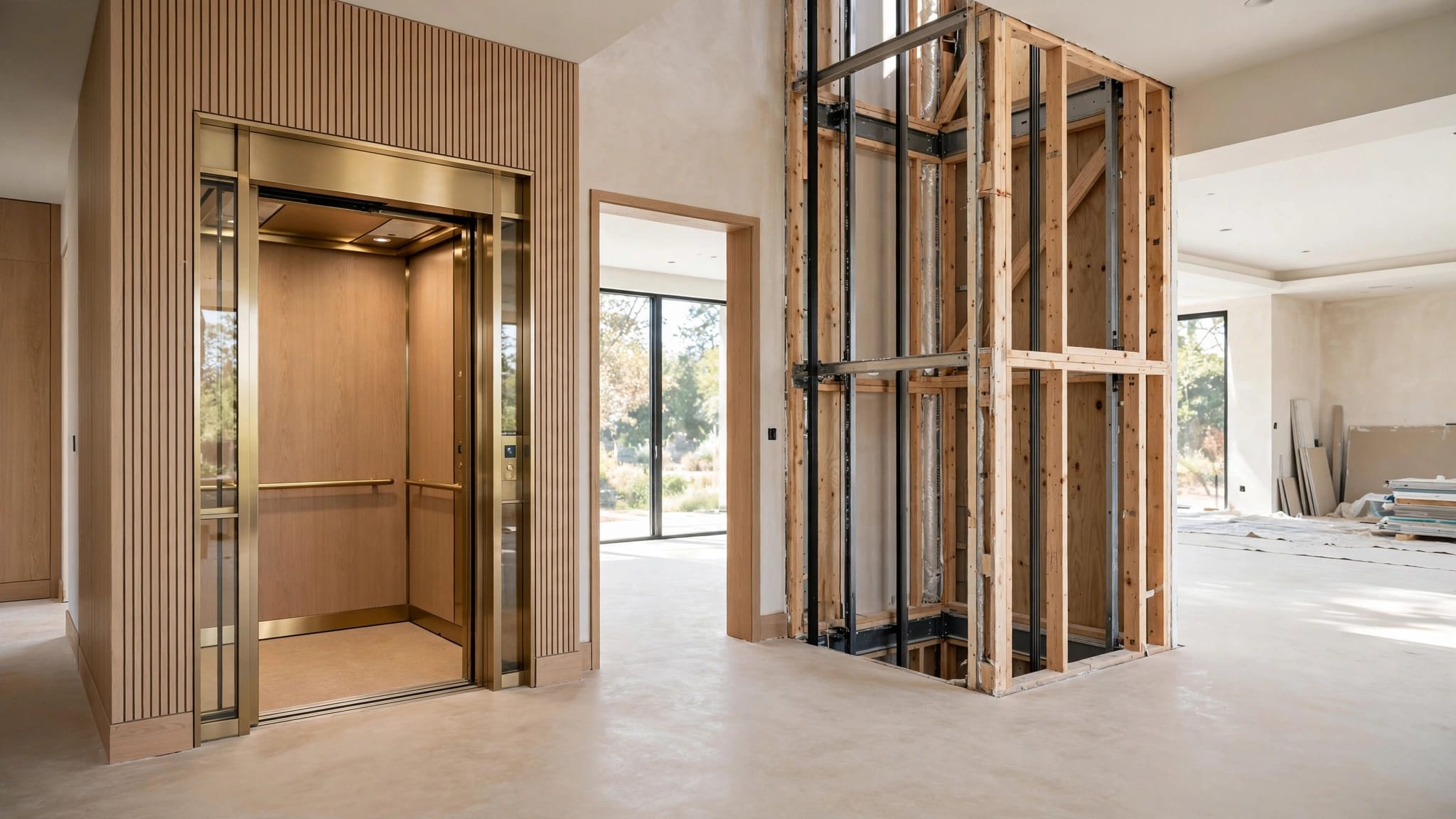
A residential elevator needs more room than its cab alone suggests. The right allowance depends on the lift's intended use, its manufacturer, and the structure around it, so there isn't one footprint that fits every home. When planning residential elevator dimensions, separate...
By Veranda 'Vator • October 18, 2026
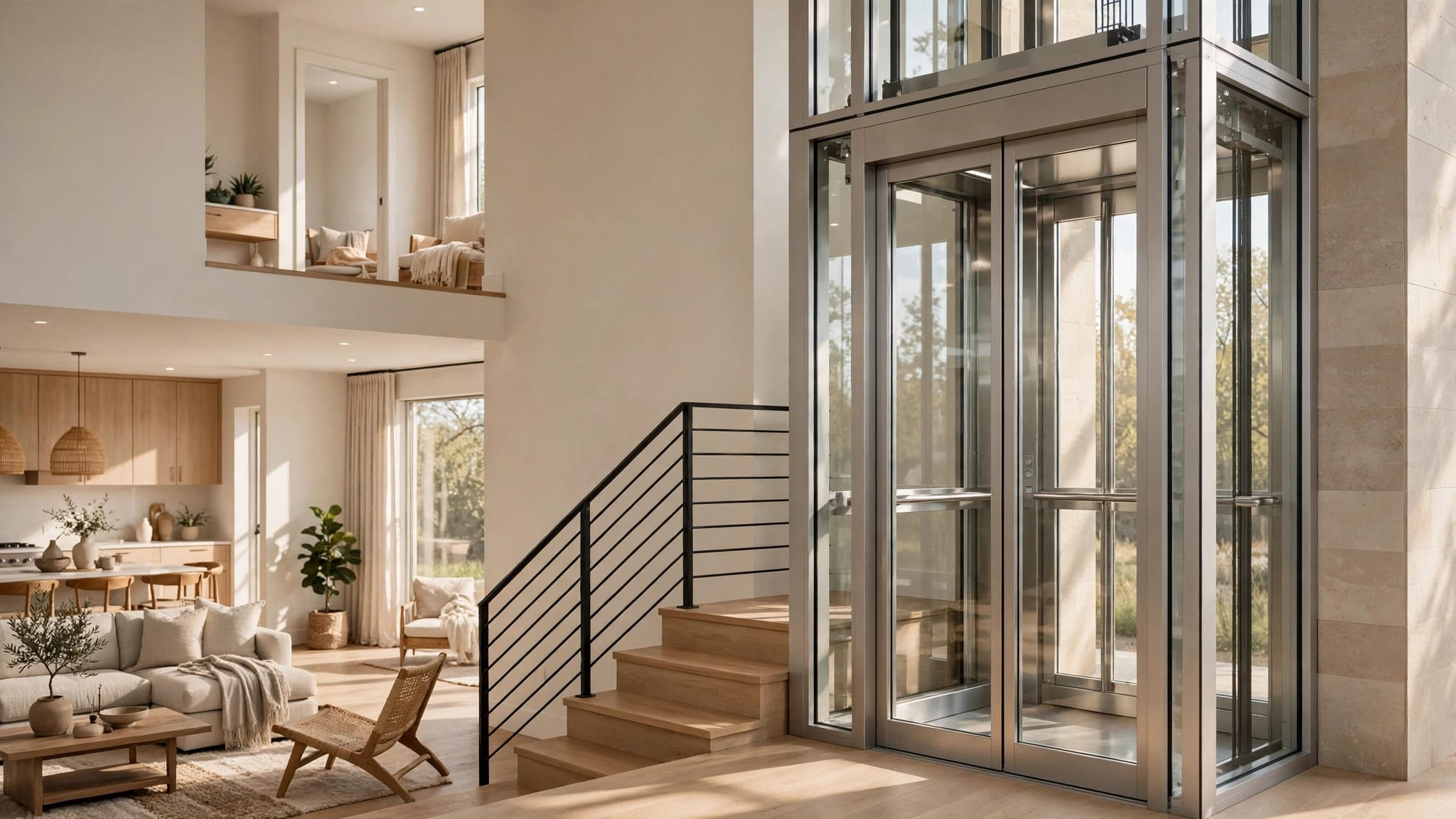
A split-level home can make a short trip between rooms feel like a daily obstacle when stairs are difficult or heavy items need moving. A well-planned split-level home elevator connects the floors you use, without blocking the routes and rooms that make the house work. The fir...

By Veranda 'Vator • October 17, 2026
An outdoor home elevator can remain useful for many years, but there's no single lifespan that applies to every installation. The equipment type, installation quality, climate, exposure, usage, and maintenance all affect how long the complete system stays in service. It also h...
By Veranda 'Vator • October 16, 2026
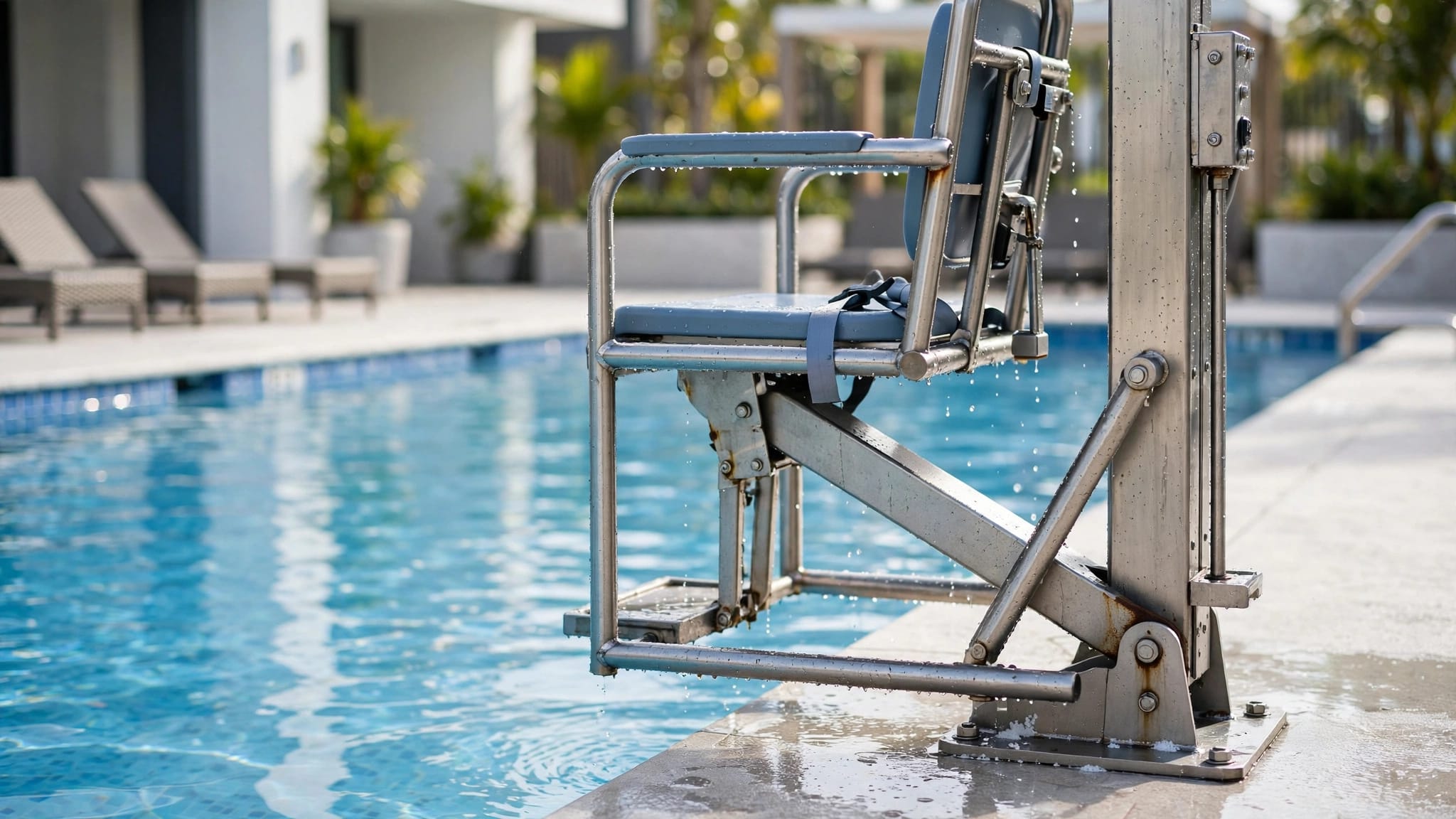
A poolside lift faces more than rain and sun. Splash, humid air, and repeated cleaning can expose its finish to pool water and treatment chemicals. Pool chlorine corrosion is a concern when chemical exposure combines with moisture and time, but the effect varies by material an...

By Veranda 'Vator • October 15, 2026
A small building can still have complicated elevator traffic. A clinic, restaurant, office, and workshop may have the same number of floors, but their passengers, delivery patterns, and busiest hours differ. Good elevator traffic planning starts with the building's actual use....
By Veranda 'Vator • October 14, 2026
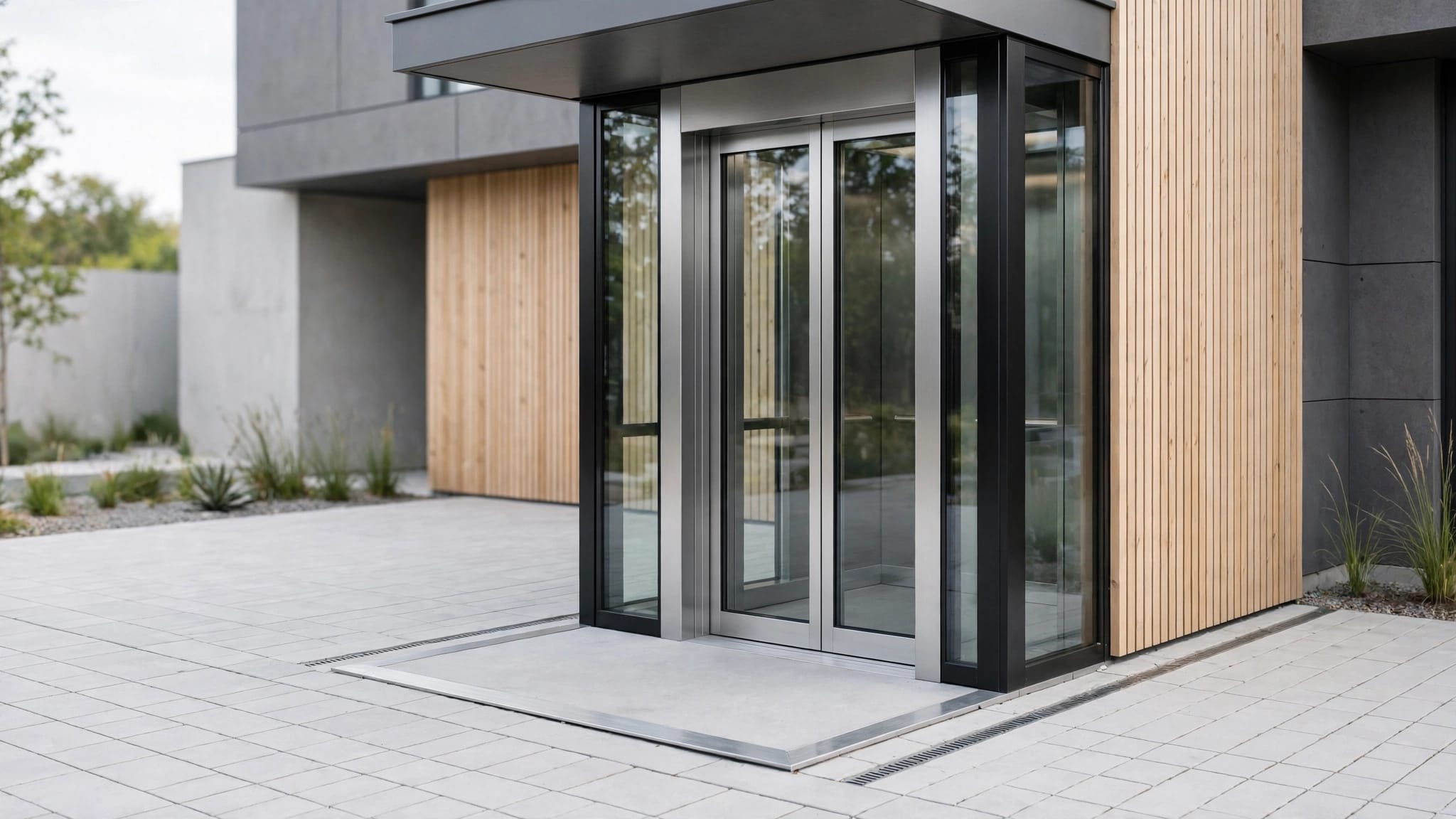
At an outdoor elevator, a small lip or puddle at the landing can make entry difficult for a wheelchair user. Well-planned wheelchair accessible thresholds combine a low level change with a stable approach, effective drainage, and enough room to maneuver. The details matter for...
By Veranda 'Vator • October 13, 2026
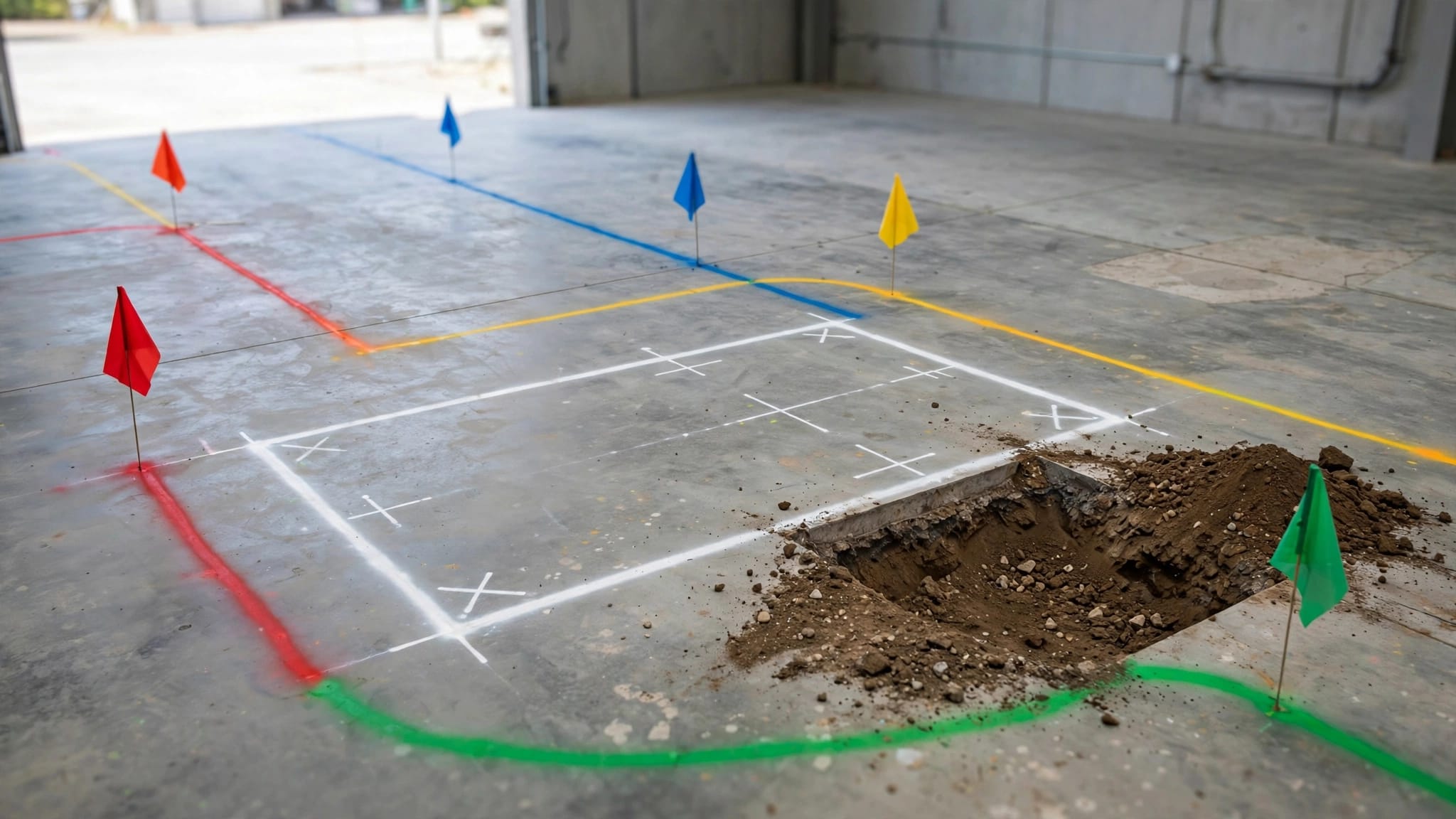
A lift footing can be redesigned before excavation; a damaged gas line or electrical cable can turn a routine installation into an emergency. Locating buried utilities early helps protect people, prevent service interruptions, and keep the footing plan aligned with the site. T...

By Veranda 'Vator • October 12, 2026
An exterior lift tower has to work with the building behind it, not only look good beside it. The cladding affects where the tower fits, how its connection to the building is detailed, and how crews preserve weather protection during installation. Good planning treats lift tow...
Show More