
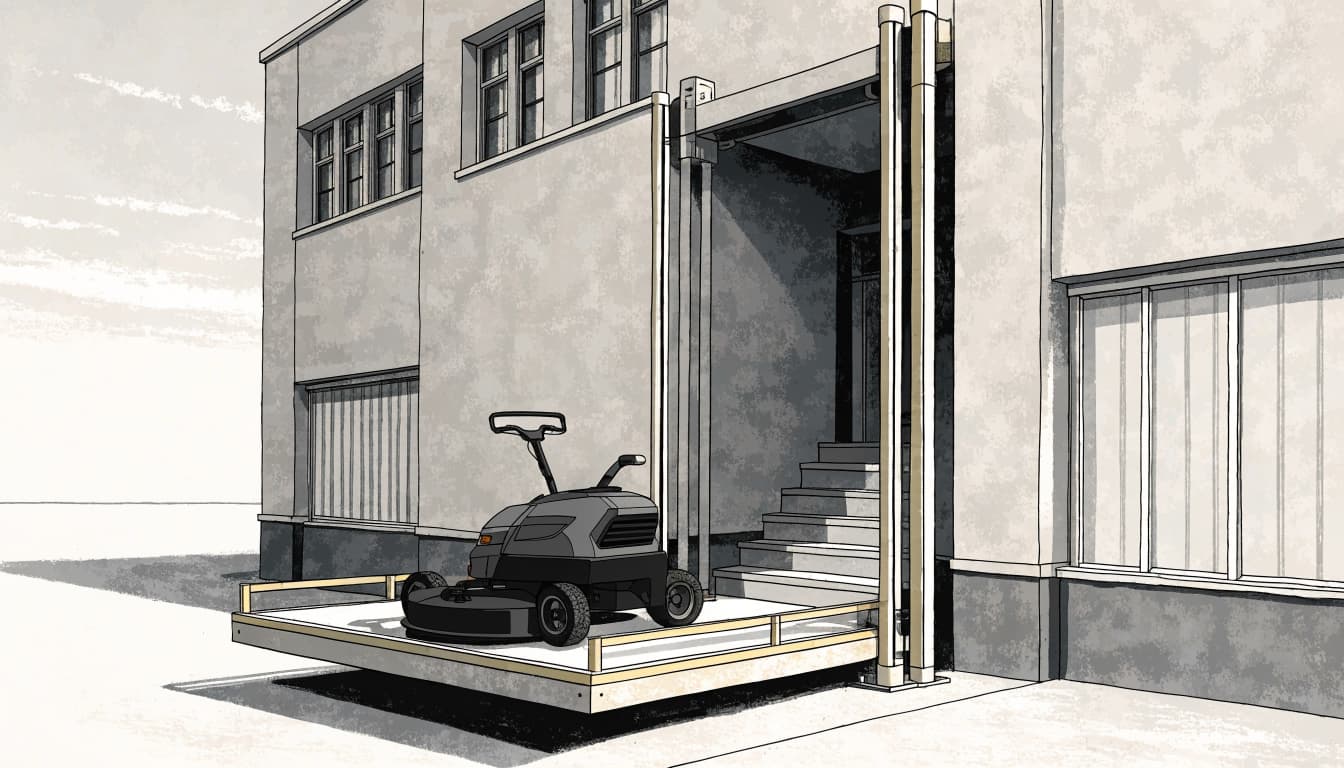

Can an Outdoor Cargo Lift Move a Riding Lawn Mower?

Share this article

An outdoor cargo lift can move a riding lawn mower when its rated capacity and usable platform dimensions suit the loaded mower. The mower must also be loaded and secured in a way the lift's instructions permit.

A mower's weight alone doesn't settle the question. Attachments, fuel, platform clearance, slope, and access all affect whether the lift can handle the trip safely.

Can an outdoor cargo lift move a riding mower?

Yes, some can, but suitability depends on the specific lift and mower. Cargo lifts can be designed for bulky loads, including lawn and garden equipment. However, models differ in capacity, platform size, and operating requirements.

Compare the complete load with the lift rating

Start with the mower's weight, then include fuel and every attachment that will travel with it. A bagger, snow blade, or other installed equipment adds to the load. Include any accessories or materials that will be on the platform at the same time.

Compare that total with the lift's rated capacity for its installed configuration. The capacity applies to the complete load, not just the mower's base weight. The rating is a firm limit: never exceed it. Guidance on cargo lift capacity and loading limits also explains why capacity must reflect the real load and loading conditions.

Check the platform's usable space

A mower can weigh less than the lift's rating and still be too large for its platform. Measure the mower at its widest point, including the cutting deck or attachments, and compare its length and width with the clear platform area.

Allow room for the tires and deck to sit fully inside the platform. Also account for gates, rails, controls, and any structure that reduces usable space. The platform sizing details for outdoor cargo lifts include the approach path and landing space, not just the platform floor.

Include fuel and attachments in the weight

Mower specifications may list weight in different configurations. Use the weight that matches the mower as it will be transported. If the published figure excludes fuel or attachments, add those items before comparing the total with the lift rating.

Also include anything else traveling on the platform, such as tools or a removable accessory. A load can reach the rating sooner than expected when extra equipment is included. Keep a margin below the maximum rather than planning routine trips at the limit.

If you're comparing lift options, review the capacity in relation to the mower and the way it will be loaded. A larger capacity alone doesn't establish that the platform has enough space or that the installation suits the load.

Plan the loading approach and slope

The route onto the platform matters as much as the trip between levels. Measure the approach at the lower landing and make sure the mower can align with the opening without striking rails, gates, or nearby structures. At the upper landing, leave enough room to exit and turn safely.

Pay attention to slope. A steep or uneven approach can make a mower harder to control and can increase the chance of rolling or shifting during loading. Use the lift only under the ground and slope conditions allowed by its operating instructions. Don't improvise a ramp or force the mower across a gap.

Follow the specified loading method. Some systems may permit driving a machine onto the platform, while others may require a different approach. The lift's instructions determine what's allowed. Keep the mower centered and fully within the platform; don't let tires, the deck, or attachments overhang.

Secure the mower and keep people off the lift

Before travel, secure the mower as directed by the lift and mower instructions. Set the parking brake or use other restraints only as those instructions allow. Keep the load stable, close and latch the gate, and make sure nothing can catch on the lift structure.

No one should ride on a cargo lift with the mower. Keep people clear of the platform and its travel path while the lift is moving. Never bypass a gate, brake, or other safety device, and don't operate the equipment if it behaves unusually or shows damage.

Use equipment for its rated purpose

Cargo lifts are intended to move goods. They aren't automatically approved for passengers, even if a person could physically fit on the platform. A person who needs to travel between levels requires equipment designed and approved for passenger use, such as an appropriate passenger elevator or vertical platform lift. Read about cargo lifts versus passenger elevators for elevated homes to understand the difference in intended use.

Follow the lift manufacturer's operating instructions for loading, travel, and unloading. They govern the permitted load, loading method, gate operation, and any operating conditions that apply to the equipment. If the mower or site falls outside those instructions, don't use that lift for the trip.

Key takeaways

  • A riding mower can travel on an outdoor cargo lift only when its total weight and dimensions fit the lift's rated limits.
  • Count fuel, attachments, and any other cargo in the total weight.
  • Keep the mower centered, secure it as instructed, and account for slope and landing clearance.
  • Keep people off cargo lifts and never exceed a rating or bypass a safety feature.

FAQ

Does the lift capacity need to include the fuel?

Yes. Compare the lift rating with the mower's actual transport weight, including fuel, attachments, and other items on the platform.

Can I drive the mower onto the platform?

Only if the lift's operating instructions allow that loading method and the approach is suitable. Don't assume every cargo lift is designed for a riding mower to drive onto it.

Conclusion

An outdoor cargo lift may move a riding mower when its capacity, platform, approach, and operating instructions all fit the job. Measure and weigh the complete load, secure it as directed, and keep people off the lift. The lift's rated limits and instructions govern every trip.

Recent Posts

By Veranda 'Vator • October 20, 2026
An elevator duty cycle describes the work a lift is expected to perform over time. It accounts for how often the equipment starts, how much it carries, and how long it runs. These details help you choose equipment that fits expected use, rather than relying on capacity alone....
By Veranda 'Vator • October 19, 2026
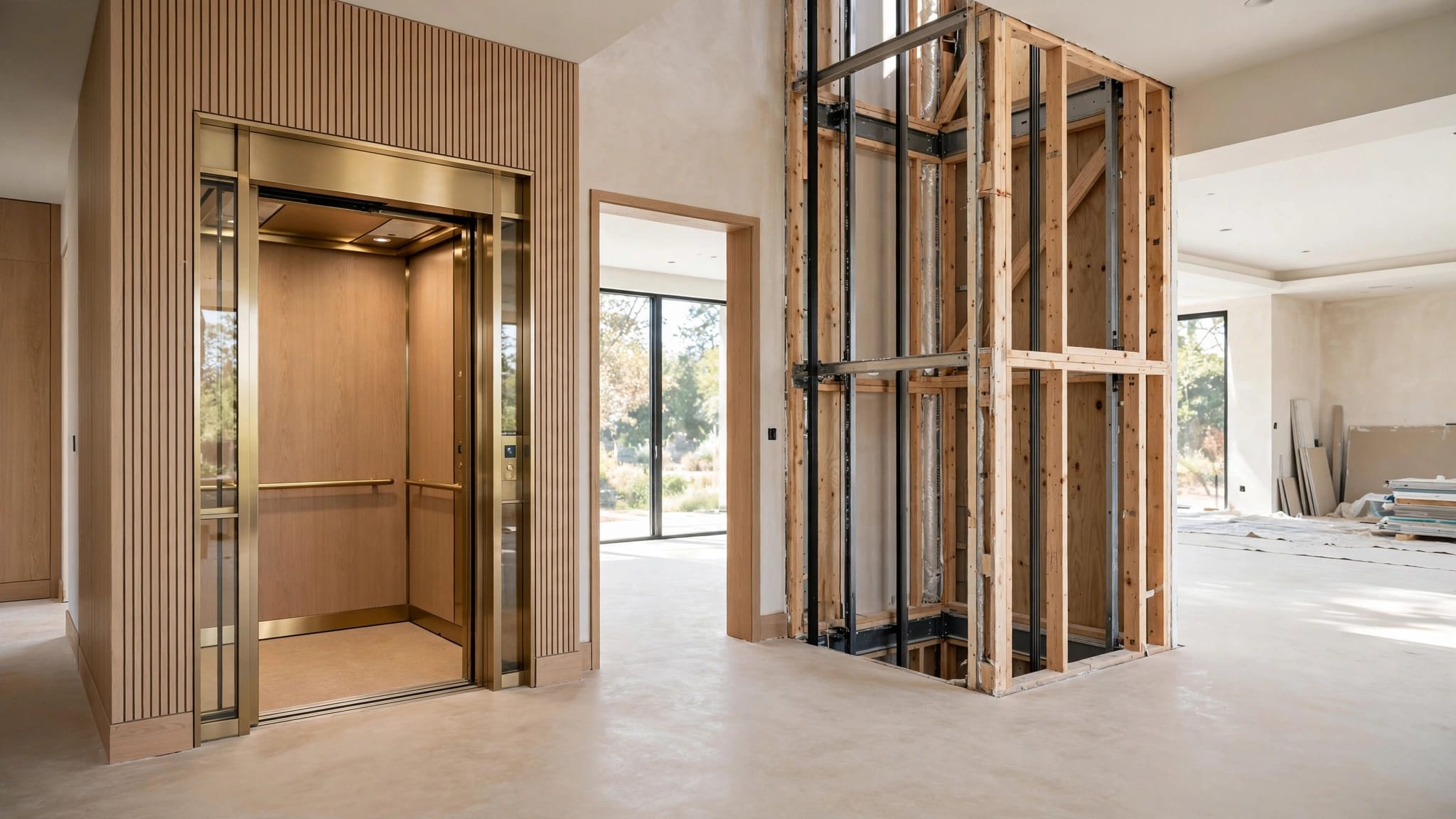
A residential elevator needs more room than its cab alone suggests. The right allowance depends on the lift's intended use, its manufacturer, and the structure around it, so there isn't one footprint that fits every home. When planning residential elevator dimensions, separate...

By Veranda 'Vator • October 18, 2026
A split-level home can make a short trip between rooms feel like a daily obstacle when stairs are difficult or heavy items need moving. A well-planned split-level home elevator connects the floors you use, without blocking the routes and rooms that make the house work. The fir...

By Veranda 'Vator • October 17, 2026
An outdoor home elevator can remain useful for many years, but there's no single lifespan that applies to every installation. The equipment type, installation quality, climate, exposure, usage, and maintenance all affect how long the complete system stays in service. It also h...

By Veranda 'Vator • October 16, 2026
A poolside lift faces more than rain and sun. Splash, humid air, and repeated cleaning can expose its finish to pool water and treatment chemicals. Pool chlorine corrosion is a concern when chemical exposure combines with moisture and time, but the effect varies by material an...

By Veranda 'Vator • October 15, 2026
A small building can still have complicated elevator traffic. A clinic, restaurant, office, and workshop may have the same number of floors, but their passengers, delivery patterns, and busiest hours differ. Good elevator traffic planning starts with the building's actual use....
By Veranda 'Vator • October 14, 2026
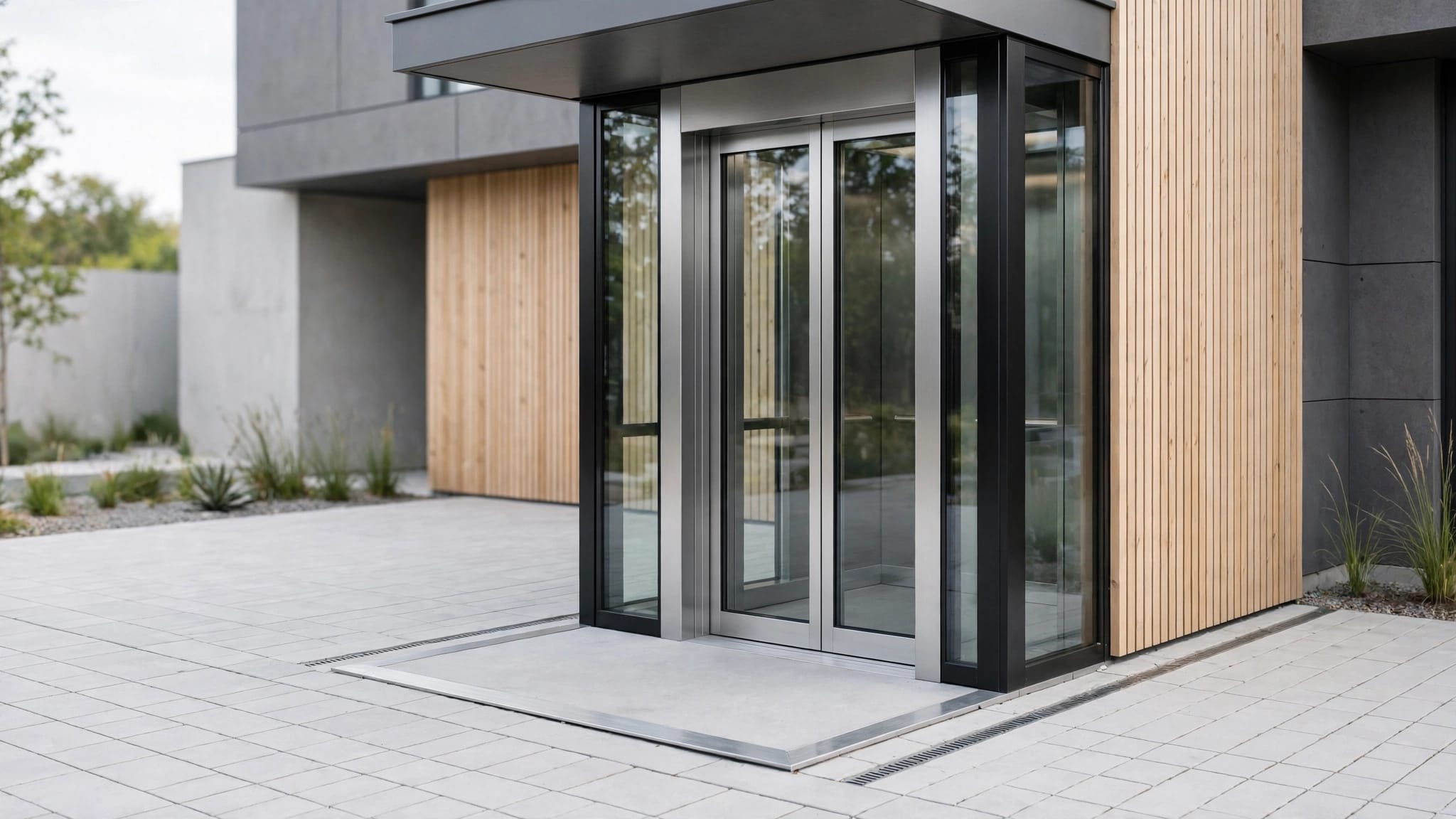
At an outdoor elevator, a small lip or puddle at the landing can make entry difficult for a wheelchair user. Well-planned wheelchair accessible thresholds combine a low level change with a stable approach, effective drainage, and enough room to maneuver. The details matter for...
By Veranda 'Vator • October 13, 2026
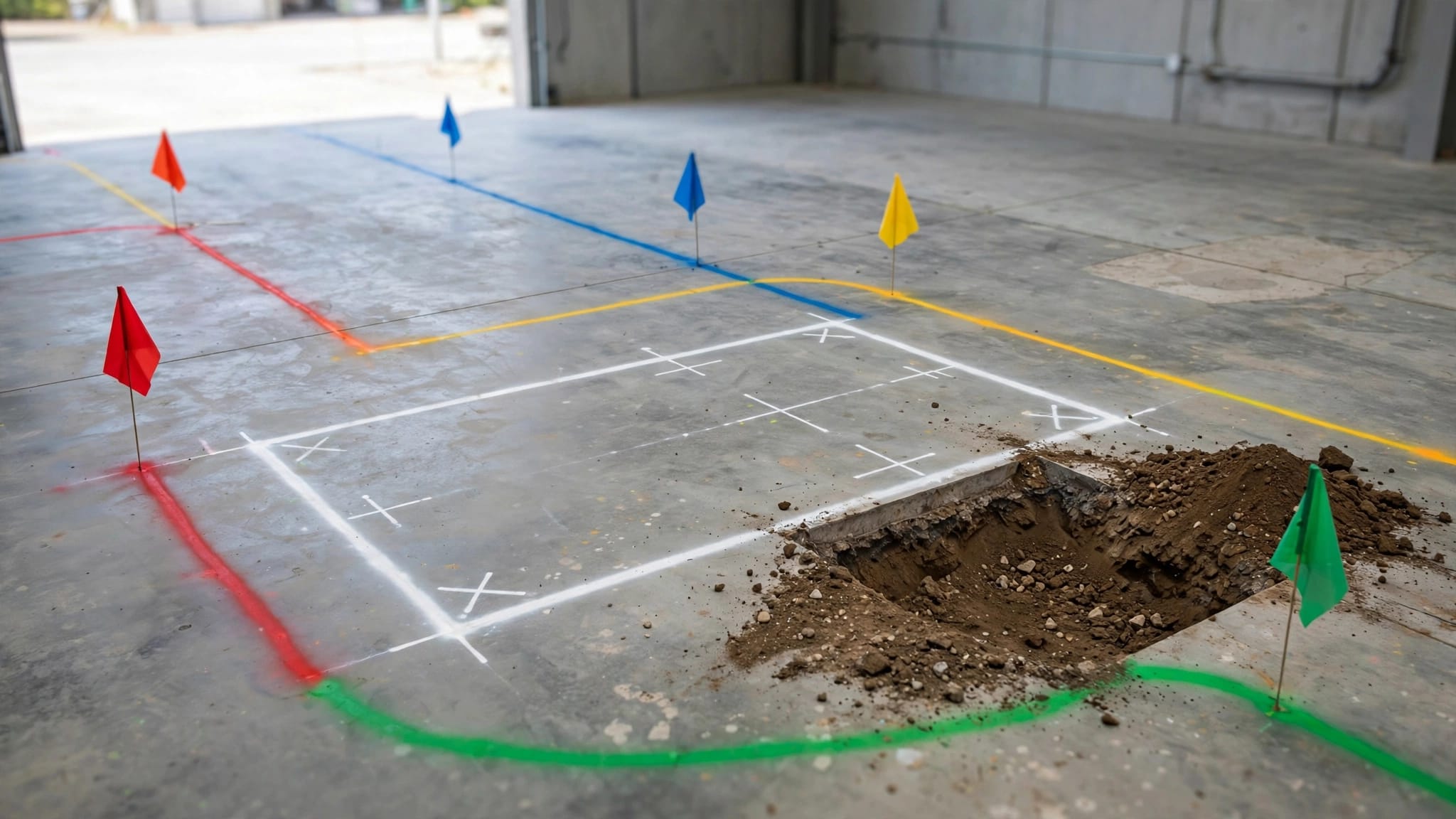
A lift footing can be redesigned before excavation; a damaged gas line or electrical cable can turn a routine installation into an emergency. Locating buried utilities early helps protect people, prevent service interruptions, and keep the footing plan aligned with the site. T...

By Veranda 'Vator • October 12, 2026
An exterior lift tower has to work with the building behind it, not only look good beside it. The cladding affects where the tower fits, how its connection to the building is detailed, and how crews preserve weather protection during installation. Good planning treats lift tow...
By Veranda 'Vator • October 11, 2026
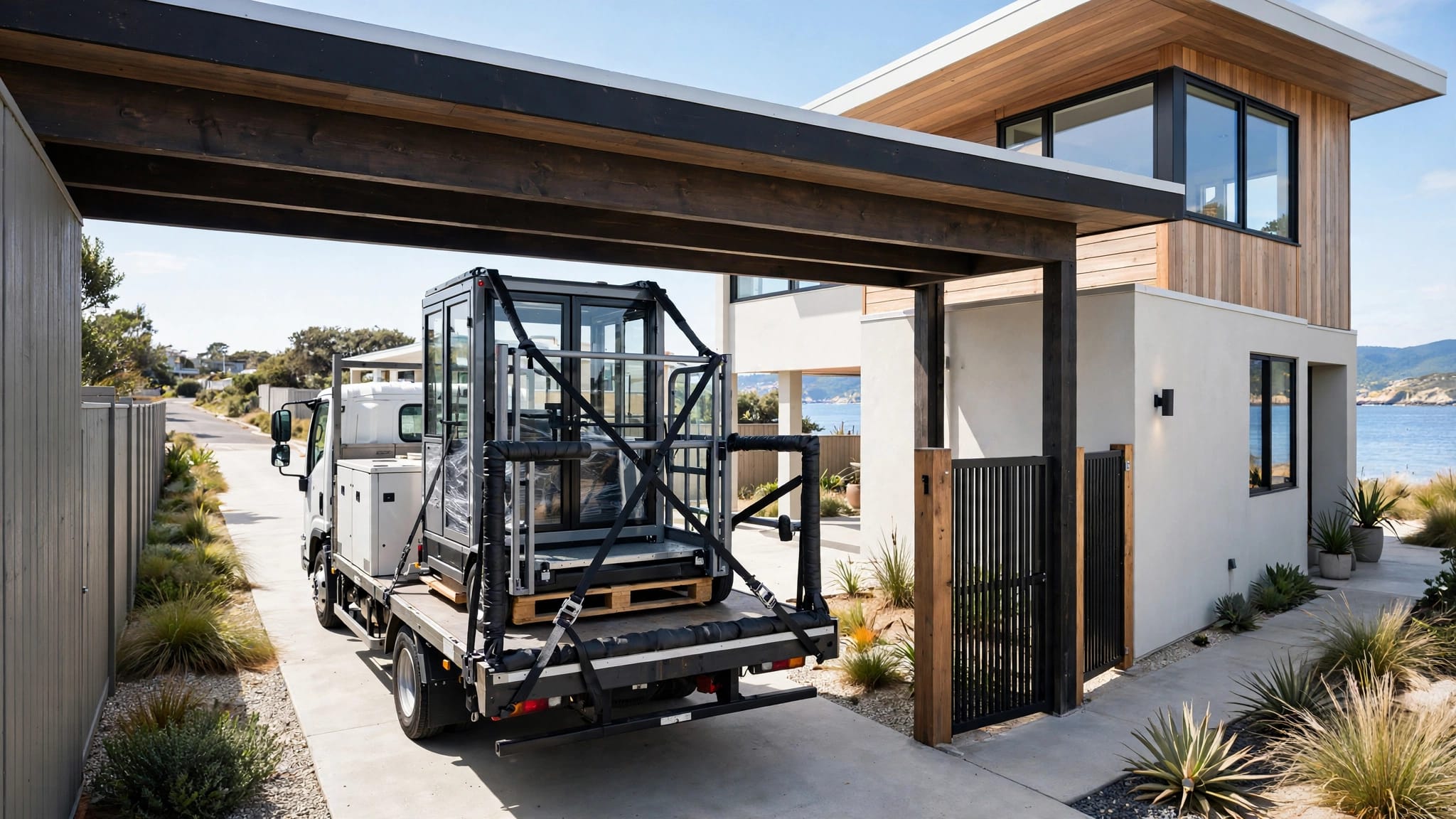
A lift can fit beside your beach house while its delivery route remains blocked by a roof overhang or shared driveway. A useful lift delivery checklist covers the entire path, including unloading space, ground conditions, and access to the installation area. On a narrow waterf...
Show More