What Is an Elevator Duty Cycle, and Why Does It Matter?

Share this article

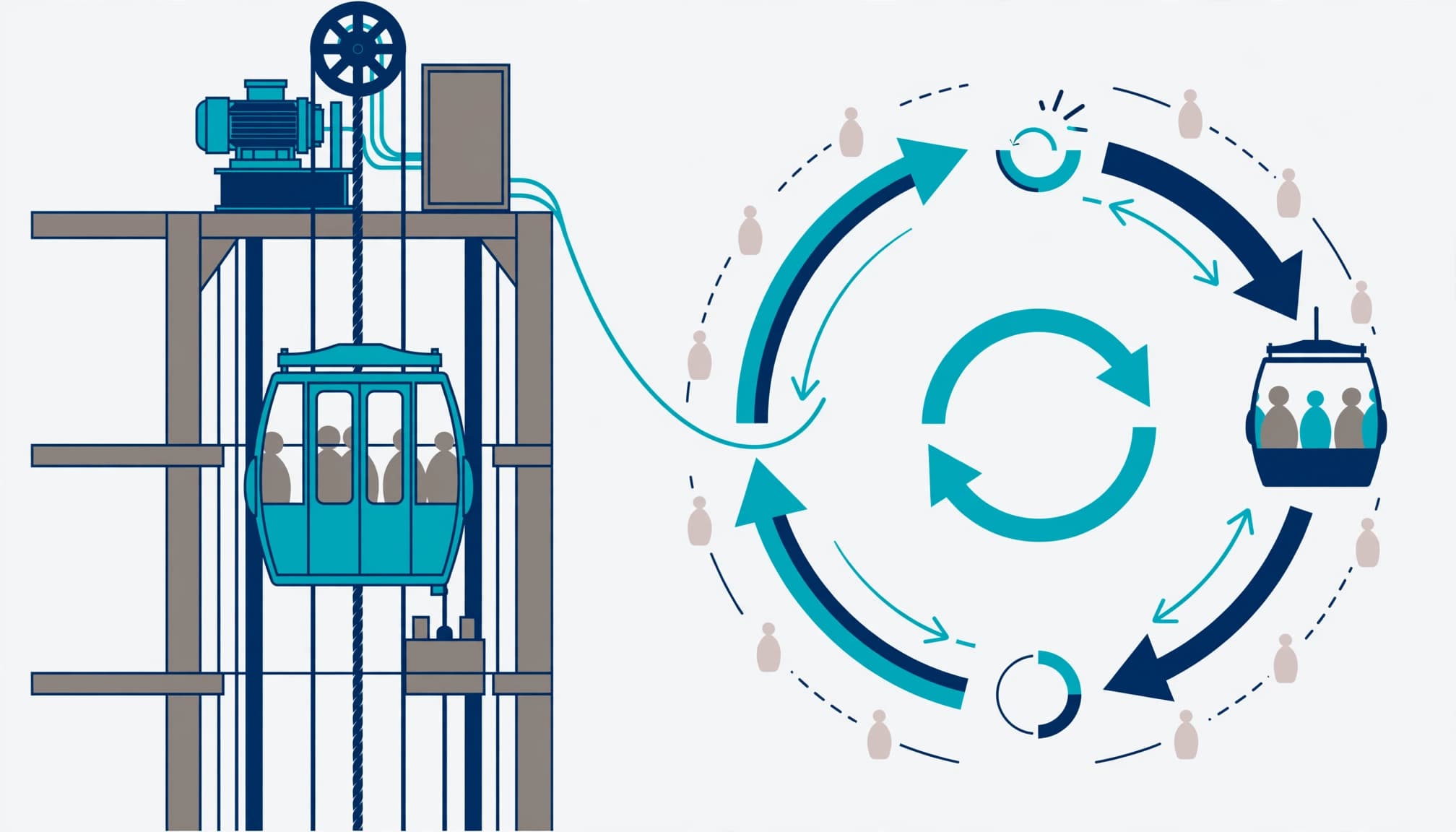
An elevator duty cycle describes the work a lift is expected to perform over time. It accounts for how often the equipment starts, how much it carries, and how long it runs. These details help you choose equipment that fits expected use, rather than relying on capacity alone.

A lift that makes a few trips each day faces different demands from one serving regular passenger traffic. Understanding the duty cycle helps you discuss equipment selection, operating limits, and reliability with a clearer picture of your needs.

What an Elevator Duty Cycle Measures

A duty cycle is a description of operating demand, not a single universal number. It can include trip frequency, starts per hour, load, and operating time. The way a manufacturer defines or rates duty cycle varies by equipment and manufacturer, so the term may refer to different specifications across products.

Starts, trips, and traffic

Each time an elevator begins a trip, its motor and drive system go through a start. Starts per hour can matter because frequent trips create repeated demand, even when the car travels only a short distance. A building with clustered trips during busy periods may put different demands on a lift than a home where trips are spread throughout the day.

Trip patterns matter alongside daily totals. For example, a lift supporting a busy entrance may make repeated runs during a short window, followed by quieter periods. Expected traffic should include those peak times, not just an average number of trips.

Load and operating time

The weight carried affects the work required to move the car. A fully loaded lift may place greater demand on its drive system than a lightly loaded one. Load distribution also matters: items should be positioned and carried according to the equipment's instructions.

Operating time describes how long the equipment runs, including travel and repeated use. Longer travel and frequent operation can add to the total demand. Together, load, starts, and operating time give a more useful picture than any one factor alone.

Why Duty Cycle Matters When Selecting Equipment

A lift should match the job it will perform. If you know what it will carry and how often it will operate, you can compare equipment with a more realistic understanding of its intended service.

Match the lift to its purpose

A cargo lift is designed to move goods, while a passenger elevator is designed for people. The equipment can differ in its enclosure, controls, access protection, and safety features. A cargo platform that can hold a person is not automatically approved for passenger travel.

Expected use should guide the lift category and capacity. A system moving groceries occasionally has a different job from one carrying people throughout a workday. Review passenger elevator capacity and approved use when planning a system for riders.

Plan for busy periods

Consider the busiest expected period, not only routine use. A commercial site with frequent passenger trips may need equipment suited to sustained activity. A residential cargo lift used for occasional supply runs may have a different operating profile.

Also consider the kinds of loads involved. A cart or bulky item can affect how the lift is loaded and used, even if its total weight is within the rated capacity. For electrical planning, outdoor elevator electrical requirements provide related considerations for lift motors and controls.

How Usage Patterns Affect the Duty Cycle

Usage is the combination of trip frequency, load, travel, and rest periods. Two lifts can have similar daily trip totals but different duty demands if one makes many trips close together and the other operates intermittently.

Count starts, not just trips

A trip generally involves a start, travel, and a stop. Starts per hour offer one way to describe how frequently a lift is called into operation, but the acceptable figure depends on the particular equipment. The rating or operating guidance for one model cannot automatically be applied to another.

When estimating demand, describe typical and peak use in practical terms. Include the number of landings, likely trip frequency, and whether several users may call the elevator in succession. This helps connect the equipment rating to the way the building will actually use the lift.

Include real loads and travel

List the items or people the lift will carry, including carts, wheelchairs, or containers when relevant. A rated capacity tells you the allowed load, but it does not by itself describe trip frequency or operating time. A longer route can also increase how long each cycle takes.

If the project involves a cargo lift, passenger elevator, or vertical platform lift, equipment configuration and machinery location may differ. The machine room needs for passenger and cargo lifts vary with the drive system and product design.

Thermal Limits, Reliability, and Operating Ratings

Motors, drives, and other electrical components generate heat during operation. Frequent starts and extended running can increase thermal demand, while breaks between trips allow equipment to cool. The limits depend on the equipment design, so one general starts-per-hour or runtime figure cannot describe every elevator.

Operating beyond the limits set for a particular system can contribute to overheating, shutdowns, or added wear. A suitable duty rating helps match the lift to expected traffic and supports reliable operation. It does not eliminate the need to follow manufacturer instructions or maintain the equipment as specified.

Ratings vary by equipment and manufacturer. Compare the stated operating limits for the specific lift under consideration, and make sure the intended use, load, and traffic pattern fit those limits. A rating for one cargo lift should not be assumed to apply to a passenger elevator or a different model.

Key Takeaways

  • Duty cycle describes expected operating demand, including starts, load, and operating time.
  • Starts per hour help show how concentrated the use may be.
  • Capacity alone does not describe how often or how long a lift can operate.
  • Passenger, cargo, and platform lifts have different designs and approved uses.
  • Ratings and limits vary by equipment and manufacturer.

Frequently Asked Questions

Is elevator duty cycle the same as capacity?

No. Capacity is the maximum load specified for the equipment. Duty cycle describes operating demand over time, including how often the lift starts and how long it runs.

Why do starts per hour matter?

Frequent starts create repeated demands on the motor, drive, and related components. The acceptable number depends on the specific lift, so use its manufacturer rating rather than a general figure.

Does a heavier load change the duty cycle?

Load affects the work the elevator performs, while trip frequency and operating time also contribute to demand. Keep every load within the equipment's rated capacity and follow its loading instructions.

Choose a Lift for Its Real Workload

The right duty rating begins with an honest estimate of how the lift will be used. Account for peak traffic, starts, expected loads, and operating time, then compare those demands with the specifications for the particular equipment. A close match supports reliable operation and helps the lift do the job it was designed for.

Recent Posts

By Veranda 'Vator • October 19, 2026
A residential elevator needs more room than its cab alone suggests. The right allowance depends on the lift's intended use, its manufacturer, and the structure around it, so there isn't one footprint that fits every home. When planning residential elevator dimensions, separate...

By Veranda 'Vator • October 18, 2026
A split-level home can make a short trip between rooms feel like a daily obstacle when stairs are difficult or heavy items need moving. A well-planned split-level home elevator connects the floors you use, without blocking the routes and rooms that make the house work. The fir...

By Veranda 'Vator • October 17, 2026
An outdoor home elevator can remain useful for many years, but there's no single lifespan that applies to every installation. The equipment type, installation quality, climate, exposure, usage, and maintenance all affect how long the complete system stays in service. It also h...

By Veranda 'Vator • October 16, 2026
A poolside lift faces more than rain and sun. Splash, humid air, and repeated cleaning can expose its finish to pool water and treatment chemicals. Pool chlorine corrosion is a concern when chemical exposure combines with moisture and time, but the effect varies by material an...
By Veranda 'Vator • October 15, 2026
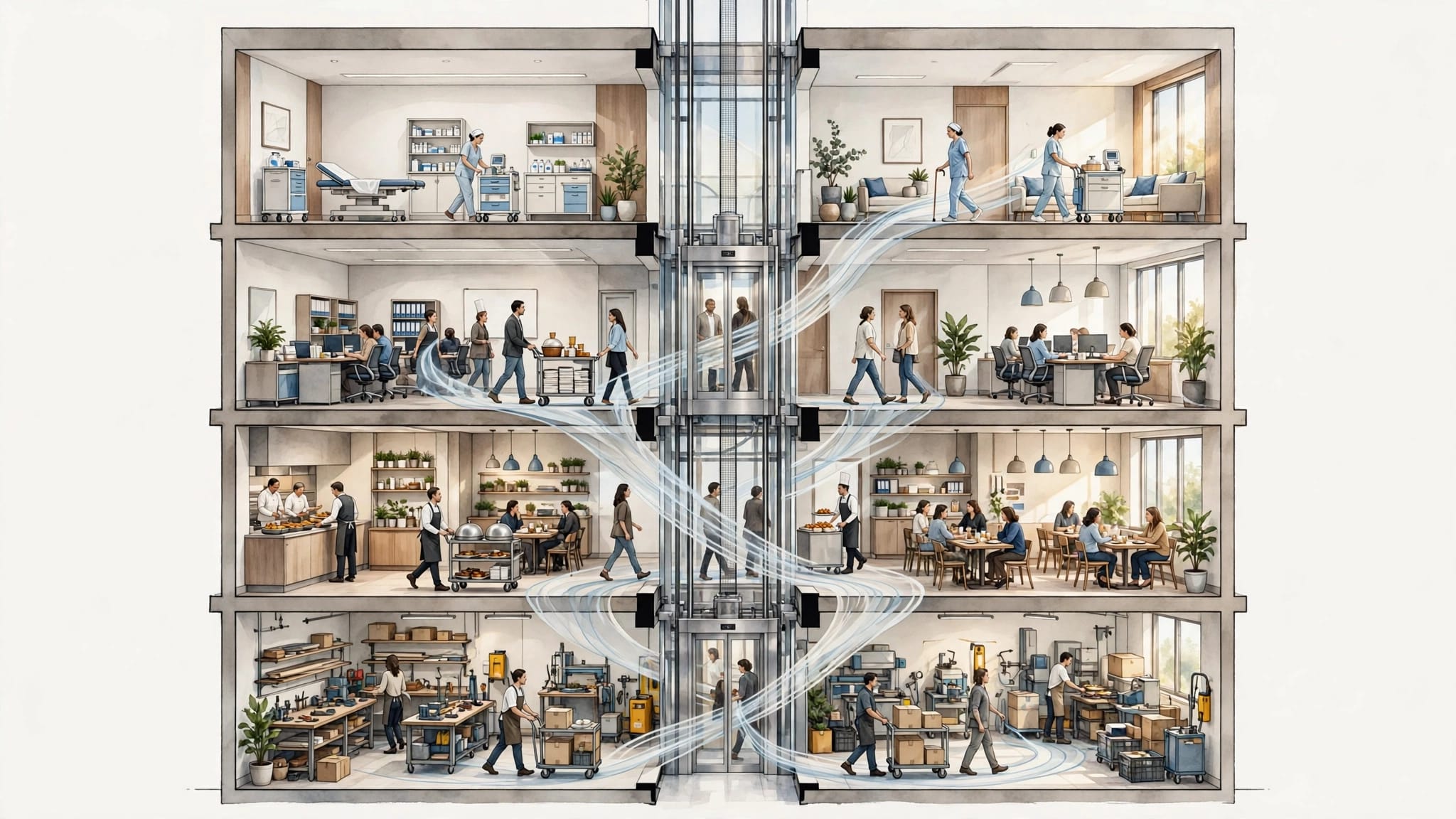
A small building can still have complicated elevator traffic. A clinic, restaurant, office, and workshop may have the same number of floors, but their passengers, delivery patterns, and busiest hours differ. Good elevator traffic planning starts with the building's actual use....

By Veranda 'Vator • October 14, 2026
At an outdoor elevator, a small lip or puddle at the landing can make entry difficult for a wheelchair user. Well-planned wheelchair accessible thresholds combine a low level change with a stable approach, effective drainage, and enough room to maneuver. The details matter for...
By Veranda 'Vator • October 13, 2026
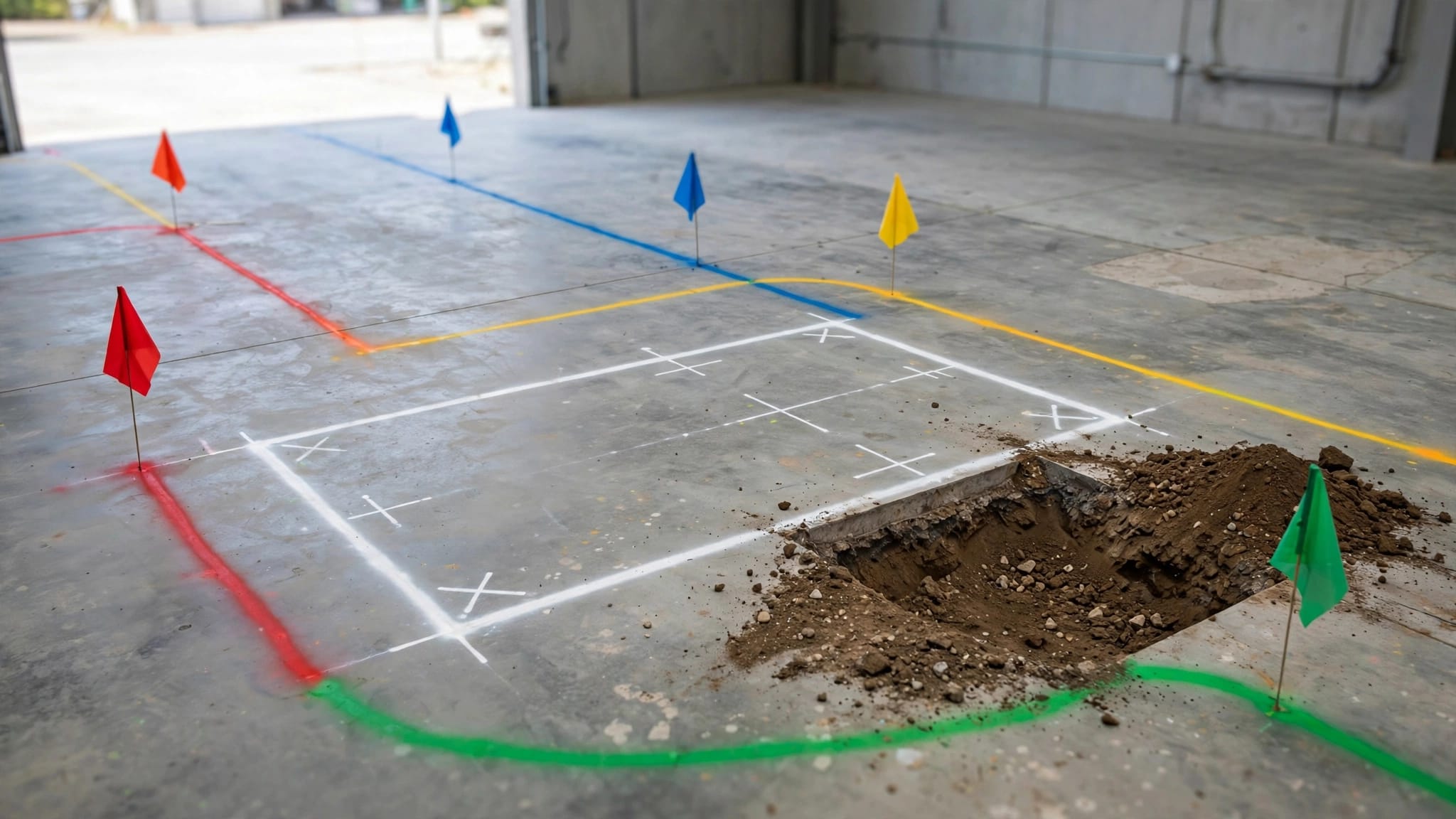
A lift footing can be redesigned before excavation; a damaged gas line or electrical cable can turn a routine installation into an emergency. Locating buried utilities early helps protect people, prevent service interruptions, and keep the footing plan aligned with the site. T...

By Veranda 'Vator • October 12, 2026
An exterior lift tower has to work with the building behind it, not only look good beside it. The cladding affects where the tower fits, how its connection to the building is detailed, and how crews preserve weather protection during installation. Good planning treats lift tow...
By Veranda 'Vator • October 11, 2026
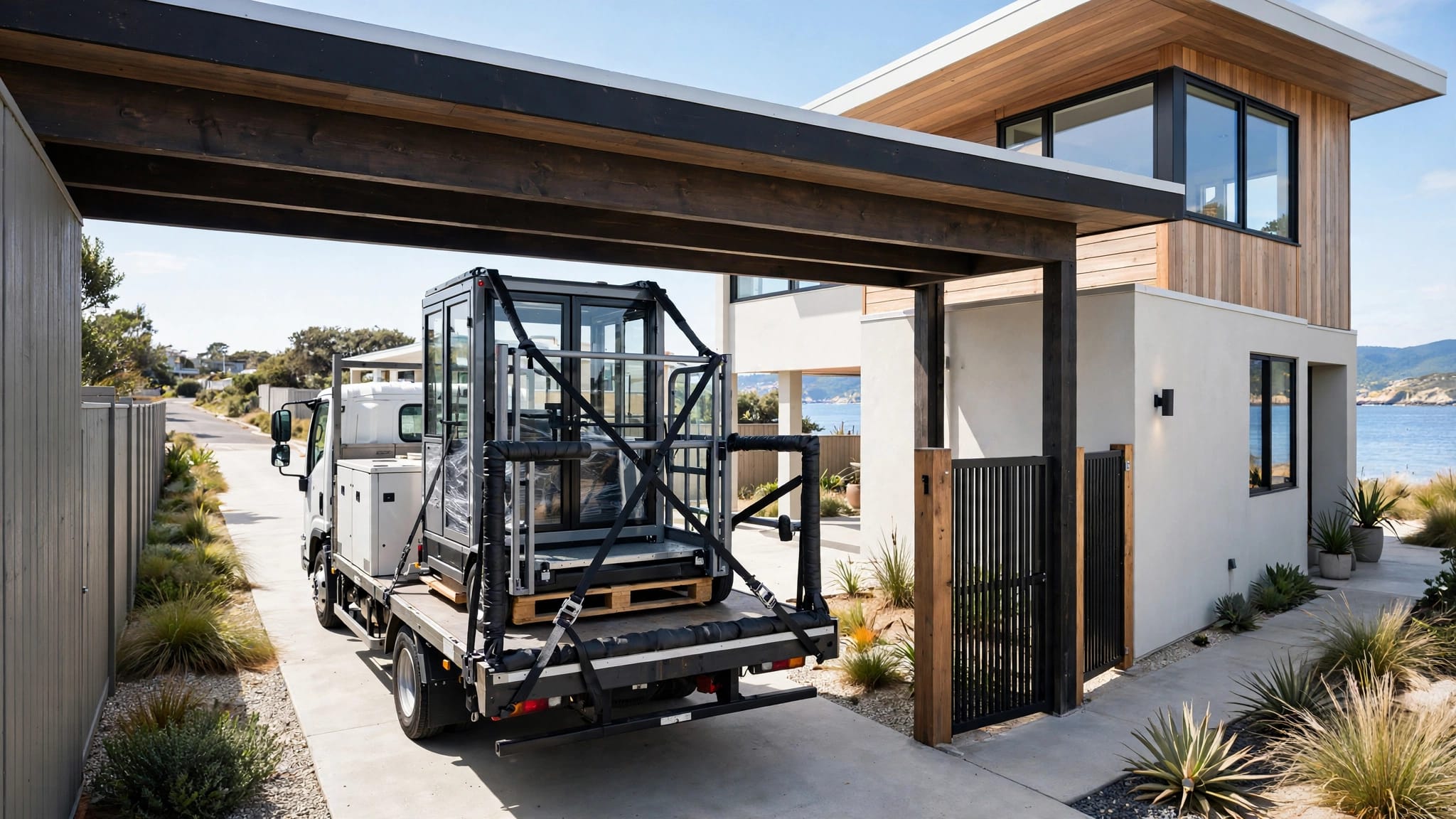
A lift can fit beside your beach house while its delivery route remains blocked by a roof overhang or shared driveway. A useful lift delivery checklist covers the entire path, including unloading space, ground conditions, and access to the installation area. On a narrow waterf...
By Veranda 'Vator • October 10, 2026
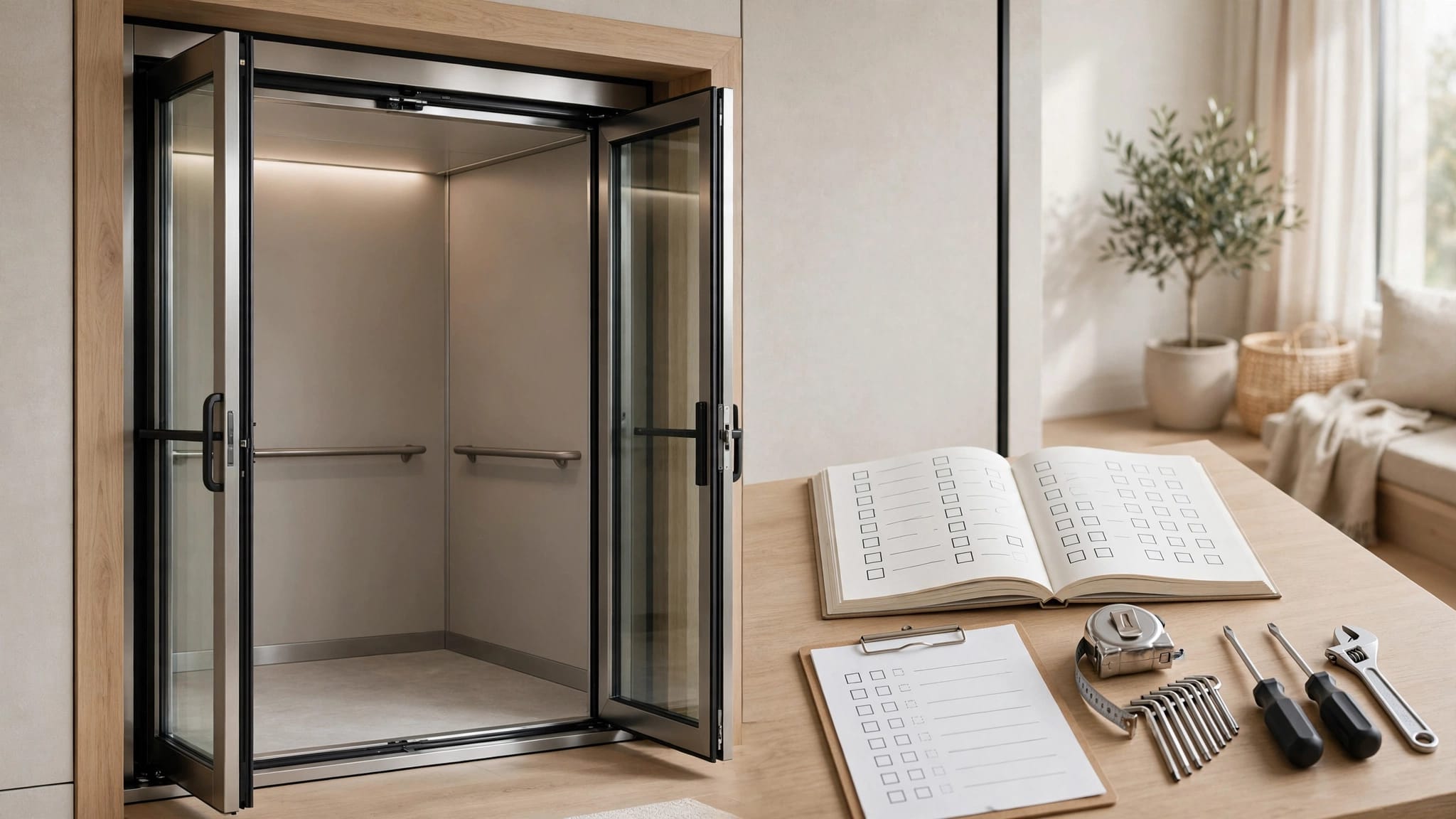
A service receipt may show that someone visited, but it rarely tells the lift's full maintenance story. A useful home lift service log records what the technician found, what changed, and whether any work remains unfinished. Your records should connect each visit to the right...
Show More