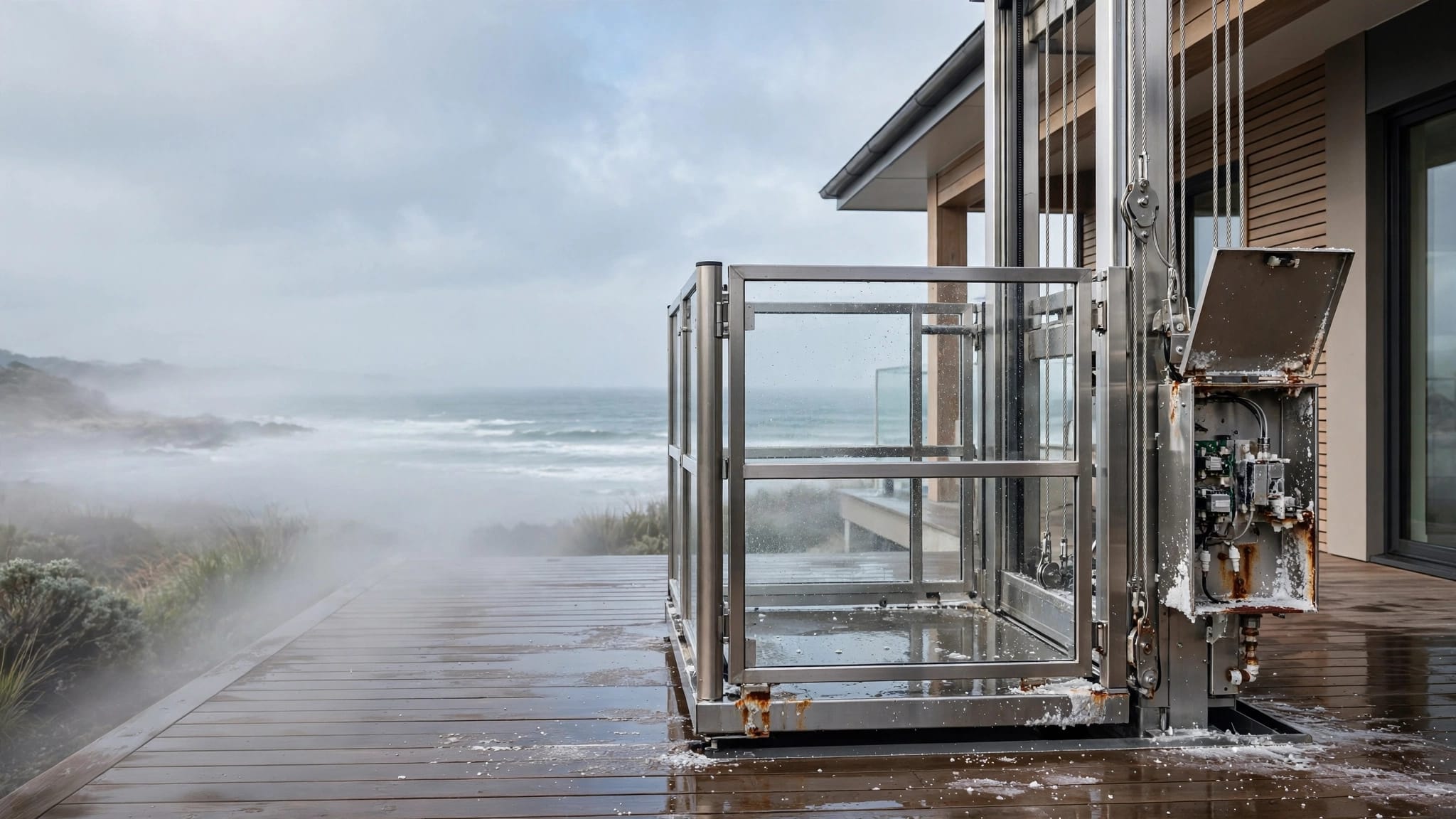
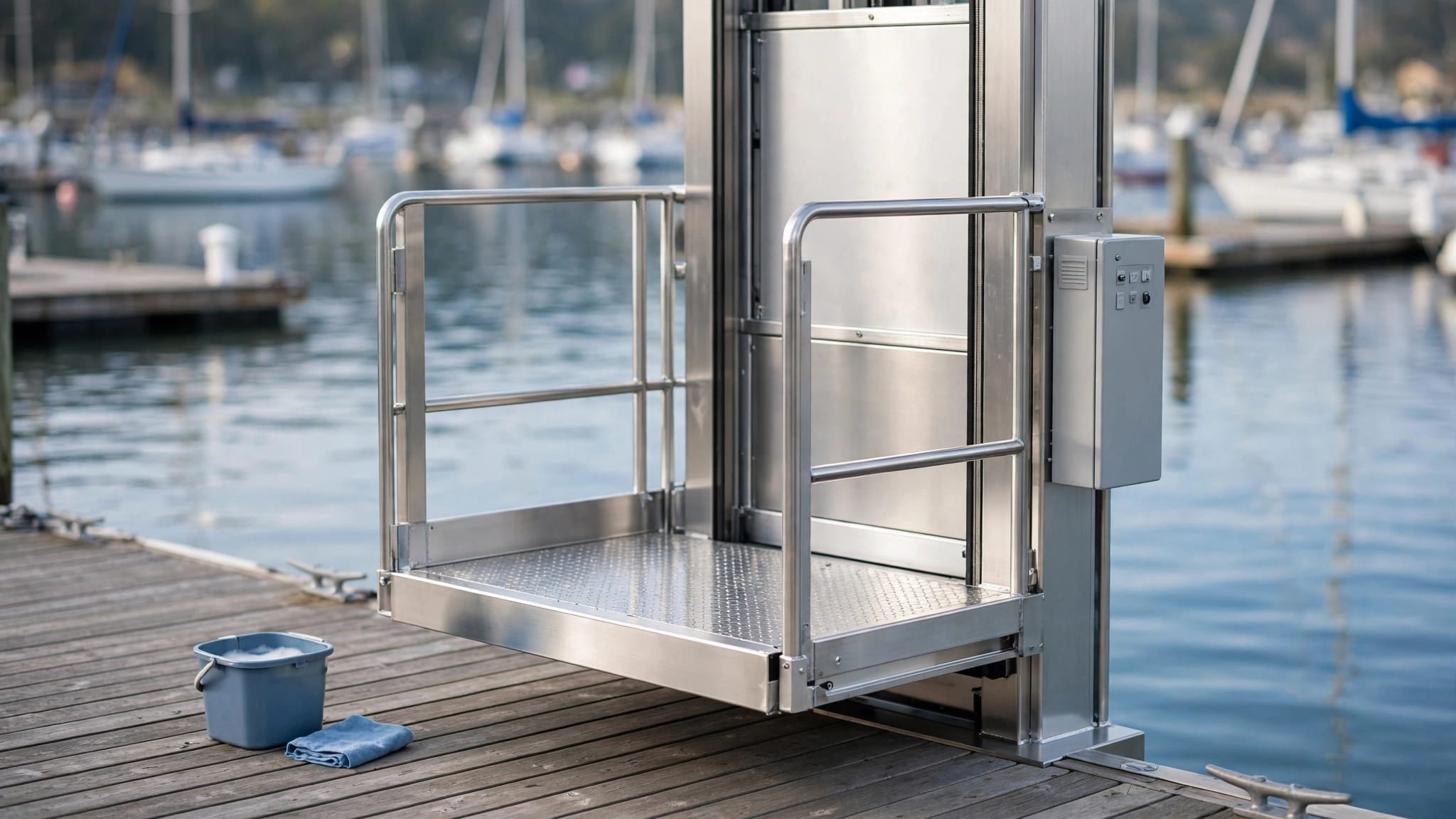
Floodwater can turn a working outdoor lift into an electrical and mechanical hazard within minutes. A flooded outdoor lift may look clean after the water drains, but hidden damage can remain inside controls, wiring, brakes, and moving parts.
If water has reached a cargo lift, passenger elevator, or vertical platform lift, keep it out of service. Protect people first, isolate power only when it's safe, document the damage, and arrange inspections by a qualified lift technician and electrician.
What to do with a flooded outdoor lift
Move everyone away from the lift, landing, platform, shaft, and nearby electrical equipment. Keep children, visitors, passengers, and workers outside the affected area. Use barriers or caution tape if you have them, but don't enter standing water to place them.
Floodwater may contain sewage, chemicals, fuel, sharp metal, broken glass, and hidden debris. It can also conceal holes, unstable decking, damaged steps, or exposed wiring. Wear appropriate protective equipment only if local emergency guidance says the area is safe to enter. Otherwise, wait for emergency responders or qualified contractors.
Follow local emergency instructions before approaching the lift. If the property has an active evacuation order, electrical hazard, structural concern, or contaminated water, leave the area and contact the proper authority. Call emergency services if someone is trapped or injured. Don't attempt a rescue through floodwater.
Take these immediate steps:
- Keep the lift's doors, gates, and controls untouched. Don't press a call button or operate the platform manually.
- Don't use, reset, restart, or test the lift, even if the water level has fallen.
- If local emergency guidance calls for power isolation, shut off the lift circuit only from a dry, safe location. Don't touch a wet disconnect, panel, wire, or electrical enclosure.
- Leave power off if it has already been disconnected. Don't restore it to see whether the lift still works.
- Don't connect a generator or temporary power source to the lift.
- Contact your lift manufacturer or service company, along with a qualified electrician, when the area is accessible.
If you can't reach the disconnect without stepping into water or touching damaged equipment, leave it alone. A utility worker or electrician can determine the safest way to isolate the supply.
Treat submerged electrical equipment as energized until a qualified professional confirms that it's safe.
Why a flooded outdoor lift remains dangerous after the water drains
Water damage doesn't end when the visible water disappears. Moisture can remain inside control cabinets, motor housings, conduit, switches, junction boxes, and wiring insulation. Dry-looking surfaces don't prove that the internal components are safe.
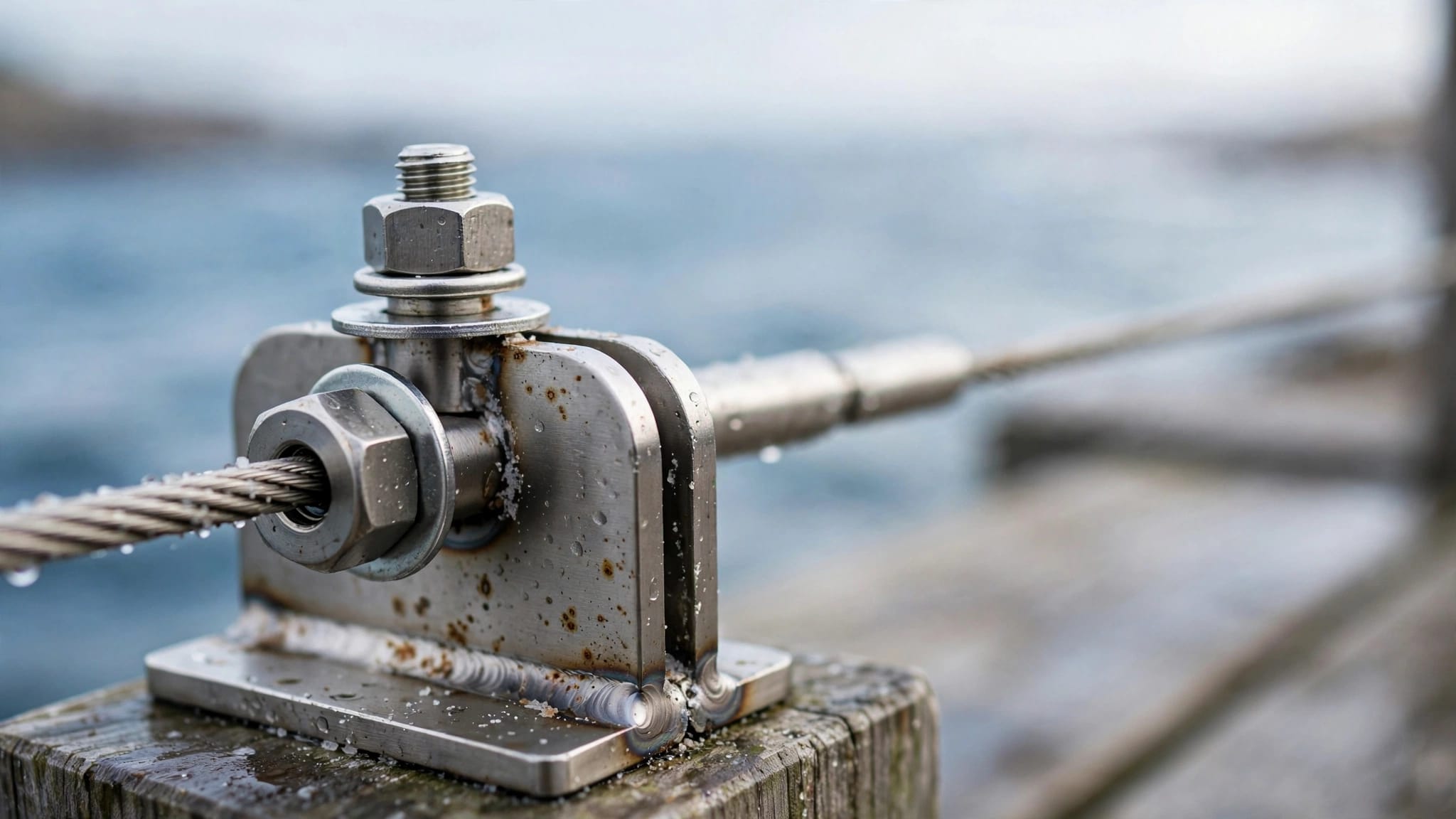
A lift may also contain parts that move or hold weight, including rails, cables, sheaves, brakes, gates, interlocks, limit switches, and platform supports. Mud or debris can interfere with movement. Corrosion can affect metal parts later, particularly when the water contains salt or chemicals. A brake or safety switch that appears normal may still fail under load.
Floodwater creates a contamination problem as well. Sewage and chemicals can remain on platforms, landings, rails, gate surfaces, and controls. Cleaning those areas without the right equipment can spread contaminants or push water farther into electrical components.
Weather-resistant construction helps an exterior lift handle outdoor conditions, but it doesn't make a flooded outdoor lift safe to operate. The effect depends on the water depth, exposure time, water type, lift design, location of electrical parts, and condition of the surrounding structure.
Don't open a control cabinet, remove covers, rinse the lift, spray corrosion treatment, or improvise a drying process. A fan or household dehumidifier won't verify the condition of insulation, terminals, circuit boards, brakes, or safety circuits. DIY electrical repairs can create shock, fire, movement, or fall hazards.
Inspect and document the damage without touching the lift
Wait until the property owner, emergency authority, or contractor confirms that the area is safe to approach. Stay on dry, stable ground, and keep your distance from the platform, shaft, rails, landing, and electrical equipment.
Use a phone or camera from a safe position to record:
- The highest visible water line around the lift and building.
- Mud, silt, sewage, chemicals, vegetation, and other debris.
- Damage to gates, panels, rails, platforms, stairs, landings, anchors, and nearby walls.
- The condition of the disconnect, control cabinet, motor area, wiring, and conduit, without opening anything.
- The lift's make, model, serial number, and current power status.
- The date and approximate time the water reached the equipment.
- Any unusual sound, smell, smoke, sparks, movement, or alarm that occurred before shutdown.
Don't climb onto a wet platform or reach into a flooded shaft. Don't move debris if it could hide electrical damage or affect an insurance inspection. Photographs taken before cleanup can help the lift company, electrician, insurer, and local building official understand what happened.
Notify your insurance carrier before discarding damaged parts or arranging major cleanup, unless emergency action is needed to protect people or prevent further property damage. Follow the carrier's instructions, and keep copies of photographs, call records, estimates, inspection reports, and receipts.
A written storm plan can reduce confusion during the next event. Veranda 'Vator's guide to outdoor home lift hurricane preparation covers pre-storm steps such as securing the area, protecting access points, and following manufacturer instructions.
Arrange a lift inspection and electrical assessment
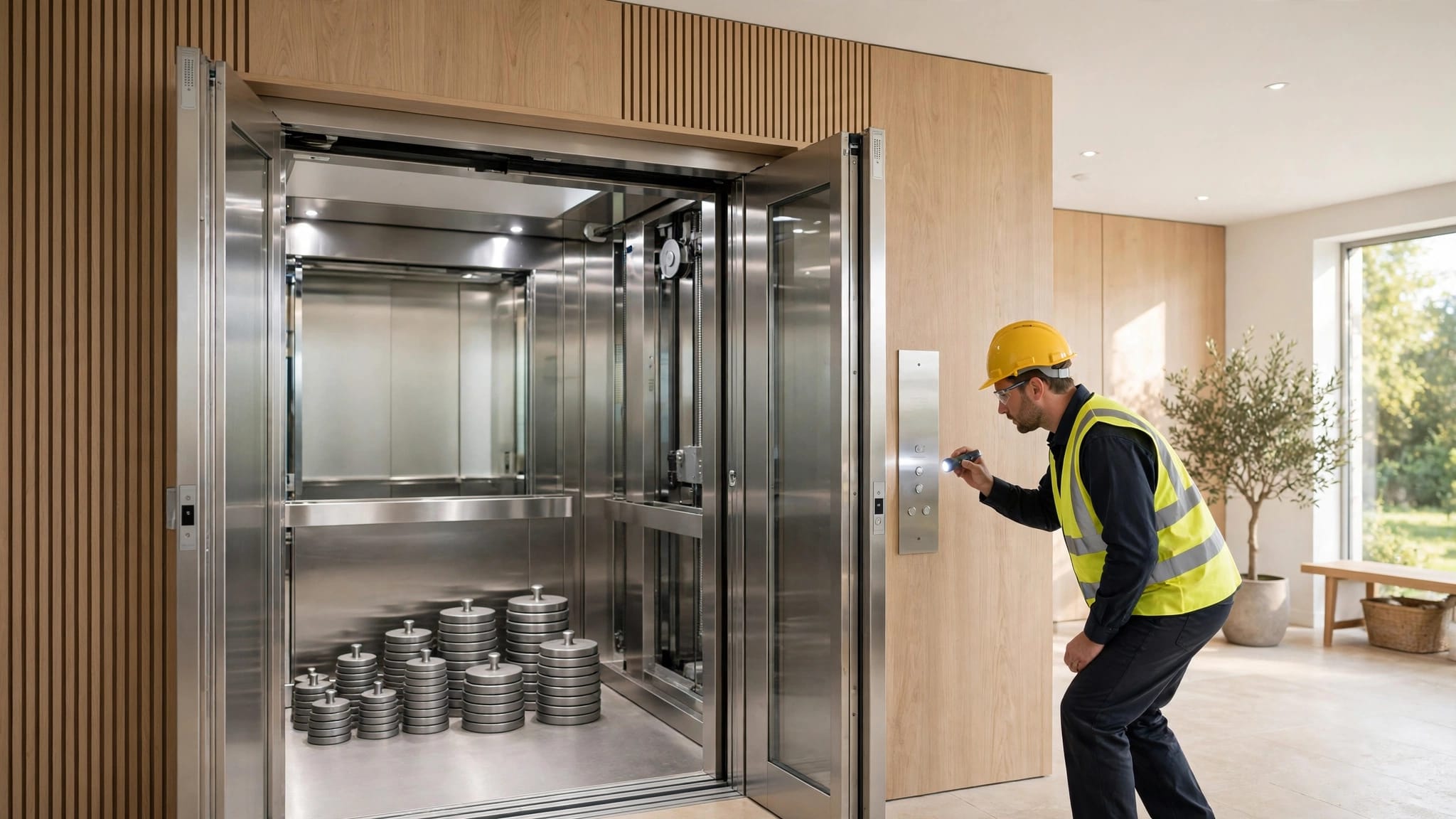
A flooded outdoor lift needs a qualified lift technician before anyone tries to operate it. The technician should understand the specific equipment, whether it is a cargo lift, passenger-compliant elevator, or vertical platform lift.
The lift inspection may cover the rails, platform, gates, cables, sheaves, brakes, anchors, landing equipment, safety interlocks, limit switches, and other parts that control movement or prevent unsafe operation. The technician also needs to assess whether contamination, corrosion, distortion, or debris affects the equipment.
A qualified electrician should assess the electrical supply and components. That work may include the disconnect, wiring, conduit, grounding, motor, drive, control cabinet, junction boxes, switches, and any equipment located below or near the flood line. The lift technician and electrician may need to coordinate because mechanical and electrical systems affect each other.
Tell both professionals that floodwater reached the equipment. The water type matters. Fresh rainwater, brackish water, saltwater, sewage, and chemically contaminated water can create different cleaning, replacement, and disposal needs.
Ask for a written report that identifies:
- Which parts got wet or contaminated.
- Which components need cleaning, repair, testing, or replacement.
- Whether the surrounding structure, foundation, anchors, or landings need assessment.
- Which permits, inspections, or approvals apply before service resumes.
- What work each contractor will complete.
- What conditions must be met before the lift returns to operation.
A lift that moves during a quick check still needs this review. Motion only shows that some parts can move. It doesn't prove that the brake, gate interlock, control circuit, grounding, load path, or emergency systems will work correctly.
For a Florida property, local floodplain and building requirements may affect repair work or replacement. Review the applicable outdoor elevator code rules in Florida with the lift contractor and local authority having jurisdiction. Requirements can vary by county, flood zone, equipment type, and the work performed.
Repair, replace, and clean only under professional direction
The correct remedy depends on what the water reached and how long it remained there. A technician may recommend cleaning some non-electrical surfaces, while other parts may require replacement because contamination or internal damage cannot be verified safely.
Electrical components often need careful evaluation rather than casual drying. Circuit boards, relays, terminals, motors, drives, switches, and wiring can retain moisture or contaminants after the exterior feels dry. The electrician should identify any component that cannot be reliably inspected, cleaned, and tested.
Mechanical parts need equal attention. Silt can enter bearings and moving interfaces. Corrosion can develop on cables, fasteners, rails, brake parts, and structural connections. Damaged gates or landings can create fall risks even when the lift itself appears intact.
Don't choose repairs based only on appearance or price. Ask the service company to explain whether the proposed work restores the equipment to the manufacturer's requirements and applicable local rules. Keep the lift isolated while decisions are pending.
The same caution applies during cleanup. Flood residue should be handled according to local health and environmental guidance. Don't pressure-wash electrical enclosures or direct water into rails, switches, motors, controls, or other openings.
Confirm these conditions before returning the lift to service
The lift should remain locked out and marked unavailable until the qualified professionals complete their work. No passenger, worker, or homeowner should take a test ride, and no one should place cargo on the platform to check its capacity.
Before service resumes, the lift technician and electrician should confirm that:
- Flooded or contaminated components received an approved repair, cleaning process, or replacement.
- The power supply, wiring, grounding, controls, motor, and disconnect passed the required inspection.
- Gates, interlocks, brakes, limit switches, emergency features, and other safety devices operate correctly.
- The platform, rails, cables, anchors, landings, and surrounding structure are safe for the lift's intended use.
- Required permits, inspections, and approvals are complete.
- The owner has written instructions for operation, shutdown, cleaning, and future storm preparation.
Testing should happen under controlled conditions, with the appropriate professionals present. The test plan may include operation without a load, safety-device checks, and a carefully controlled load test based on the lift design and service requirements.
Don't return a cargo lift to work because it can carry an empty platform. Don't return a passenger lift or vertical platform lift to people because the controls respond. The equipment must pass a complete professional assessment first.
Conclusion
A flooded outdoor lift must stay out of service until trained professionals inspect both its mechanical and electrical systems. Keep people away, follow local emergency guidance, isolate power only from a safe location, and document the damage without touching the equipment.
Water that has drained away can leave contamination, corrosion, and hidden electrical faults behind. Professional inspection before restart protects passengers, workers, cargo, and the property from a second accident.
Recent Posts