
Home Lift Warranty Terms Coastal Owners Should Review

Share this article

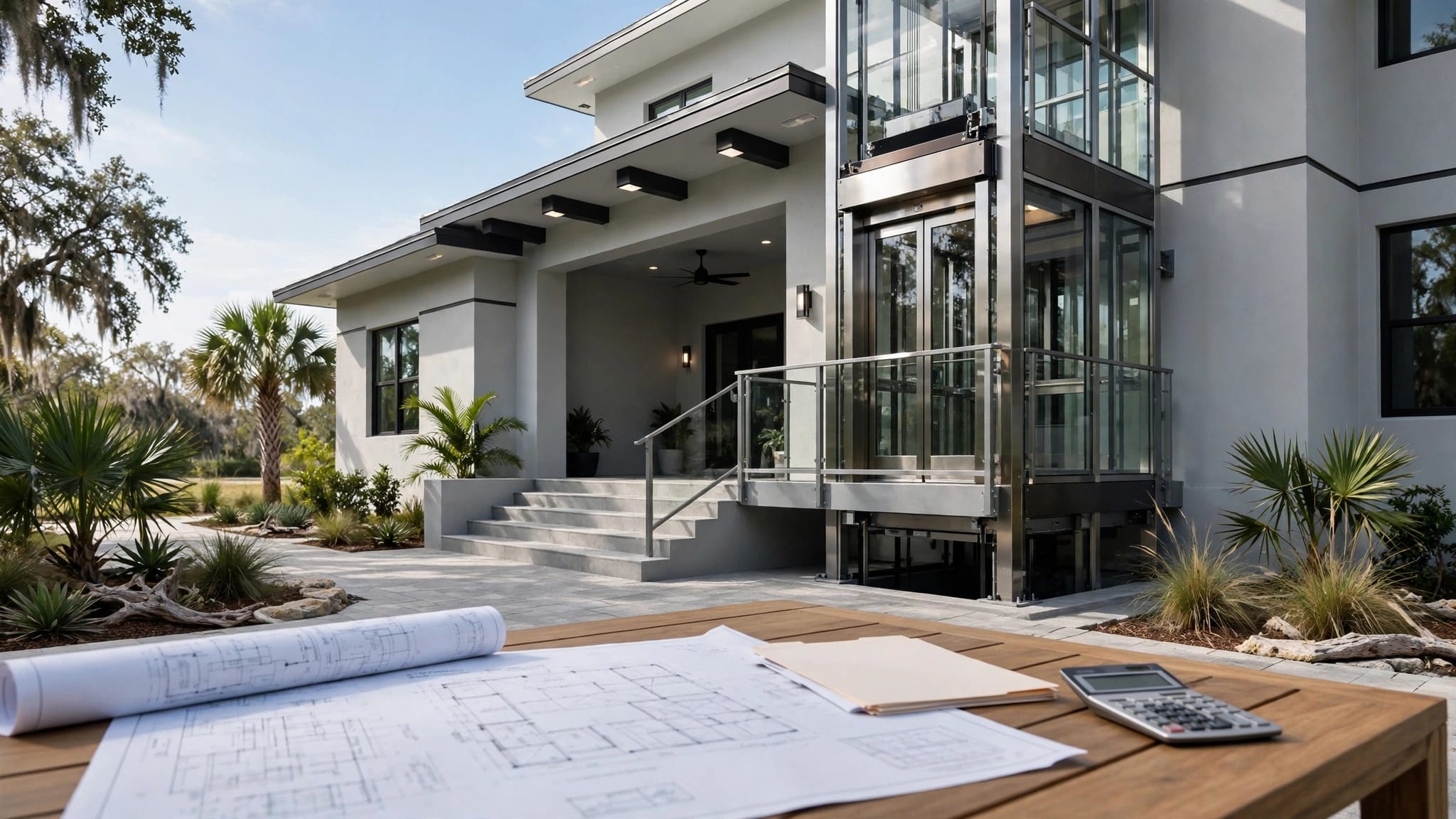
Salt air can shorten the life of exposed metal, but it doesn't decide a home lift warranty claim by itself. The written terms, installation agreement, and maintenance record usually matter more than a sales-page promise.

Coastal owners need more than a headline such as five-year coverage. You need to know when the period starts, who pays for labor and travel, whether corrosion or storm damage is included, and what happens after a technician finds a problem. A home lift warranty may cover a manufacturing defect while excluding flooding, neglect, unauthorized changes, or ordinary wear. Terms vary by manufacturer, installer, location, and contract, so review your actual documents before relying on a summary.

Why coastal conditions need special warranty attention

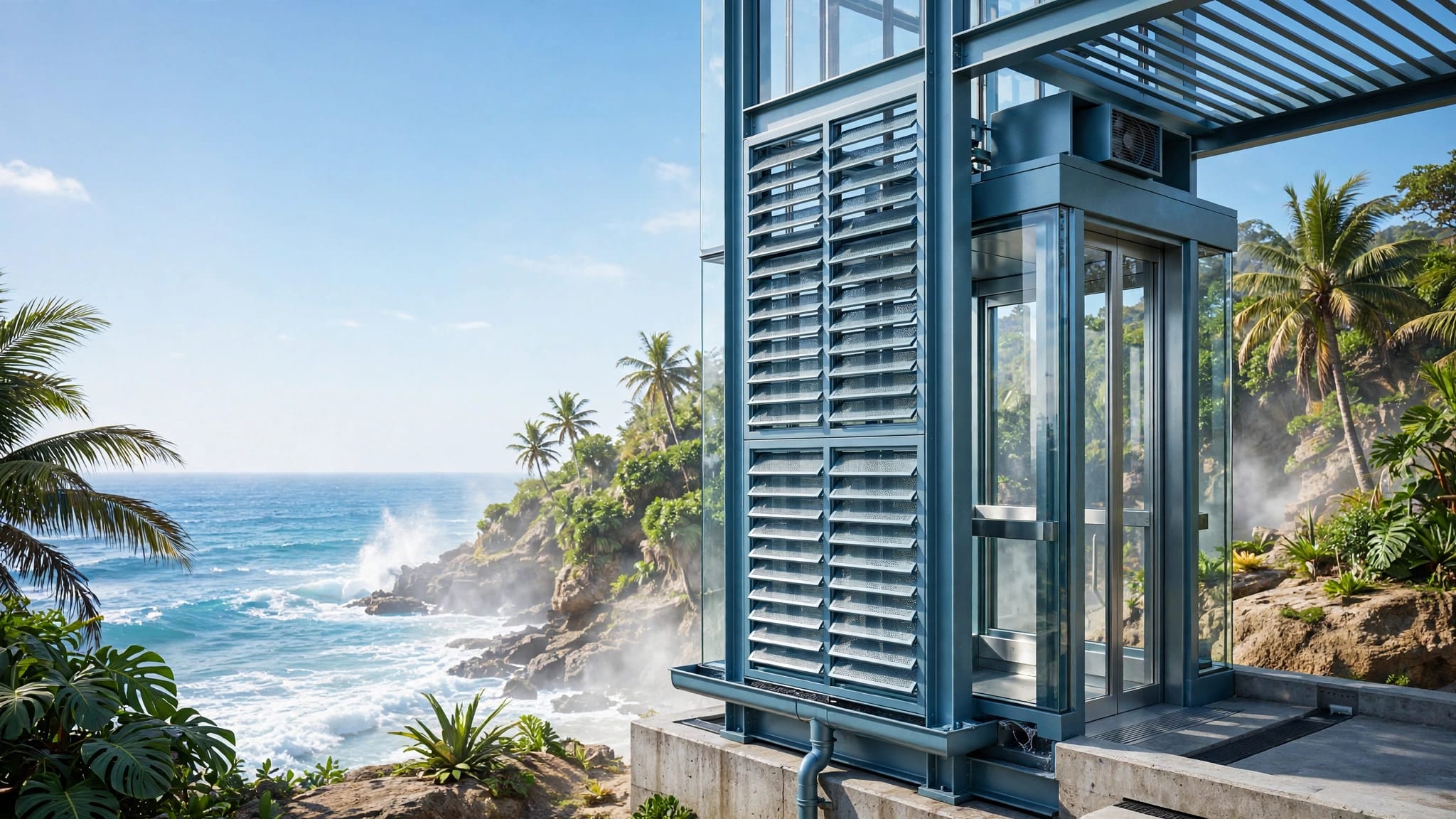
An outdoor lift faces conditions that an indoor elevator doesn't. Salt carried by sea air can settle on cables, fasteners, gates, rails, and electrical housings. Humidity, wind-driven rain, sand, and standing water can add more stress, especially on homes near the shoreline.

A manufacturer may design a lift for exterior use and specify marine-grade materials. That feature can help the equipment handle coastal exposure, but it doesn't automatically cover every repair linked to rust, water, or salt. The warranty may distinguish between a defective component and damage caused by the surrounding environment.

Storms raise another question. A warranty may cover a faulty motor, switch, or structural component, while a homeowners or storm insurance policy may address damage from wind, lightning, flooding, or storm surge. Don't assume either policy covers the same event. Ask both providers how they define weather-related damage.

Cargo lifts also need to operate within their rated capacity and intended use. A lift built for groceries, tools, luggage, or building materials may have different terms from a passenger-compliant elevator or a vertical platform lift for wheelchair access. Using the equipment outside its rating can affect a claim.

Read clauses about outdoor installation, finish corrosion, drainage, water exposure, and storm preparation. The phrase "corrosion resistant" describes a product feature. It doesn't mean every corrosion-related repair is covered.

How to read a home lift warranty line by line

Warranty documents often combine technical terms with short exclusions. Read each section alongside the installation contract, owner's manual, and purchase invoice. Those documents may assign different duties to the manufacturer, installer, electrician, and property owner.

Warranty term What to confirm
Coverage period Does the clock start at delivery, installation, or commissioning?
Defect definition Does coverage include materials, craftsmanship, or both?
Parts and labor Are technician hours, travel, freight, and removal included?
Service area Does your coastal location affect response time or travel charges?
Owner duties Which cleaning, inspection, and service tasks must you complete?
Exclusions How does the document address corrosion, storms, flooding, and misuse?
Claim process Who must receive notice, and what records must you provide?
Registration and transfer Is registration required, and can coverage transfer to a new owner?

The coverage period deserves close attention. A five-year term might apply to manufacturing and craftsmanship defects, while batteries, finishes, seals, electronics, or labor have different periods. Some policies also begin on delivery rather than the day your lift first operates.

The remedy language matters too. The provider may choose to repair a part, replace it, or provide another stated remedy. A warranty can also limit the provider's responsibility to the defective component. That may leave inspection, access, shipping, or installation costs under separate terms.

What a home lift warranty may cover

A home lift warranty commonly focuses on defects in materials or workmanship. However, the exact definition depends on the manufacturer and the model. One document may cover a failed component under normal use. Another may require installation by an approved provider and service according to the manual.

The warranty coverage information published by Veranda 'Vator provides a useful example of why owners should read the actual policy. Its listed terms state five-year coverage for manufacturing and craftsmanship defects on specified lifts. The page also says the original purchaser must complete warranty registration within 90 days of delivery. Those terms belong to that published policy and shouldn't be treated as a universal rule for every residential lift.

Separate product coverage from installation coverage

A manufacturer warranty and an installer's workmanship warranty may sit in different documents. The manufacturer might cover a defective motor, cable, controller, or structural part. The installer may cover an alignment issue, wiring mistake, mounting problem, or incomplete installation, depending on the agreement.

Ask which company handles a problem that involves both categories. For example, a gate that fails because of a defective switch may follow a different claim path from a gate that sits out of alignment because of installation work. Written responsibility can prevent delays between two providers.

Check who pays after a defect is found

Parts coverage doesn't always equal full repair coverage. Labor, diagnostic visits, mileage, overnight shipping, crane access, scaffolding, removal, reinstallation, permits, and electrical work may have separate rules.

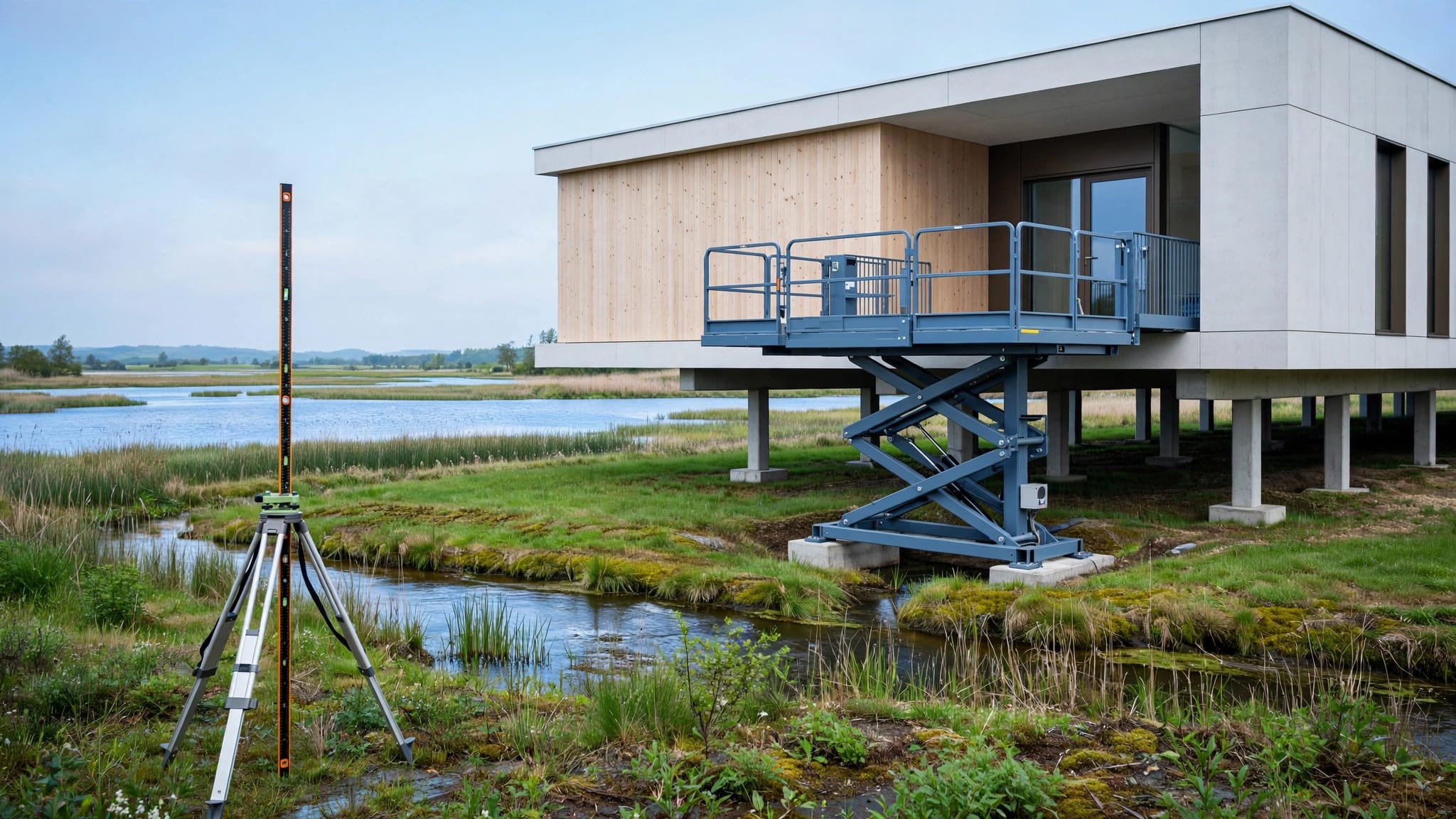
Ask for a sample claim scenario before signing. If a covered controller fails while your lift is on the second level of an elevated home, find out whether the warranty pays for the part only or also the technician's visit and access equipment. The answer should appear in writing.

Coastal exclusions deserve careful attention

Exclusions often create the largest gap between what owners expect and what a warranty actually provides. Read them slowly, especially if the lift sits near open water or below an exposed deck.

Salt-related corrosion may receive different treatment from a hidden manufacturing defect. Ask whether the document excludes surface rust, corrosion of fasteners, damage to electrical contacts, or deterioration caused by saltwater exposure. Also ask whether the manufacturer names an inspection or cleaning schedule for coastal installations.

Storm and flood language needs equal attention. Wind-driven rain, storm surge, flooding, lightning, and power surges may fall outside a standard product warranty. The contract may also exclude damage caused by storing the lift in a flooded area or operating it after visible water intrusion.

Normal wear can include items that move, rub, seal, or carry loads. Cables, rollers, batteries, finishes, seals, and switches may have separate coverage or no warranty coverage after a stated period. The document should identify these limits rather than leaving you to guess.

Unauthorized modifications can affect a claim. Adding a roof, changing a gate, relocating controls, altering wiring, or using non-approved replacement parts may create a dispute. Get written approval before changing the lift or its surrounding structure.

Location can affect service even when the warranty remains valid. A remote barrier island, private road, or property with restricted access may add travel time or equipment charges. Ask whether the service area includes your address and whether local code inspections are your responsibility.

A warranty may cover a failed part while leaving storm cleanup, access equipment, and installation labor under separate terms.

Maintenance records can support a warranty claim

Maintenance is part of ownership, not paperwork to gather after a failure. Follow the model's manual for inspections, cleaning, lubrication, load limits, and shutdown procedures. Coastal conditions may require closer attention, but the manufacturer should define the approved tasks and products.

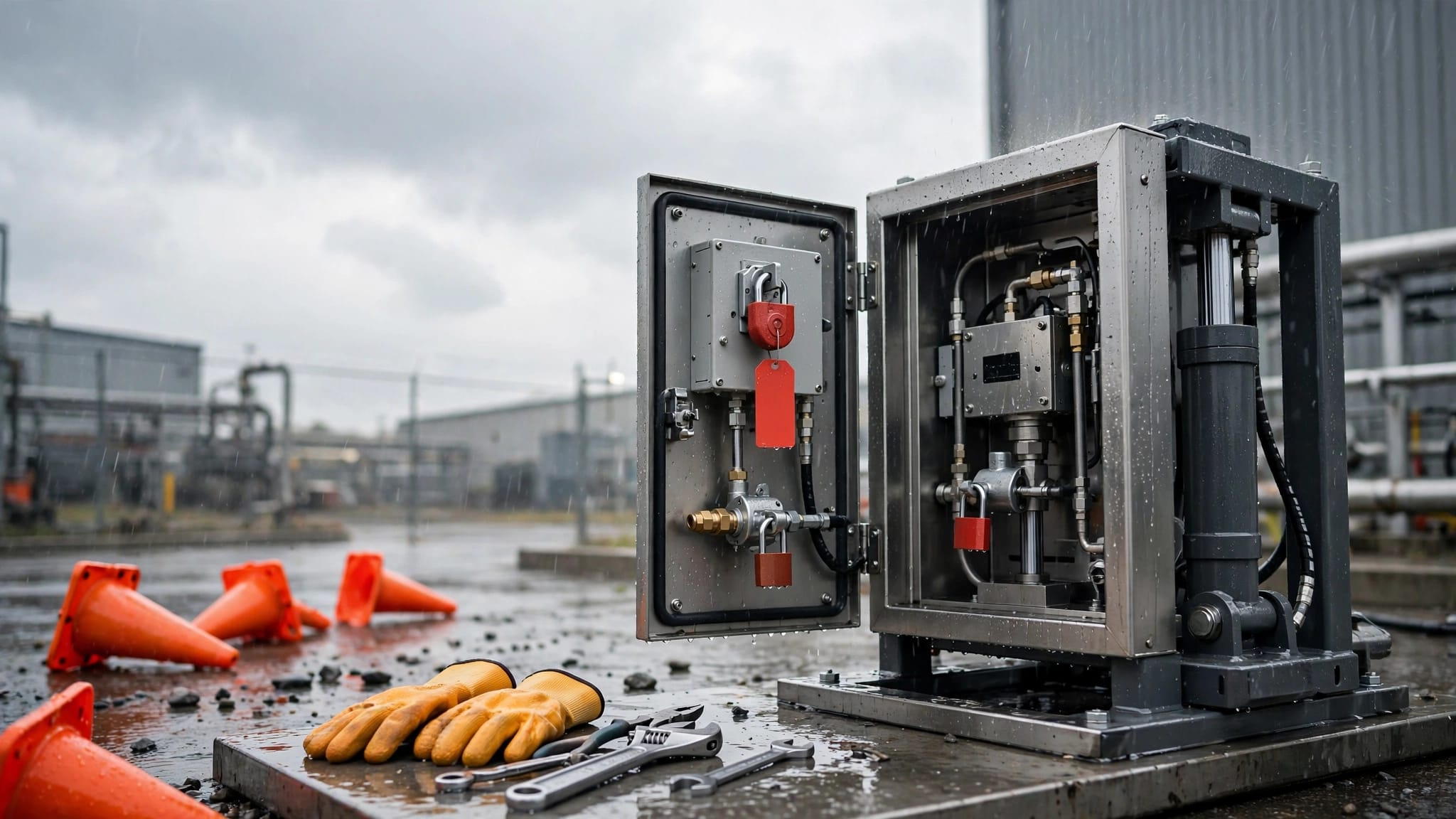
Keep the manual, invoice, installation records, registration confirmation, service receipts, and warranty document together. The outdoor lift maintenance checklist can help coastal homeowners organize these records and review maintenance responsibilities.

A useful service log includes:

  • The date of each inspection or repair.
  • The technician's name and company.
  • Any unusual noise, vibration, corrosion, water entry, or gate problem.
  • Parts replaced and the reason for replacement.
  • Photos taken before and after storm exposure.
  • Notes about shutdowns, power interruptions, or changes to the surrounding structure.

Use dated photos to document the lift's condition after a major storm. If the manual permits owner cleaning, record what you did and which approved materials you used. Avoid improvised repairs, forced operation, or replacement parts that the manufacturer hasn't approved.

Contact the provider promptly when a covered problem appears. Describe the symptoms, stop using the lift if continued operation could cause damage, and ask whether the provider wants an inspection before anyone removes a part. Keep emails, service reports, and claim numbers in the same file.

Questions to settle before signing

Your home lift warranty should fit the way your property is built and used. Ask these questions before installation:

  • When does coverage begin, and does installation delay change the start date?
  • Which parts have different coverage periods?
  • Does the manufacturer cover labor, travel, freight, and access equipment?
  • What does the warranty say about salt air, corrosion, flooding, wind, lightning, and power surges?
  • Must an authorized technician perform scheduled service?
  • What maintenance records must you keep?
  • Does coverage apply to commercial use, rental use, cargo use, passenger use, or accessibility equipment?
  • Can coverage transfer if you sell the property?
  • Who handles a problem caused by installation rather than a defective part?
  • How soon must you report a suspected defect?

Get answers by email or in a revised contract. A verbal assurance about coastal use may not carry the same weight as a clear clause in the documents you receive.

Ask for the current warranty before paying a deposit. Compare it with the quote, installation agreement, and owner's manual. If those documents conflict, ask the provider to identify which term controls.

Conclusion

Salt air makes warranty details more important, not automatically less favorable. Coastal owners should focus on the coverage period, corrosion and storm exclusions, service obligations, installation responsibility, and costs that may sit outside parts coverage.

Keep the written warranty and maintenance records together from delivery onward. When a problem appears, your clearest path usually starts with documented care, prompt notice, and a careful reading of the terms that apply to your lift and location.

Recent Posts

By Veranda 'Vator August 1, 2026
When temperatures fall below freezing, exterior home lifts can face problems that warm-weather inspections may miss. Ice can block gates, snow can cover controls, and moisture can affect cables, rails, sensors, and enclosures. For homeowners and caregivers, the concern is stra...
By Veranda 'Vator July 31, 2026
A sandy coastal lot can make an exterior lift installation look simple, but the foundation below it may face settlement, erosion, high groundwater, salt exposure, and strong wind forces. Exterior lift foundation requirements must match the soil profile, flood conditions, lift...
By Veranda 'Vator July 30, 2026
An exterior lift can make a raised home far easier to use, but exterior home lift noise matters when the equipment sits near a bedroom. Nobody wants a motor starting below the window at night or metal movement carrying through the wall. The actual sound depends on the lift des...
By Veranda 'Vator July 29, 2026
Moving a sofa or cabinet up several flights of stairs can damage walls, strain your back, and turn a simple move into an unsafe job. A residential cargo lift creates a separate route for furniture, groceries, tools, and other heavy items. The lift only helps when you use it wi...
By Veranda 'Vator July 28, 2026
A lift can fit neatly into an exterior design, or create costly revisions, depending on the information shown in the exterior lift CAD drawings . Architects need more than a platform outline. They need accurate dimensions, landing conditions, structural loads, service clearanc...
By Veranda 'Vator July 27, 2026
An outdoor lift may move people, groceries, tools, or cargo, but every trip depends on the control system. Choosing the right outdoor elevator controls affects convenience, weather resistance, accessibility, and safe operation. A wall station might suit home elevators beside a...
By Veranda 'Vator July 26, 2026
A busy loading area can lose hours when workers carry boxes, tools, and equipment up stairs or move materials between floors by hand. Outdoor freight lifts create a dedicated vertical route for goods, helping commercial facilities reduce manual handling and keep loading work o...
By Veranda 'Vator July 25, 2026
A steep staircase can turn a raised entry into a daily obstacle, especially for wheelchair users, older adults, and anyone carrying heavy items. If you are comparing a wheelchair lift vs ramp, finding the right accessibility solution depends less on preference and more on your...
By Veranda 'Vator July 24, 2026
A moving platform can feel unstable when it shifts sideways, especially near the upper levels of an exterior lift. Dual mast outdoor elevators reduce that movement by supporting and guiding the platform on both sides instead of relying on one vertical support line. The result...
By Veranda 'Vator July 23, 2026
A raised beach house can offer views, airflow, and protection from storm surge, but every trip upstairs adds work. A practical outdoor elevator vs stair lift comparison starts with how you use the home, not with the equipment brochure. A stair lift can make an existing stairca...
Show More