
How Freezing Weather Affects Exterior Home Lifts

Share this article

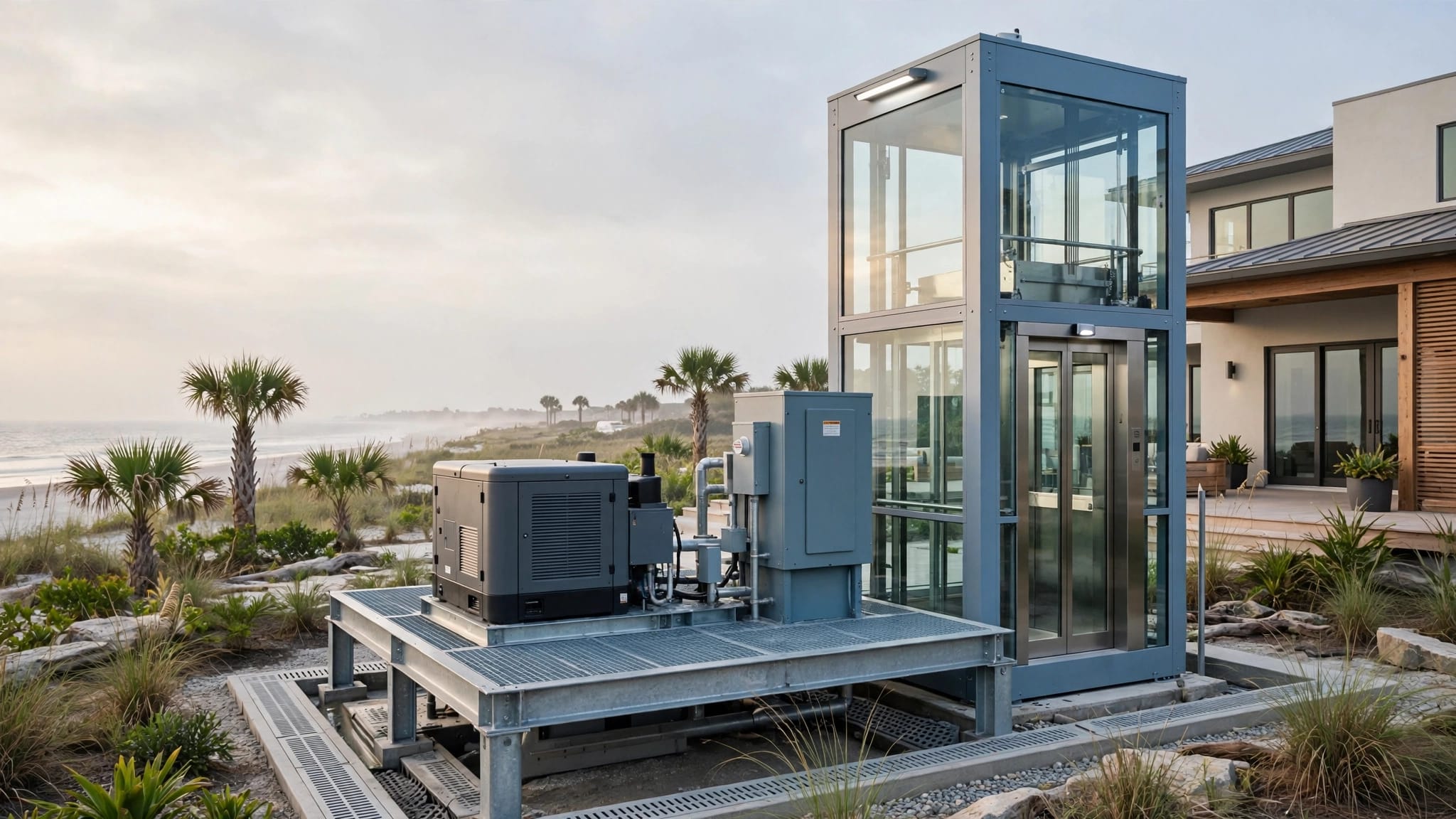
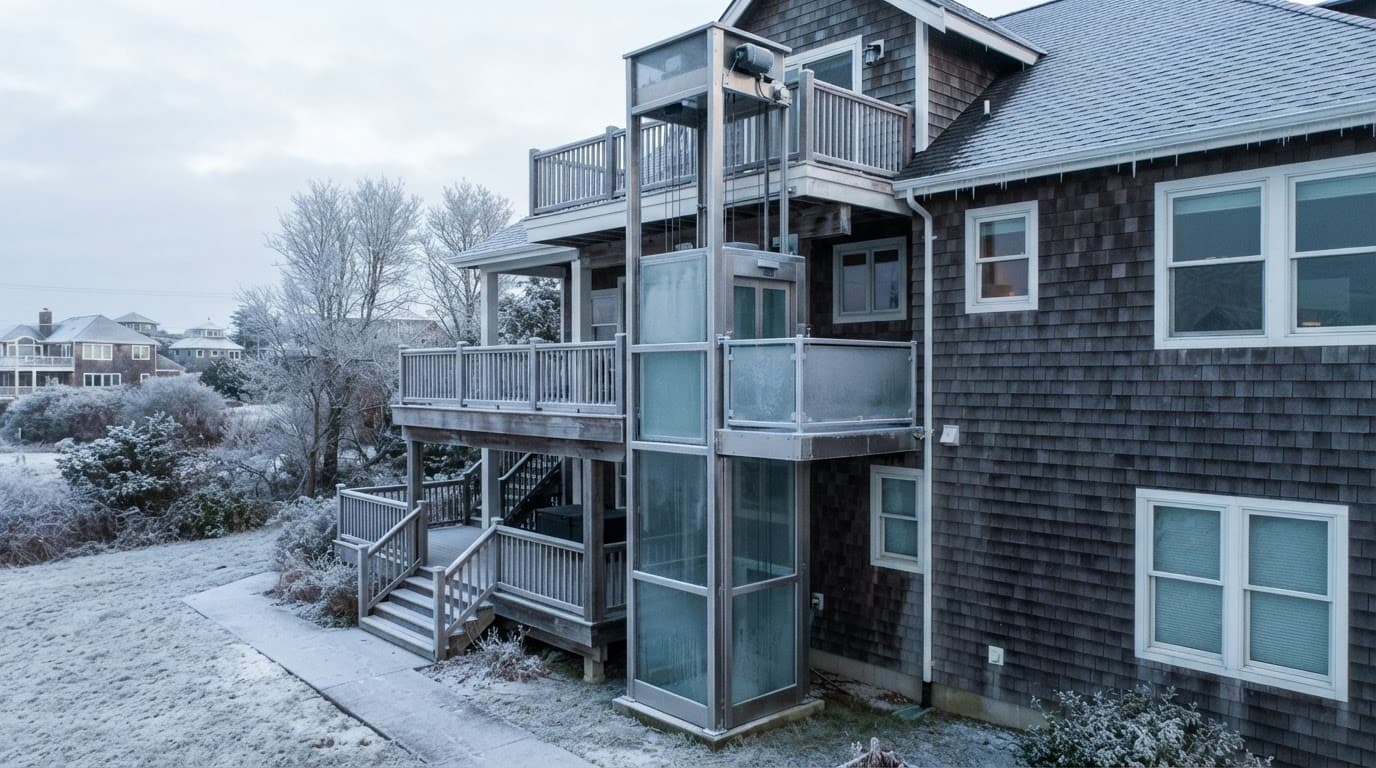
When temperatures fall below freezing, exterior home lifts can face problems that warm-weather inspections may miss. Ice can block gates, snow can cover controls, and moisture can affect cables, rails, sensors, and enclosures. For homeowners and caregivers, the concern is straightforward: a lift carrying a person, wheelchair, groceries, or tools must move predictably in bad weather.

Cold itself is rarely the only issue. Freeze-thaw cycles, blowing snow, coastal salt, and power interruptions create more trouble than low temperatures alone. A winter plan starts with understanding where ice and moisture collect, then using safe operating habits and qualified service when needed.

Why Freezing Weather Affects Exterior Home Lifts

Outdoor lifts are built to handle changing weather, but every system has operating limits. Low temperatures can make lubricants thicker, reduce battery performance, and change how moisture behaves around moving parts. When temperatures rise during the day and drop again at night, water can repeatedly freeze inside small gaps and drainage channels.

The lift may still look clean from a distance while ice forms around the platform, landing, rollers, or gate threshold. That thin layer can add friction or stop a safety gate from closing completely. A motor may run normally, yet the platform cannot travel because ice has restricted a guide or triggered a limit switch.

Ice and snow can block movement

Snow often collects on the lift platform, cabin roof, rails, and landing areas. As it melts, water can run into seams, control enclosures, or low points around the base. Overnight freezing then creates a harder obstruction.

Never force a platform through ice or hold a gate open to make the lift run. Safety interlocks are there to prevent movement when the system detects an unsafe condition. Breaking, prying, or bypassing those parts can create a greater hazard than the original ice.

Moisture affects more than the visible parts

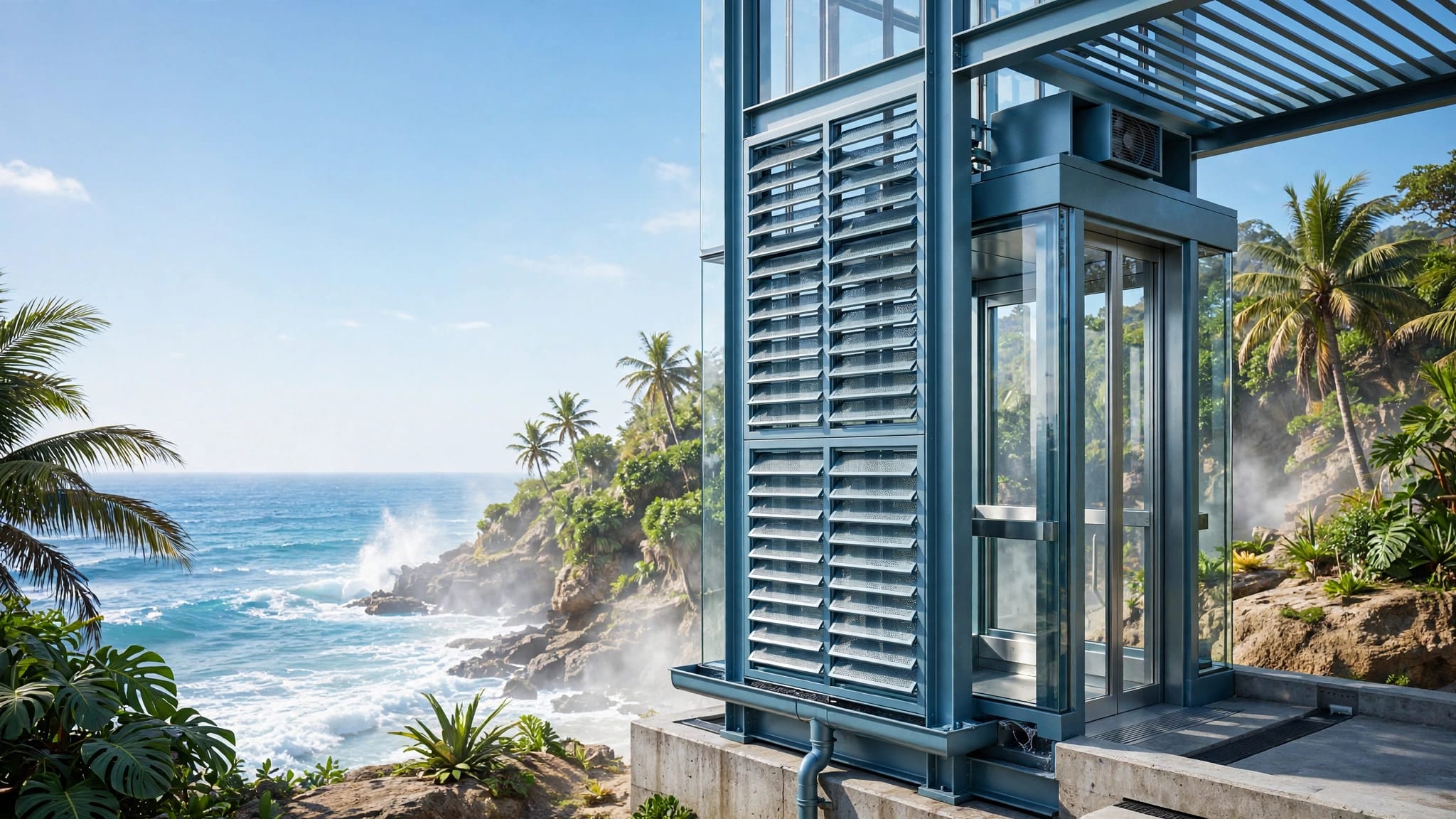
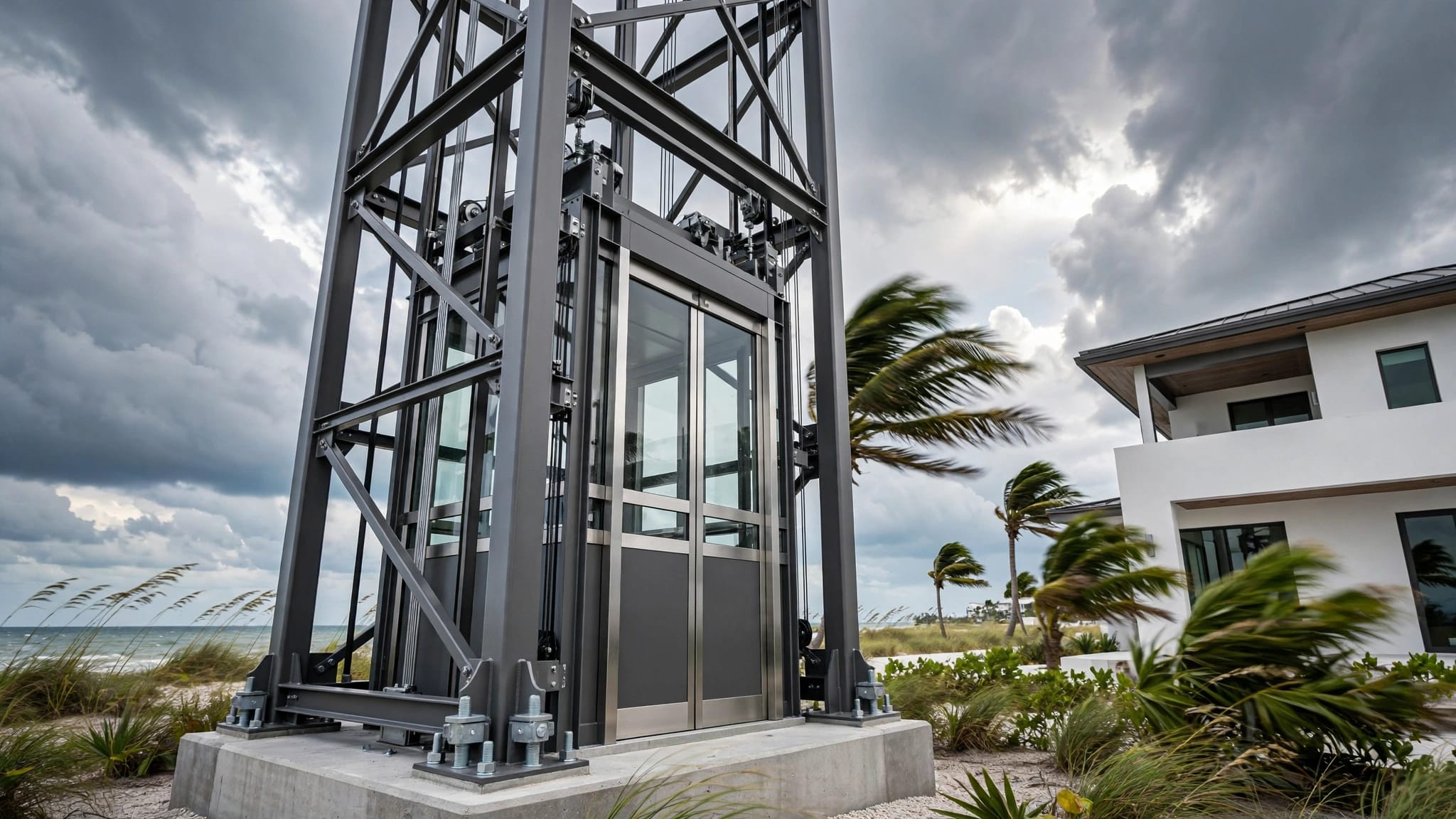
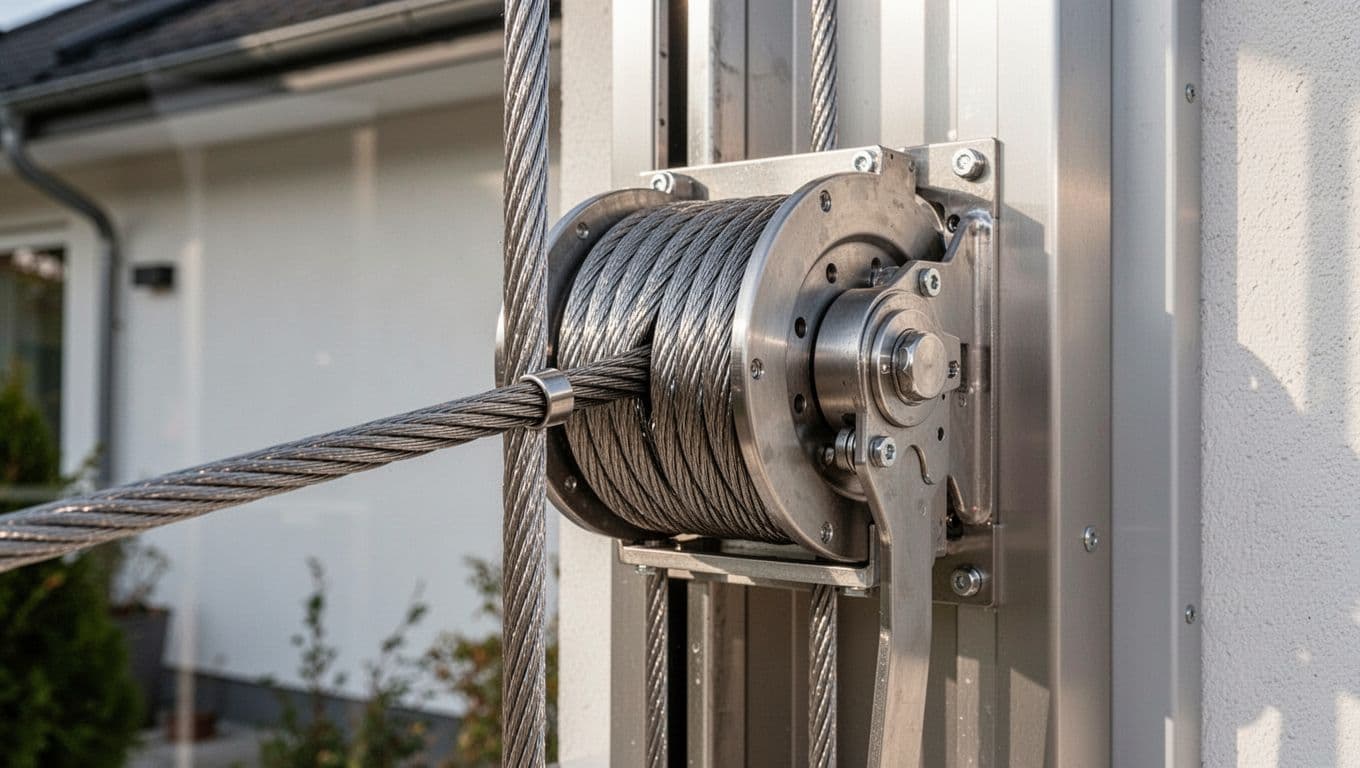
Water can enter through damaged seals, open enclosures, loose covers, or poor drainage. In a cable-driven system, moisture and salt can contribute to corrosion on cables, fasteners, pulleys, and other exposed hardware. Stainless steel and marine-grade materials resist harsh outdoor conditions, but they still need inspection and cleaning.

Hydraulic lifts can respond differently in cold weather. Hydraulic fluid becomes more viscous at low temperatures, which may cause slower movement or unusual pressure behavior until the system reaches its rated operating range. If your lift uses hydraulics, follow the manufacturer's cold-weather instructions rather than adding fluid or changing components yourself.

The Main Winter Risks for Passengers and Cargo

The most serious winter risks involve ice, reduced visibility, unstable footing, and incorrect loading . A passenger may step onto a slick platform, or a caregiver may concentrate on moving a wheelchair while missing ice around the gate. Cargo can also shift when a platform stops abruptly or travels over a partially obstructed guide.

Snow and ice count as part of the outdoor environment, but they shouldn't be treated as harmless surface buildup. A blocked drain can leave standing water around the lift base. A frozen gate latch may appear closed without fully engaging. Wind can blow snow into controls and spread salt or grit across rails.

Ice at a gate threshold can make an otherwise functioning lift unsafe before the motor shows any problem.

Capacity also matters during winter preparation. Veranda 'Vator's cargo lifts list a 1,000-pound capacity, while its passenger-compliant elevators list a 750-pound capacity. These ratings are model-specific and include the people, wheelchair, tools, supplies, and other items on the platform. Snow and equipment left on the lift add weight.

Do not use a cargo lift to carry passengers unless the specific model is designed and approved for that purpose. Likewise, don't load a passenger lift with bulky materials that obstruct the gate, block the controls, or change the platform's balance. Keep cargo stable and within the manufacturer's loading instructions.

Winter Readiness Checklist for Outdoor Lifts

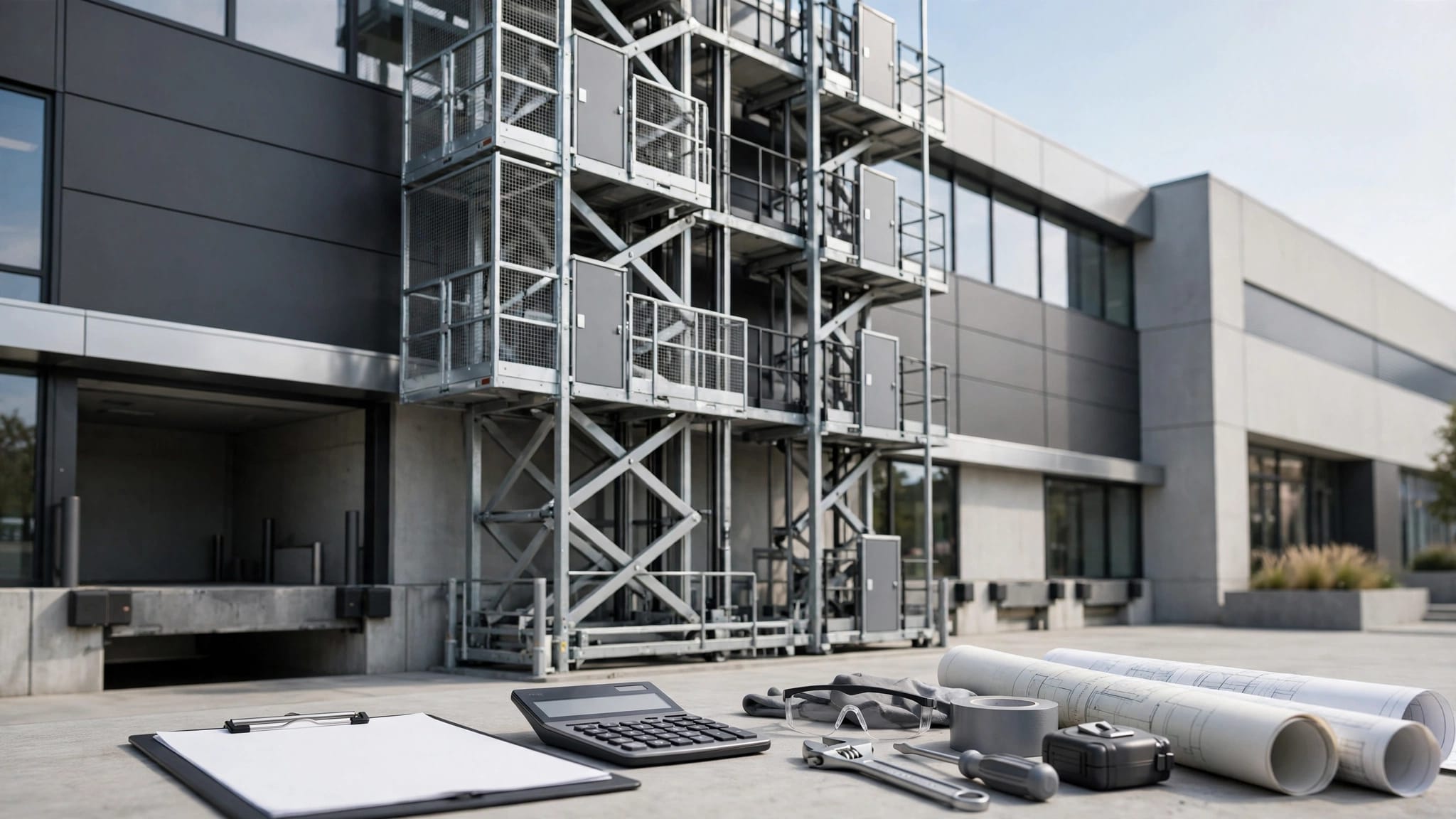
Prepare the lift before the first hard freeze, not after it stops working. Check the owner's manual for temperature limits, shutdown procedures, approved cleaning products, and instructions for removing snow.

Use this winter-readiness checklist:

  • Read the manufacturer's cold-weather guidance and keep the service number where caregivers can find it.
  • Clear snow, leaves, and ice from the platform, landings, rails, gate tracks, and area beneath the lift.
  • Use a soft brush or plastic shovel near exposed components. Don't strike cables, rails, sensors, covers, or gates with a metal tool.
  • Check that downspouts and drains direct water away from the lift base, controls, and access areas.
  • Look for visible fraying, rust, loose hardware, damaged covers, cracked seals, or fluid beneath the equipment.
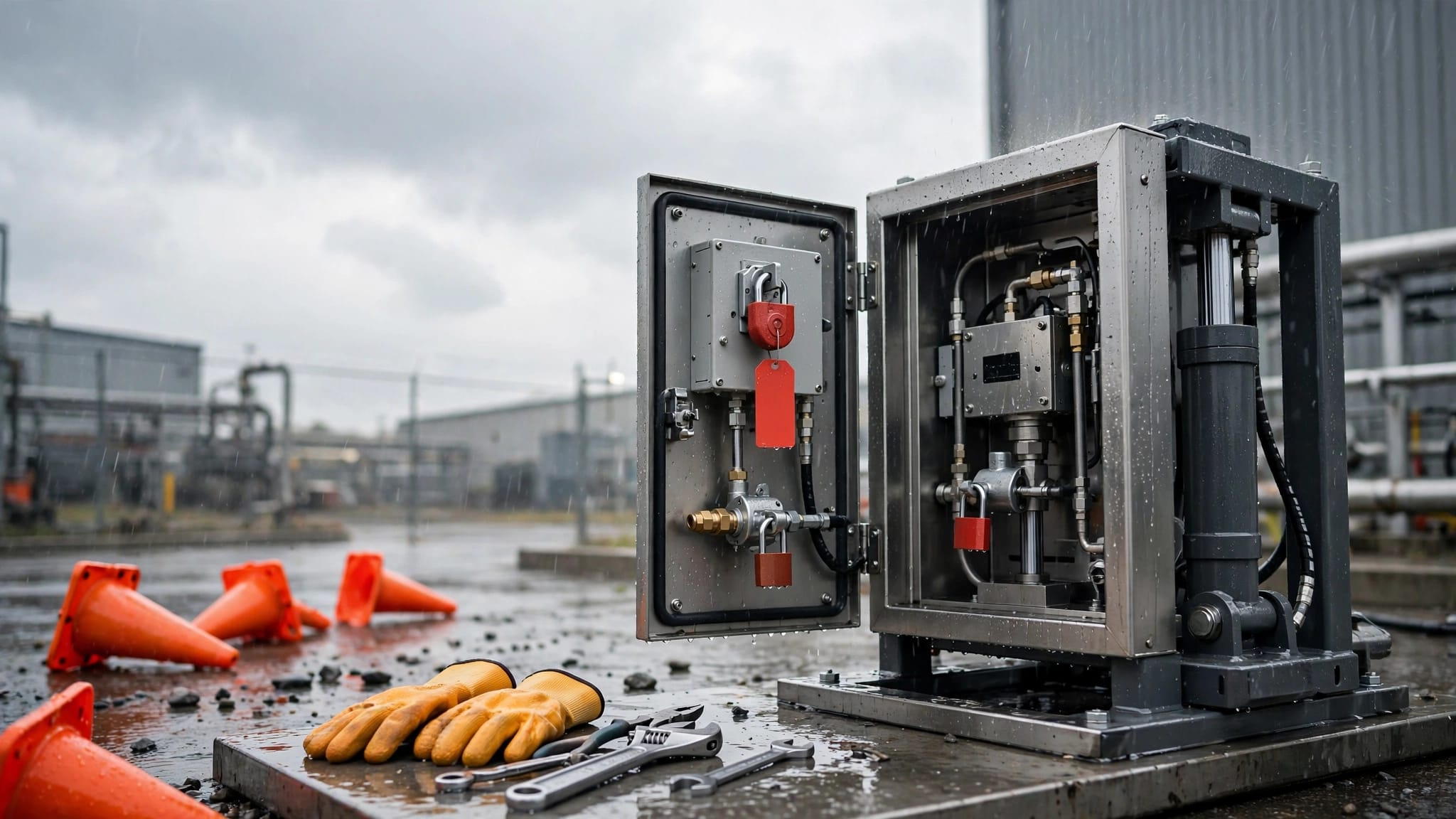
  • Keep electrical enclosures closed and dry. Don't place a portable heater inside an enclosure or attach an unapproved heating device.
  • Confirm that walkways and landings have adequate traction, lighting, and room for a wheelchair or cargo cart.
  • Arrange a professional inspection if the lift has been unused, exposed to heavy snow, or affected by salt spray and repeated freeze-thaw cycles.

Visible cleaning is appropriate for a homeowner, but adjustment and repair are different tasks. Cable tension, brake systems, limit switches, hydraulic pressure, and electrical controls require the right tools and training. If the manufacturer offers an approved cold-weather kit or enclosure heater, have qualified service personnel install it.

Safe Operation During Freezing Conditions

Before every trip, inspect the route from the lower landing to the destination. Remove loose snow and surface ice from the platform and the places where a passenger will enter or exit. Keep hands away from moving components while clearing the area.

Caregivers should help passengers board only after the gate opens fully and the platform is level with the landing. Set wheelchair brakes according to the equipment instructions, keep the chair within the platform boundaries, and position cargo so it cannot roll into a gate or control panel.

Follow these operating habits:

  1. Keep the load below the lift's rated capacity and distribute it as the manual directs.
  2. Close and latch every gate before starting travel.
  3. Keep passengers and cargo inside the designated platform or cabin area.
  4. Stop use if the lift moves unevenly, makes a new grinding sound, struggles to start, or stops short of a landing.
  5. During a power outage, use only the manufacturer's approved emergency procedure. Don't improvise with jumper cables, extension cords, or a portable generator.

A circuit breaker trip can indicate moisture, an overloaded motor, or an electrical fault. Resetting it repeatedly can damage equipment or expose someone to electrical danger. Contact a qualified technician if the problem returns.

When Exterior Home Lifts Need Professional Service

Call the manufacturer or a qualified lift technician when ice removal doesn't restore normal operation. Service is also appropriate when a platform fails to level, a gate won't latch, a safety brake engages unexpectedly, or a control panel shows an error.

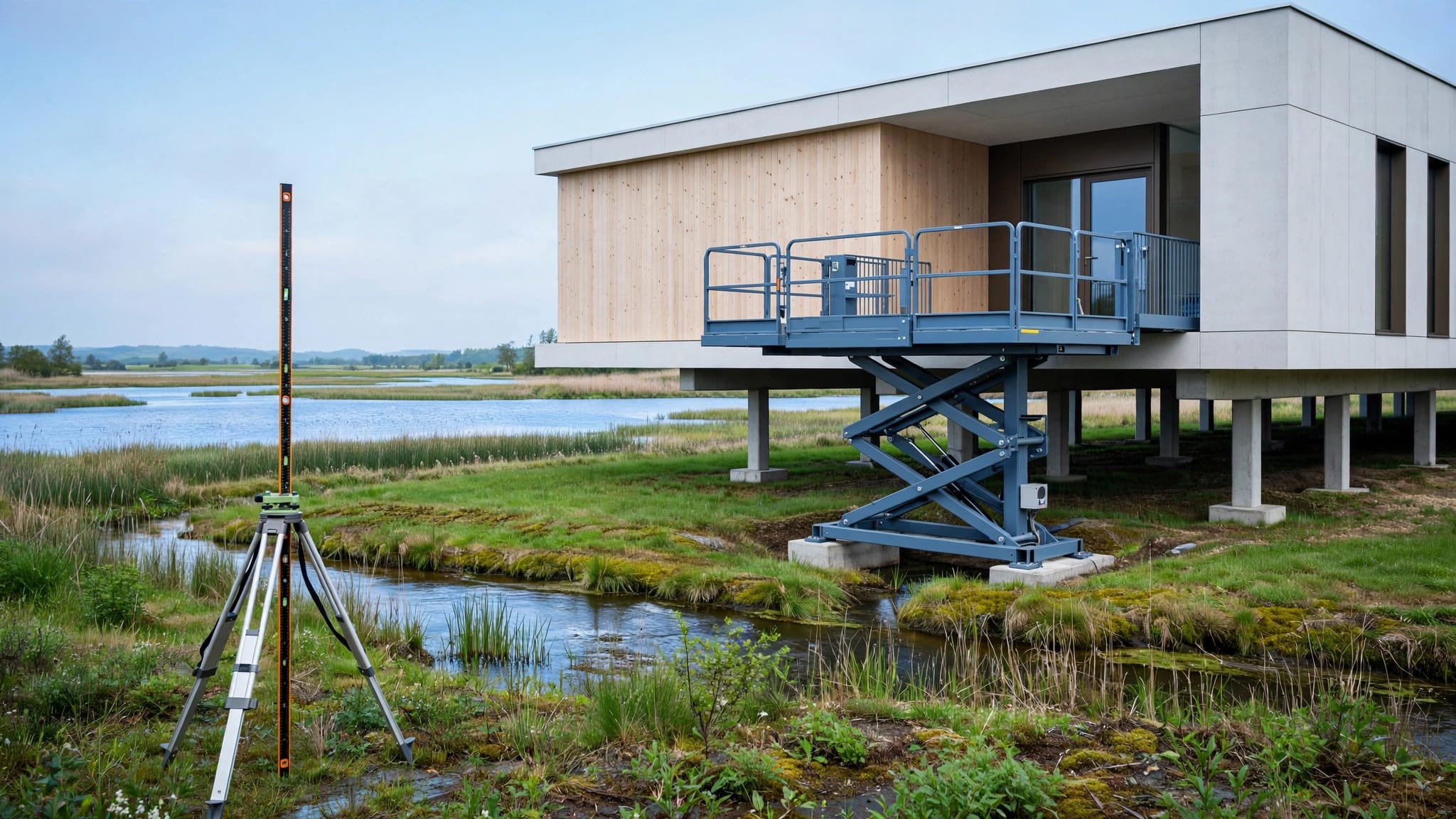
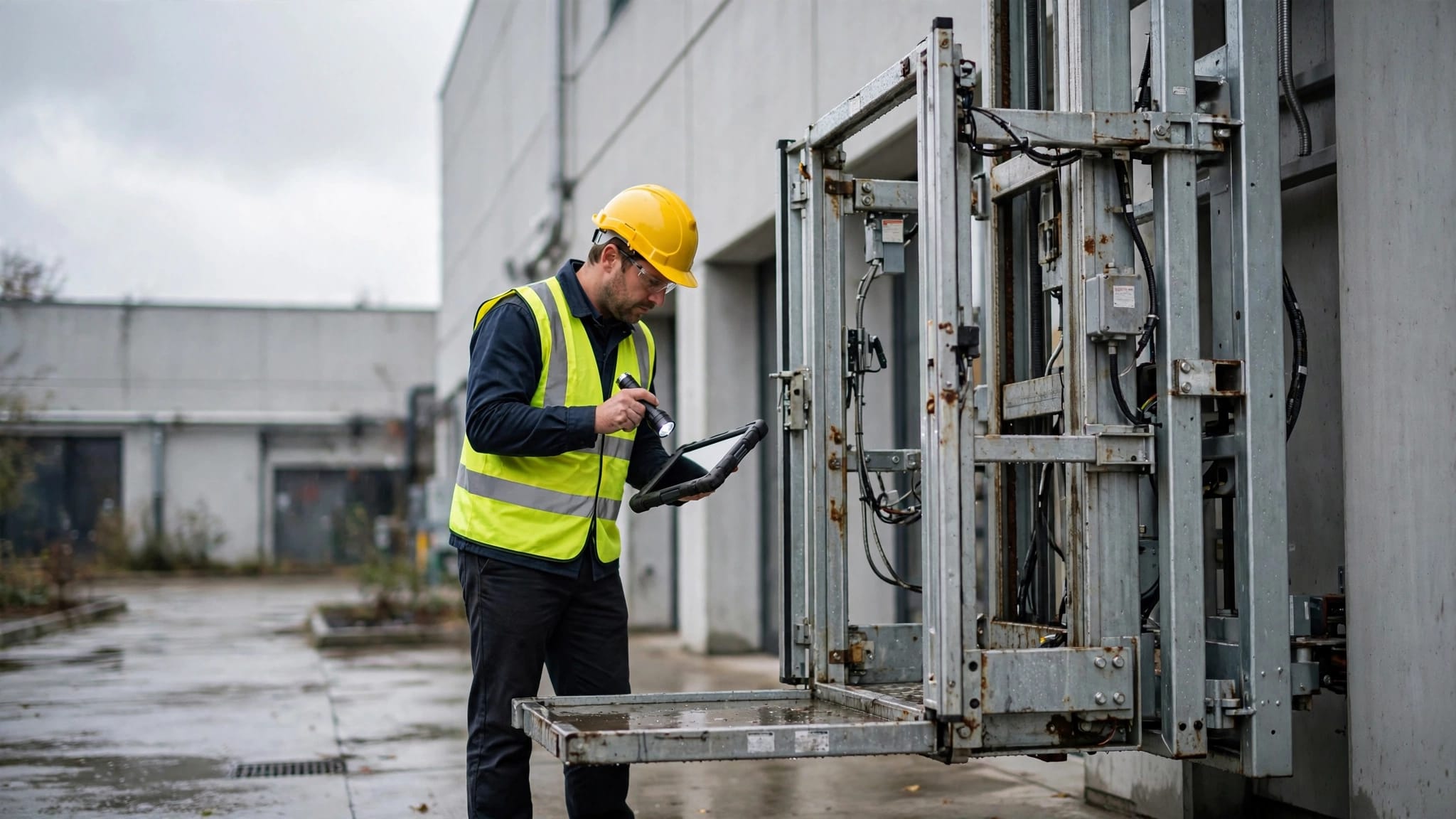
Arrange help before operating the lift if you see a frayed cable, significant corrosion, leaking hydraulic fluid, bent rail, loose mounting hardware, or movement in the supporting structure. Freeze-thaw conditions can affect surrounding soil, drainage, and mounting areas in regions with severe winter weather.

A seasonal inspection should include the cables or hydraulic components, motor and gearbox, safety brake, rollers, limit switches, gate interlocks, fasteners, seals, and electrical enclosure. The technician can also check alignment and confirm that the system still matches its rated operating conditions.

Don't attempt electrical, hydraulic, brake, or cable repairs based on an online guide. These parts affect passenger safety and require procedures that vary by lift design. Keep the model and serial information available when you call, along with details about the weather, symptoms, and any recent power interruption.

Conclusion

Freezing weather affects exterior home lifts through ice, moisture, snow weight, corrosion, changing fluid behavior, and power problems. The greatest risks usually appear at gates, landings, rails, drains, and control enclosures rather than in the air temperature alone.

Clear the lift carefully, keep loads within their rated limits, and stop using the equipment when movement or safety functions change. With a seasonal inspection and qualified service for critical repairs, a well-maintained lift can remain a dependable way to move people and materials through cold weather.

Recent Posts

By Veranda 'Vator July 31, 2026
A sandy coastal lot can make an exterior lift installation look simple, but the foundation below it may face settlement, erosion, high groundwater, salt exposure, and strong wind forces. Exterior lift foundation requirements must match the soil profile, flood conditions, lift...
By Veranda 'Vator July 30, 2026
An exterior lift can make a raised home far easier to use, but exterior home lift noise matters when the equipment sits near a bedroom. Nobody wants a motor starting below the window at night or metal movement carrying through the wall. The actual sound depends on the lift des...
By Veranda 'Vator July 29, 2026
Moving a sofa or cabinet up several flights of stairs can damage walls, strain your back, and turn a simple move into an unsafe job. A residential cargo lift creates a separate route for furniture, groceries, tools, and other heavy items. The lift only helps when you use it wi...
By Veranda 'Vator July 28, 2026
A lift can fit neatly into an exterior design, or create costly revisions, depending on the information shown in the exterior lift CAD drawings . Architects need more than a platform outline. They need accurate dimensions, landing conditions, structural loads, service clearanc...
By Veranda 'Vator July 27, 2026
An outdoor lift may move people, groceries, tools, or cargo, but every trip depends on the control system. Choosing the right outdoor elevator controls affects convenience, weather resistance, accessibility, and safe operation. A wall station might suit home elevators beside a...
By Veranda 'Vator July 26, 2026
A busy loading area can lose hours when workers carry boxes, tools, and equipment up stairs or move materials between floors by hand. Outdoor freight lifts create a dedicated vertical route for goods, helping commercial facilities reduce manual handling and keep loading work o...
By Veranda 'Vator July 25, 2026
A steep staircase can turn a raised entry into a daily obstacle, especially for wheelchair users, older adults, and anyone carrying heavy items. If you are comparing a wheelchair lift vs ramp, finding the right accessibility solution depends less on preference and more on your...
By Veranda 'Vator July 24, 2026
A moving platform can feel unstable when it shifts sideways, especially near the upper levels of an exterior lift. Dual mast outdoor elevators reduce that movement by supporting and guiding the platform on both sides instead of relying on one vertical support line. The result...
By Veranda 'Vator July 23, 2026
A raised beach house can offer views, airflow, and protection from storm surge, but every trip upstairs adds work. A practical outdoor elevator vs stair lift comparison starts with how you use the home, not with the equipment brochure. A stair lift can make an existing stairca...
By Veranda 'Vator July 22, 2026
A dark landing can turn a simple elevator trip into a fall risk. Good outdoor elevator lighting helps users see thresholds, gates, controls, stairs, and changes in surface height before they step into the lift. Exterior elevators, cargo lifts, and vertical platform lifts face...
Show More