Outdoor Elevator Privacy Screens for Beach Houses

Share this article

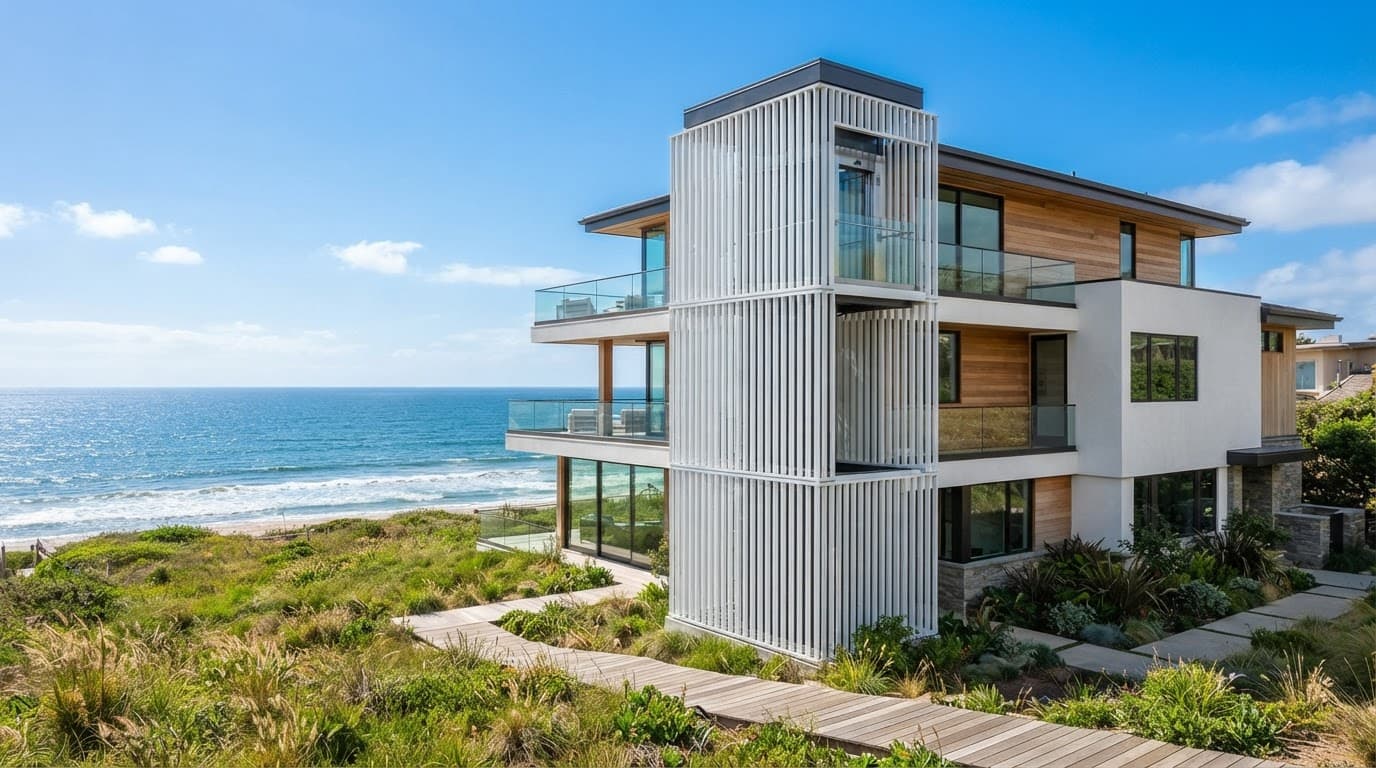
An exterior lift makes a beach house easier to use, but an open shaft can expose riders, cargo, and landings to neighbors and passing traffic. Well-designed outdoor elevator privacy screens create separation without blocking ocean breezes or turning the lift into a dark enclosure.

The best screen matches the lift's location, the home's architecture, and the local coastal weather. It also keeps controls, gates, clearances, and service access fully usable. Start by identifying the sightlines, then choose a material and design that protects privacy while supporting safe elevator operation.

Start With the Lift's Location and Sightlines

Privacy needs vary by property. An elevator beside a pool deck may need more screening than a lift facing an open dune. A shaft near a neighboring balcony may require side panels, while a street-facing landing may need a partial front screen.

Walk around the property at different times of day. Look toward the elevator from:

  • The street and nearby driveways
  • Neighboring homes and balconies
  • The pool, patio, and outdoor kitchen
  • Interior rooms with large windows
  • The beach access path or shared walkway

These views show where to place screening and where to leave the structure open. Covering every side can make the lift feel boxed in. Screening only the most exposed sides often provides better privacy and airflow.

Screen height matters as well. A panel that blocks views at standing eye level may still leave the cab visible from an upper balcony. However, raising a screen too high can increase wind load. The lift manufacturer, designer, and local building professional should review the full enclosure before installation.

A privacy screen should also work with the lift's purpose. A cargo lift needs a clear loading area for groceries, coolers, luggage, beach chairs, and tools. A passenger-compliant elevator needs comfortable entry and exit space, plus unobstructed access to controls and safety equipment.

Outdoor Elevator Privacy Screens by Material

Coastal air is hard on exterior metal and finishes. Salt, moisture, wind-driven rain, and sand can shorten the life of unsuitable materials. Choose a screen based on corrosion resistance, maintenance, appearance, and the way it handles wind.

Powder-Coated Aluminum for a Light, Modern Look

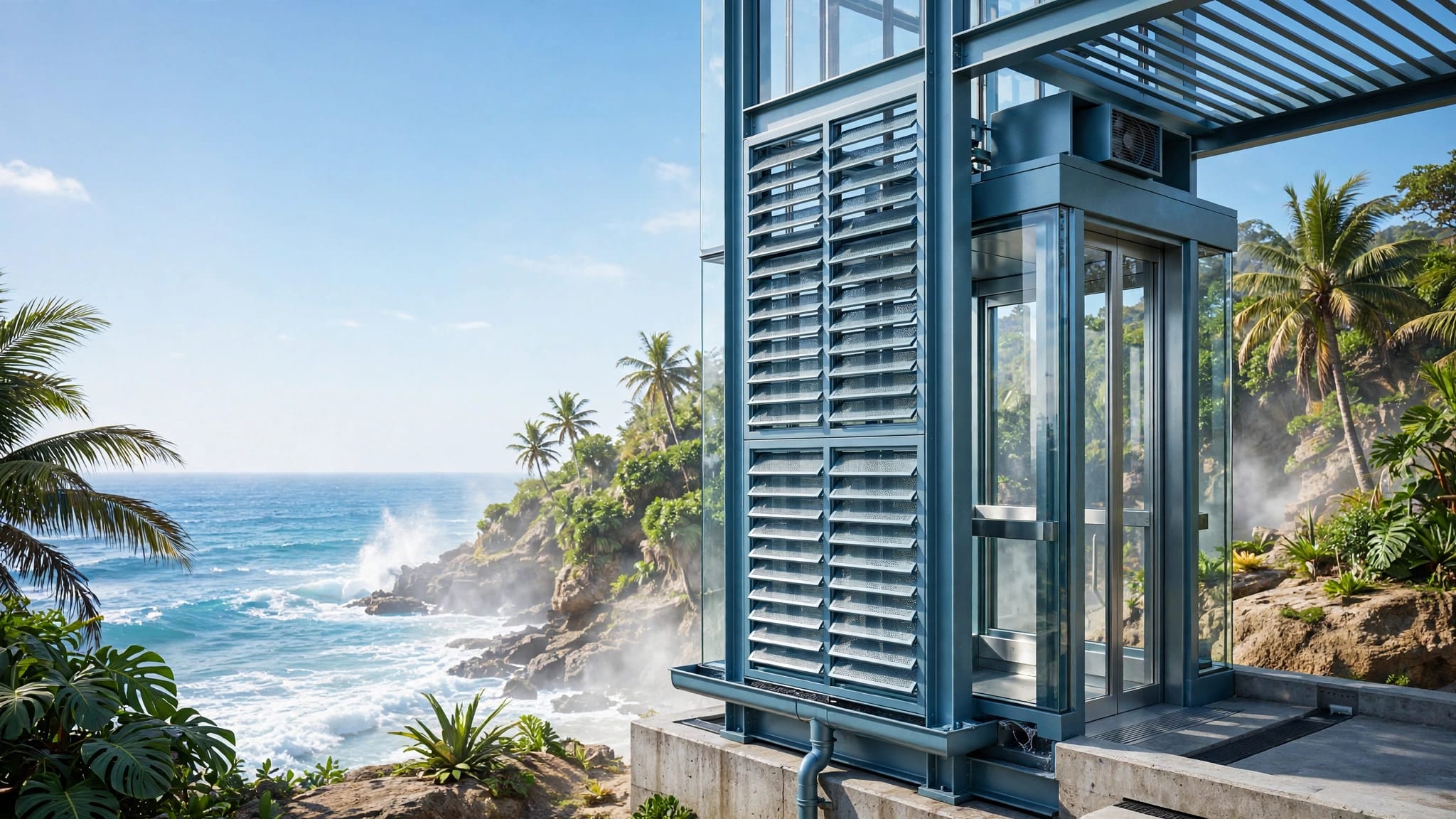
Aluminum is a practical choice when you want a clean screen with modest visual weight. Horizontal louvers can match balcony rails, while narrow vertical slats can echo modern siding or window proportions.

A high-quality exterior powder coat adds color and helps protect the metal. Light finishes can suit bright beach architecture, while charcoal, bronze, or muted gray can complement darker trim. Ask how the finish performs in a salt-air environment and how the manufacturer handles scratches or damaged areas.

Aluminum louvers can also support ventilation. Angled blades block direct views while allowing air to move through the shaft. Their spacing should be selected carefully, since wide gaps offer less privacy and narrow gaps can create more wind resistance.

Stainless Steel for Long-Term Coastal Exposure

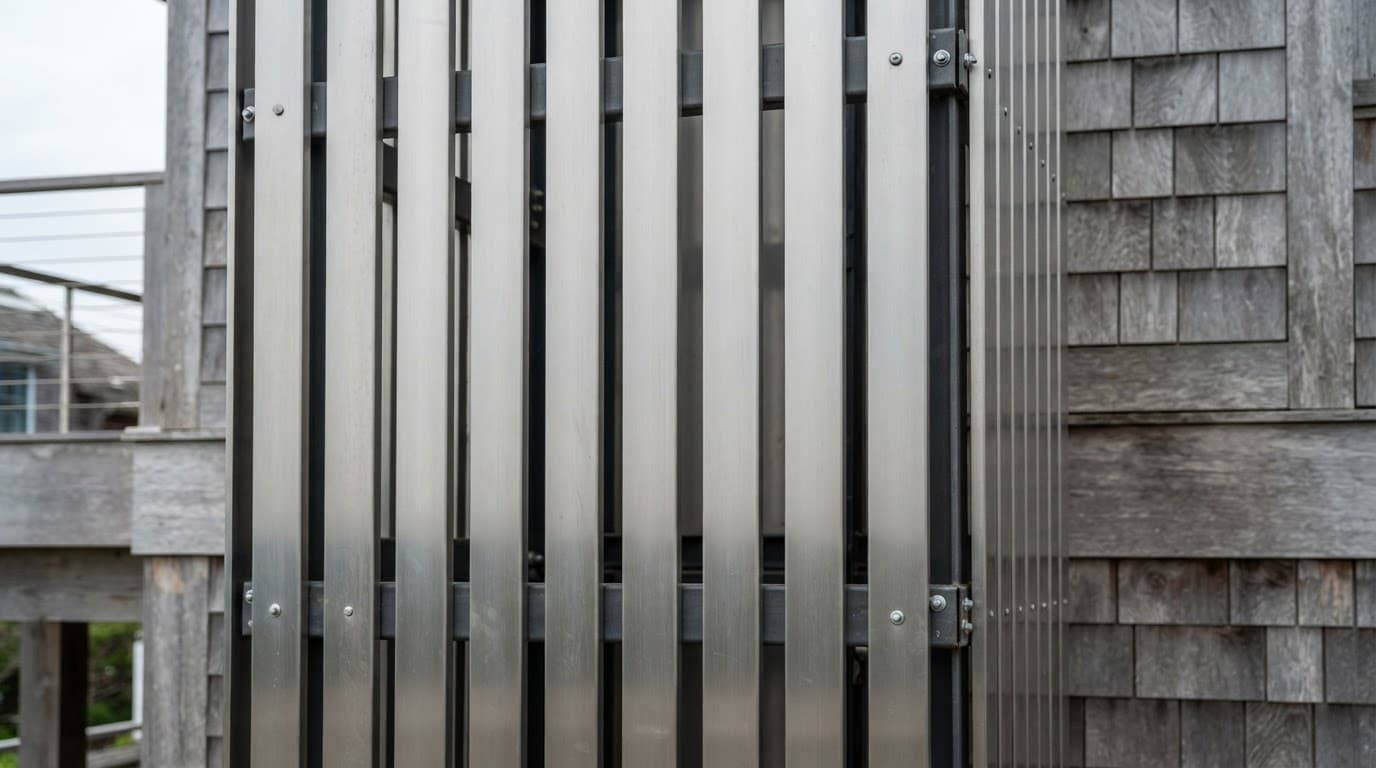
Stainless steel gives an elevator screen a durable, industrial appearance. For properties close to salt water, marine-grade stainless steel, such as 316 stainless steel, is often considered because of its added resistance to chloride exposure.

Vertical stainless slats work well with contemporary beach houses. Perforated panels offer a more solid appearance, but they can catch more wind than open slats. A brushed finish hides minor marks better than a mirror finish and avoids harsh glare in direct sun.

The fasteners matter as much as the panels. Dissimilar metals can create corrosion problems when salt and moisture are present. Use compatible hardware and follow the lift manufacturer's recommendations for attachment points.

Composite, PVC, and Wood Screens

Composite or exterior-grade polymer panels can provide the look of painted wood without regular staining. These materials may work well for coastal homes that favor wide boards, privacy fencing, or a relaxed cottage style. Check the product's ultraviolet rating, temperature range, and fastening requirements before specifying it.

Wood offers warmth, but it needs more attention near the ocean. Cedar, treated lumber, and hardwood can all weather differently. A wood screen may need sealing, cleaning, and replacement of individual boards over time. Keep boards away from standing water and provide room for drainage around the elevator structure.

For many beach houses, a mixed material design gives the best result. A powder-coated aluminum frame can support composite or wood-look slats, creating a softer appearance without placing the entire screen at risk of rapid corrosion.

Match the Screen to Your Beach House Style

Material sets the performance standard, while the design style determines how naturally the screen fits the home. The elevator should look like part of the architecture, not a separate utility structure.

Coastal Modern

Coastal modern homes pair well with slim vertical slats, white aluminum framing, and simple rectangular panels. Keep the spacing consistent with nearby railings or window mullions. A neutral color lets the ocean remain the visual focus.

For a cleaner facade, use a full-height screen on the least scenic side and shorter panels near the view. This arrangement hides the lift from the street while preserving the horizon from the deck.

Traditional Coastal and Cottage

Traditional homes often look better with wider horizontal boards, framed panels, or a low-contrast painted finish. Match the screen to porch skirting, shutters, or existing railing details instead of adding a new pattern.

A framed screen can conceal the mechanical portion of the elevator while leaving the landing open. This approach works well when the lift sits beside a porch and the main privacy concern is the exposed lower section.

Tropical and Resort-Inspired

Tropical homes can use warm wood tones, broad louvers, or slatted panels with generous spacing. The design should still account for direct views into the cab and landing. Angled louvers are useful when the main sightline comes from one direction.

Avoid decorative screens with loose panels, sharp projections, or complicated trim near the moving equipment. A relaxed style still needs precise edges, secure connections, and easy access for inspections.

Minimalist and Industrial

Minimalist designs favor a single-color metal frame, narrow slats, or expanded metal mesh. Industrial screens can complement exposed structural elements, especially around a cargo lift serving a workshop, garage, or lower storage level.

Mesh and perforated metal need careful review because their open area affects wind pressure. The screen also should not create footholds or openings that conflict with local safety requirements.

Balance Privacy, Ventilation, and Coastal Views

A beach-house elevator needs airflow. Open sides help heat and moisture escape, while solid panels can trap damp air around the shaft and equipment. Slats, louvers, and perforated panels provide privacy with less obstruction than solid walls.

Start with the direction of the unwanted view. If people see the lift from the driveway, screen that side and leave the ocean-facing side open. If an upper neighbor looks down into the cab, a roof-level privacy element or higher side screen may work better than dense panels at every level.

The screen should also preserve natural light. Light-colored panels reflect sunlight, while dark metal absorbs more heat. Frosted or translucent sections can soften views without producing the enclosed feeling of a solid wall.

A screen should block a sightline, not block the elevator's breathing room.

Leave space around doors, gates, controls, and landing areas. Don't place a decorative panel where it can interfere with a gate swing, emergency access, or the operator's view of the loading zone. A designer can coordinate the screen with the lift frame instead of forcing the lift to fit a finished enclosure.

Keep Safe Elevator Operation at the Center

Privacy improvements must never change how the elevator operates. The screen should attach to approved structural points and remain separate from moving components unless the manufacturer has engineered the connection.

For a cargo lift, the loading area needs enough room for heavy items and stable footing. Veranda 'Vator's residential cargo lifts are designed for materials such as groceries, luggage, tools, and supplies. A screen should protect the loading zone from view without making it difficult to position a cart or carry large items through the gate.

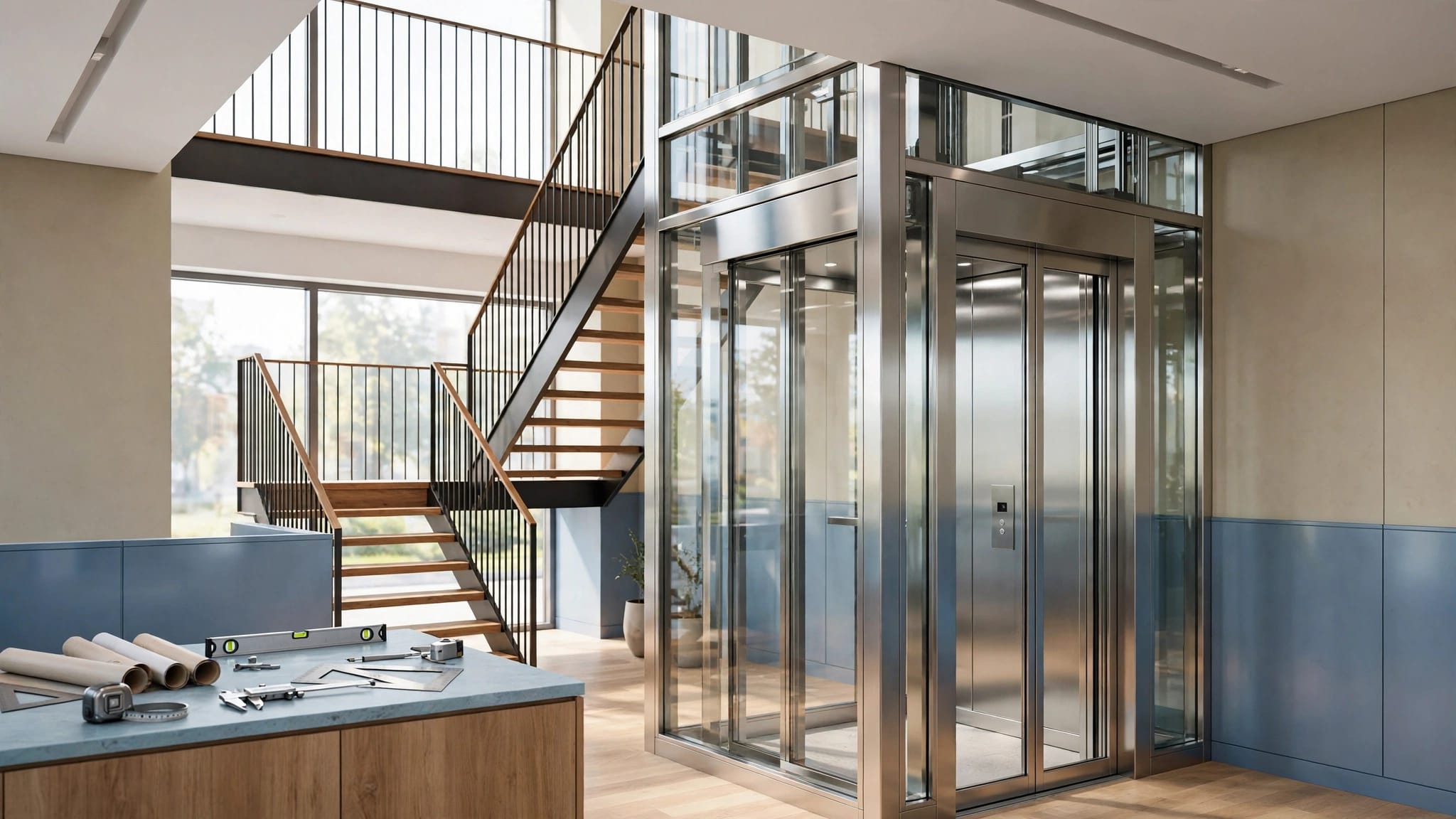
Passenger elevators and vertical platform lifts also need clear approaches for people using mobility devices. Keep ramps, landings, call controls, and gate releases visible and reachable. Never reduce the required clearance around the platform or cab.

The screen must not hide warning signs, lighting, or safety gates. It should allow technicians to inspect cables, brakes, connections, and other equipment. Multiple cables, braking systems, and secure gates help protect lift users, but those features still need regular inspection and proper operation.

Wind deserves special attention in coastal regions. A screen adds surface area to the lift structure, which can affect the engineering calculations. Choose a design that meets local windstorm requirements and have the complete assembly reviewed before construction. Veranda 'Vator states that its lifts are engineered for advertised capacity plus a 25 percent margin and certified to withstand 180 mph wind gusts. The screen and its supports need their own review.

During a hurricane threat, follow the lift manufacturer's shutdown and securing instructions. Don't add removable curtains, loose shutters, or improvised panels that can become airborne.

Plan the Screen Before Ordering the Lift

The easiest time to coordinate privacy is before the elevator, landings, and surrounding finishes are installed. Share site photos, elevations, property lines, and preferred views with the lift manufacturer and project designer.

Confirm these details early:

  • The lift type, capacity, platform or cab dimensions, and number of stops
  • Gate swing, landing width, control locations, and service access
  • Screen attachment points and required structural support
  • Material finish, fastener type, drainage, and corrosion protection
  • Local permits, wind requirements, accessibility rules, and inspection needs

A cargo lift may have different enclosure needs than a passenger elevator. If you're comparing both options, review the differences in cargo lift versus passenger elevator before finalizing the screen design.

Cost depends on the screen's size, material, framing, finish, engineering, and installation conditions. A simple side screen may cost less than a custom enclosure with multiple gates and structural supports. Request a coordinated quote that includes the screen interface, not only the lift itself.

Conclusion

The strongest beach-house privacy screen blocks the right views while preserving airflow, sunlight, ocean scenery, and safe access. Aluminum louvers suit modern homes, stainless steel handles severe coastal exposure, and composite or wood-look panels add warmth to cottage-style designs.

Treat the screen as part of the elevator system from the beginning. With the right material, carefully placed panels, compatible hardware, and manufacturer-approved clearances, your lift can feel private without losing the open character that makes coastal living appealing.

Recent Posts

By Veranda 'Vator August 2, 2026
Salt air can shorten the life of exposed metal, but it doesn't decide a home lift warranty claim by itself. The written terms, installation agreement, and maintenance record usually matter more than a sales-page promise. Coastal owners need more than a headline such as five-ye...
By Veranda 'Vator August 1, 2026
When temperatures fall below freezing, exterior home lifts can face problems that warm-weather inspections may miss. Ice can block gates, snow can cover controls, and moisture can affect cables, rails, sensors, and enclosures. For homeowners and caregivers, the concern is stra...
By Veranda 'Vator July 31, 2026
A sandy coastal lot can make an exterior lift installation look simple, but the foundation below it may face settlement, erosion, high groundwater, salt exposure, and strong wind forces. Exterior lift foundation requirements must match the soil profile, flood conditions, lift...
By Veranda 'Vator July 30, 2026
An exterior lift can make a raised home far easier to use, but exterior home lift noise matters when the equipment sits near a bedroom. Nobody wants a motor starting below the window at night or metal movement carrying through the wall. The actual sound depends on the lift des...
By Veranda 'Vator July 29, 2026
Moving a sofa or cabinet up several flights of stairs can damage walls, strain your back, and turn a simple move into an unsafe job. A residential cargo lift creates a separate route for furniture, groceries, tools, and other heavy items. The lift only helps when you use it wi...
By Veranda 'Vator July 28, 2026
A lift can fit neatly into an exterior design, or create costly revisions, depending on the information shown in the exterior lift CAD drawings . Architects need more than a platform outline. They need accurate dimensions, landing conditions, structural loads, service clearanc...
By Veranda 'Vator July 27, 2026
An outdoor lift may move people, groceries, tools, or cargo, but every trip depends on the control system. Choosing the right outdoor elevator controls affects convenience, weather resistance, accessibility, and safe operation. A wall station might suit home elevators beside a...
By Veranda 'Vator July 26, 2026
A busy loading area can lose hours when workers carry boxes, tools, and equipment up stairs or move materials between floors by hand. Outdoor freight lifts create a dedicated vertical route for goods, helping commercial facilities reduce manual handling and keep loading work o...
By Veranda 'Vator July 25, 2026
A steep staircase can turn a raised entry into a daily obstacle, especially for wheelchair users, older adults, and anyone carrying heavy items. If you are comparing a wheelchair lift vs ramp, finding the right accessibility solution depends less on preference and more on your...
By Veranda 'Vator July 24, 2026
A moving platform can feel unstable when it shifts sideways, especially near the upper levels of an exterior lift. Dual mast outdoor elevators reduce that movement by supporting and guiding the platform on both sides instead of relying on one vertical support line. The result...
Show More