What Does an Elevator Counterweight Do?

Share this article

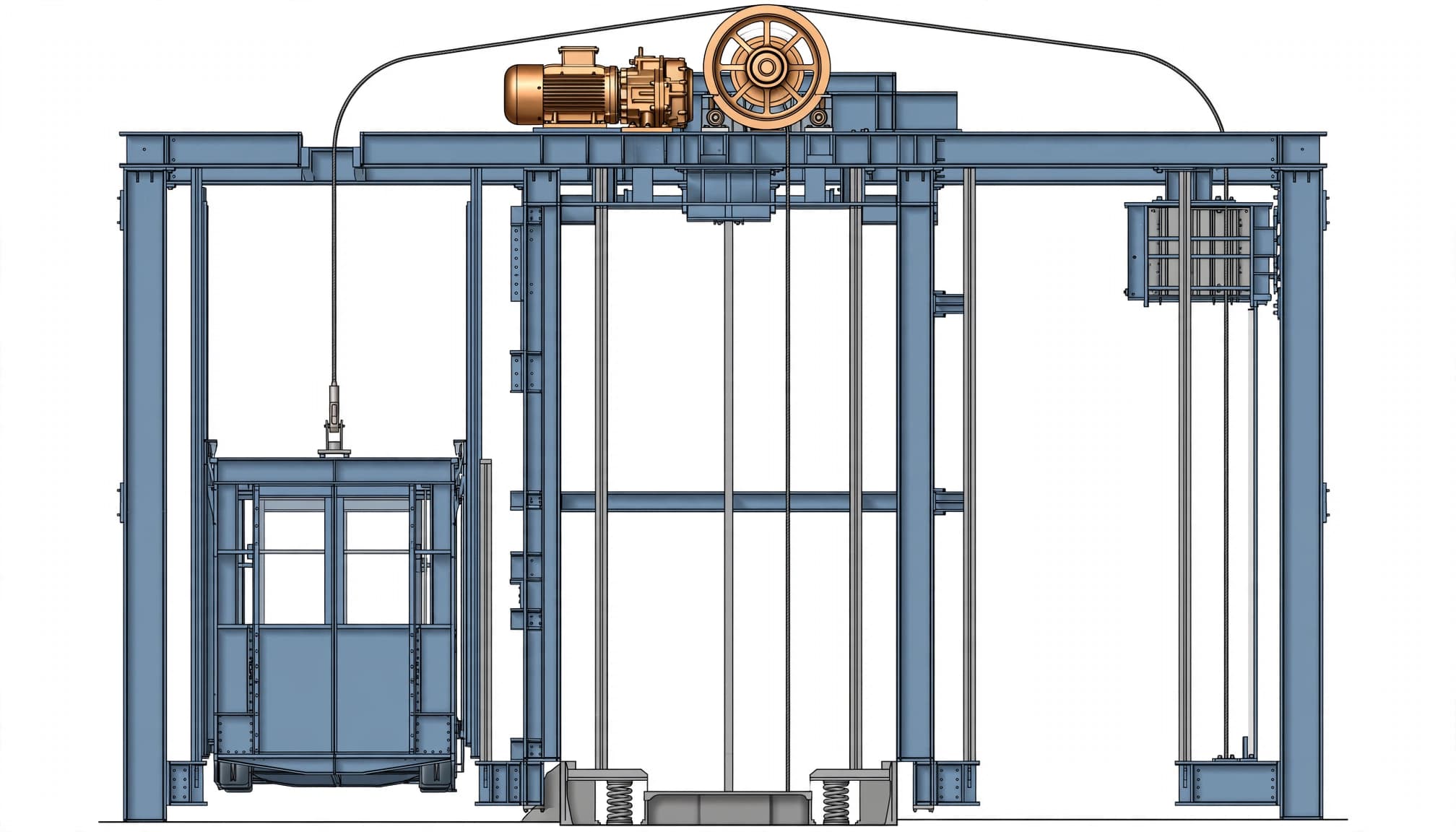
An elevator counterweight helps a traction elevator move by supplying force through the lift's cable and pulley system. As the car travels in one direction, the counterweight travels in the other.

That arrangement can reduce the work the motor needs to do and lower energy use. Understanding the connection helps you compare lift systems and see why a counterweight is only one part of the equipment.

How an Elevator Counterweight Moves

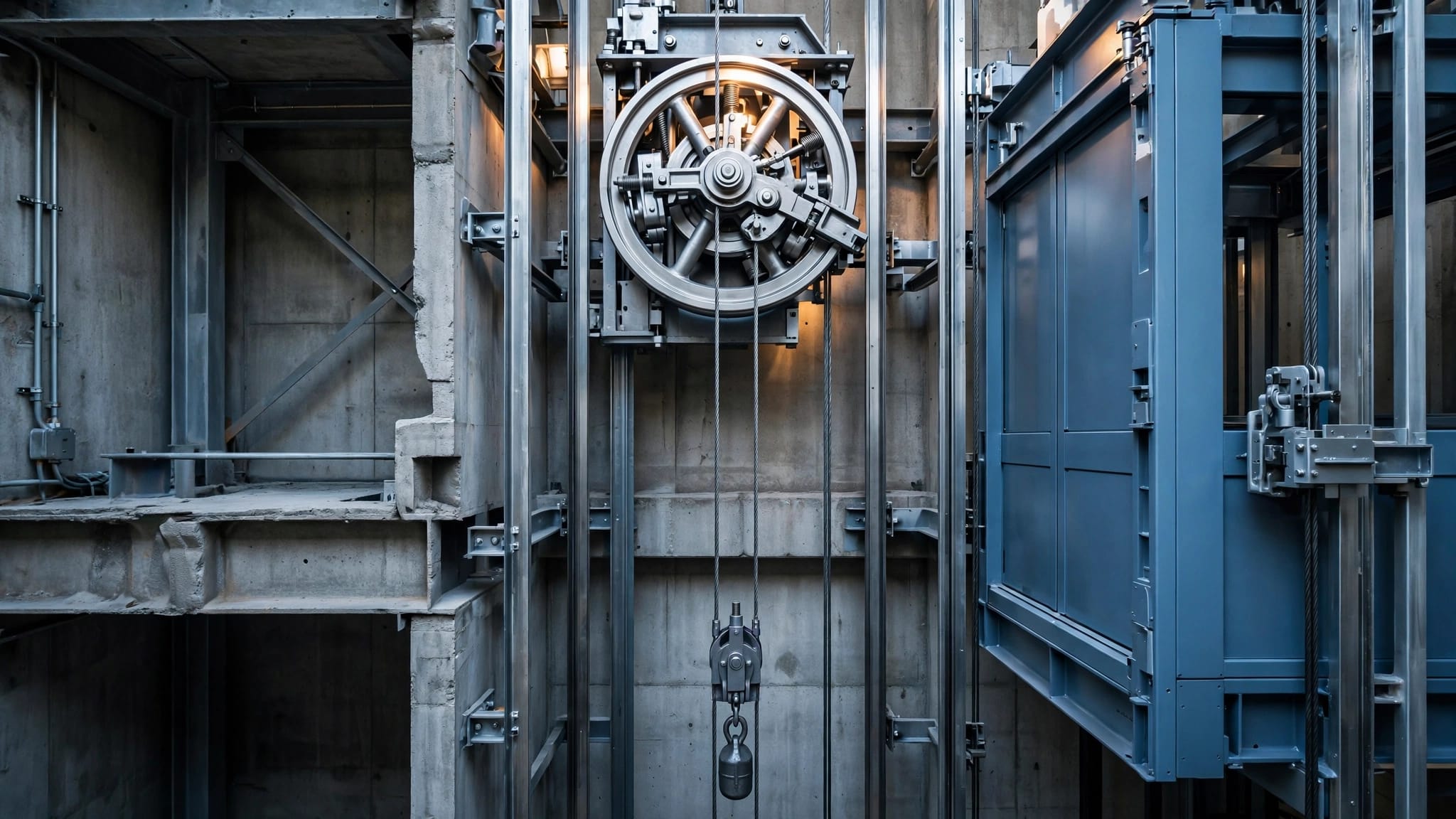
In a traction elevator, the counterweight moves in the same vertical travel space as the car, but along its own path. Guide rails keep it aligned as the elevator travels between floors.

The car and counterweight travel in opposite directions

When the car goes up, the counterweight goes down. When the car goes down, the counterweight goes up. The weight doesn't stay parked at one floor or wait to move only when the car is full.

As the counterweight descends, gravity helps pull its side of the system downward. That movement assists the drive as it raises the car. The motor and controls manage the trip, including starting, speed, and stopping.

The traction sheave connects their movement

A motor turns a grooved pulley called a drive sheave . Ropes or belts run over the sheave and connect the car to the counterweight. Friction between the ropes and the sheave transfers motion when the pulley turns.

Some systems use additional pulleys or different rope arrangements, so their layouts vary. Our traction elevator FAQ explains how the cable and pulley arrangement differs from a winding-drum drive.

How the Counterweight Reduces Motor Work

The counterweight gives the motor assistance during travel. Without that assistance, the drive would need to do more work to lift the car and its contents. Reducing that work can also reduce electricity use.

Raising the car

When a car rises, the descending counterweight contributes force through the ropes and sheave. The motor still operates the system, but it doesn't have to provide all the lifting effort by itself.

The amount of help depends on the elevator's design and the load in the car. An empty car and a car carrying passengers or cargo place different demands on the drive.

Lowering the car

During a downward trip, the counterweight rises. Depending on the load, the motor may need to provide driving force or control movement caused by gravity. The controls regulate the trip in either case.

Some traction systems can recover energy during certain trips. That feature depends on the equipment and operating conditions, so energy performance varies by installation.

A Simple Example of a Counterweight in Motion

Consider a passenger elevator traveling up one floor with a person inside. The controller starts the motor, which turns the drive sheave. As the ropes move, the car rises and the counterweight descends.

The downward pull of the counterweight helps the drive raise the occupied car. Near the landing, the controls slow the system and stop the car at the floor.

On the return trip, the sequence reverses: the car descends and the counterweight rises. If another passenger enters or leaves, the load changes, but the counterweight follows the same path.

Do All Cargo Lifts and Passenger Elevators Use One?

No. A counterweight is common in traction elevators, but lifts use several drive designs. The equipment's purpose and installation determine which arrangement is appropriate.

A winding-drum system wraps cable around a rotating drum rather than relying on rope friction over a traction sheave. Hydraulic systems use a pump and cylinder to move the car or platform. Other electric lifts can use screws, chains, or different mechanisms.

Drive design also affects the space needed for equipment. Some traction elevators have machinery in a dedicated room, while others use a machine-room-less arrangement. Our guide to outdoor elevator machine rooms covers those placement differences.

For outdoor installations, exposure matters too. Debris and contamination on traction ropes or pulleys can interfere with the friction that moves the system. The drive should suit its installation environment.

What a Counterweight Means for Lift Safety

A counterweight is part of the drive arrangement, not a substitute for the elevator's braking and safety systems. Equipment can also include door interlocks, controls, guide rails, and other protective devices. The exact features depend on the lift and its intended use.

A service brake holds an elevator at a landing, while other safety components address certain abnormal conditions. Learn more about outdoor elevator braking and safety systems.

Capacity remains important regardless of the drive type. Keep the load within the equipment's rating, distribute it as directed, and secure items that could shift. A cargo lift shouldn't carry people unless it's designed and approved for passenger use.

If a lift develops new movement, unusual sounds, or a change in starting or stopping, stop using it and contact a qualified service technician. Describing the symptom can help the technician identify the affected components.

The Takeaway on Counterweights

A counterweight moves opposite the elevator car and helps the traction drive do its work. That assistance can reduce the motor's workload and energy use during travel.

The drive system is only one consideration when choosing a lift. Intended use, capacity, safety equipment, and the installation setting matter just as much.

Recent Posts

By Veranda 'Vator • November 13, 2026
A home elevator overload sensor detects when the load exceeds the elevator's rated capacity. It gives the control system information that helps protect the lift from carrying too much weight. For riders, the practical rule is simple: count everything in the car , including peo...
By Veranda 'Vator • November 12, 2026
An elevator overspeed governor monitors how fast an elevator car moves and can trigger a safety system if the car travels too fast. Its job is to detect excessive speed , not to handle the elevator's everyday stops. For property owners choosing a passenger elevator or cargo li...
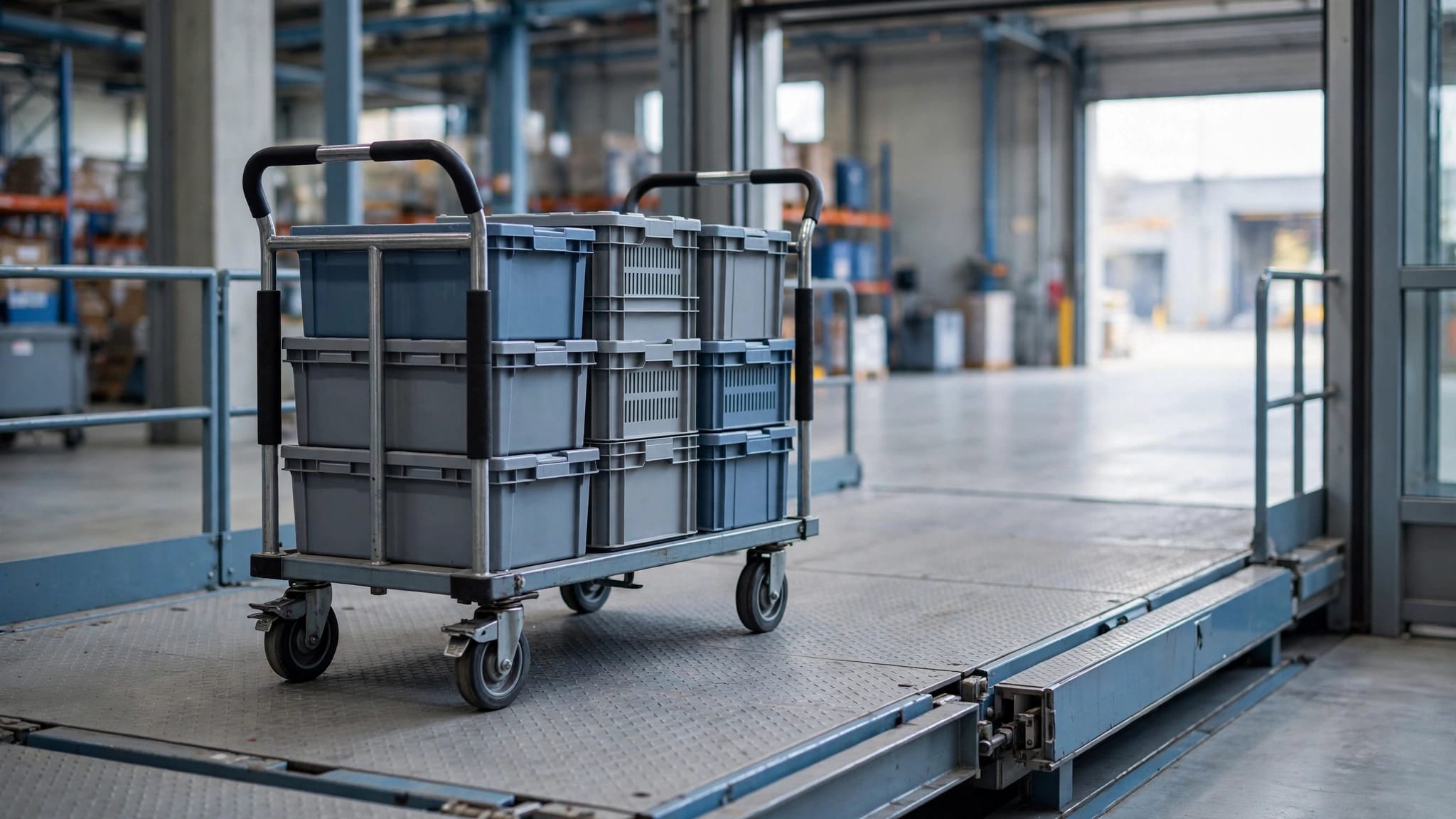
By Veranda 'Vator • November 11, 2026
Cargo lift sizing starts with the largest loaded cart or bin you need to move, then accounts for its weight, dimensions, and route onto the platform. The right lift needs enough usable floor space and a clear opening, as well as a capacity rating that covers the entire load. T...
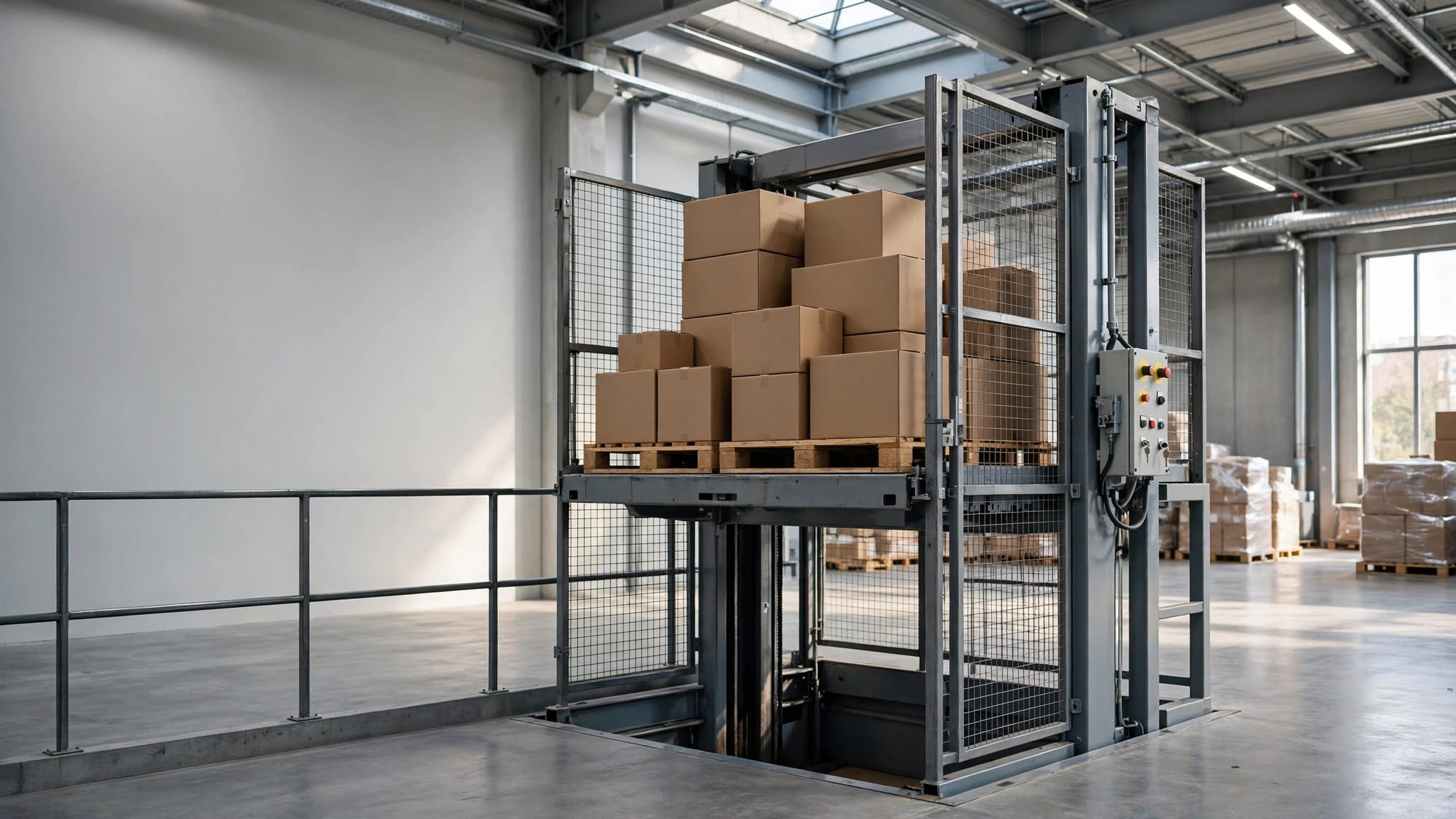
By Veranda 'Vator • November 10, 2026
Workers shouldn't ride a cargo lift that is rated for materials only. A platform may have enough room and weight capacity for a person, but that doesn't mean it has the protections or approval required for occupied travel. For cargo lift safety , the deciding factor is the equ...
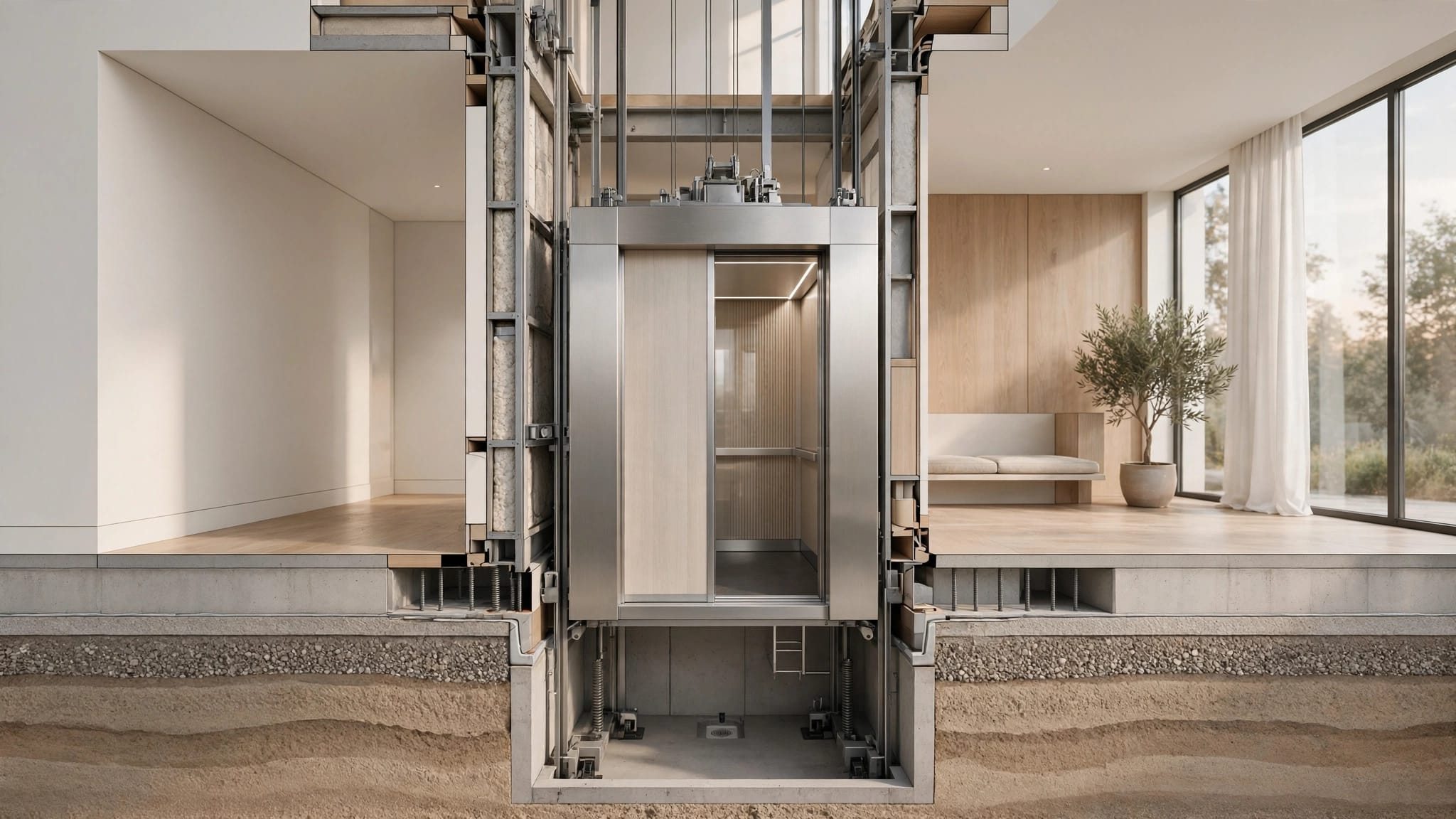
By Veranda 'Vator • November 9, 2026
Residential elevator pit depth depends on the lift model and its installation requirements. Some designs need a recessed space below the lowest landing, while others may use a different arrangement. For homeowners, the pit is a construction detail as well as an equipment dimen...
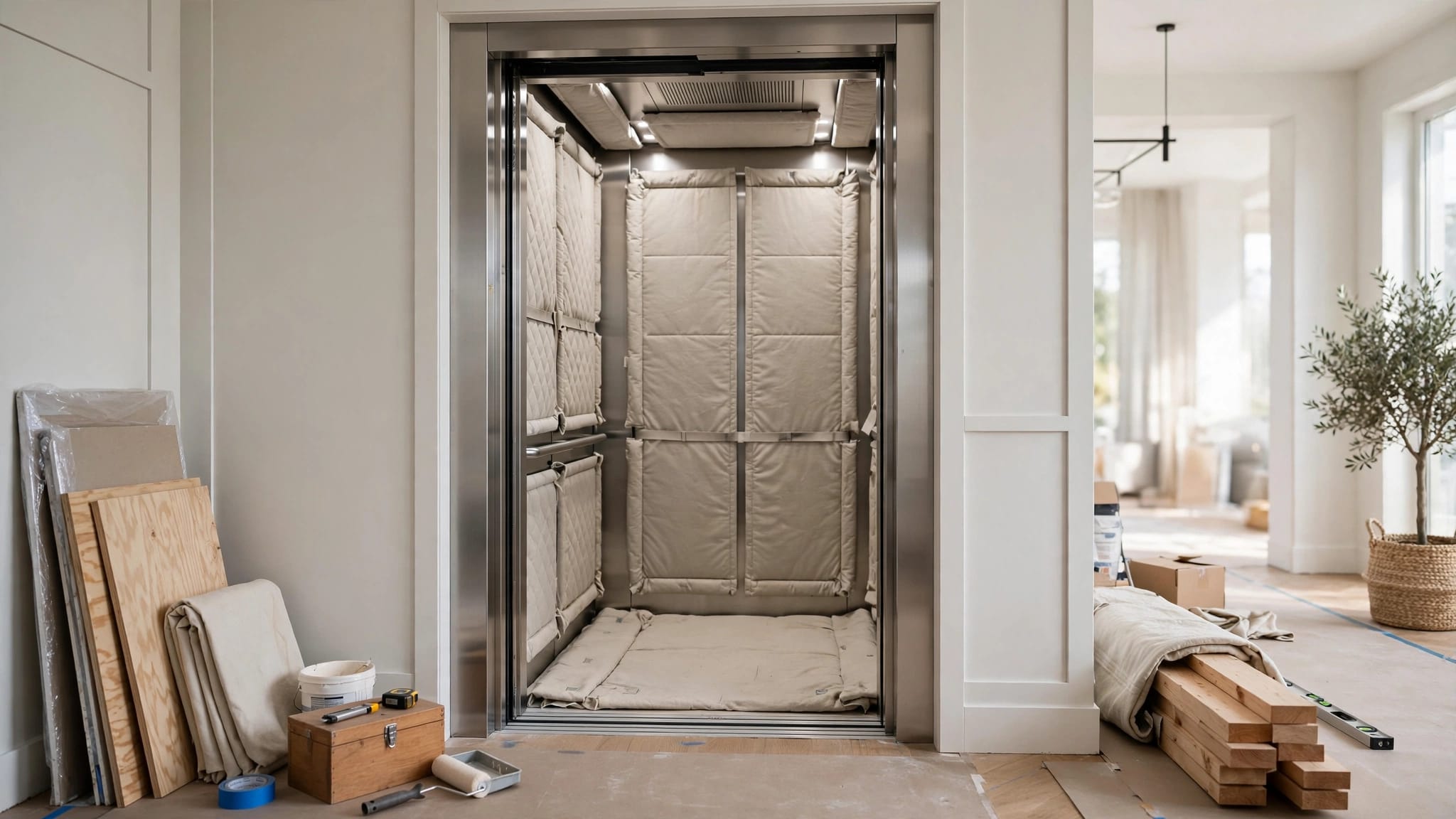
By Veranda 'Vator • November 8, 2026
To prepare a home elevator for a major renovation, involve your elevator service provider and contractor before construction starts. Together, they can plan the shutdown, protect the equipment, and schedule its return to service. Your household's access deserves attention too,...

By Veranda 'Vator • November 7, 2026
Yes, a residential elevator can be installed in a home with a crawl space, provided the site and the selected equipment can be supported by an appropriate structural design. The crawl space doesn't automatically prevent an installation, but it can affect the work beneath the e...
By Veranda 'Vator • November 6, 2026
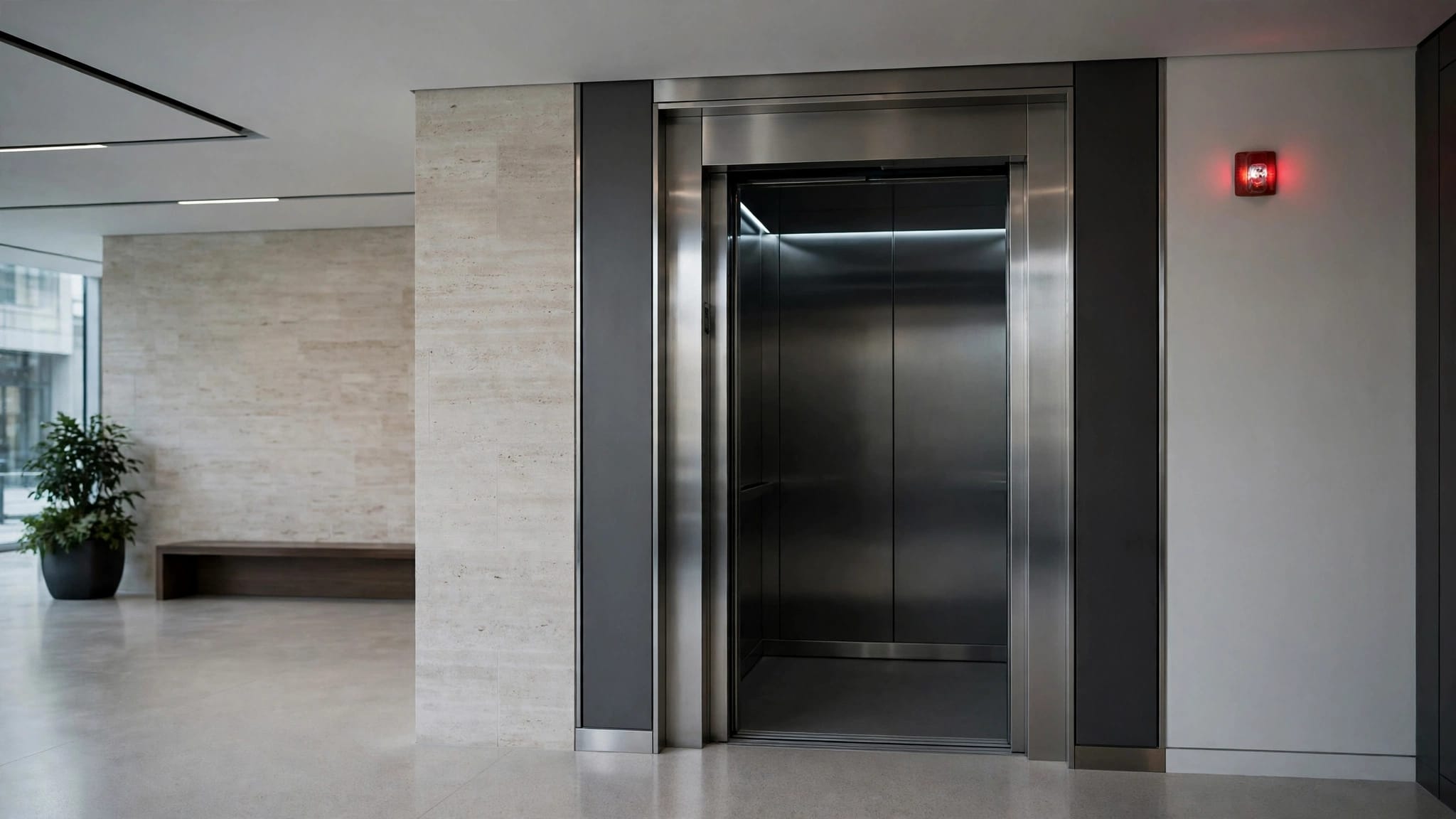
An elevator fire alarm signal may trigger automatic recall , taking an elevator out of normal passenger service. The response depends on the building's fire alarm system and the elevator's controls, so an alarm doesn't produce the same result in every installation. For people...
By Veranda 'Vator • November 5, 2026
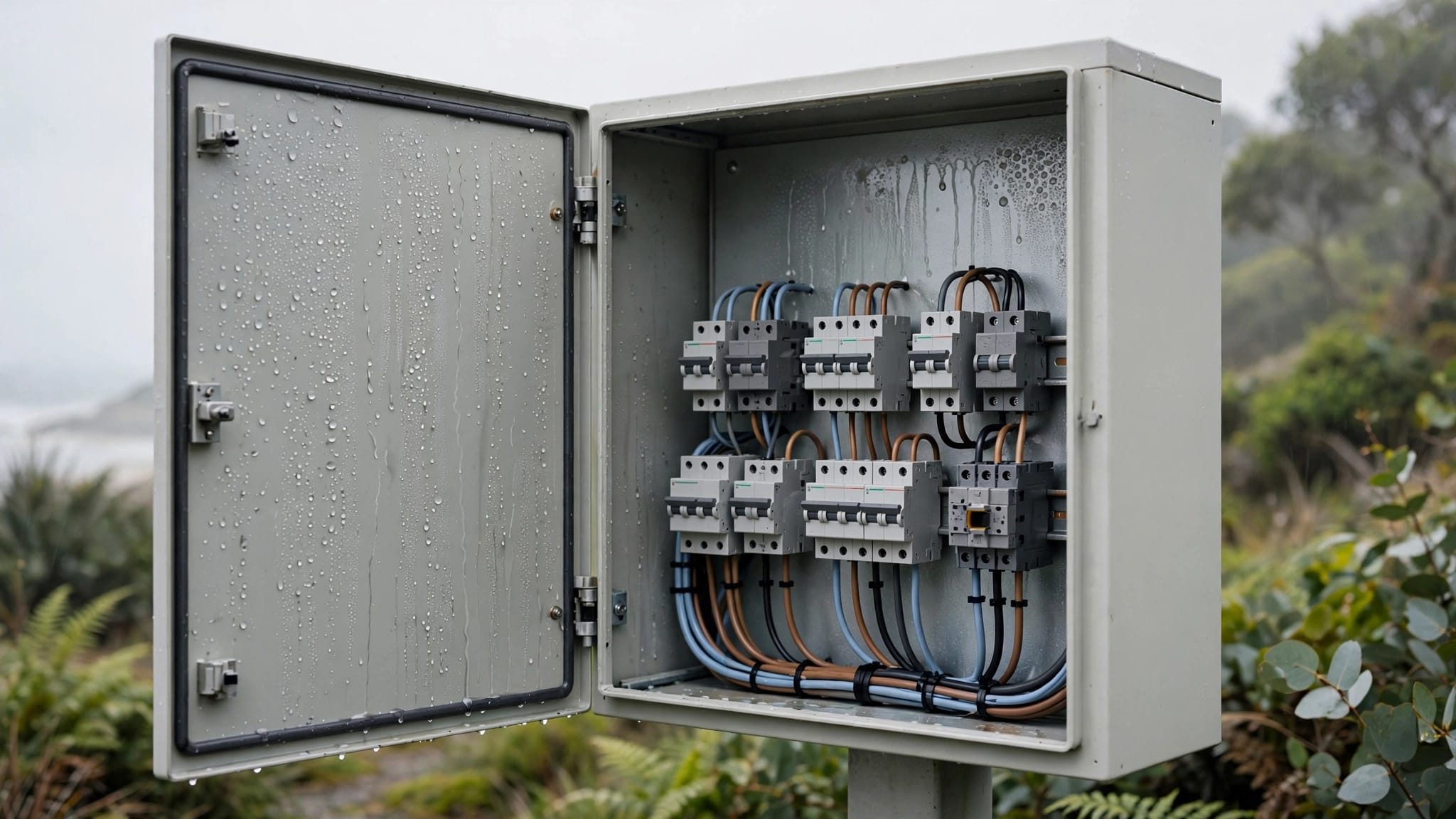
Elevator cabinet condensation occurs when humid air meets a cool surface inside an outdoor control enclosure. The resulting moisture can collect near electrical components, even when rain never reaches the cabinet. For owners of cargo lifts and passenger elevators, a dry-looki...

By Veranda 'Vator • November 4, 2026
Yes, you can add an elevator to many historic houses. The project succeeds when the equipment fits the available space , meets your access needs, and protects the features that make the house significant. A historic home elevator may require more planning than an elevator in a...
Show More