
What Happens to Elevators When a Fire Alarm Activates?

Share this article

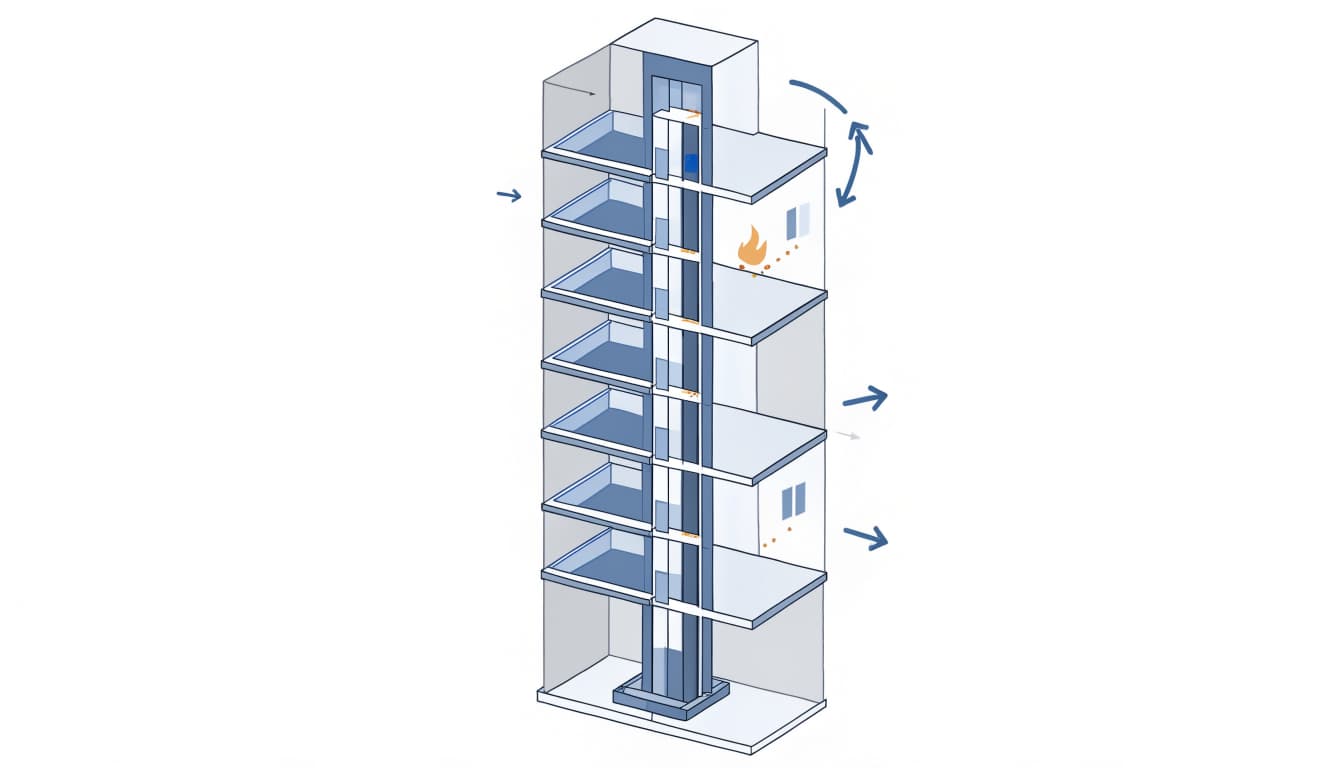
An elevator fire alarm signal may trigger automatic recall , taking an elevator out of normal passenger service. The response depends on the building's fire alarm system and the elevator's controls, so an alarm doesn't produce the same result in every installation.

For people who depend on a lift, that distinction matters. Building emergency instructions identify the approved response when ordinary elevator service is unavailable.

What automatic elevator recall means

Automatic recall is a programmed response that can occur when the fire alarm system sends a signal to the elevator controls. Its purpose is to remove the elevator from ordinary use during a fire emergency.

An elevator in recall may no longer respond to passengers' usual floor requests. As a result, someone waiting at a landing shouldn't assume the car will arrive or be available for a normal trip.

Recall is not the same as a power outage or a mechanical fault, although an emergency can involve more than one of these conditions. The installed controls and the signal they receive determine whether recall occurs.

Automatic recall and firefighter operation are different

Both functions relate to fire emergencies, but they have different purposes. Understanding the distinction helps explain why a passenger elevator may no longer behave as it does during normal service.

Automatic recall responds to a signal

Automatic recall is initiated by the building's connected systems rather than by a passenger selecting a floor. Once the elevator enters this mode, its ordinary service may be interrupted.

The presence of an alarm bell alone doesn't establish exactly what a particular elevator will do. Buildings and equipment differ, and some lifts may not have the same recall features as a commercial passenger elevator.

Firefighter operation is for emergency responders

Firefighter operation is a separate function intended for use by authorized emergency personnel. It gives responders control under the conditions and procedures that apply to the installation.

A key or special operating feature doesn't make an elevator available for general evacuation. Occupants should follow the building's emergency instructions rather than assume they can use an elevator assigned to emergency personnel.

Why an elevator response can vary by alarm location

A building's fire alarm system can divide detection into different areas or zones. The signal received by an elevator's controls may therefore depend on where an alarm originates and how the systems are connected.

That means an alarm on one floor doesn't necessarily produce the same response as an alarm in another area. A building may also have more than one elevator, with controls arranged around its layout and emergency design.

For an occupant, the practical point is that the alarm location alone doesn't establish that an elevator is safe to use . Smoke, heat, water, and equipment problems can affect areas beyond the place where an alarm first activated.

Why ordinary elevators aren't emergency exits

A passenger elevator is designed for everyday travel. During a fire, the car, shaft, landings, and electrical equipment can be affected by conditions that aren't visible to someone waiting at a floor.

Smoke can enter elevator lobbies or shafts. Heat can damage controls, while water from firefighting or other sources can reach electrical components. A power interruption or equipment fault may also leave a car unable to complete a trip.

An outdoor location doesn't remove those concerns. Our guide to outdoor elevators and emergency egress explains why an exterior lift isn't automatically an approved exit route.

Some buildings have elevators designed for occupant evacuation as part of an approved emergency plan. Those are distinct from ordinary elevators, and their use depends on the building's procedures.

Passenger elevators, cargo lifts, and platform lifts

The word "lift" covers equipment built for different jobs. That matters when planning for a fire alarm because emergency features and permitted uses aren't identical across all types.

Passenger elevators

Passenger elevators are intended to carry people during normal operation. Some are connected to a building's fire alarm system and may enter recall when they receive an appropriate signal.

A home elevator may have a different control arrangement from a passenger elevator in a commercial building. Its presence should not replace a separate emergency plan for the people who rely on it.

Cargo and vertical platform lifts

Cargo lifts are intended to move materials. People should never ride equipment that isn't approved for passenger use, including during an emergency.

Vertical platform lifts provide a different form of access and have their own design and operating limits. Neither a cargo lift nor a platform lift should be assumed to offer the same fire response as a passenger elevator.

Planning for an alarm before it happens

A useful building emergency plan accounts for people who can't use stairs independently, as well as those who need help communicating or moving through the building. It identifies the approved routes and explains how occupants receive assistance.

Property owners and managers can also keep landings and responder access routes clear. Furniture, stored materials, and other obstructions can make an emergency response harder, even when the elevator itself isn't in use.

Communication matters if a lift stops unexpectedly. An emergency phone or alarm can provide a way to report a problem, although the person receiving that signal depends on the installed system. A rescue plan should make the property's address, lift location, and emergency contacts easy to find.

Fire alarms and power failures are separate events, but they can occur together. Our explanation of elevator operation during a power outage covers why backup power doesn't necessarily keep every lift moving.

After an emergency

An elevator may need attention before it returns to normal service. Fire, smoke, water, or an equipment fault can affect components even after the alarm has stopped.

Qualified elevator personnel handle inspection and technical work. Keeping the equipment out of service after an entrapment or suspected damage gives them an opportunity to assess its condition before passengers or materials return.

Follow the building's emergency plan

An elevator fire alarm response may remove a car from normal service, and the response varies by installation. Firefighter operation is a separate function reserved for authorized responders.

The safest expectation is to treat everyday elevator access and emergency evacuation as different parts of a building's plan. Follow the instructions provided for the building rather than relying on an ordinary lift during a fire.

Recent Posts

By Veranda 'Vator • November 5, 2026
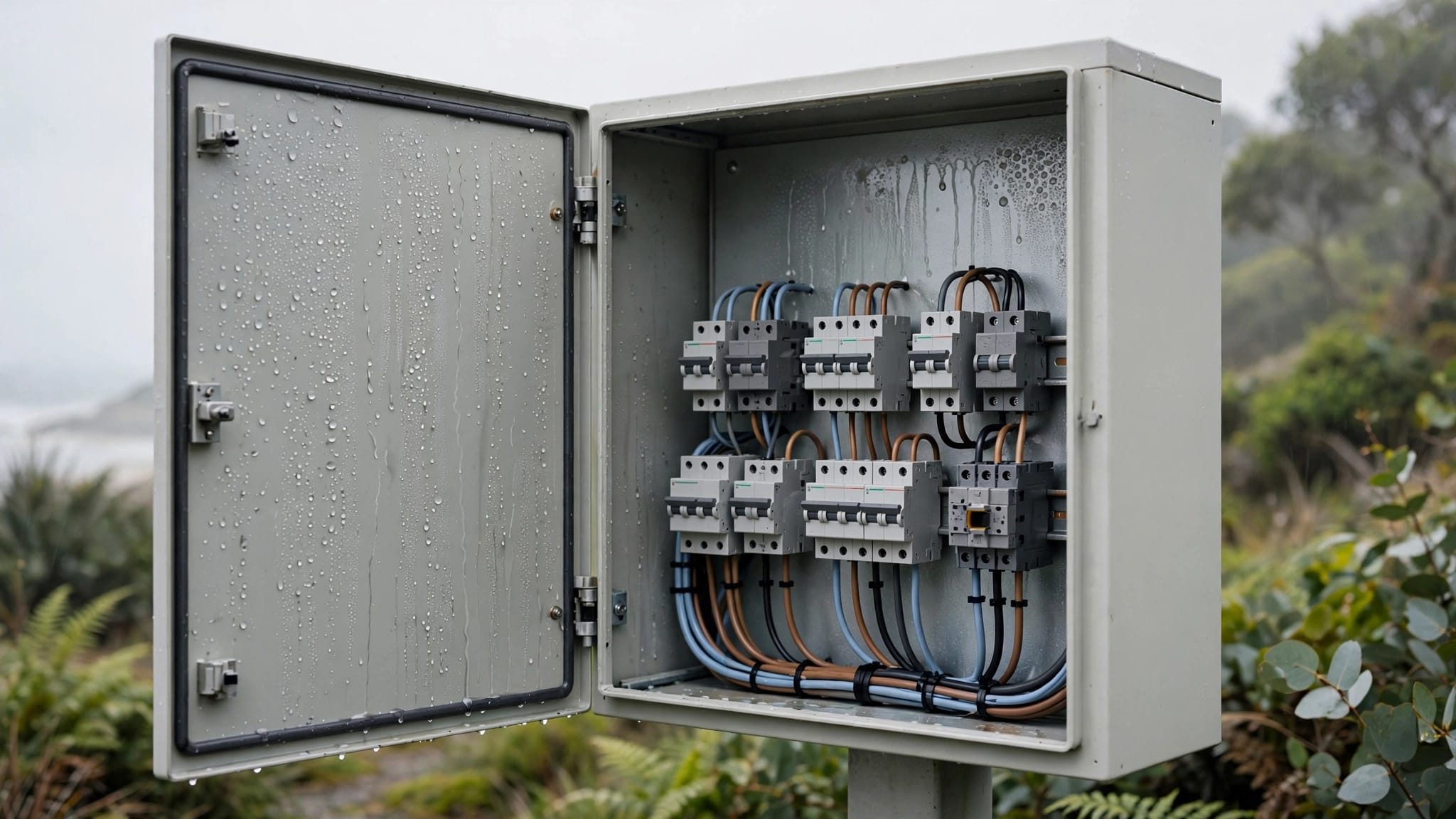
Elevator cabinet condensation occurs when humid air meets a cool surface inside an outdoor control enclosure. The resulting moisture can collect near electrical components, even when rain never reaches the cabinet. For owners of cargo lifts and passenger elevators, a dry-looki...

By Veranda 'Vator • November 4, 2026
Yes, you can add an elevator to many historic houses. The project succeeds when the equipment fits the available space , meets your access needs, and protects the features that make the house significant. A historic home elevator may require more planning than an elevator in a...
By Veranda 'Vator • November 3, 2026
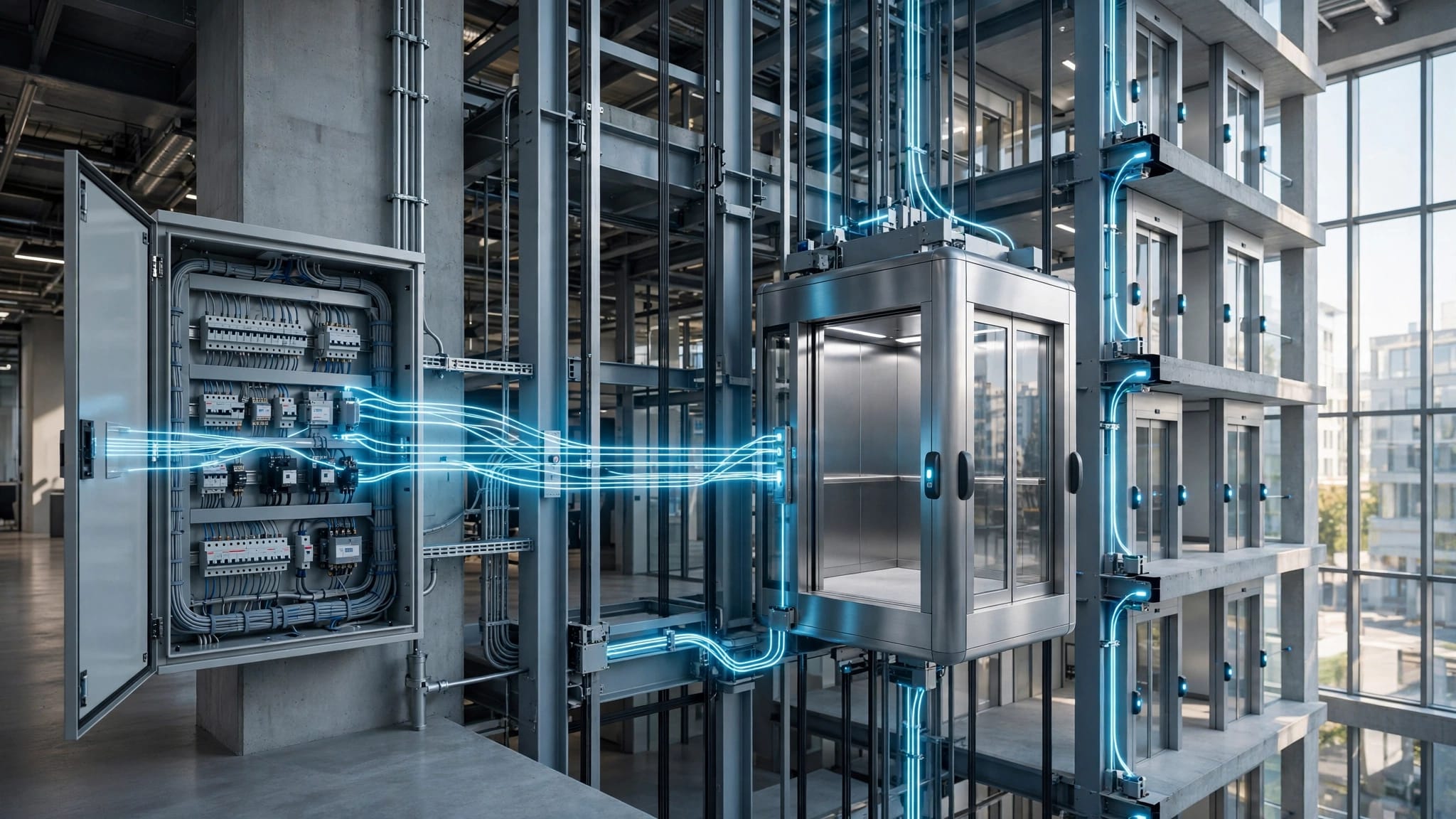
An elevator controller receives travel requests, checks operating conditions, and coordinates the equipment that moves and stops the car. During a normal trip, it also responds to signals from doors, landing devices, and other components. The controller depends on separate saf...
By Veranda 'Vator • November 2, 2026
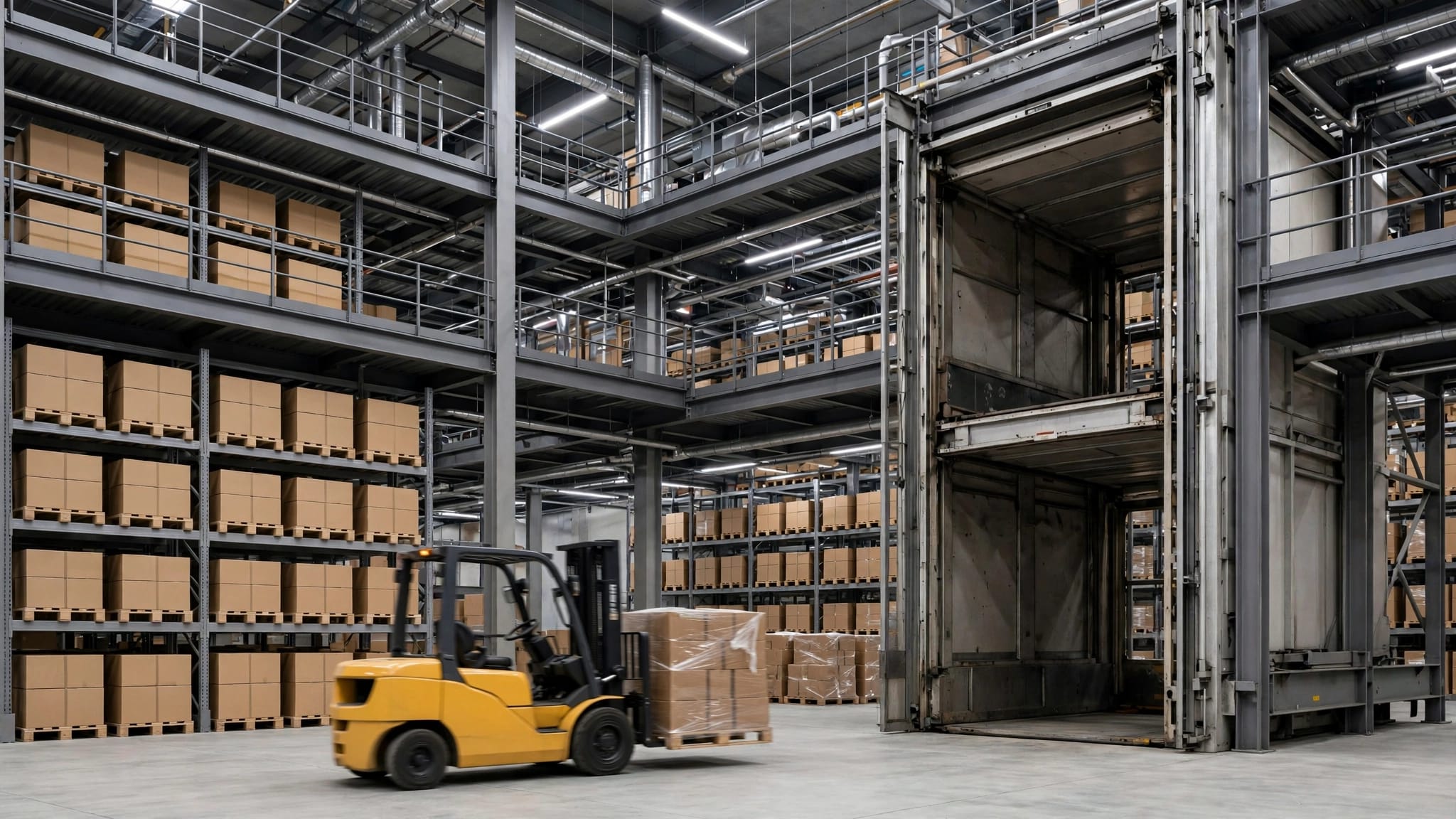
A freight lift moves goods between warehouse floors, while a forklift handles horizontal transport, stacking, and loading. For many multilevel warehouses, the practical answer is both : a forklift brings goods to a landing, and a lift carries them to another level. The right s...
By Veranda 'Vator • November 1, 2026
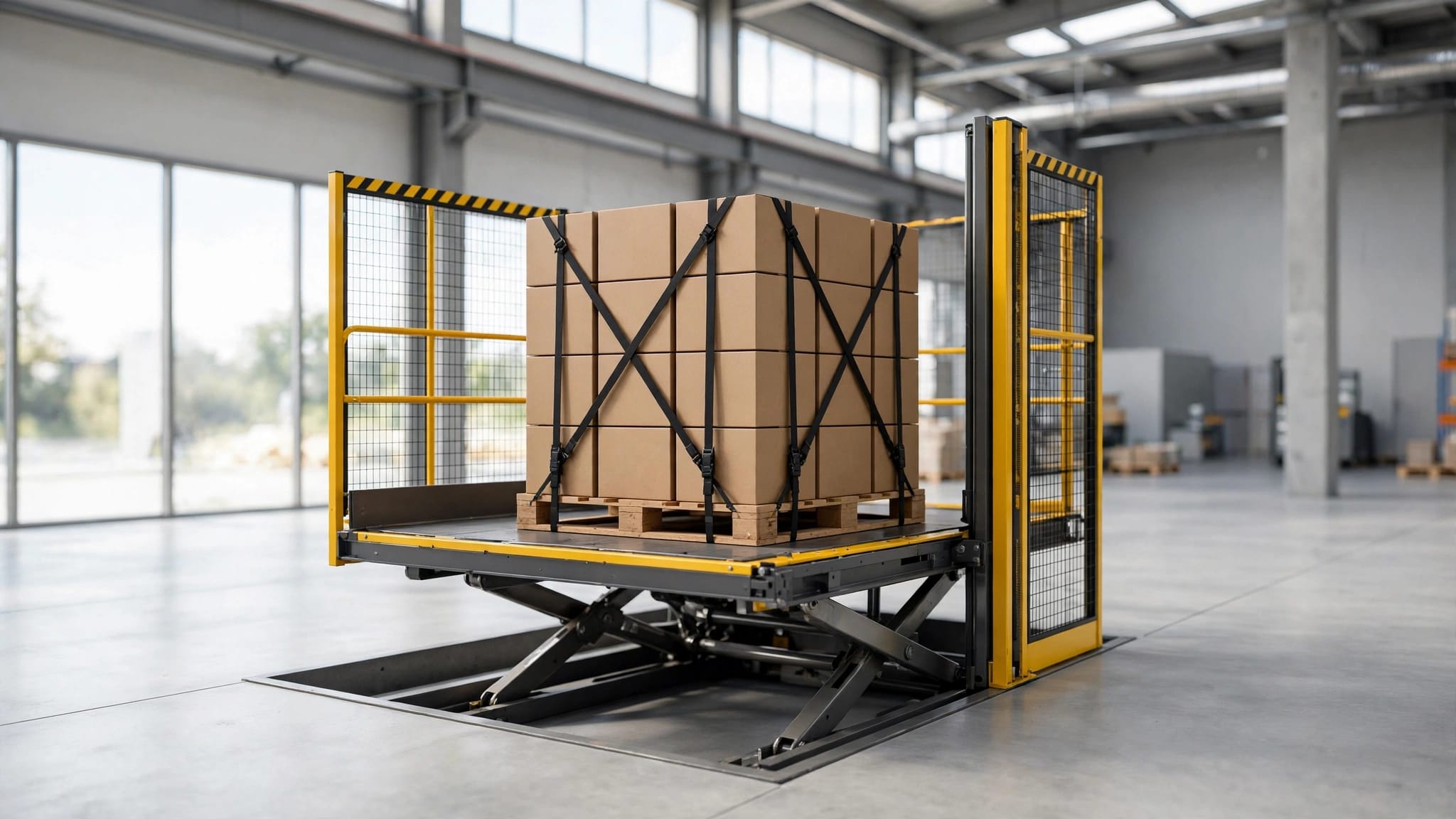
Safe cargo lift load centering means placing the load's center of gravity within the lift's permitted loading area and keeping the cargo stable throughout travel. The total weight matters, but so do the position of heavy items and the way they rest on the platform. A box can l...
By Veranda 'Vator • October 31, 2026
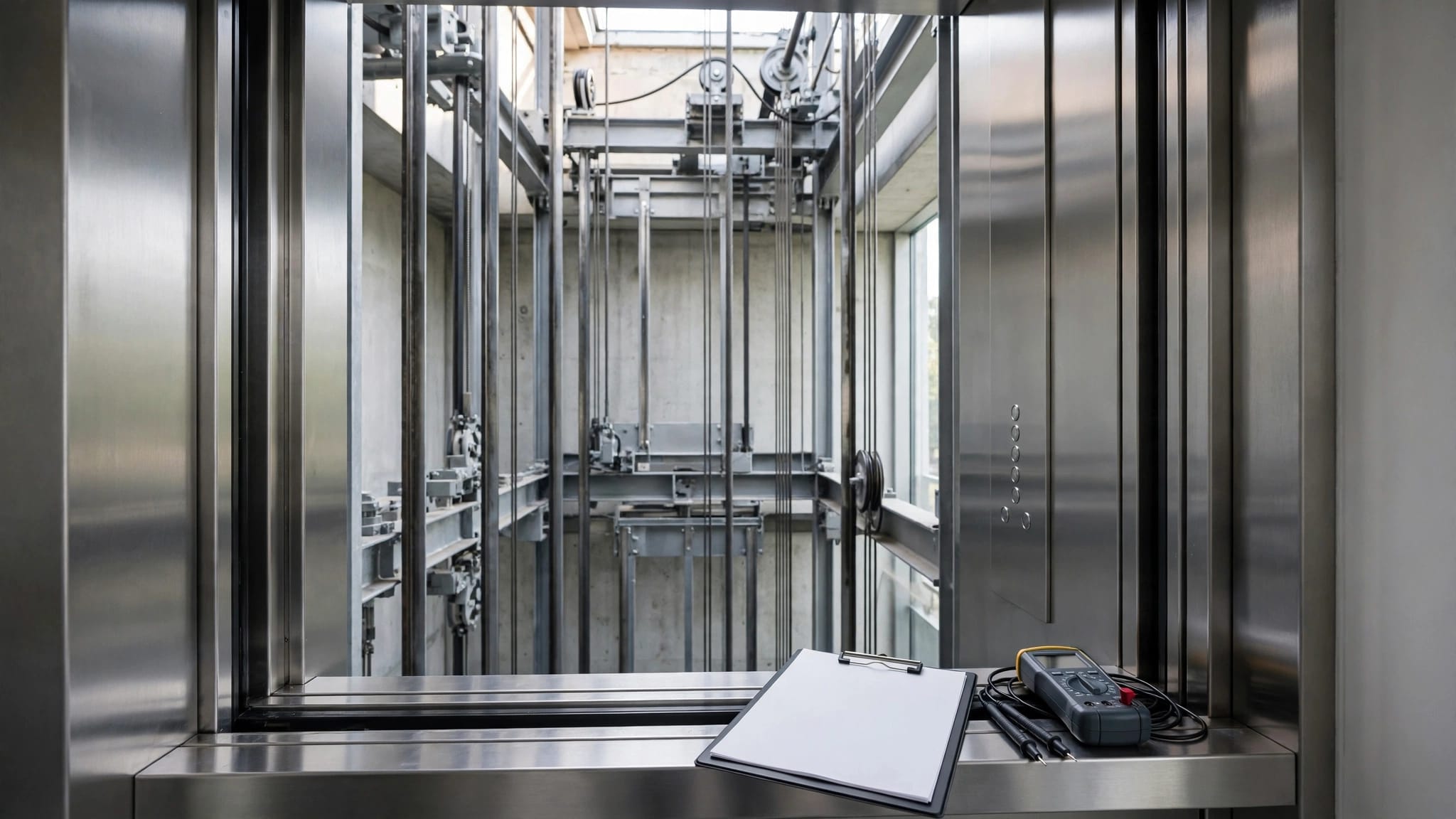
Routine elevator service keeps equipment maintained, while a formal elevator inspection assesses it against applicable safety requirements. Both matter, but they answer different questions and produce different records. As an owner, you need to know which work your provider pe...
By Veranda 'Vator • October 30, 2026
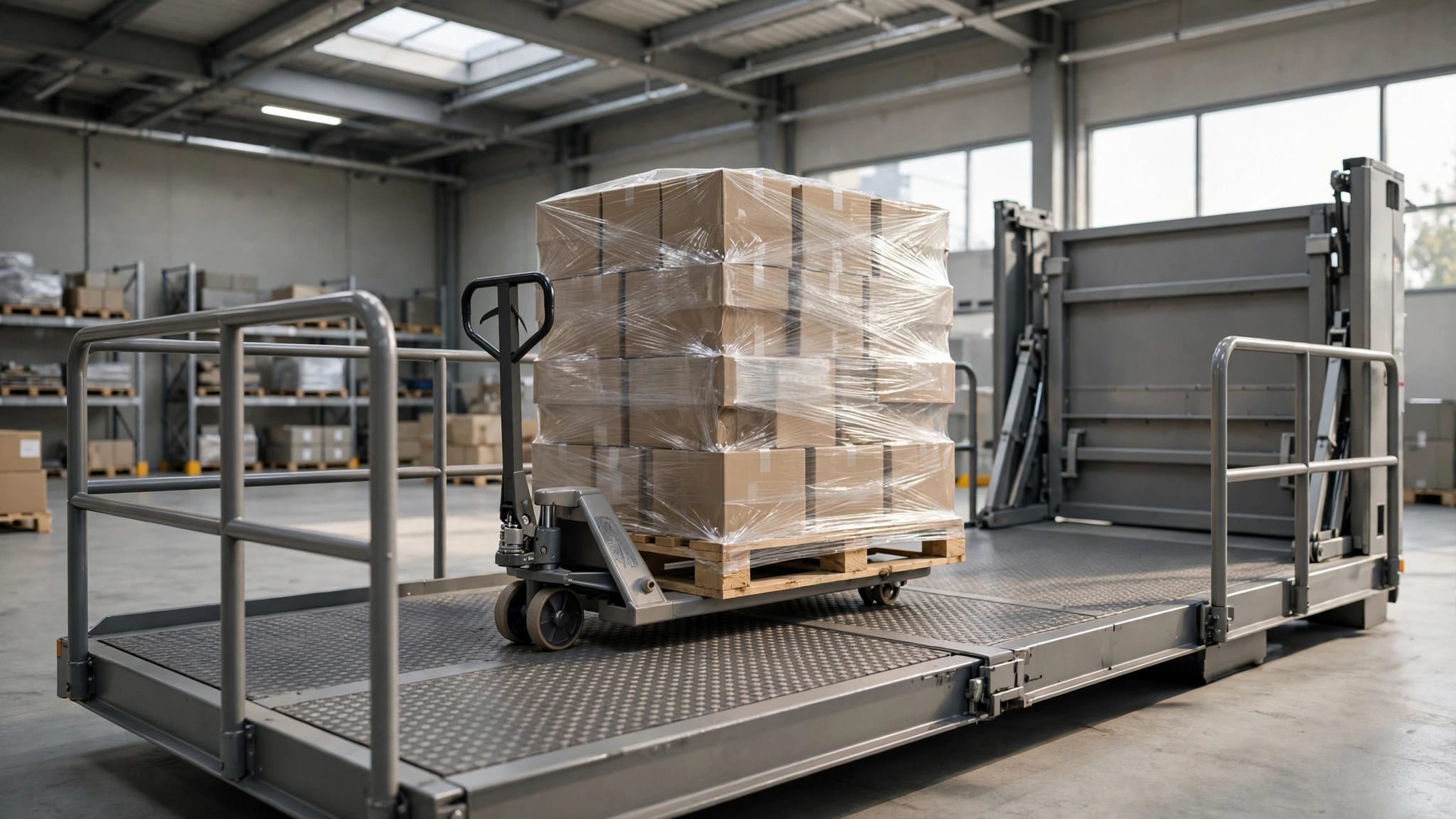
Yes, a cargo lift can carry a pallet jack and loaded pallet when its rated capacity, usable platform dimensions, and loading design accommodate both. The total includes the goods, pallet, pallet jack, and anything else traveling on the platform. However, weight capacity alone...
By Veranda 'Vator • October 29, 2026
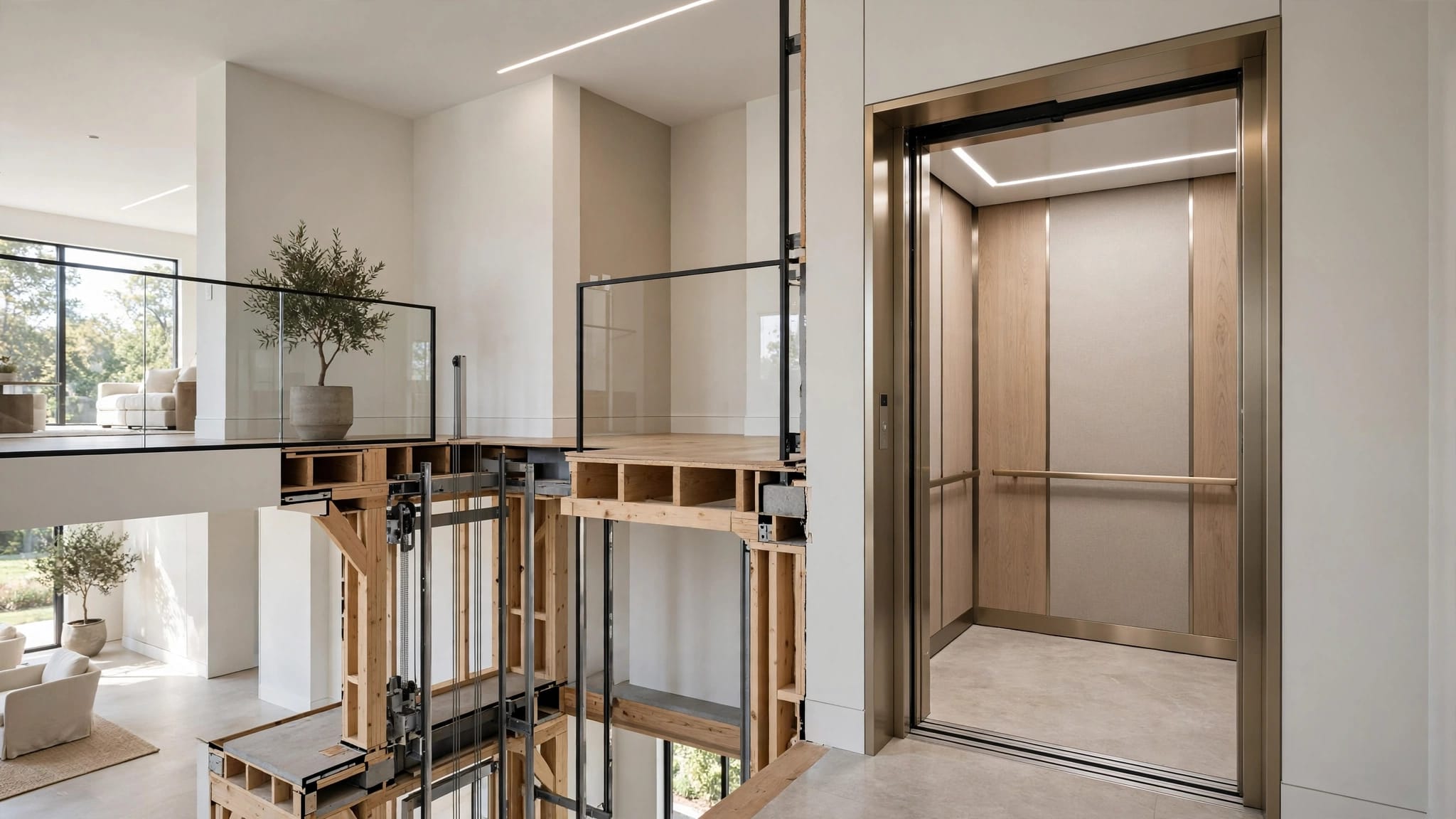
Adding a stop to an existing residential elevator may be feasible when the equipment and building can accommodate the change. The answer depends on the elevator's design, available shaft space, structural conditions, controls, and applicable code requirements. An additional la...
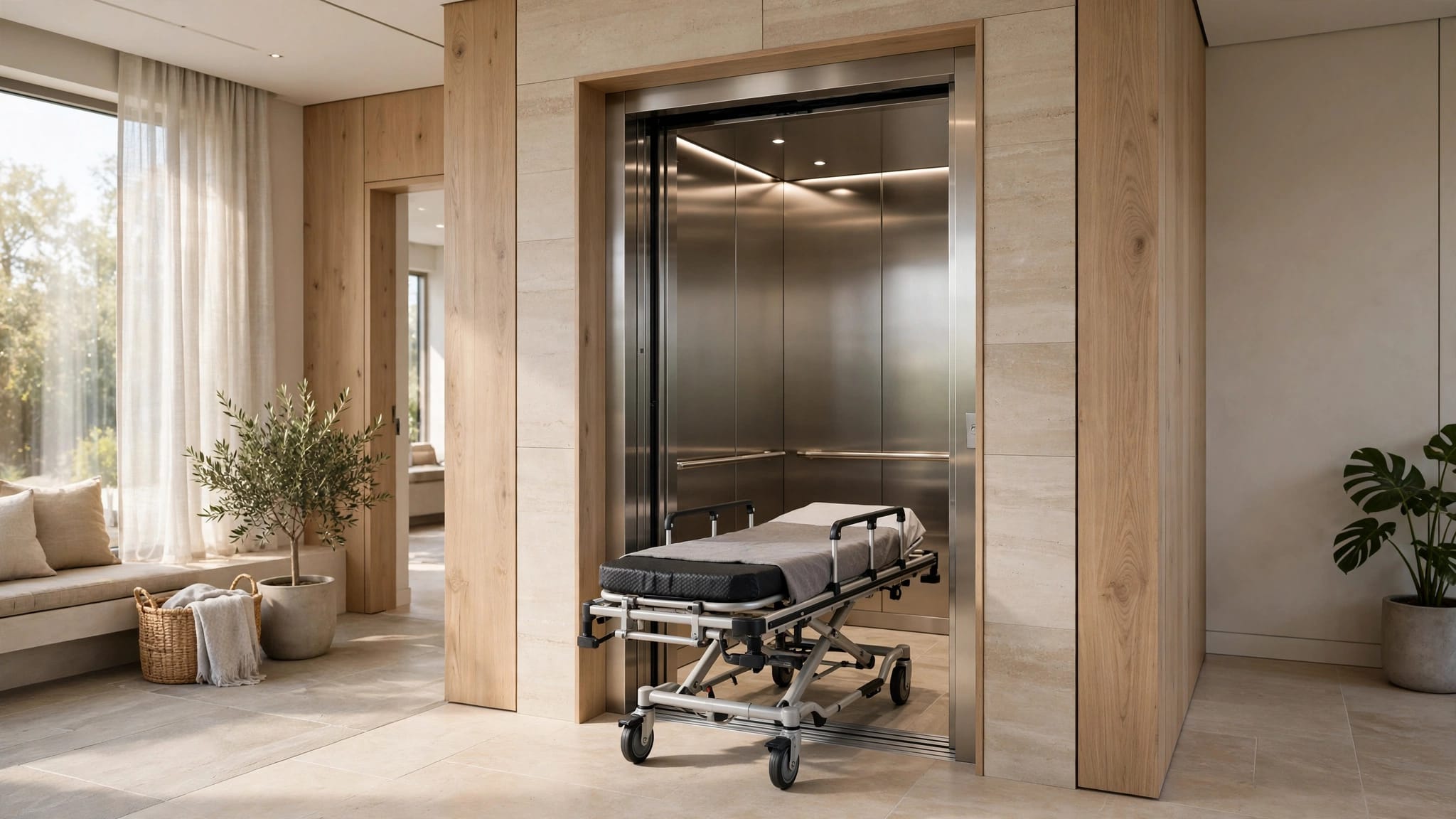
By Veranda 'Vator • October 28, 2026
A residential elevator can fit a medical stretcher if its doorway, cabin, and approach accommodate that stretcher's actual dimensions. However, there's no single universal "standard stretcher" size, and physical fit alone doesn't establish safe patient transport. For your home...

By Veranda 'Vator • October 27, 2026
A residential elevator's speed depends on the model, and its listed travel speed doesn't tell you the complete ride time. Starting, stopping, leveling, and operating the doors all contribute to a one-floor trip. For you, the useful distinction is between time in motion and the...
Show More