
What Does an Elevator Overspeed Governor Do?

Share this article

An elevator overspeed governor monitors how fast an elevator car moves and can trigger a safety system if the car travels too fast. Its job is to detect excessive speed , not to handle the elevator's everyday stops.

For property owners choosing a passenger elevator or cargo lift, that distinction matters. A governor is one part of a larger safety arrangement, and the equipment varies by lift type. Here's how its role fits with the rest of the system.

What an Elevator Overspeed Governor Monitors

An overspeed governor responds to the speed of the elevator car. During ordinary travel, the car moves within its designed operating range, and the governor doesn't activate the car's safety gear.

If the car travels beyond the governor's set limit, the governor can trip the safety mechanism. On many traction elevators, that mechanism can bring the car to a stop by engaging the guide rails.

The governor protects against a condition that normal controls may not resolve on their own. It doesn't replace those controls, and its presence doesn't mean an elevator can operate safely without its other protective devices.

How the Governor Rope and Safety Gear Fit Together

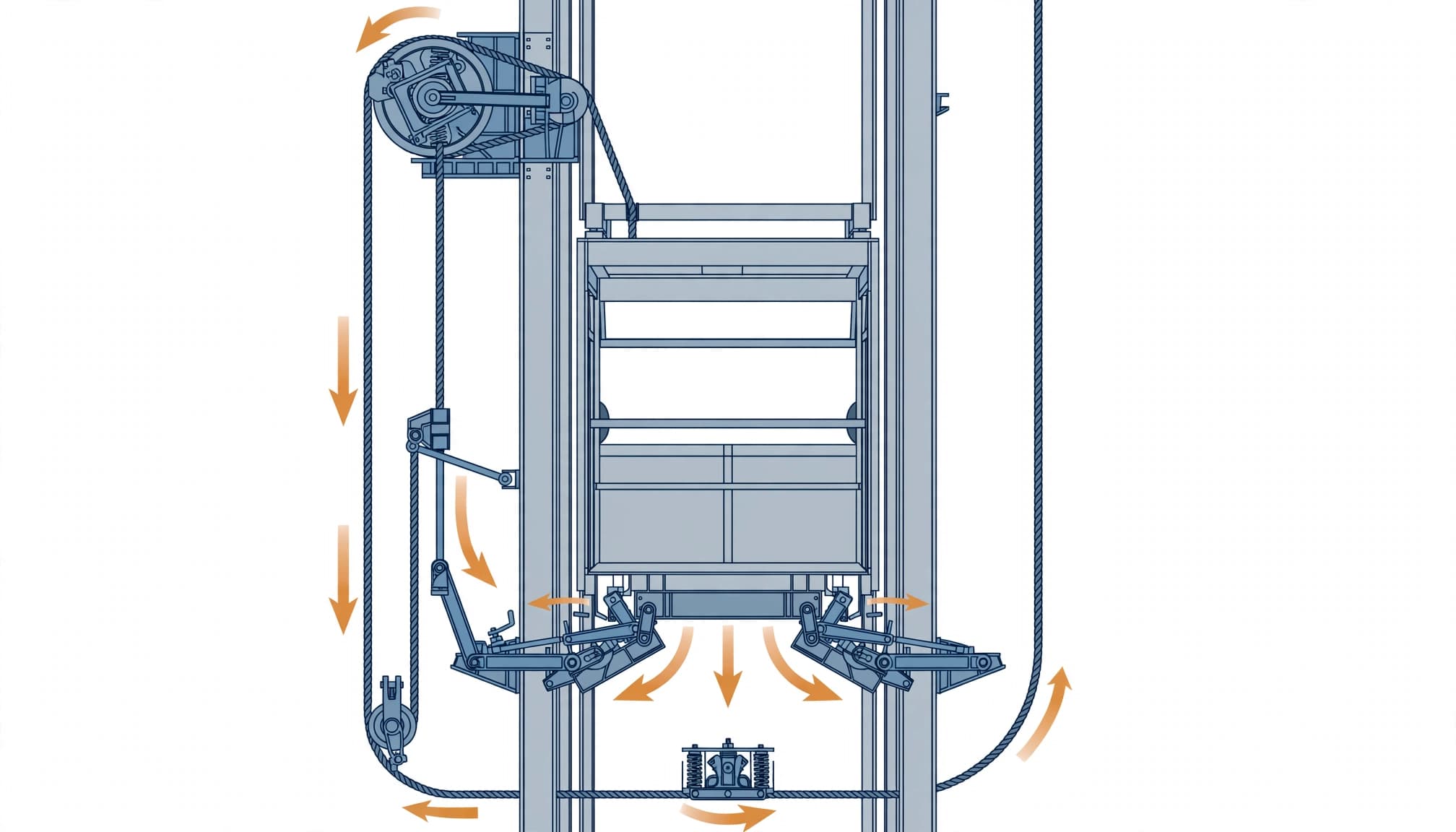
The governor, governor rope, and safety gear have different jobs. Together, they connect speed monitoring to a means of stopping certain uncontrolled movements.

The governor rope follows car movement

On a conventional governor arrangement, a separate governor rope moves with the elevator car. That movement allows the governor to monitor the car's speed.

The governor rope has a different purpose than the suspension ropes that support the car in a traction elevator. Its role is part of the speed-monitoring and safety arrangement. The exact components and layout depend on the elevator design.

The safety gear grips the guide rails

Safety gear is the equipment that can grip the elevator's guide rails during an overspeed event. A mechanical connection allows the governor to trip that gear when it detects excessive speed.

The gear and rails must be suited to the elevator's design, including its load and operating speed. Depending on the system, car safety equipment may protect against excessive movement in one direction or both directions.

How a Governor Differs From Other Elevator Safeguards

People sometimes use "safety brake" to describe several elevator components. Each one has a separate purpose, so it's helpful to distinguish the governor from the equipment that stops or holds the car.

The machine brake handles normal stops

A machine brake, also called a hoist or drive brake, helps stop and hold the car during regular operation. In many traction systems, it applies when power is removed and releases when the control system supplies power.

That brake helps keep the car stationary at a landing. The governor and car safety gear address a different condition: movement at an excessive speed. Our explanation of outdoor elevator braking systems covers how these devices fit into a broader safety system.

Interlocks and alarms have separate jobs

Door and gate interlocks help prevent travel when an entrance isn't secured. Limit switches identify the ends of travel, while emergency controls and communication equipment help address a shutdown.

For example, an alarm can attract attention when a passenger needs help, but it doesn't perform the governor's speed-monitoring job. Likewise, safety gear doesn't provide a way to speak with a responder.

Do All Cargo Lifts and Elevators Use a Governor?

Not every lift uses the same governor, rope, and safety-gear arrangement. The protective equipment depends on the lift's design and intended use.

A hydraulic elevator may rely on hydraulic valves or other protective devices as part of its safety system. A vertical platform lift follows a different equipment design than a conventional passenger elevator. Cargo lifts also have controls and safeguards suited to their intended application.

When choosing equipment, start with what it needs to carry. A cargo lift intended for materials shouldn't carry people unless it's designed and approved for passenger use. A passenger elevator needs a safety arrangement suited to occupied travel, including appropriate entrances and emergency provisions.

Why Professional Maintenance Matters

A governor and its related safety equipment need professional attention throughout the lift's life. Qualified elevator technicians can inspect the components as part of the complete system, rather than judging them by appearance alone.

Service may include examining the governor, rope, safety gear, guide rails, and related connections. The technician also considers the brake, controls, and other devices that affect safe operation. Testing and adjustments belong to qualified personnel because the equipment must work together as designed.

Outdoor installations face additional exposure. Moisture, windblown debris, and coastal salt air can affect metal parts, connections, and moving components. Keeping service records helps owners track conditions and repairs over time. For equipment returning to use after a long shutdown, seasonal lift maintenance is also worth planning.

What to Do After an Elevator Shutdown

If an elevator stops unexpectedly, keep it out of service and contact a qualified service provider. Don't attempt to release a brake, bypass a safety device, or reset equipment to force the car to move.

Passengers stopped between floors should stay inside unless emergency responders direct them to leave. Use the alarm or emergency phone if available, and call emergency services when necessary. Climbing out between landings can expose a passenger to a fall or moving equipment.

Choose a Lift With the Right Safety System

An elevator overspeed governor monitors car speed and can trip safety gear when movement exceeds its set limit. The governor rope and safety gear have their own roles within that arrangement.

The complete safety system matters when choosing a lift. Select equipment designed for its intended passengers or materials, and keep its protective devices under qualified professional care.

Recent Posts

By Veranda 'Vator • November 11, 2026
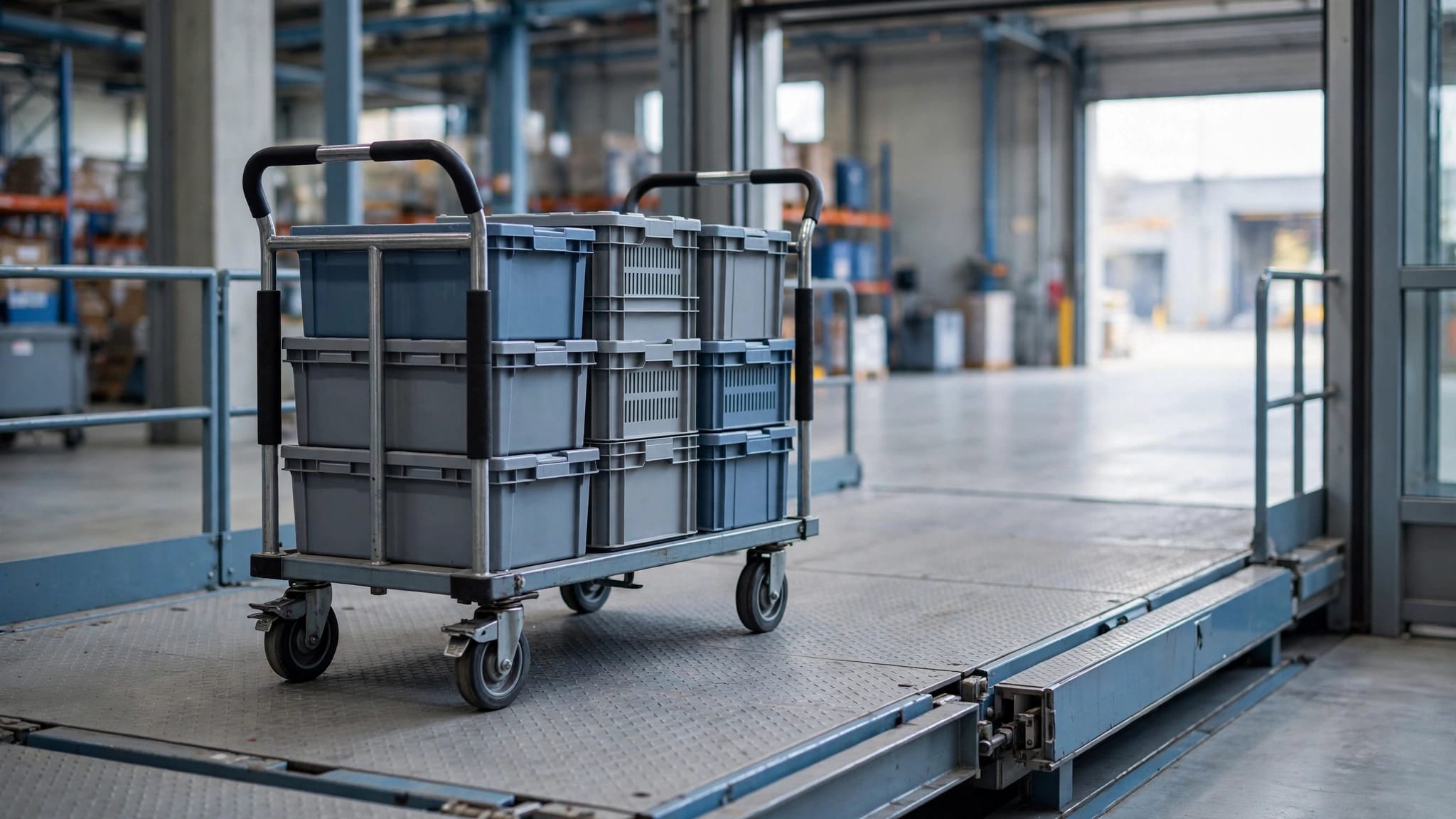
Cargo lift sizing starts with the largest loaded cart or bin you need to move, then accounts for its weight, dimensions, and route onto the platform. The right lift needs enough usable floor space and a clear opening, as well as a capacity rating that covers the entire load. T...
By Veranda 'Vator • November 10, 2026
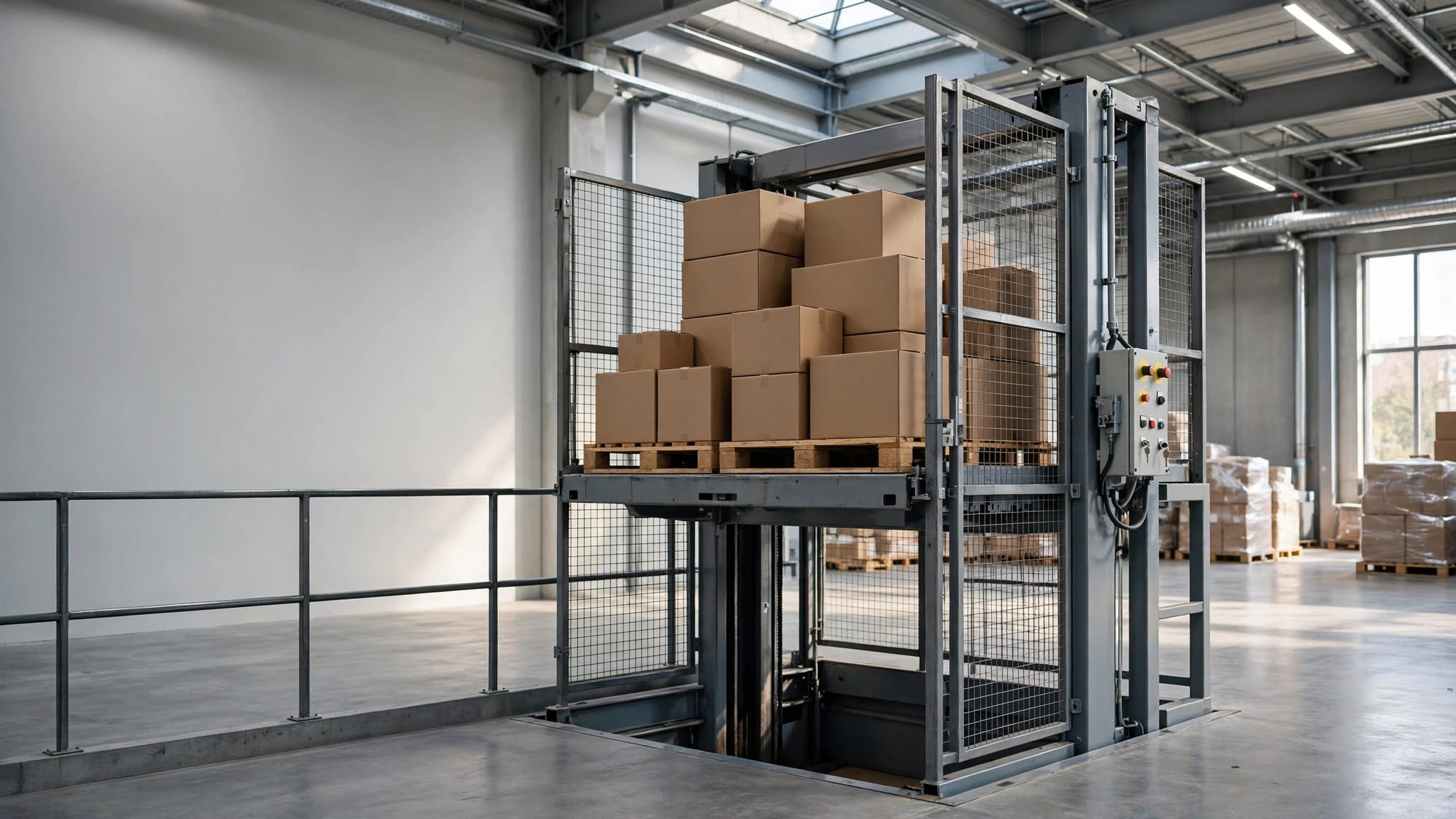
Workers shouldn't ride a cargo lift that is rated for materials only. A platform may have enough room and weight capacity for a person, but that doesn't mean it has the protections or approval required for occupied travel. For cargo lift safety , the deciding factor is the equ...

By Veranda 'Vator • November 9, 2026
Residential elevator pit depth depends on the lift model and its installation requirements. Some designs need a recessed space below the lowest landing, while others may use a different arrangement. For homeowners, the pit is a construction detail as well as an equipment dimen...
By Veranda 'Vator • November 8, 2026
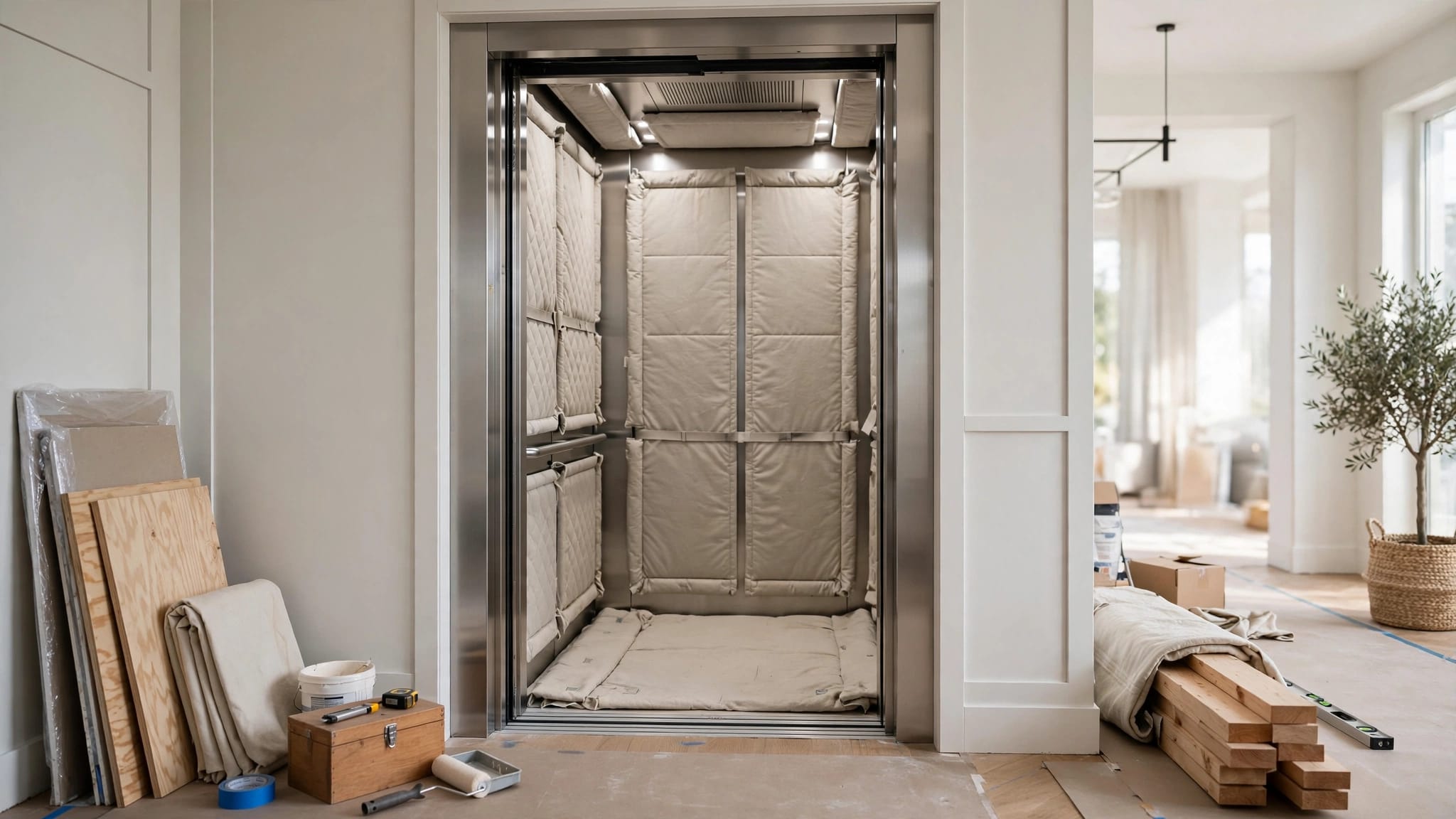
To prepare a home elevator for a major renovation, involve your elevator service provider and contractor before construction starts. Together, they can plan the shutdown, protect the equipment, and schedule its return to service. Your household's access deserves attention too,...

By Veranda 'Vator • November 7, 2026
Yes, a residential elevator can be installed in a home with a crawl space, provided the site and the selected equipment can be supported by an appropriate structural design. The crawl space doesn't automatically prevent an installation, but it can affect the work beneath the e...
By Veranda 'Vator • November 6, 2026
An elevator fire alarm signal may trigger automatic recall , taking an elevator out of normal passenger service. The response depends on the building's fire alarm system and the elevator's controls, so an alarm doesn't produce the same result in every installation. For people...
By Veranda 'Vator • November 5, 2026
Elevator cabinet condensation occurs when humid air meets a cool surface inside an outdoor control enclosure. The resulting moisture can collect near electrical components, even when rain never reaches the cabinet. For owners of cargo lifts and passenger elevators, a dry-looki...

By Veranda 'Vator • November 4, 2026
Yes, you can add an elevator to many historic houses. The project succeeds when the equipment fits the available space , meets your access needs, and protects the features that make the house significant. A historic home elevator may require more planning than an elevator in a...
By Veranda 'Vator • November 3, 2026
An elevator controller receives travel requests, checks operating conditions, and coordinates the equipment that moves and stops the car. During a normal trip, it also responds to signals from doors, landing devices, and other components. The controller depends on separate saf...
By Veranda 'Vator • November 2, 2026
A freight lift moves goods between warehouse floors, while a forklift handles horizontal transport, stacking, and loading. For many multilevel warehouses, the practical answer is both : a forklift brings goods to a landing, and a lift carries them to another level. The right s...
Show More