How Outdoor Elevator Safety Brakes Protect Passengers

Share this article

An elevator can lose power, experience a control fault, or encounter unexpected movement without warning. Outdoor elevator safety brakes help control those risks by slowing or holding the car when normal operation changes.

However, a brake isn't the only protection between passengers and a dangerous event. Door interlocks, overspeed devices, guide rails, emergency controls, structural supports, and regular inspections all work together. The exact setup depends on whether the lift is a passenger elevator, cargo lift, hydraulic system, traction system, or vertical platform lift.

Understanding how these parts work helps property owners choose the right equipment and recognize why qualified maintenance matters.

Key Takeaways

  • A service brake holds the elevator at a landing, while a safety gear system can stop unintended car movement in certain emergencies.
  • Outdoor conditions such as salt air, rain, wind, and debris can affect brake and safety components.
  • Brakes are one layer of protection, alongside doors, gates, sensors, cables, guide rails, and emergency controls.
  • Passenger elevators and cargo lifts have different safety requirements. A material lift isn't automatically approved for riders.
  • Only qualified elevator technicians should inspect, adjust, or test braking equipment.

What an Outdoor Elevator Safety Brake Actually Does

People often use "safety brake" as a broad term. In practice, an elevator may have several braking and movement-control devices, each with a different job.

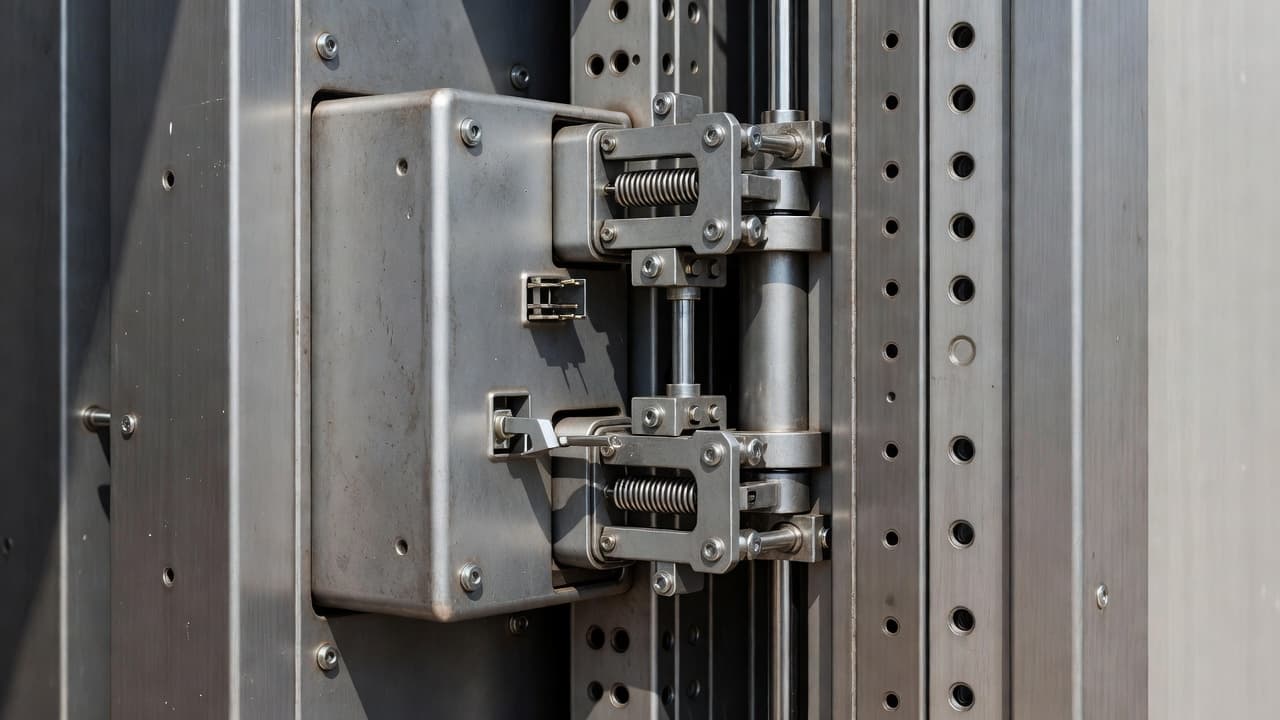
A machine brake , also called a hoist or drive brake, controls the elevator's normal stopping and holding action. In many traction systems, this brake applies when power is removed and releases when the control system supplies power. It helps keep the car stationary at a landing and prevents movement while passengers enter or exit.

A separate car safety system can protect against excessive downward or upward movement, depending on the elevator design. On many traction elevators, an overspeed governor monitors car speed. If the car travels beyond a set limit, the governor can trigger safety gear that grips the guide rails.

These parts don't all appear on every type of outdoor lift. A hydraulic elevator may use a hydraulic valve, pipe rupture valve, or other protective device. A vertical platform lift follows a different equipment design and standard than a conventional passenger elevator. The manufacturer and applicable code determine which safeguards the lift requires.

The distinction matters because a brake designed to hold a car at a floor isn't the same as a device designed to stop an overspeed event. Both support passenger safety, but they respond to different conditions.

Before selecting equipment, review the cargo lift versus passenger elevator comparison. The intended use affects the controls, enclosure, doors, load rating, and safety systems.

How Braking Systems Respond to Unexpected Movement

An elevator brake works within a sequence of mechanical and electrical controls. Under normal conditions, the controller receives a call, checks that the doors are closed and locked, and sends power to the drive system. The brake releases, the car moves, and the brake reapplies when the car reaches the target landing.

When the control system removes power, a properly designed holding brake returns to its applied position. This response helps keep the car in place during a power interruption or control shutdown. The brake doesn't need a passenger to activate a separate switch.

A more serious event may involve the overspeed governor and car safety gear. If the governor detects excessive speed, it can trip a mechanical linkage. The safety gear then presses against the guide rails and brings the car to a controlled stop. The design must match the elevator's speed, load, rail type, and operating system.

The following components have separate roles:

Component Main role Typical response
Machine or hoist brake Holds the car and controls normal stops Applies when the drive stops or power is removed
Overspeed governor Detects excessive car speed Trips the car safety mechanism
Car safety gear Stops certain uncontrolled movements Engages against the guide rails
Door or gate interlock Prevents travel with an open entrance Blocks movement until the entrance is secured
Emergency stop control Stops operation during an emergency Interrupts normal operation for service or rescue procedures

The table shows why no single brake should carry the full safety burden. The systems must work together, and each one must remain compatible with the elevator's design.

The brake housing, guide rails, switches, cables, and connections all need the correct alignment and condition. A component that looks sound from the ground may still need professional measurement or adjustment.

Why Outdoor Elevators Face Extra Brake Challenges

An indoor elevator operates in a relatively controlled environment. An exterior lift faces moisture, temperature changes, windblown debris, sunlight, and, in coastal areas, salt-laden air. Those conditions can affect metal surfaces, electrical connections, moving linkages, door hardware, and brake components.

Corrosion is a particular concern near the ocean. Salt deposits can attack exposed metal and make moving parts harder to inspect or operate. Water that enters a housing, control cabinet, or connection point can also create electrical faults. Outdoor equipment needs materials, finishes, drainage, seals, and enclosures suited to its location.

Weather exposure doesn't mean a brake will fail. It means the installation needs a maintenance plan that accounts for the environment. A lift beside a Florida beach home may require different inspection attention than one installed in a dry inland climate.

Wind also affects the elevator enclosure and doors. Strong gusts can place pressure on gates, panels, and landing entrances. The supporting structure must remain stable, and the doors must close and lock correctly before travel begins.

Owners should ask the installer how the selected system addresses:

  • Salt air and corrosion exposure
  • Rainwater drainage and splash protection
  • Wind loads on the shaft or enclosure
  • Electrical protection during storms and outages
  • Access for inspection and future service
  • Materials suitable for the property's climate

The Florida coastal outdoor elevator safety codes are a useful reference for owners planning an installation in a beach or waterfront setting. Local building, electrical, and elevator requirements may all affect the project.

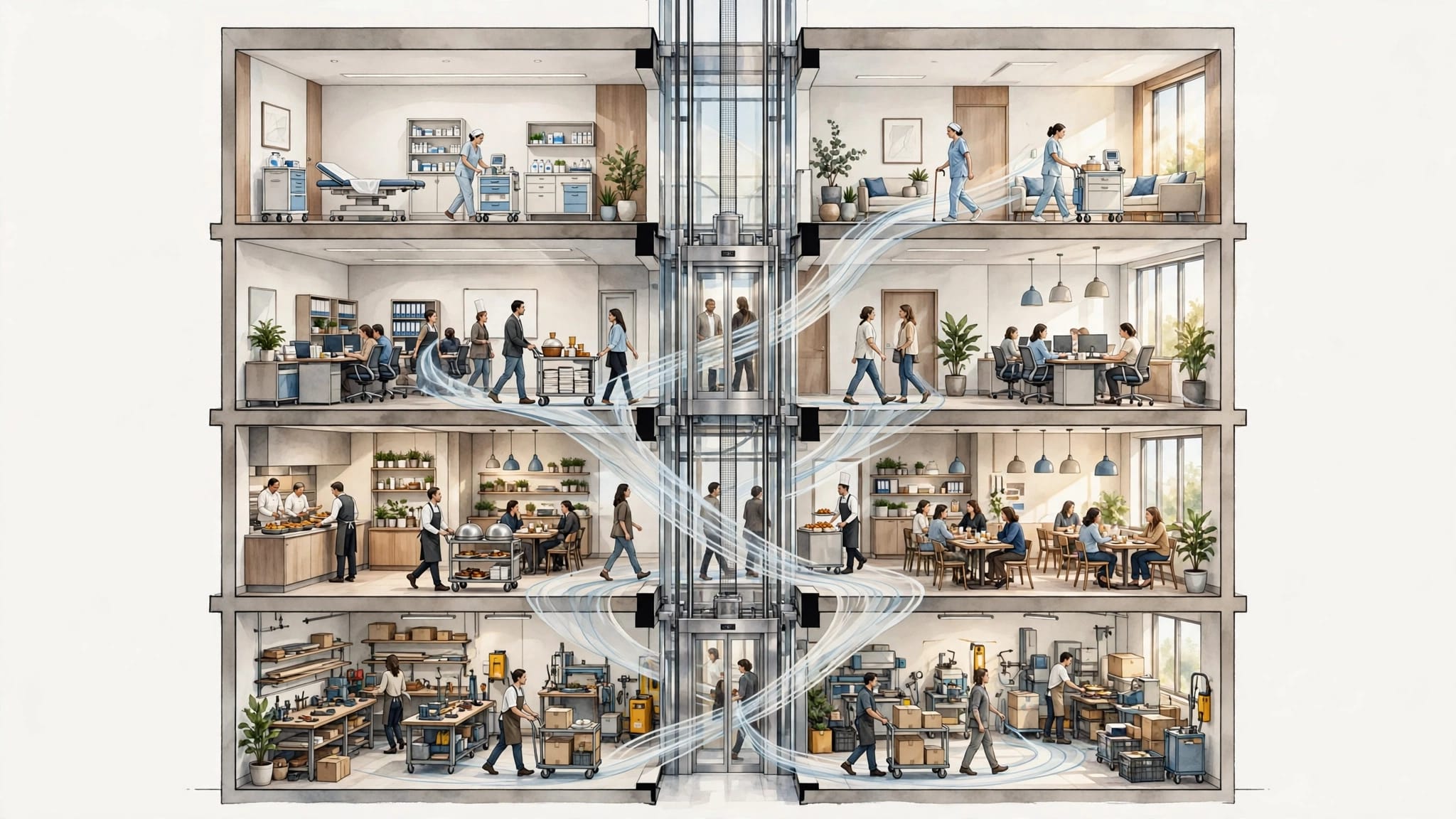
Safety Brakes Are One Layer of Passenger Protection

A brake can only work as part of a complete safety system. If an elevator's doors open while the car is away from a landing, door interlocks should prevent travel or stop operation according to the equipment design. Gates and landing doors also keep passengers away from the hoistway and moving equipment.

Guide rails give the car a defined path. Cables, sheaves, chains, hydraulic components, and structural connections carry loads and control movement. Limit switches help stop the car at the top and bottom of its travel. Emergency lighting, alarms, communication equipment, and manual rescue procedures address situations where passengers need help after a shutdown.

Load control matters as well. A passenger elevator should carry only its rated capacity, and riders should distribute themselves as the manufacturer directs. Heavy carts, construction materials, or equipment can change how the lift starts, stops, and loads its structure.

A cargo lift deserves special attention because its safety configuration is intended for materials, not necessarily people. Even if a cargo platform appears large enough for a person, that doesn't make it a passenger elevator. An owner who needs to move residents, guests, workers, or wheelchair users should select equipment designed and approved for passenger travel.

For waterfront properties, safe material transport with exterior cargo lifts can reduce the need to carry heavy items on stairs. Riders still need a separate passenger-compliant solution when people must travel between levels.

Property managers should also set clear operating rules. Passengers shouldn't bypass gates, hold doors open with tools, exceed the posted capacity, or use the lift during a known fault. If the elevator makes an unusual noise, stops unevenly, shows a fault, or fails to close a gate, remove it from service and contact the responsible service provider.

How Professional Inspection Protects Brake Performance

Elevator brakes need more than a visual check. A qualified technician evaluates the brake assembly, drive system, governor, safety gear, guide rails, cables, switches, doors, gates, and controls as a connected system.

During scheduled service, the technician may inspect brake wear surfaces, springs, pins, linkages, clearances, electrical releases, and mounting hardware. The technician also checks whether the car stops and levels within the limits required for that equipment. Testing methods must follow the manufacturer's instructions and applicable safety codes.

Outdoor installations deserve service records that identify the inspection date, observed condition, repairs, adjustments, and any parts replaced. Clear records help owners track recurring problems and show when the next service is due. They also give facility managers useful information when multiple staff members oversee the property.

Owners shouldn't attempt to adjust a brake, trip a governor, defeat an interlock, or test a safety device without the required training and equipment. An incorrect adjustment can create a new hazard, damage the lift, or leave a hidden fault unresolved. Brake testing can also involve moving machinery and stored energy.

Before hiring an installer or service company, ask:

  1. Is the equipment designed for passengers, materials, or accessibility use?
  2. Which safety standard applies to the lift?
  3. Who will perform inspections and service?
  4. How will the system handle the property's weather and corrosion exposure?
  5. What happens after a power outage, storm, or safety-device activation?
  6. Which maintenance records and warranty requirements apply?

A reputable provider should answer these questions with equipment-specific information. General claims about brakes aren't enough because the correct safety arrangement depends on the lift model and installation.

Choosing an Outdoor Lift With the Right Safety Design

Safety starts before installation. The owner, architect, contractor, and elevator provider need to define who will use the lift, what it will carry, how often it will operate, and where it will be installed.

A passenger elevator needs passenger-rated controls, entrances, protection from the hoistway, and safety devices that match its approved design. A vertical platform lift may suit wheelchair access over limited travel distances. A cargo lift may be the right choice for groceries, tools, luggage, or building materials, but it shouldn't carry people unless the manufacturer has expressly designed and approved it for that use.

Capacity is another planning issue. A lift rated for 750 or 1,000 pounds still has a defined operating envelope. The load rating doesn't replace proper loading practices, secure gates, or regular service. Commercial properties may also need additional procedures for staff, contractors, and public users.

Outdoor construction adds structural questions. The shaft, tower, landing supports, attachment points, and electrical installation must suit local wind and weather conditions. Coastal projects may need corrosion-resistant materials and a service plan that addresses salt exposure.

Ask for documentation covering the model, rated use, applicable standard, emergency operation, inspection schedule, warranty, and service coverage. Review those details before construction begins, not after the lift arrives.

A well-planned system gives passengers several independent protections. The brake is one of them, but safe travel also depends on the right equipment, correct installation, sound structure, secure doors, and trained service personnel.

Conclusion

Outdoor elevator safety brakes help hold the car during normal stops and respond to certain faults, but they don't protect passengers alone. Door interlocks, governors, guide rails, safety gear, controls, structural supports, and emergency systems must all match the lift's intended use.

Weather exposure adds another responsibility for property owners and facility managers. Professional inspections, accurate service records, and qualified repairs help keep the complete system ready for operation. When the opening question is whether a brake can protect passengers, the strongest answer is a properly selected and maintained elevator with every safety layer working together.

Recent Posts

By Veranda 'Vator July 20, 2026
An outdoor elevator can fit a home perfectly on paper and still fail during installation because of one missed dimension, utility, or drainage problem. A careful outdoor elevator site survey turns the property into verified information that the manufacturer, engineer, electric...
By Veranda 'Vator July 19, 2026
Stairs become a daily obstacle when a home has multiple levels, an elevated entry, or a coastal design built above flood risk. The right lift can carry people safely, while also moving groceries, luggage, tools, and mobility equipment between floors. Outdoor passenger elevator...
By Veranda 'Vator July 18, 2026
Salt air can shorten the service life of an outdoor elevator long before corrosion becomes obvious. Tiny chloride particles settle on metal, wiring, moving parts, and protective finishes, then react with moisture every time the surface gets damp. That process affects both carg...
By Veranda 'Vator July 17, 2026
Water can turn a reliable outdoor lift into a costly repair project when it reaches the pit, controls, or supporting structure. Exterior elevator drainage starts with site grading, not with a pump installed after construction. Property owners and project decision-makers should...
By Veranda 'Vator July 16, 2026
Moving dock supplies by stairs, ladders, or narrow walkways can turn a routine task into a daily safety concern. Heavy coolers, dock boxes, tools, batteries, hoses, and maintenance equipment become harder to control when surfaces are wet or access points sit above the shorelin...
By Veranda 'Vator July 15, 2026
An exterior elevator can make an elevated home easier to use, but the landing gate deserves the same attention as the lift itself. Without a properly designed barrier, an open shaft or platform can create a serious fall hazard. The right exterior elevator gates protect family...
By Veranda 'Vator July 14, 2026
A hurricane can turn loose outdoor furniture into flying debris, push rain into electrical equipment, and leave floodwater around a lift shaft or platform. A practical outdoor home lift hurricane preparation plan protects the equipment and gives your household clear instructio...
By Veranda 'Vator July 13, 2026
Living in elevated homes solves the critical challenge of keeping living areas safely above storm surges and potential floodwater, but this architectural choice often creates a new daily inconvenience. Transporting groceries, patio furniture, heavy tools, and luggage up multip...
By Veranda 'Vator July 12, 2026
An exterior elevator can stop within seconds of a power failure, even when the rest of a building still has limited electricity. The car may remain at a landing, stop between floors, or move to a safe floor if an approved emergency system is installed. The response depends on...
By Veranda 'Vator July 11, 2026
A coastal home can look perfect on paper until you need to move a wheelchair, cooler, appliance, or suitcase between levels. In multi-story residences, stairs, narrow landings, and salt air can quickly transform your elevated home into a serious access problem. A beach house e...
Show More