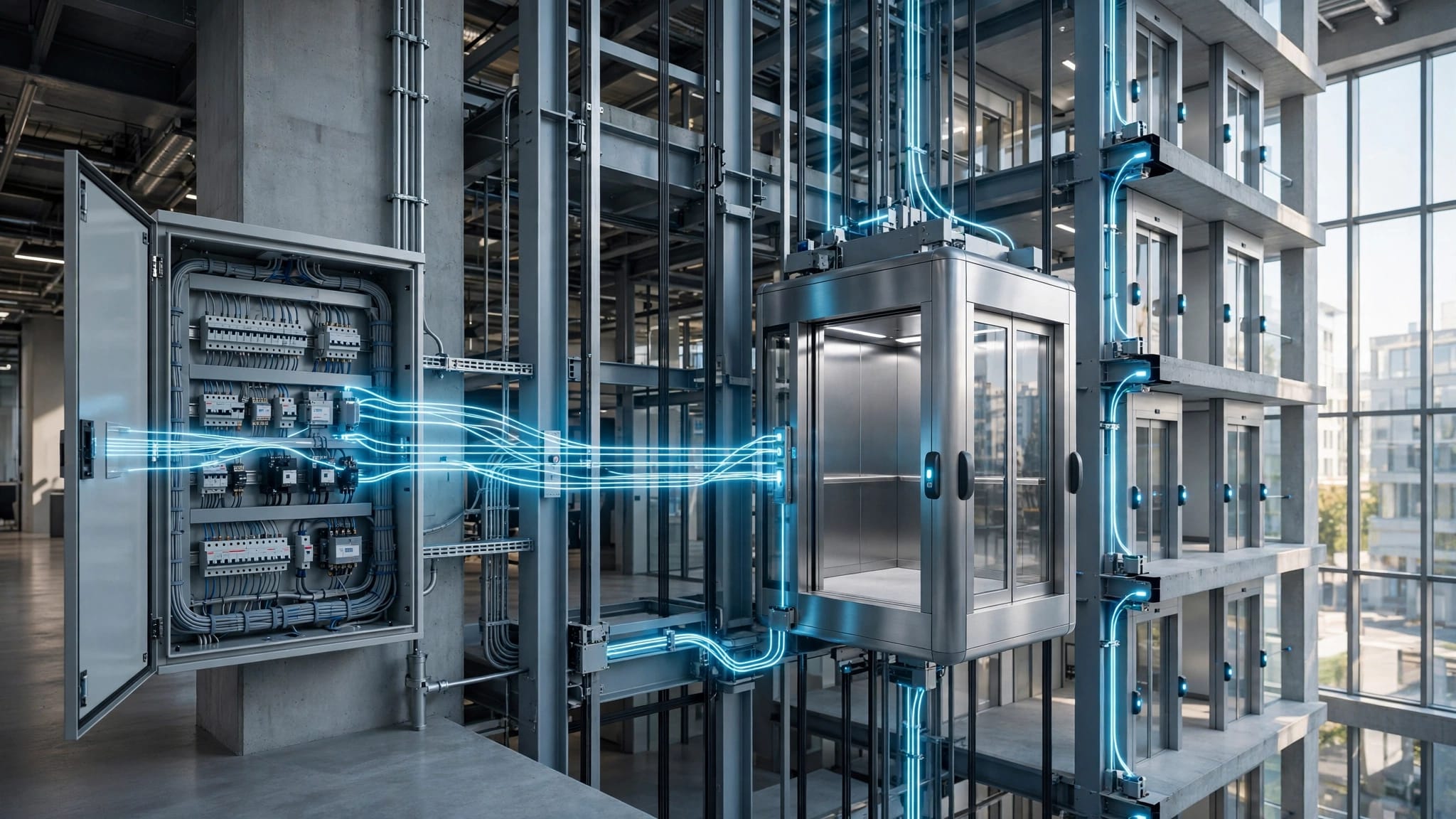
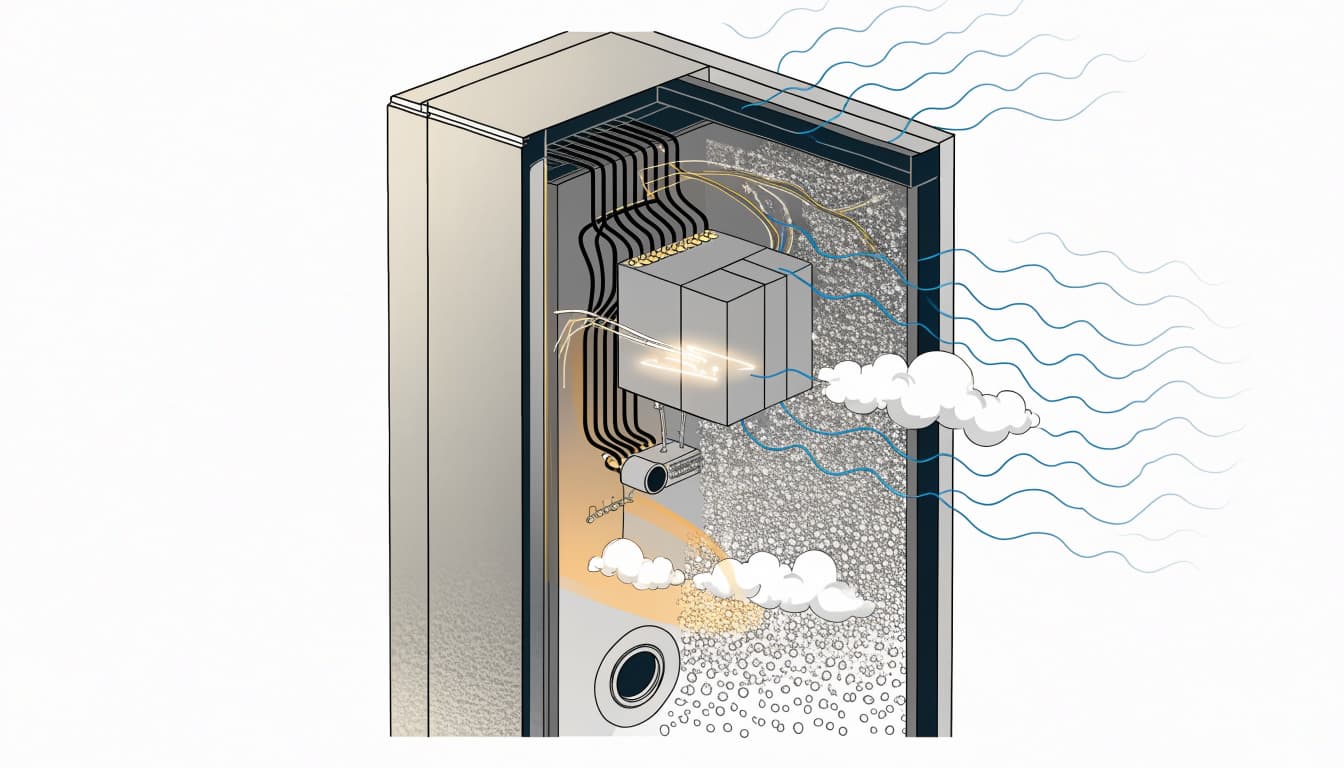
Elevator cabinet condensation occurs when humid air meets a cool surface inside an outdoor control enclosure. The resulting moisture can collect near electrical components, even when rain never reaches the cabinet.
For owners of cargo lifts and passenger elevators, a dry-looking exterior doesn't rule out a problem inside. Understanding how moisture forms can help you recognize warning signs and get the right service.
Why Condensation Forms Inside the Cabinet
Outdoor elevator controls can encounter humid air even when they're protected by a cover. Once that air reaches a cool surface inside the cabinet, water can form on the surface.
Humid Air Meets a Cool Surface
Coastal properties are especially familiar with humid air. When it reaches a cooler cabinet wall or another cool component, moisture can collect inside the enclosure without any direct rainfall.
Condensation can also occur in conduit runs and other protected spaces. A cabinet's exterior may look dry while moisture remains out of sight near wiring or connections.
A Cover Can Trap Moisture
A cover can help shield equipment from rain and sunlight. However, a poorly ventilated cover may also trap heat and moisture around the controls. Blocking an opening that the lift needs can create problems, even if the cover looks more protective.
The right arrangement depends on the equipment's design. Our guide to outdoor lift enclosures and weather covers compares ways to protect an exterior lift.
Condensation Isn't the Only Source of Cabinet Moisture
Water inside a control enclosure doesn't always come from condensation. Rain intrusion and water collecting in nearby areas can also create damp conditions. Identifying the source helps a technician choose an appropriate repair.
Wind-Driven Rain Can Enter Through Openings
Wind can push rain against door seams, damaged seals, cable penetrations, conduit entries, and poorly sealed fittings. Water may also reach a cabinet from above if its location or cover allows runoff to collect.
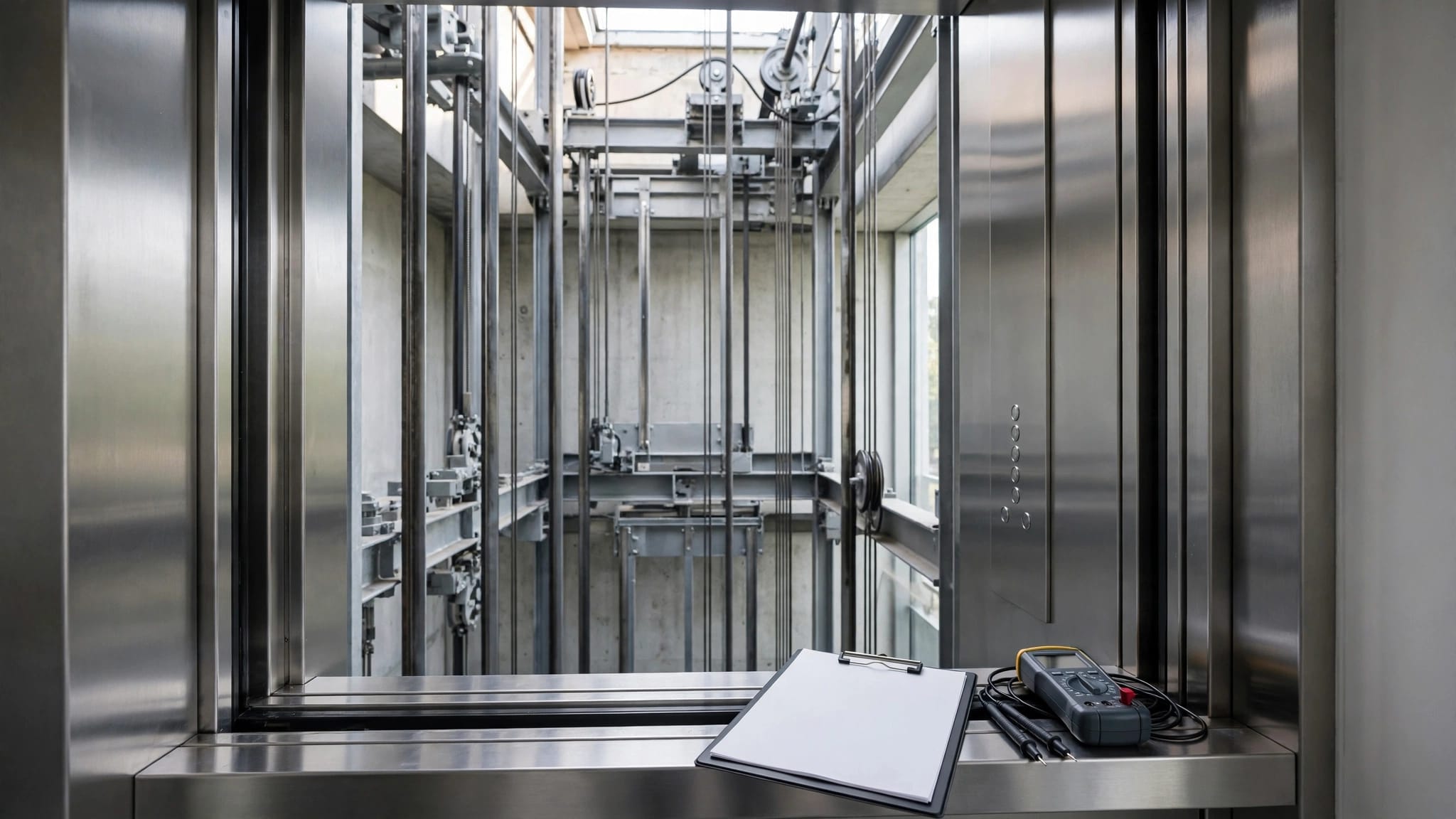
A technician can inspect these areas as part of the service visit. Our overview of coastal outdoor elevator electrical requirements covers enclosure and wiring considerations.
Drainage Around the Lift Matters
A protected cabinet can still sit near a wet landing or standing water. Downspouts, roof runoff, irrigation spray, and a slab that slopes toward equipment can all increase exposure.
Keep visible drainage paths clear and report recurring pooling near the lift. Don't direct a hose or pressure washer at the cabinet, controls, or electrical connections.
What Moisture Can Do to Elevator Controls
Moisture can affect terminals, switches, wiring connections, and circuit boards. In coastal areas, salt deposits add to the concern because salt and water speed corrosion on exposed metal.
Early damage isn't always visible outside the enclosure. Corrosion can develop around a connection before an owner sees a problem. White residue, discolored hardware, bubbling paint, or pitting on accessible exterior surfaces are reasons to request service.
A lift may also stop intermittently or show a fault involving a door, communication, low voltage, or a safety circuit. Moisture is one possible cause, but those symptoms don't establish a diagnosis on their own.
A fault that clears after dry weather still deserves attention. Moisture may have left corrosion or damage behind.
How to Reduce Condensation Risks
Moisture protection works best when the cabinet, its surroundings, and the lift's service plan are considered together. An enclosure needs protection from the weather while preserving the functions required by the equipment.
Protect the Equipment Without Altering It
Use the cover and enclosure configuration approved for your lift. A canopy or weather hood may reduce direct exposure, but it doesn't replace suitable seals, fittings, and wiring protection.
Don't drill drain holes or add a heater, vent, sealant, or replacement cover on your own. An improvised change can interfere with the equipment's protection or operation. A qualified technician can identify manufacturer-approved options for the installation.
Keep Water Away From the Lift
Look for water that collects at landings or near the cabinet after rain. Also pay attention to downspouts or irrigation that spray the equipment.
A builder or contractor can address runoff that repeatedly reaches the lift. Meanwhile, a qualified elevator technician can assess the controls and related components. For waterfront properties, salt-air damage to outdoor elevators explains why corrosion protection and service both matter.
What to Do If You Suspect Moisture
If the lift shows an error, operates unreliably, or has visible water damage near the controls, keep it out of service and contact a qualified elevator technician. Don't repeatedly restart it to see whether the problem clears.
You can record the error code and photograph visible damage from a safe location. Tell the technician when the issue occurred and whether you noticed rain, standing water, or other relevant conditions.
Don't open the control cabinet , remove covers, spray cleaner or lubricant into the equipment, or try to dry internal parts yourself. Those actions can expose you to electrical hazards or push moisture farther into components.
If someone is trapped in a passenger elevator, contact emergency personnel and follow the building's emergency procedure. Don't force the doors or attempt a rescue yourself.
Protecting Your Outdoor Lift
Condensation can form inside a protected cabinet when humid air contacts a cool surface. Rain intrusion and poor drainage can add moisture through separate paths.
Keep the area around your lift clear of standing water, and treat faults or visible damage as reasons for professional service. A dry exterior alone isn't proof that the controls are dry inside.
Recent Posts