
What Does a Home Elevator Overload Sensor Do?

Share this article

A home elevator overload sensor detects when the load exceeds the elevator's rated capacity. It gives the control system information that helps protect the lift from carrying too much weight.

For riders, the practical rule is simple: count everything in the car , including people, mobility devices, and belongings. If there's too much weight, reduce the load only when the elevator is safely at a landing.

How an Overload Sensor Detects Excess Weight

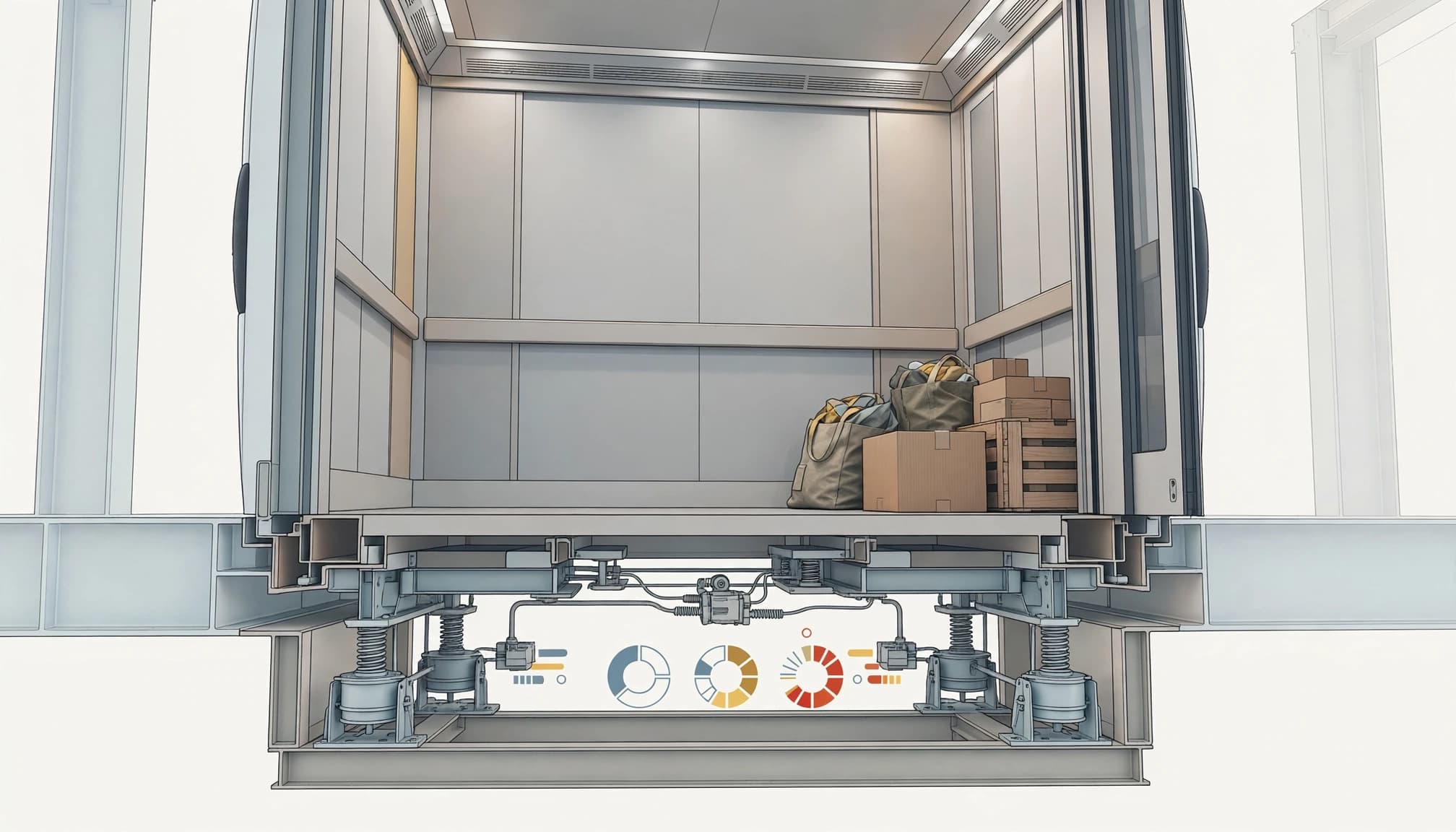
An overload sensor monitors the load in the elevator car. The system compares that information with the lift's permitted load so it can identify an excessive amount of weight.

This illustration is conceptual. Sensor designs vary by model.

What Counts Toward the Load

The load includes every person in the car and anything traveling with them. A wheelchair, mobility aid, pet, suitcase, or bag of groceries all add weight.

It's easy to focus on the number of riders and overlook what they're carrying. A caregiver helping a wheelchair user, for example, must be included along with the wheelchair and any other items in the car. Consider the combined load before starting the trip.

Why the Sensor Is Only One Safeguard

The sensor supports safe use, but it doesn't replace the rated capacity or proper loading habits. Riders should stay within the elevator's stated limit on every trip rather than depend on the sensor to judge whether a load is appropriate.

Sensor designs and weight limits vary by model. Some lifts may have different safety configurations, so don't assume every home elevator has the same overload protection.

Understanding Your Elevator's Rated Capacity

The rated capacity is the maximum load the elevator is designed to carry. It applies to the combined weight in the car, not to each person or item separately.

Find the Limit for Your Lift

The elevator's capacity is generally listed on its equipment label and in its operating documentation. Use the rating for your installed model rather than a number associated with a different home elevator.

A larger-looking car doesn't necessarily have a higher capacity. Likewise, the amount of floor space left after loading doesn't tell you how much weight the lift can safely carry.

Plan for Your Heaviest Routine Trip

Consider how the elevator is used on an ordinary busy day. Someone traveling with a wheelchair and a caregiver may need more capacity than one person traveling alone. Luggage and household supplies add weight too.

If the combined load would exceed the limit, divide it into separate trips. Keep belongings inside the car and away from the door or gate.

What to Do When the Elevator Is Overloaded

If you know the load exceeds the limit and the elevator is safely at a landing, reduce the weight before attempting another trip. Follow these steps:

  1. Allow a passenger to exit or remove some belongings.
  2. Move the removed items clear of the entrance and landing.
  3. Keep the remaining load within the rated capacity, with items positioned as the manufacturer directs.
  4. Close the door or gate normally before using the elevator again.

Don't ask a rider to step out unless the car is safely at a landing and the exit is usable. Never force a door or gate to remove items.

If the elevator stops between floors, stay inside and use the emergency communication equipment . Don't climb out, shift cargo, or attempt a technical rescue. Contact qualified help, and call emergency services if there's an immediate danger or medical emergency.

When an Elevator Needs Professional Service

Reducing a load is appropriate when the elevator is safely accessible and excess weight is the issue. Other problems require a different response.

Signs That Call for a Technician

Stop using the lift if it behaves unpredictably, makes an unusual noise, moves unevenly, or has a damaged gate. Water intrusion and visible corrosion also warrant professional attention, particularly for outdoor equipment.

Tell the service provider what happened and where the elevator stopped. Details about the load and any unusual operation can help a technician assess the problem. Don't remove covers, alter settings, or repeatedly reset protective devices.

How Other Safety Devices Help

An overload sensor addresses the weight being carried. Other components address different risks. For example, elevator door interlocks help secure landing doors and confirm their locked condition before normal travel.

Brakes, controls, and other safety equipment also have distinct jobs. Each part needs proper maintenance, and a problem with one device shouldn't be treated as a simple loading issue.

Match the Lift to the Job

Capacity is important, but so is the equipment's approved purpose. A passenger elevator is designed for people. A cargo lift is intended for materials and shouldn't carry riders unless it is designed and approved for passenger use.

That distinction matters when moving heavy supplies at an elevated home. Our comparison of cargo lifts and passenger elevators covers how their intended uses differ.

For passenger access, allow for the people and equipment that will travel together. The choice between indoor and outdoor home elevators also affects where riders enter and how the lift fits the property.

Keep Every Trip Within the Limit

A home elevator overload sensor helps identify excessive weight, but safe loading starts before the trip. Include riders, mobility equipment, and belongings when considering the total load.

If there's too much weight, make separate trips when the elevator is safely at a landing. For a stalled or malfunctioning lift, leave the equipment to qualified responders and technicians.

Recent Posts

By Veranda 'Vator • November 12, 2026
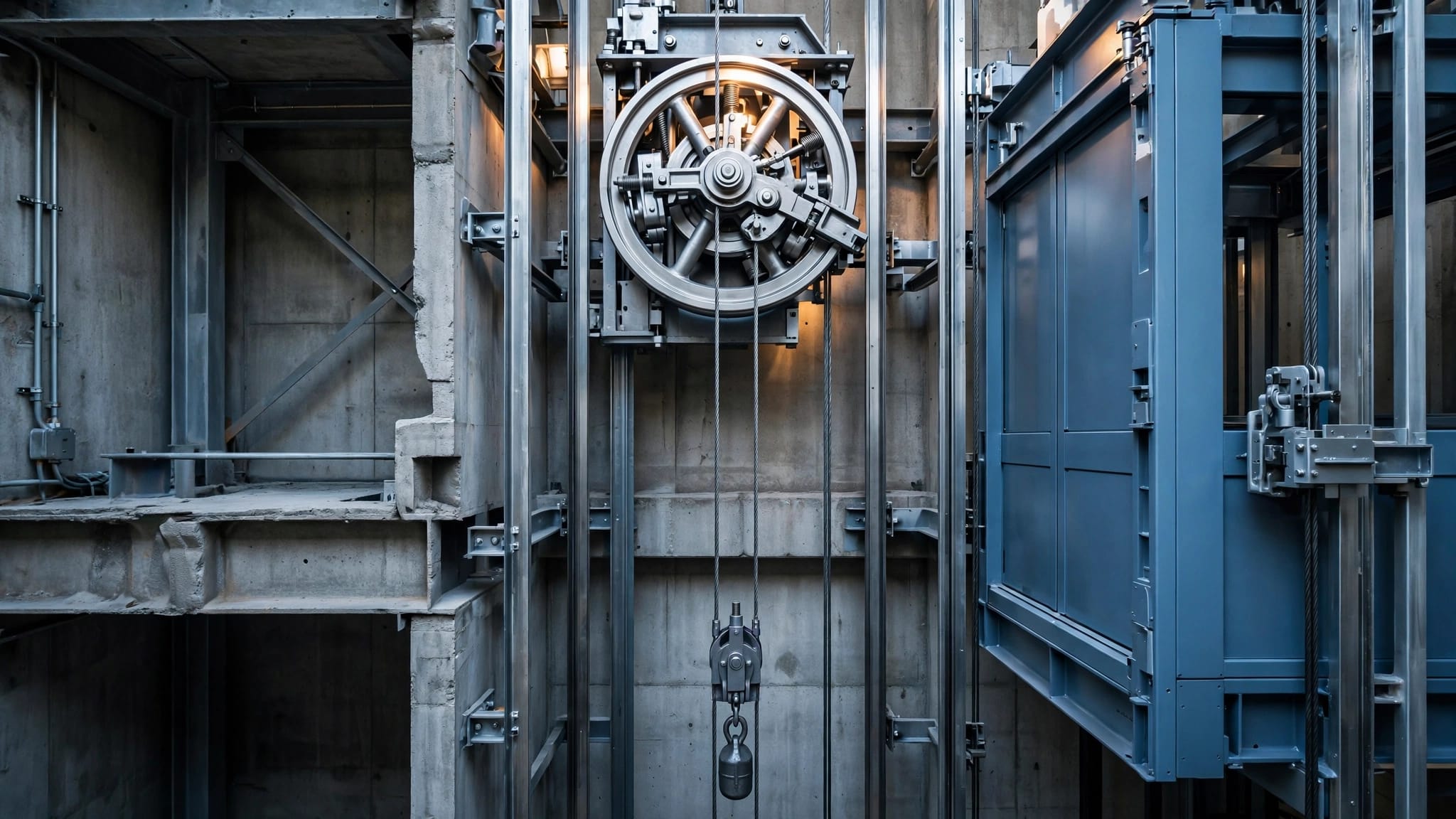
An elevator overspeed governor monitors how fast an elevator car moves and can trigger a safety system if the car travels too fast. Its job is to detect excessive speed , not to handle the elevator's everyday stops. For property owners choosing a passenger elevator or cargo li...
By Veranda 'Vator • November 11, 2026
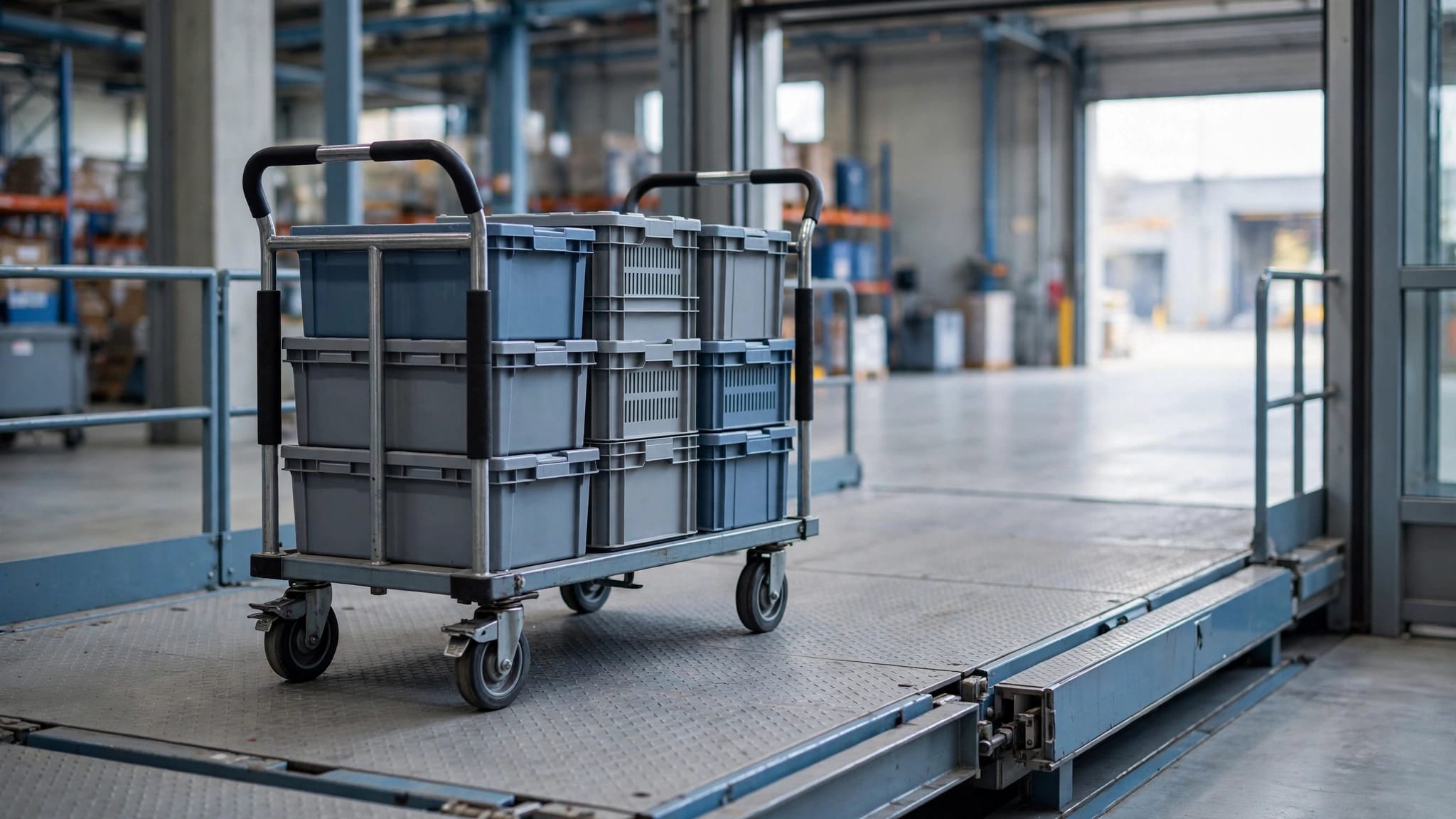
Cargo lift sizing starts with the largest loaded cart or bin you need to move, then accounts for its weight, dimensions, and route onto the platform. The right lift needs enough usable floor space and a clear opening, as well as a capacity rating that covers the entire load. T...
By Veranda 'Vator • November 10, 2026
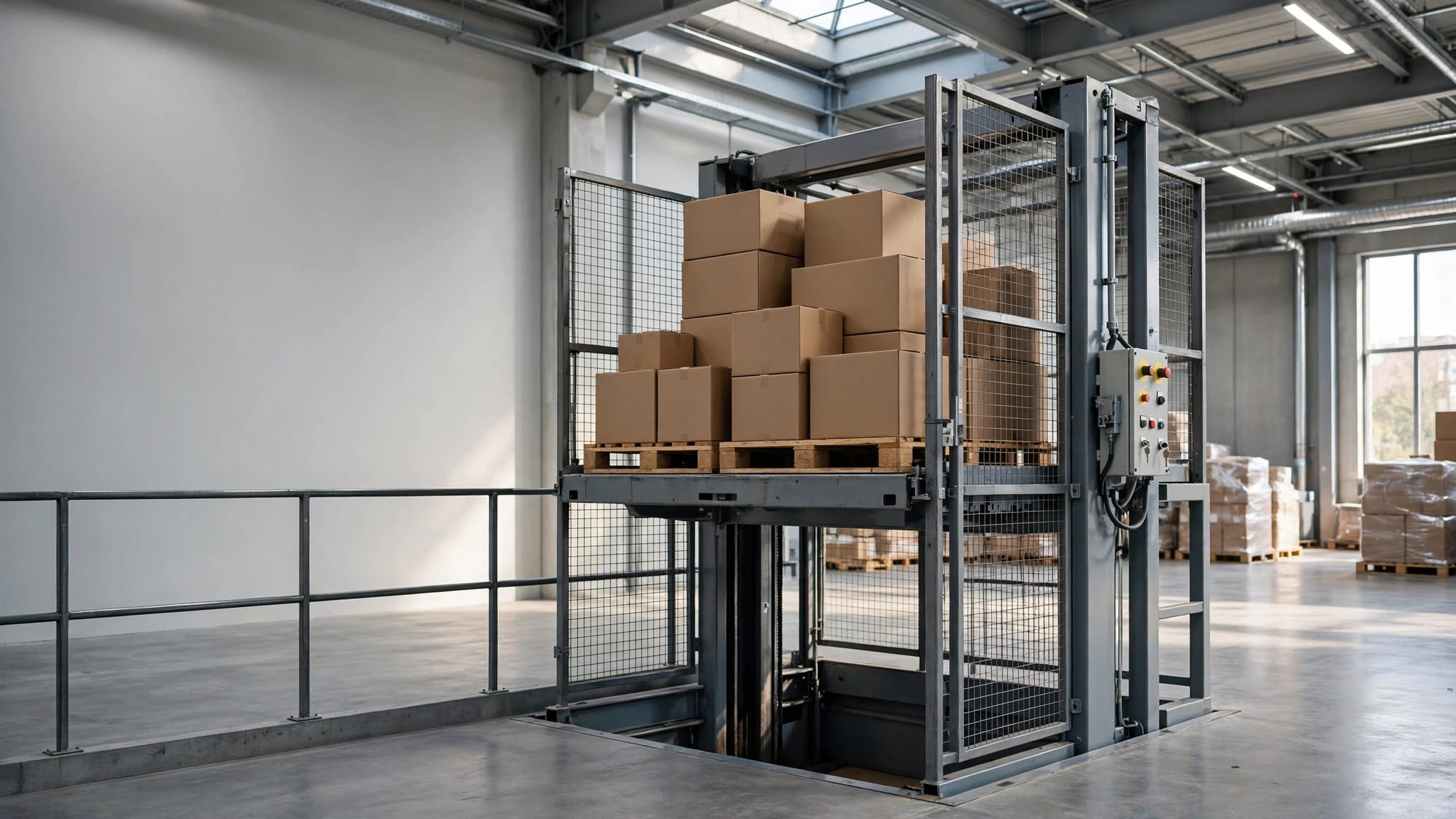
Workers shouldn't ride a cargo lift that is rated for materials only. A platform may have enough room and weight capacity for a person, but that doesn't mean it has the protections or approval required for occupied travel. For cargo lift safety , the deciding factor is the equ...
By Veranda 'Vator • November 9, 2026
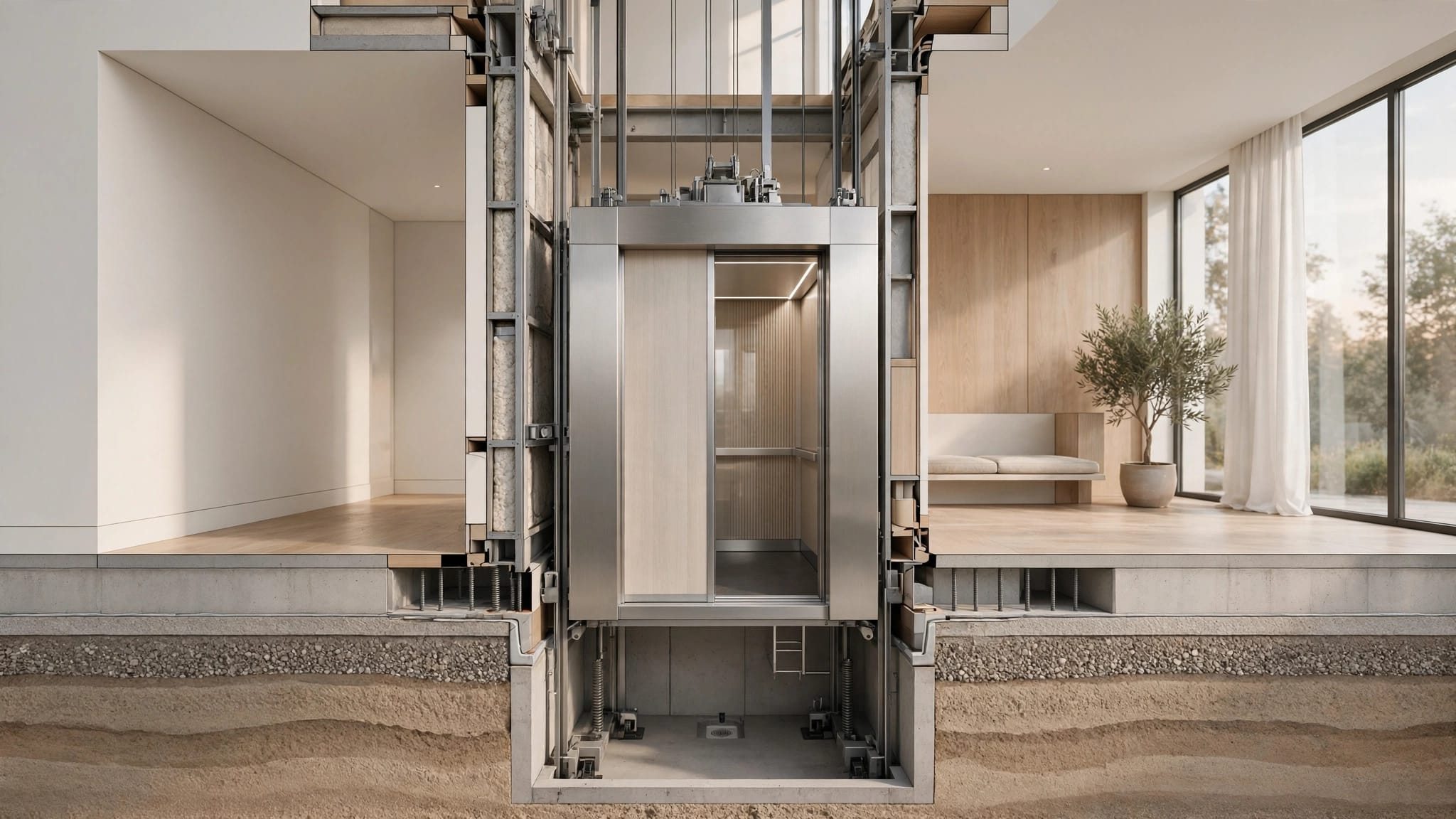
Residential elevator pit depth depends on the lift model and its installation requirements. Some designs need a recessed space below the lowest landing, while others may use a different arrangement. For homeowners, the pit is a construction detail as well as an equipment dimen...
By Veranda 'Vator • November 8, 2026
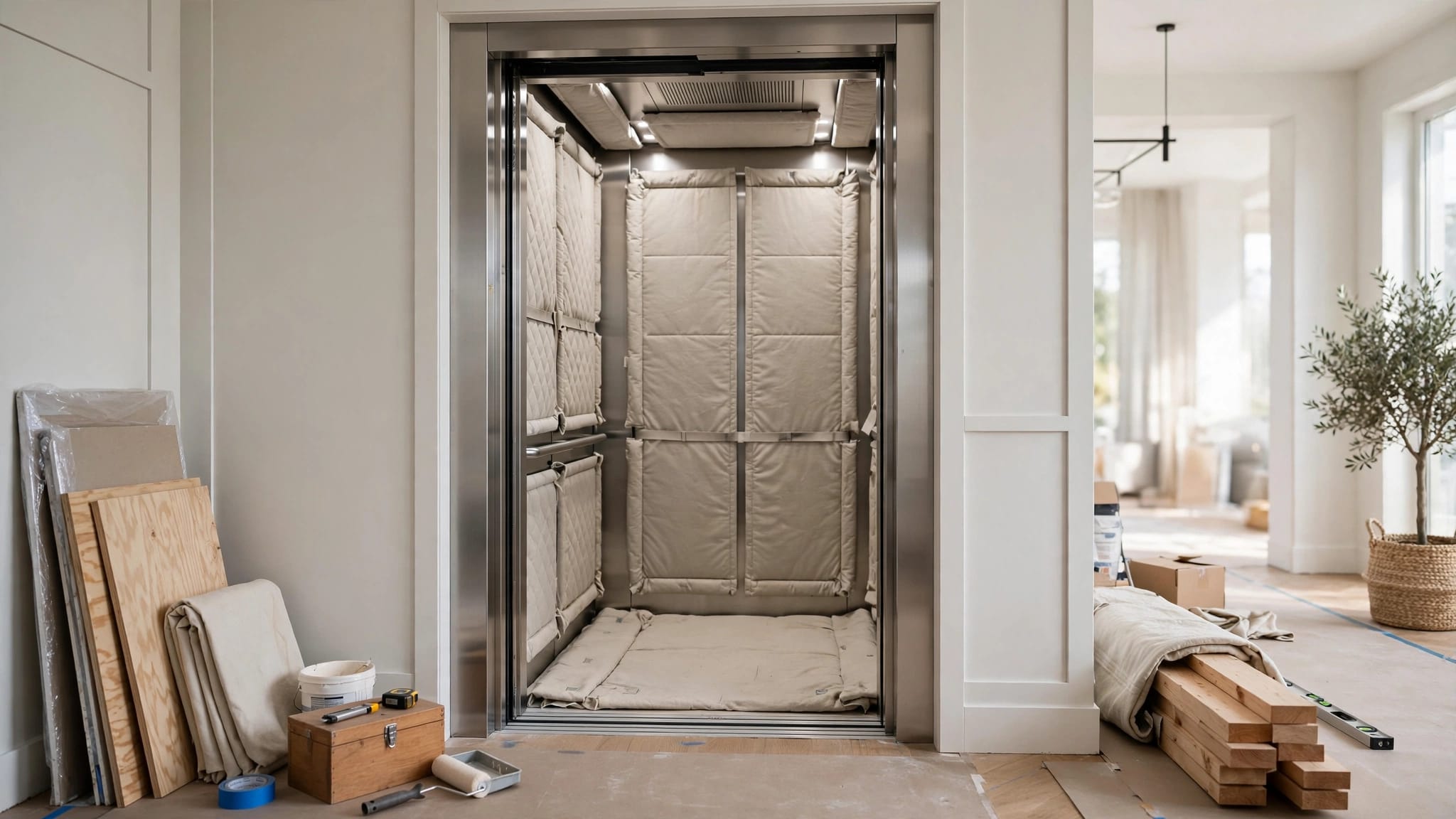
To prepare a home elevator for a major renovation, involve your elevator service provider and contractor before construction starts. Together, they can plan the shutdown, protect the equipment, and schedule its return to service. Your household's access deserves attention too,...

By Veranda 'Vator • November 7, 2026
Yes, a residential elevator can be installed in a home with a crawl space, provided the site and the selected equipment can be supported by an appropriate structural design. The crawl space doesn't automatically prevent an installation, but it can affect the work beneath the e...
By Veranda 'Vator • November 6, 2026
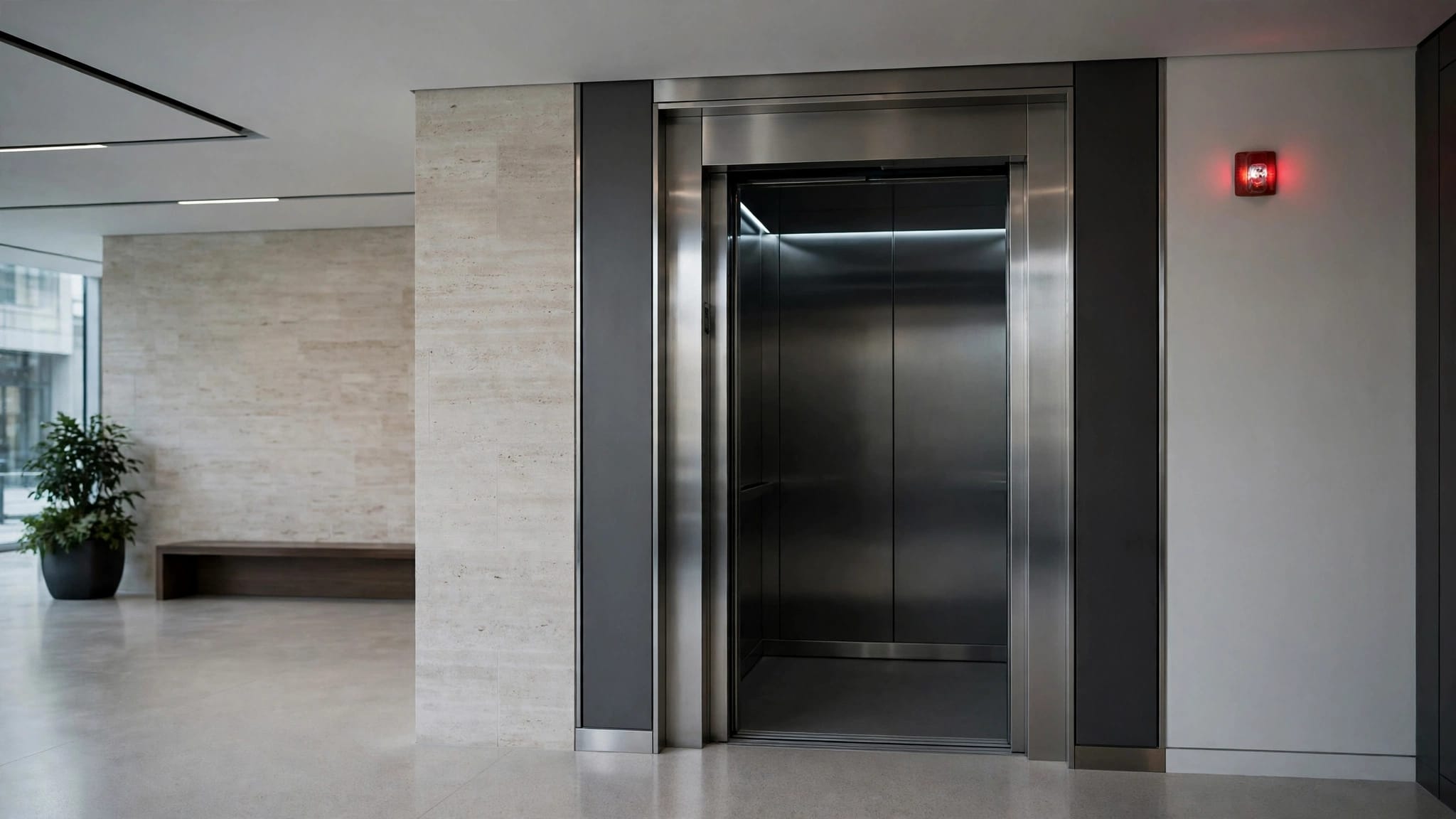
An elevator fire alarm signal may trigger automatic recall , taking an elevator out of normal passenger service. The response depends on the building's fire alarm system and the elevator's controls, so an alarm doesn't produce the same result in every installation. For people...
By Veranda 'Vator • November 5, 2026
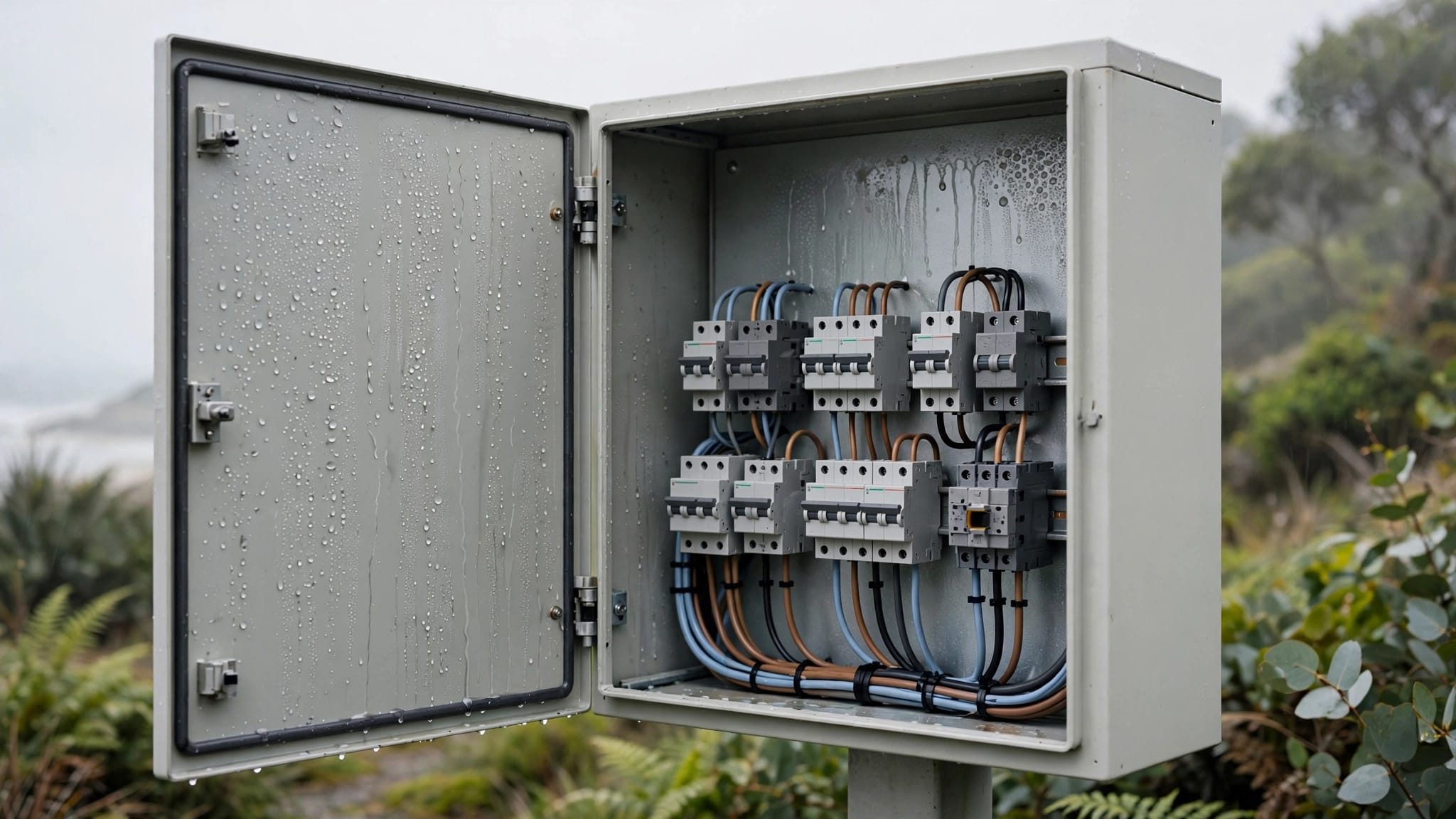
Elevator cabinet condensation occurs when humid air meets a cool surface inside an outdoor control enclosure. The resulting moisture can collect near electrical components, even when rain never reaches the cabinet. For owners of cargo lifts and passenger elevators, a dry-looki...

By Veranda 'Vator • November 4, 2026
Yes, you can add an elevator to many historic houses. The project succeeds when the equipment fits the available space , meets your access needs, and protects the features that make the house significant. A historic home elevator may require more planning than an elevator in a...

By Veranda 'Vator • November 3, 2026
An elevator controller receives travel requests, checks operating conditions, and coordinates the equipment that moves and stops the car. During a normal trip, it also responds to signals from doors, landing devices, and other components. The controller depends on separate saf...
Show More