Seasonal Home Lift Maintenance Before Reopening

Share this article

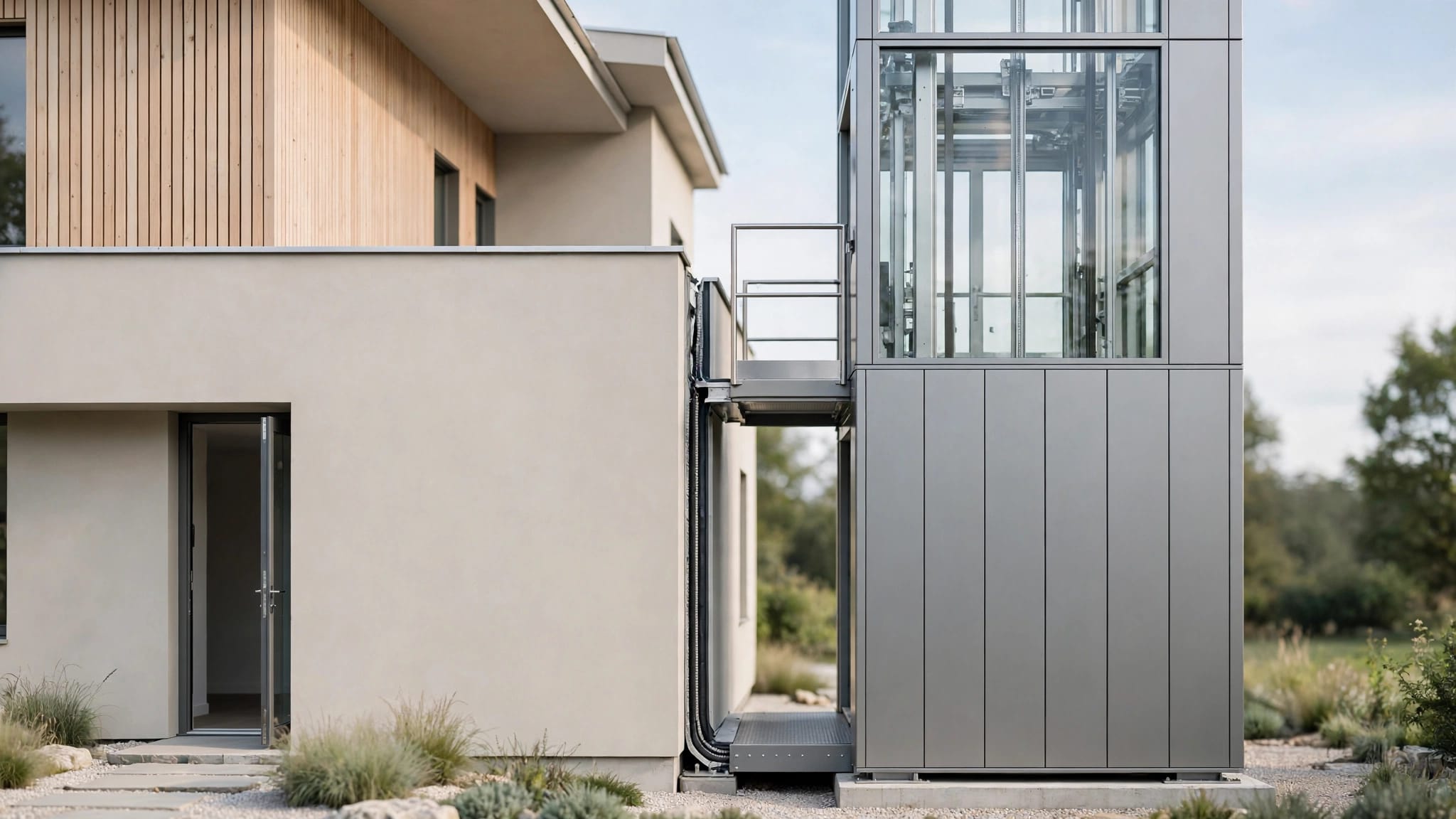
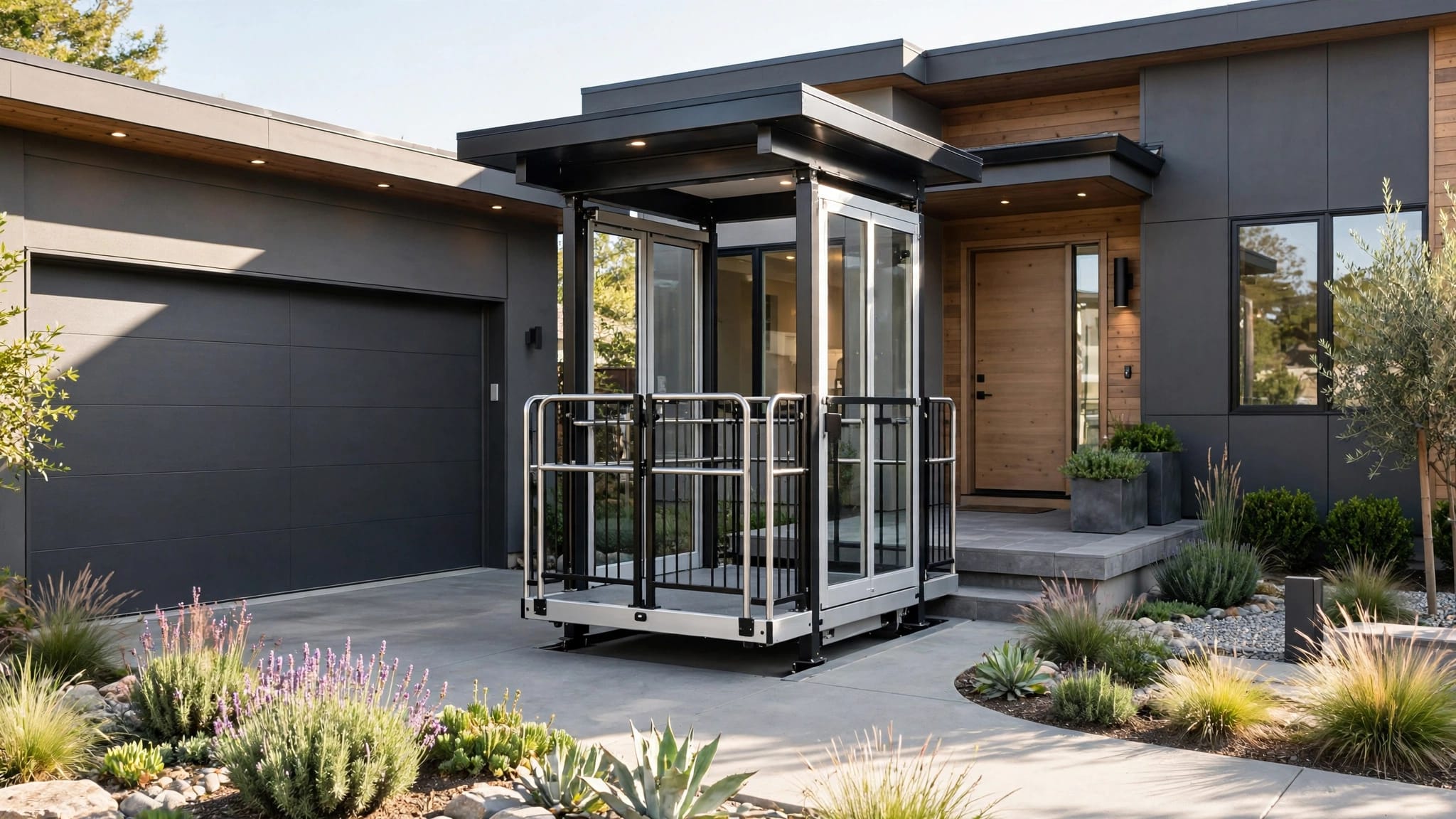
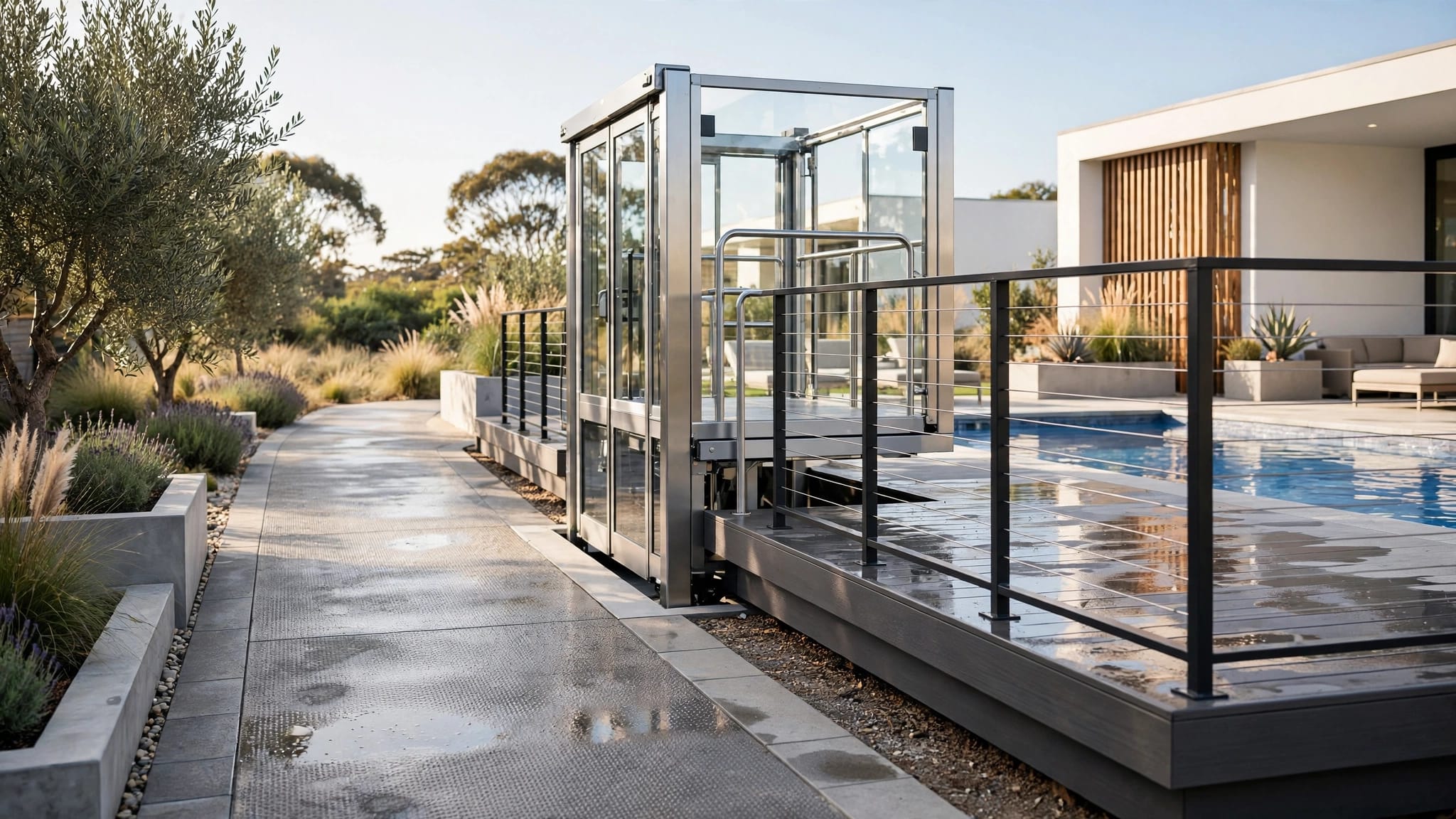
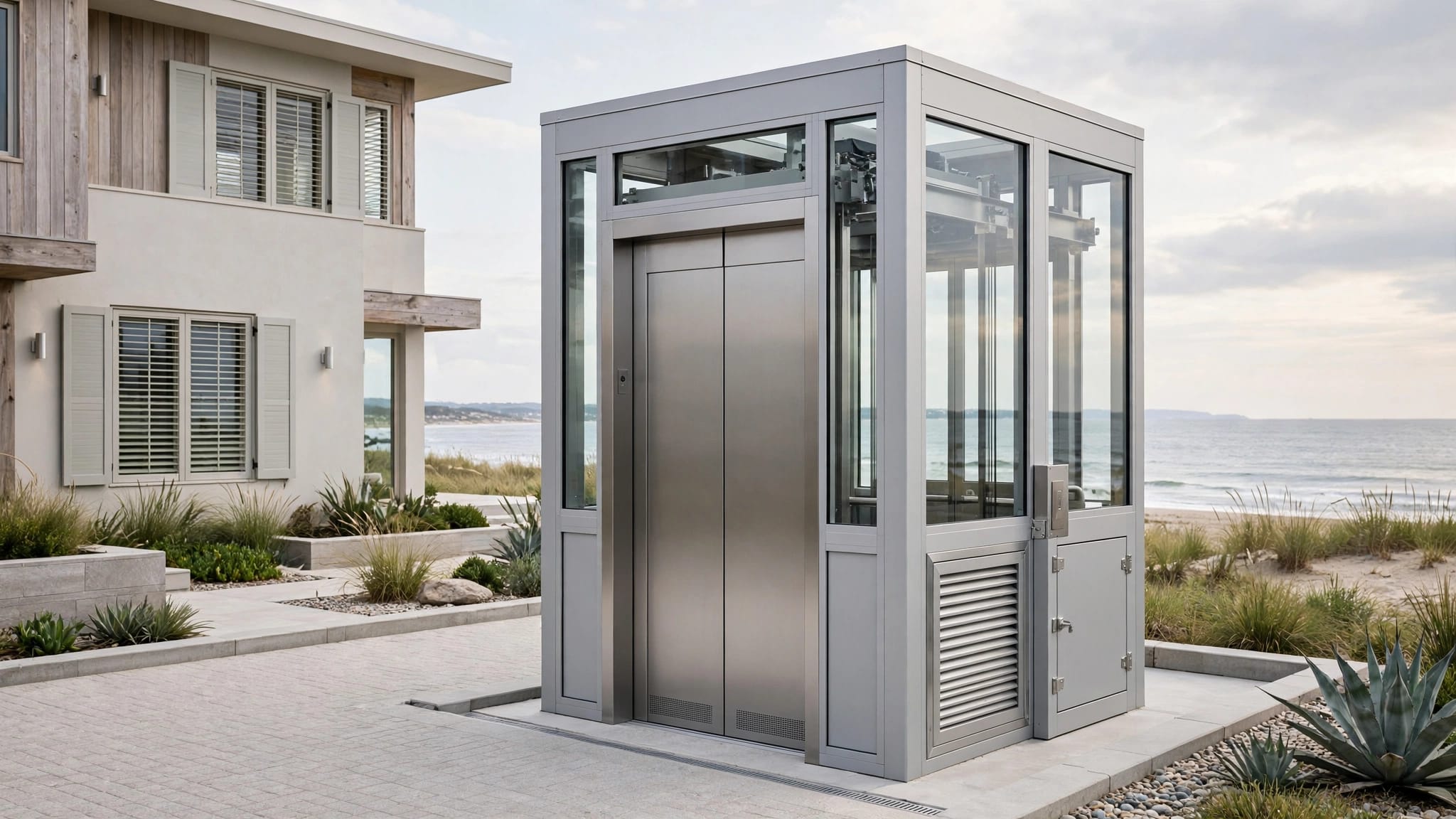
A beach home can sit empty for months while its lift quietly collects salt, humidity, sand, and insects. That is why seasonal home lift maintenance should begin before anyone steps onto the platform or enters the car.

A lift left offline for months should not simply be powered on and used immediately. A careful visual inspection, safe cleaning, and a qualified service check can reveal water intrusion, corrosion, drained batteries, or damaged safety equipment before they create a serious problem.

Why a Beach Home Lift Needs a Careful Restart

An exterior lift faces conditions that an indoor unit usually avoids. Coastal air carries salt particles that settle on rails, fasteners, cables, controls, wiring, and protective finishes. Moisture activates those deposits, even when the metal looks clean.

Humidity also causes condensation inside enclosed areas. Sand can collect around landing doors, tracks, platforms, and drainage points. Small animals or insects may nest in equipment spaces, chew wiring, or leave debris near moving components.

Review this guide to salt air corrosion on outdoor elevators before reopening a lift near the beach. The most exposed components often need attention first.

Salt and moisture can hide early damage

Rust may begin beneath a coating, around a fastener, or inside a connection before it becomes obvious. White residue, bubbling paint, pitting, greenish corrosion, and discolored hardware all deserve attention.

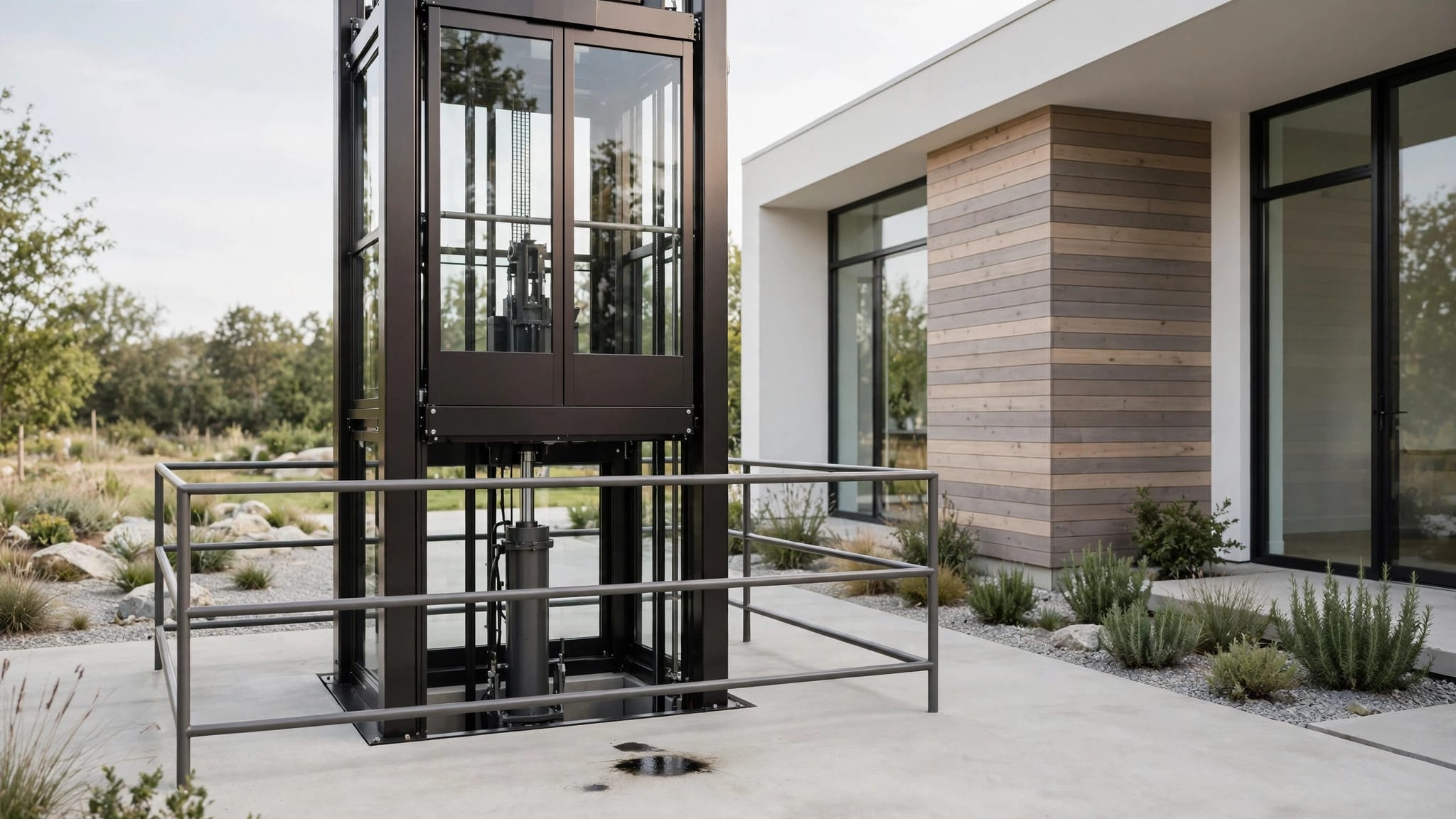
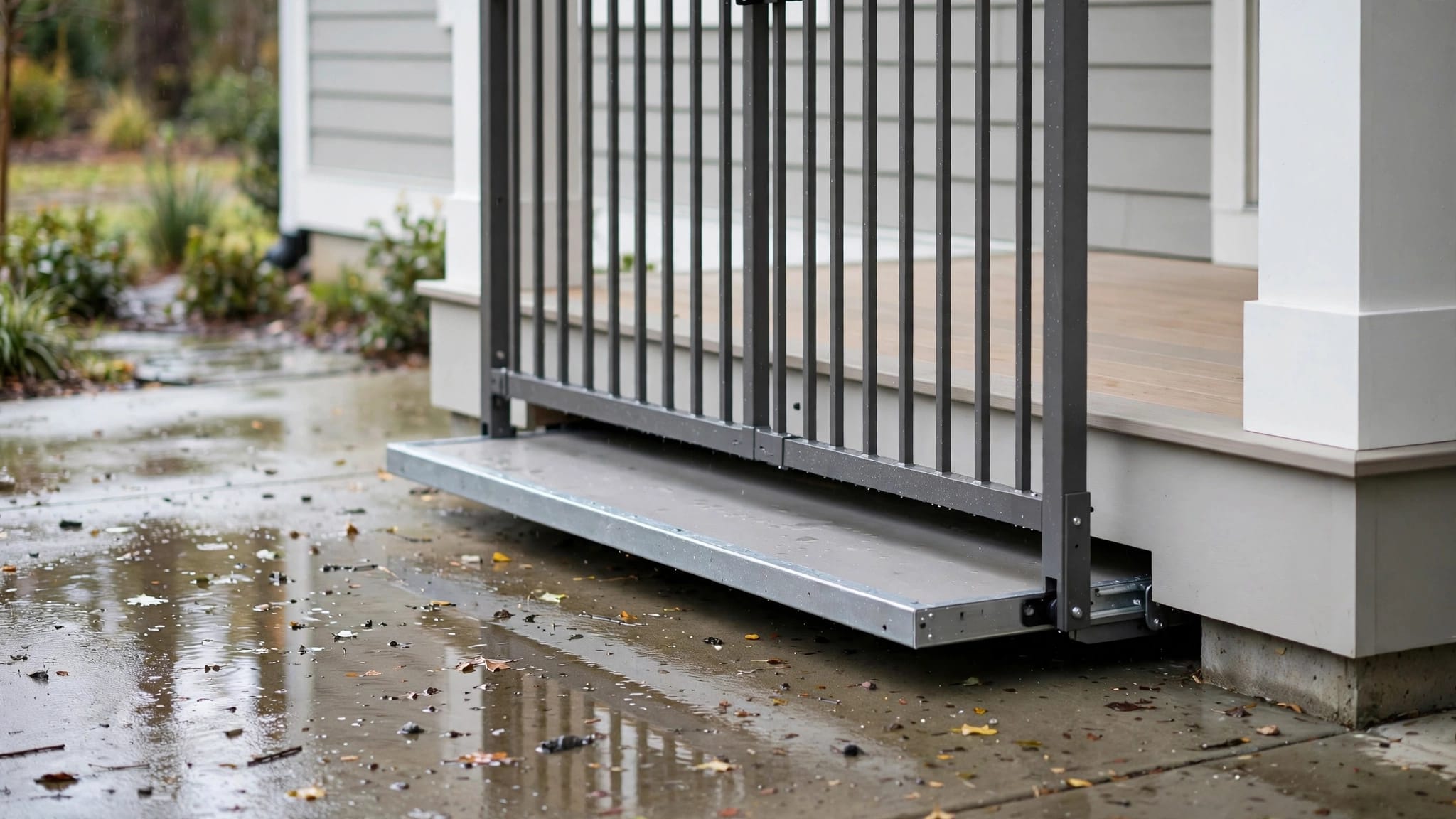
A damp landing area can also affect operation. Standing water may reach switches, door equipment, the lift pit, or the base of a vertical rail. Water marks, swollen materials, cracked seals, and mud indicate that the lift needs assessment before use.

Inactivity does not protect the equipment

A lift that has not moved still experiences temperature changes, storms, airborne salt, and moisture. Batteries can discharge during storage. Lubricants may lose effectiveness, while debris can settle in places that affect movement or sensor operation.

The lift may appear normal from the outside. However, normal appearance does not confirm that its brakes, gates, interlocks, limit switches, or emergency systems are ready.

Start With a No-Power Inspection

Before restoring power, read the manufacturer's operating and maintenance instructions. Check the recommended shutdown procedure, storage requirements, cleaning methods, battery guidance, and inspection intervals.

Keep people away from the lift during the initial inspection. Don't enter the car, stand on the platform, or place cargo inside while you look for damage. If the lift has a designated main disconnect, use it only as the manufacturer instructs, and never remove covers or open electrical enclosures.

Inspect the landings and surrounding area

Walk around each landing and look for changes that could affect safe access. Remove loose leaves, driftwood, boxes, beach equipment, and other objects near the lift. Keep the approach firm, clear, and free of standing water.

Look at the rails, platform, car, gates, doors, anchors, visible cables, guards, and fasteners. Watch for bending, loose hardware, heavy rust, damaged covers, missing parts, or anything that appears out of alignment.

Check nearby roof drains and downspouts. A downspout that discharges against the lift base can create repeated water exposure even when the property itself has no visible flood damage.

Look for pests, water, and battery problems

Inspect accessible areas for droppings, nests, insects, chewed insulation, and blocked vents. Don't spray cleaners or pest-control products into the lift. If pests have entered a control area or damaged wiring, arrange professional service.

Look for dampness, water marks, corrosion, mold, mud, and sand deposits. A backup battery that appears swollen, leaking, or damaged requires service. Don't attempt to open, recharge, replace, or test a battery unless the manufacturer's instructions clearly permit that task.

A lift can move normally while a gate interlock or limit switch is failing. Movement alone does not prove that the lift is safe.

Clean and Inspect Without Adding Damage

Once the no-power inspection is complete, clean the areas that the manufacturer identifies as owner-serviceable. Use the approved method and products. A soft brush, clean water, and a dry cloth may be suitable for some exterior surfaces, but every lift has its own limits.

Avoid pressure-washing the rails, controls, motor, electrical connections, sensors, or enclosed equipment. High-pressure water can force salt, sand, and moisture deeper into components. Don't scrape corrosion aggressively or coat moving parts with a household lubricant.

Remove sand from landing floors and accessible tracks without pushing it into gaps. Clear drainage openings carefully, then confirm that water can move away from the equipment. Wipe visible salt residue from approved exterior surfaces and allow them to dry.

The outdoor lift maintenance checklist can help organize routine checks for a coastal property. It should support, not replace, the manufacturer's maintenance schedule.

Test Safety Systems Before Normal Use

After cleaning, follow the manufacturer's restart procedure. If the instructions require a technician after extended shutdown, storm exposure, battery failure, or water contact, schedule that visit before restoring normal service.

A homeowner may perform basic operational checks only when the manufacturer allows them. Keep the lift unloaded during testing, keep everyone clear of moving parts, and stop immediately if a control behaves unexpectedly.

Check that gates and doors close fully, controls respond correctly, and the lift stops at the proper landing points. Test emergency stop controls, alarms, lighting, communication equipment, and battery-backed functions according to the instructions. Never hold, tape, defeat, or bypass an interlock, sensor, gate, or other safety device.

Passenger lifts and vertical platform lifts

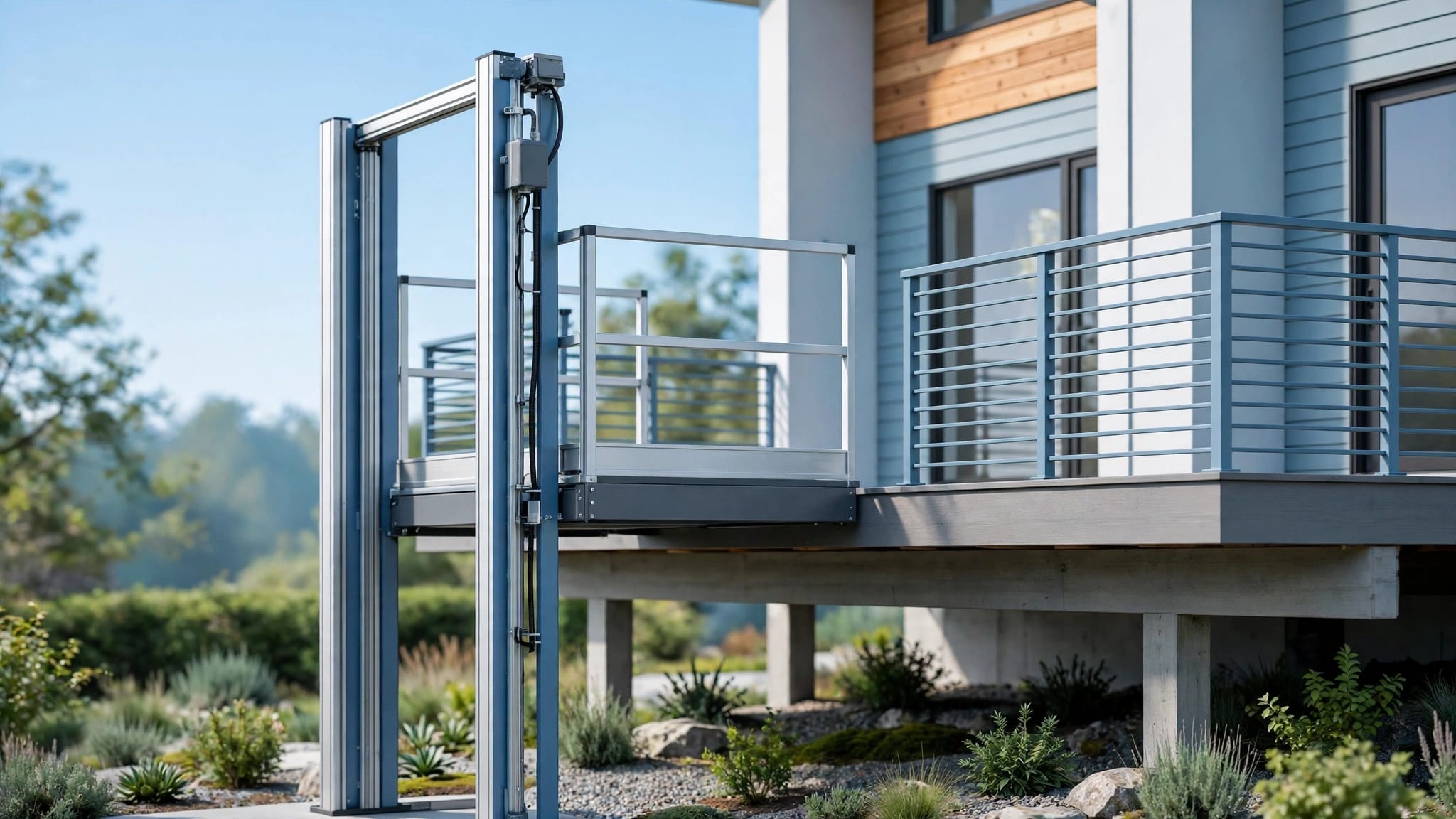
Passenger-compliant elevators and vertical platform lifts need careful attention to entry and exit areas. Confirm that landings are clear, surfaces are stable, gates latch correctly, and the platform or car stops level with each landing.

Watch for unusual vibration, hesitation, rubbing, scraping, or a door that needs extra force. Test accessibility controls at the intended height and position. If a person depends on the lift for daily access, arrange service before relying on it as the only route between floors.

A failed alarm, emergency communication feature, gate interlock, or leveling function is a reason to stop use. Don't carry passengers during troubleshooting.

Cargo lifts

Cargo lifts need a review of loading areas, rated capacity, gates, platforms, and controls. Remove stored materials before testing. Confirm that the lift's rated load and loading procedure still match the way the property uses it.

Don't use a cargo lift to carry people unless it is designed, approved, and labeled for passenger use. Keep carts, pallets, tools, and building materials away from gates and moving equipment. An overloaded or unevenly loaded platform can create problems even when the lift itself is operating correctly.

Know When a Qualified Technician Must Take Over

Schedule a qualified lift technician when the inspection reveals corrosion, damaged wiring, water intrusion, loose or distorted parts, failed safety features, or unusual sounds. The same applies when the lift displays a fault, won't complete its startup sequence, moves unevenly, or stops before reaching a landing.

A technician familiar with the equipment can inspect the rails, cables, sheaves, brakes, anchors, gates, interlocks, limit switches, controls, and landing equipment. Electrical components may require assessment by a qualified electrician. Owners should not remove panels, adjust brakes, splice wiring, reset protective devices repeatedly, or alter control settings.

If water reached the lift, keep it out of service. Follow the guidance in safe flooded elevator restart procedures, even if the equipment appears dry later. Floodwater can leave salt, sediment, and contamination inside electrical and mechanical components.

Give the service provider useful information

Before the appointment, record what you observed and when you found it. Photos of corrosion, water marks, error displays, damaged covers, or pest activity can help the technician prepare.

Share the lift model, the length of the shutdown, recent storms, flooding, power outages, and any change in sounds or movement. Tell the technician whether the unit is a cargo lift, passenger-compliant elevator, or vertical platform lift.

Ask what the manufacturer requires after seasonal storage. The answer may include battery service, lubrication, corrosion treatment, adjustments, inspection records, or replacement of damaged parts.

Build a seasonal home lift maintenance schedule

A reopening inspection is only one part of seasonal home lift maintenance. Coastal equipment benefits from a plan that accounts for occupancy, weather, salt exposure, usage, and the manufacturer's instructions.

Schedule the annual professional service before the home opens if possible. A technician may find problems that are easier to address before guests, residents, deliveries, or accessibility needs depend on the lift.

Timing Safe owner or manager task Service trigger
Before reopening Clear landings, inspect visible surfaces, look for water and pests Corrosion, damage, or contamination
During occupancy Keep approaches clear and report changes in operation Noise, vibration, faults, or failed controls
After heavy rain or wind Check for debris, standing water, shifted covers, and visible damage Any storm impact or water intrusion
Before seasonal closure Follow the approved shutdown and cover procedure Unresolved defects or battery concerns
At the scheduled interval Arrange manufacturer-recommended service Missed inspections or overdue maintenance

Drainage deserves its own review. Use this guide to prevent water around an exterior elevator when checking downspouts, grades, drains, pits, and landing approaches.

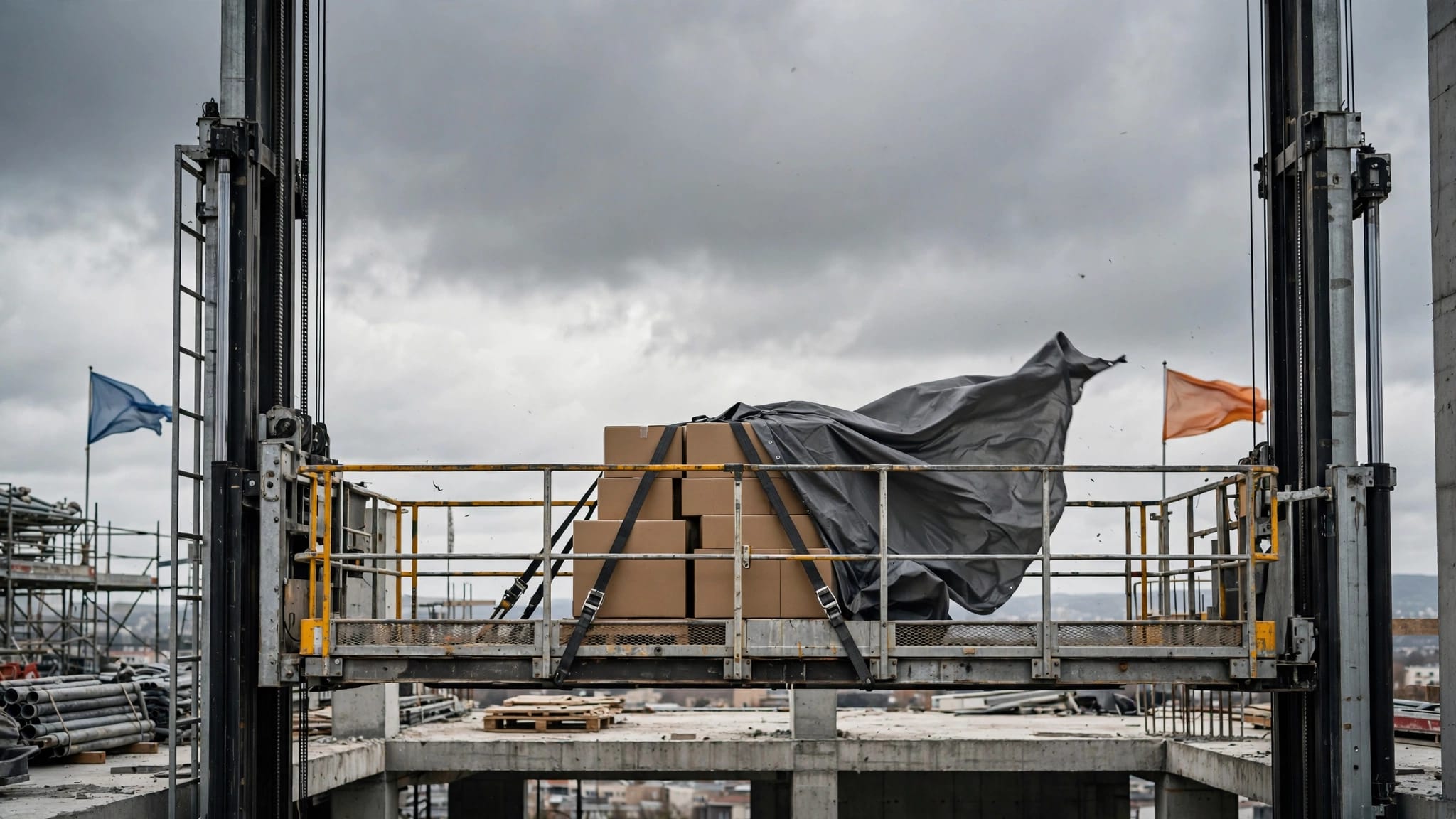
When closing the home, don't improvise with plastic sheets, ropes, tie-downs, or covers that interfere with gates, ventilation, rails, or moving parts. Use only the protective equipment and shutdown position approved for that lift.

Make the First Trip Deliberately

Once the manufacturer or technician has cleared the lift, start with an unloaded trip. Keep the landing areas occupied only by the people needed for the check. Watch the doors, stops, sounds, and platform movement.

Next, test the lift with the normal type of load, while staying below its rated capacity and following the loading instructions. Cargo should sit securely and evenly. Passengers should use handrails and controls as instructed, and no one should lean through gates or reach toward moving equipment.

Record the inspection date, service work, battery replacement, faults, and follow-up recommendations. A simple log helps the next reopening begin with facts instead of guesswork.

Conclusion

A seasonal beach home lift needs more than a fresh coat of power. Salt, humidity, sand, pests, drained batteries, and water can affect equipment during months of inactivity, so reopening should begin with a no-power inspection.

Clean only the parts the manufacturer identifies as safe for owner care. Then have a qualified technician inspect faults, corrosion, unusual noises, failed safety features, or any sign of water intrusion before passengers or cargo use the lift. Careful seasonal home lift maintenance keeps the first trip of the season focused on access, not an avoidable service emergency.

Recent Posts

By Veranda 'Vator August 20, 2026
An outdoor lift can look like a simple platform, but Florida permitting depends on what the equipment carries, how far it travels, and who will use it. A Florida lift permit application for a passenger elevator follows a different path from one for a cargo-only lift. The Flori...
By Veranda 'Vator August 19, 2026
An accessibility lift can make a Florida home usable again, but the tax result depends on medical need, property value, and who paid the bill. Florida accessibility tax benefits usually come through federal medical-expense rules, not a special Florida homeowner credit. That di...
By Veranda 'Vator August 19, 2026
A commercial building may need an accessible route, but that doesn't automatically mean it needs an elevator or that any wheelchair lift will satisfy ADA platform lift requirements . The right solution depends on the building's use, route, construction type, and the limited si...
By Veranda 'Vator August 18, 2026
Sunlight can age an outdoor lift long before owners notice an obvious failure. A review of UV exposure lift components should start with the plastics, elastomers, coatings, and cable jackets that face direct sunlight. Outdoor elevators, cargo lifts, and vertical platform lifts...
By Veranda 'Vator August 18, 2026
A lift can meet its travel requirements and still fail an accessibility review if the controls or handrail interfere with boarding. Good VPL handrail placement keeps the platform usable, protects the rider, and gives installers a clear layout to verify before construction. VPL...
By Veranda 'Vator August 17, 2026
An outdoor VPL can make a raised entry usable, but a platform that fits a wheelchair doesn't prove the surrounding layout works. The VPL turning space must let a wheelchair user align with the gate, enter without a sharp correction, exit onto a level landing, and change direct...
By Veranda 'Vator August 16, 2026
A platform lift can fit a wheelchair and still fail at the doorway, landing, or gate. Choosing the right VPL platform size starts with the complete power wheelchair and its occupant, not the seat width alone. A vertical platform lift, or VPL, carries a person and mobility devi...
By Veranda 'Vator August 15, 2026
Salt air can shorten the life of an outdoor lift long before the main frame looks damaged. For a coastal lift, the aluminum vs steel towers decision affects corrosion maintenance, hardware, installation, and long-term cost. Aluminum often performs well near the ocean because i...
By Veranda 'Vator August 14, 2026
Salt air can damage lift components long before rust becomes visible. Outdoor home lifts also face humidity, wind-driven rain, storm debris, floodwater, and power interruptions that rarely affect an indoor installation. For coastal homeowners, the choice between hydraulic and...
By Veranda 'Vator August 13, 2026
A machine room isn't automatically part of an outdoor elevator installation. Many exterior passenger elevators, cargo lifts, and vertical platform lifts place their drive equipment inside the shaft or in a protected cabinet nearby. An outdoor elevator machine room isn't automa...
Show More