When Older Outdoor Lift Systems Need Modernization

Share this article

An outdoor lift can appear to work normally until corrosion, water intrusion, or a worn safety component causes a shutdown. A timely outdoor lift modernization review helps property owners protect people, equipment, and access before small issues become larger repairs.

Older cargo lifts, passenger elevators, and vertical platform lifts do not all age the same way. Their condition, workload, exposure to weather, service history, and local safety requirements should guide the decision.

Outdoor Lift Modernization Starts With Condition

Installation year gives useful context, but it does not decide whether a lift needs work. A well-maintained system may support targeted upgrades, while a newer unit with repeated water exposure or neglected service can need broader attention.

A qualified lift professional should inspect the whole installation before anyone selects parts or plans a replacement. That review should include the lifting equipment, controls, gates or doors, wiring, landing areas, drainage, structural attachment points, and visible corrosion.

Map the lift's actual workload

A cargo lift that moves supplies several times each day has different wear patterns than a residential elevator used for family access. Likewise, a vertical platform lift may become more important when a resident begins relying on it for wheelchair access.

Document the lift's daily purpose, expected load, number of trips, and users. Then review past repairs and service reports. This information helps a contractor separate a worn component from a system-wide reliability problem.

A useful condition review considers:

  • Service records, inspection reports, and recurring repair calls.
  • The number of lift cycles and the weight normally carried.
  • Salt air, rain, flooding, wind-driven debris, and direct sun exposure.
  • Whether replacement parts and qualified service remain available.
  • Any changes in accessibility needs or building use.

A sound outdoor lift modernization plan begins with facts from the site, not a guess based on age alone.

Warning Signs That Deserve a Professional Inspection

Outdoor equipment faces conditions that indoor lifts rarely see. Moisture can reach wiring and controls, while salt and humidity can affect metal surfaces, fasteners, moving parts, and protective finishes.

Repeated faults can point to a larger problem

A single service call may have a simple cause. However, repeated shutdowns or recurring adjustments often show that more than one component needs attention.

Arrange an inspection when the lift has frequent interruptions, unusual noise, inconsistent stopping, or unreliable gate operation. The same applies when controls behave unpredictably or the lift takes longer than normal to complete a trip.

Other warning signs include:

  • A platform that does not stop level with the landing.
  • Gates, doors, or interlocks that stick or fail to close reliably.
  • Visible leaks, damaged hoses, or unexplained platform movement while parked.
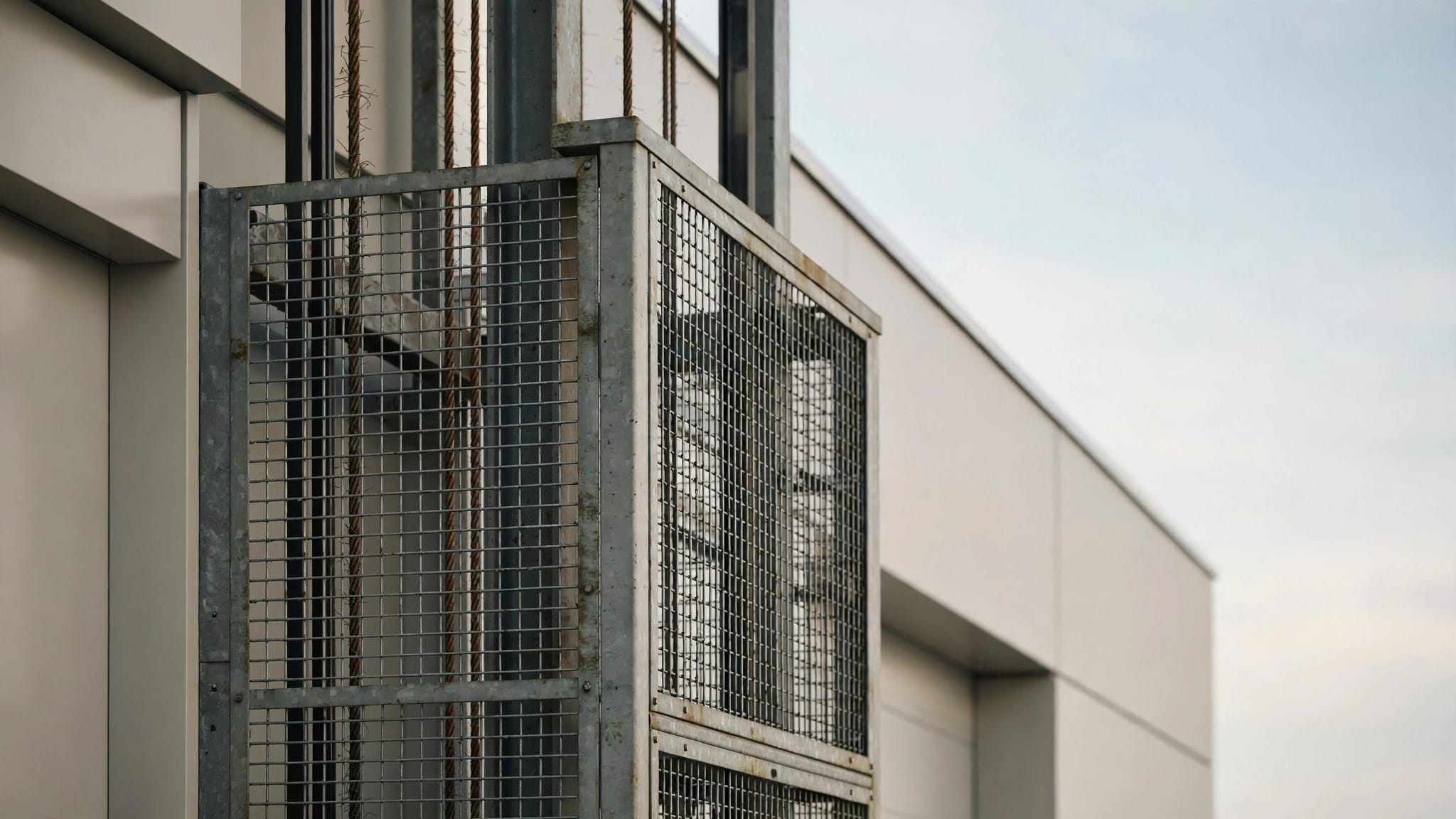
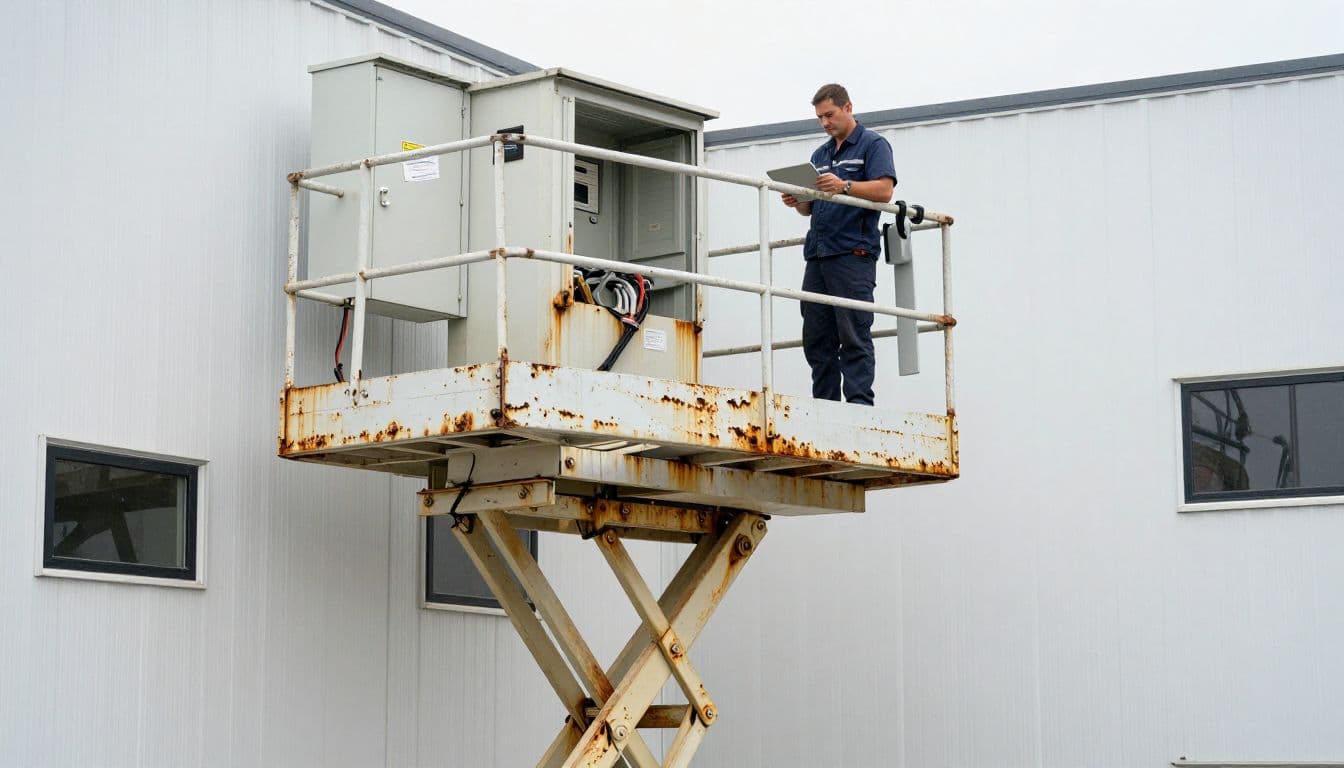
  • Corrosion on load-bearing components, guide areas, anchors, or enclosures.
  • Water collecting near a pit, landing, control cabinet, or drainage path.

A dry platform does not prove the equipment below or behind it is dry. Water can remain inside pits, housings, and electrical areas after a storm.

If required testing identifies a safety concern, follow the lift contractor's instructions and the local authority's requirements before returning the equipment to use.

Coastal exposure speeds up wear

Salt air can settle on electrical connections and metal parts long before obvious rust appears. Rainwater and coastal humidity then keep those deposits active. Property owners near beaches, bays, canals, and flood-prone areas should pay close attention to corrosion risks for outdoor lifts.

Drainage matters as much as surface appearance. ASME A18.1 includes provisions addressing water accumulation in platform lift pits, which reflects the safety concerns created by standing water around outdoor equipment.

Match the Lift Type to How People Use It

Modernization should preserve the lift's intended purpose. A system built to move materials has different operating limits, safety features, and code considerations than equipment built to carry people.

Cargo lifts should remain cargo lifts

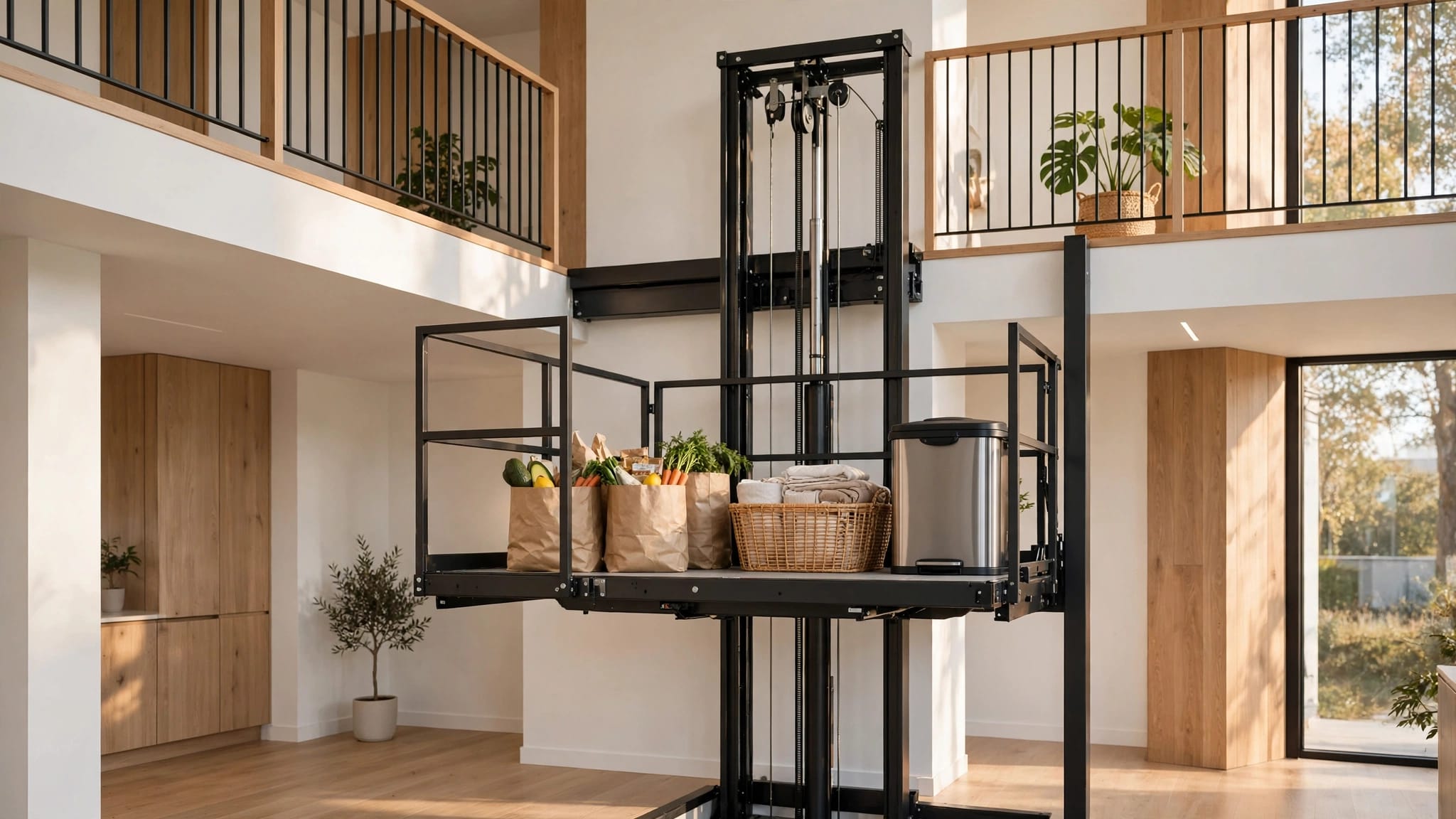
A cargo lift can make daily work easier at an elevated home, restaurant, marina, or commercial property. It can move groceries, tools, furniture, housekeeping supplies, deliveries, and maintenance materials without repeated trips on stairs.

However, a cargo lift is not automatically suitable for passenger travel. Never treat a material lift as a people-moving elevator because it seems convenient. If the property needs a passenger system, assess an appropriate passenger elevator or accessibility solution instead.

For elevated homes, the choice between a cargo lift versus passenger elevator should reflect who rides, what moves between levels, and the applicable local requirements.

Platform lifts support accessibility needs

Vertical platform lifts, often called VPLs, are designed to help wheelchair users travel between levels. Their gates, controls, platform layout, and safety systems require careful inspection as equipment ages.

In the United States, the U.S. Access Board states that platform lifts must meet ASME A18.1. That standard covers the design, installation, operation, inspection, maintenance, testing, and repair of platform lifts and stairway chairlifts.

A change in building use can justify modernization even when the lift still runs. For example, a former convenience lift may now be the primary accessible route for a resident, tenant, customer, or employee.

Upgrade Components or Replace the Whole System?

After the condition survey, owners must decide whether the lift can support a focused upgrade or whether replacement is more sensible. The answer depends on the equipment's structure, mechanical condition, controls, serviceability, and safety history.

Targeted upgrades can extend useful service

An upgrade may fit when the main structure and drive system remain in good condition. Modernization work might address weatherproof control equipment, wiring, gate hardware, safety circuits, drainage, protective enclosures, or worn mechanical parts.

For older vertical platform lifts, the assessment may focus on cylinders, piston rods, ropes or chains, slack devices, terminal stopping devices, and guarding. ASME inspection materials call attention to corrosion, leakage, rope condition, and stopping functions because these components affect safe operation.

Targeted work is most effective when the lift has a reliable maintenance history and the contractor can source compatible parts.

Replacement may reduce long-term uncertainty

Replacement is often the better path when several major assemblies are corroded, obsolete, or difficult to support. A new controller cannot solve a deteriorated structure, repeated water damage, or major mechanical wear.

Complete replacement can also make sense when the lift no longer fits the property's needs. A growing business may need a different capacity. A homeowner may need passenger access rather than a material-only lift. In other cases, an older accessibility lift may not provide the clearance, guarding, or landing arrangement now required for its setting.

Outdoor lift modernization should never become a collection of short-term repairs that leaves the owner with an unreliable system.

Build the Scope Around Inspection and Local Rules

A detailed assessment gives everyone a common starting point. The lift contractor, property manager, electrician, builder, and local inspector can then work from the same information.

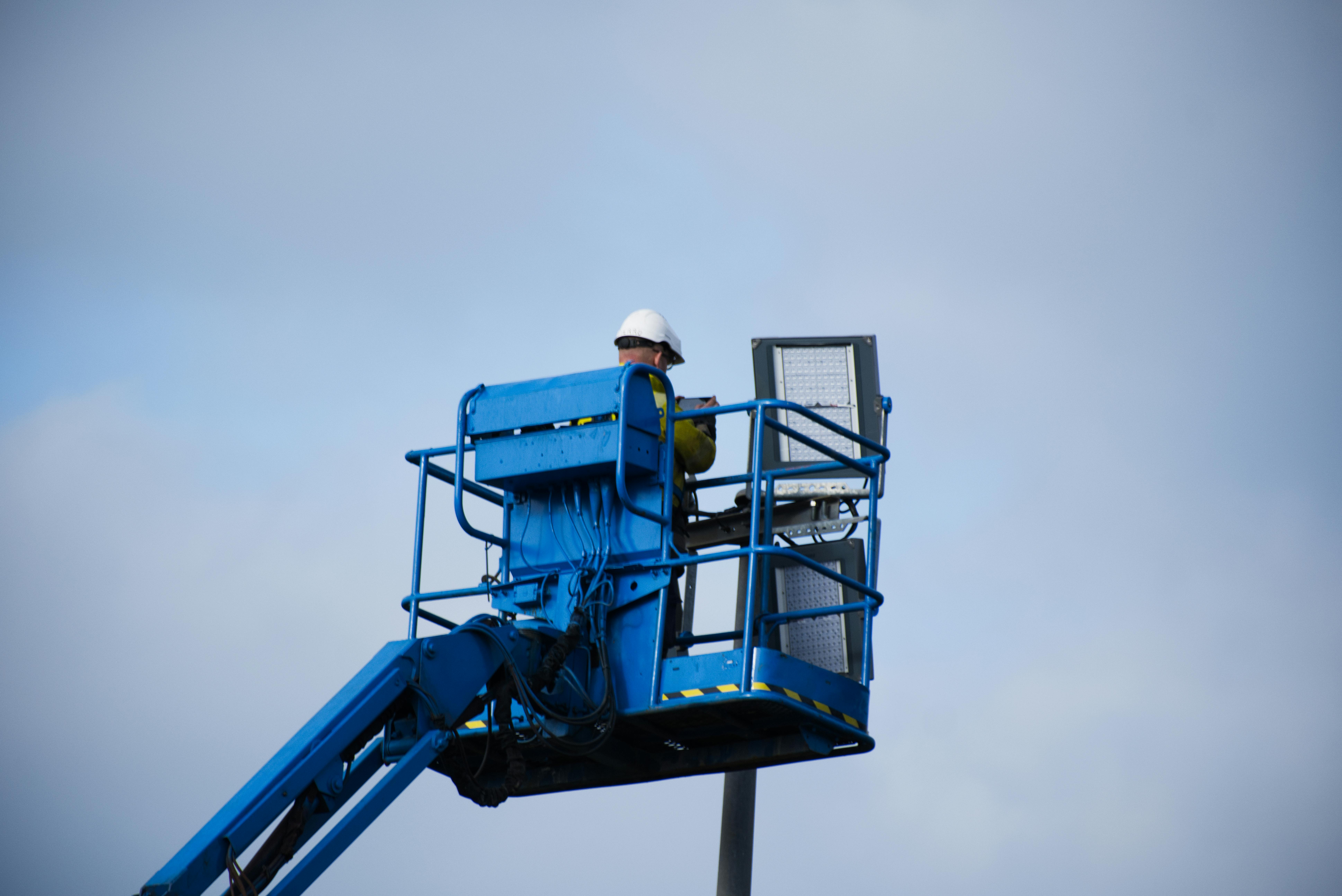
Photo by Richard REVEL

Request a written condition report

Ask for a report that identifies immediate safety concerns, worn components, corrosion-prone areas, obsolete equipment, and recommended next steps. It should distinguish needed repairs from optional improvements and outline whether the system can remain in service during planning.

The inspection should review gates or doors, landing protection, controls, electrical connections, drive equipment, guide systems, safety devices, drainage, and structural supports. On raised buildings, the team may also need to review how the lift attaches to the structure and how users reach each landing.

Keep the report with maintenance records, test documents, and repair invoices. A clear history makes future decisions faster and more defensible.

Confirm the applicable safety path

ASME A17.1 is the core safety code for elevators and escalators. ASME A18.1 applies to platform lifts and stairway chairlifts. Your jurisdiction may adopt a particular edition, modify it, or add local inspection and permitting rules.

The authority having jurisdiction, often called the AHJ, has an important role in alterations, inspections, acceptance, and ongoing requirements. OSHA's 29 CFR 1926.552 applies when construction hoists or elevators are involved in construction activity, rather than as a general operating rule for every in-service building lift.

Coastal Florida properties may also face site and permitting concerns tied to wind, flood exposure, and exterior installation details. Review Florida outdoor elevator code requirements early, before work begins.

Keep a Modernized Outdoor Lift Safe in Service

Modernization is a point in the lift's life, not the end of maintenance. Once work is complete, use the manufacturer's maintenance schedule and the inspection intervals required by the AHJ.

Property managers should keep the lift area clear, report unusual operation promptly, and protect controls and landing areas from avoidable debris. After major rain, wind, or flooding, arrange a qualified inspection before putting damaged equipment back into regular service.

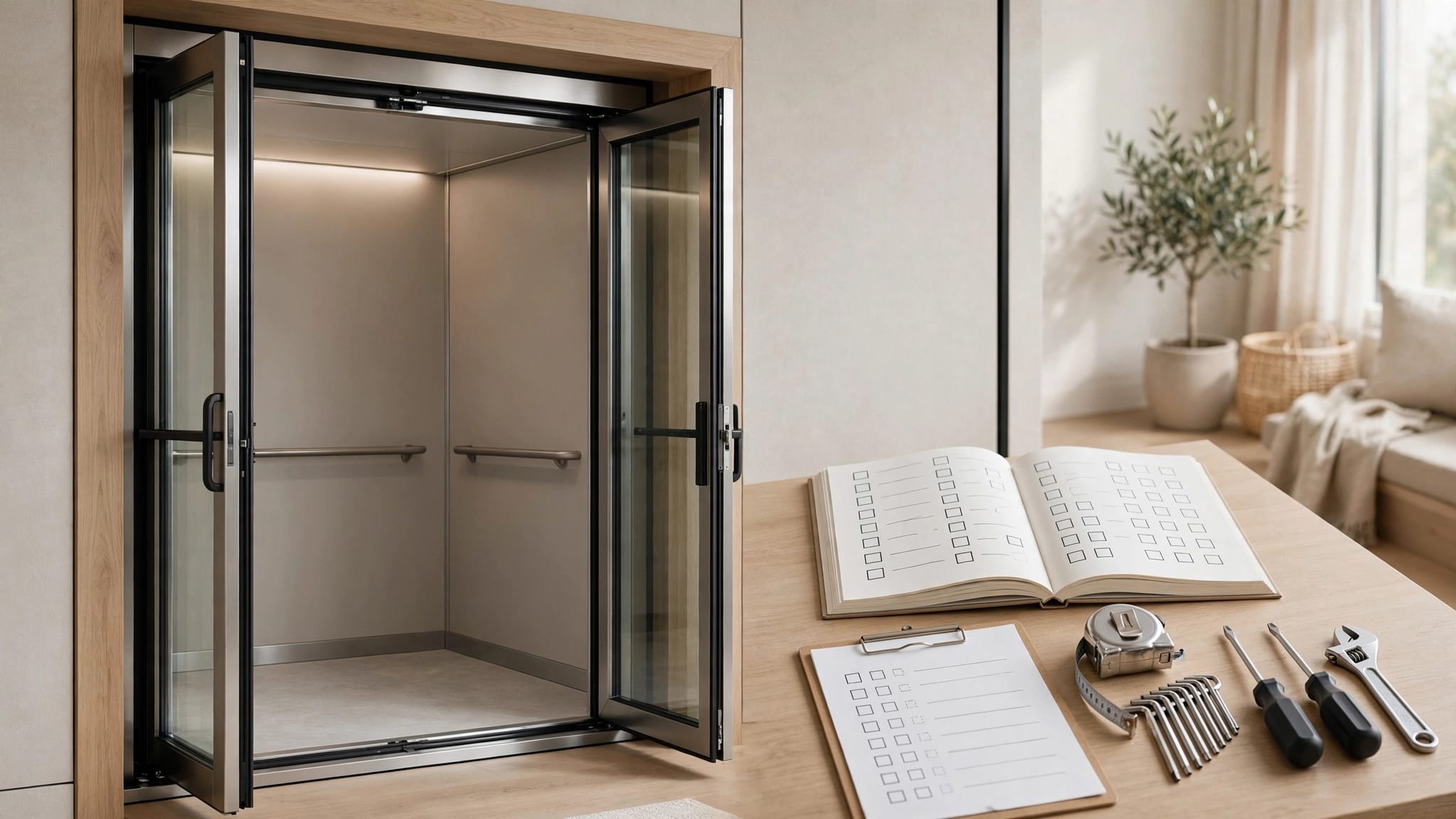
A coastal outdoor lift maintenance checklist can help owners plan routine checks around storm season, salt buildup, drainage, and visible hardware.

Clear operating rules also matter. Cargo lifts should carry cargo only. Passenger elevators and platform lifts should operate only within their rated purpose, capacity, and safety procedures. Staff and residents need to know who to call when the equipment behaves differently.

A Safer Decision for an Aging Lift

Older outdoor lift systems need attention when their condition, use, environment, or safety record calls for it. A calendar date alone cannot tell you whether an upgrade or replacement is appropriate.

A qualified inspection, complete records, and local code review lead to a better scope of work. The right outdoor lift modernization decision keeps people and materials moving with safer, more dependable equipment.

Recent Posts

By Veranda 'Vator August 25, 2026
A reused door code can give a former guest access long after checkout. With an outdoor lift, that mistake can affect both property security and a person's ability to move safely between levels. Outdoor lift access control needs a clear policy before the first reservation arriv...
By Veranda 'Vator August 24, 2026
An outdoor lift can make a raised beach house far easier to enjoy, but it can also create serious risk when guests mistake a cargo platform for a passenger elevator. Clear outdoor elevator safety rules protect guests, staff, and equipment before the first suitcase reaches the...
By Veranda 'Vator August 23, 2026
An outdoor cargo lift can save backs, reduce stair trips, and move bulky supplies safely, but only when people use it for its intended purpose. Cargo lift operator training gives operators a repeatable routine before every load moves. Weather, uneven ground, open gates, and a...
By Veranda 'Vator August 22, 2026
Outdoor elevator placement becomes difficult when the only open side yard sits beside a property line, utility corridor, or access easement. A few feet on a sketch can disappear once zoning setbacks, foundations, landing clearance, and service access enter the plan. If you're...
By Veranda 'Vator August 22, 2026
A lift can look finished while important safety details remain untested. An outdoor elevator checklist helps you inspect the installation, watch every demonstration, collect the right documents, and identify problems before accepting the property. Your handover should cover th...
By Veranda 'Vator August 21, 2026
One open gate can turn a routine trip between floors into a fall, escape, or pinch injury. Good outdoor pet lift safety starts before the platform moves, with the right equipment, a protected landing, and clear rules for every person who uses the lift. Pets react quickly to no...
By Veranda 'Vator August 20, 2026
An outdoor lift can look like a simple platform, but Florida permitting depends on what the equipment carries, how far it travels, and who will use it. A Florida lift permit application for a passenger elevator follows a different path from one for a cargo-only lift. The Flori...
By Veranda 'Vator August 20, 2026
A beach home can sit empty for months while its lift quietly collects salt, humidity, sand, and insects. That is why seasonal home lift maintenance should begin before anyone steps onto the platform or enters the car. A lift left offline for months should not simply be powered...
By Veranda 'Vator August 19, 2026
An accessibility lift can make a Florida home usable again, but the tax result depends on medical need, property value, and who paid the bill. Florida accessibility tax benefits usually come through federal medical-expense rules, not a special Florida homeowner credit. That di...
By Veranda 'Vator August 19, 2026
A commercial building may need an accessible route, but that doesn't automatically mean it needs an elevator or that any wheelchair lift will satisfy ADA platform lift requirements . The right solution depends on the building's use, route, construction type, and the limited si...
Show More