
How Pool Chlorine Affects Outdoor Lift Finishes

Share this article

A poolside lift faces more than rain and sun. Splash, humid air, and repeated cleaning can expose its finish to pool water and treatment chemicals. Pool chlorine corrosion is a concern when chemical exposure combines with moisture and time, but the effect varies by material and finish.

A faded patch may be cosmetic, while rust, blistering, or damaged fasteners can point to a problem that needs service. Knowing the difference helps you clean safely and report changes before they affect lift operation.

How pool chemicals reach outdoor lift finishes

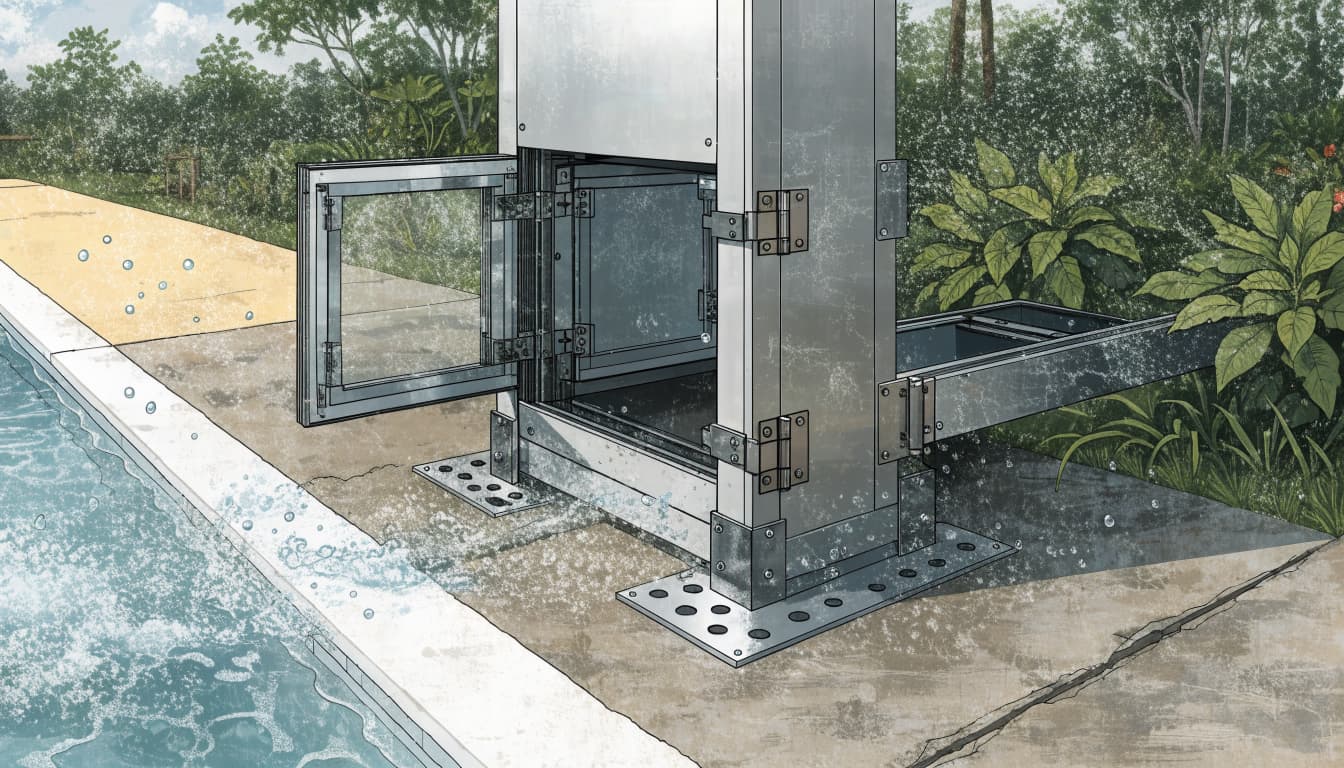
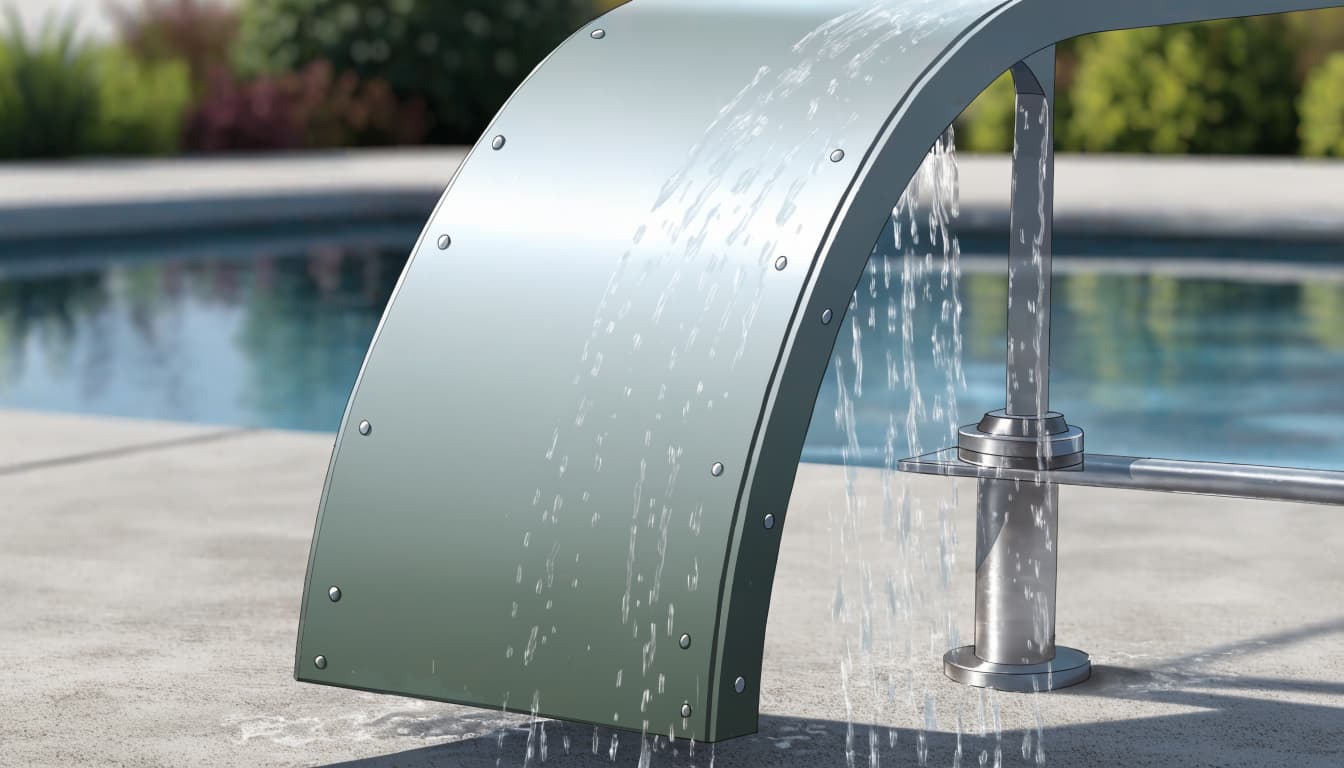
Pool water doesn't need to pour over a lift to leave a mark. Wind, splashing, wet hands, and water carried on pool equipment can transfer droplets to nearby panels, rails, landings, and fasteners. Airborne moisture and aerosols can also settle on exposed surfaces.

Splash and damp surfaces

The areas closest to the pool often receive the most direct contact. A lift beside a splash zone may get frequent wetting, while a covered lift farther away may still experience humid air and occasional droplets.

When water remains on a surface, it extends contact time. Repeated wetting and drying can also leave mineral or chemical residue behind. That residue may look like a stain, but appearance alone doesn't establish corrosion.

Chlorine and chloramines aren't the same exposure

Pool chlorine refers to the disinfecting chemicals in treated water. Chloramines form when chlorine reacts with nitrogen-containing material in the pool. They can be present in pool air, but their presence doesn't prove that a lift's coating or metal has been damaged.

The amount reaching a lift depends on the pool's condition, distance, airflow, and how often splashing occurs. Treat a visible change as a reason to observe and document the surface, not as proof of a particular chemical cause.

Why concentration, moisture, and time matter

A brief splash that dries quickly creates a different exposure from frequent wetting on a surface that stays damp. The likely effect depends on the chemical concentration in the water, how much reaches the lift, and how long moisture sits on the finish.

Exposure is local, not uniform

A panel facing the pool may receive more droplets than a sheltered frame member. Water can also collect at horizontal ledges, joints, fastener heads, and the base of a lift. Those spots deserve closer attention because they can stay wet after nearby vertical surfaces dry.

Concentration can vary with pool water conditions and with residue left after evaporation. There isn't one universal exposure level that predicts a specific result for every finish.

Moisture adds time to contact

Humidity, shade, poor drainage, and repeated splashes can keep surfaces damp. Heat and sun can fade finishes and dry seals, while standing water increases moisture exposure around metal and electrical areas. Our routine maintenance guidance for outdoor lifts covers related weather and moisture concerns.

A poolside lift also needs water to drain away from its base and landings. A puddle near the equipment can prolong wet conditions, regardless of whether chlorine is the main source of the residue.

How common lift finishes may respond

Outdoor lifts can include painted or powder-coated steel, aluminum, stainless steel hardware, and protective finishes on other components. These materials don't react identically. The coating, surface condition, alloy, and construction details all matter.

Painted steel and coated surfaces

Paint or a factory coating separates steel from the surrounding environment. If the surface remains intact, it can help protect the metal beneath. A scratch, chip, or damaged edge can expose the substrate and create a place for moisture to collect.

Some coatings may fade, chalk, stain, or lose adhesion under outdoor exposure. A change in color alone doesn't confirm that the steel underneath is corroding. Blistering, peeling, or rust emerging through a finish deserves attention.

Aluminum and stainless steel

Aluminum can form a protective oxide layer, but that doesn't make every aluminum surface immune to staining or damage. Surface treatments and exposure conditions influence how it holds up. Steel performance also depends on its grade, coating, joints, and care. See our overview of corrosion resistance in aluminum and steel lift towers.

Stainless steel fasteners often resist corrosion better than ordinary carbon steel, but they still need appropriate care. Poolside exposure may leave deposits or discoloration on them. Look for persistent pitting, rust staining, or hardware that appears seized, rather than assuming every mark indicates a failed component.

Cosmetic discoloration or coating failure?

A color change can be frustrating, especially on a visible lift tower or landing gate. However, cosmetic marks and material damage call for different responses. A photo taken from the same angle over time can help show whether a spot is changing.

Signs that may be cosmetic

A surface may show a light film, a water spot, or uneven fading without any visible loss of coating. Chalkiness can indicate that a coating or polymer is weathering, but it doesn't by itself show how much damage lies beneath. A mark that washes away with an approved gentle cleaning method may be residue.

Avoid using a harsh cleaner to test a stain. Abrasive pads or strong chemicals can create scratches and new discoloration, making the original condition harder to assess.

Signs to report

Peeling or blistering coating, visible rust, pitting, swollen seals, and residue around fasteners deserve a closer look. The pattern matters: a mark concentrated at a chipped edge differs from uniform fading across a sun-exposed panel.

Keep clear of moving parts and don't scrape or sand suspected corrosion. A qualified lift technician can determine whether the condition affects a component or needs repair. Our article on how salt air damages outdoor elevator components describes related signs of corrosion, though salt exposure and pool exposure are not interchangeable.

Cleaning a poolside lift without harming it

Gentle cleaning can remove surface residue, but the lift's manual should guide the method and products. A soft brush, clean water, and a dry cloth may suit some exterior surfaces. Before cleaning, keep the equipment out of use if there's visible damage or water near electrical equipment.

Rinse approved exterior surfaces

For a surface the manufacturer allows you to clean, rinse gently with fresh water to remove loose residue. Use a soft brush only where permitted, then dry the area with a clean cloth if the instructions allow. Avoid leaving water pooled on ledges, thresholds, or at the lift base.

Don't assume a household pool cleaner, bleach, acid, or solvent is safe for a lift finish. A product that works on pool tile may damage paint, seals, aluminum, or other materials.

Keep water away from equipment

Don't pressure-wash rails, controls, motors, sensors, electrical connections, or enclosed equipment. High-pressure water can push moisture and debris into areas that should remain protected. Don't spray into gaps or remove covers for cleaning.

Our guidance on seasonal maintenance before reopening a home lift also recommends following the lift's approved cleaning method and avoiding high-pressure water around sensitive components.

A practical maintenance routine near a pool

A brief visual check can help you spot changes without opening or adjusting equipment. Look at exposed finishes, fasteners, the platform, landing areas, and visible drainage. Keep users away from any area where damage or a safety concern is apparent.

After cleaning, follow the manufacturer's restart procedure. If the lift behaves differently, shows a fault, or has had water enter an enclosure, stop using it and contact a qualified lift professional. Don't try to lubricate moving parts or repair a finish with household products.

Record where a stain or coating change appears and when you first noticed it. Note whether the area is regularly splashed, shaded, or slow to dry. This information can help a technician distinguish a surface deposit from damage that requires attention.

Keep pool water from draining toward the lift, and prevent irrigation or downspouts from adding unnecessary moisture. Also maintain clear drainage around the lift base and landings. Pool exposure is only one factor in an outdoor installation; rain, humidity, heat, and sunlight also affect finishes and components. For more on sunlight-related wear, see how sunlight affects lift seals and finishes.

Key takeaways for lift owners

Pool chlorine and chloramines can reach lift surfaces through splash, droplets, and humid air, but a mark alone doesn't identify the cause. Exposure depends on concentration, contact time, moisture, and the material or coating involved.

Rinse only surfaces the manufacturer approves, use gentle methods, and keep water away from controls and enclosed equipment. Report blistering, peeling, rust, pitting, damaged seals, or unusual operation to a qualified professional.

Frequently asked questions

Can chloramines in pool air damage a lift finish?

Chloramines can be present in air around pools, but their presence alone doesn't establish finish damage. The effect depends on the amount reaching the surface, how often it happens, moisture, exposure time, and the finish. Inspect visible changes rather than treating odor or proximity as proof of corrosion.

Does every outdoor lift finish react to pool chlorine in the same way?

No. Painted steel, aluminum, stainless steel, and protective coatings have different properties. Even finishes of the same general type may vary by formulation and condition. Follow the equipment manufacturer's instructions for cleaning and care.

Is discoloration always corrosion?

No. A film, water spot, or faded area may be cosmetic. Rust, pitting, blistering, peeling, or coating damage can indicate a more serious condition. Don't scrape or sand the area to find out; document it and seek qualified service when damage is visible.

Can I pressure-wash a lift after pool use?

Avoid pressure-washing lift equipment. High-pressure water can enter rails, controls, sensors, electrical connections, motors, and enclosures. Use only an approved gentle cleaning method on exterior surfaces identified in the owner's documentation.

Protect the finish with careful, consistent care

Poolside exposure doesn't guarantee corrosion, and a discolored finish doesn't automatically mean a lift has failed. The useful clues are the material, the condition of its protective coating, how often it gets wet, and whether the surface dries.

Keep cleaning gentle, drainage clear, and equipment areas dry. When you see rust, pitting, peeling, or changes in operation, leave technical assessment and repairs to qualified lift personnel.

Recent Posts

By Veranda 'Vator • October 15, 2026
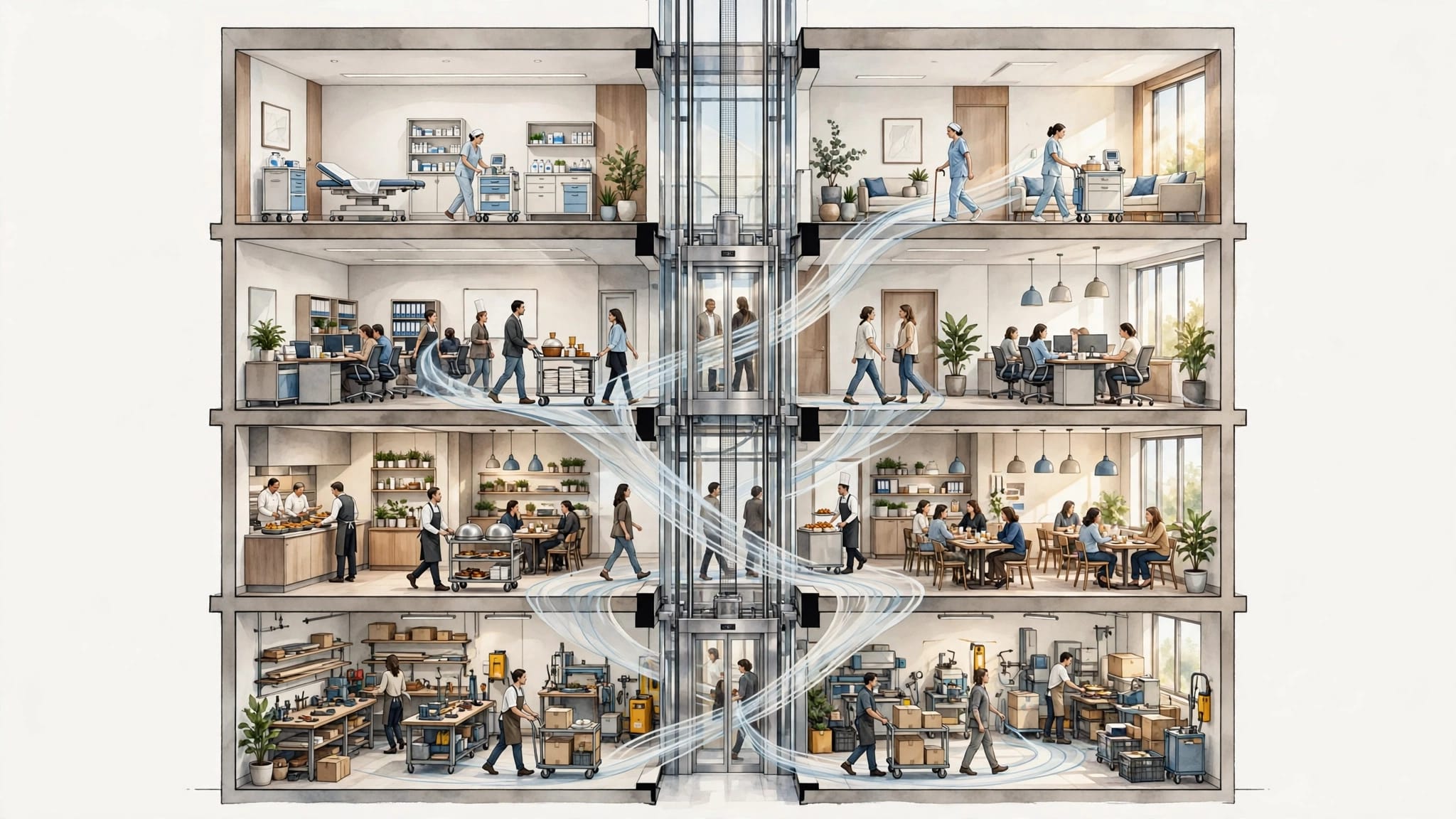
A small building can still have complicated elevator traffic. A clinic, restaurant, office, and workshop may have the same number of floors, but their passengers, delivery patterns, and busiest hours differ. Good elevator traffic planning starts with the building's actual use....
By Veranda 'Vator • October 14, 2026
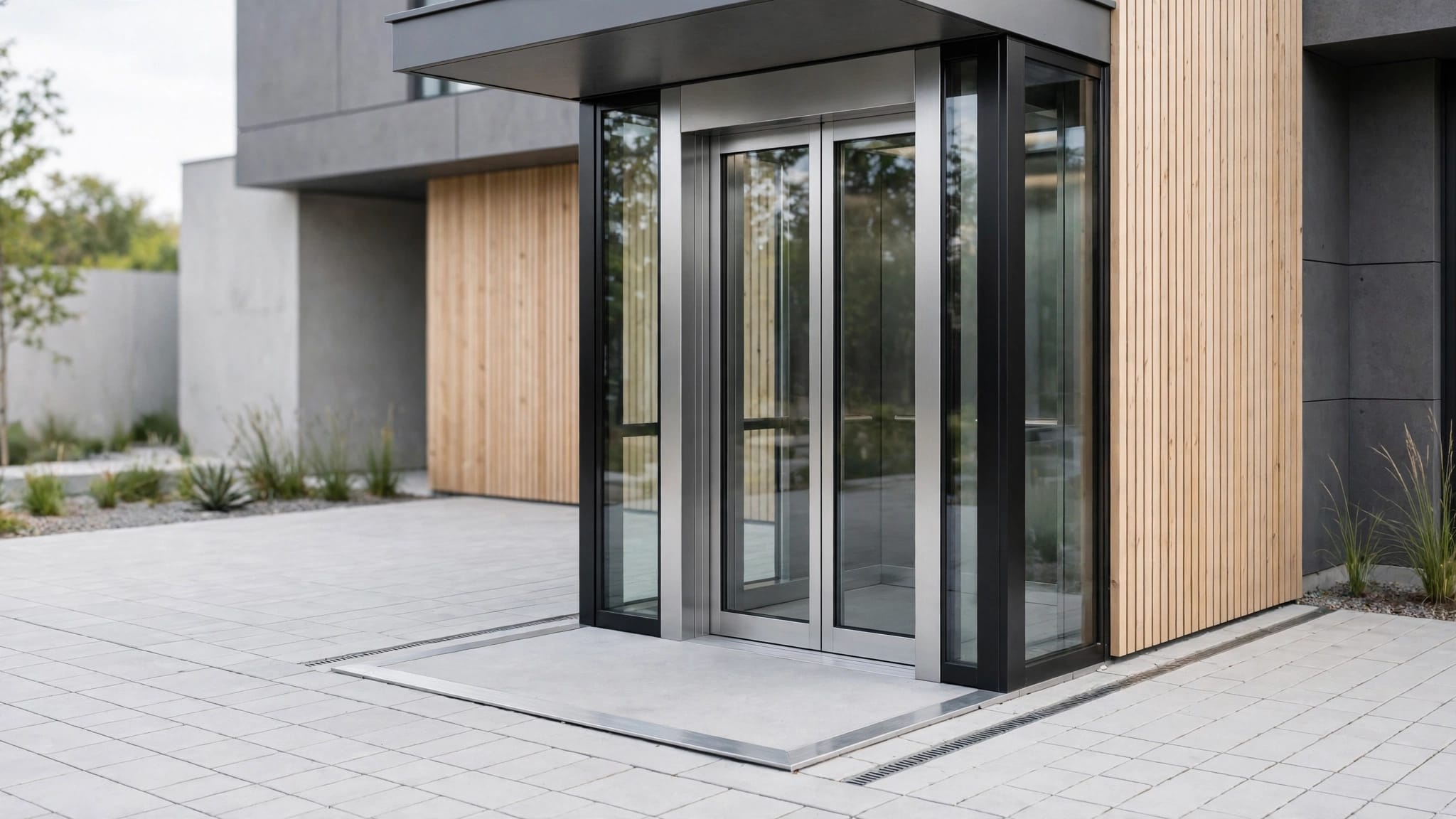
At an outdoor elevator, a small lip or puddle at the landing can make entry difficult for a wheelchair user. Well-planned wheelchair accessible thresholds combine a low level change with a stable approach, effective drainage, and enough room to maneuver. The details matter for...
By Veranda 'Vator • October 13, 2026
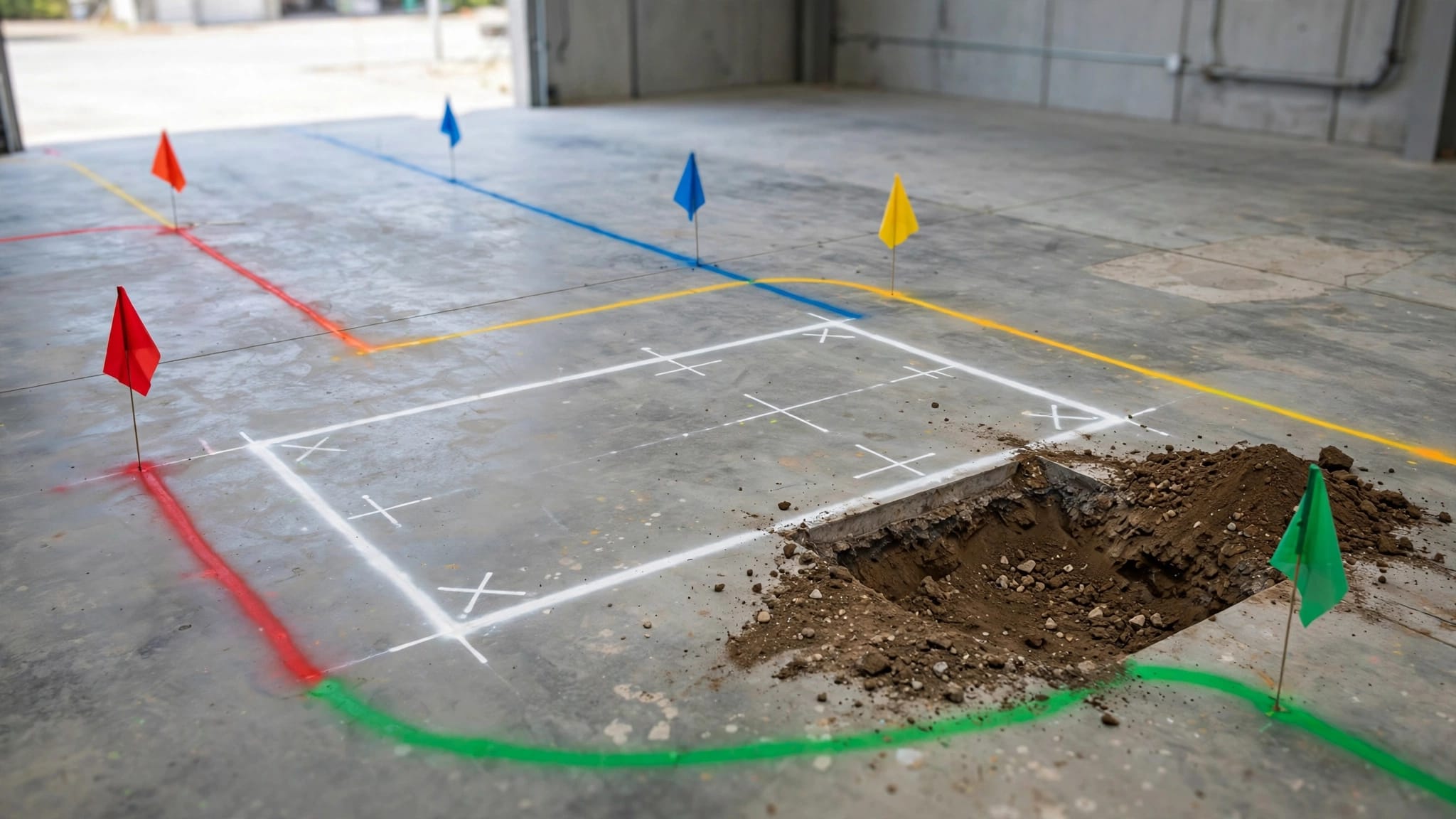
A lift footing can be redesigned before excavation; a damaged gas line or electrical cable can turn a routine installation into an emergency. Locating buried utilities early helps protect people, prevent service interruptions, and keep the footing plan aligned with the site. T...
By Veranda 'Vator • October 12, 2026
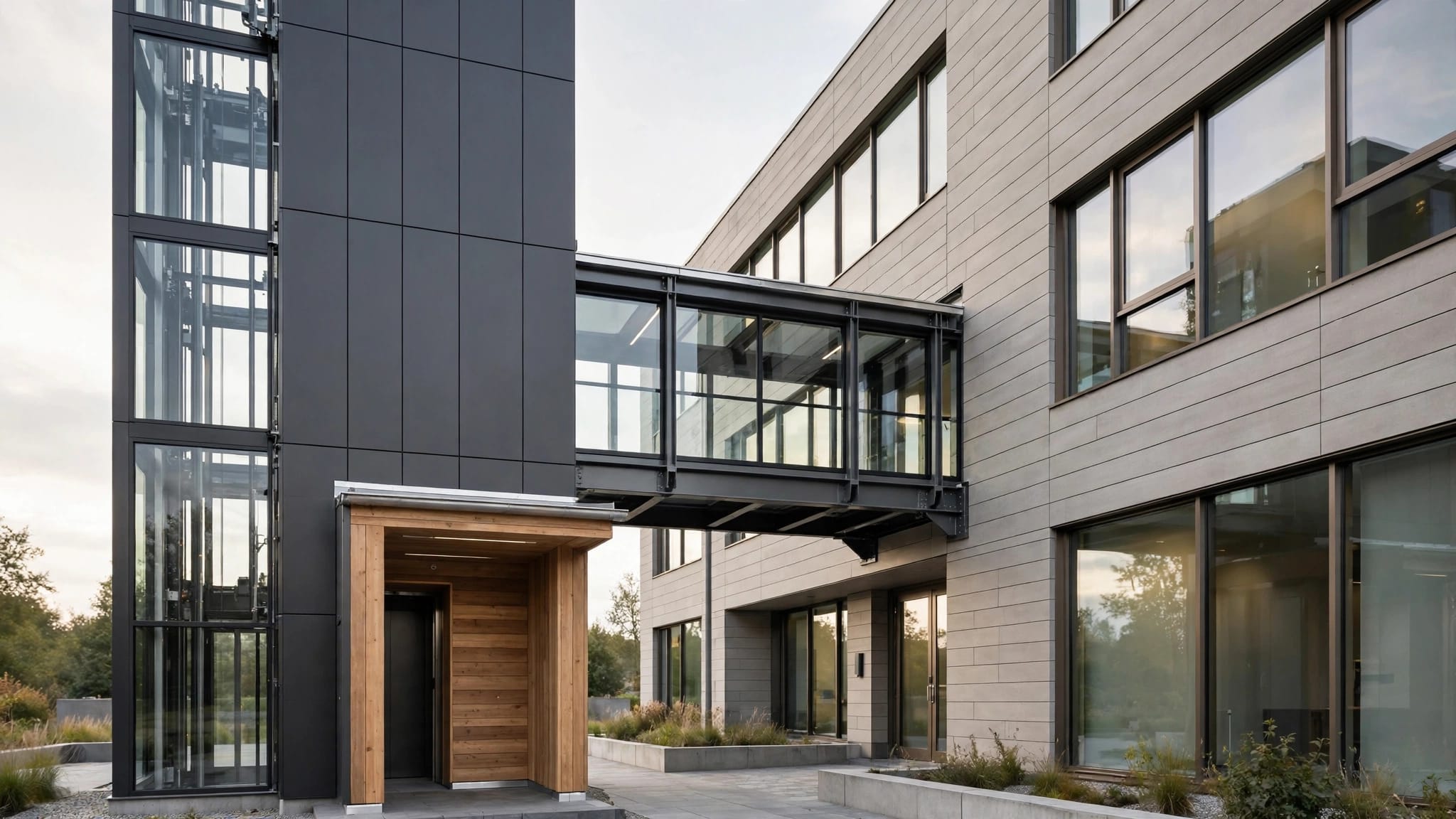
An exterior lift tower has to work with the building behind it, not only look good beside it. The cladding affects where the tower fits, how its connection to the building is detailed, and how crews preserve weather protection during installation. Good planning treats lift tow...
By Veranda 'Vator • October 11, 2026
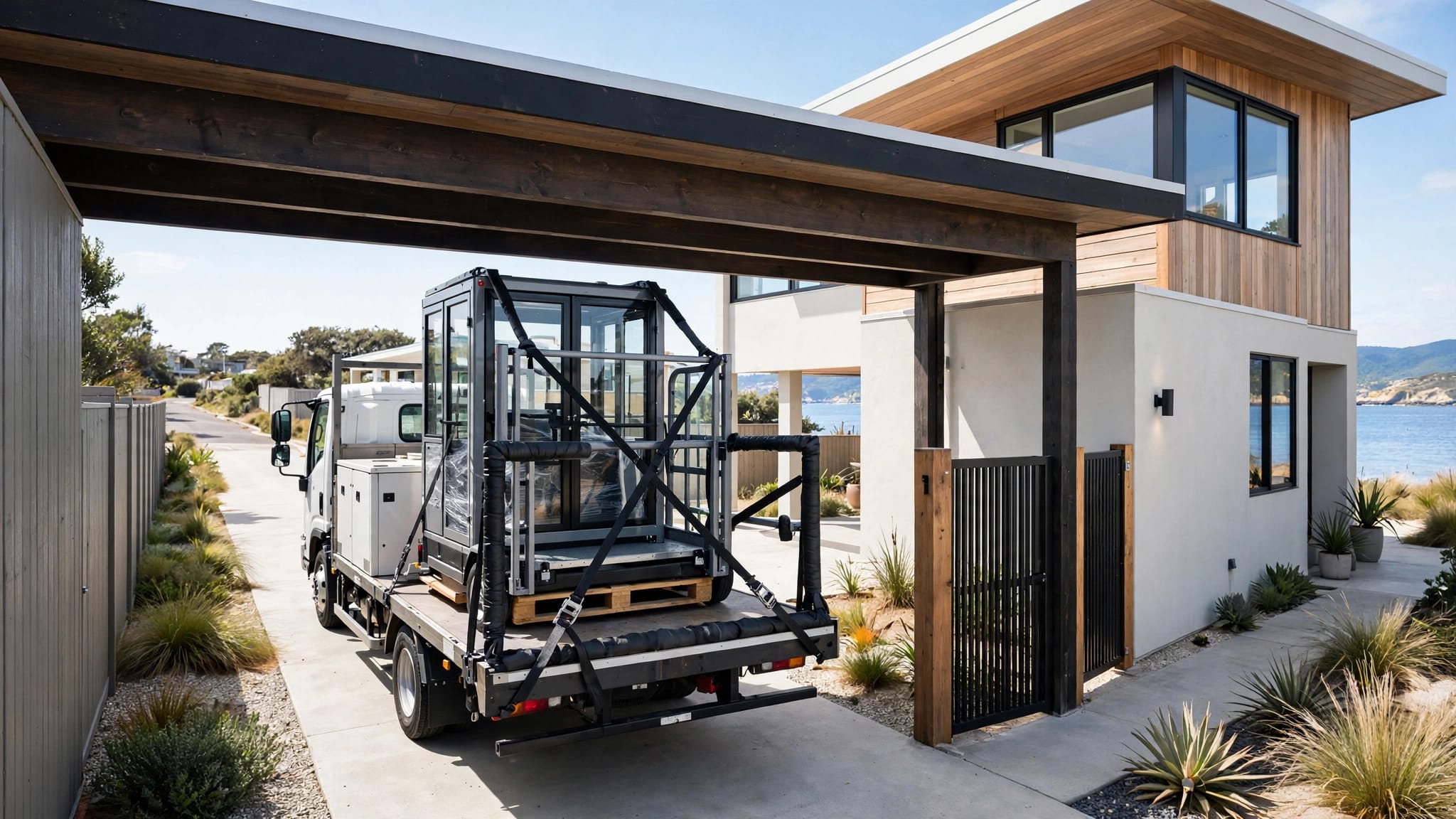
A lift can fit beside your beach house while its delivery route remains blocked by a roof overhang or shared driveway. A useful lift delivery checklist covers the entire path, including unloading space, ground conditions, and access to the installation area. On a narrow waterf...
By Veranda 'Vator • October 10, 2026
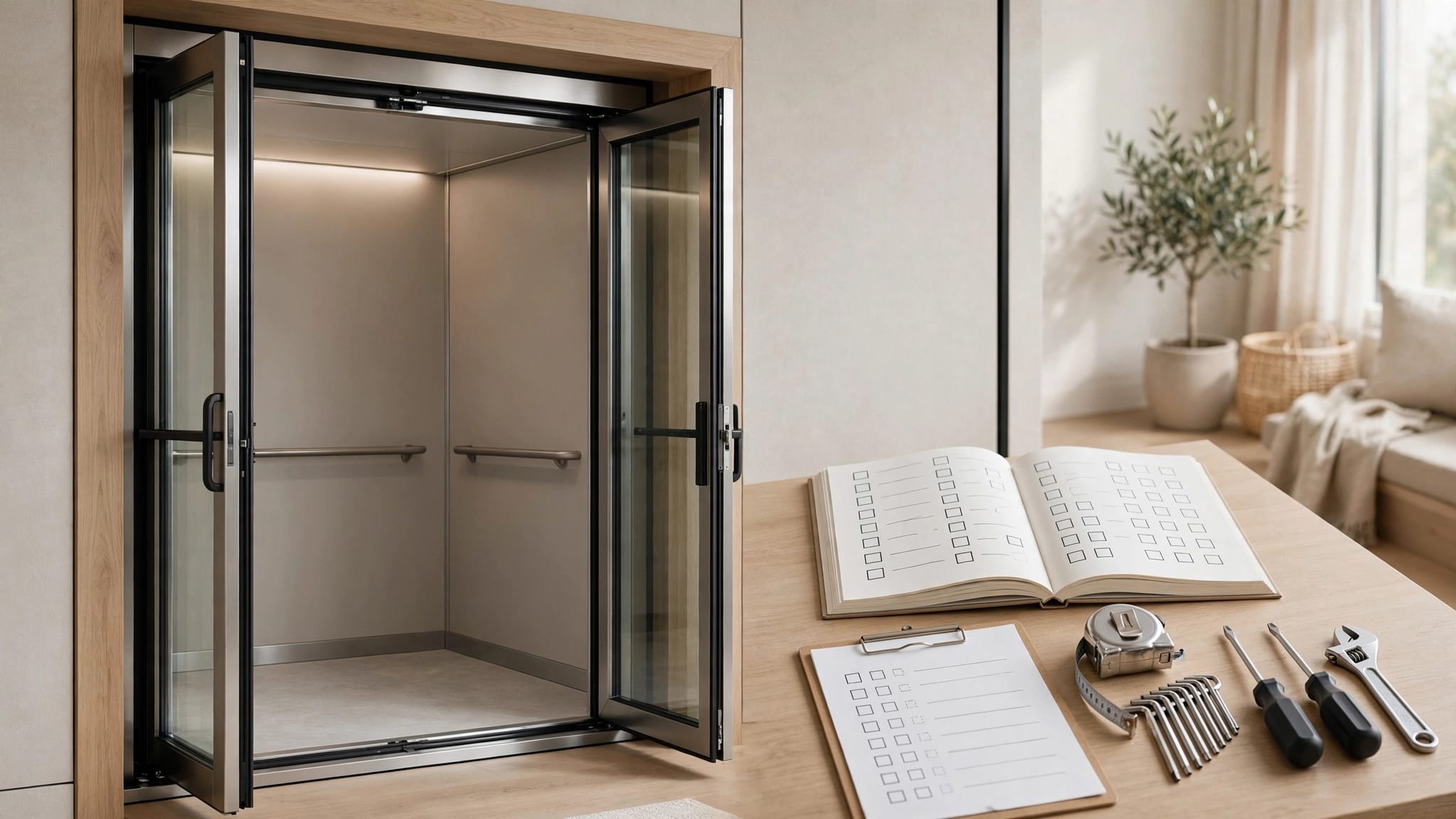
A service receipt may show that someone visited, but it rarely tells the lift's full maintenance story. A useful home lift service log records what the technician found, what changed, and whether any work remains unfinished. Your records should connect each visit to the right...

By Veranda 'Vator • October 9, 2026
A lift installed beside a beach house can face different approval questions than one serving a restaurant entrance. For lift approval, intended use matters alongside location, building type, equipment design, and the people who will operate or ride it. You need to establish wh...
By Veranda 'Vator • October 8, 2026
When your building's only passenger elevator shuts down, a posted detour can't restore access to an upper floor. An accessible elevator upgrade needs a plan for the entire trip, including entrances, landings, and destinations. For tenants, customers, and employees, usable acce...
By Veranda 'Vator • October 7, 2026
The grocery trip isn't finished when you park if your kitchen is upstairs. A home cargo lift can reduce repeated carrying trips by moving household items between levels. That means less hauling of laundry baskets, grocery bags, and trash, while you use a separate route between...
By Veranda 'Vator • October 6, 2026
A second-story ADU needs a practical route upstairs, especially when you use a wheelchair or carry groceries. Planning a Florida ADU elevator starts with intended use , then accounts for weather exposure, building connections, and long-term service. An exterior installation ca...
Show More