An outdoor home elevator can remain useful for many years, but there's no single lifespan that applies to every installation. The equipment type, installation quality, climate, exposure, usage, and maintenance all affect how long the complete system stays in service.
It also helps to separate the elevator's overall service life from the life of its individual parts. A lift may continue operating after seals, controls, or other components have been repaired or replaced. The most useful way to estimate an outdoor elevator's lifespan is to look at its design, setting, and care together.
Key Takeaways
- There isn't one guaranteed service-life number for every outdoor home elevator.
- Passenger elevators, cargo lifts, and vertical platform lifts serve different purposes, so estimates for one type may not fit another.
- Sun, salt air, rain, wind, heat, and standing water can affect exposed parts in different ways.
- An elevator's overall service life is different from the replacement life of its seals, finishes, cables, controls, and safety components.
- Regular maintenance and timely inspections help identify wear before it becomes a safety concern.
What Does an Outdoor Elevator's Lifespan Mean?
The whole system and its parts are different
A lift's lifespan usually refers to how long the complete system remains practical and safe to operate. That includes the structure, drive equipment, controls, doors or gates, and safety devices. It doesn't mean every part will last as long as the elevator itself.
For example, a door seal may need attention while the main structure remains sound. A control component might be replaced without replacing the entire lift. As a result, the age of one part doesn't automatically tell you whether the whole elevator has reached the end of its service life.
Elevator types have different duties
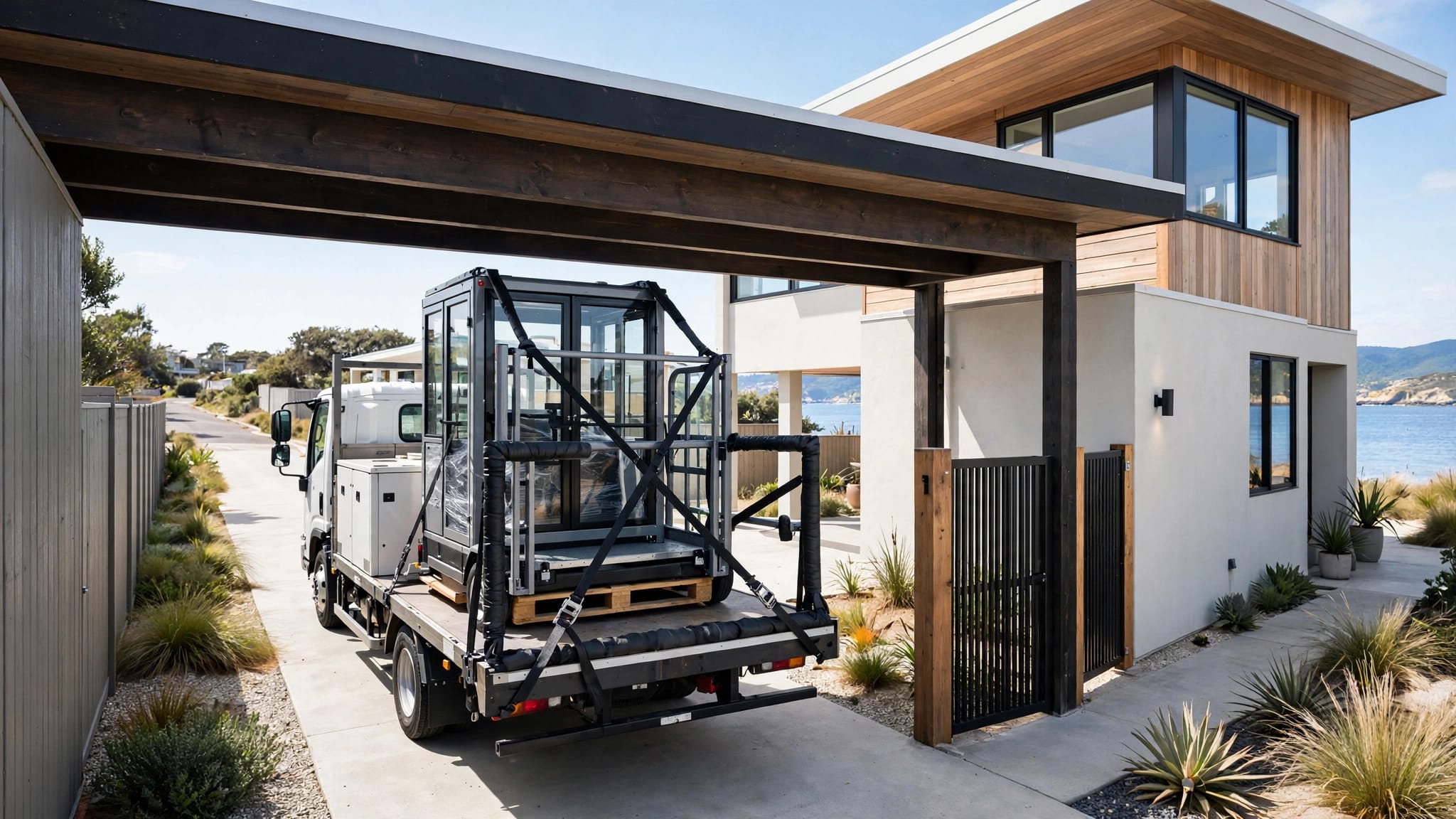
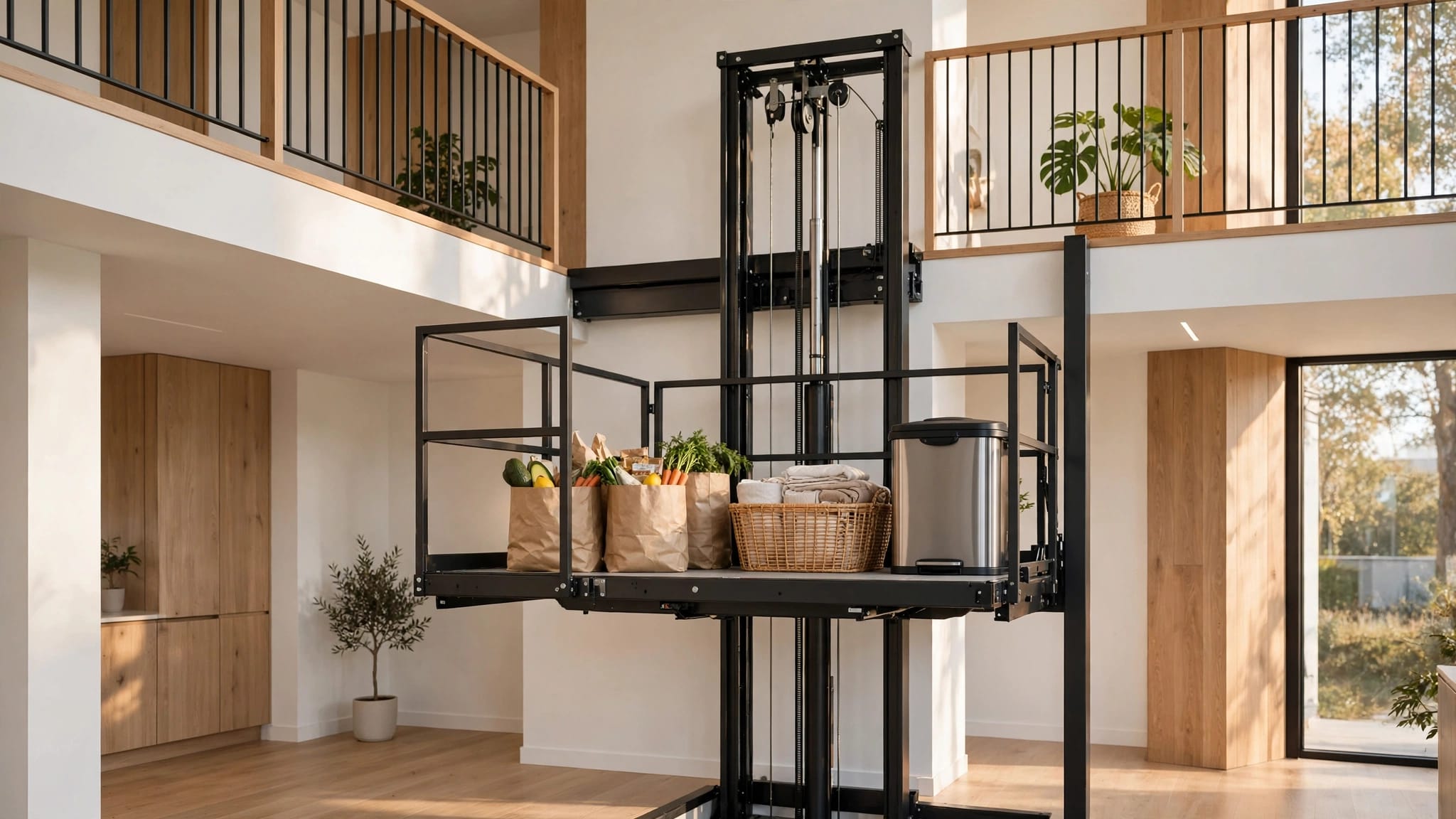
A passenger-compliant elevator, a cargo lift, and a vertical platform lift (VPL) aren't interchangeable. They handle different loads, travel patterns, and safety requirements. At Veranda 'Vator, we manufacture all three types, so we treat service life as a question about the specific equipment and how it's used.
A cargo lift designed for materials shouldn't be treated as a passenger elevator. Likewise, a VPL's use and configuration differ from an enclosed passenger system. For a raised home, the choice of system and its placement also matter. Our guide to retrofitting an outdoor lift on an elevated home covers some of those planning decisions.
Why Outdoor Elevator Lifespans Vary
Climate and exposure affect materials
Outdoor equipment faces conditions that indoor systems avoid. Direct sunlight can age some plastics, rubber seals, adhesives, coatings, and cable jackets. Over time, UV exposure may make a material brittle, cracked, or less flexible. Heat and moisture can speed up that deterioration.
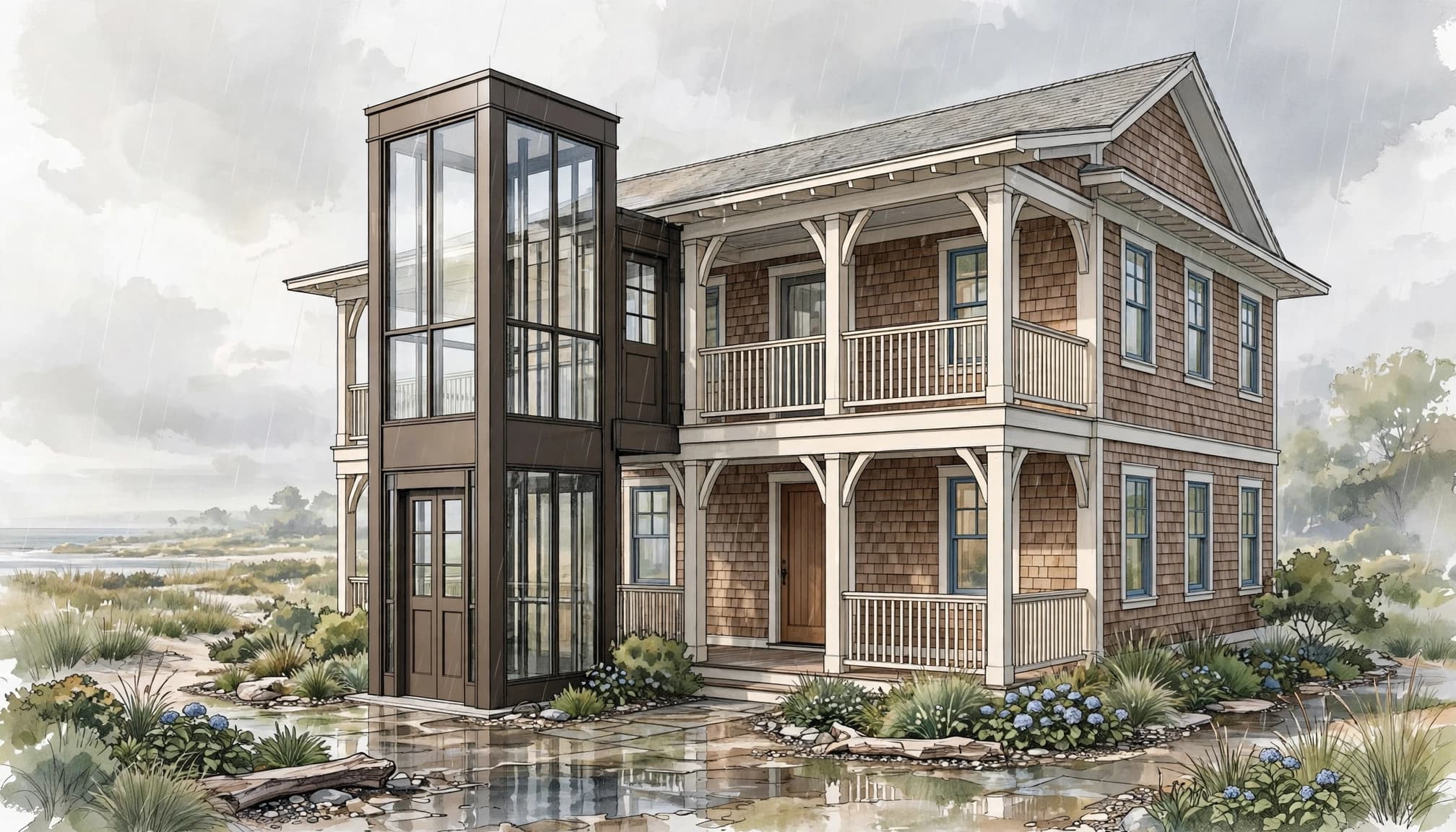
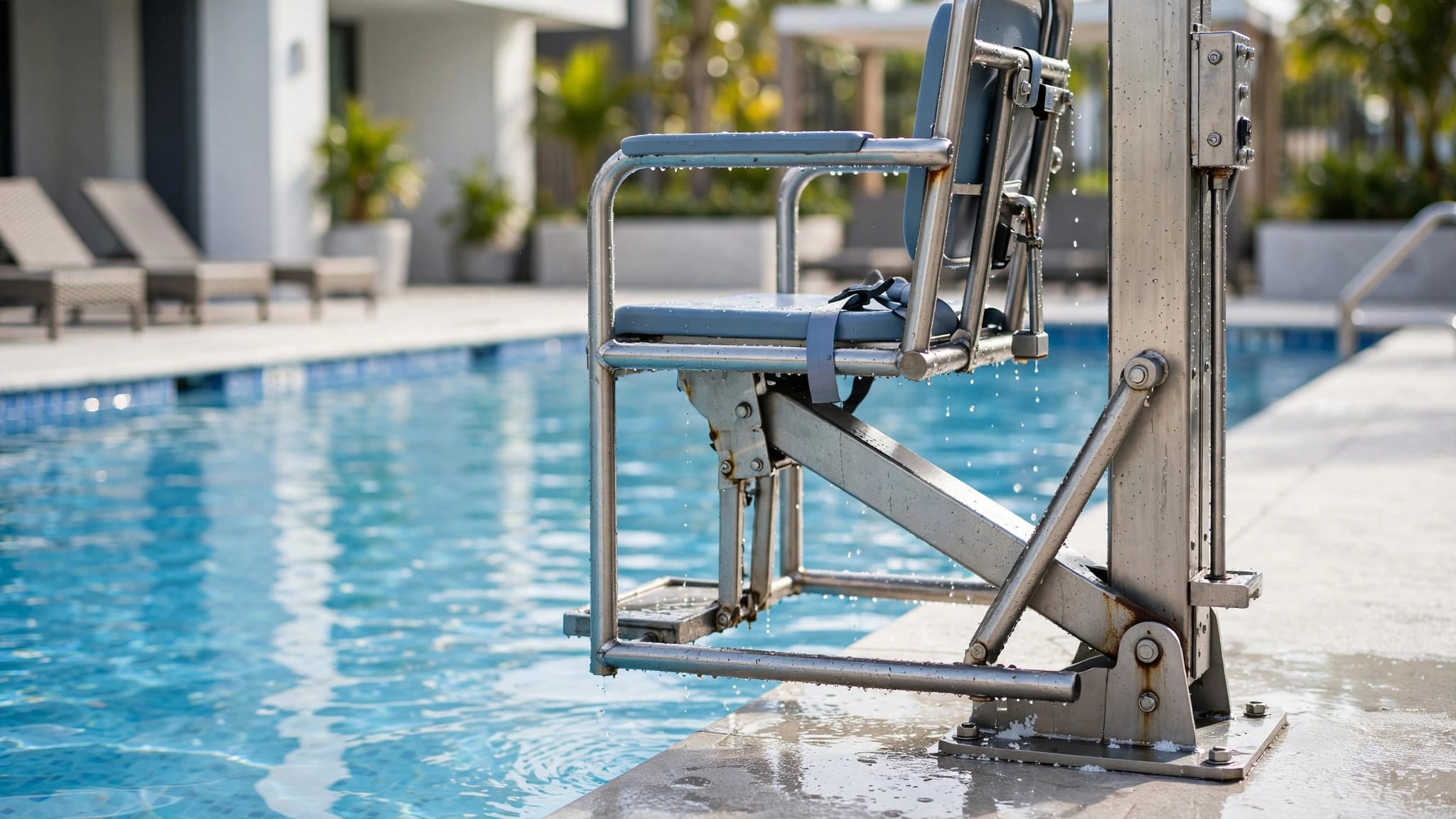
Salt air creates a different concern. Deposits can collect on exposed metal and contribute to corrosion, especially where water sits or a protective finish has been damaged. Wind-driven rain can reach seams or electrical enclosures, while poor drainage can leave water around the base. A coastal installation therefore faces a different mix of stresses than one in a dry inland location.
Installation quality and usage matter too
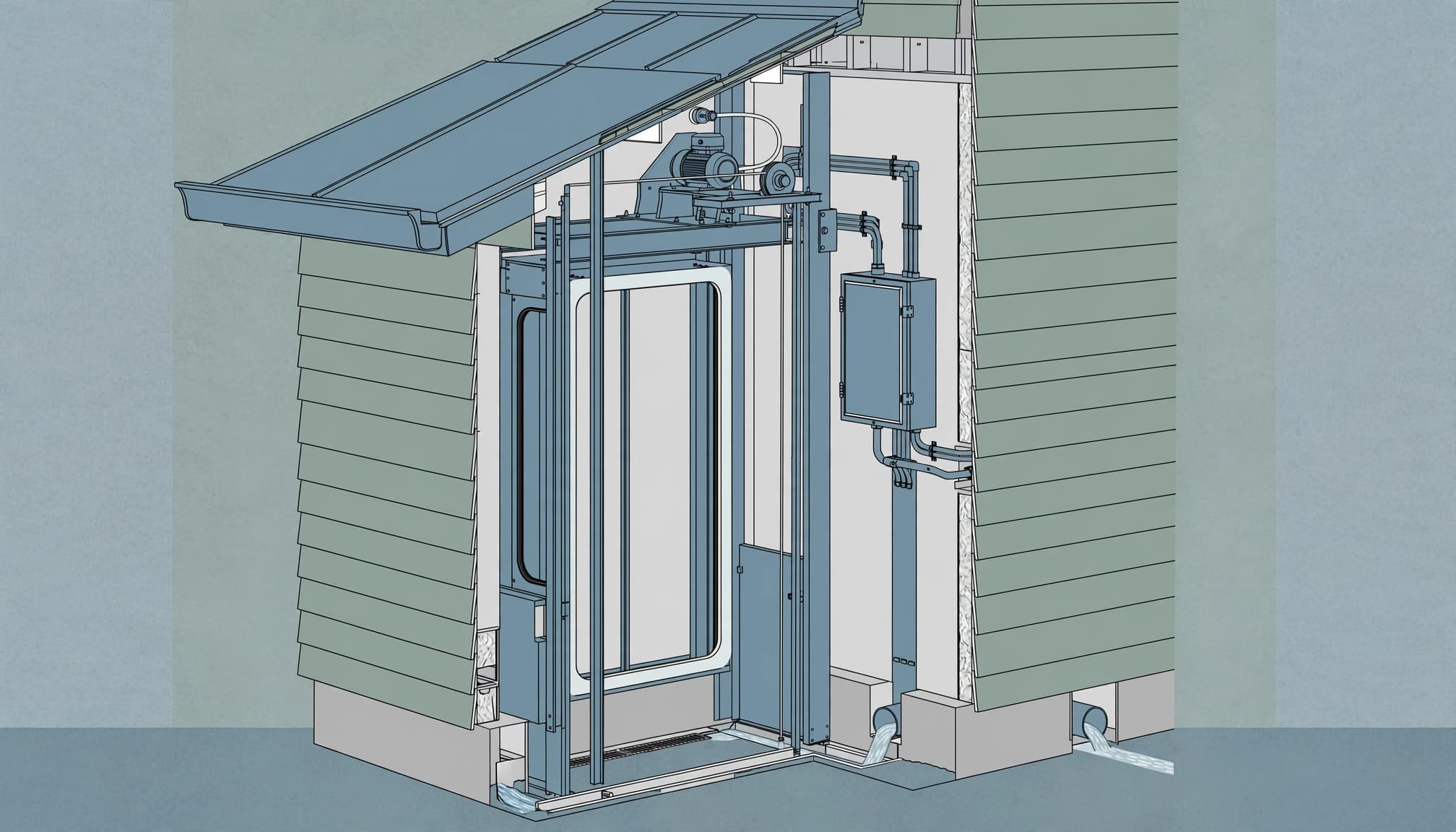
A well-planned installation accounts for the site, support structure, water drainage, weather protection, and access to equipment for service. If water pools near the tower or exposed parts don't suit the local environment, wear can develop sooner. A cover may reduce direct sun and rain, but a poorly ventilated enclosure can trap heat and condensation.
Usage also affects wear. A lift that moves people or cargo frequently may put more demand on moving parts than one used occasionally. Load limits and operating instructions matter because using equipment beyond its intended purpose can create avoidable stress. The right installation and proper use won't make parts last forever, but they help limit preventable damage.
Individual Components Need Attention Over Time
Exposed materials can age before the structure
The visible tower isn't the only part affected by weather. Seals, cable coverings, finishes, fasteners, and other exposed items may show wear first. A cracked seal can make it easier for water to enter a protected area. Damaged coatings can leave metal more vulnerable to corrosion.
These changes can be gradual. Fading or surface cracking may seem cosmetic, but brittle materials can lose flexibility or protective qualities. The correct replacement matters too. Parts should match the lift model and be approved for its use and exposure. A generic seal or coating may not hold up to the equipment's movement or local conditions.
Electrical and safety components need qualified service
Water intrusion, corrosion, and damaged connections can affect electrical operation. Doors or gates that don't latch as expected also need prompt attention because safe operation depends on the equipment's protective systems working correctly.
Don't open electrical enclosures or bypass safety devices to investigate a problem. If the lift behaves differently, a qualified elevator professional can inspect the relevant components and determine whether repair is needed. Replacing one worn part may restore safe operation without requiring a whole-system replacement.
Maintenance Helps Preserve Service Life
Follow the equipment's maintenance schedule
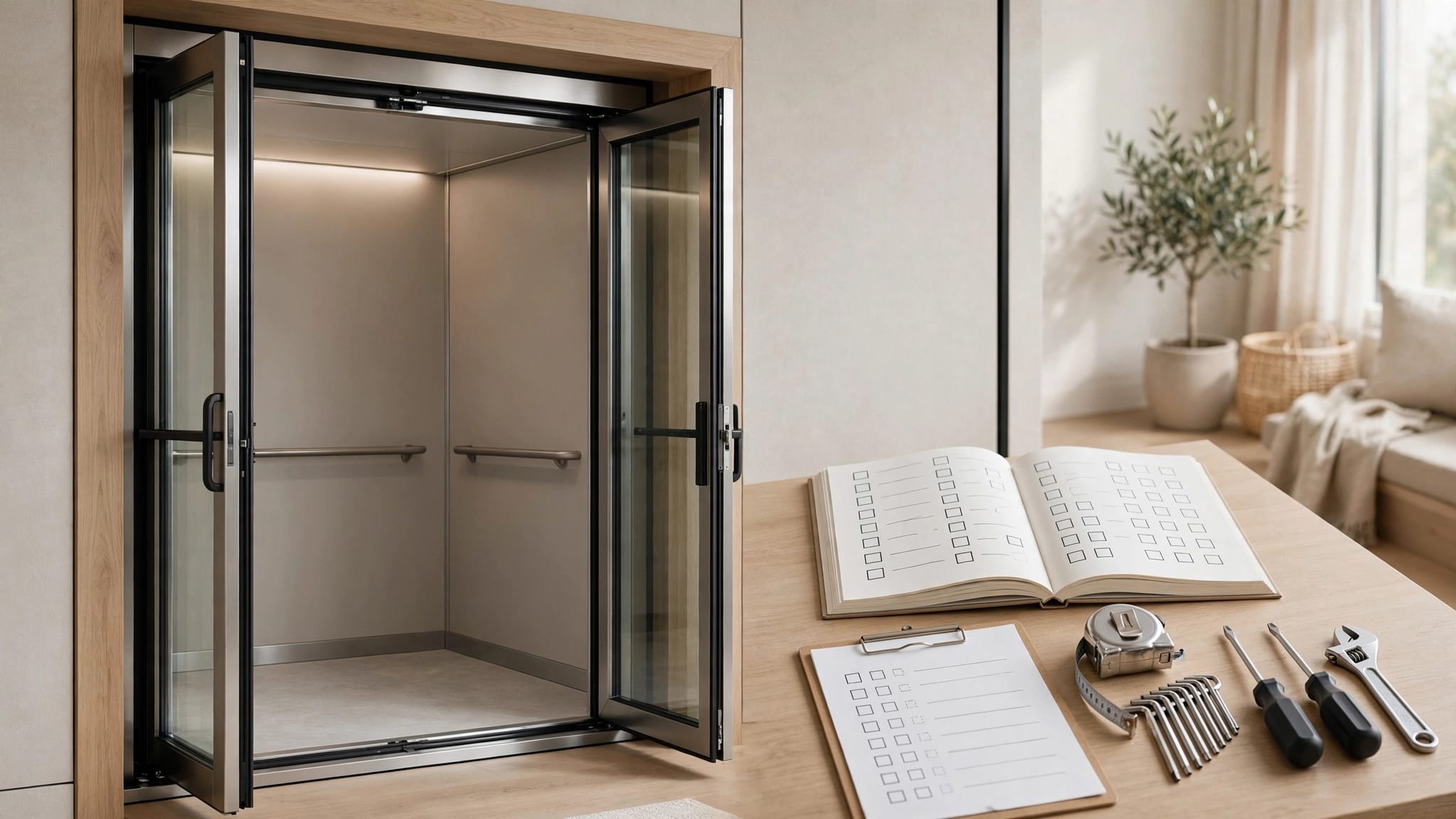
A useful maintenance plan starts with the manufacturer's documentation. It sets out approved care procedures, operating limits, and service needs for the installed model. Inspection intervals can also depend on the elevator type and local requirements from the authority having jurisdiction (AHJ).
Outdoor conditions should shape the plan. Salt deposits, rain, humidity, sun exposure, and drainage may require attention as part of routine care. The plan for an installation in southwest Florida, for example, may need to account for coastal humidity and salt air. Cleaning and inspection should follow approved instructions so maintenance doesn't damage finishes or seals.
Report changes in operation early
Pay attention to changes such as unusual stops, a door that doesn't latch normally, visible corrosion, damaged seals, or water around the equipment. Note when the issue began and whether it followed a storm, flooding, a power interruption, or nearby construction. These details can help a technician assess the cause.
After major rain, wind, or flooding, damaged equipment needs a qualified inspection before returning to regular service. Don't assume that a lift is safe because it powers on. A technician can assess damage that may not be obvious from the outside.
Repair and Modernization Don't Always Mean Replacement
A single repair doesn't define the elevator's age
A repair or component replacement doesn't necessarily mean the entire elevator has reached the end of its useful life. The key question is whether the overall system remains safe, serviceable, and suited to the job. That assessment should consider the structure, drive, controls, doors, and safety equipment rather than one part alone.
On the other hand, repeated faults or concerns with essential safety components deserve a broader review. Maintenance history can help show whether a problem is isolated or part of a larger pattern. A qualified service professional can assess the condition of the complete lift.
Modernization is one stage in the system's life
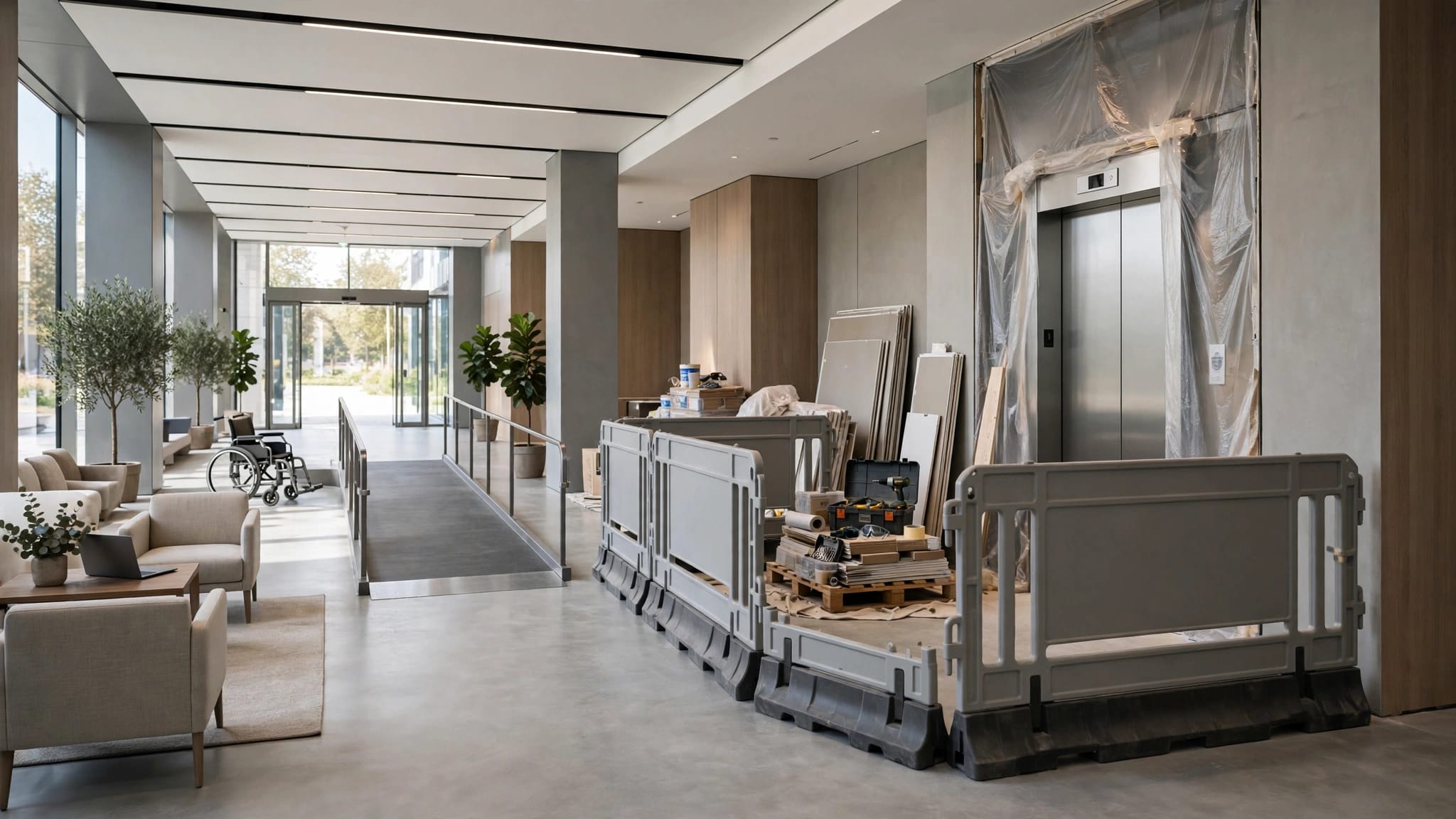
Modernization may update an older lift, but it doesn't remove the need for ongoing care. After the work, the equipment still needs the manufacturer's maintenance schedule and any inspections required by the AHJ. The article on modernizing an aging outdoor elevator system explains why modernization should be treated as a point in the lift's life, not the end of maintenance.
The decision to modernize or replace depends on the condition and purpose of the system. A sound structure with serviceable equipment may call for a different solution than a lift with extensive corrosion or recurring safety issues. Either way, the goal is reliable operation for the people and loads the equipment is designed to carry.
Frequently Asked Questions
Is there a standard lifespan for an outdoor home elevator?
There isn't one lifespan that fits every outdoor elevator. Equipment type, installation quality, weather exposure, usage, and maintenance all affect service life. The manufacturer's documentation for the installed model provides the most relevant basis for planning.
Does an outdoor elevator always wear out sooner than an indoor one?
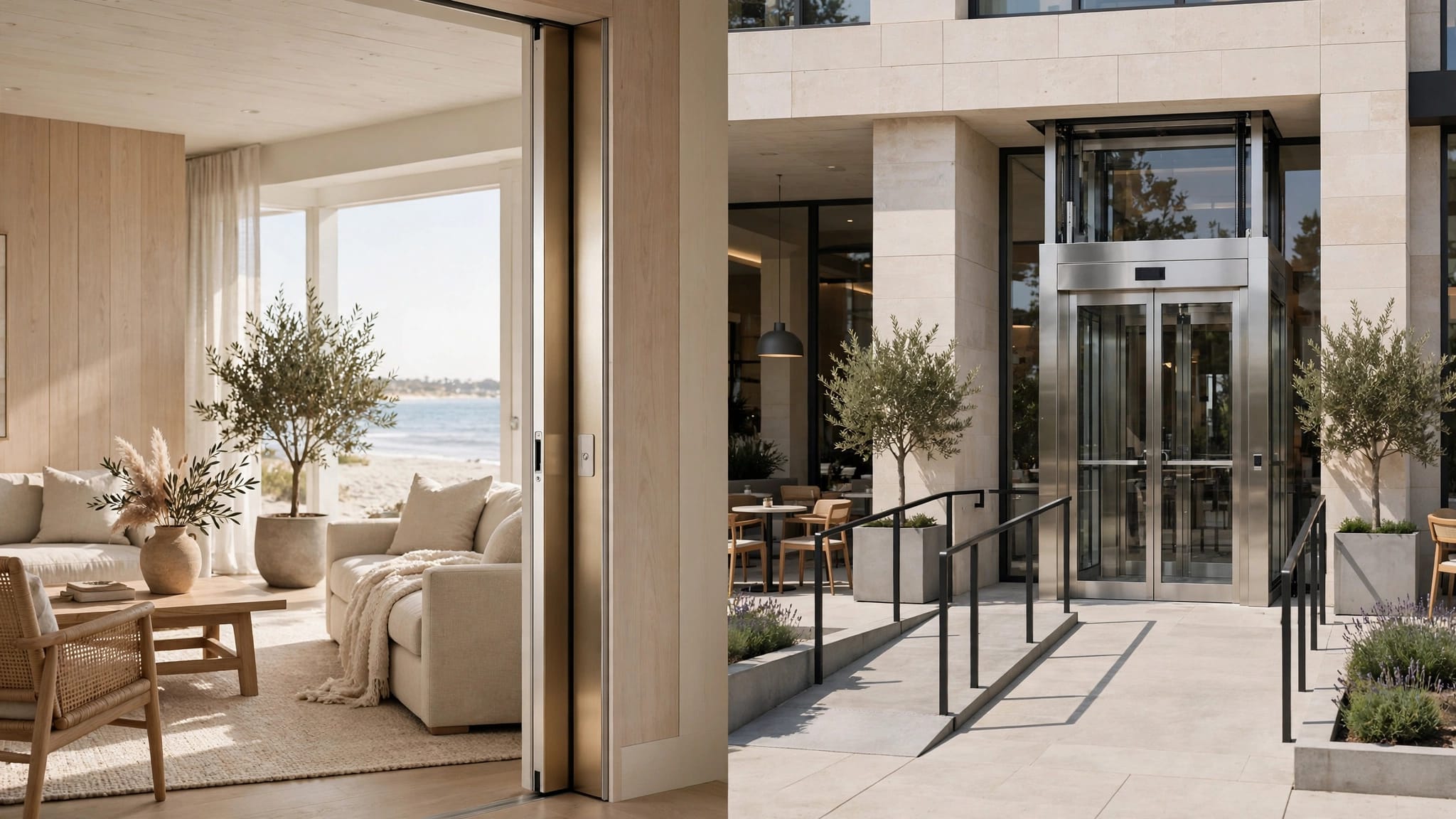
Outdoor placement adds exposure to sun, rain, wind, humidity, and possibly salt air. However, location alone doesn't determine when an elevator needs replacement. Protective design, suitable materials, drainage, installation quality, and maintenance all influence how the system and its parts hold up. See our comparison of indoor and outdoor home elevators for more on placement differences.
Do all components need replacement at the same time?
No. Individual components can need service or replacement while the rest of the elevator remains usable. A worn seal or control part doesn't automatically mean the complete system needs replacement. A qualified assessment can distinguish an isolated repair from a broader condition concern.
Should an elevator be used after a storm?
If the lift has visible damage or may have been affected by major rain, wind, or flooding, it needs a qualified inspection before returning to regular service. Water intrusion and structural or electrical damage may not be obvious during a quick visual check.
Plan for the System, Not a Single Number
An outdoor elevator's lifespan can't be reduced to one guaranteed age. The best estimate comes from the specific lift, its installation, the climate around it, how often it operates, and how consistently it receives appropriate service.
Some parts will need attention before others, and modernization may extend the useful life of a system that remains suitable for its purpose. With regular care and prompt attention to weather damage or changes in operation, owners can make better decisions about repairs, upgrades, and replacement.
Recent Posts