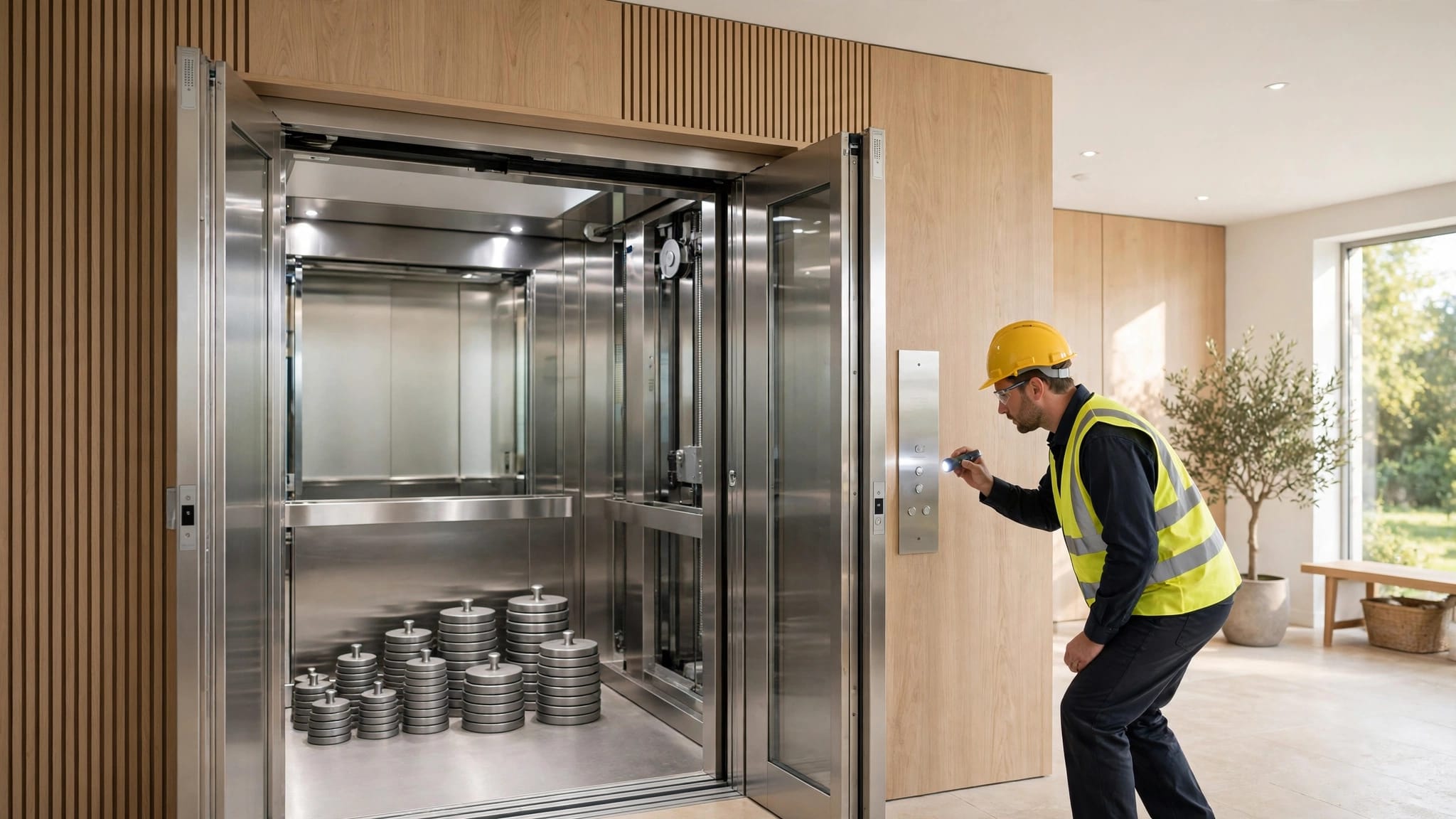
A coastal home gives pests easy access to moisture, shelter, and food. An outdoor elevator adds enclosed spaces, landing areas, control cabinets, and platform edges that need regular attention.
Good exterior elevator pest prevention keeps insects and rodents away without creating a new safety problem. The right plan combines clean surroundings, careful inspections, approved seals, and professional service when equipment or chemicals are involved.
How exterior elevator pest prevention starts at coastal homes
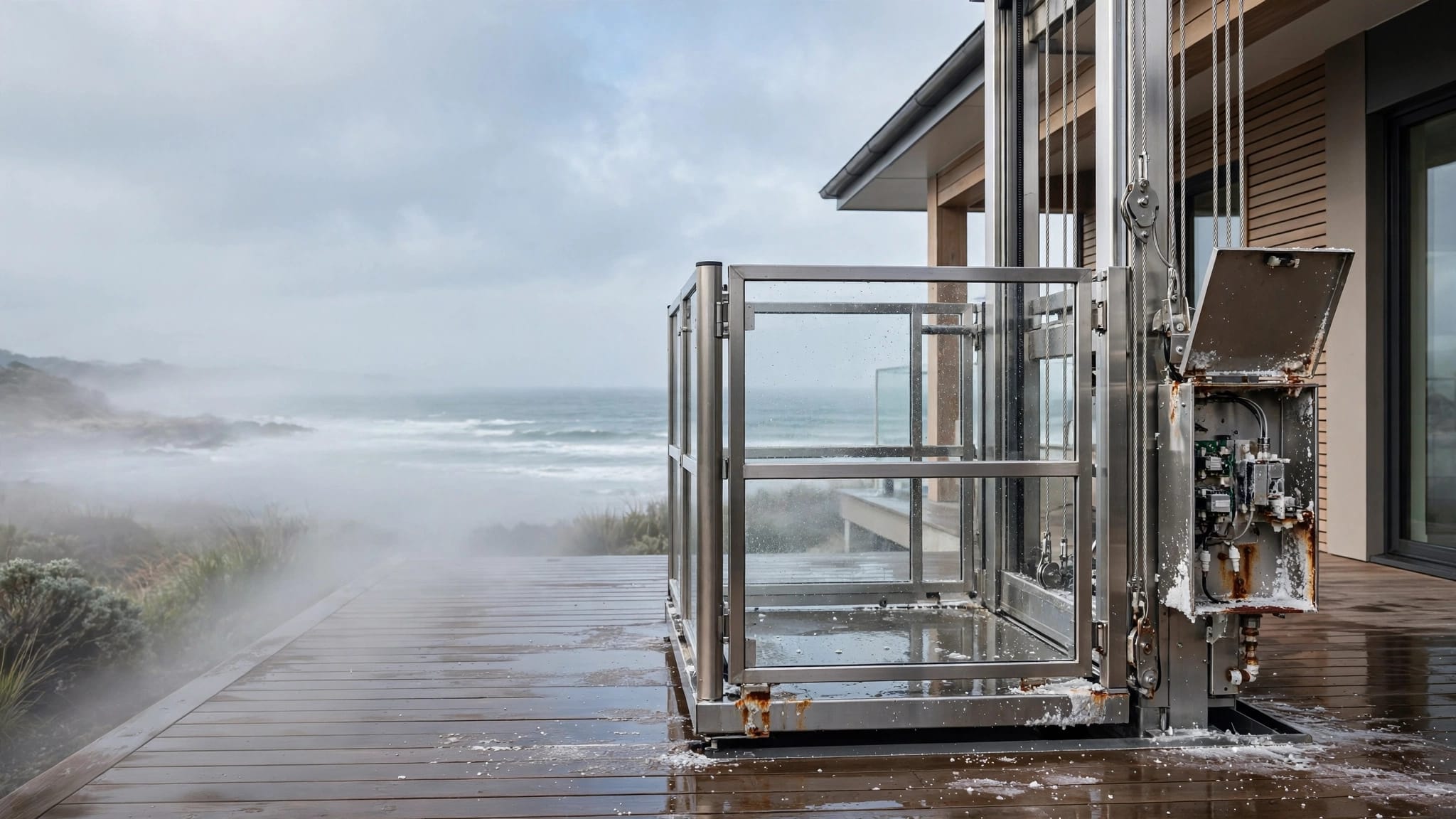
Salt air doesn't need to bring pests inside the elevator to create trouble. A damp control cabinet, leaf-filled platform corner, or gap around a landing can provide shelter close to moving equipment.
Coastal properties face added pressure from humidity, wind-driven rain, storm debris, standing water, and dense vegetation. These conditions can attract ants, roaches, spiders, termites, and rodents, depending on the property's location and surrounding landscape.
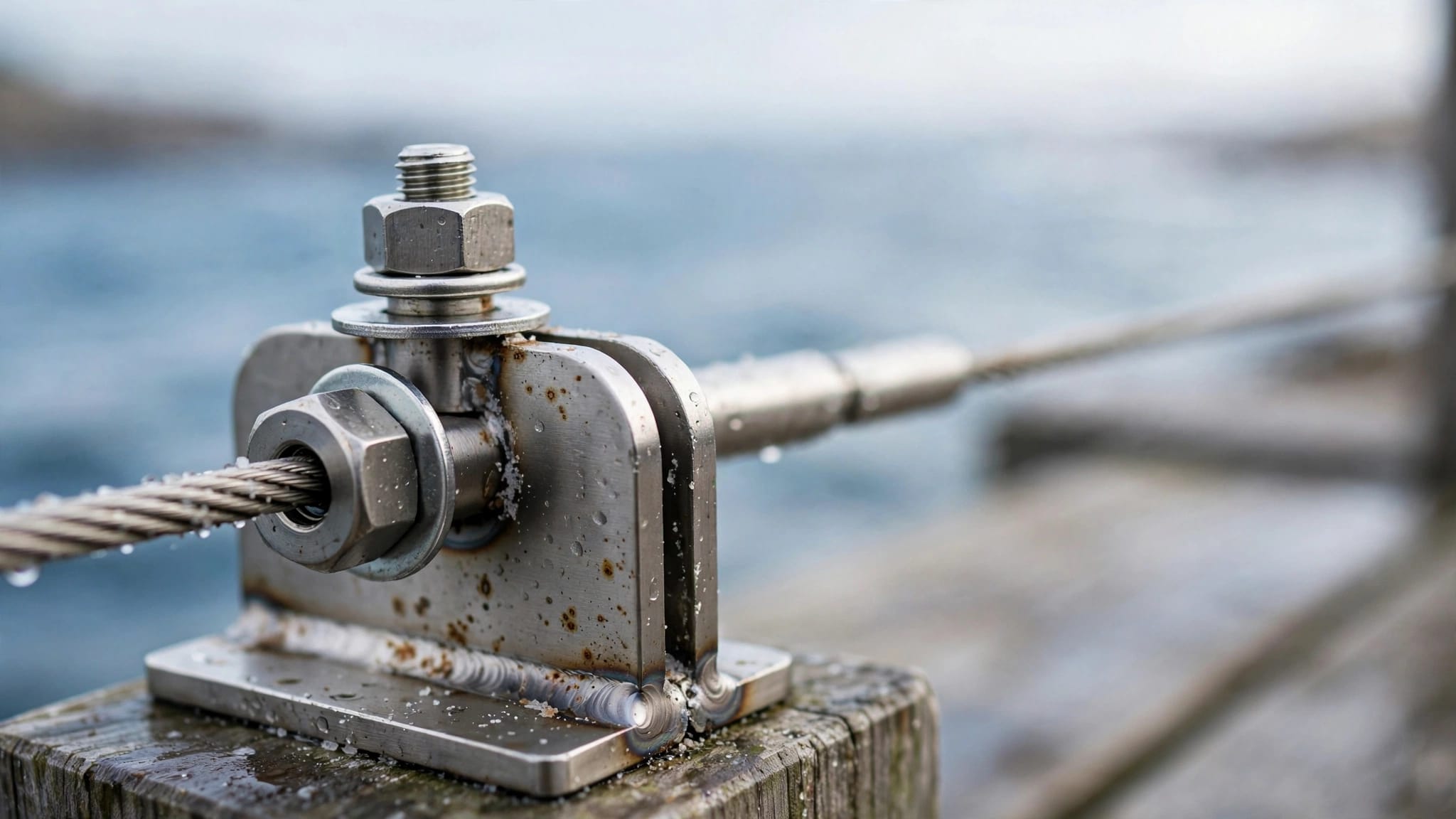
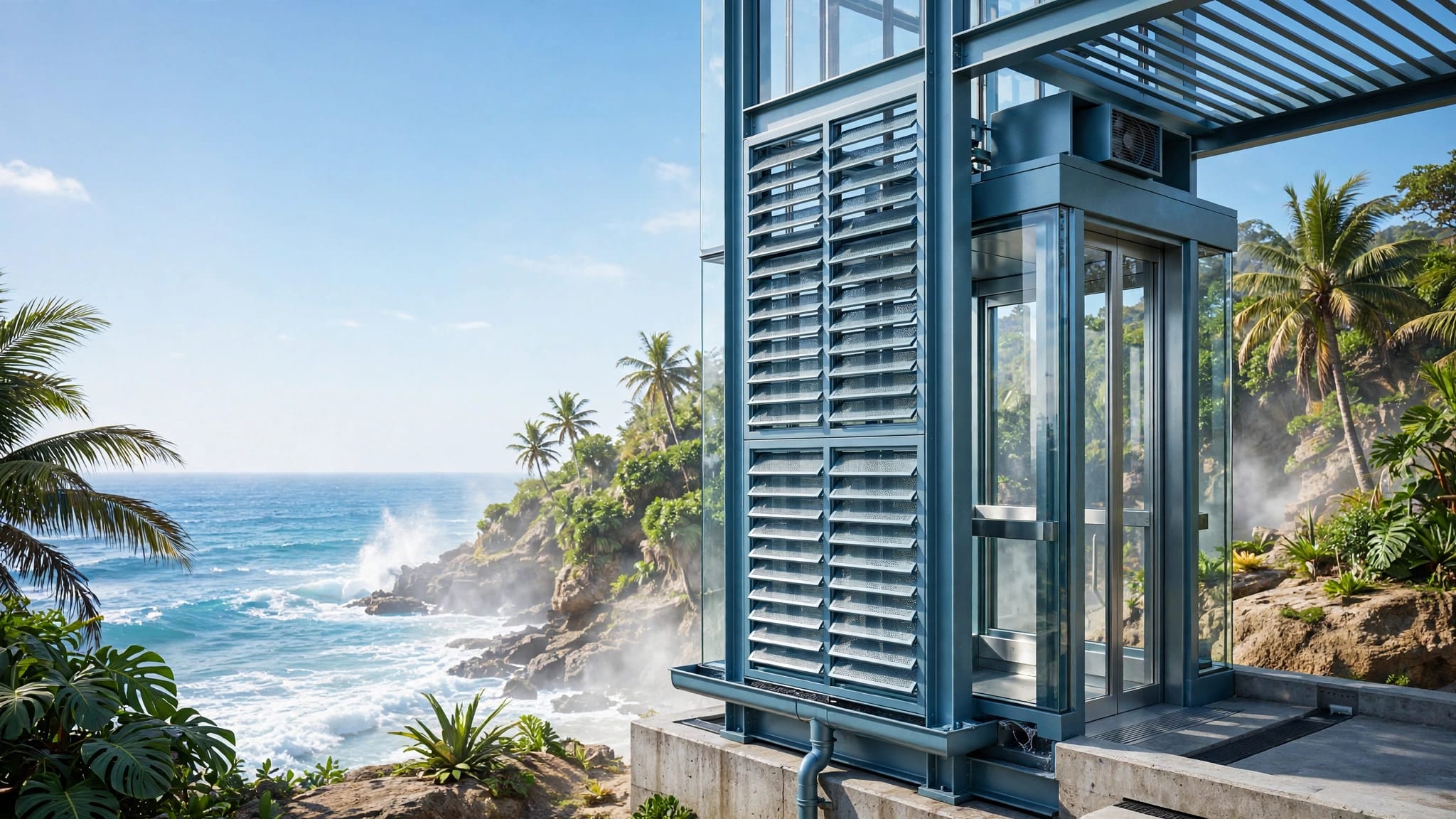
Salt and moisture can also speed up corrosion. Corrosion isn't a pest issue by itself, but damaged coatings, loose weather seals, and deteriorated screens can create openings. A lift with marine-grade construction and corrosion-resistant components can better suit coastal conditions, but it still needs cleaning and inspection.
Where pests may enter
Pests often use the areas surrounding the lift rather than the moving platform itself. Watch the space beneath the structure, the landing edges, control-box openings, cable or rail areas, gate thresholds, and nearby walls.
Common signs include:
- Webs around lights, corners, and protected brackets.
- Droppings or nesting material near cabinets and sheltered spaces.
- Mud tubes on nearby wood or masonry.
- Chewed screens, damaged seals, or unusual gaps.
- Dead insects collecting inside or around light fixtures.
Never remove a guard or open an elevator enclosure to investigate these signs. Record the location, keep people away from the area if necessary, and contact the correct professional.
Build a coastal lift pest plan with integrated pest management
Integrated pest management, or IPM, starts with inspection and prevention. It uses sanitation, exclusion, monitoring, and targeted treatment when a licensed professional determines that treatment is needed.
A practical exterior elevator pest prevention plan begins with a monthly visual inspection. Choose a time when the lift is parked and the area is well lit. After heavy rain or a tropical storm, inspect again for water intrusion, debris, damaged screens, and new pest activity.
Look at exposed areas from the landing or ground level. You can photograph a suspicious nest, web, or opening for your service provider, but don't reach into the lift structure. Keep children and pets away while you inspect.
Next, reduce food and water sources near the equipment. Keep trash containers closed and position them away from the lift when the property layout allows. Store pet food indoors, clean food spills from platforms, and remove fallen fruit or plant debris nearby.
Water control matters too. Clear leaves from surrounding drainage areas, correct leaking gutters, and redirect irrigation that sprays the lift or its controls. Don't block a drain or cover an opening that the manufacturer designed for ventilation.
Exclusion can reduce access when it uses components approved for the specific elevator. A qualified technician may recommend weather seals, brush seals, screens, or properly fitted covers. These parts must preserve gate movement, drainage, ventilation, cable clearance, and access for service.
Don't fill moving joints with caulk or expanding foam. Don't attach improvised mesh to rails, cables, gates, or safety devices. A small opening may look harmless, but an incorrectly placed seal can interfere with operation.
When signs continue, a licensed pest-control professional should identify the pest and inspect areas that homeowners can't safely reach. The provider can recommend monitoring or treatment based on the species, location, and level of activity. Follow all product labels and site restrictions, and keep treatments away from elevator components unless the manufacturer and the licensed provider specifically approve the application.
Safe routine upkeep for homeowners
Homeowners can handle many housekeeping tasks, but pest prevention doesn't include adjusting, lubricating, or opening elevator equipment. Treat the lift like any other powered mechanical system, and keep cleaning separate from technical maintenance.
A short visual check before use can catch problems early. Look at the platform, landing, gate area, and the exposed space around the lift. Then:
- Remove leaves, loose trash, and cobwebs from exposed, nonmoving surfaces.
- Keep cardboard, lumber, cushions, and stored supplies away from the lift base.
- Clean spills with the method and products listed in the owner's manual.
- Keep the approach to a passenger elevator, cargo lift, or VPL clear and dry.
- Report damaged seals, standing water, unusual odors, or pest activity.
Use only manufacturer-approved cleaners near painted finishes, seals, and metal parts. Never spray water into a control box, motor enclosure, sensor, switch, or electrical connection. Avoid pressure washing the lift unless the manufacturer gives clear instructions for that model.
Don't spray insecticide on cables, rails, brakes, sheaves, gates, sensors, or platform surfaces. Chemicals can leave residue, damage materials, create slip hazards, or interfere with service work. A pest-control professional can select and apply a treatment without asking you to guess where it belongs.
What to do after a coastal storm
Storm cleanup deserves extra care. Wind can push branches, palm fronds, and loose outdoor items against the lift. Floodwater or wind-driven rain can also reach areas that normally stay dry.
After a storm, keep the lift out of service if you see water inside electrical areas, bent gates, damaged cables, loose fasteners, heavy corrosion, or debris in the travel path. Don't test the elevator repeatedly to see whether it still works.
Follow the manufacturer's storm procedure, then call a qualified elevator technician for an inspection. If the storm also caused pest activity, schedule a separate visit with a licensed pest-control professional. Each provider can evaluate the part of the system they are trained to service.
Know when pest prevention requires professional help
The dividing line is simple: homeowners can clean and observe accessible areas, while trained professionals handle equipment access, repairs, and pest treatments.
Call an elevator technician when you notice:
- A damaged gate, seal, guard, cable, rail, sensor, or control enclosure.
- Water intrusion, corrosion, unusual sounds, jerky movement, or a change in leveling.
- Pest activity inside a cabinet, shaft, enclosure, or other restricted area.
- A need to remove a panel, adjust a component, or replace a manufacturer-specific part.
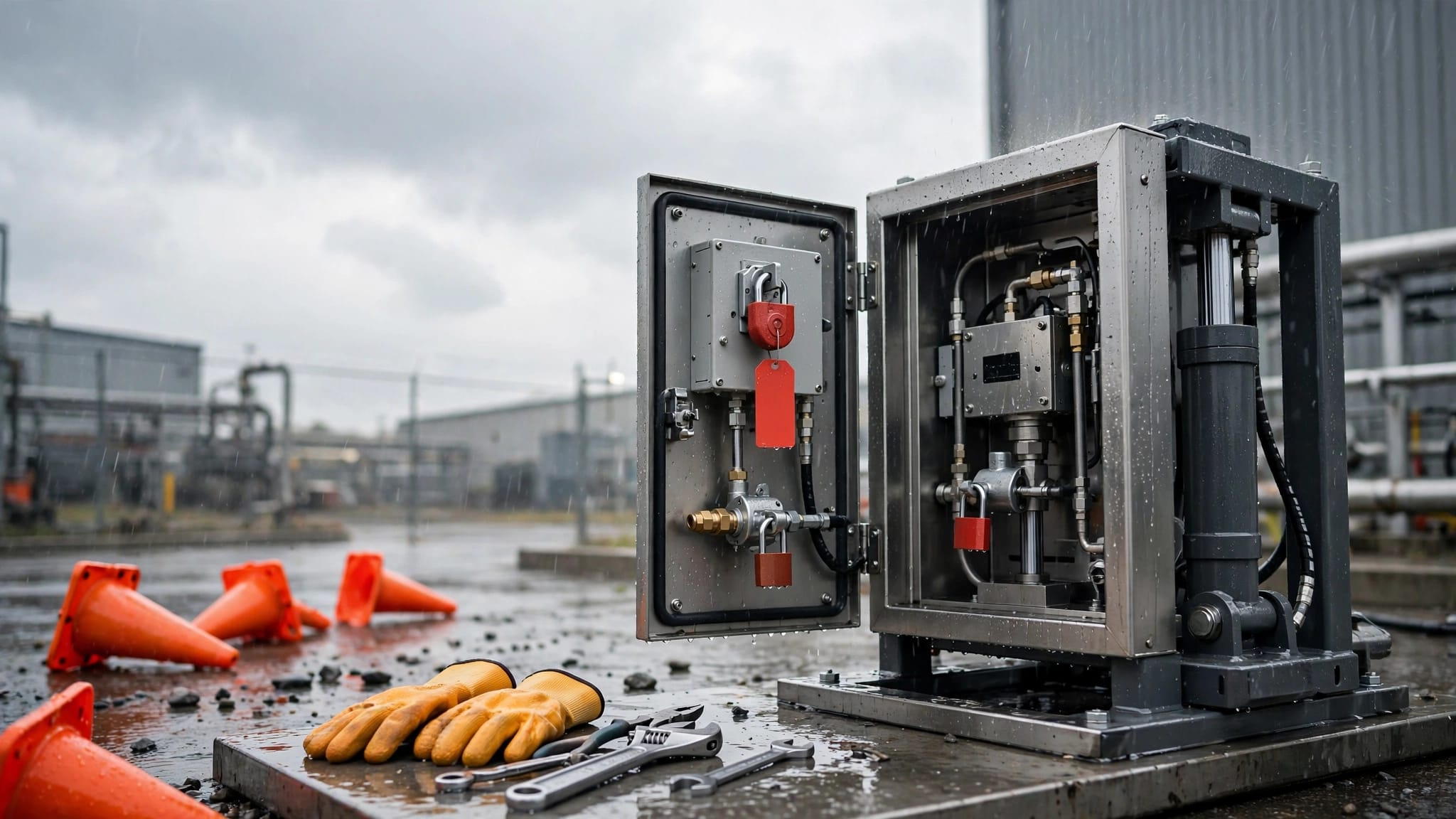
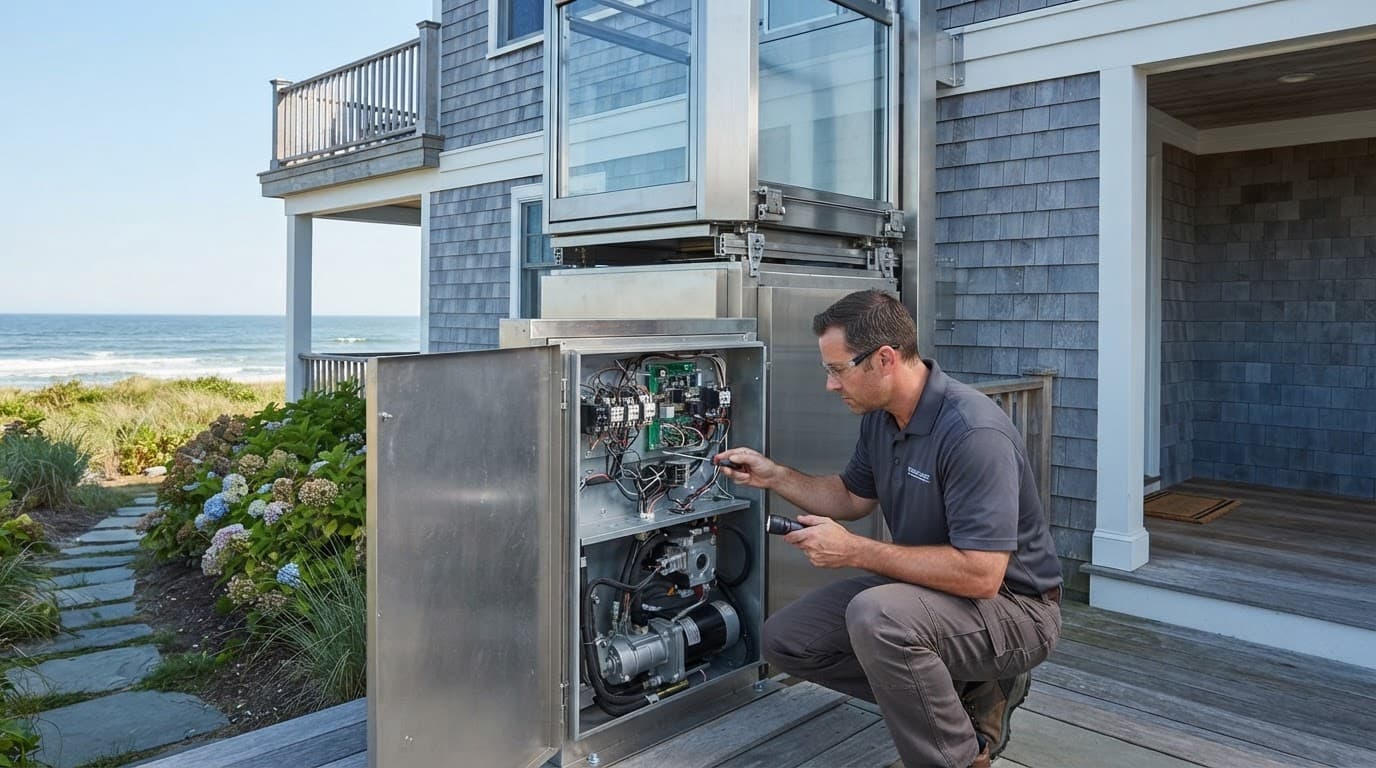
An elevator technician can check safety gates, braking systems, cables, controls, clearances, and weather protection. The technician can also determine whether a seal or screen is compatible with the lift's design.
A licensed pest-control professional should handle species identification, inaccessible nests, recurring infestations, and any pesticide application. Tell the provider that the property has an exterior elevator. Share the owner's manual or maintenance requirements when available, and ask the pest professional to keep products away from equipment unless the lift manufacturer approves the application.
The two professionals may need to coordinate. For example, a technician might need to open a control enclosure before a pest inspection, or a pest professional might identify an access point that requires a new weather seal. Neither service should replace the other.
Plan pest resistance into the lift's location and design
Prevention starts before installation. During a lift consultation, ask how the design handles coastal exposure and how technicians will inspect the equipment later.
Discuss marine-grade materials, corrosion-resistant fasteners, weather seals, drainage, screens, control-box protection, and access panels. Ask which areas homeowners can clean and which areas require a service visit. Also request the approved cleaning products, storm instructions, and inspection schedule.
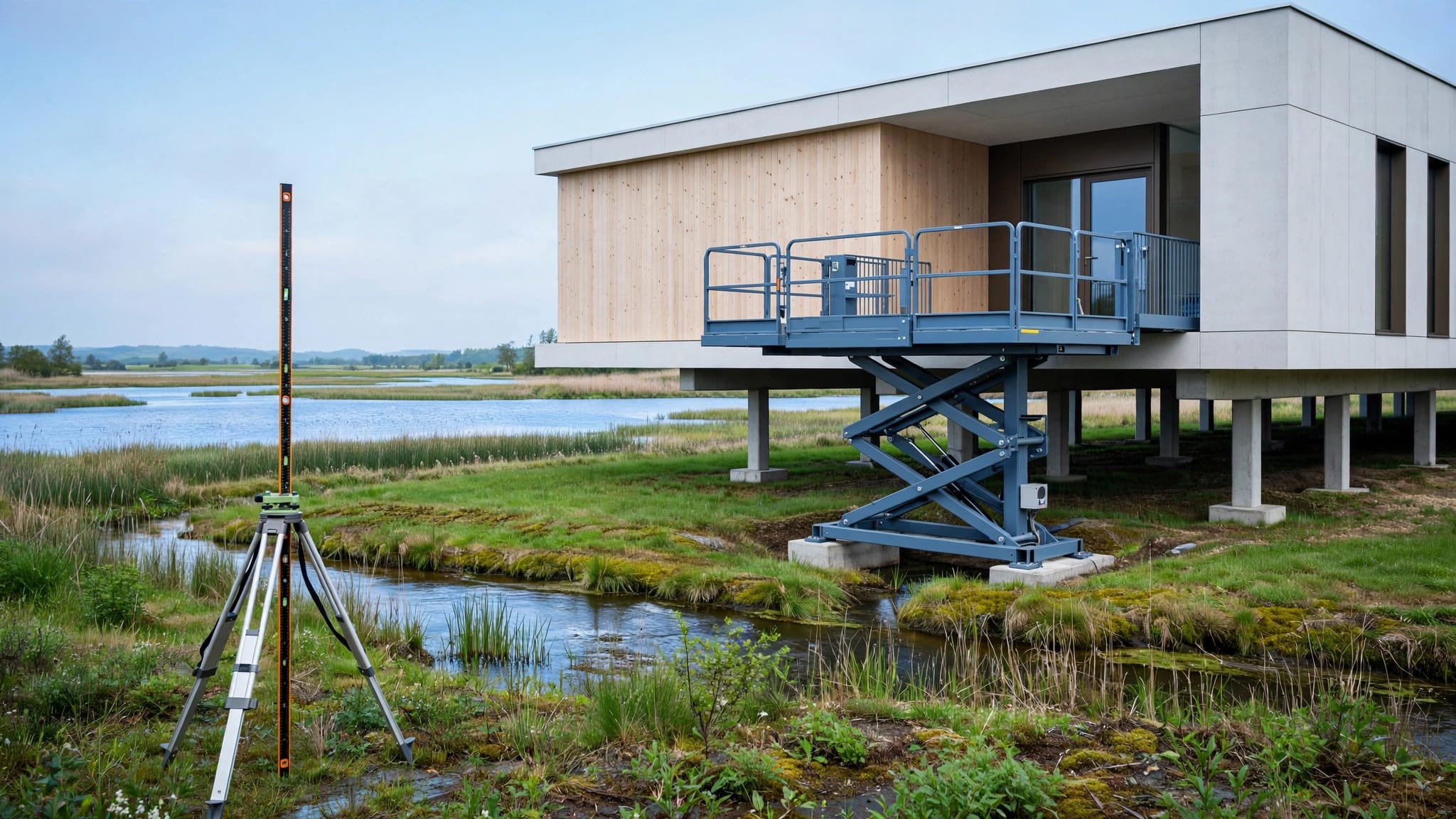
Location affects maintenance. Avoid placing the lift beside dense vegetation, leaking downspouts, irrigation spray, wood lattice, or an outdoor trash area when the site allows a better option. Keep the surrounding ground or deck area free of clutter so technicians can inspect the structure.
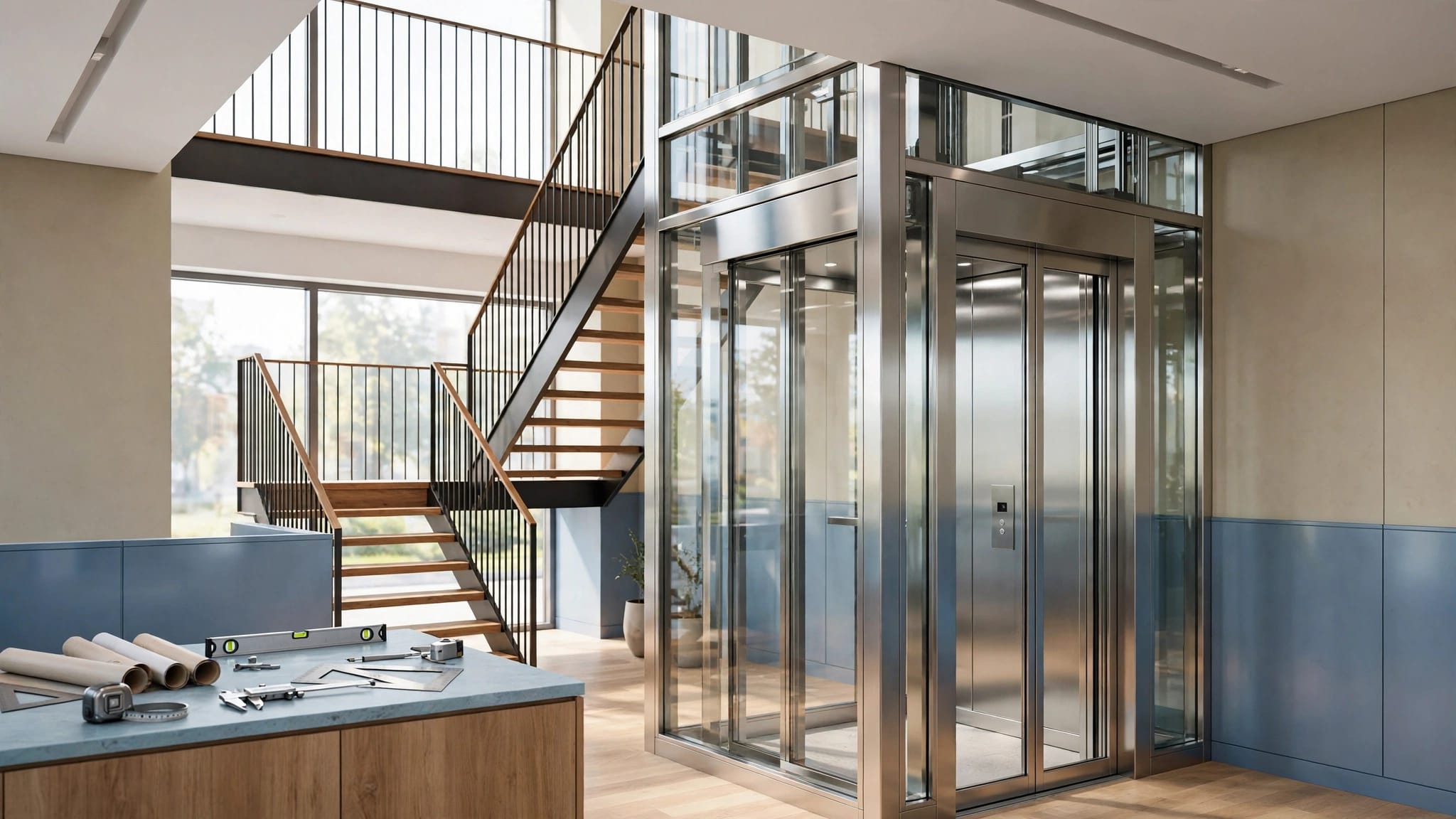
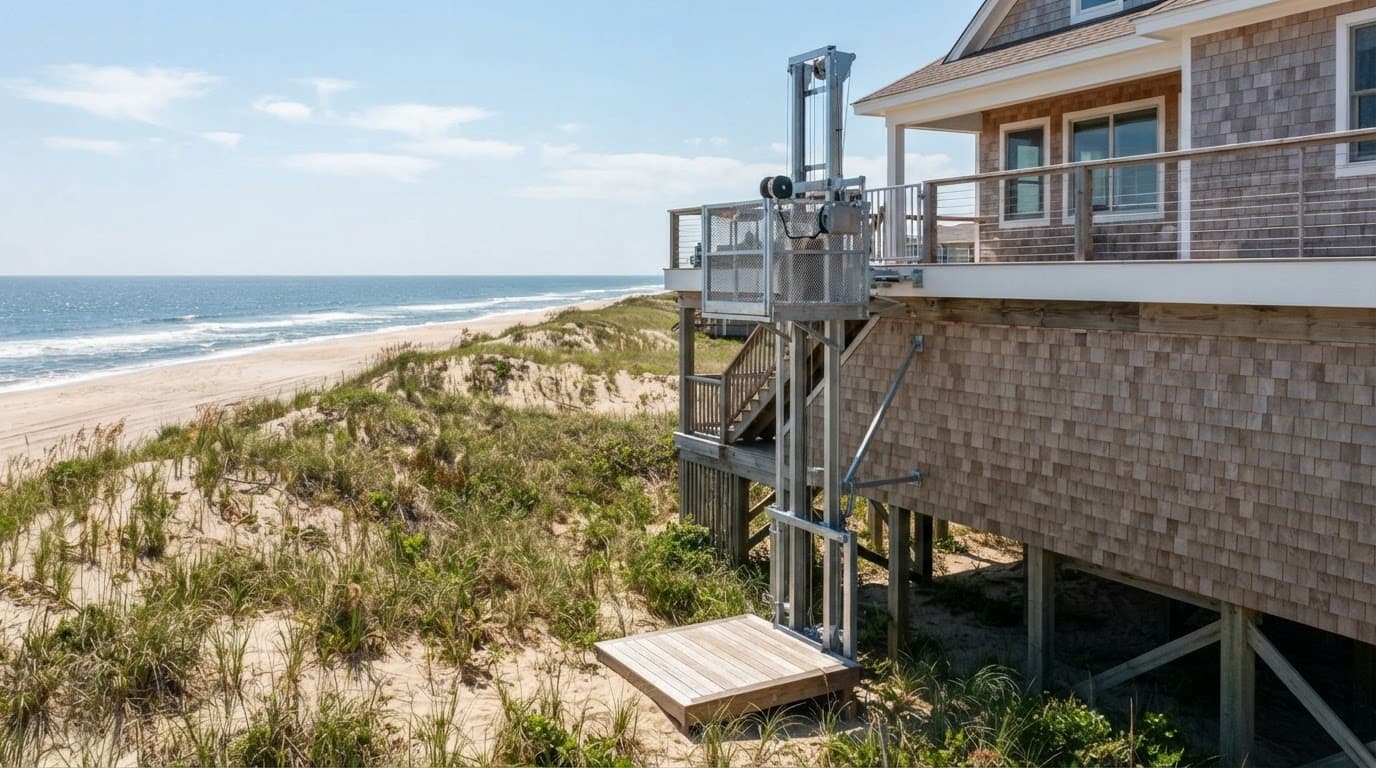
The type of lift also affects the maintenance routine. A cargo lift may carry groceries, tools, luggage, beach gear, and supplies, so its platform can collect more dirt and organic debris. A passenger elevator or vertical platform lift needs a clear, clean approach for safe access.
If you're comparing equipment, review the differences between a cargo lift versus passenger elevator before finalizing the layout. The choice affects gate locations, loading areas, platform use, and the places where debris may collect.
A well-planned installation won't eliminate coastal pest pressure. It can make inspections easier, reduce hidden openings, and give technicians safer access when service is needed.
Conclusion
Coastal homes need a pest plan that protects both the property and the lift. Keep the surrounding area clean and dry, inspect accessible surfaces, follow the owner's manual, and avoid spraying or sealing elevator components on your own.
The strongest exterior elevator pest prevention combines IPM with qualified service. Homeowners handle observation and housekeeping, elevator technicians handle mechanical and electrical work, and licensed pest professionals handle identification and treatment. That division keeps a small pest concern from becoming an equipment or safety problem.
Recent Posts