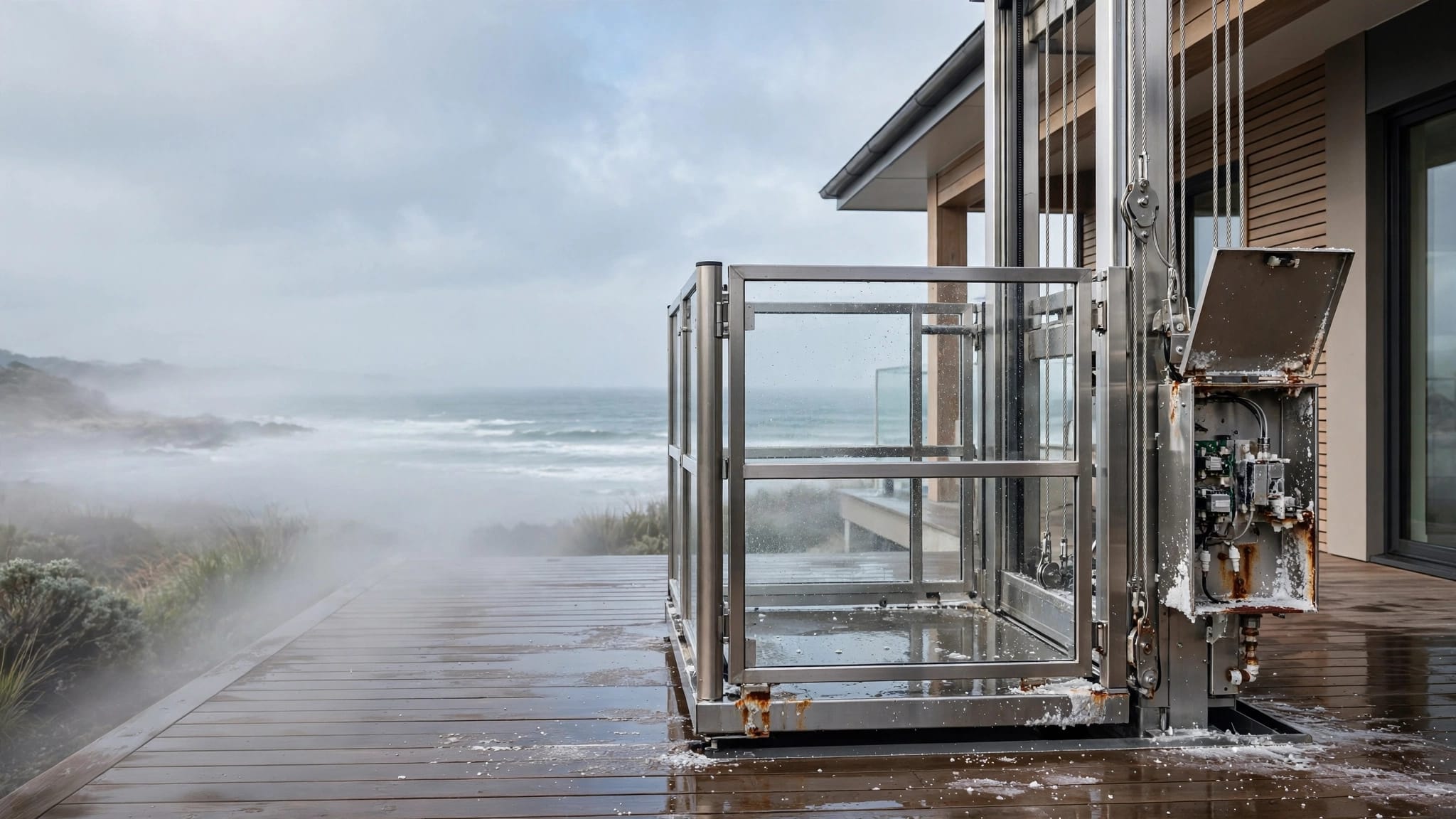
A lightning strike can damage an outdoor elevator without hitting the lift directly. Current can travel through nearby metal, power lines, communication cables, or building steel before reaching sensitive controls.
For Florida property owners, outdoor elevator lightning protection is part of a larger building safety plan. The lift, hoistway, electrical equipment, and surrounding structure need coordinated protection against direct strikes and electrical surges.
The right design starts with the building, then addresses the elevator's electrical and metal components.
Why Florida outdoor elevators need a building-level plan
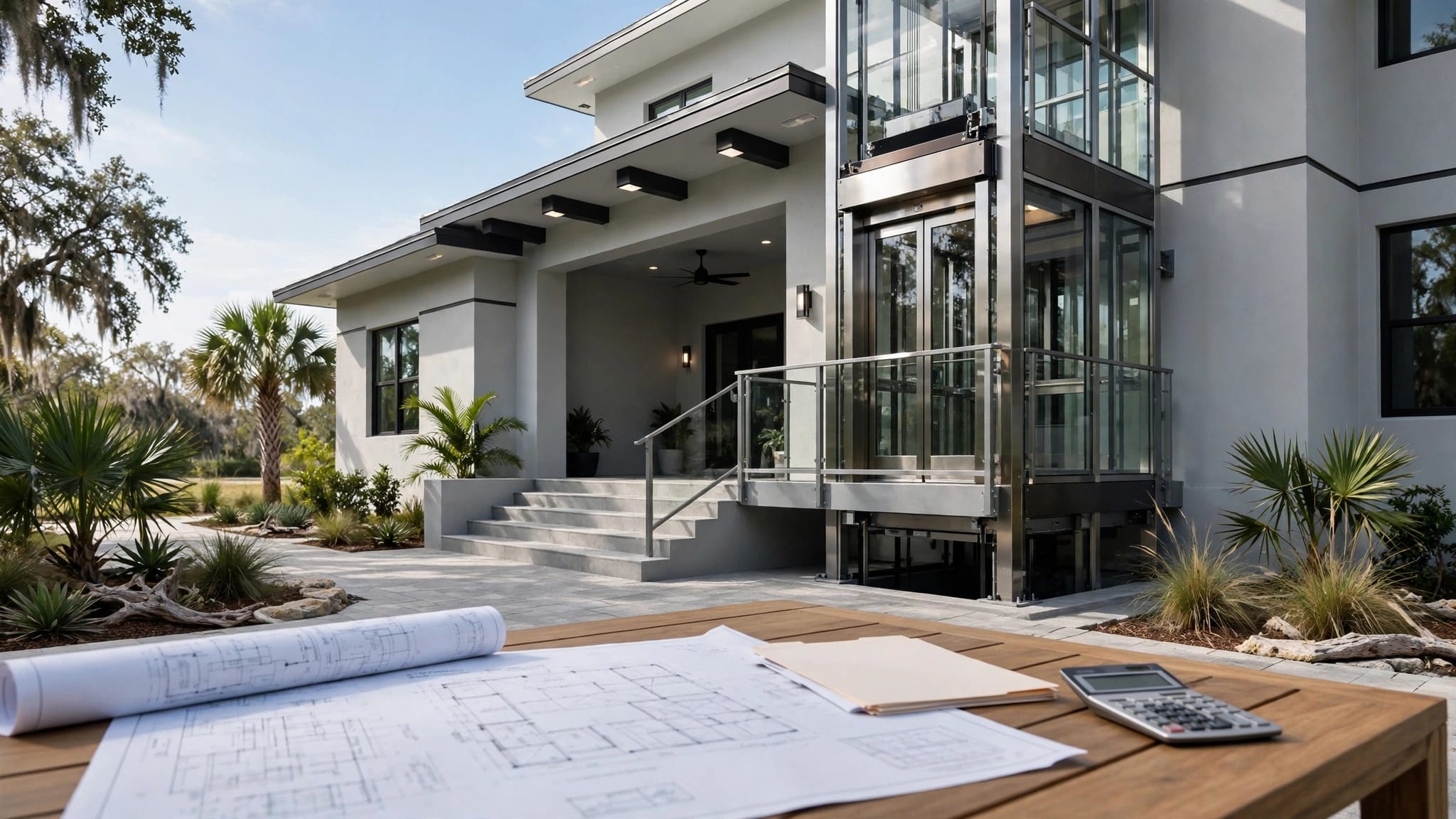
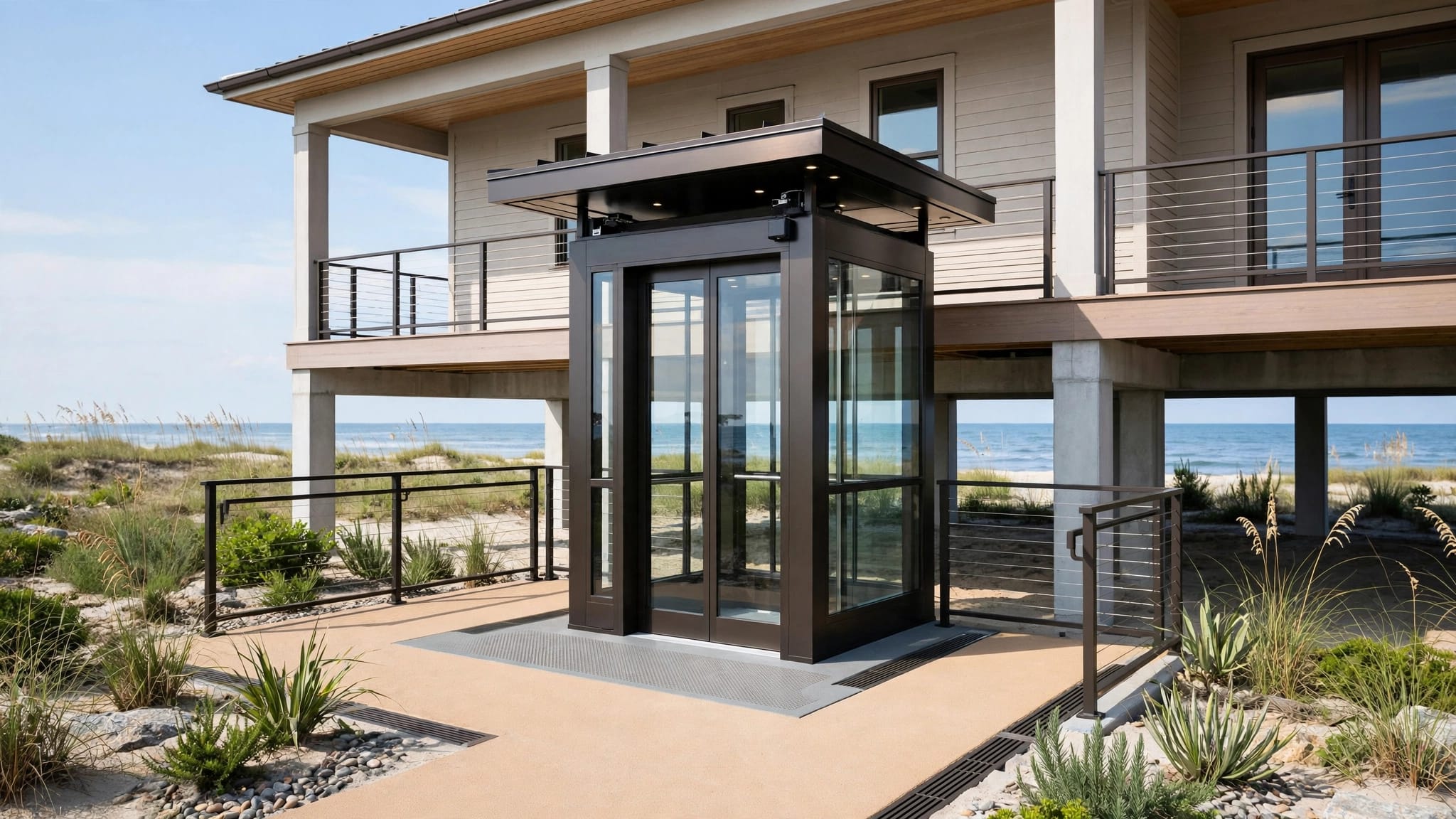
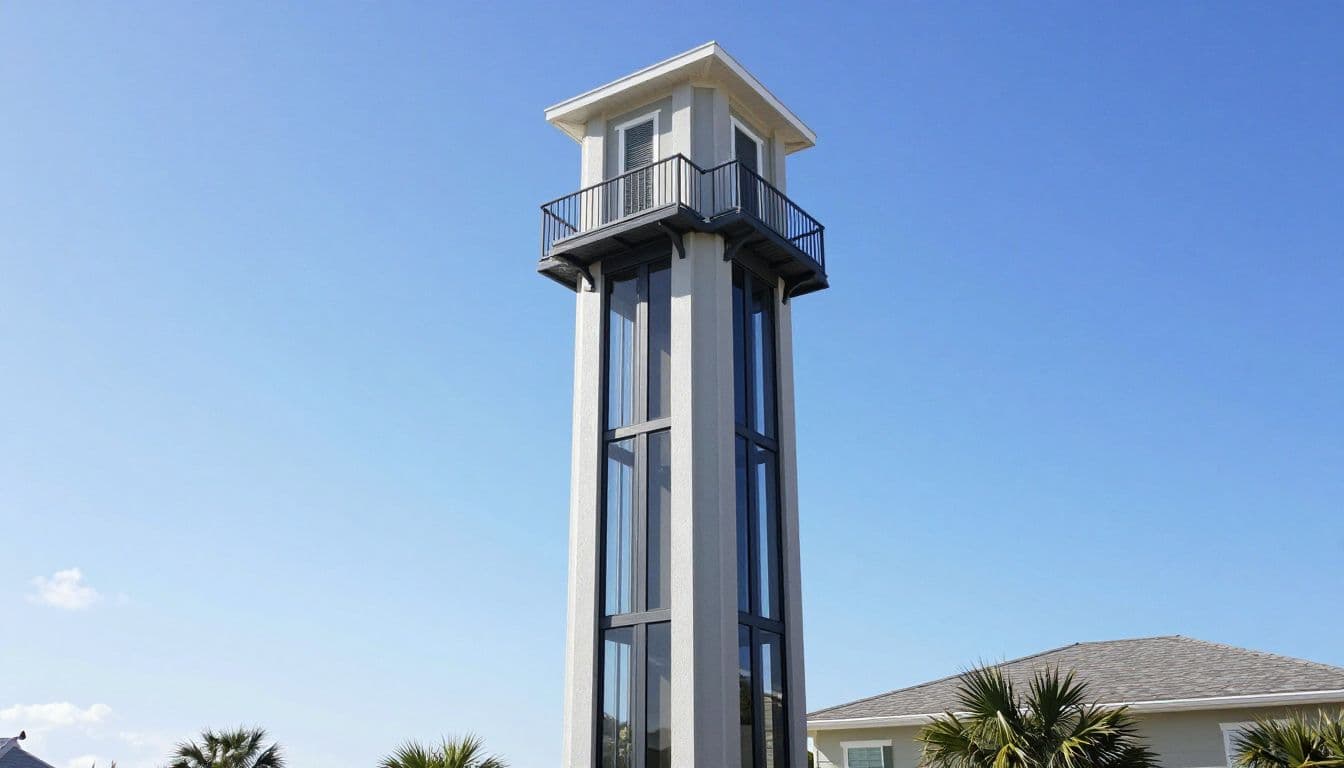
An exterior elevator is more exposed than equipment inside a finished interior shaft. Its metal frame, rails, gates, cab, controller, and wiring may sit beside a roofline, balcony, tower, or elevated landing. That location can make the lift part of the building's lightning-current path.
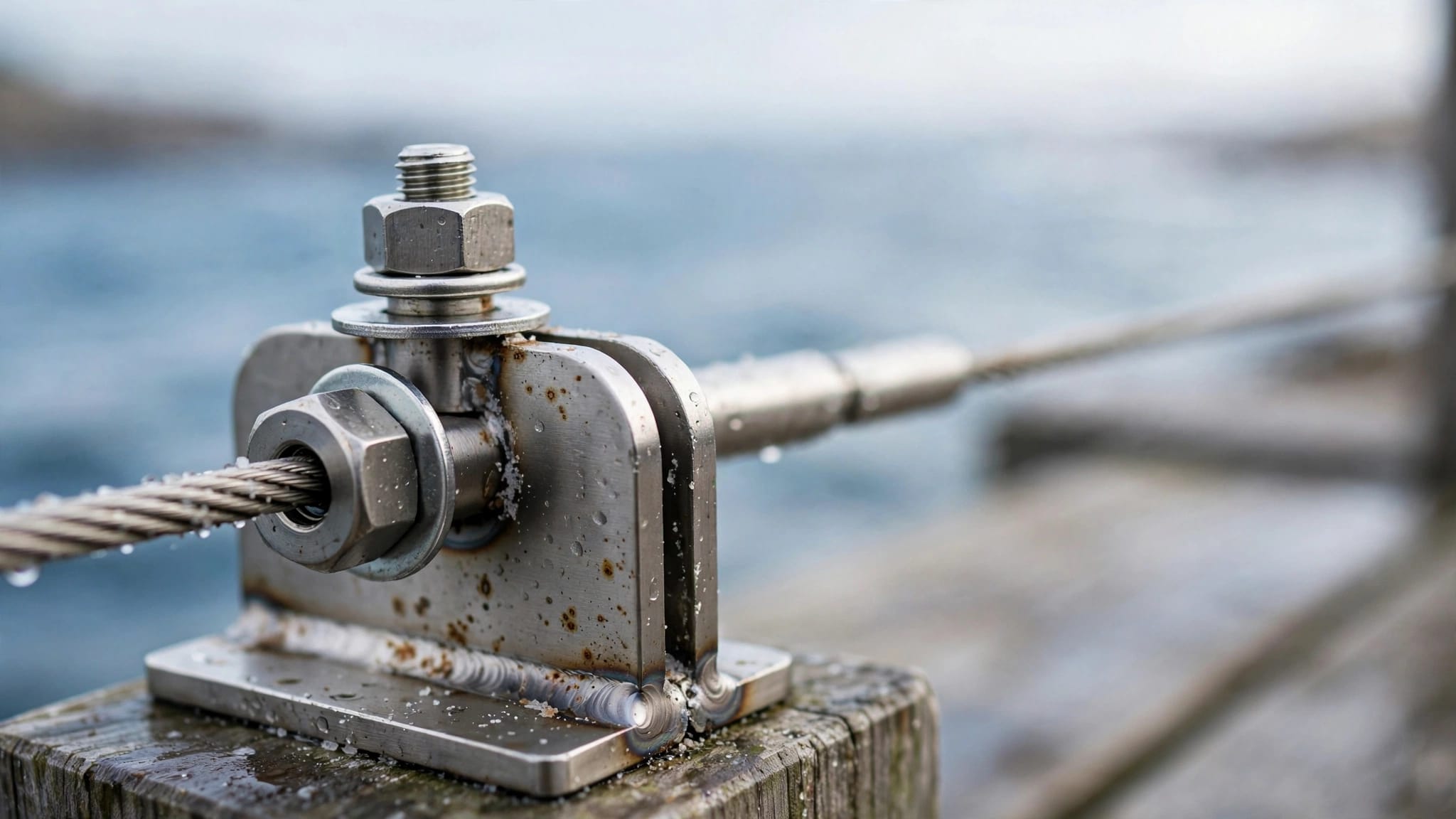
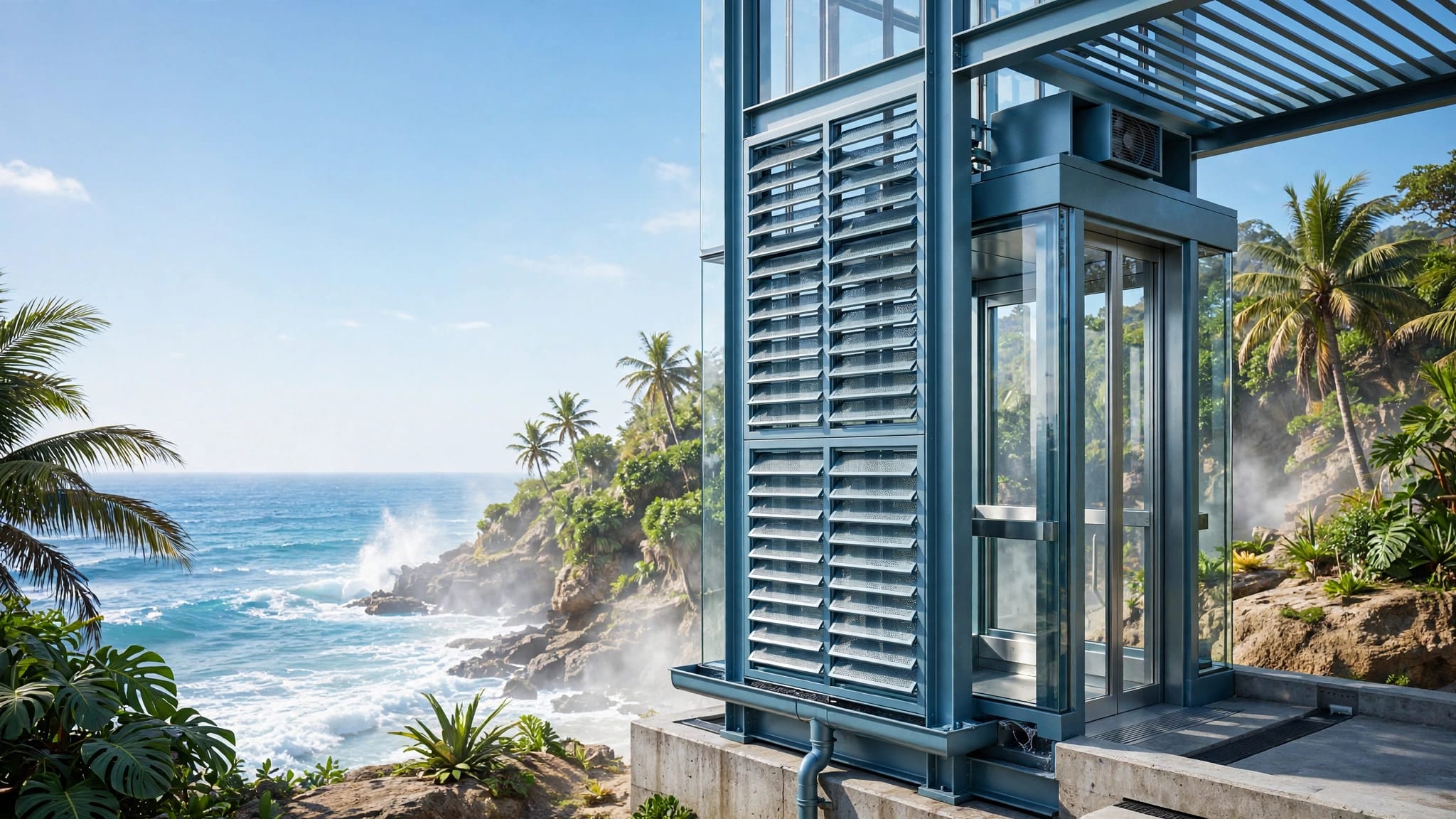
Florida adds other pressures. Frequent thunderstorms, intense rain, high humidity, salt air, and wind-driven moisture can affect electrical connections and metal hardware. Corrosion can weaken bonding points long before anyone sees an obvious problem.
A lightning strike may produce a direct current path through the structure. A nearby strike can also create a voltage surge through utility conductors and communication wiring. Elevator drives, circuit boards, limit switches, intercoms, and control systems are sensitive to those events.
Florida Building Code Section 2703.1 requires lightning protection for covered new buildings and additions in accordance with NFPA 780. The code includes exceptions for one- and two-family dwellings and for projects where an NFPA 780 risk assessment shows protection is unnecessary, or where the authority having jurisdiction approves another method.
Those exceptions require a project-specific review. They don't mean an outdoor elevator can automatically operate without a protection plan. A commercial property, assisted-living facility, apartment building, hotel, or public-use structure may have different requirements than a private residence.
When a building addition connects to an existing structure, Section 2703.2 addresses interconnection and inspection of the existing lightning protection system. That point matters when a property owner adds an exterior elevator to an older building.
An outdoor elevator may be new equipment, but its lightning protection usually depends on how the entire building handles electrical current.
Project requirements depend on the adopted code edition, site conditions, building use, and local review. This information doesn't replace engineering, electrical, or legal advice.
What outdoor elevator lightning protection should include
Lightning protection, grounding and bonding, and surge protection work together. They don't perform the same job.
Whole-building lightning protection
A lightning protection system gives a direct strike a controlled path around the structure. A qualified designer evaluates the roof, parapets, exposed equipment, elevator shaft, metal projections, and grounding electrodes. The system may include air terminals, main conductors, bonding connections, and grounding electrodes.
The purpose is to intercept or manage lightning current so it doesn't travel through random paths such as elevator wiring, plumbing, or building finishes. The design must account for the outdoor lift as part of the structure, not as an isolated appliance.
NFPA 780 is the primary installation standard referenced for lightning protection systems. It addresses structural protection, while electrical equipment still needs separate protection and code review.
Grounding and bonding
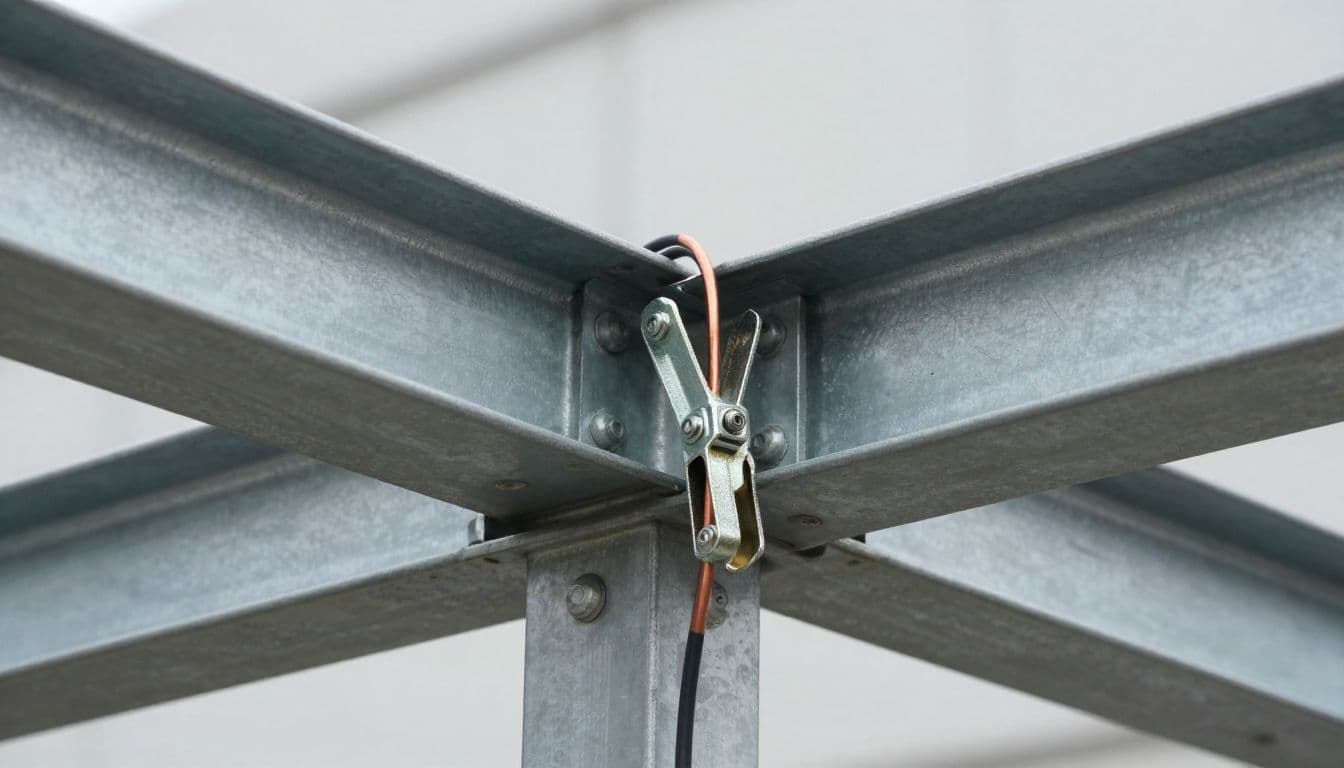
Grounding connects a system to the earth through approved grounding electrodes. Bonding connects conductive metal parts so they stay closer to the same electrical potential during a fault or lightning event.
An outdoor elevator may involve several metal parts that require evaluation:
- The hoistway frame and structural steel
- Guide rails, gates, doors, and landing hardware
- Metal handrails, ladders, platforms, and stairs
- Electrical raceways, piping, and nearby building steel
- The elevator controller, motor equipment, and associated enclosures
Bonding doesn't replace a complete lightning protection system. It reduces dangerous differences in voltage between metal parts and helps keep current on the intended path.
NFPA 780 materials identify elevators among grounded media that may need connection to the lightning protection system near the base of a structure. The exact details depend on the current standard, the elevator design, and the building's existing system.
Surge protective devices
Surge protective devices, or SPDs, reduce transient voltage reaching electrical equipment. Florida Building Code Section 2703.3 addresses SPDs for normal and emergency electrical systems in accordance with NFPA 70, as required by NFPA 780.
A lift may need coordinated surge protection at more than one point. Depending on the design, that can include the service equipment, distribution panels, elevator controller, drive, communication lines, and emergency power equipment.
An SPD isn't a grounding electrode and doesn't replace air terminals or down conductors. It also doesn't guarantee that a circuit board will survive every event. Its performance depends on correct selection, installation, lead length, grounding, and coordination with upstream devices.
Design details that matter around an outdoor lift
A reliable plan keeps lightning current away from elevator controls while preserving normal fault protection for the electrical system.
Create a controlled current path
The lightning protection designer should review the elevator location before installation. A lift beside a roof edge, tall wall, chimney, antenna, solar array, or metal railing may have different exposure than one inside a protected courtyard.
The designer also evaluates whether existing structural steel can form part of the system. NFPA 780 distinguishes dedicated main conductors from ordinary metal parts such as downspouts, eave troughs, ladders, and chutes. Those parts aren't automatically substitutes for dedicated conductors.
Where a metal assembly qualifies for use, electrical continuity and connection details matter. NFPA 780 materials address multiple paths to ground, suitable bonding contact areas, and approved grounding electrode materials. A contractor shouldn't improvise these connections with ordinary hardware.
Grounding electrodes may use copper-clad steel, solid copper, or stainless steel, depending on the approved design. Coastal soil and salt exposure also make material selection and corrosion control important.
Protect power, controls, and communications
The elevator's motor circuit is only one part of the protection review. Modern outdoor lifts can include control boards, variable-frequency drives, safety circuits, call stations, door operators, alarms, intercoms, and monitoring connections.
Each cable entering or leaving the hoistway creates a possible route for transient energy. The electrical design should identify those routes and specify compatible SPDs, bonding, raceway treatment, and separation where required.
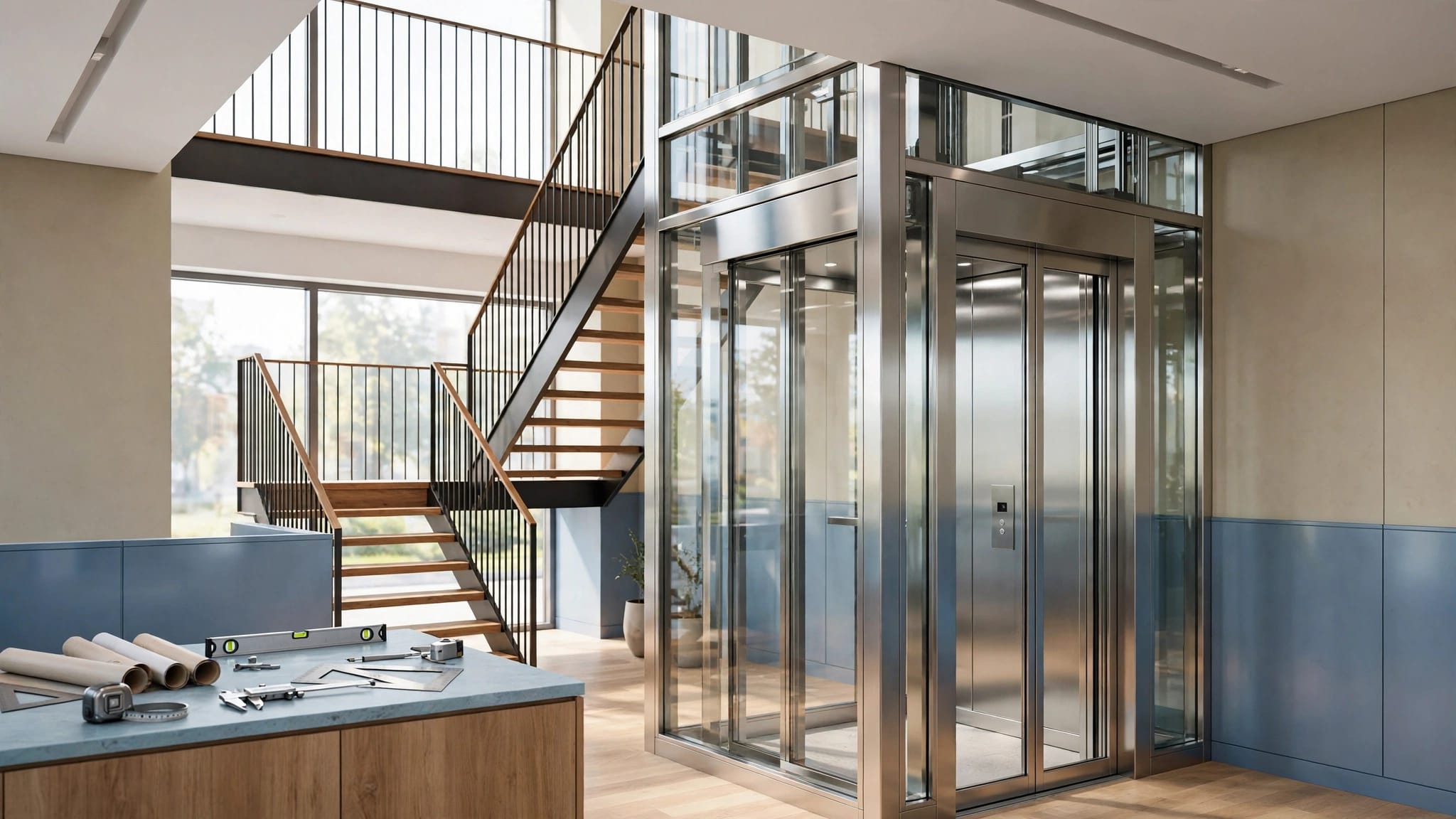
Passenger-compliant elevators, cargo lifts, and vertical platform lifts can have different controls and operating requirements. Property owners comparing a cargo lift versus passenger elevator should include electrical protection in that discussion, not treat it as a later accessory.
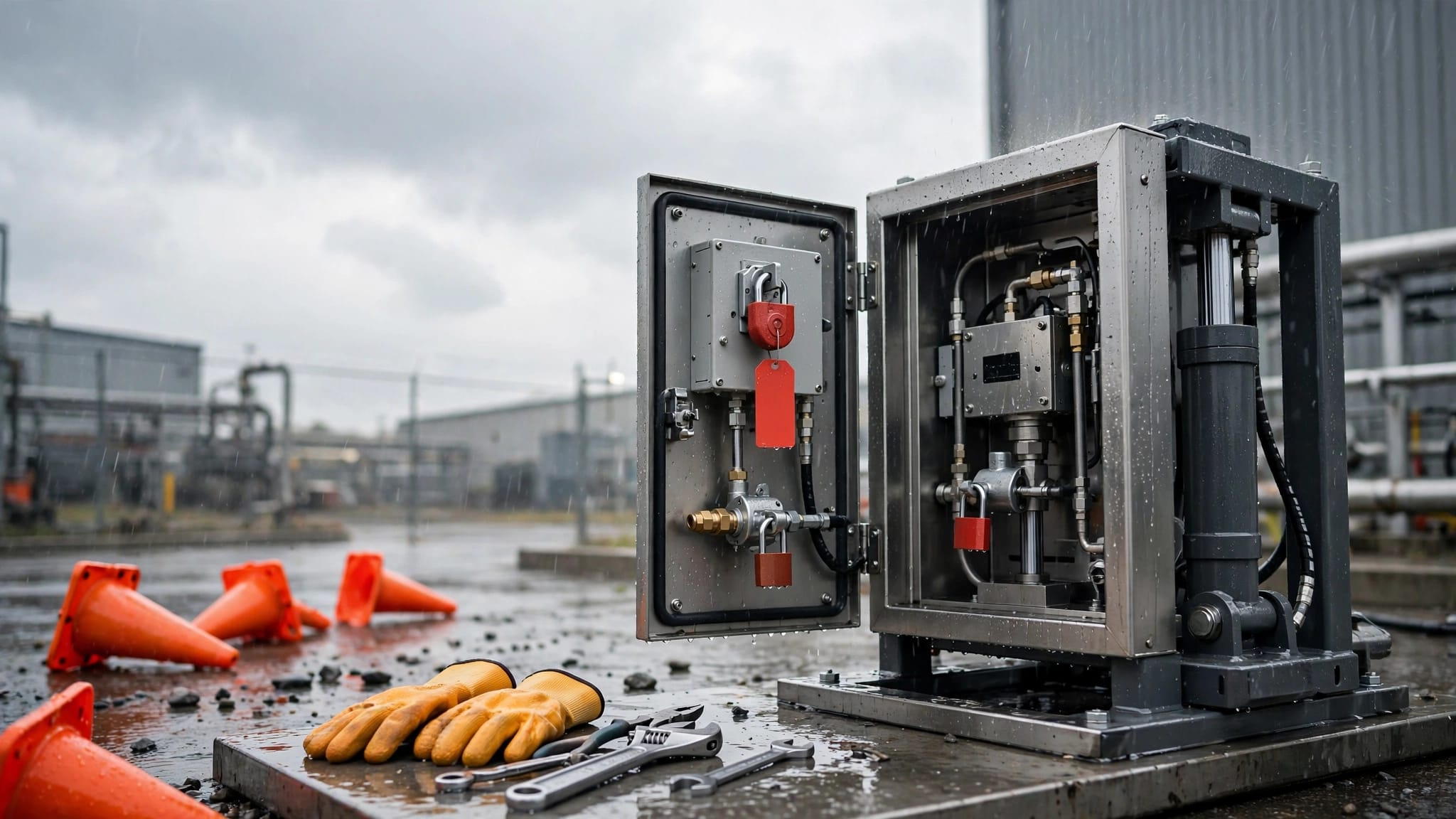
A surge device also needs a proper enclosure and accessible service location. Maintenance staff should be able to check its status without entering an unsafe area or disturbing elevator safety equipment.
Who should design, install, and inspect the system?
No single trade should guess at the complete protection plan. The project team may include a Florida-licensed electrical contractor, a qualified lightning protection designer or installer, an elevator contractor, and a design professional when the building or project requires one.
The elevator manufacturer should provide equipment-specific requirements for grounding, bonding, wiring, controllers, and surge protection. The lightning protection contractor should coordinate with the electrical and elevator teams before conduit, cladding, or finishes hide connection points.
Ask the project team to identify:
- Which Florida Building Code provisions apply to the property
- Which NFPA 780 edition the authority having jurisdiction requires
- Whether the existing building has a lightning protection system
- How the new elevator system will connect to existing grounding and bonding
- Which normal, emergency, power, and communication circuits need SPDs
- What inspection records, test results, and as-built documents the owner will receive
The local building department or other authority having jurisdiction has the final say on permits, inspections, and accepted alternatives. A contractor's general statement that an elevator is "grounded" doesn't answer whether the whole building has a compliant lightning protection system.
Inspection should happen before concealed work closes access to conductors and bonding points. The owner should also receive documentation showing what the contractor installed, where the grounding electrodes are located, and which components need future service.
Maintenance after installation matters
Florida's outdoor conditions can affect a protection system even when no lightning strike occurs. Salt deposits, standing water, ultraviolet exposure, loose fasteners, construction changes, and corrosion can reduce connection quality.
Coordinate inspection with the elevator's regular maintenance program and the schedule required by the applicable code, manufacturer, and local authority. Have qualified professionals review the system after a known strike, major building addition, roof replacement, repainting, structural repair, or electrical modification.
A practical inspection may include visible conductors, clamps, air terminals, bonding points, grounding connections, enclosures, SPD status indicators, and signs of corrosion. The technician should also verify that later work hasn't disconnected or painted over a required connection.
After a storm, don't assume the elevator is safe because it still moves. A lightning event can damage a control board or safety component without producing an immediate failure. Unusual stops, door behavior, fault codes, burning smells, flickering controls, or tripped protective devices call for qualified inspection before continued use.
Lightning protection also doesn't provide backup power. During an outage, the lift may remain unavailable even when the protection system works correctly. Property managers need a separate storm and power-outage procedure that follows the elevator manufacturer's instructions.
Conclusion: Protect the lift as part of the building
Outdoor elevator lightning protection works best when the lift is included in the building's plan before installation begins. Whole-building lightning protection manages strike current, grounding and bonding connects exposed metal, and SPDs reduce damaging surges at electrical equipment.
Florida property owners should involve qualified, licensed professionals early. They can coordinate the current Florida Building Code, NFPA 780, NFPA 70, elevator requirements, manufacturer instructions, and local inspection rules.
A protected outdoor lift is more than a frame with a grounding wire. Its safety depends on every connection between the structure, electrical system, elevator equipment, and the ground.
Recent Posts