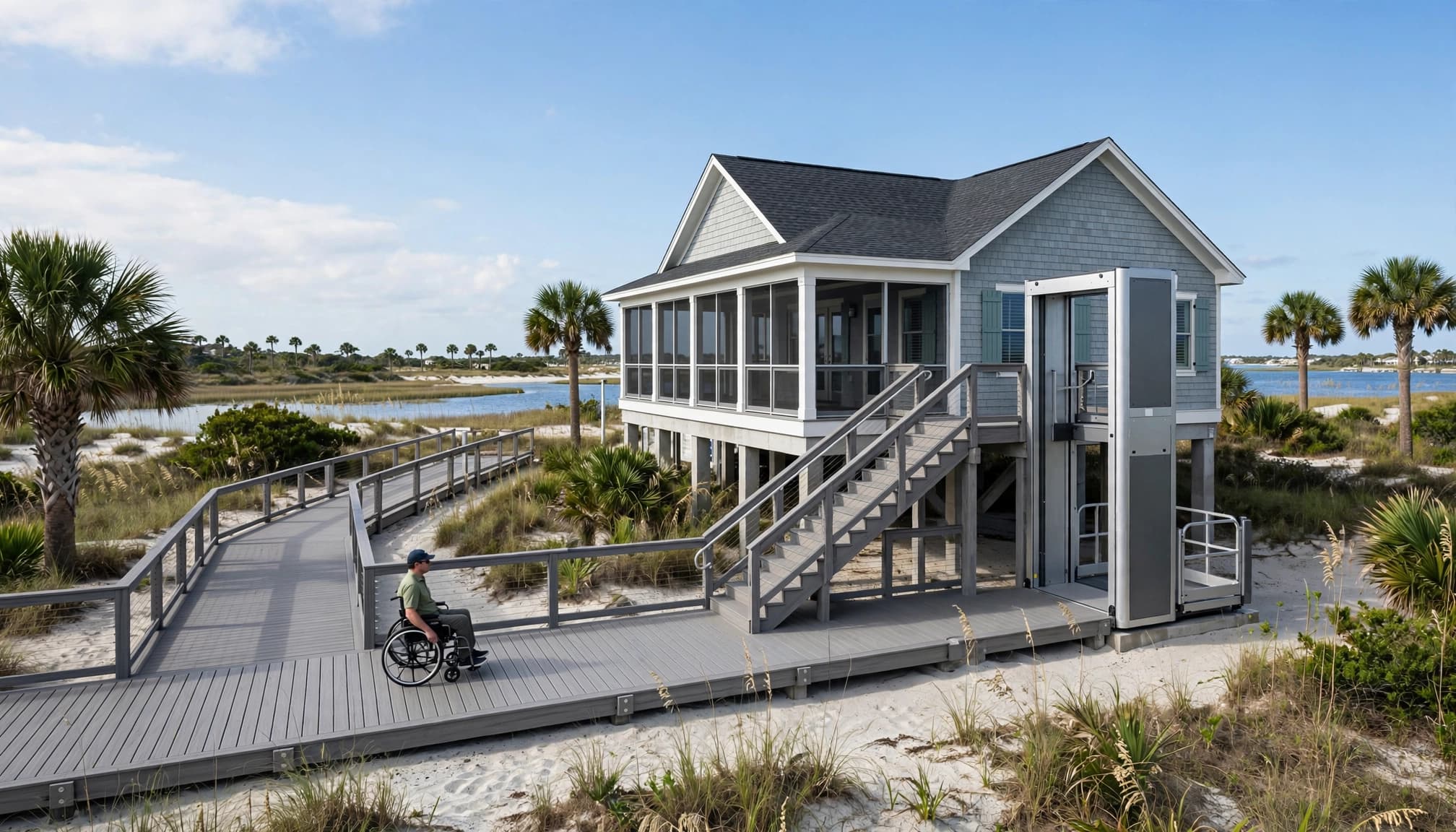
A lift can change whether a tenant can safely reach a raised rental home, porch, or upper floor. However, the Fair Housing Act requirements for a lift depend on the person's disability-related need, the type of equipment, the property's structure, and applicable state and local law.
Federal law generally protects disability-related reasonable modifications, but it does not require approval of every request. A landlord may review whether the request is reasonable, connected to the disability, safe, and permitted under building regulations. The process should be individualized, documented, and handled in good faith.
What the Fair Housing Act protects
The Fair Housing Act uses two related but different concepts: reasonable modifications and reasonable accommodations. Knowing the difference helps tenants, landlords, and property managers evaluate a lift request correctly.
A lift is usually a reasonable modification
A reasonable modification is a physical change to a dwelling or common area. Examples include installing a ramp, widening a doorway, lowering a threshold, adding grab bars, or installing a vertical platform lift.
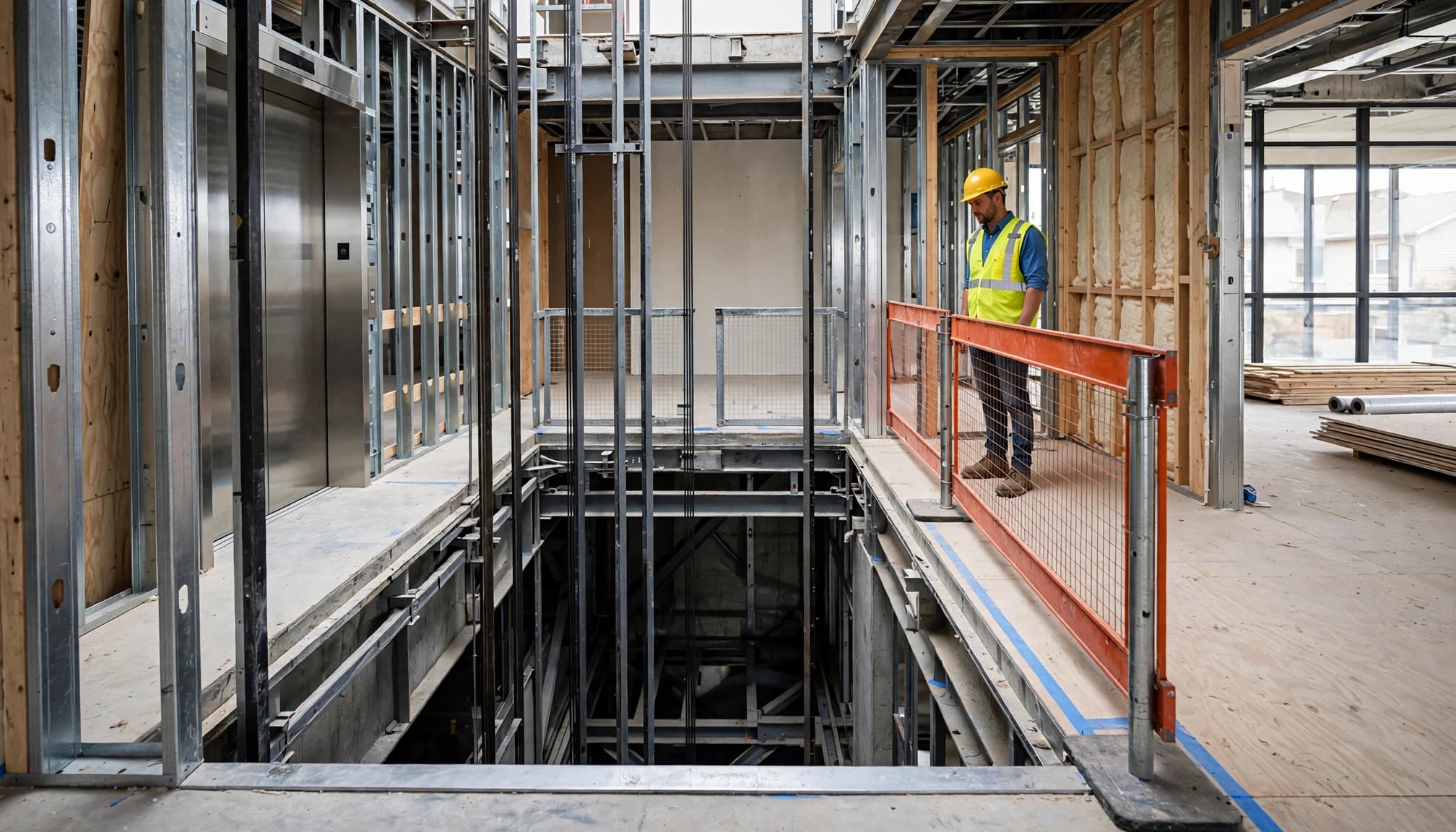
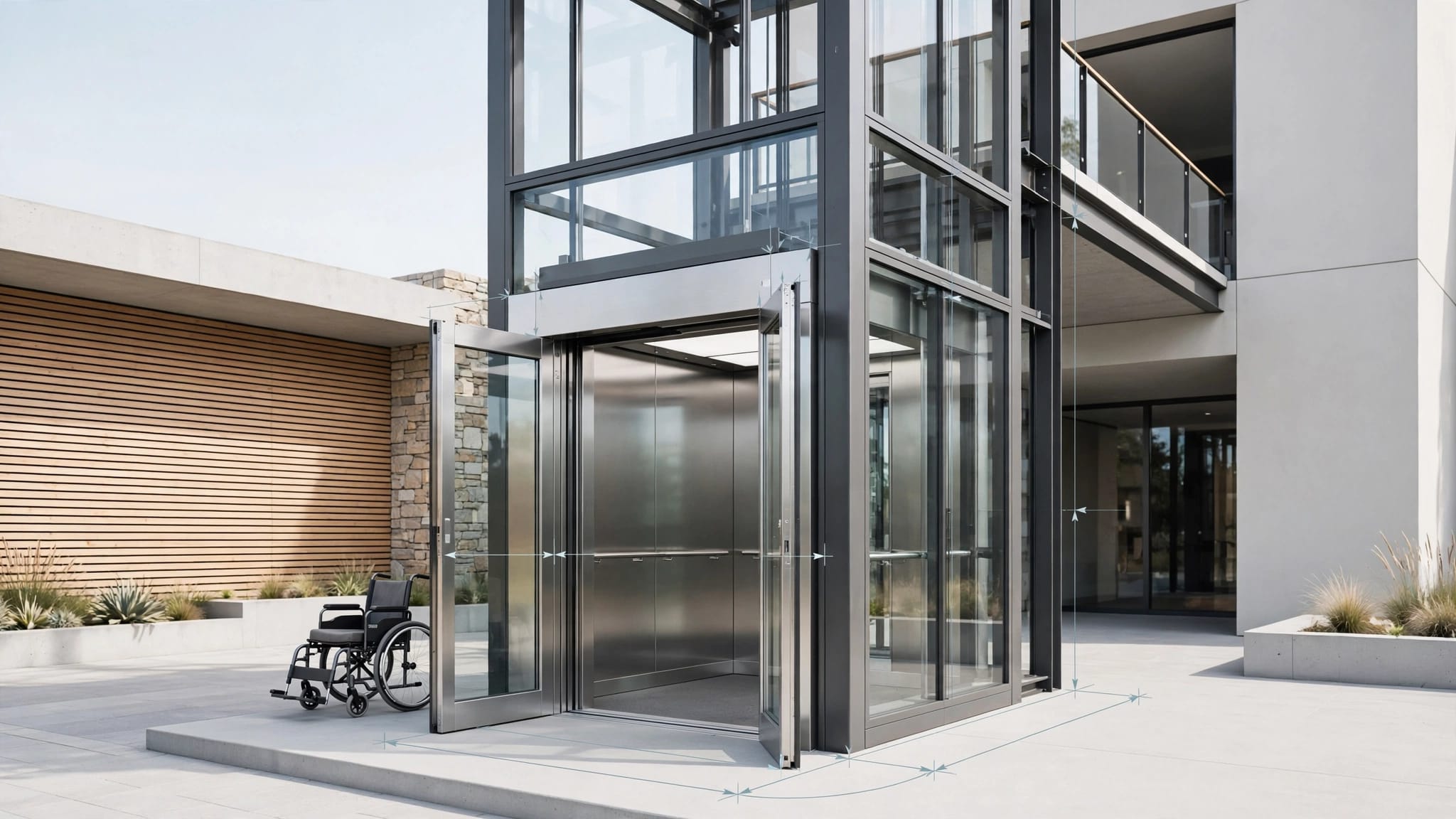
A lift attached to a porch, balcony, exterior wall, stair landing, or purpose-built tower is usually structural. It may require foundations, electrical work, landing changes, guardrails, gates, drainage improvements, and permits. A passenger elevator may require even more extensive work because it can involve a shaft, enclosed cab, doors, controls, and emergency systems.
HUD and the U.S. Department of Justice state that a modification must be reasonable and have a clear connection to the person's disability-related needs. The request should solve an access problem rather than add features selected mainly for convenience, appearance, or resale value.
Modifications differ from accommodations
A reasonable accommodation changes a housing provider's rule, policy, practice, or service. Examples might include allowing an assistance animal despite a no-pet policy or assigning an accessible parking space.
A physical lift generally falls under modification rules, not accommodation rules. That distinction often affects who pays and whether restoration conditions may apply.
| Request type | Typical example | Common federal cost rule |
|---|---|---|
| Reasonable modification | Vertical platform lift or widened doorway | Tenant generally pays |
| Reasonable accommodation | Exception to a rule or policy | Housing provider generally pays |
| Mixed request | Temporary relocation during approved construction | Depends on the facts and applicable law |
The categories can overlap in unusual situations. A qualified fair-housing attorney or agency can help classify a request when the answer affects cost, restoration, or approval.
Who usually pays for a lift in a rental?
Under the federal Fair Housing Act, the tenant generally pays for a reasonable modification. That usually includes design, construction, installation, permits, and related work. The rule appears in 42 U.S.C. Section 3604(f)(3)(A), which addresses modifications made at the expense of the person with a disability.
The federal rule is not automatic in every state
A federal cost rule does not end the analysis. State and local laws may require a landlord to pay for some modifications or may provide stronger protection than federal law.
For example, Massachusetts guidance describes a payment rule for certain buildings with 10 or more units. That rule also identifies limits, including situations involving a wheelchair lift or a ramp exceeding five steps. Those details apply to that jurisdiction and should not be treated as a nationwide standard.
A property manager should check the law where the rental is located before telling a tenant that payment is required or prohibited. Public housing, subsidized housing, condominium properties, and transient rentals may follow different rules.
Cost does not decide whether a request is reasonable
A high price alone does not automatically make a modification unreasonable. The analysis may consider the property's structure, the proposed equipment, the disability-related need, safety concerns, the effect on other residents, and whether a less burdensome option would provide effective access.
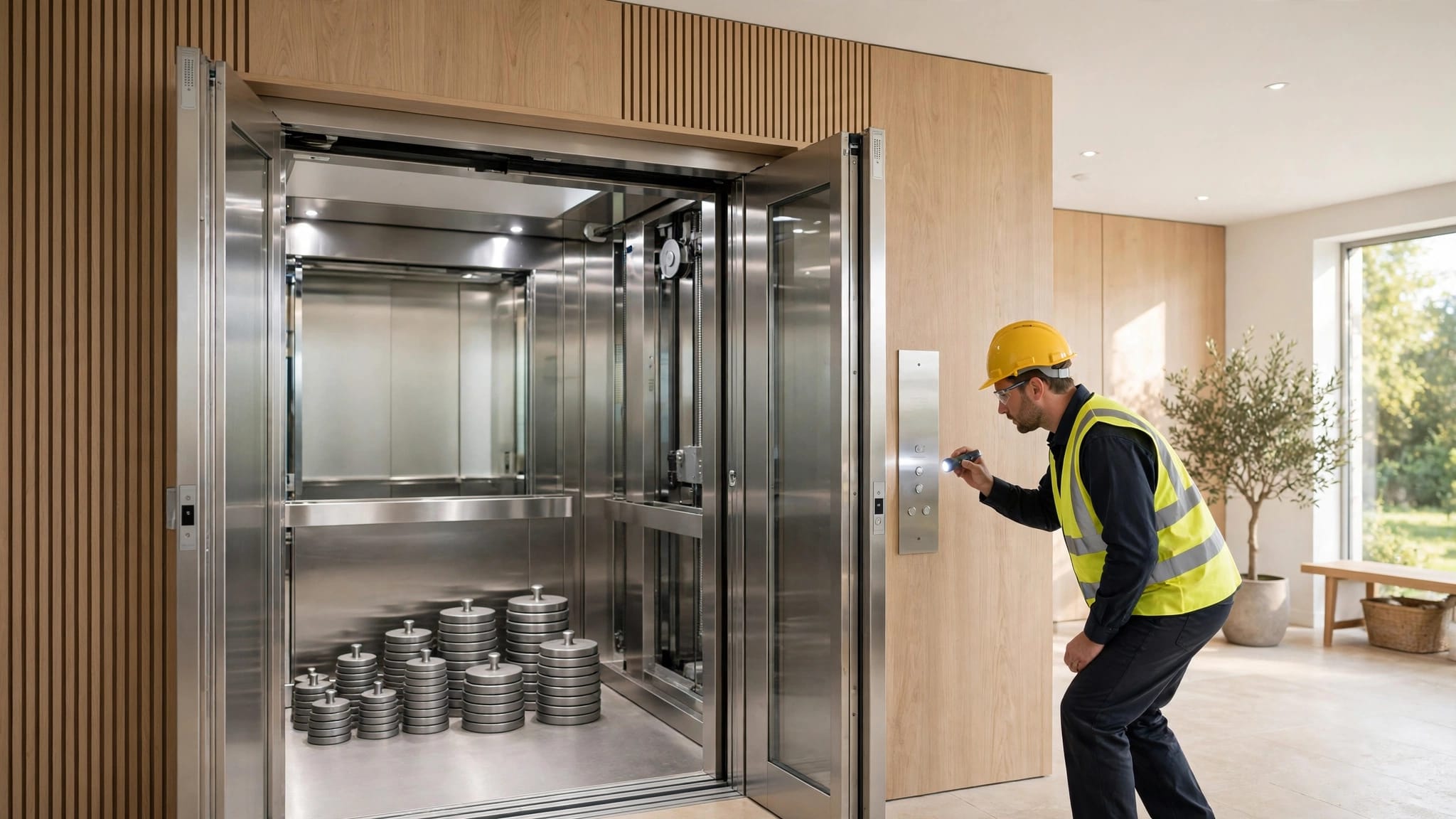
The tenant may request a cargo lift because it is less expensive, but cargo equipment normally cannot carry people. Unless the manufacturer and approving authorities specifically permit passenger use, a cargo lift should carry materials only. A tenant who needs wheelchair access may need a vertical platform lift or passenger-compliant elevator instead.
For a practical comparison, review the differences between a cargo lift versus passenger elevator before selecting equipment.
What a landlord may require before approval
A landlord can ask for enough information to evaluate a request. The landlord should not turn that review into an unnecessary medical investigation or an indefinite delay.
Disability-related need and supporting information
If the disability or need is not obvious, a housing provider may request reliable information confirming that the tenant has a disability and needs the modification. A short letter from a qualified professional may be enough. Detailed medical records are not automatically required.
The request should explain the access problem and the proposed solution. For example, a tenant may state that stairs are unsafe because of a mobility impairment and that a platform lift would connect the driveway to the elevated entry.
The requested equipment should match the actual need. A large passenger elevator with decorative finishes and additional living space may require closer review than a basic platform lift that reaches one accessible entrance. Extra features selected for luxury or resale may not receive the same treatment as essential access work.
Plans, permits, and professional installation
A landlord may require reasonable plans and proof that the work will comply with applicable codes. The review may include:
- Structural attachment points and foundation design
- Upper and lower landing dimensions
- Gates, doors, guards, and clearances
- Electrical supply and weather protection
- Drainage, flood exposure, and wind conditions
- Equipment classification and rated capacity
- Permit, inspection, and final approval records
The authority having jurisdiction, often called the AHJ, may include a building department, elevator authority, fire official, or another local agency. Its requirements control the project approval path.
ASME A17.1 generally applies to elevators, while ASME A18.1 commonly applies to vertical platform lifts and stairway chairlifts. The adopted edition and local amendments vary. OSHA rules may apply to construction activity, but they are not a substitute for the operating rules governing an in-service residential lift.
Restoration and escrow conditions
For a rental, a landlord may sometimes require restoration of the interior to its prior condition when the tenancy ends. The Fair Housing Act excludes reasonable wear and tear from that restoration requirement.
A restoration condition should identify the work clearly. It should not require a tenant to remove a modification that the next resident may need, or demand unnecessary repairs unrelated to the approved project.
An escrow arrangement may also arise in some cases, particularly when future restoration could involve substantial work. Federal law does not create an automatic escrow requirement for every lift request. The amount, terms, interest, timing, and use of funds should be reasonable and consistent with applicable law.
Match the lift to the access problem
The Fair Housing Act does not determine which product a property owner must install. The equipment must fit the building, the user's needs, and the approved purpose.
Vertical platform lifts for shorter rises
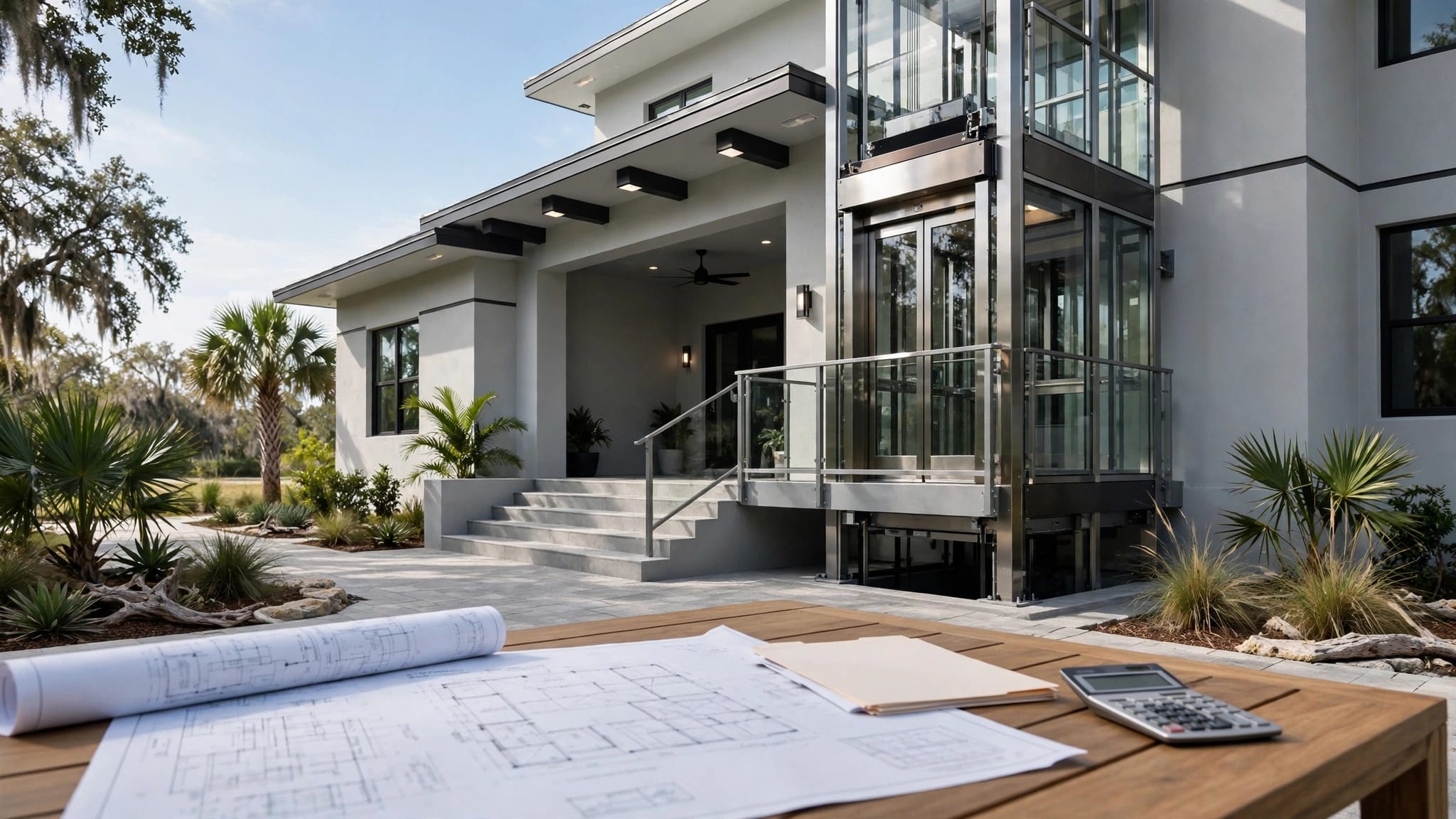
A vertical platform lift, or VPL, can move a wheelchair and user between ground level and a raised porch, deck, or landing. It may work well where the main problem is reaching one elevated entrance and a full elevator shaft would be excessive.
Review outdoor wheelchair lifts for power chairs when comparing platform size, gates, approach space, and landing access. The lift still needs a safe route at both ends. A platform cannot solve access if a door swing, narrow landing, unstable deck, or threshold blocks entry.
Passenger elevators for multiple floors
A passenger-compliant elevator may suit a rental home with several levels, frequent passenger use, or a need to move a wheelchair between multiple floors. It can require more structural work, larger landings, enclosed travel, emergency communication, and additional inspection requirements.
Cargo lifts serve a different purpose. They can move groceries, luggage, tools, beach equipment, and maintenance supplies, but occupants should not ride them unless the exact model is designed and approved for passengers. A large platform does not establish passenger status.
Equipment records should identify the manufacturer, model, serial number, rated load, code classification, and approved use. Keep the owner's manual, as-built drawings, permits, test records, warranties, and service history with the property file.
Handle the request through an interactive process
The best process gives both sides enough information to evaluate the request without turning the discussion into a confrontation.
Put the request and response in writing
A tenant should describe the disability-related access problem, the requested modification, and any supporting information. Including preliminary plans or a contractor's scope can help, especially for an exterior lift.
The landlord should acknowledge the request promptly and identify any missing information. If the proposed lift creates structural or safety concerns, the landlord should explain those concerns and discuss possible alternatives rather than issuing a vague denial.
The parties can discuss a different lift, another landing, a revised route, or a less intrusive installation. That discussion does not require the landlord to approve an unsafe or unrelated project. It does require a genuine effort to understand the tenant's need and evaluate workable options.
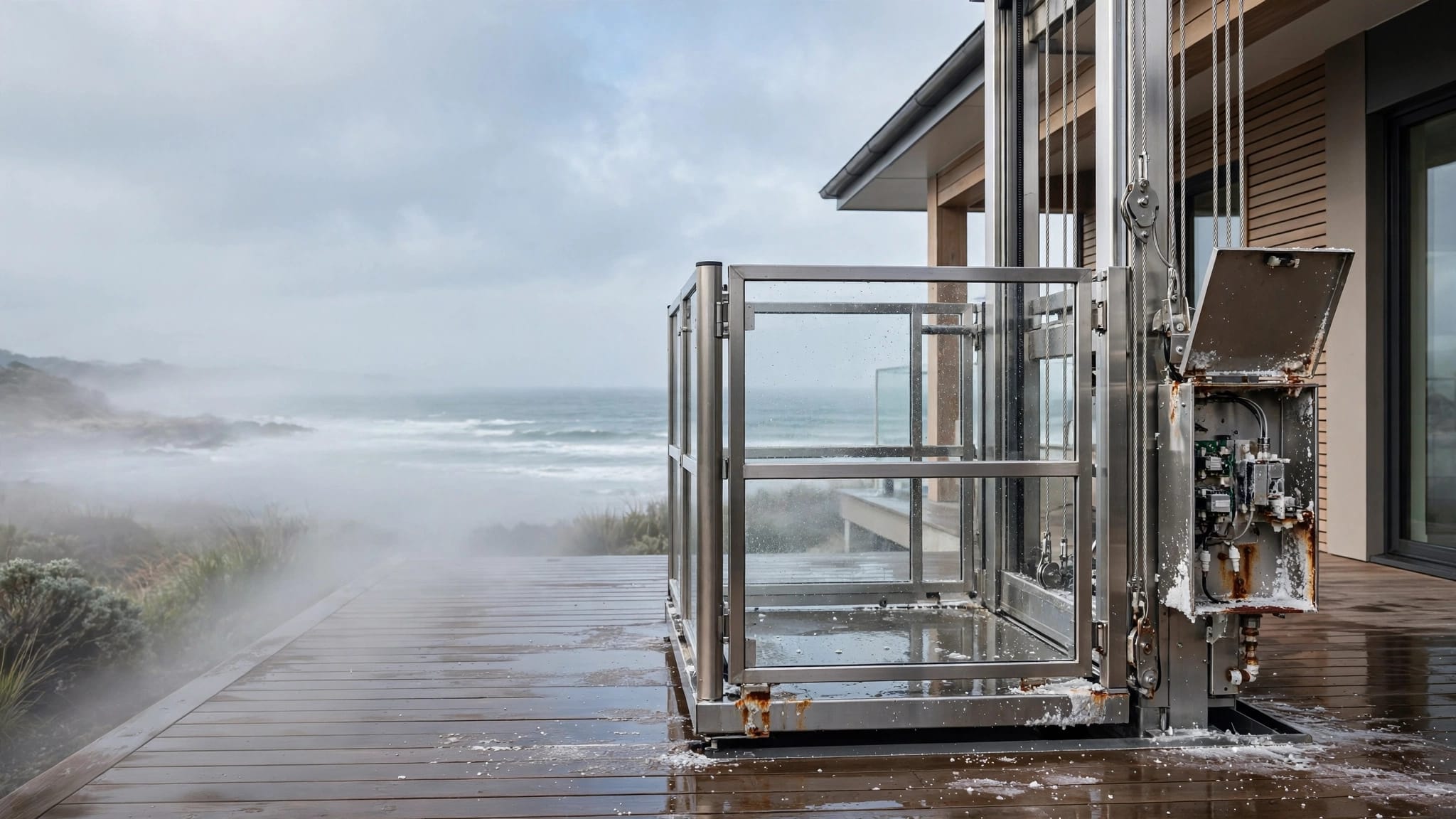
For coastal properties, planning should also cover wind, salt exposure, flooding, drainage, corrosion, and storm-related power loss. A guide to planning an exterior lift before construction can help identify design questions before plans are finalized.
Denials should be specific
A landlord should not reject a request because lifts are unfamiliar, expensive, or inconvenient without examining the facts. A denial may be defensible when the request lacks a disability-related connection, creates an undue burden, presents a documented safety problem, violates applicable law, or cannot be installed without an unreasonable structural change.
The landlord should explain the reason and consider whether another solution would provide effective access. Tenants who believe a request was mishandled can contact a fair-housing agency or consult a qualified attorney. Deadlines for administrative complaints and legal claims vary.
Key takeaways for rental lift projects
- A physical lift is generally a reasonable modification, not a reasonable accommodation.
- Federal law usually places the cost of a reasonable modification on the tenant.
- State and local laws may change who pays or what conditions a landlord may impose.
- A landlord may request reliable information about disability-related necessity when the need is not obvious.
- The lift must match its approved use. Cargo equipment should not carry people without specific authorization.
- ASME A17.1 and ASME A18.1 apply to different equipment categories, and the AHJ determines the local approval path.
- Restoration and escrow terms may be possible, but neither is an automatic federal requirement for every project.
- Written communication, clear plans, qualified installation, and complete maintenance records reduce disputes.
FAQ about Fair Housing Act requirements
Does a landlord have to approve any lift a tenant requests?
No. The request must be connected to a disability-related need and remain reasonable. The landlord may review safety, structural feasibility, permits, equipment classification, and other relevant facts. However, a landlord should not deny a request based only on assumptions or general resistance to modifications.
Does the landlord always pay for a wheelchair lift?
No. Under the federal Fair Housing Act, the tenant generally pays for a structural modification. A state or local law may provide a different rule. Payment obligations can also vary by property type and housing program, so local review is important.
Can a landlord require the tenant to remove the lift later?
A landlord may sometimes require restoration of the interior when the tenancy ends, excluding ordinary wear and tear. The exact condition should be reasonable and written clearly. Exterior work, escrow, and restoration terms may require separate analysis under state and local law.
Can a cargo lift satisfy a tenant's accessibility request?
Usually not. A cargo lift is generally designed for goods, not passengers. A wheelchair user will typically need a VPL or passenger elevator that is designed, approved, and maintained for occupied transport. The manufacturer's documentation and local approvals control.
Does ADA compliance automatically satisfy the Fair Housing Act?
No. The ADA, Fair Housing Act, building codes, elevator standards, and local permitting rules address different situations. Calling a product "ADA compliant" does not replace a project-specific review of accessibility, safety, structure, permits, and approved use.
Choose the approval path before choosing the equipment
A lift modification can protect a tenant's access while creating real structural and legal responsibilities for everyone involved. The strongest requests connect the equipment to a documented need, use the correct lift category, address permits and safety standards, and preserve a clear written record.
Landlords and tenants should avoid blanket rules. The correct answer depends on the property, the user, the equipment, and the law where the rental is located. When payment, restoration, denial, or safety remains disputed, a qualified fair-housing attorney or agency can provide case-specific guidance.
Recent Posts