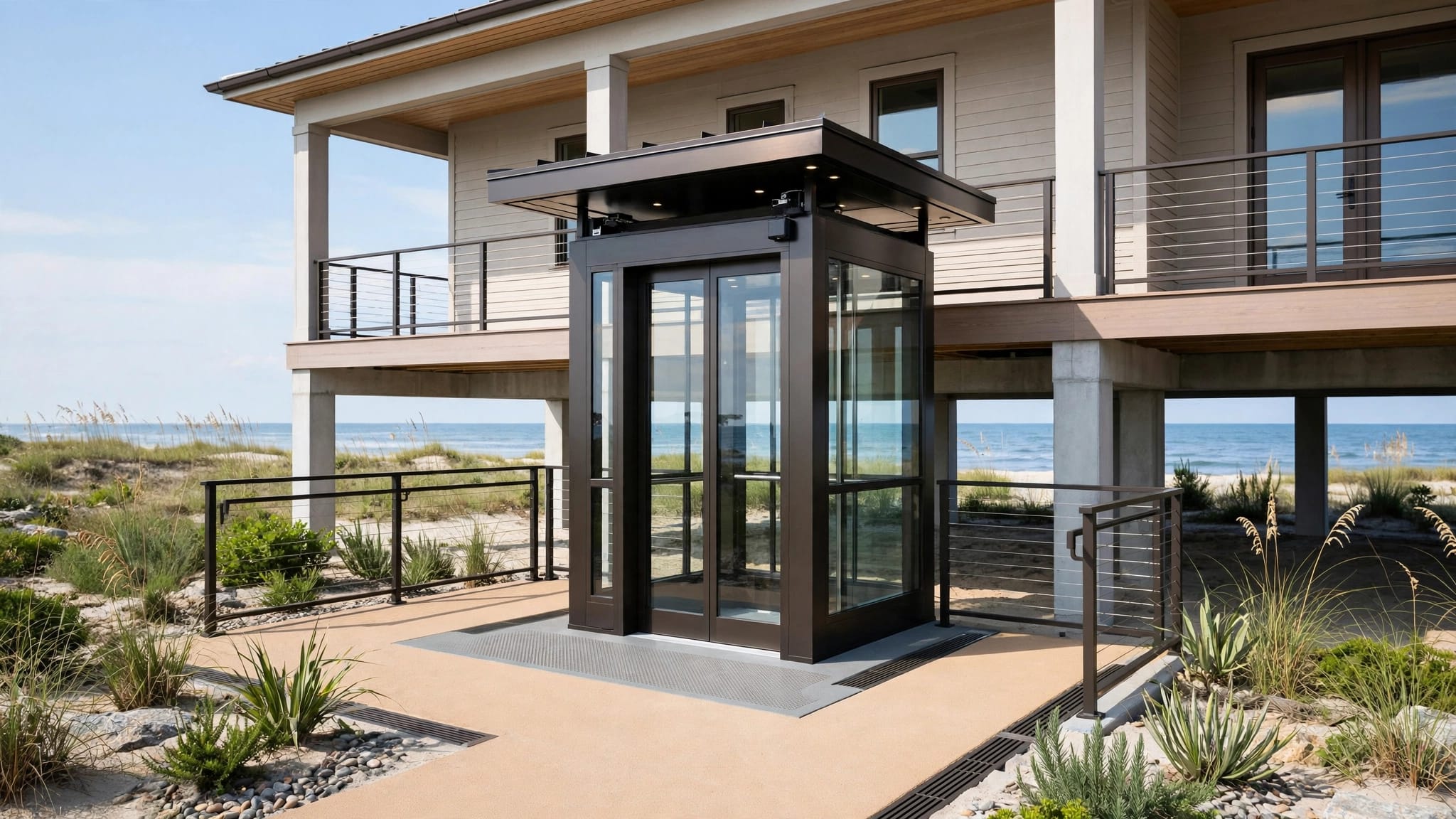
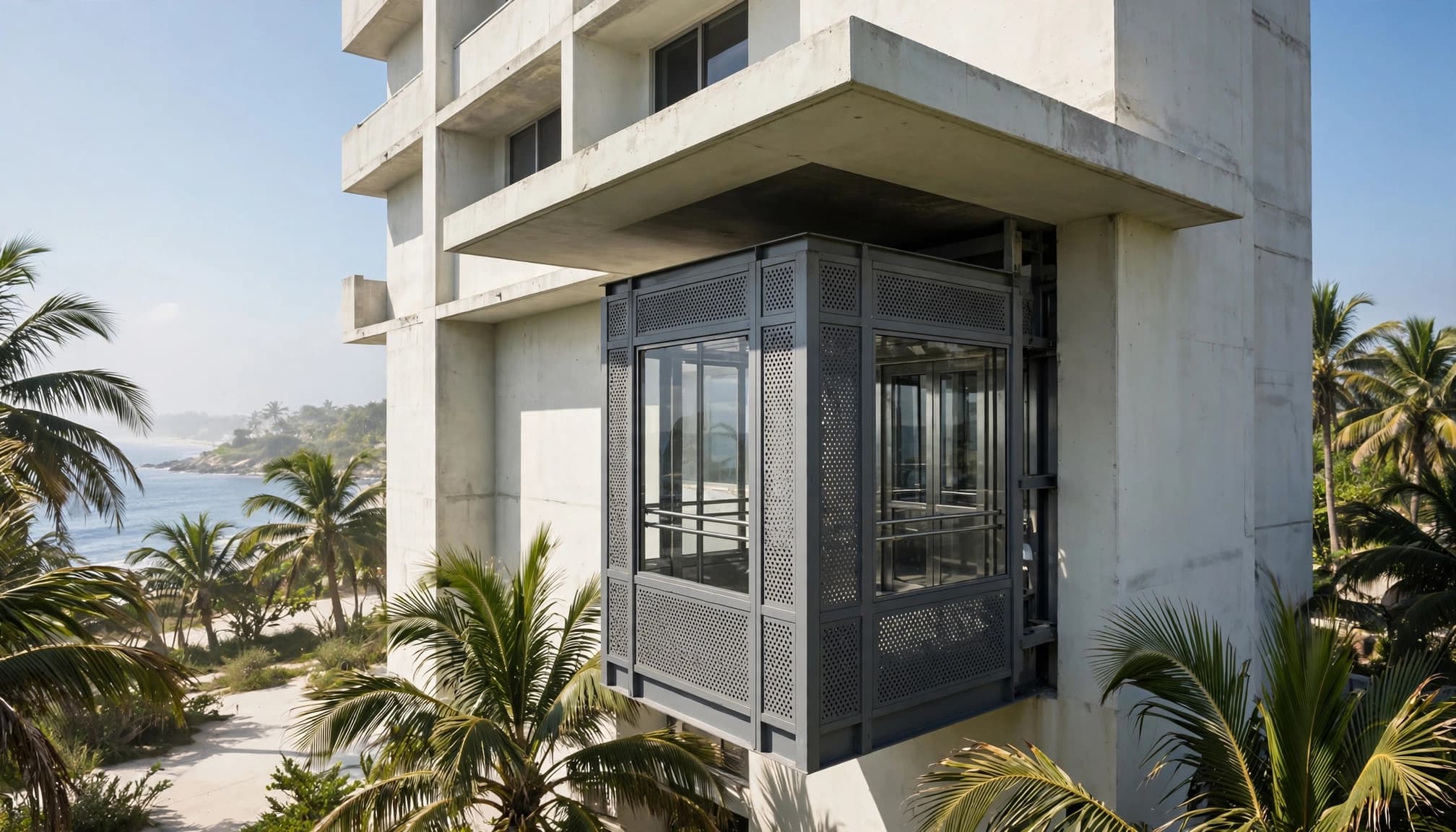
Outdoor elevator ventilation needs careful planning when a lift operates beside the ocean. Heat, humidity, salt spray, wind-driven rain, and direct sun can affect the cab, controls, finishes, and surrounding equipment.
For building owners, architects, and facility managers, the right approach balances airflow with weather protection. The goal is a dry, serviceable, code-compliant installation that matches the lift type and the site. Start with the enclosure, exposure, and equipment requirements before selecting fans or louvers.
Key Takeaways
- Natural ventilation may reduce equipment complexity, but openings still need protection from rain, spray, insects, sand, and salt deposits.
- Mechanical fans can improve air movement, but they add electrical, noise, maintenance, and corrosion concerns.
- High exhaust and low intake locations can support airflow, but the final arrangement must follow the elevator manufacturer's requirements.
- Sun shading, drainage, sealed controls, and corrosion-resistant materials matter as much as the fan itself.
- Filters and screens need inspection because salt, dust, and sand can restrict airflow.
- Cargo lifts, passenger-compliant elevators, and vertical platform lifts have different classifications and approval requirements.
- Local building, elevator, accessibility, electrical, fire, wind, and flood rules apply to the complete installation.
Why outdoor elevator ventilation matters in coastal heat
Heat and humidity affect the entire enclosure
An exterior elevator cab can absorb heat through its roof, walls, doors, and glazing. Dark finishes and direct afternoon sun can increase the temperature inside the enclosure. Humid air then adds moisture to metal surfaces, wiring compartments, fasteners, and other components.
Ventilation does not replace shading or weatherproof construction. It helps manage air movement when the cab or equipment enclosure becomes hot and stagnant. The appropriate airflow depends on the cab design, equipment layout, local climate, operating pattern, and manufacturer's limits.
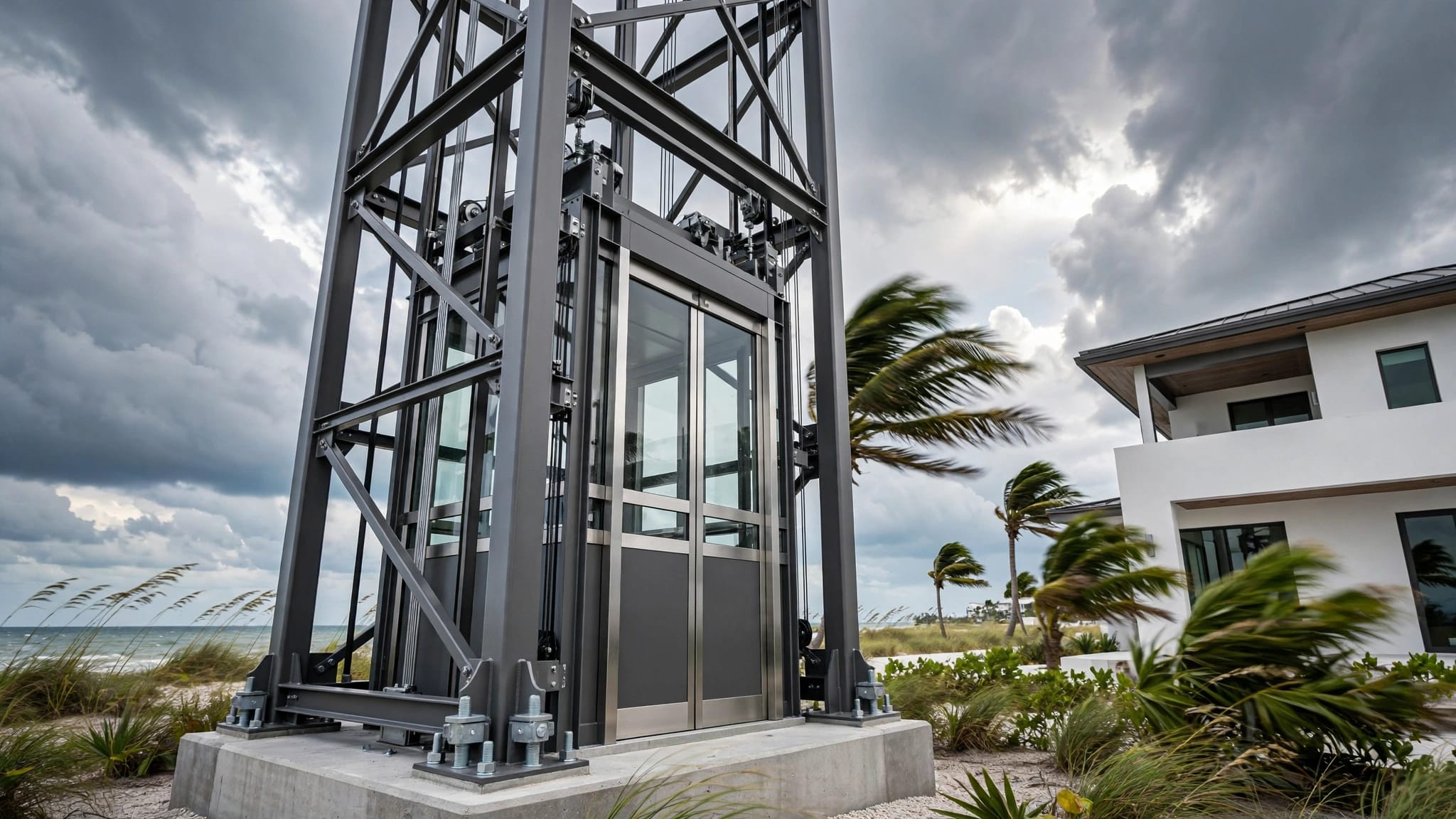
Coastal Florida installations also face wind-driven rain, ultraviolet exposure, storm debris, standing water, and salt air. These conditions can affect a lift even when the cab appears to operate normally.
Comfort is only one design concern
A passenger may notice heat first, but facility managers also need to consider condensation, corrosion, odors, and service conditions. Cargo lifts may have different ventilation needs because they can carry building materials, tools, groceries, or other loads that introduce dust and moisture.
The ventilation plan should identify what needs protection:
- The passenger or cargo compartment
- Motor, controller, or electrical enclosures
- Door and gate areas
- Service access zones
- Filters, screens, and drains
- Nearby walls, ceilings, and occupied rooms
A ventilation opening that improves airflow but allows spray onto controls creates a new risk. The design must address air movement and water exclusion together.
Natural versus mechanical ventilation for outdoor elevators
Passive openings can work in suitable locations
Natural ventilation uses fixed grilles, screened openings, louvers, roof vents, or other permanent paths for air movement. Crossflow works best when intake and exhaust openings sit on different sides or at different heights. Warm air can also rise through a high outlet when the enclosure allows that movement.
This option avoids a fan motor, dedicated fan controls, and some maintenance tasks. However, passive ventilation depends on wind direction and temperature differences. Airflow may be limited during calm, humid weather, which is common in coastal climates.
Openings also need protection from rain, insects, sand, and salt-laden air. A louver with a large open area may pass more air, but it can also admit more spray. The architect and elevator manufacturer should review the opening size, location, and drainage path.
Fans provide more control, with added responsibilities
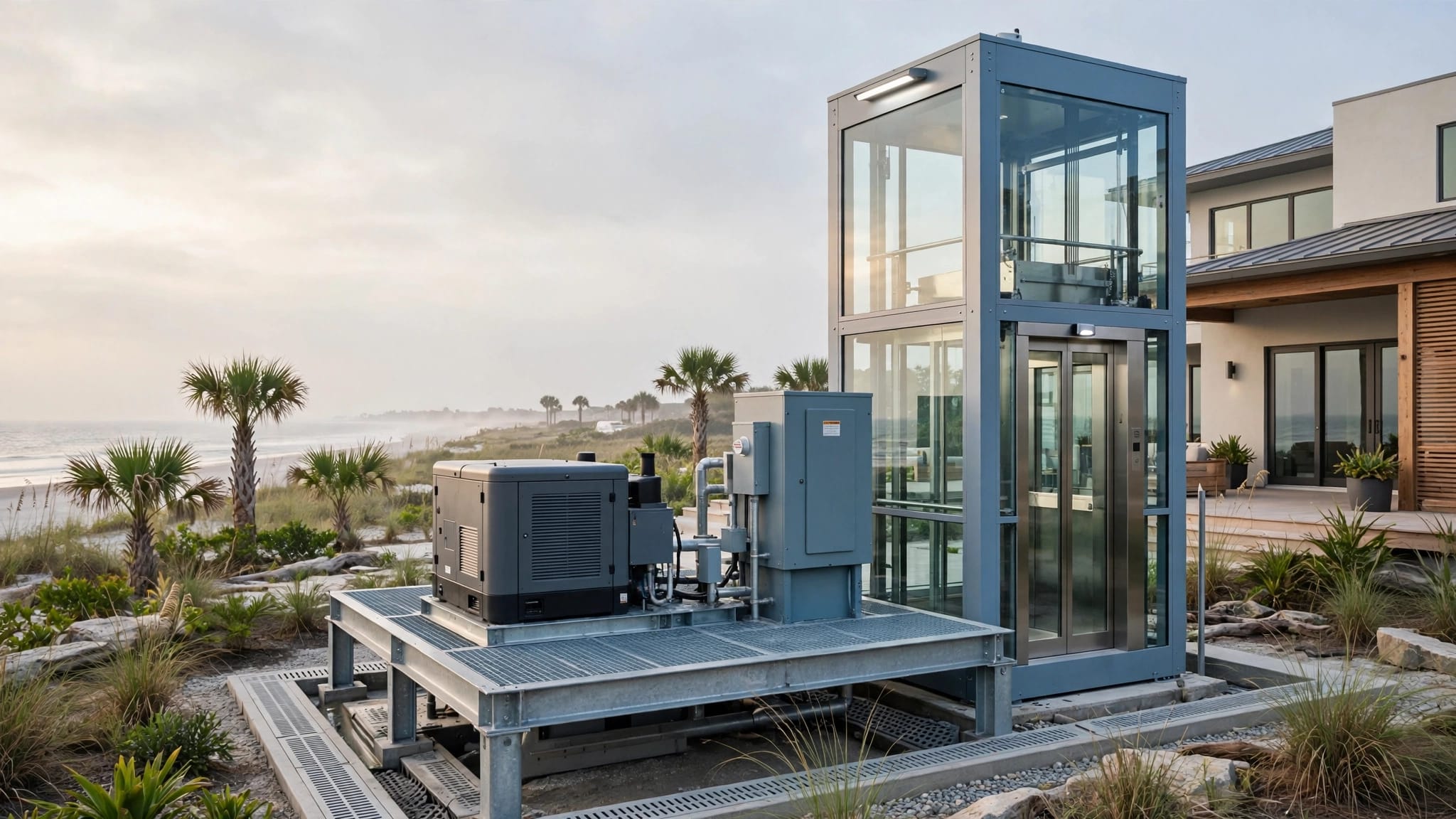
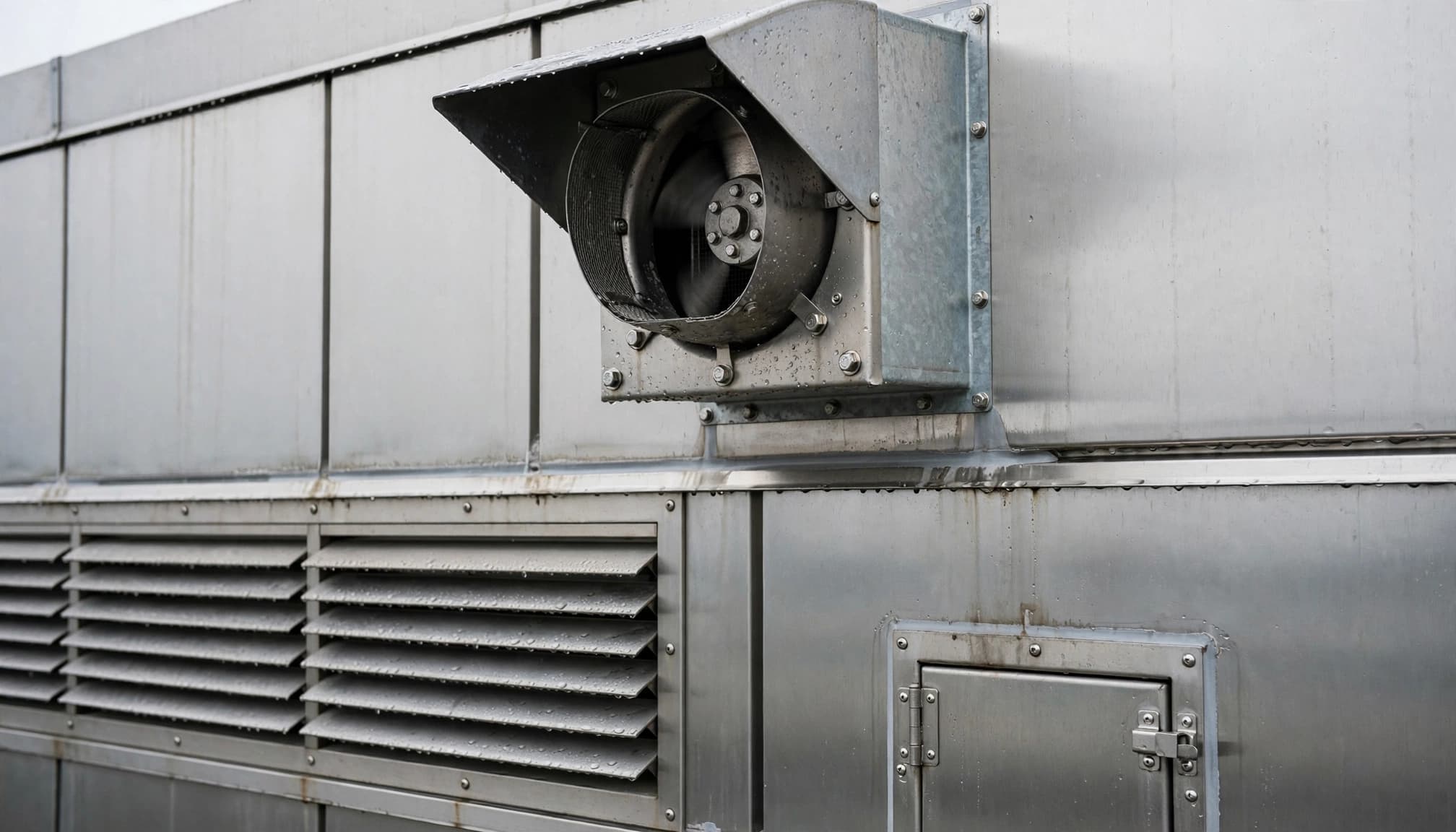
A mechanical fan can move air when natural airflow is weak. Depending on the approved design, the fan may exhaust warm air from a high point while a protected intake admits replacement air. A supply fan, exhaust fan, or balanced arrangement may fit different enclosure layouts.
The fan must suit the environment. Review its motor enclosure, corrosion resistance, electrical connection, mounting, vibration, sound level, and service access. A coastal fan can fail early if salt deposits collect on its housing or if rain reaches its wiring.
Fan controls may use a temperature or humidity sensor, a timer, a manual service switch, or building management system monitoring. Those controls must not interfere with elevator safety circuits, door interlocks, emergency functions, or required operating sequences.
Place fans, louvers, and controls with care
Use airflow paths that avoid sensitive equipment
A practical layout often places an exhaust point high in the enclosure because warm air rises. An intake may sit lower or on the opposite side to create a usable airflow path. That arrangement is not universal, however. The lift's structure, drive system, doors, gates, and electrical compartments may require a different solution.
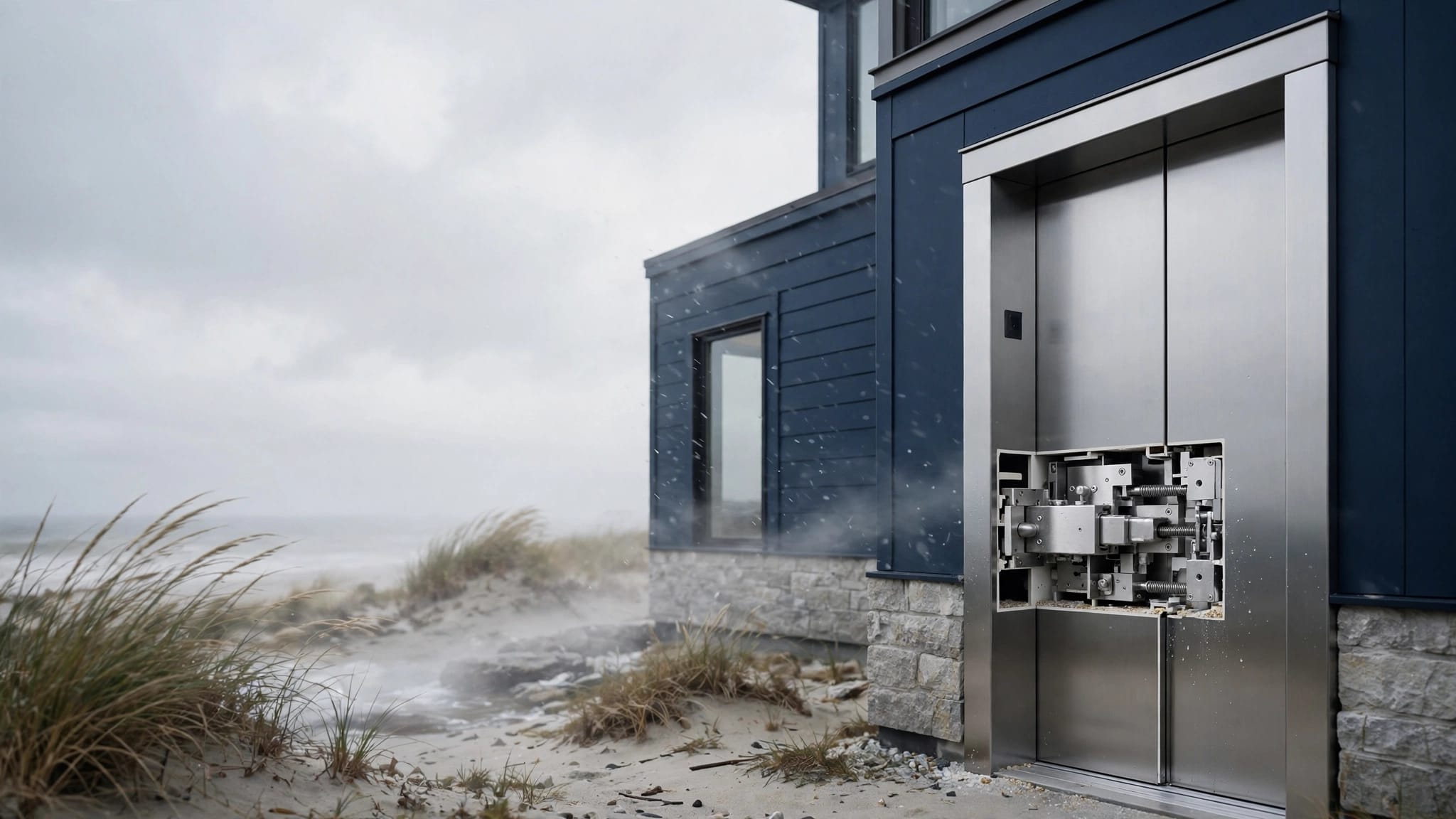
Do not direct outdoor air toward a controller, motor, brake, cable connection, or other sensitive component. Salt-bearing air can carry chloride particles that settle on metal, wiring, moving parts, and protective finishes. When moisture reaches those deposits, corrosion can accelerate.
The final design should show the air path on the architectural and mechanical drawings. Review clearances around doors, gates, service panels, guards, and moving equipment before installation.
Protect openings without blocking service
Weather hoods, drip edges, downward-facing louvers, baffles, and screened grilles can reduce direct rain entry. Each protection method also reduces free airflow to some degree, so the fan or opening must be selected as a complete assembly.
Place filters and screens where technicians can reach them without unsafe climbing or contact with moving lift equipment. Add a way to inspect the louver cavity for trapped water, sand, leaves, and salt residue.
Controls should remain dry and accessible. If a sensor sits inside a hot, sunlit corner, it may not represent conditions elsewhere in the cab. If a fan alarm connects to a building monitoring system, define who receives the alarm and what action follows.
Manage rain, condensation, and air quality
Keep water out of the airflow system
Outdoor elevator ventilation should never become a path for water to reach the cab floor, motor, controller, or electrical components. Weather protection begins with the enclosure and continues through every penetration, fastener, seal, and service cover.
A roof overhang can reduce direct sun and rain exposure. Sloped surfaces, drip edges, and properly directed discharge can prevent water from collecting above an intake or exhaust opening. The surrounding structure also needs positive drainage.
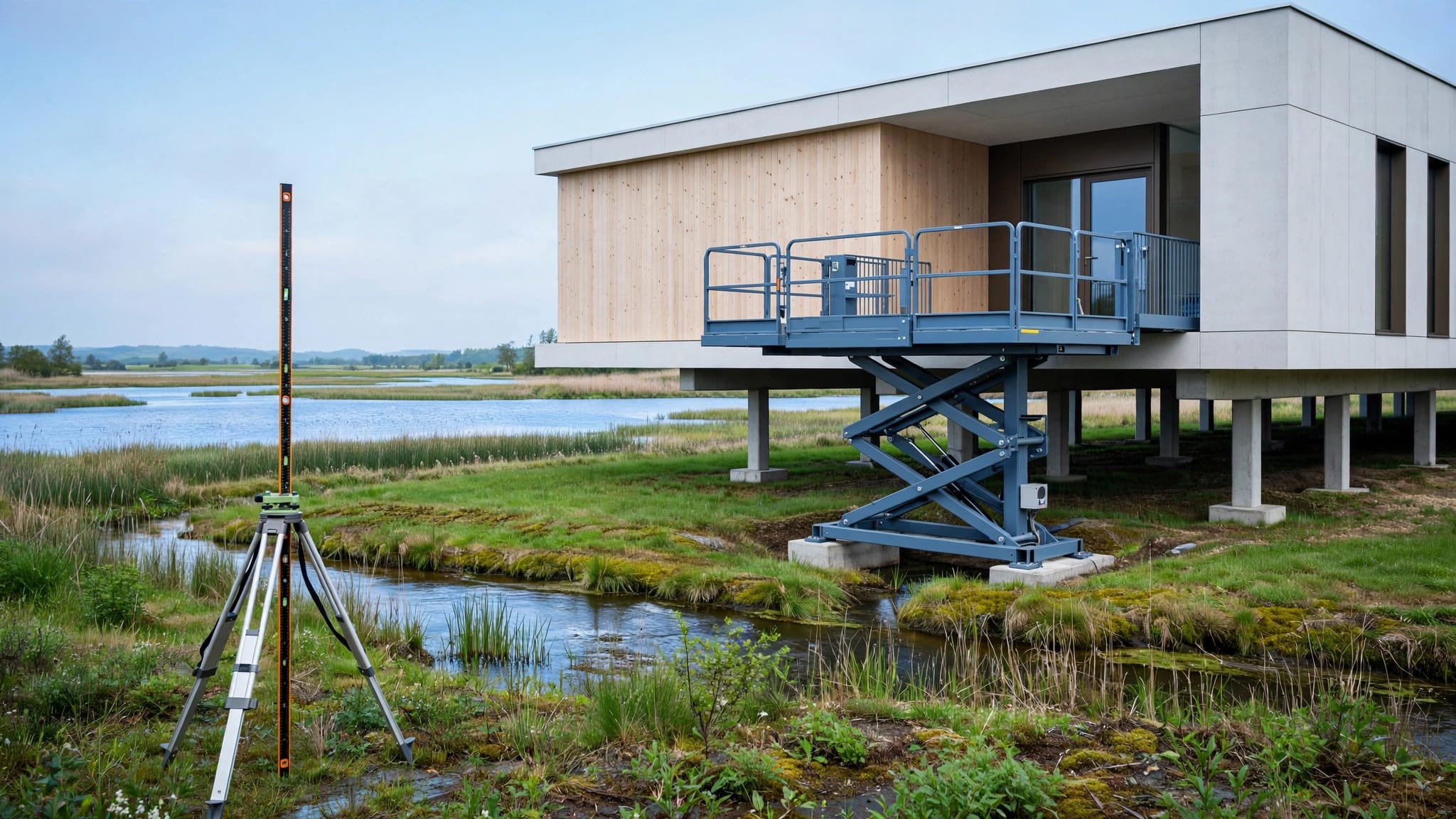
The exterior elevator drainage planning guide addresses standing water, accessible approaches, grates, sump systems, and discharge paths. Those details matter because a dry ventilation opening cannot compensate for water pooling at the base of the lift.
Control condensation without trapping moisture
Condensation can form when warm, humid air reaches a cooler metal surface. Poorly placed insulation, sealed cavities, and blocked drains can trap that moisture. A fan may move air, but it will not solve a water path that has no drain or a cavity that cannot dry.
Use manufacturer-approved seals, vents, coatings, and cleaning methods. Avoid closing every opening in an effort to keep rain out. A fully sealed enclosure may need a different pressure, drainage, or dehumidification strategy.
Filtration also requires balance. A screen or filter can reduce insects, dust, and larger salt particles, but a clogged filter restricts airflow. Select only components approved for the lift and climate, then include them in the inspection plan.
A weatherproof cover can still create a ventilation problem if it blocks the airflow path or traps damp air inside the enclosure.
Design for salt air, noise, and maintenance
Treat corrosion as an ongoing exposure
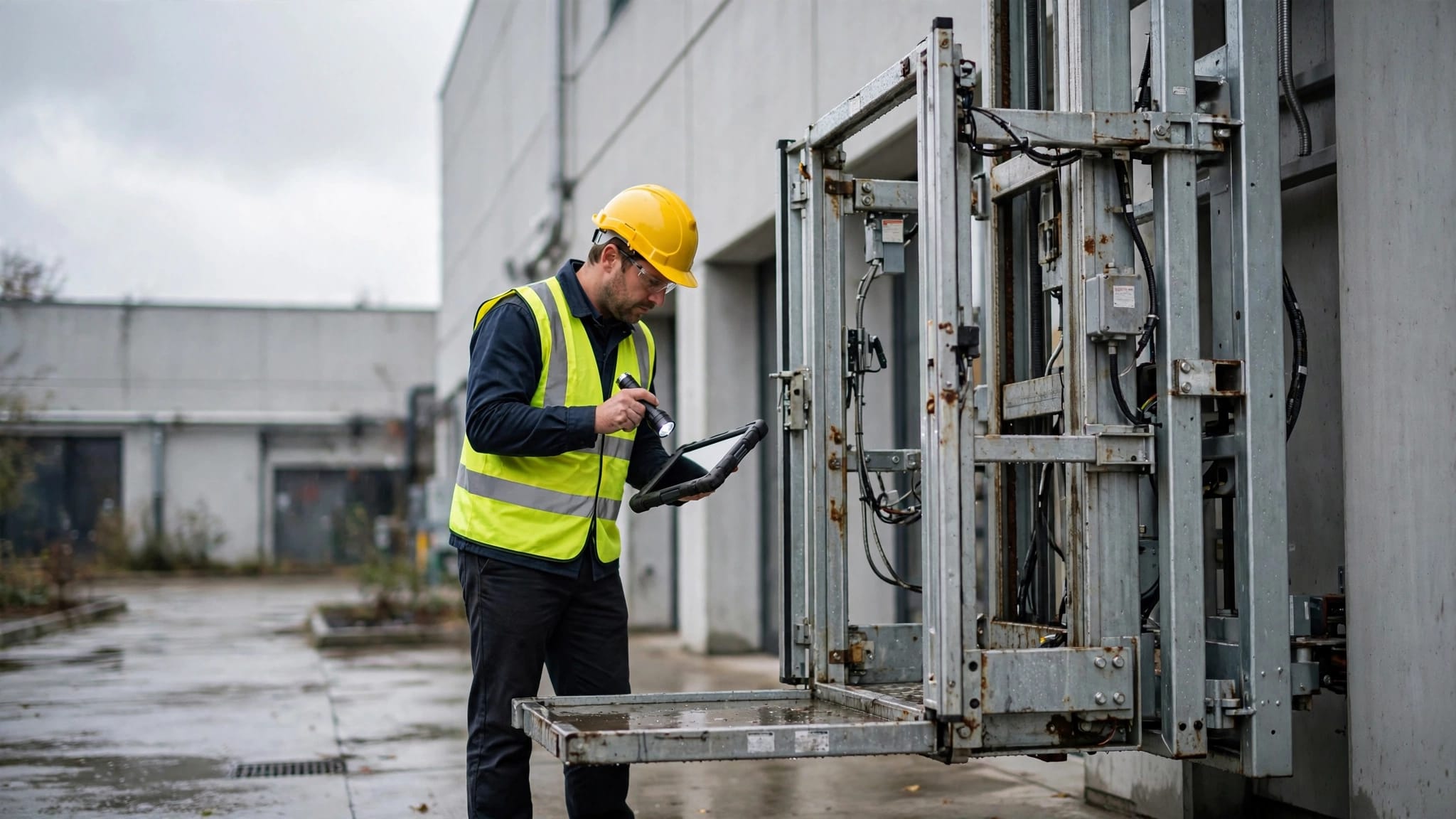
Salt air can shorten the service life of outdoor lift components before corrosion becomes easy to see. Stainless hardware, marine-grade materials, suitable coatings, sealed connectors, and compatible fasteners can reduce exposure, but no material removes the need for inspection.
Read the salt-air damage guidance for outdoor elevators alongside the lift manufacturer's maintenance instructions. The most exposed parts may include grilles, fan housings, fasteners, cable hardware, wiring entries, gate components, and finish edges.
Approved rinsing may help remove salt deposits, but water should never be sprayed into electrical equipment or trapped behind covers. Coating repairs should use products compatible with the original finish.
Account for sound and access
Fans, louvers, vibration, and airflow noise can affect nearby bedrooms, balconies, offices, patios, or neighboring properties. A quiet fan is useful, but acoustic treatment must not block ventilation or restrict required service clearances.
Place equipment where technicians can reach it safely after heavy rain. Provide lighting, stable access, and enough room to remove filters or fan components. The coastal outdoor lift maintenance checklist recommends a service plan based on the manufacturer's schedule, the lift's use, and the property's exposure.
Inspect after severe weather when the site plan calls for it. Look for blocked louvers, loose covers, water intrusion, salt buildup, damaged seals, and unusual fan noise. Anything involving brakes, interlocks, controls, wiring, or moving equipment belongs with a qualified elevator professional.
Match ventilation to the lift and the code path
Cargo lifts have different operating requirements
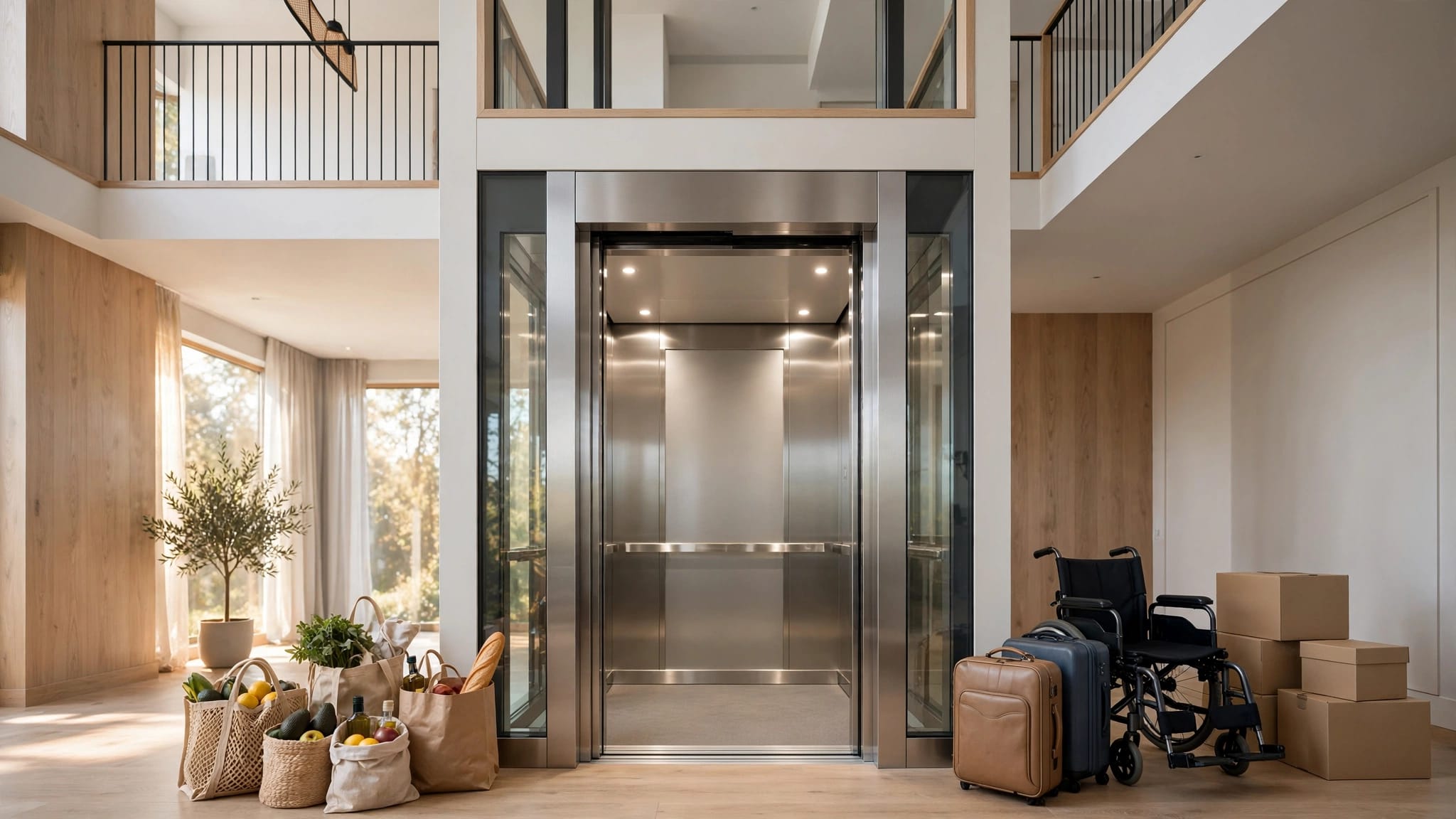
A cargo lift may move supplies, tools, coolers, construction materials, or household goods between levels. Unless the manufacturer specifically rates the model for passengers, people should not ride in it.
Ventilation for a cargo installation should account for loading activity, dust, wet materials, open gates, and longer periods with the platform at a landing. The enclosure, control system, gates, and ventilation openings must match the approved equipment classification.
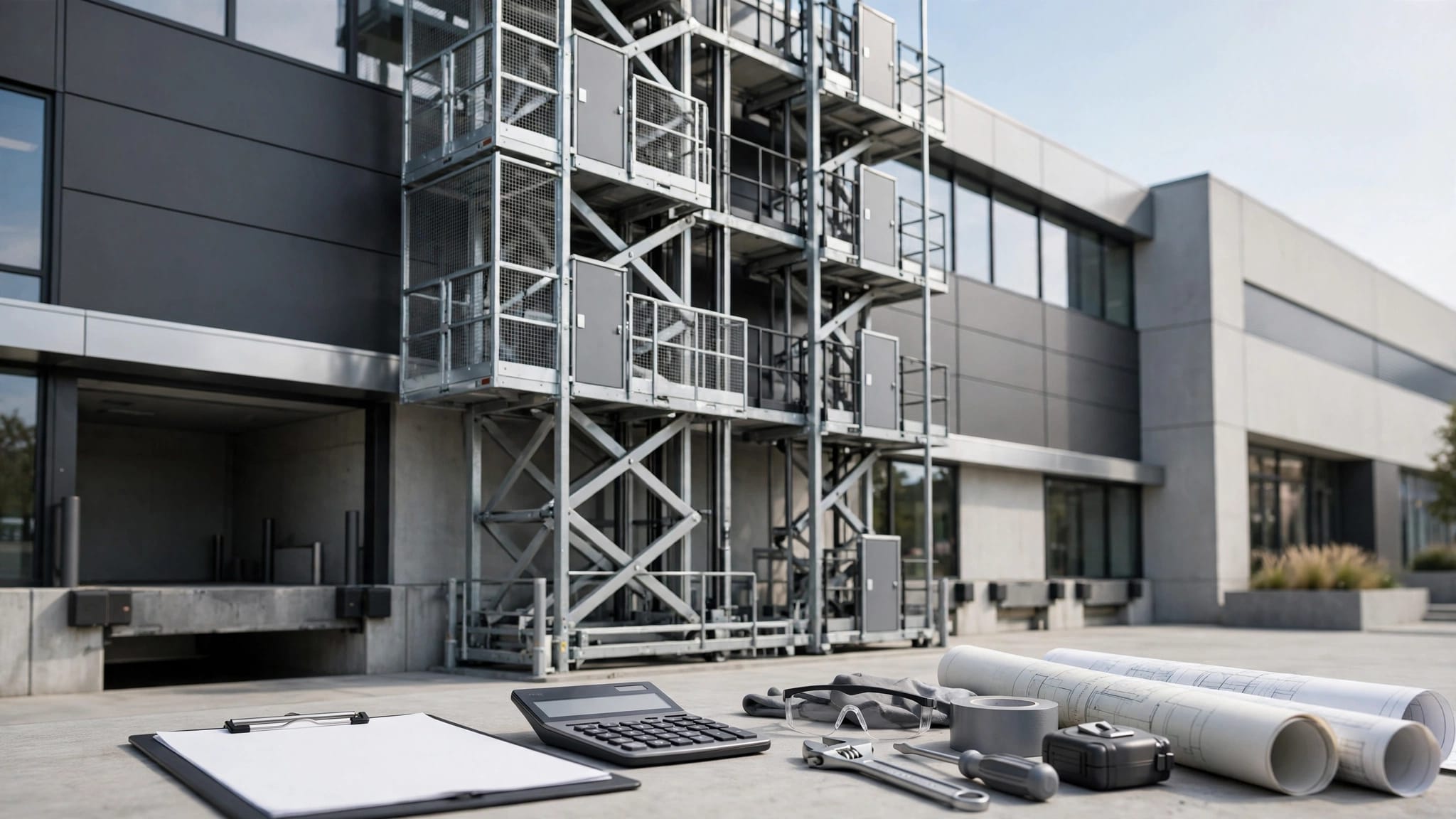
Review the cargo lift versus passenger elevator differences before selecting equipment for a coastal property.
Passenger elevators and VPLs need coordinated planning
A passenger-compliant elevator has requirements that differ from a freight lift. A vertical platform lift also follows its own product classification and approval path. Ventilation openings cannot reduce required clearances, create hazards at accessible landings, or interfere with doors, gates, guards, or controls.
The route from a driveway, parking area, patio, or walkway to the lift must remain usable after rain. Keep accessible approaches reasonably firm and clear of standing water, slippery algae, and trip hazards.
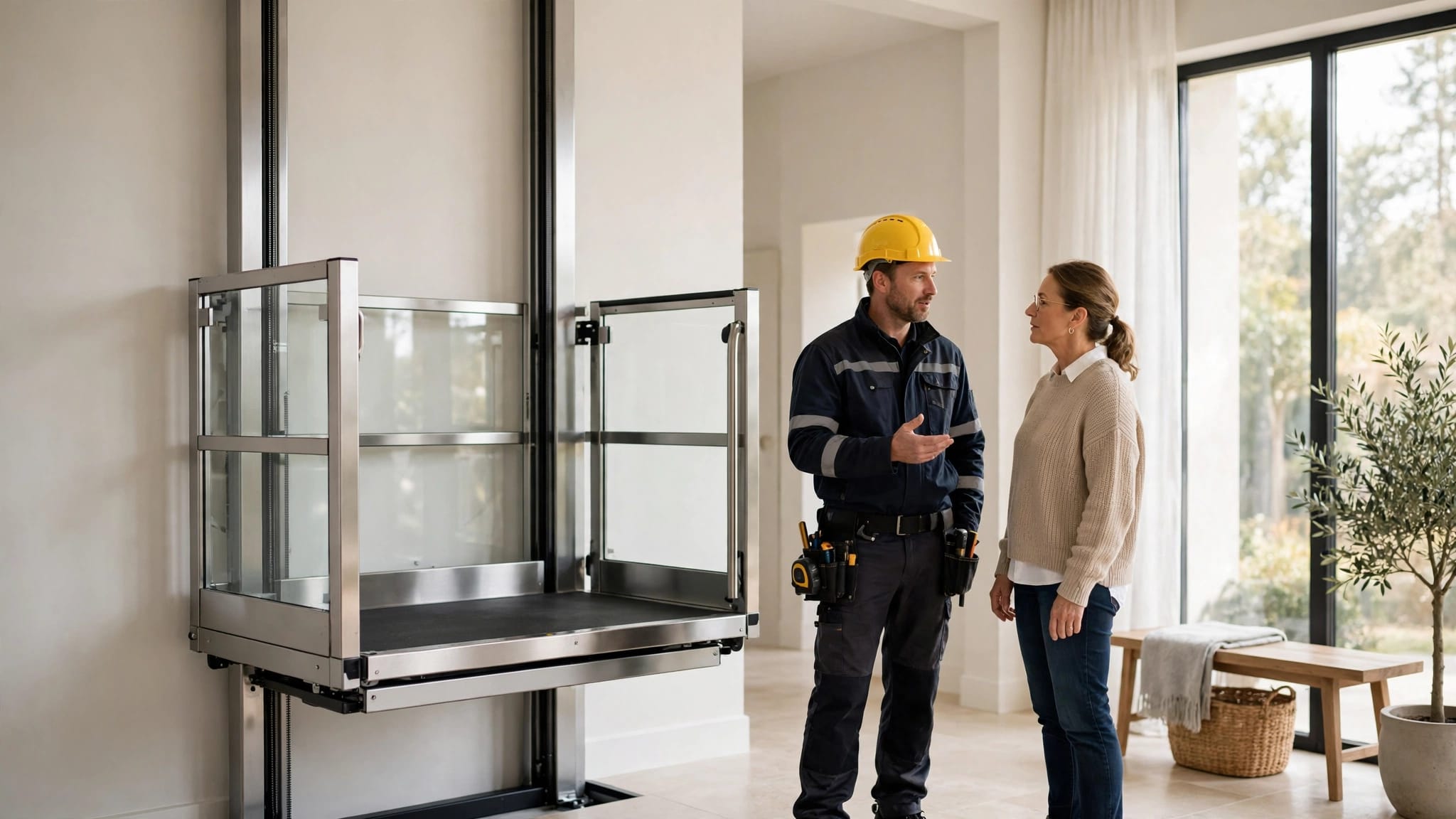
Start early with a planning guide for a beach house exterior lift. The project team can then coordinate structural openings, drainage, electrical service, sun exposure, equipment access, and ventilation before construction limits the options.
Confirm local requirements before installation
Final designs must comply with applicable local codes, accessibility requirements, elevator rules, electrical provisions, fire and life-safety requirements, wind conditions, flood restrictions, and the elevator manufacturer's specifications.
In Florida, an exterior lift may require review beyond the elevator equipment itself. The tower, shaft panels, gates, doors, anchorage, controls, and enclosure may all affect approval. Use the Florida outdoor elevator code rules as a planning reference, then confirm the current requirements with the local authority and licensed project professionals.
Never add a fan, louver, cover, sensor, or replacement component by modifying elevator equipment without qualified review. A change that appears minor can affect ventilation, weather sealing, clearances, electrical safety, or a required safety function.
FAQ about outdoor elevator ventilation
Does every outdoor elevator need a powered fan?
No. Some installations may use protected natural ventilation, while others need mechanical airflow because of enclosure geometry, sun exposure, equipment heat, or operating conditions. The manufacturer and design team must determine whether passive openings, a fan, or another approved method fits the lift.
Where should an outdoor elevator exhaust fan go?
A high location often supports the removal of warm air, while a protected lower intake or opposite-side opening can provide replacement air. The correct location depends on the enclosure, equipment, rain exposure, service access, and approved airflow path. Do not drill or relocate openings without professional review.
Can a filter protect a coastal elevator from salt air?
A filter or screen can reduce some airborne debris, insects, dust, and salt-laden particles. It cannot stop all salt exposure, and it may restrict airflow when dirty. Use only approved components, keep them accessible, and include inspection and replacement in the maintenance plan.
Can ventilation openings affect elevator approval?
Yes. Openings can affect weather protection, fire separation, accessibility clearances, electrical safety, structural details, and equipment certification. The architect, elevator manufacturer, installer, and local authority should review the complete design before work begins.
Conclusion
Outdoor elevator ventilation in a hot coastal climate is part of a larger protection strategy. Good results depend on controlled airflow, shaded and weather-protected openings, dry controls, drainage, corrosion planning, suitable monitoring, and service access.
The best design is the one that matches the lift classification and the actual site. With qualified professionals involved early, building owners can address heat, humidity, salt air, rain, noise, and maintenance without compromising accessibility or elevator safety.
Recent Posts