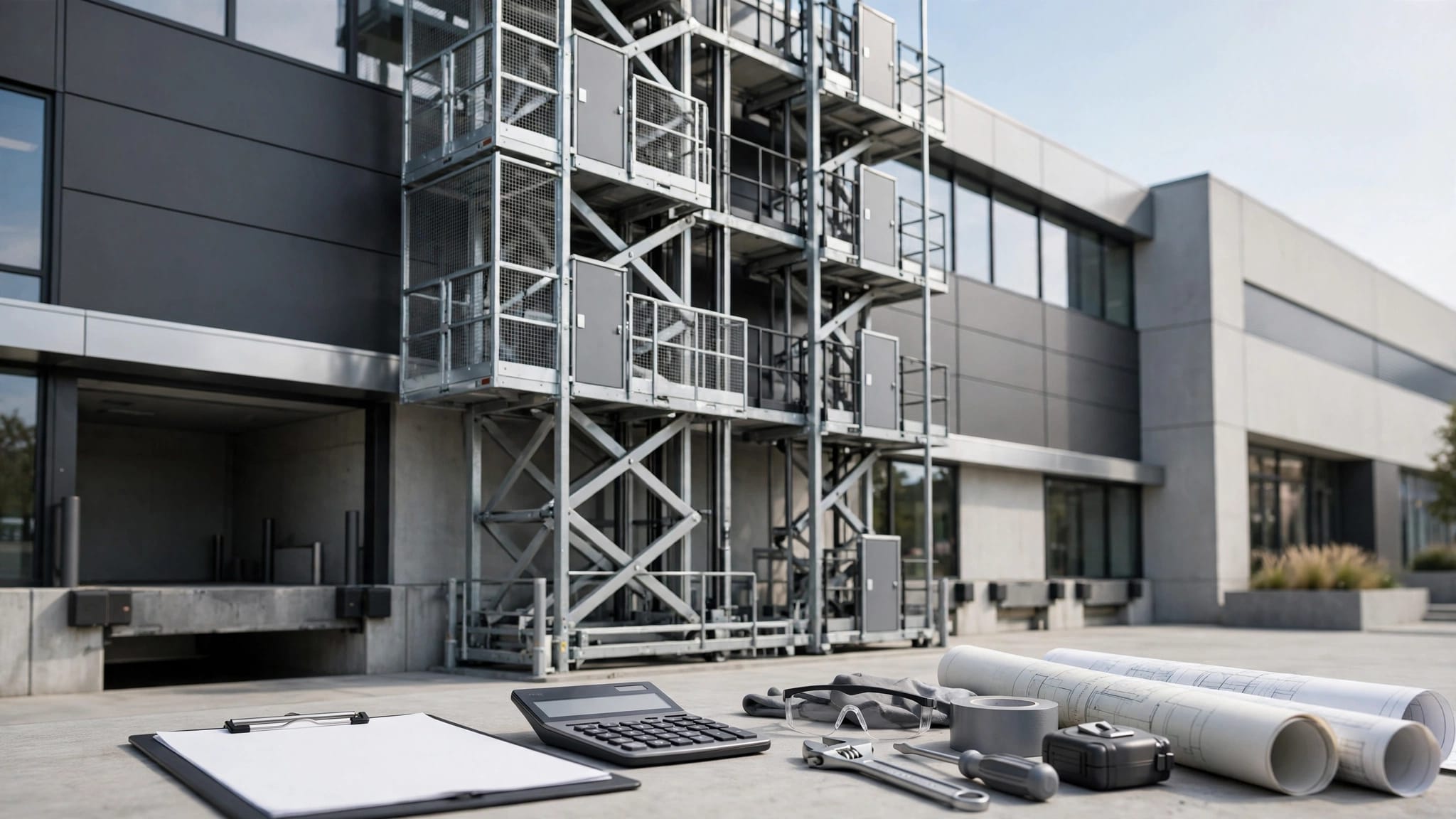
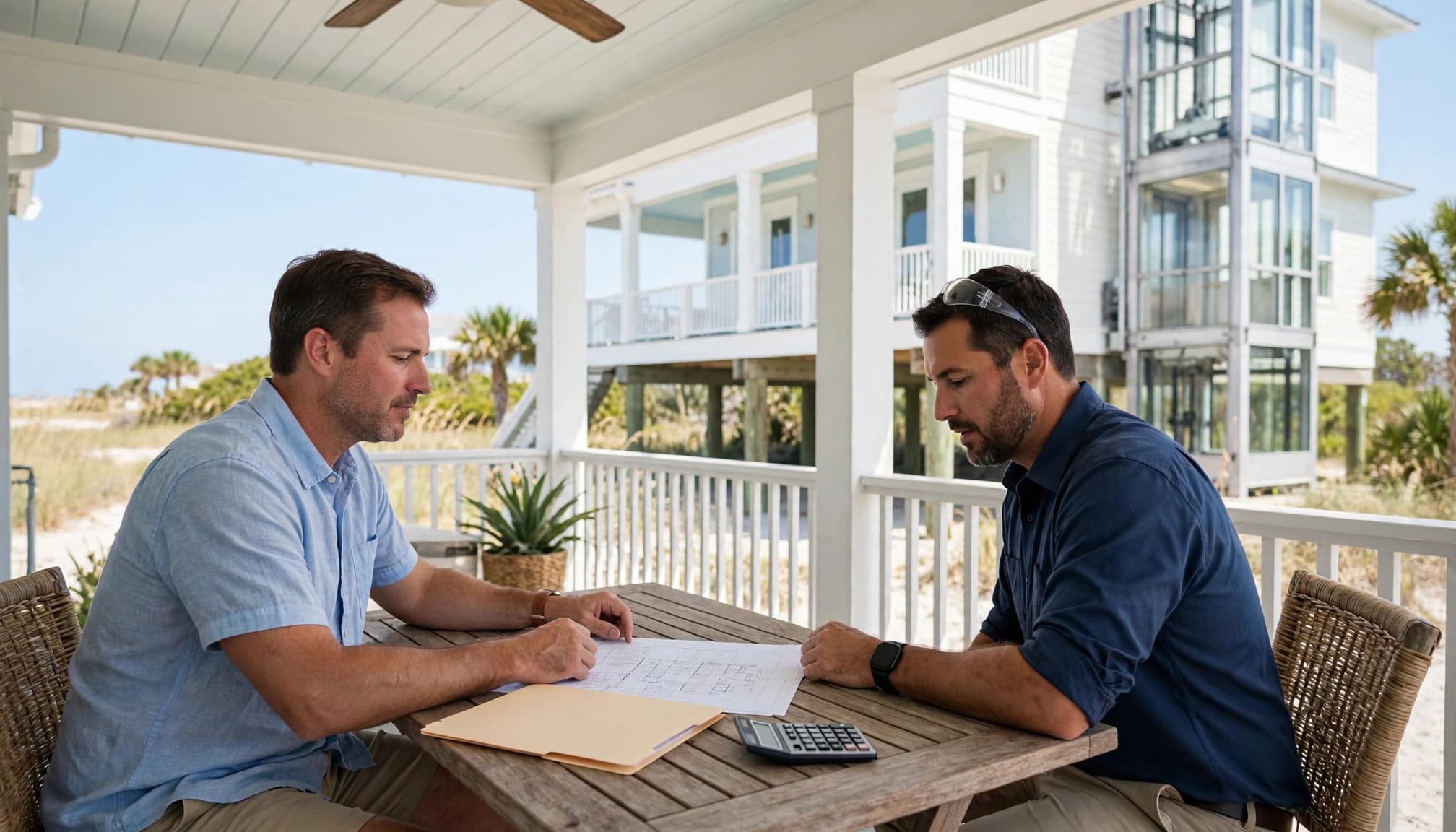
Outdoor elevator financing starts with a clear project, not a loan application. Florida homeowners need to identify the equipment, site work, permits, storm requirements, and access needs before comparing lenders.
A cargo lift, vertical platform lift, and passenger elevator serve different purposes. Choosing the wrong category can affect the design, approval process, insurance questions, and total amount you need to finance. Start by defining the project, then match the financing to its size, timeline, and risk.
Start with a lender-ready project scope
Lenders respond better to a complete scope than to a rough equipment estimate. A clear plan also helps prevent expensive changes after approval.
Confirm the lift type and intended use
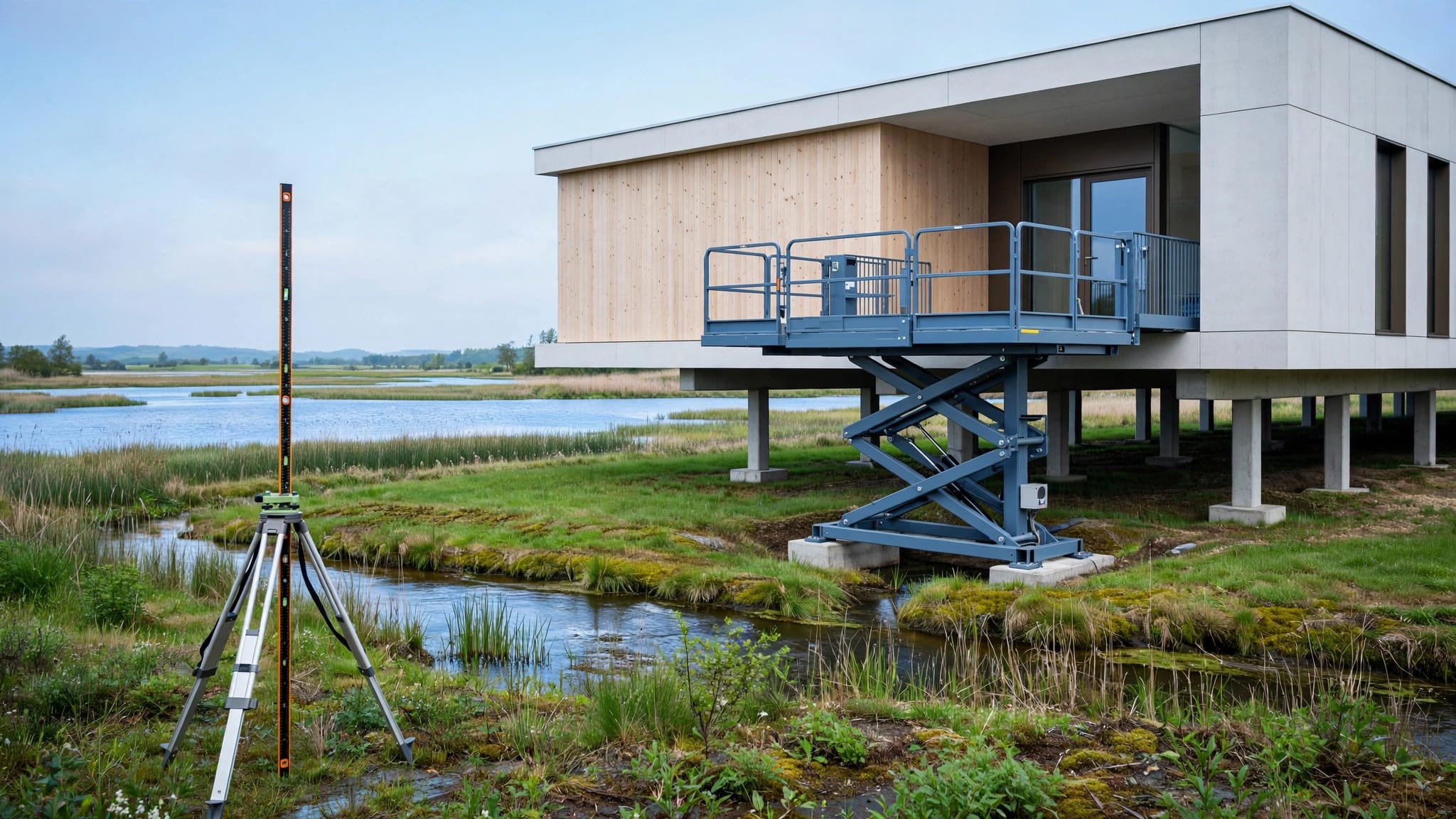
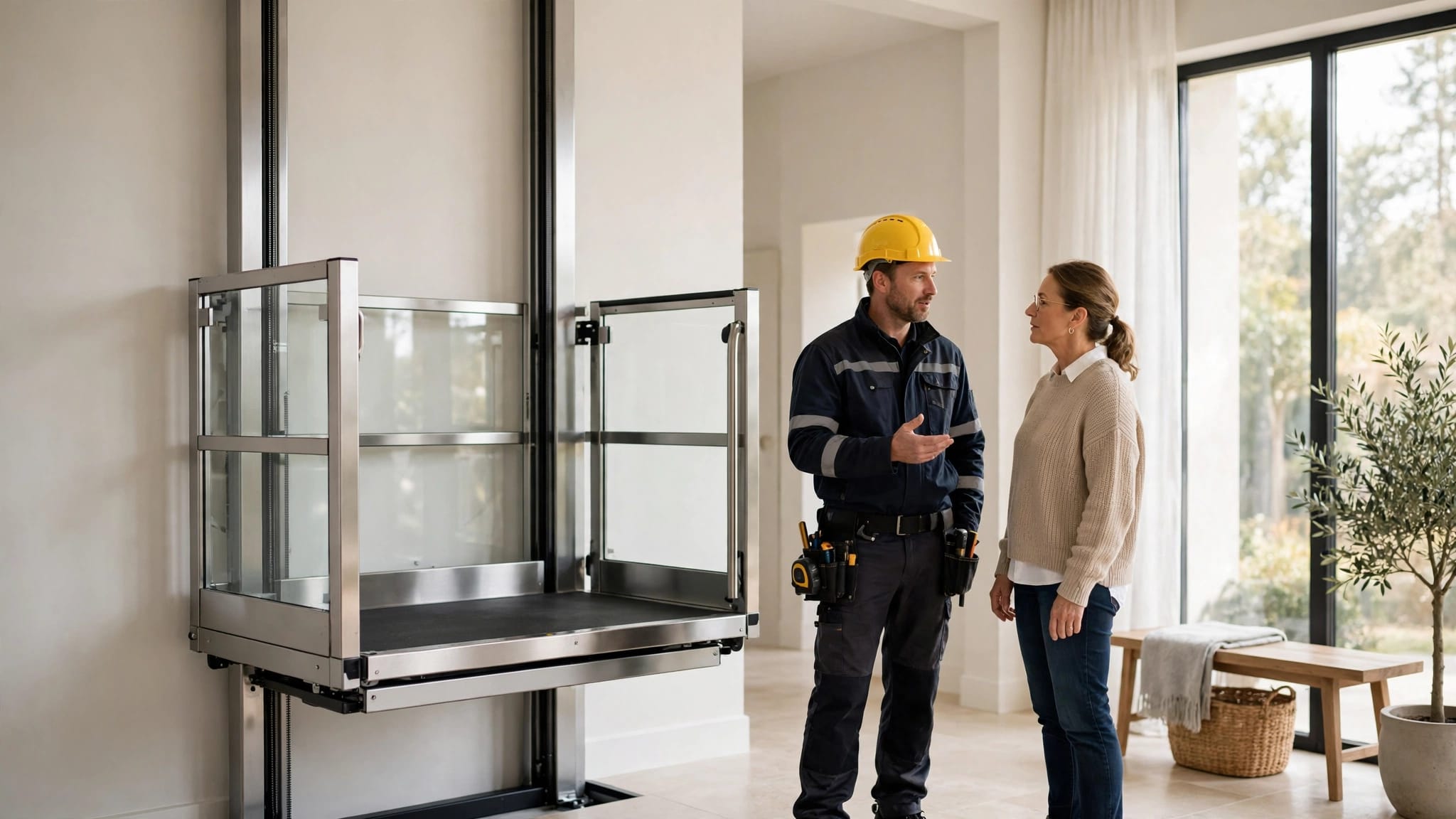
A cargo lift can move groceries, tools, luggage, and building materials, but people should not ride it unless the manufacturer has designed and approved it for passengers. A vertical platform lift, or VPL, can support wheelchair access when its platform, gates, controls, capacity, and safety features fit the intended use.
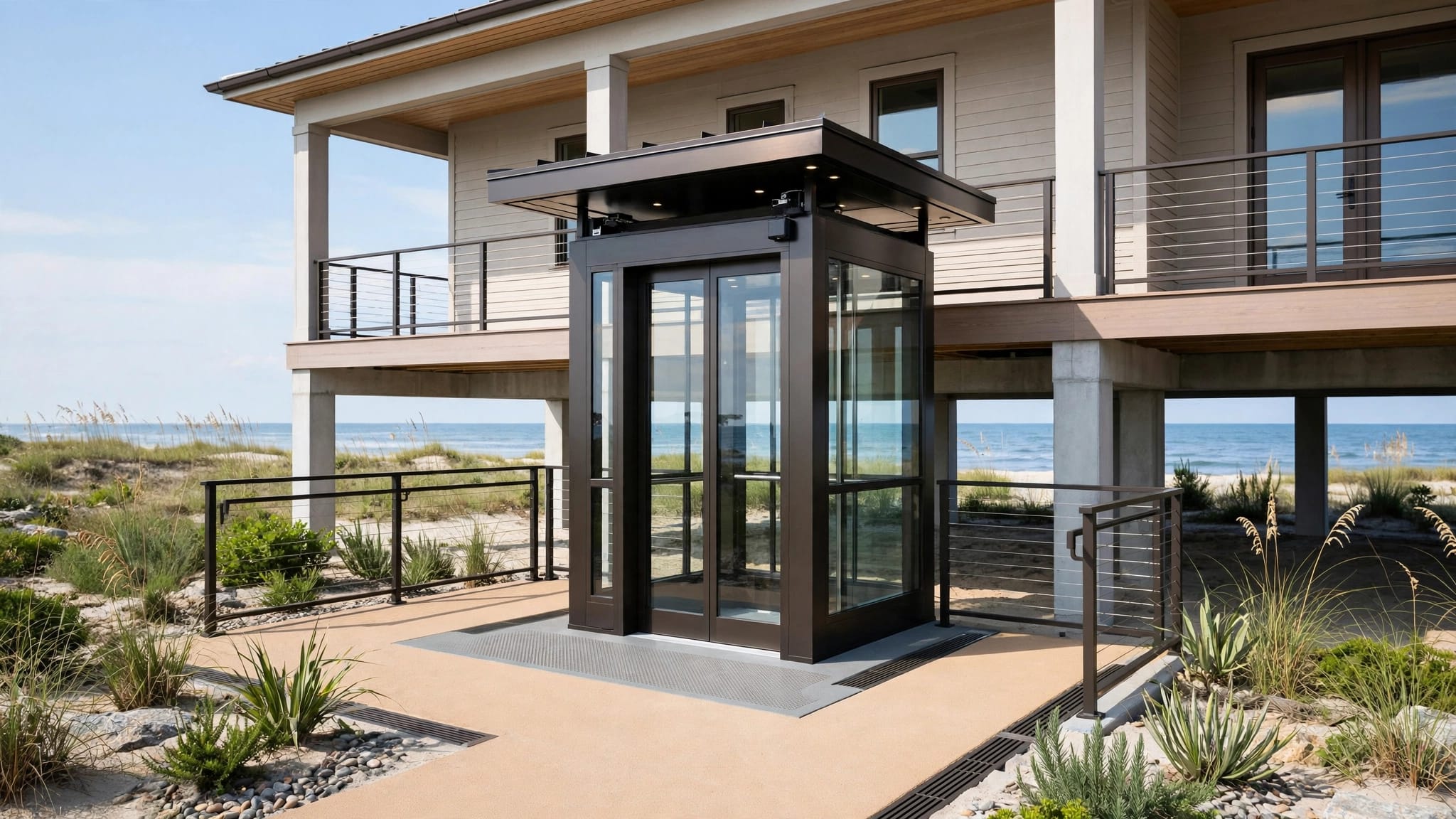
A passenger elevator follows a different equipment and compliance path. It may suit a multistory home where family members, guests, or aging homeowners need regular access between floors.
Document the following before requesting quotes:
- The number of levels and total travel height.
- Whether people, wheelchairs, scooters, materials, or several of these will use the lift.
- Required platform or cab dimensions.
- Landing locations and the route from the driveway, parking area, patio, or interior rooms.
- Structural changes, electrical work, drainage, and foundation requirements.
The cargo lift versus passenger elevator comparison can help clarify which category fits your home.
Separate equipment costs from construction costs
Ask for an itemized proposal rather than a single project total. Separate the lift, tower or enclosure, foundation, landings, structural reinforcement, electrical work, permits, inspections, drainage, finishes, delivery, installation, and maintenance.
This detail matters because a lower equipment price may not mean a lower project cost. An existing porch might need reinforcement, or a flood-zone property might need additional site work. Review outdoor home elevator cost factors before choosing a loan amount.
Compare outdoor elevator financing options
The right loan depends on your equity, income, credit profile, existing mortgage, project size, and tolerance for variable payments. Compare the full cost, not only the advertised monthly payment.
| Financing option | Common advantage | Main concern |
|---|---|---|
| Home equity loan | Fixed amount and often predictable payments | Uses home equity as collateral |
| HELOC | Flexible draws as work progresses | Rates and payments may change |
| Cash-out refinance | Can combine project funds with one mortgage | May reset the mortgage rate and term |
| Personal loan | No home lien in many cases | Terms and borrowing limits vary |
| Contractor financing | Convenient application tied to the project | Compare APR, fees, and contract terms carefully |
Home equity, HELOCs, and personal loans
A home equity loan may work well when you know the project total in advance. It commonly provides a fixed amount, and some lenders offer fixed payments, but terms vary. Because the home secures the loan, missed payments can create serious consequences.
A HELOC can fit a project with several payment stages. You may draw funds for the foundation, equipment, electrical work, and final installation instead of borrowing the entire amount at once. However, many HELOCs have variable rates, so the payment can change.
Cash-out refinancing replaces or restructures your existing mortgage. It may provide a longer repayment period, but closing costs and a new interest rate can change the overall cost. Compare the new mortgage against the cost of keeping your current loan and using separate project financing.
Personal loans may avoid using your home as collateral. They can also have shorter repayment periods, which may produce higher monthly payments. Check the total finance charge, prepayment terms, origination fees, and whether the lender will fund a project involving permits and staged contractor payments.
Contractor financing
Some contractors or manufacturers connect customers with financing providers. This can simplify the application, but convenience should not replace comparison shopping.
Ask who provides the loan, whether the financing is secured, when interest begins, and whether the lender pays the contractor in draws or releases the full amount at closing. Read the contract for deferred-interest promotions, early payoff terms, late fees, cancellation rights, and exclusions for permits or site preparation.
Make sure the financing agreement matches the construction contract. A loan that covers only the lift may leave you responsible for foundations, electrical changes, engineering, or inspections.
FHA, HomeStyle, VA, and USDA programs
FHA 203(k) financing can combine a mortgage or refinance with eligible rehabilitation work. The Limited 203(k) limit is $75,000 for FHA case numbers assigned on or after November 4, 2024. Standard 203(k) projects use a HUD-approved consultant, while consultant use is optional for Limited 203(k) loans. HUD also lists a 12-month rehabilitation period for Standard 203(k) and nine months for Limited 203(k).
A lender must confirm whether your specific elevator, accessibility work, structural changes, and site improvements qualify. Approval is never automatic.
Fannie Mae HomeStyle Renovation can finance eligible improvements during a purchase or refinance. For purchases, the stated financing limit is 75% of the lesser of the purchase price plus renovations or the completed appraised value. For refinances, the limit is 75% of the completed appraised value. Eligible terms include 15-year and 30-year fixed-rate mortgages, along with certain adjustable-rate mortgages.
VA-guaranteed renovation options and USDA repair programs may be relevant to eligible borrowers and properties. Their rules differ, so verify current eligibility directly with an approved lender or agency. A grant, tax benefit, or medical deduction may also depend on facts that are unique to your household and project.
Account for Florida permits and storm exposure
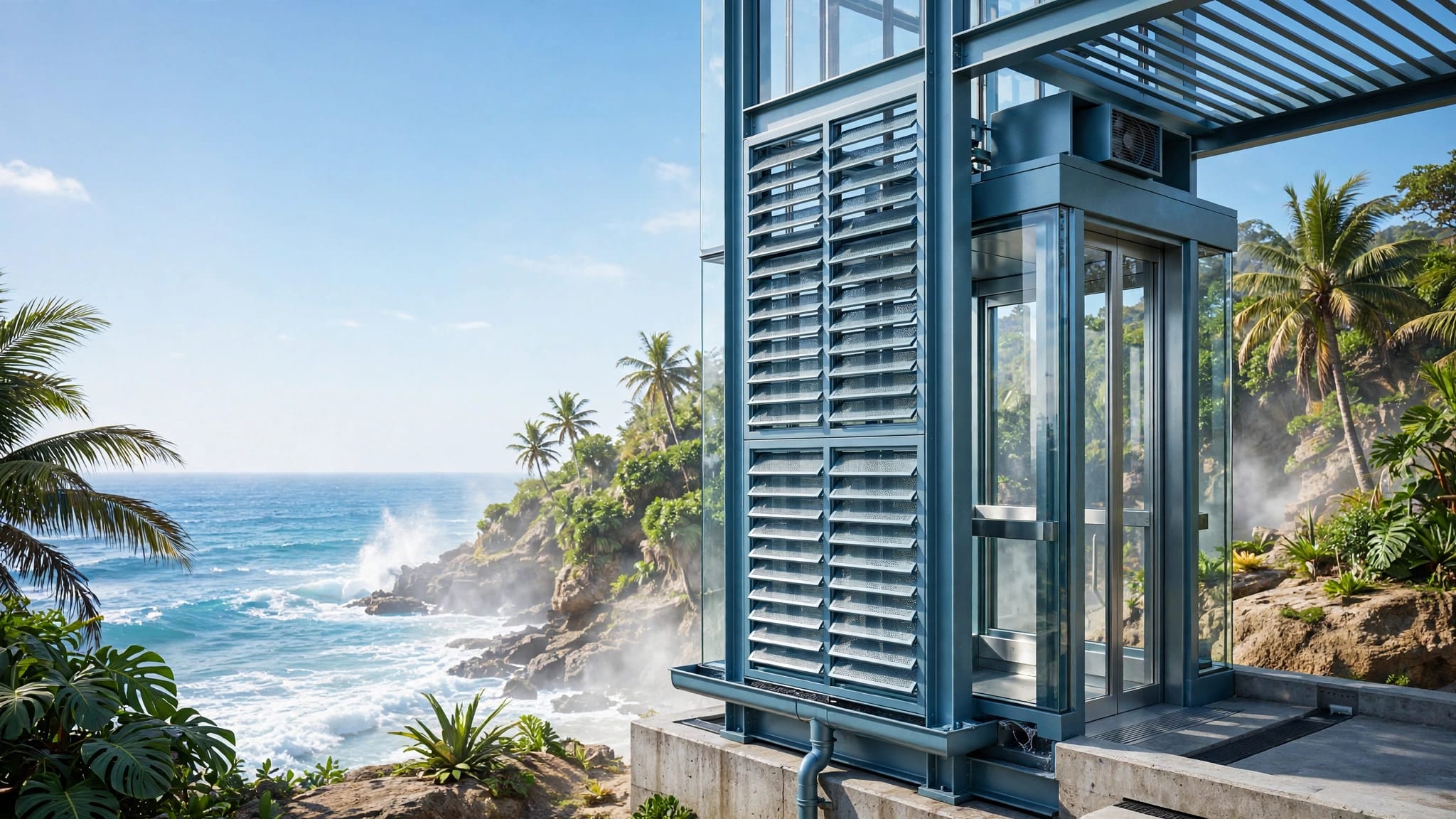
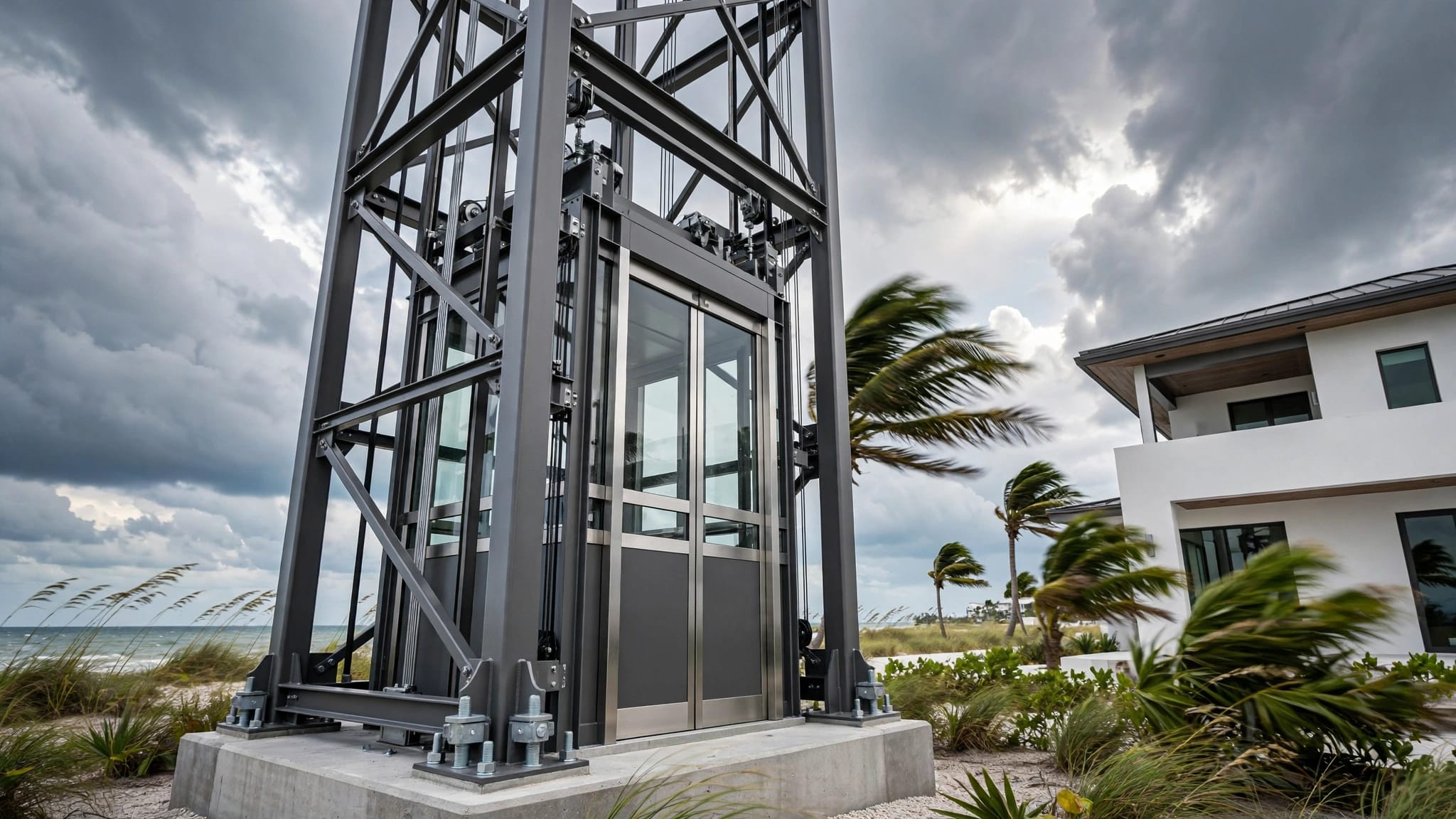
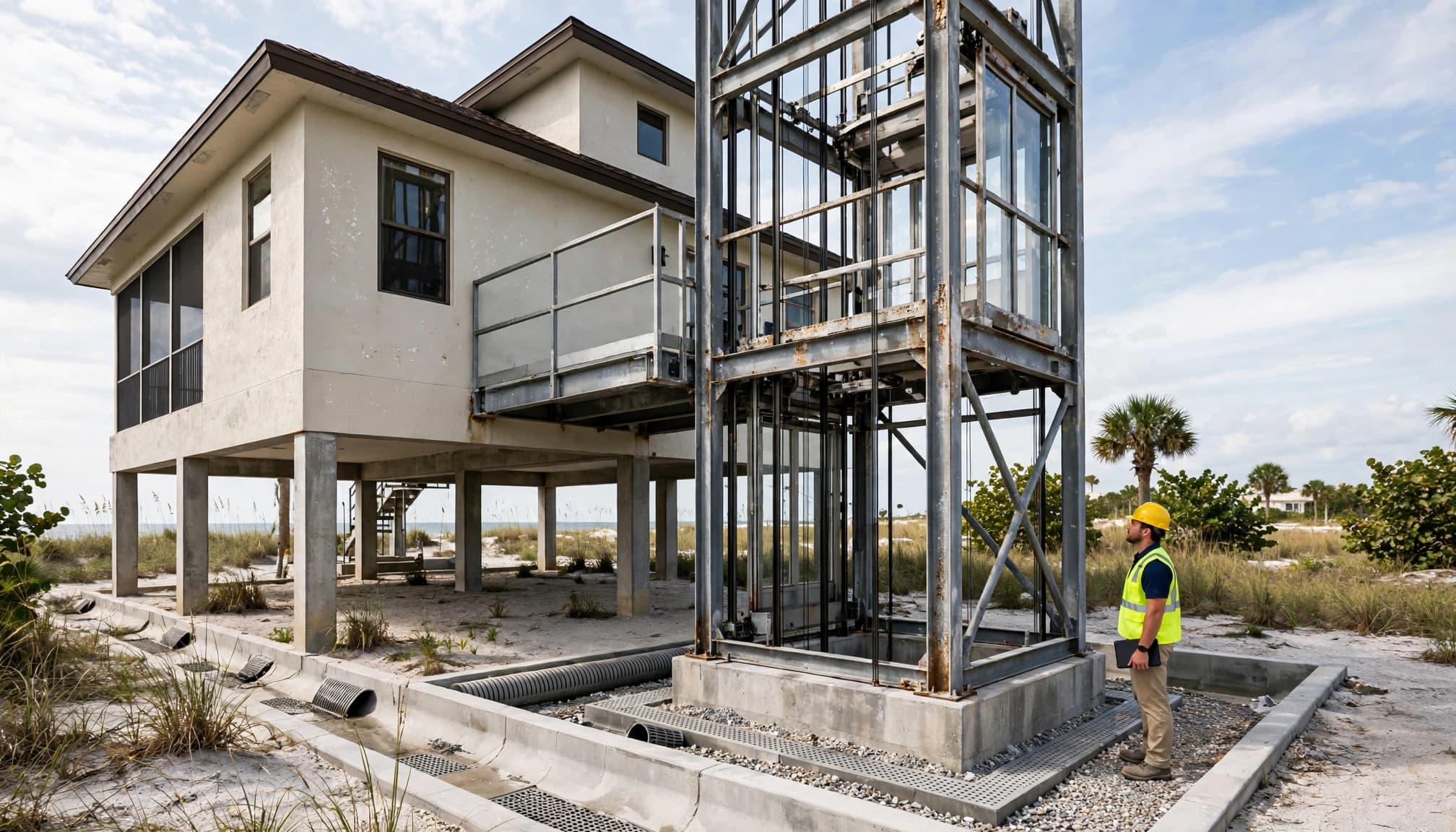
A Florida outdoor elevator has to work with the property, not only the floor plan. Coastal weather, flood exposure, salt air, wind-driven rain, and standing water can affect design, electrical work, maintenance, insurance, and financing.
Understand the state exemption and local permits
The Florida Department of Business and Professional Regulation says conveyances located in and serving only one family residence are not regulated by its elevator division and do not require a division permit. Florida law also exempts private-residence vertical conveyances from the state certificate-of-operation requirement.
That does not mean an outdoor elevator needs no permits. A local authority may still require building, structural, electrical, floodplain, zoning, or other approvals. Requirements can differ between Fort Myers, Miami-Dade County, Broward County, Palm Beach County, and other jurisdictions.
The company installing the equipment may also need the appropriate registered elevator company license. Ask who will obtain each permit and which contractor is responsible for inspections. Review the Florida outdoor elevator code requirements before finalizing your financing package.
Plan for flood, wind, electrical, and insurance issues
If the property sits in a mapped flood-hazard area, a local single-family code exemption may be limited unless the agency determines that the work is not substantial improvement or substantial-damage repair. Ask the building department how the proposed elevator affects the property before ordering equipment.
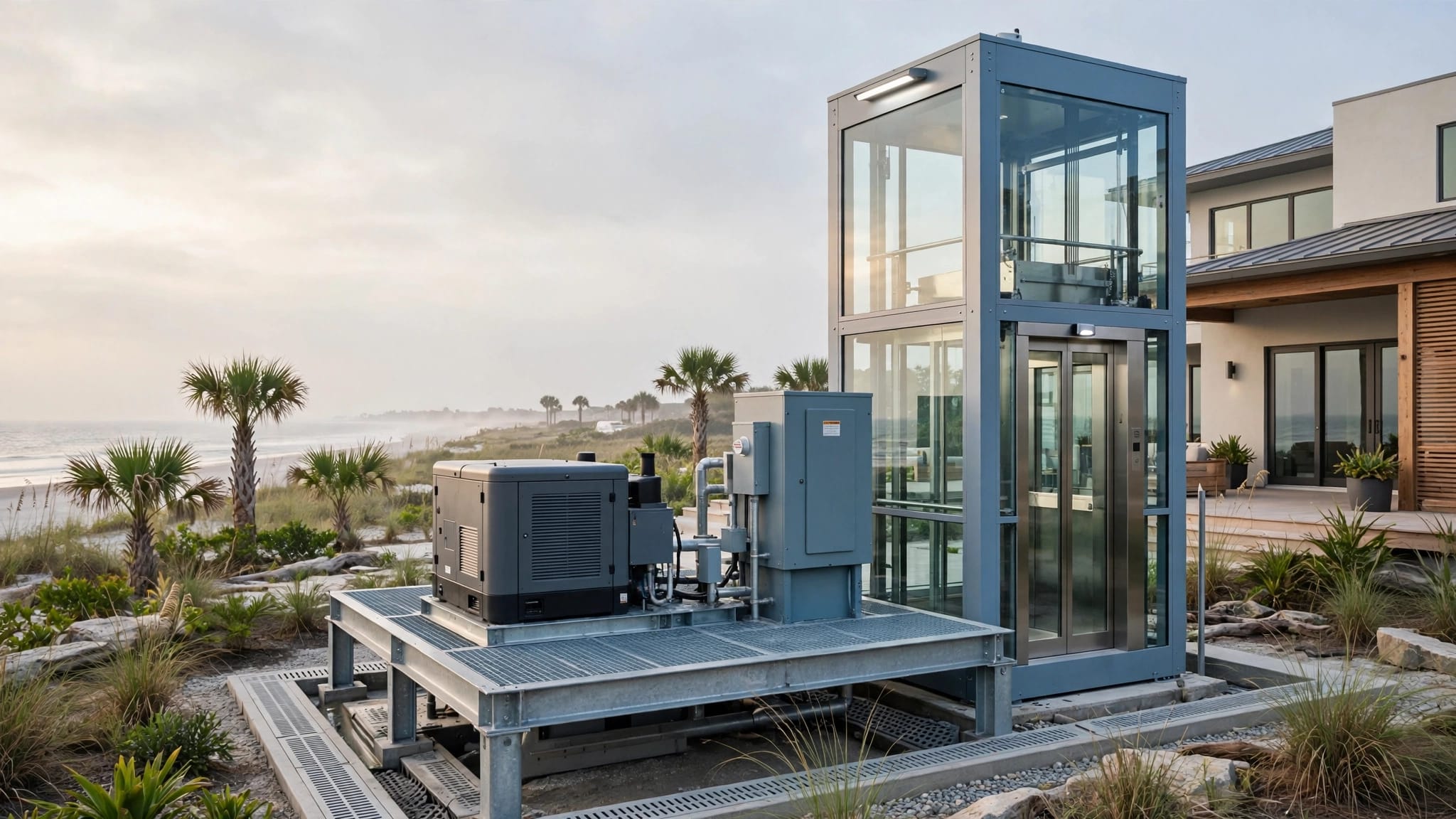
Your design team should also review anchoring, drainage, elevation, corrosion resistance, wind exposure, electrical protection, and water intrusion. Coastal electrical work may need protection from salt spray, humidity, wind-driven rain, standing water, and flooding.
Contact your homeowners insurer before construction. Ask whether the elevator, tower, foundation, electrical work, and related structures change coverage requirements or premiums. Windstorm and flood coverage can involve separate questions, and insurance approval is not guaranteed.
HOA or condominium approval may also apply if the elevator changes the exterior appearance. Obtain written approval before committing loan funds when association rules require it.
Prepare documents before applying
A lender can evaluate the project more accurately when you provide construction details instead of a product brochure alone.
Assemble the project file
Include the equipment specification, site measurements, drawings, structural information, itemized contractor proposal, estimated schedule, and payment milestones. Add expected permit fees, inspections, electrical work, drainage, access-path improvements, and finishing work.
If the lift supports accessibility, document the user's needs. Include wheelchair or scooter dimensions, attendant access, landing clearances, controls, weather protection, and the route from the vehicle or main entrance to the lift.
A complete outdoor elevator site survey checklist can help identify missing information before you apply.
Verify the people doing the work
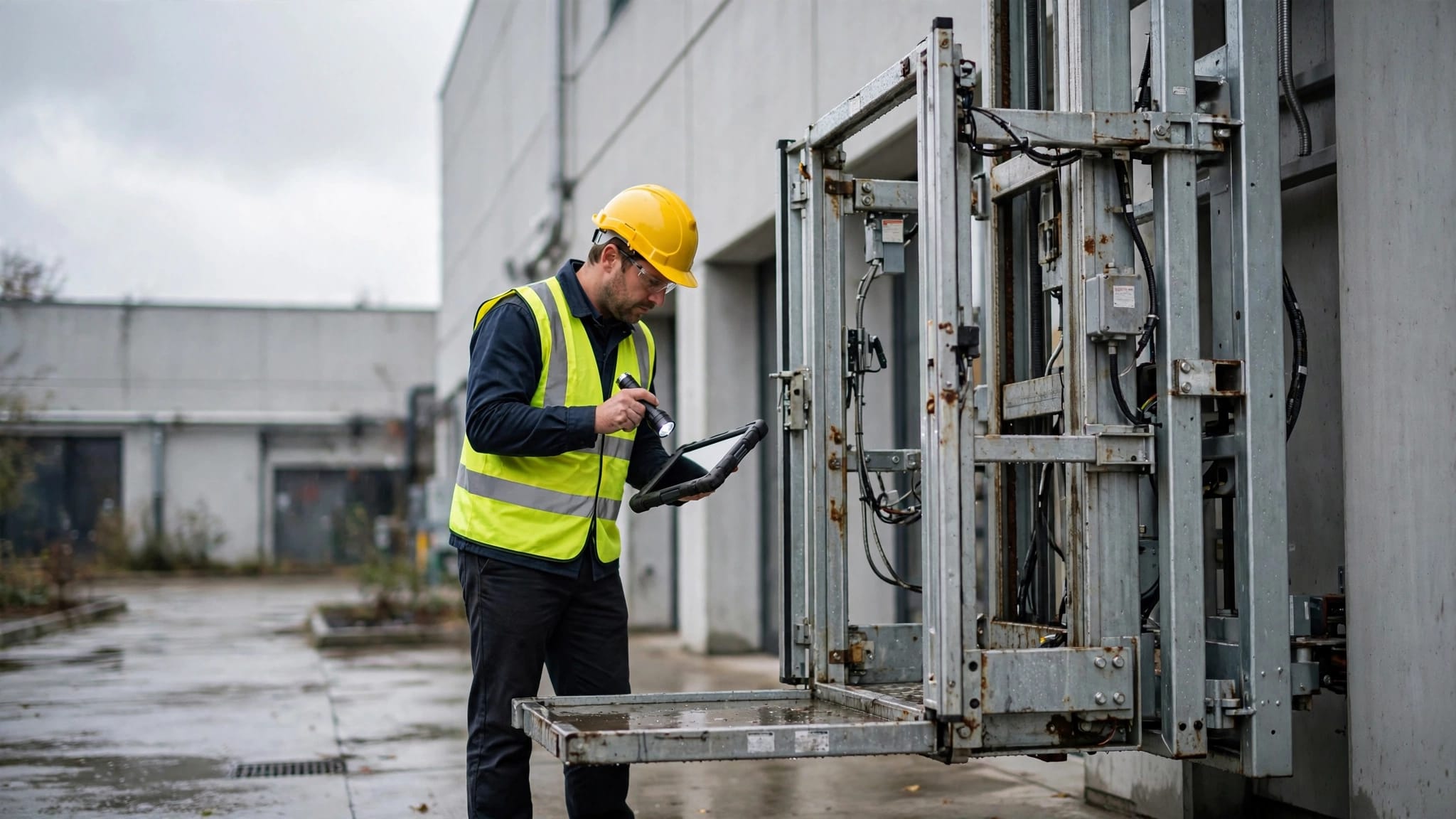
Ask for the elevator company's registration, contractor licenses, insurance certificates, references for comparable Florida installations, warranty terms, and maintenance arrangements. Confirm who handles engineering, structural reinforcement, electrical work, permits, and final inspections.
A lender may request a signed contract, proof of insurance, appraisal information, or an inspection schedule. Local officials may request documents that the lender does not. Keep one project folder with every revision so the loan application and permit package stay consistent.
Match the loan to the payment schedule
Outdoor elevator work often involves several stages, including design, site preparation, foundation work, equipment delivery, installation, electrical completion, and inspection. Ask the contractor and lender whether funds will be released in draws or as one payment.
A staged draw can reduce the amount of interest charged before work begins, but it may require inspections or invoices before each release. A full advance can simplify payment, yet it may leave you paying on borrowed funds while permits or weather delay construction.
Before signing, calculate the payment alongside your mortgage, property taxes, insurance, HOA dues, maintenance, and possible storm-related repairs. Keep a separate reserve for approved changes, permit revisions, drainage work, or structural corrections. Do not rely on a future grant, insurance reimbursement, tax benefit, or loan increase to cover a gap.
The installation schedule can also affect financing. A simple cargo lift on a prepared site may follow a different schedule from a passenger elevator with structural and accessibility work. Review the outdoor lift installation timeline when discussing draw dates.
Key Takeaways
- Define whether the project needs a cargo lift, VPL, or passenger elevator before seeking financing.
- Request an itemized quote that includes site work, electrical work, permits, inspections, and drainage.
- Compare home equity products, HELOCs, refinancing, personal loans, and contractor financing by total cost.
- Ask a lender whether FHA 203(k), HomeStyle, VA, or USDA financing applies to the exact project.
- Treat Florida's private-residence elevator exemption as a state elevator-division rule, not a blanket local permit exemption.
- Check flood, wind, electrical, HOA, insurance, and contractor requirements before signing a loan.
FAQ about outdoor elevator financing
Can I finance a passenger elevator and accessibility work together?
Possibly. Some renovation loans can include eligible structural and accessibility improvements, but the lender must approve the work and documentation. Separate financing may be needed if the loan excludes certain site or construction costs.
Does Florida require a permit for an outdoor home elevator?
A private residence may be exempt from regulation by the state elevator division, but local permits can still apply. Ask your city or county building department about structural, electrical, floodplain, zoning, and other requirements.
Can insurance or a tax benefit pay for the elevator?
Coverage and tax treatment depend on your policy, household situation, medical facts, property, and the work performed. Ask your insurer and a qualified tax professional before counting either source toward the project budget.
Conclusion
The strongest outdoor elevator financing application begins with a complete scope, qualified contractors, and a realistic schedule. Once the lift category, site conditions, permits, storm requirements, and total construction costs are clear, you can compare financing based on risk as well as payment.
Florida homeowners should treat approval, insurance coverage, grants, and tax benefits as possibilities that require verification. A carefully documented project gives you a better chance of choosing financing that supports safe access without leaving critical work unfunded.
Recent Posts