
How to Inspect Stainless Hardware for Coastal Corrosion

Share this article

Salt air can damage stainless fasteners long before a lift shows obvious rust. Stainless hardware corrosion often begins as residue, staining, or pitting around a joint, then spreads where moisture remains trapped.

Property owners and maintenance teams can catch early changes with a careful visual inspection. However, a visual check cannot verify cable strength, structural capacity, brake performance, or electrical safety circuits. Use it to identify concerns, then involve a qualified technician for load-bearing, moving, or safety-critical hardware.

Key Takeaways

  • Stainless steel resists corrosion better than ordinary carbon steel, but chlorides can still cause staining and pitting.
  • Inspect the complete connection, including bolt heads, washers, threads, welds, brackets, crevices, and nearby dissimilar metals.
  • Light discoloration may be superficial, but pitting, loose hardware, peeling coatings, distorted parts, and corrosion at load paths require professional review.
  • Keep salt deposits off approved exterior surfaces, maintain drainage, and follow the lift manufacturer's cleaning and service instructions.
  • Stop using the lift when corrosion appears on structural or safety-related parts, or when movement, sounds, gates, controls, or cables change.

Why Stainless Hardware Still Needs Coastal Inspection

Salt, humidity, and chloride exposure

Salt particles settle on rails, brackets, gates, fasteners, control housings, and other exposed components. After water evaporates, the residue remains. Humid conditions can wet that residue again and restart corrosion.

A lift near open ocean spray usually receives more salt than one several streets inland. Wind direction, elevation, seawalls, canals, roof runoff, and nearby vegetation also affect exposure. Storms add wind-driven rain, sand, debris, and temporary flooding.

Stainless steel offers better resistance than ordinary carbon steel, but it isn't corrosion-proof. Chlorides can attack the passive surface and produce staining or localized pits, especially where deposits remain wet.

For more background on coastal salt-air corrosion on elevator hardware , review how salt affects outdoor brackets, rails, bolts, and hinges.

Connections create local risk

A sound frame can still have a damaged connection. Salt collects where surfaces overlap, water drains slowly, or a washer presses against a bracket. Threads and crevices can hold moisture after the surrounding surface looks dry.

Dissimilar metals also need attention. When aluminum, stainless steel, or carbon steel remain connected through saltwater or persistent moisture, galvanic corrosion can occur. The less noble metal may deteriorate faster.

Look for insulating washers, sleeves, sealants, compatible coatings, and clear drainage paths. These details reduce risk, but they don't remove the need for inspection.

Field Checklist for Stainless Hardware Corrosion

Perform the inspection from a safe position. Keep users away from a suspected hazard, don't climb the lift structure, don't reach into moving parts, and don't remove guards or covers for a casual check. Photograph each concern before cleaning it.

1. Start with the surrounding conditions

First, inspect the area around the lift. Check whether roof edges, gutters, downspouts, deck drains, or landscaping direct water toward the equipment. Look for standing water at the base, landing, threshold, platform, or gate.

Then note salt film, sand, bird residue, chemical deposits, and debris. Pool chemicals, fertilizers, and cleaning solvents can stain or weaken metal even when salt isn't the cause.

Record the date, weather conditions, recent storms, and the lift's operating status. A monthly visual review may help identify change early, but the manufacturer's schedule controls.

2. Check bolts, washers, threads, and brackets

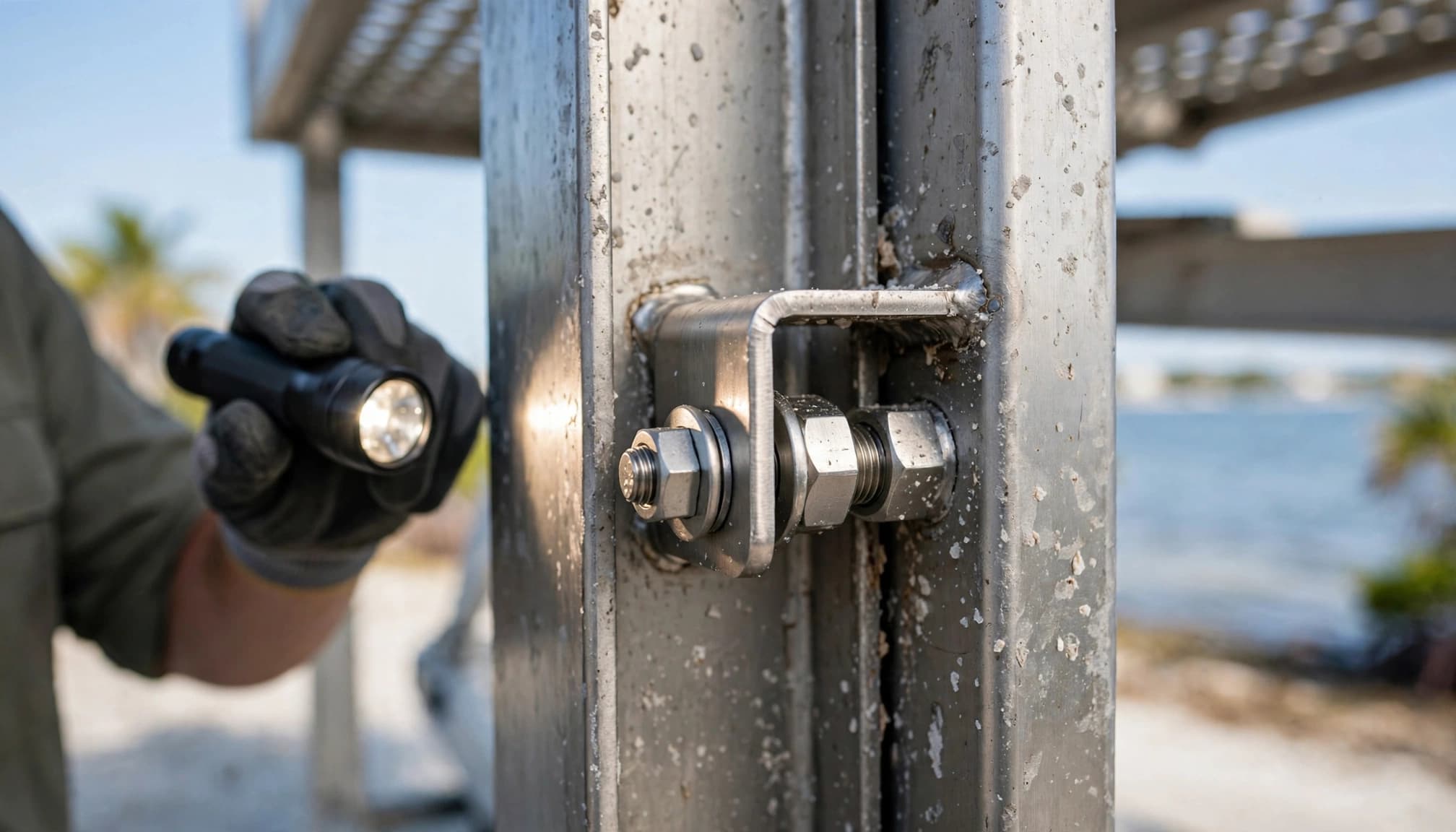
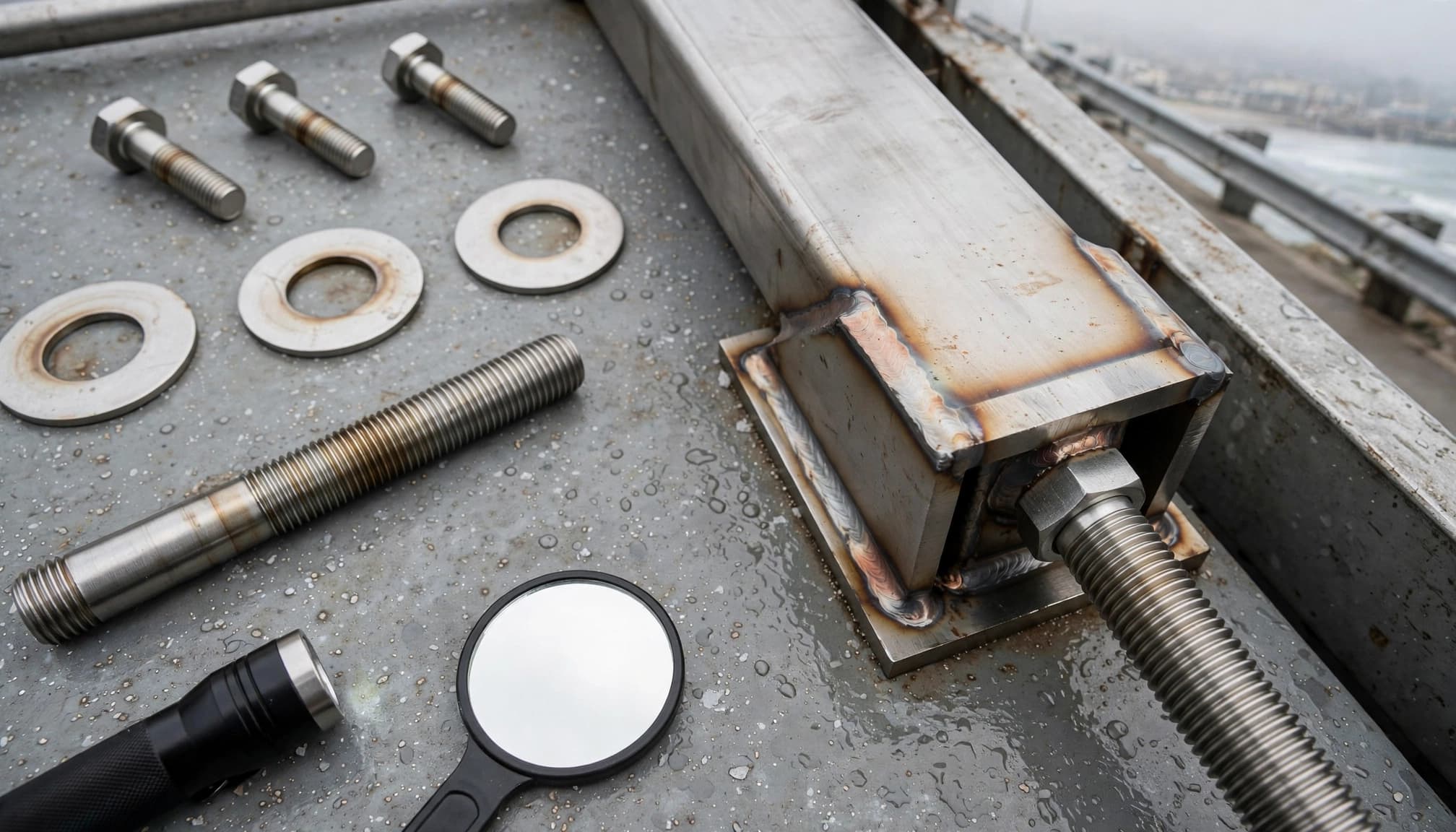
Use a flashlight and inspection mirror where possible. Examine bolt heads, exposed threads, washers, nuts, rail brackets, base plates, hinges, gate hardware, and cable attachments.

Look for:

  • Tea-colored or reddish staining around a fastener
  • White or powdery deposits near aluminum
  • Pits, grooves, or missing metal
  • Swollen, distorted, or split washers
  • Peeling coatings around an attachment
  • A gap between connected parts
  • Hardware that appears loose, tilted, seized, or damaged

Don't tighten, remove, or replace hardware unless the manual clearly permits the task. A fastener can look loose because the surrounding material has corroded, not because the nut simply needs tightening.

3. Examine welds, cut edges, and crevices

Corrosion often starts at scratches, field cuts, drilled holes, welds, and areas where water sits. Check both sides of accessible joints, including the underside of brackets and the edges beneath plates.

Inspect seams around gate hinges, rail supports, mounting points, closed tubes, and horizontal ledges. Drain holes should remain open, and water shouldn't discharge onto a lower joint, rail, cable, or electrical component.

Also inspect nearby finishes. Blistering paint can indicate corrosion beneath the coating. A small surface mark may be harmless, but it deserves attention when it sits beside a weld or load-bearing attachment.

4. Review moving and safety-related hardware

Look at exposed cables, straps, chains, rollers, sheaves, and other moving parts without touching them. Check for visible rust between cable strands, fraying, kinks, flattening, slack, stiff chain links, or unusual deposits.

During normal operation, listen for grinding, squeaking, clunking, or uneven movement. Observe whether gates and latches open smoothly and close securely. Check whether controls respond consistently, but don't open electrical enclosures.

A change in sound or movement may indicate wear, contamination, misalignment, or corrosion outside the visible fasteners.

Superficial Discoloration vs. Structural Corrosion

Signs that may be surface-level

Light staining can appear when salt residue, moisture, or airborne contaminants remain on stainless steel. A thin tea-colored film on an accessible, non-structural surface may not mean the part has lost strength.

Follow the manufacturer's cleaning instructions before judging the change. A permitted freshwater rinse can remove salt deposits from suitable exterior surfaces. Use only approved cleaners, especially near motors, controls, sensors, bearings, seals, and finished surfaces.

After cleaning, photograph the area again. If the mark disappears and the metal remains smooth, continue monitoring it. If the stain returns quickly, sits inside a joint, or appears beside pitting, report it rather than treating it as cosmetic.

Signs that need professional assessment

Structural corrosion can be subtle. Pitting reduces the effective section of metal, while crevice corrosion can spread beneath washers, overlapping plates, and fitted joints. A painted frame may look intact while corrosion advances under its finish.

Escalate when you see:

  • Deep pits, grooves, holes, or visible section loss
  • Cracks near welds or mounting points
  • Peeling or blistered coatings around structural connections
  • Corrosion between threads or beneath a washer
  • Distorted brackets, plates, rails, hinges, or cable attachments
  • Loose, seized, or missing fasteners
  • Rust between cable strands
  • A gap, shift, or misalignment at a connection
  • New operating noise or uneven movement

Surface appearance alone cannot confirm whether a connection remains safe. A technician should assess the affected metal, its location, the load it carries, and the condition of the surrounding assembly.

When to Stop Using the Lift

Stop operation and contact the manufacturer or a qualified lift technician when corrosion affects a rail, bracket, base plate, gate attachment, cable termination, hinge, anchor, or other part that carries load or controls movement.

Also stop using the equipment when:

  • A gate or latch sticks, fails to close, or feels loose
  • The platform or car moves unevenly
  • New grinding, squeaking, or clunking occurs
  • A cable looks frayed, kinked, flattened, or corroded
  • Hardware has shifted or a connection has opened
  • Water has entered an electrical enclosure
  • A storm caused visible impact, flooding, or structural damage

Don't cover corrosion with fresh paint. The service provider needs to remove deposits, determine the affected area, check drainage and metal compatibility, and use an approved repair method.

A visual check is not a substitute for professional structural assessment. This matters most for passenger-compliant elevators, cargo lifts carrying heavy materials, vertical platform lifts, and any hardware connected to a building, tower, rail, brake, gate, or anchorage.

For broader service planning, use this coastal outdoor lift maintenance checklist alongside the manufacturer's requirements.

Cleaning and Documentation Practices

Remove salt without creating new damage

Freshwater rinsing can remove salt deposits from suitable exterior surfaces, but the method and frequency should match the manufacturer's instructions and site exposure. Avoid directing water into motors, controls, sensors, bearings, conduit entries, or sealed areas unless the documentation allows it.

Keep drainage openings clear. Check that runoff doesn't fall from a roof or upper deck onto the drive equipment. An overhang may reduce direct rain, but it shouldn't trap humid air or block drainage.

Cleaning doesn't replace inspection. Salt can remain beneath washers, inside crevices, and around welds after the visible surface looks clean.

Keep a useful inspection record

Create one record for each lift. Include the location, component, type of finding, photograph, cleaning performed, operating symptoms, and recommended follow-up.

Use consistent reference points, such as "east rail bracket at upper landing" or "left gate hinge viewed from platform." Record whether the finding was present before or after a storm. Note any changes in size, color, pitting, coating condition, or movement.

A technician can use these records to compare visits and identify recurring water paths. Keep documentation for cleaning, corrosion findings, coating repairs, replacement hardware, service inspections, and manufacturer communications.

Material selection also deserves a written record. Ask which stainless parts, protective finishes, sealed electrical components, corrosion-resistant fasteners, and replacement options apply to the installation. The whole assembly matters, not just the visible frame.

Coastal Exposure and Inspection Limits

A lift's location affects how quickly stainless hardware corrosion can develop. Open shoreline exposure, wind-driven spray, poor drainage, and roof runoff all increase maintenance demands. A sheltered installation may receive less direct water, but trapped humidity can still damage joints.

Florida projects also face wind and flood considerations. The current Florida building code uses ASCE 7-22 for wind loads, and beach properties may fall under Exposure C or the High-Velocity Hurricane Zone in Miami-Dade and Broward. Those design conditions affect anchorage, wall attachments, bracing, and storm planning.

An owner inspection cannot confirm those design conditions or prove that a connection can carry its intended load. For Florida beach home outdoor elevator codes, coordinate with the lift provider, qualified inspectors, engineers, and local officials.

Frequently Asked Questions

Is discoloration on stainless hardware always corrosion?

No. Salt film, iron contamination, and surface staining can create discoloration without significant metal loss. However, staining near a thread, weld, washer, or load-bearing joint deserves closer review. Clean only according to the manufacturer's instructions, then check for pits, grooves, looseness, or recurring deposits.

Can I rinse coastal lift hardware with freshwater?

A freshwater rinse may remove salt from approved exterior surfaces, but it isn't suitable for every component or cleaning method. Follow the equipment documentation and keep water away from motors, controls, sensors, bearings, and electrical enclosures unless permitted.

Can a property owner inspect a cable or structural bracket?

An owner can look for visible rust, fraying, slack, movement, or damage from a safe position. That review cannot confirm internal cable condition, connection strength, alignment, or structural capacity. A qualified technician should handle any safety-critical assessment, adjustment, replacement, or repair.

How often should coastal stainless hardware be inspected?

Use the manufacturer's schedule and increase attention after storms, flooding, unusual noise, visible salt buildup, or long periods of nonuse. Many maintenance programs include monthly visual checks, but exposure and equipment type determine the appropriate professional service interval.

Keep Coastal Hardware on a Managed Schedule

Stainless steel can provide strong corrosion resistance, but salt, humidity, trapped water, dissimilar metals, and damaged finishes still threaten exposed connections. The most useful inspection follows the complete path from bolt head to washer, thread, bracket, weld, rail, cable attachment, and surrounding drainage.

Treat light staining as a finding to monitor, not an automatic failure. Treat pitting, looseness, distorted parts, cable damage, unusual movement, and corrosion on load-bearing hardware as reasons for professional assessment. Consistent cleaning, photographs, records, and timely service help keep coastal cargo lifts and passenger elevators dependable and safe.

Recent Posts

By Veranda 'Vator September 17, 2026
A small commercial building may need reliable access between floors without the footprint of a full-size passenger elevator. LULA elevators can fit that gap, but only when the building, travel distance, accessibility needs, and local code path support the choice. A limited-use...
By Veranda 'Vator September 16, 2026
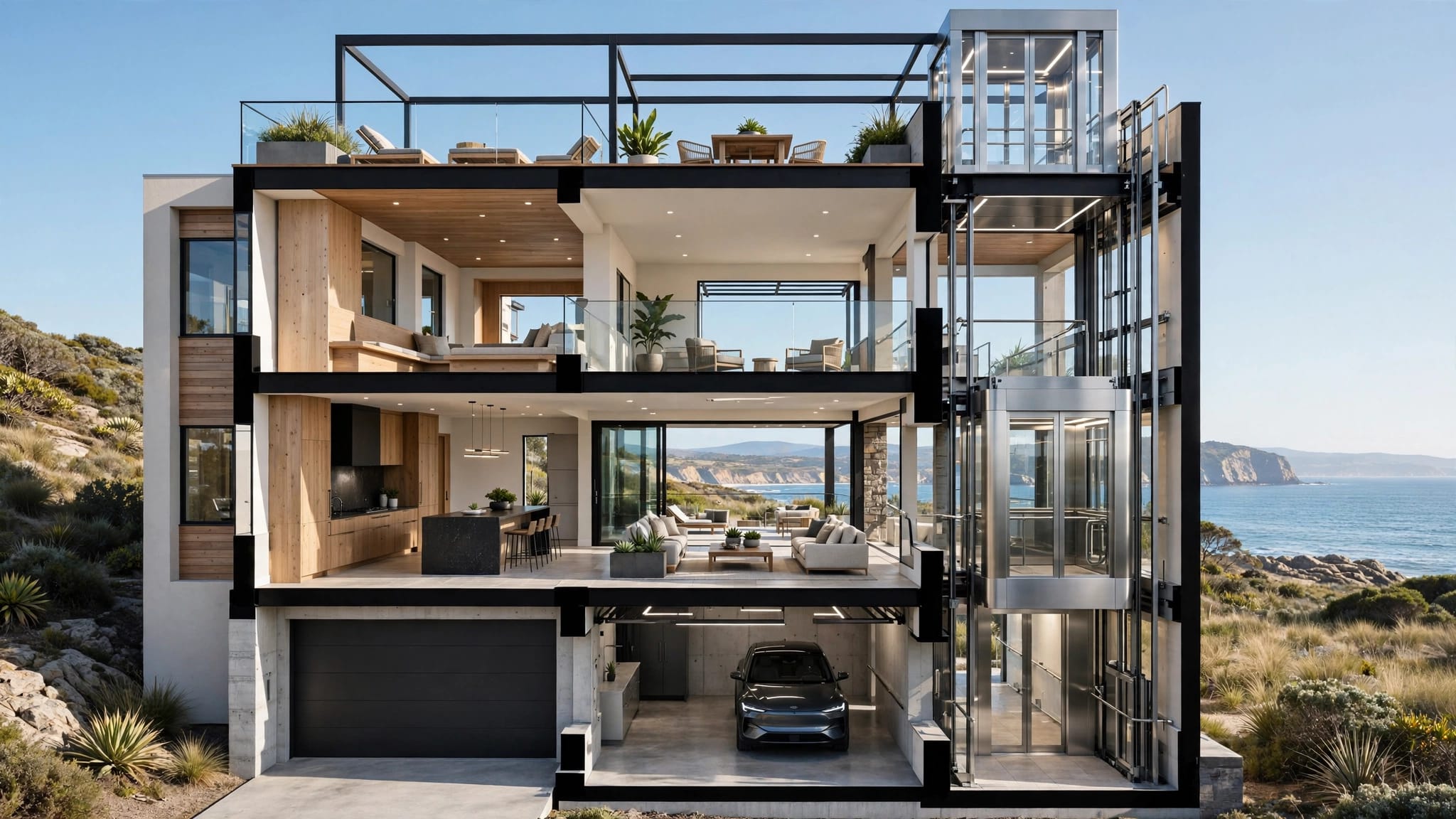
The right number of residential lift stops depends on where people, wheelchairs, vehicles, luggage, or supplies need to enter and exit. There is no universal number that suits every home. A two-story house may need two stops, while an elevated coastal home could need three or...
By Veranda 'Vator September 15, 2026
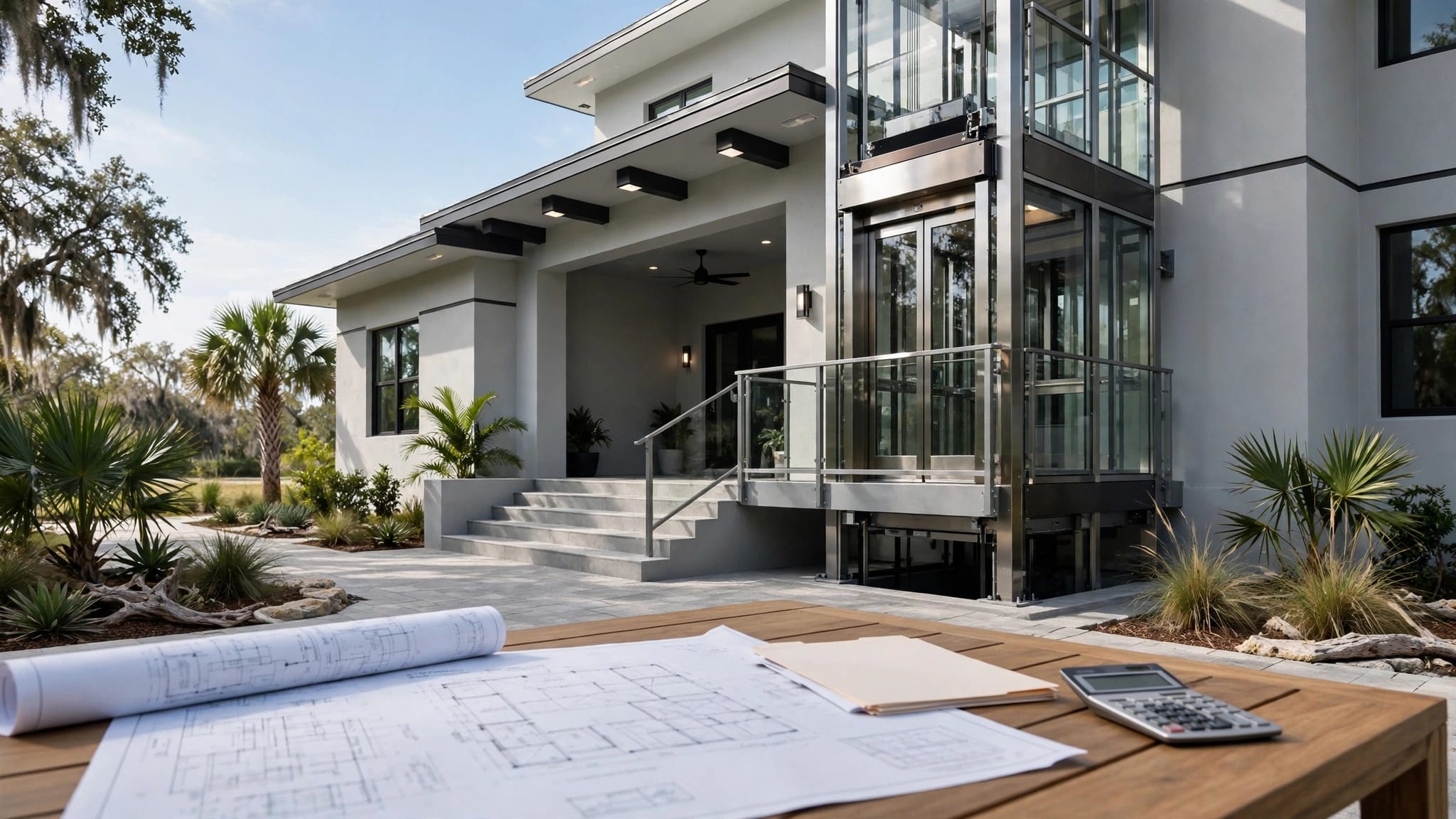
Outdoor elevator financing starts with a clear project, not a loan application. Florida homeowners need to identify the equipment, site work, permits, storm requirements, and access needs before comparing lenders. A cargo lift, vertical platform lift, and passenger elevator se...
By Veranda 'Vator September 14, 2026
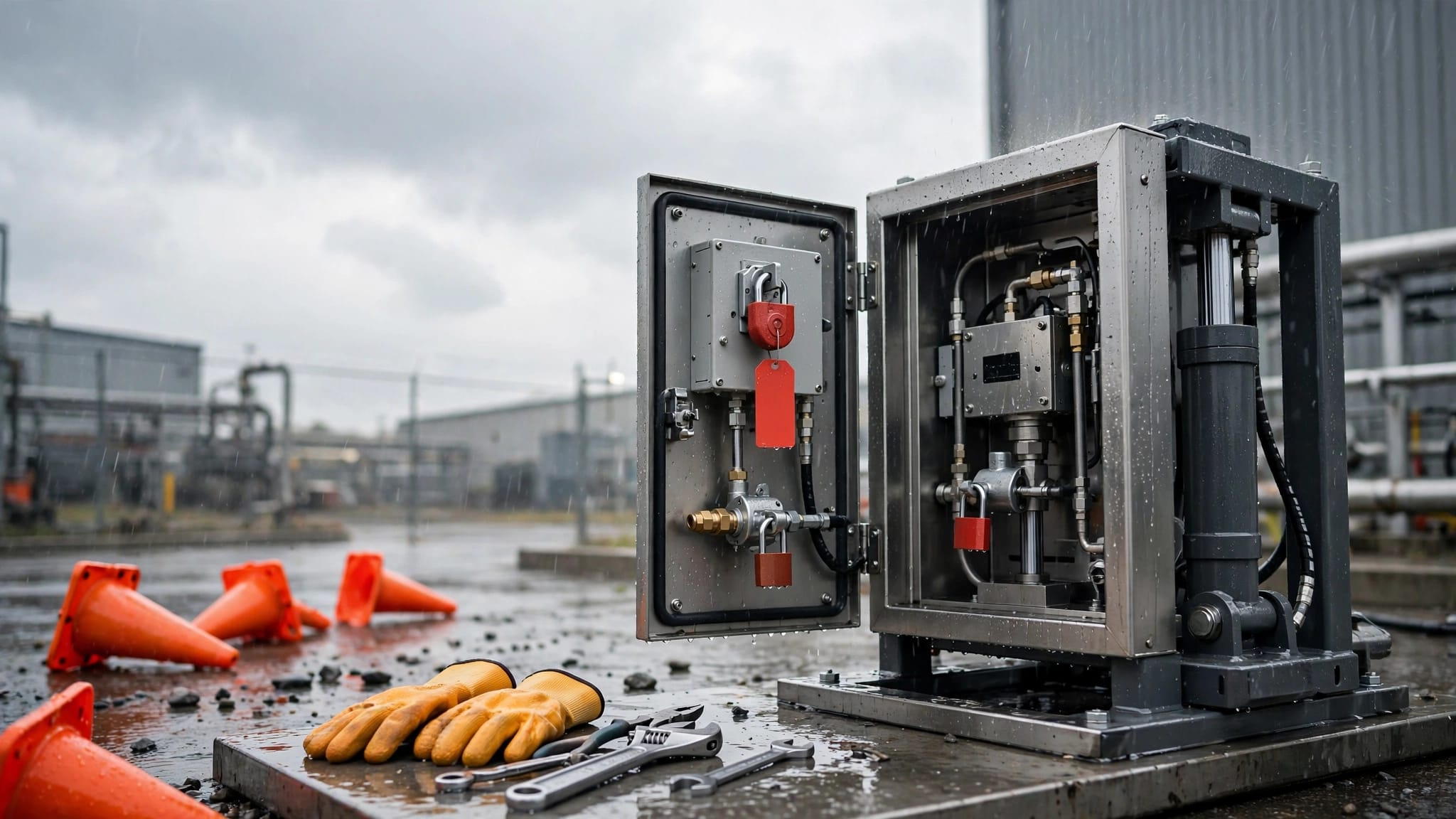
An outdoor elevator can look idle while electrical, hydraulic, mechanical, or gravitational energy remains dangerous. A written elevator lockout tagout procedure protects maintenance crews from unexpected movement, startup, and stored energy during inspection, repair, cleaning...
By Veranda 'Vator September 13, 2026
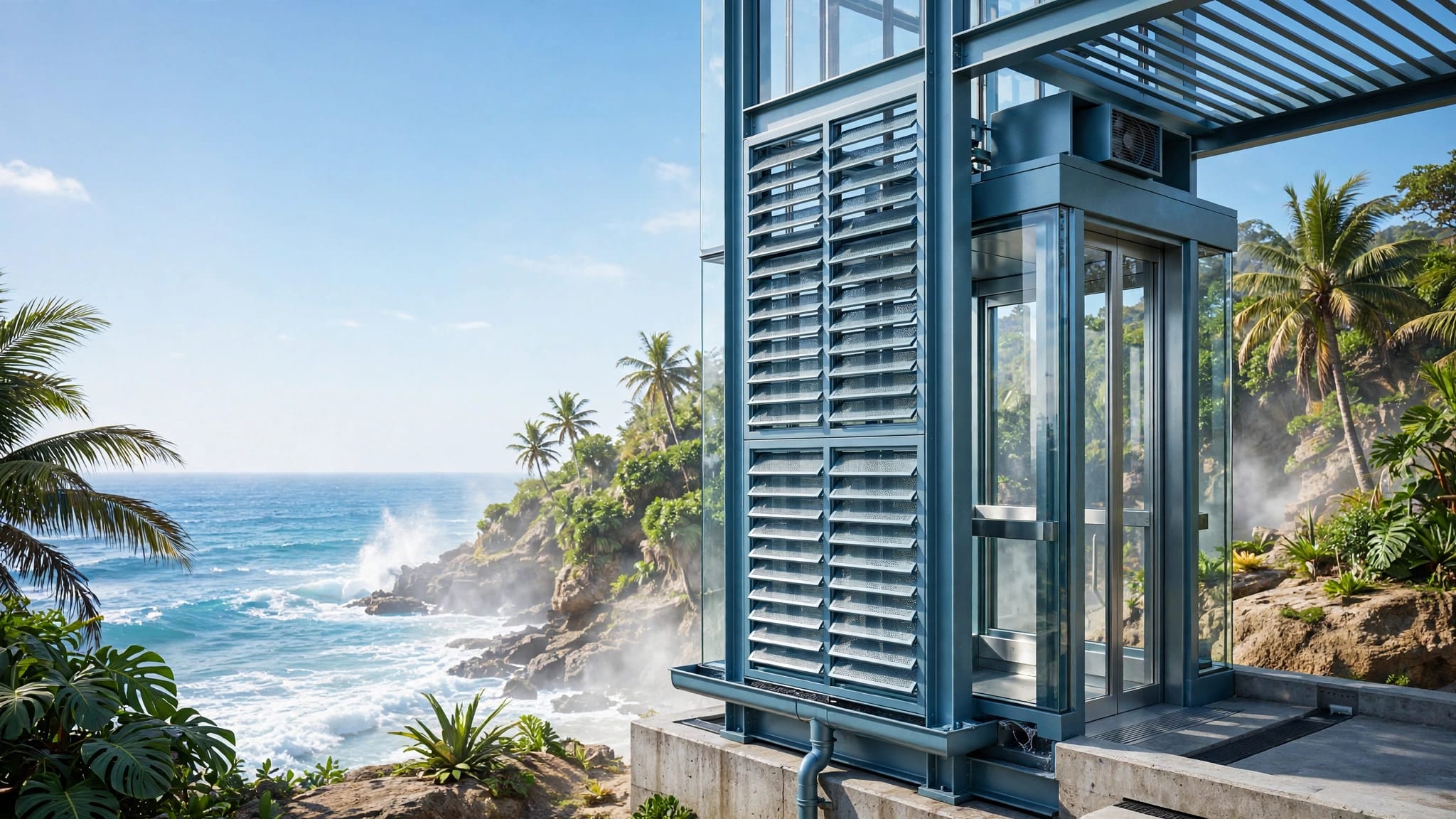
Outdoor elevator ventilation needs careful planning when a lift operates beside the ocean. Heat, humidity, salt spray, wind-driven rain, and direct sun can affect the cab, controls, finishes, and surrounding equipment. For building owners, architects, and facility managers, th...
By Veranda 'Vator September 12, 2026
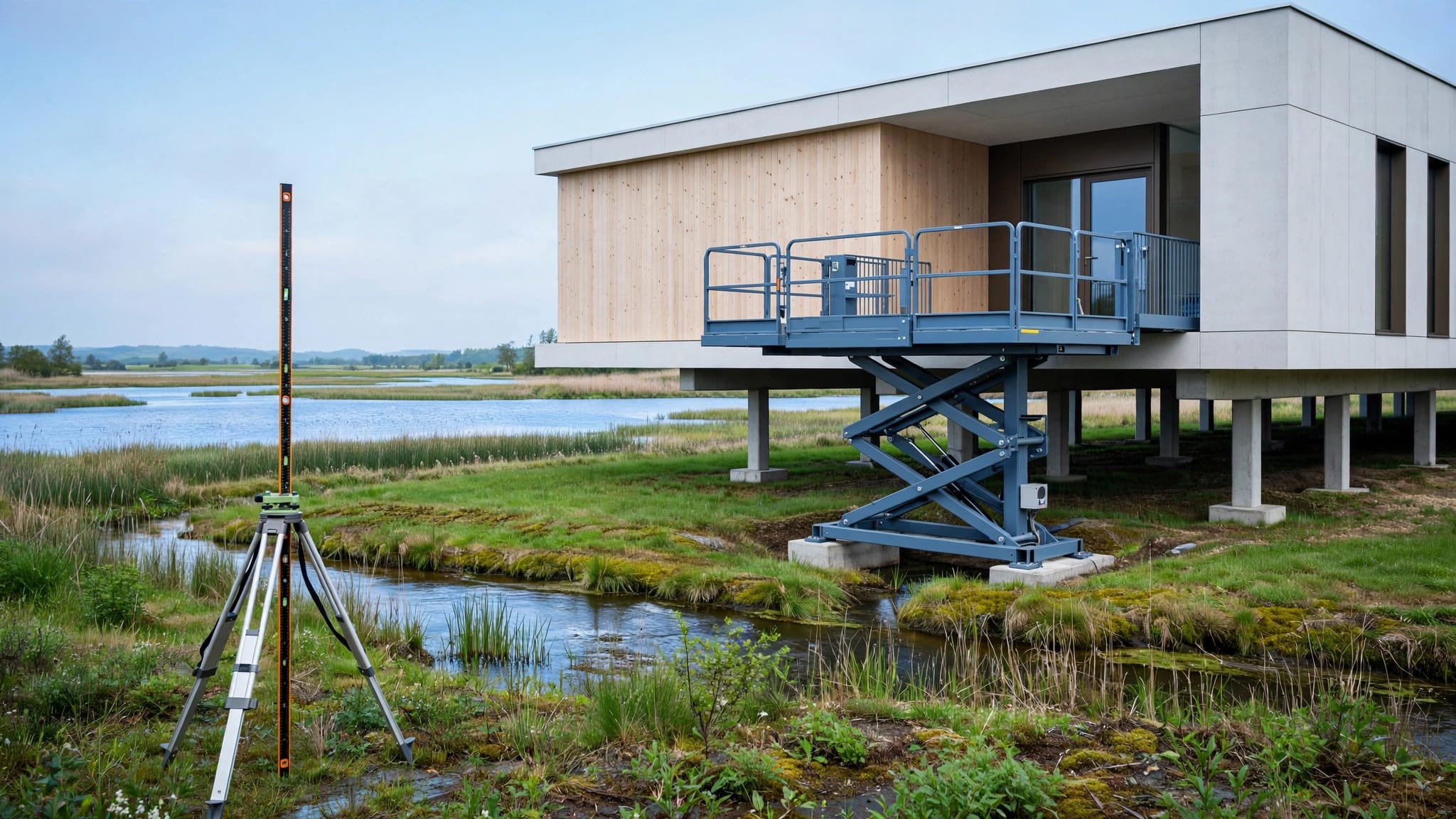
An outdoor lift can solve a major access problem, but floodplain work requires more than choosing the right equipment. Lift elevation certificates help document how the lift and nearby building relate to flood elevations, grade, and other site conditions. The certificate is no...
By Veranda 'Vator September 11, 2026
An exterior lift can turn a steep porch, raised deck, or split-level entrance into a usable route. However, it has to fit the mobility device, the property, and the weather it will face every day. For homeowners, caregivers, and property managers, outdoor wheelchair lifts need...
By Veranda 'Vator September 10, 2026
A raised coastal home can stay comfortable for decades when every level remains easy to reach. Outdoor elevator planning gives homeowners a practical way to reduce stair use while protecting daily independence. The right lift depends on far more than travel height. Your proper...
By Veranda 'Vator September 9, 2026
A generator can carry a home's lights and refrigerator yet still struggle when an outdoor elevator starts. Elevator generator sizing depends on the lift's motor-starting demand, controller behavior, transfer equipment, and every other load that comes online during an outage. F...
By Veranda 'Vator September 8, 2026
A lift can remove a daily bottleneck, yet a low purchase price doesn't always produce a sound investment. Outdoor lift ROI depends on the full installed cost, the lift's intended use, recurring compliance expenses, and the business problem it solves. For a commercial property...
Show More