
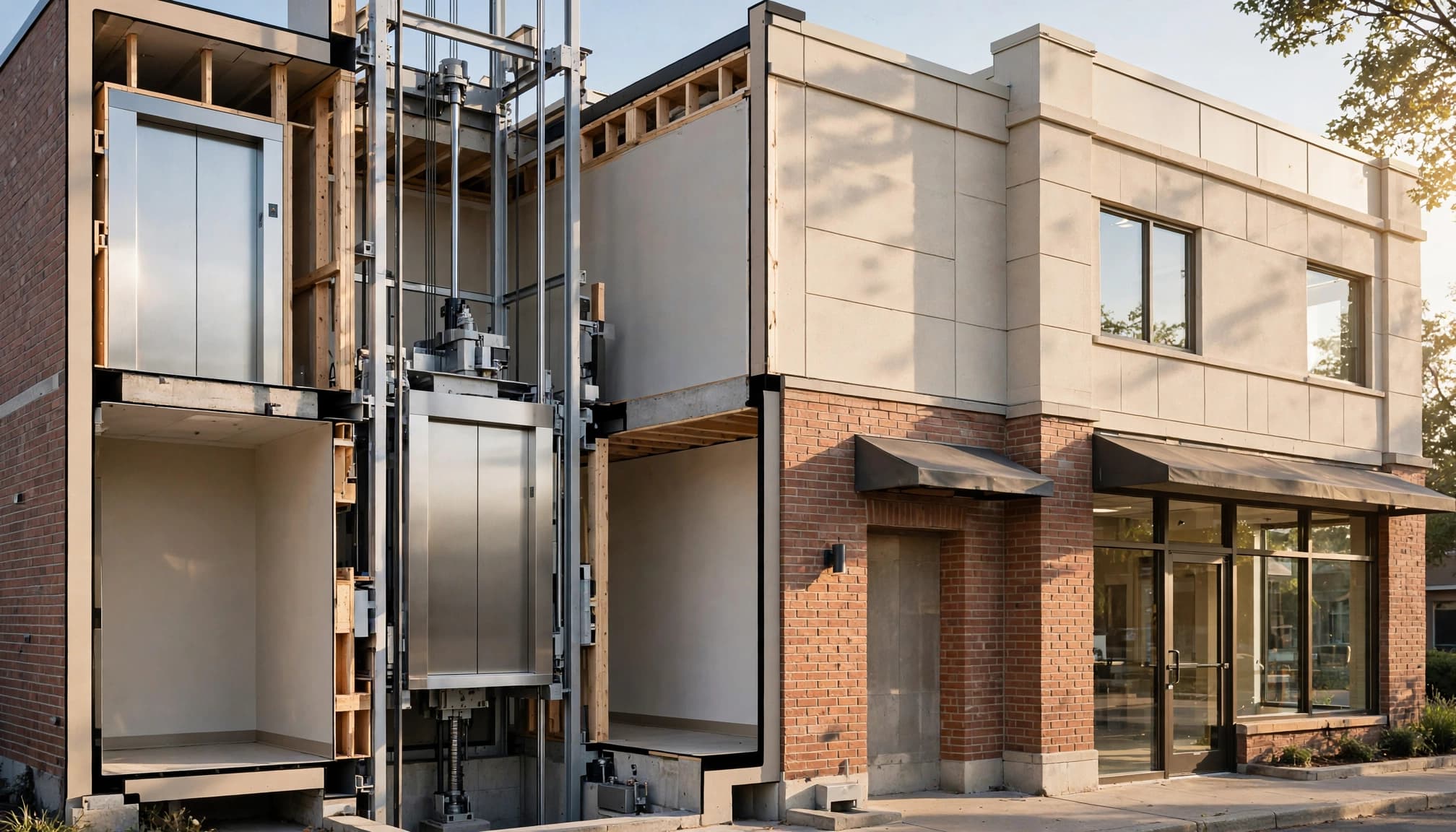

LULA Elevators for Small Commercial Buildings: A Planning Guide

Share this article

A small commercial building may need reliable access between floors without the footprint of a full-size passenger elevator. LULA elevators can fit that gap, but only when the building, travel distance, accessibility needs, and local code path support the choice.

A limited-use limited-application elevator is still a regulated passenger conveyance. It isn't a cargo lift with a few extra controls, and it can't replace an elevator required for an accessible route. The right decision starts with the building's approved use and ends with a qualified review of the site, equipment, and local requirements.

What Is a LULA Elevator?

A LULA, or Limited-Use Limited-Application elevator, carries people over a restricted travel distance and within a limited operating scope. Small commercial buildings often consider one when they need passenger access between two levels but have less space than a conventional elevator installation requires.

Limited use and limited application

"Limited use" generally refers to the elevator's restricted speed, travel, capacity, or operating conditions. "Limited application" describes where and how it is intended to operate. The exact limits depend on the adopted code, equipment design, and authority having jurisdiction.

ICC A117.1 includes Section 408 for limited-use, limited-application elevators. A LULA may also need to meet applicable elevator safety, electrical, structural, fire, and accessibility requirements. Those requirements work together, so a product brochure alone cannot confirm whether a particular unit is legal for a building.

A LULA can be attractive when a business needs occasional or moderate passenger service between a lobby and mezzanine, office level, showroom, or upper floor. It still needs proper landings, controls, gates or doors, emergency features, and service access.

How LULA elevators differ from full passenger elevators

A full passenger elevator is normally the better fit for frequent public traffic, several floors, higher duty cycles, or a required accessible route. It usually has greater capacity, speed, travel, and design flexibility, although it also needs more construction space and coordination.

LULA elevators can have a smaller footprint and lower operating speed. Those features may simplify a small project, but they also limit where the equipment belongs. A LULA is not automatically a lower-cost substitute for every passenger elevator, especially when the building has high traffic or complex accessibility obligations.

The distinction also matters when comparing lift types. Veranda 'Vator's elevator and lift FAQs provide useful clarification about passenger elevators, cargo lifts, and vertical platform lifts.

Where LULA Elevators Fit Best

A LULA may work well in a small building with two or a few closely spaced levels, modest passenger demand, and a site that cannot accommodate a conventional elevator shaft. The building's use and access plan still determine whether it is allowed.

Buildings with limited passenger demand

A LULA may suit a small professional office, boutique, low-rise retail space, community facility, or private commercial workplace with occasional passenger trips. It can connect a ground-level entrance to an upper office, meeting room, or public area when a full elevator would consume too much floor space.

It may also fit a renovation where the available shaft area, headroom, or structural layout restricts conventional equipment. Even then, the architect and elevator professional must review the complete route. A compact car does not solve an inaccessible approach, narrow landing, difficult threshold, or blocked door swing.

The business should also consider future use. A quiet office today may become a busy clinic, restaurant, or public venue later. Selecting equipment only for current traffic can create problems when occupancy or services change.

Situations where a LULA is the wrong choice

A LULA may be unsuitable when the building needs regular public access across multiple stories, frequent cart traffic, a high-capacity cab, or a code-required elevator. It also may not fit where users need substantial room for wheelchairs, attendants, equipment, or service animals.

A cargo lift is not a passenger solution. It moves supplies, tools, furniture, or other materials and should not carry people unless the manufacturer has designed and approved it for passenger use. A vertical platform lift may work for a shorter accessibility route, but it follows a different equipment category and may have different travel limits and site requirements.

LULA Dimensions, Capacity, and Speed

Product specifications should be treated as project inputs, not final approval. The usable platform, landing arrangement, travel distance, and operating limits must match the adopted requirements.

Travel limits and common specifications

A New York City Buildings bulletin identifies a maximum rise of 25 feet for a LULA. That figure is a useful reference, but it does not establish a universal rule for every state, city, or product. The local code, adopted standard, and equipment documentation control the final design.

Industry practice often cites figures such as 1,400 pounds of capacity, 30 feet per minute, and approximately 18 square feet of platform area for LULA equipment. These are common reference points, not universal limits. A qualified elevator professional must confirm the actual values for the selected unit and jurisdiction.

Capacity is more than a weight number

A rated capacity does not tell you whether the elevator will fit the people or items that need to use it. Measure the platform floor, clear entrance, landing width, turning space, overhead clearance, and gate or door swing.

For example, a 1,000-pound rating may be adequate by weight but unusable for a wheelchair, attendant, cart, or large equipment case. Controls must also be reachable, and the approach must provide a stable path without a steep transition or obstructed landing.

Accessibility, ICC A117.1, and Elevator Safety Codes

Accessibility is the first decision point for many commercial LULA projects. The owner must determine whether the building requires an accessible route between the floors involved.

When a LULA may be permitted

The U.S. Access Board explains that LULAs may be used where an accessible route between stories or mezzanines is not required, subject to the applicable conditions. That makes the route analysis more important than the elevator's size or price.

A small commercial building may still have obligations under the Americans with Disabilities Act, state law, fair housing rules, building codes, or local accessibility requirements. The building's occupancy, public access, story arrangement, and exceptions all matter.

A LULA can sometimes provide useful access where a full elevator is not required. However, the design team should document why the equipment is permitted for that building rather than assuming that a compact elevator automatically satisfies accessibility rules.

Why the standards must stay separate

ICC A117.1 includes accessibility provisions for LULAs, including Section 408. ASME A17.1/CSA B44 is the main safety code family for many elevators. ASME A18.1 generally applies to platform lifts and stairway chairlifts, which are different devices.

The U.S. Access Board identifies ASME A18.1 as covering the design, installation, operation, inspection, testing, maintenance, and repair of lifts intended to transport people with disabilities. That does not make a VPL and a LULA interchangeable.

A LULA also cannot replace an elevator required under the accessible-route provisions of Section 407. The authority having jurisdiction makes the final determination, often with input from the building official, elevator inspector, architect, engineer, and accessibility professional.

Planning a LULA Elevator Installation

A LULA installation is a structural and mechanical project. The equipment must work with the building, foundation, enclosure, electrical service, drainage, and daily operating plan.

Review the site before selecting equipment

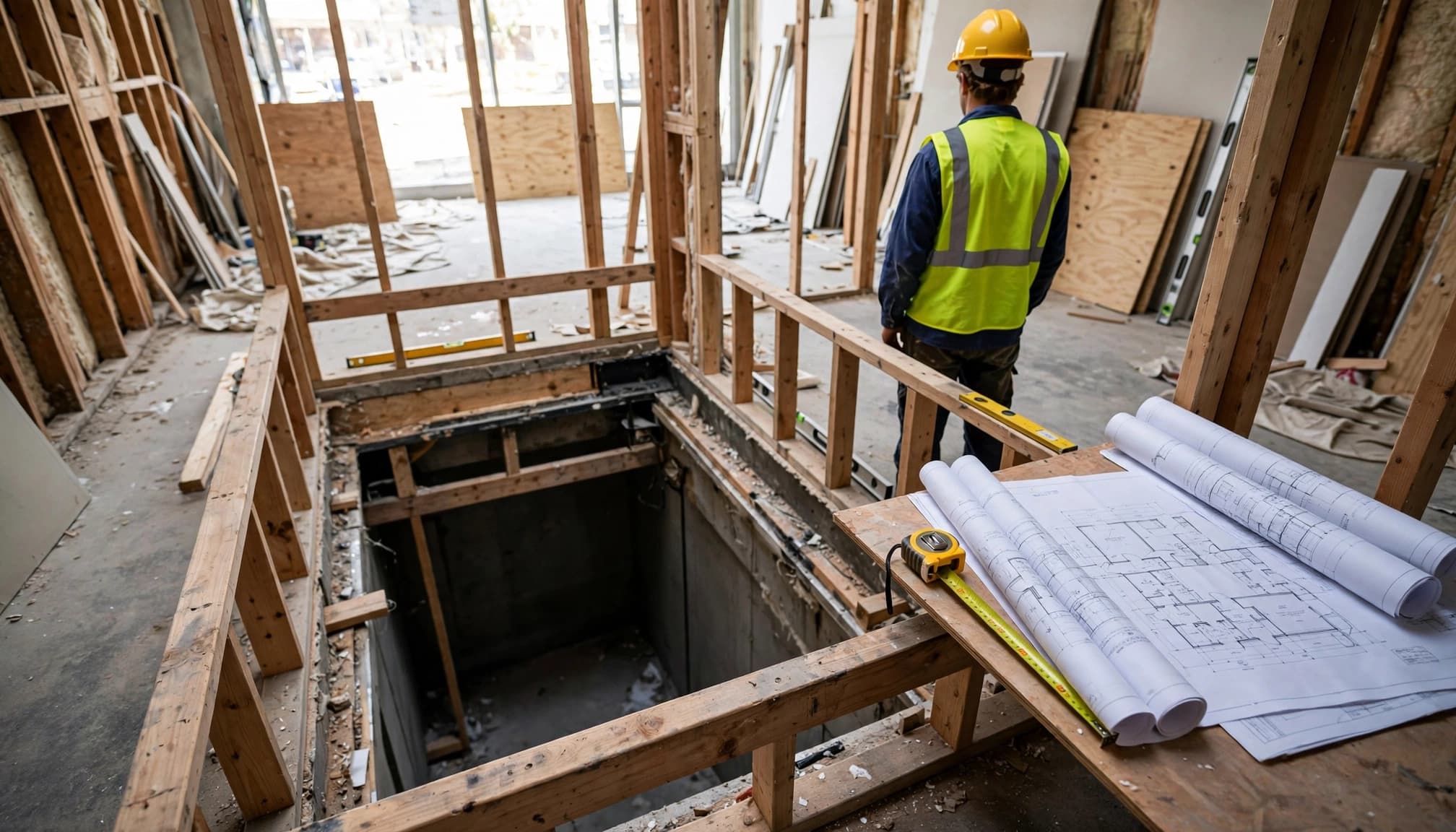
A site assessment should document every stop, finished floor height, landing approach, shaft or tower location, overhead space, foundation condition, wall structure, electrical supply, and emergency access point. The team should also check drainage, lighting, guardrails, gate locations, and clearances.

Exterior projects need additional review. Wind exposure, flood conditions, salt air, rain, corrosion, and the connection between the elevator structure and the building can affect the design. A coastal commercial property may need stronger anchorage and a more detailed maintenance plan than an interior office renovation.

Owners and contractors can use an outdoor elevator site survey checklist to organize early questions about stops, users, landings, and structure. The checklist does not replace an engineered site review.

Coordinate design, permits, and service

Ask the elevator provider and design team to identify the equipment classification, applicable code edition, required permits, emergency procedures, and inspection process before signing a contract. Confirm who will prepare drawings and who will respond to plan-review comments.

The authority having jurisdiction may require building, electrical, elevator, fire, zoning, floodplain, or right-of-way approvals. Commercial projects may also need a final inspection before the building opens to the public.

Service planning belongs in the initial design. Ask who will maintain the unit, where technicians will work, how replacement parts will be supported, and what records the owner will receive. A maintenance history should include service reports, testing documents, repairs, and inspection records.

Florida Permits, Inspections, and Ongoing Duties

Florida projects must follow Chapter 399 of the Florida Statutes along with the adopted building code and local requirements. Covered elevators and conveyances generally require annual inspection by a certified elevator inspector or an authorized municipality or county.

Florida law includes an exception for certain devices serving only two adjacent floors when a service maintenance contract remains active. Owners should not assume that exception applies to every LULA. The equipment type, building use, service agreement, and exact statutory conditions all matter.

Local procedures can add another layer. For example, Miami Beach requires a permit for a new elevating device or certain repairs and changes, along with a Certificate of Operation. Commercial elevators and LULAs receive annual inspection there, and cited violations must be corrected and re-inspected within 90 days.

Fort Myers and other Florida jurisdictions may use different procedures. Confirm the requirements with the local building department, elevator authority, fire official, and qualified elevator contractor.

Key Takeaways

  • LULA elevators can suit small commercial buildings with limited travel and moderate passenger demand.
  • A LULA cannot replace an elevator required for an accessible route.
  • Confirm the actual platform size, travel, capacity, speed, landing geometry, and overhead requirements.
  • Cargo lifts are for materials unless separately designed and approved for passenger use.
  • Vertical platform lifts follow a different equipment category and may suit shorter accessibility travel.
  • ICC A117.1, ASME A17.1, ASME A18.1, building codes, and local amendments do not serve the same purpose.
  • Site conditions, permits, inspections, weather exposure, and maintenance should be reviewed before purchase.

LULA Elevator FAQ

Can a LULA serve a commercial building?

It can, when the building's use, route requirements, travel distance, equipment design, and local approvals permit it. Commercial status alone does not approve or disqualify a LULA. The authority having jurisdiction must review the project.

Is a LULA the same as a vertical platform lift?

No. A LULA is an elevator category with limited use and application. A vertical platform lift carries a person on a platform and commonly follows ASME A18.1. The two systems can have different controls, guarding, gates, travel limits, inspection requirements, and accessibility applications.

Can people ride in a cargo lift?

Only when the equipment is specifically designed and approved for passenger use. A cargo lift intended for materials, tools, supplies, or equipment should not carry employees, customers, tenants, or contractors.

What should an owner ask before requesting bids?

Ask which code path applies, whether the building requires an accessible route, what permits and inspections are needed, and whether the proposed unit is approved for passenger service. Also request the platform dimensions, landing requirements, travel limit, electrical needs, emergency features, maintenance schedule, warranty terms, and service plan.

Conclusion

LULA elevators can give a small commercial building practical passenger access when the application truly fits their limits. The decision depends on more than available space or a quoted capacity. It must account for the accessible route, building use, travel distance, landing design, structure, permits, inspections, and long-term service.

A qualified elevator professional should review the site with the architect, contractor, engineer, and local authority before equipment is selected. When the building needs heavier traffic, multiple floors, or a required accessible route, a full passenger elevator may be the safer and more appropriate choice.

Recent Posts

By Veranda 'Vator September 16, 2026
The right number of residential lift stops depends on where people, wheelchairs, vehicles, luggage, or supplies need to enter and exit. There is no universal number that suits every home. A two-story house may need two stops, while an elevated coastal home could need three or...
By Veranda 'Vator September 15, 2026
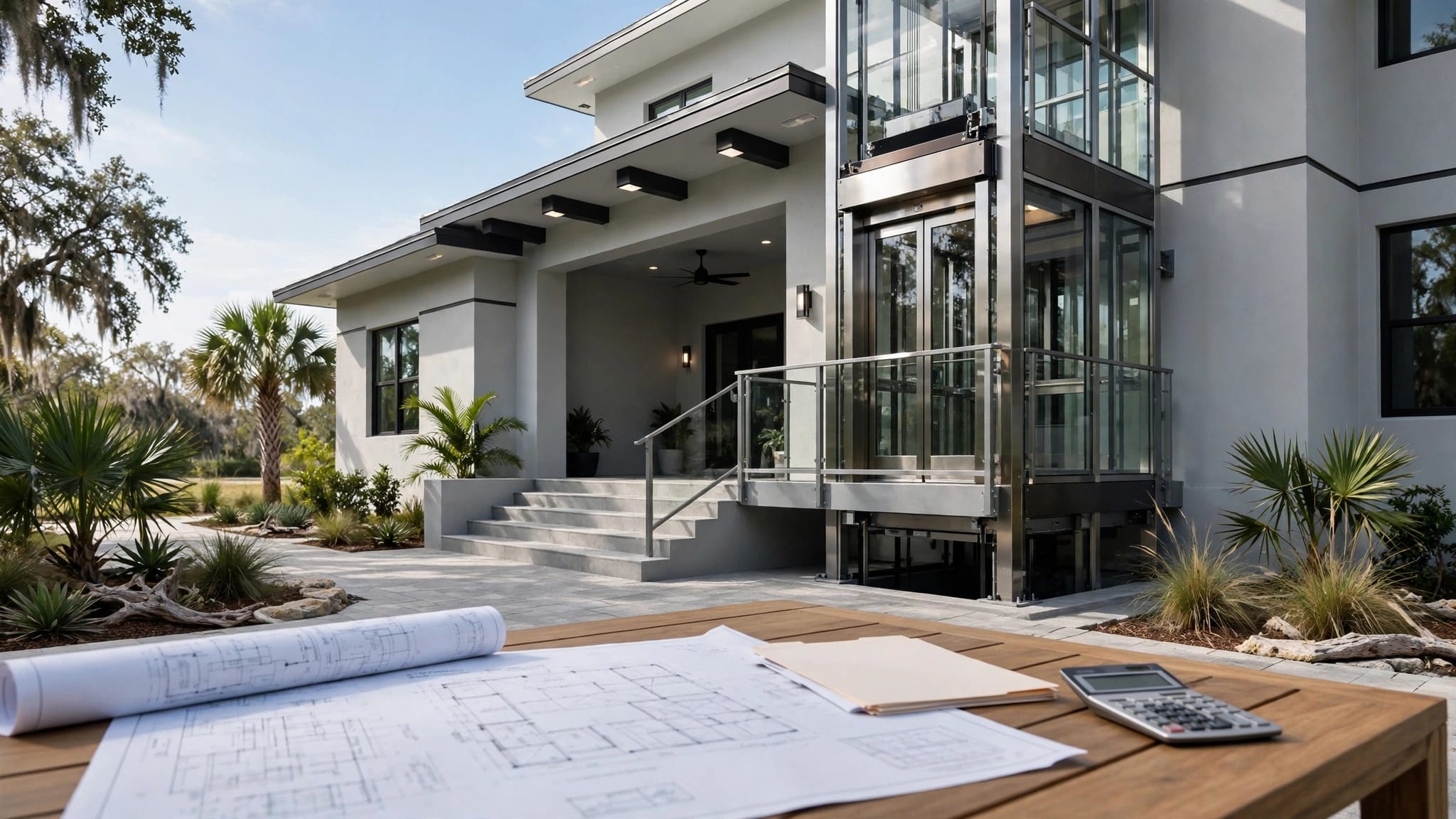
Outdoor elevator financing starts with a clear project, not a loan application. Florida homeowners need to identify the equipment, site work, permits, storm requirements, and access needs before comparing lenders. A cargo lift, vertical platform lift, and passenger elevator se...
By Veranda 'Vator September 14, 2026
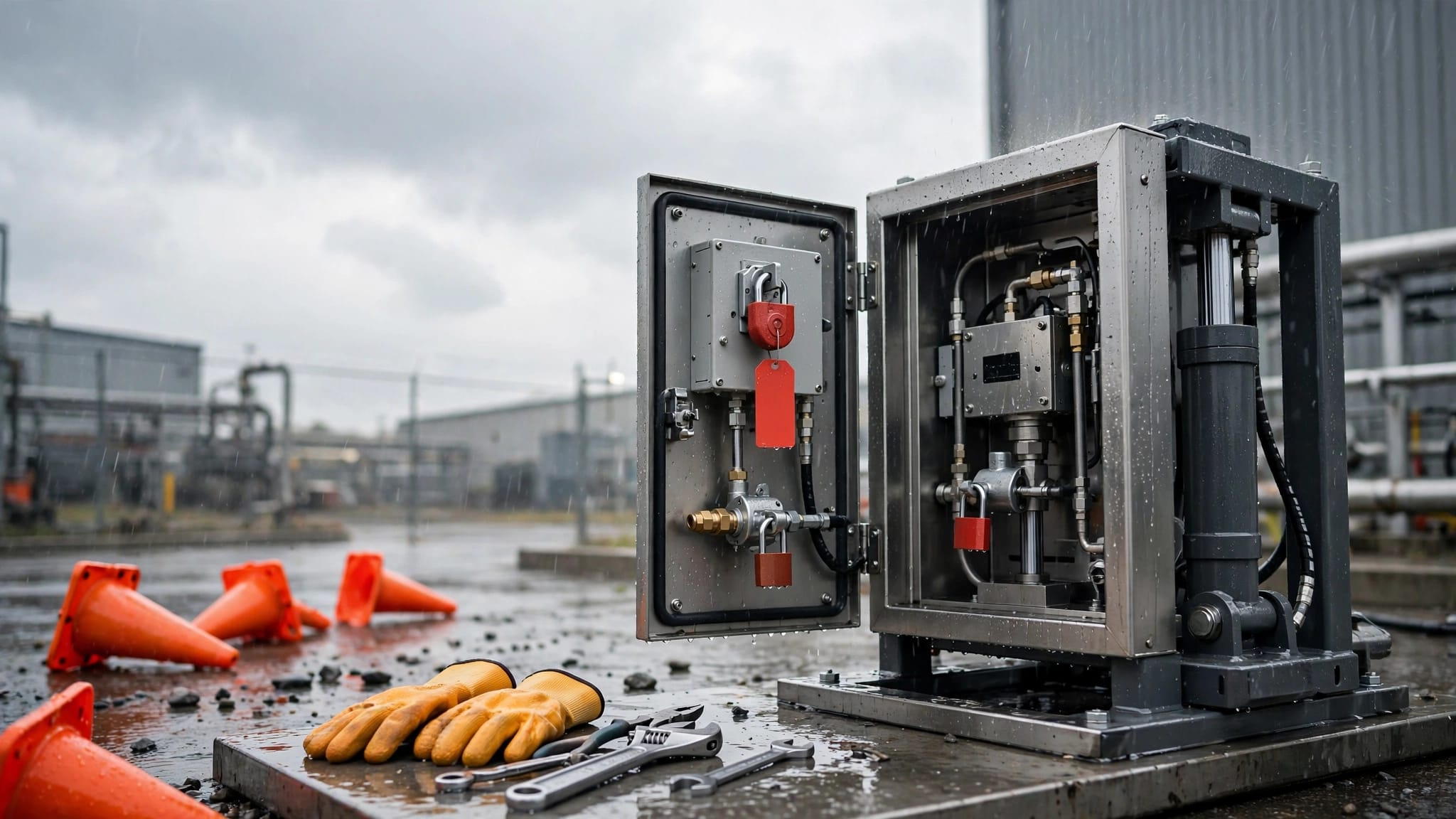
An outdoor elevator can look idle while electrical, hydraulic, mechanical, or gravitational energy remains dangerous. A written elevator lockout tagout procedure protects maintenance crews from unexpected movement, startup, and stored energy during inspection, repair, cleaning...
By Veranda 'Vator September 13, 2026
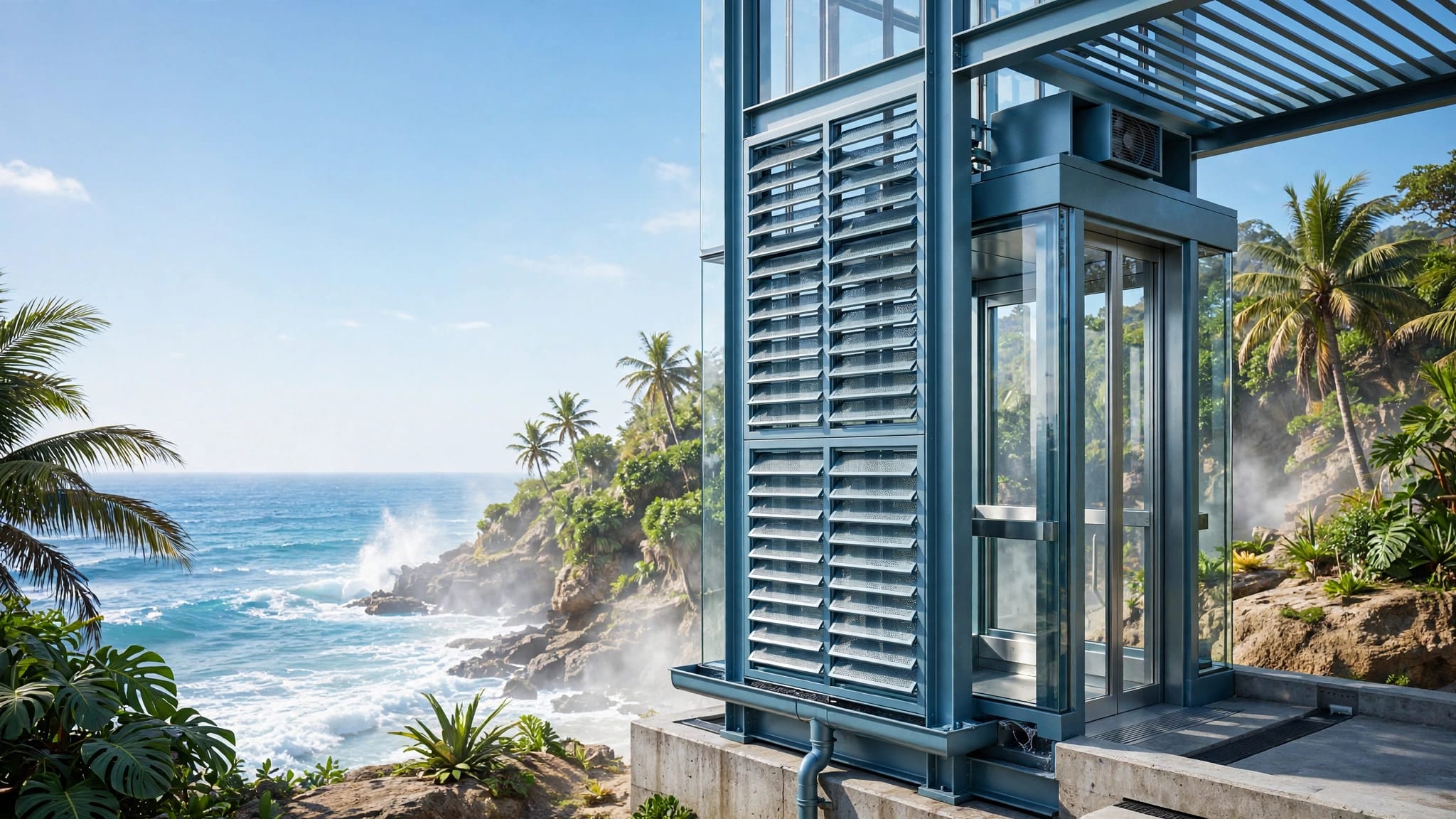
Outdoor elevator ventilation needs careful planning when a lift operates beside the ocean. Heat, humidity, salt spray, wind-driven rain, and direct sun can affect the cab, controls, finishes, and surrounding equipment. For building owners, architects, and facility managers, th...
By Veranda 'Vator September 12, 2026
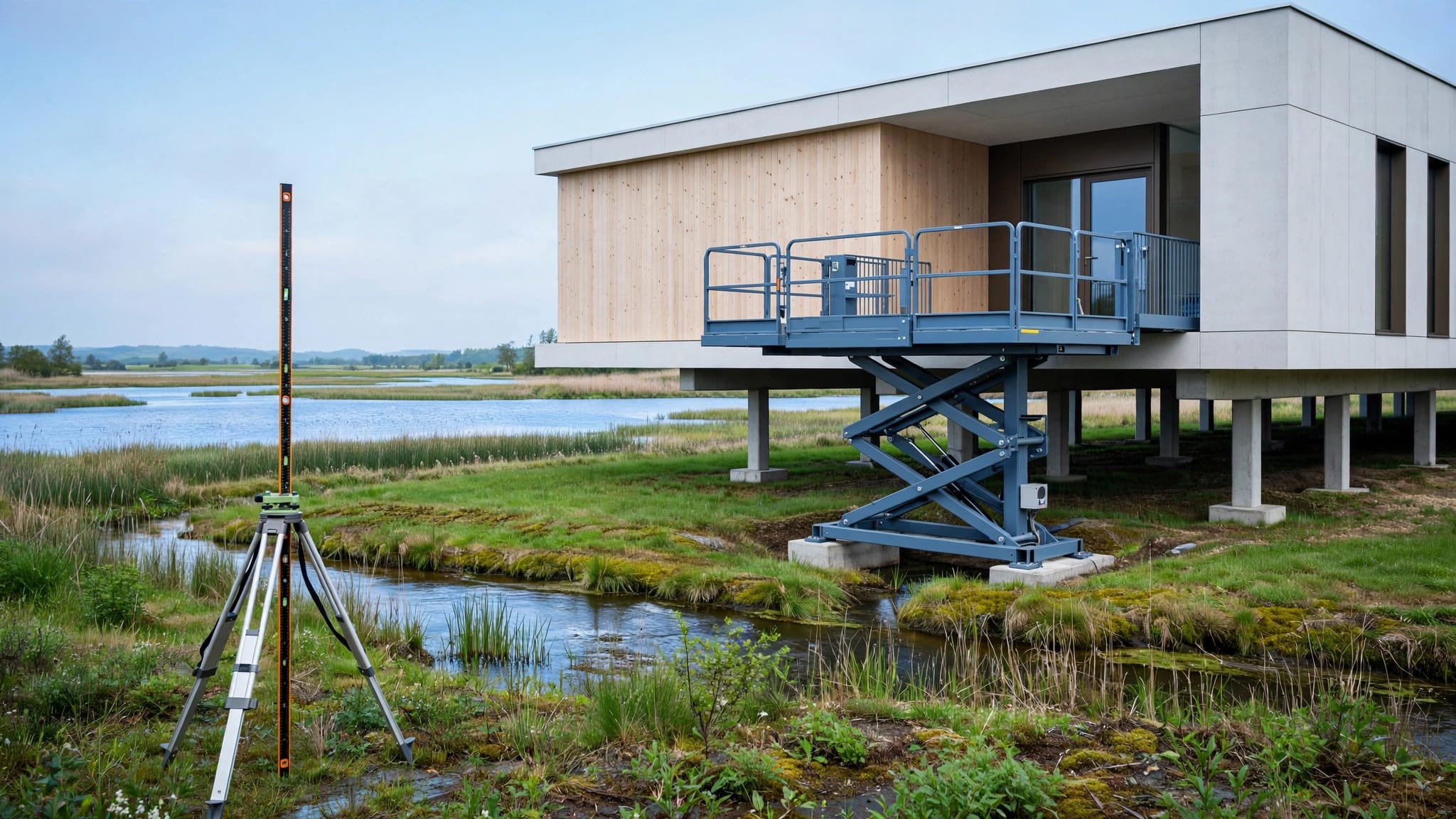
An outdoor lift can solve a major access problem, but floodplain work requires more than choosing the right equipment. Lift elevation certificates help document how the lift and nearby building relate to flood elevations, grade, and other site conditions. The certificate is no...
By Veranda 'Vator September 11, 2026
An exterior lift can turn a steep porch, raised deck, or split-level entrance into a usable route. However, it has to fit the mobility device, the property, and the weather it will face every day. For homeowners, caregivers, and property managers, outdoor wheelchair lifts need...
By Veranda 'Vator September 10, 2026
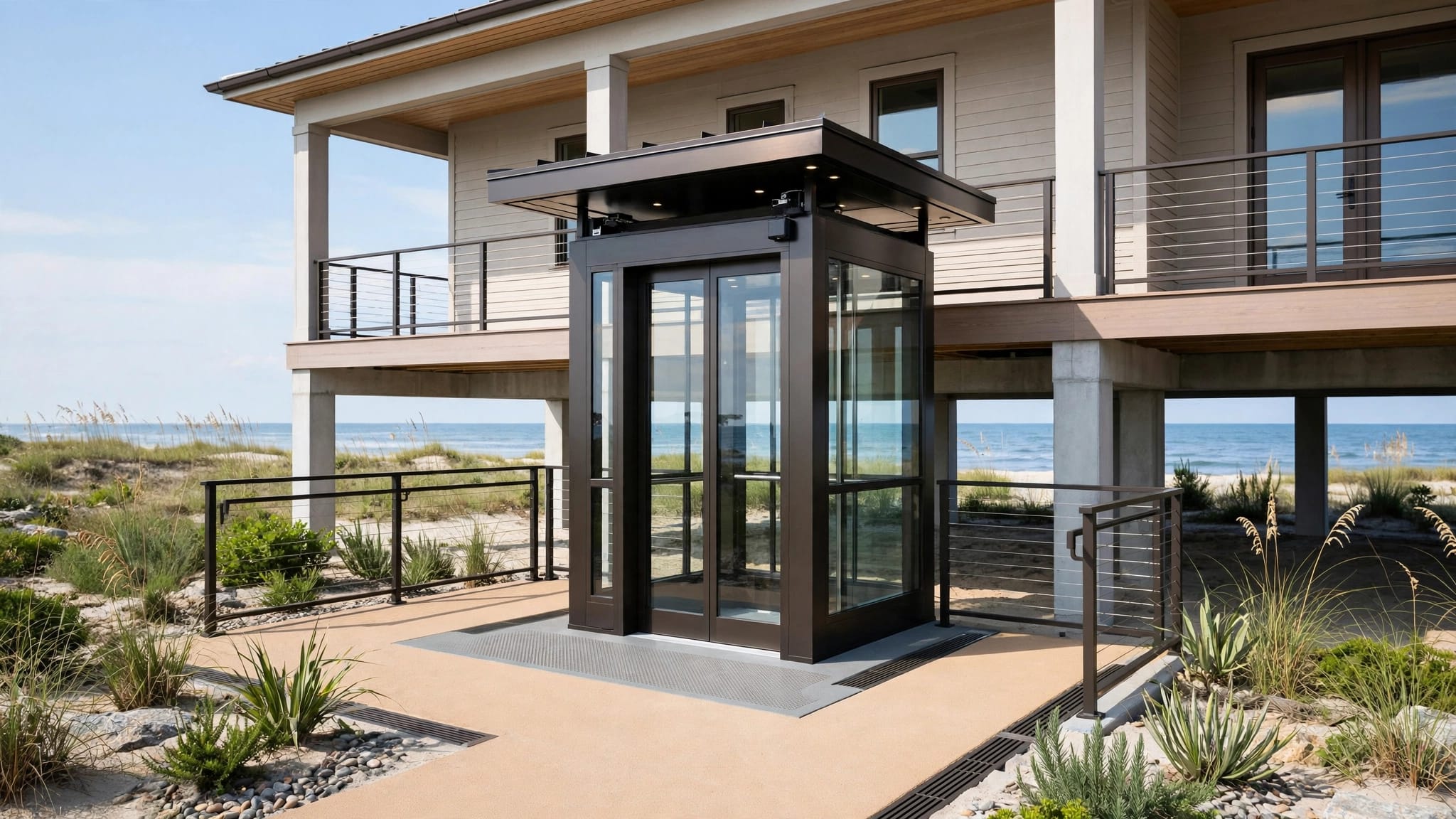
A raised coastal home can stay comfortable for decades when every level remains easy to reach. Outdoor elevator planning gives homeowners a practical way to reduce stair use while protecting daily independence. The right lift depends on far more than travel height. Your proper...
By Veranda 'Vator September 9, 2026
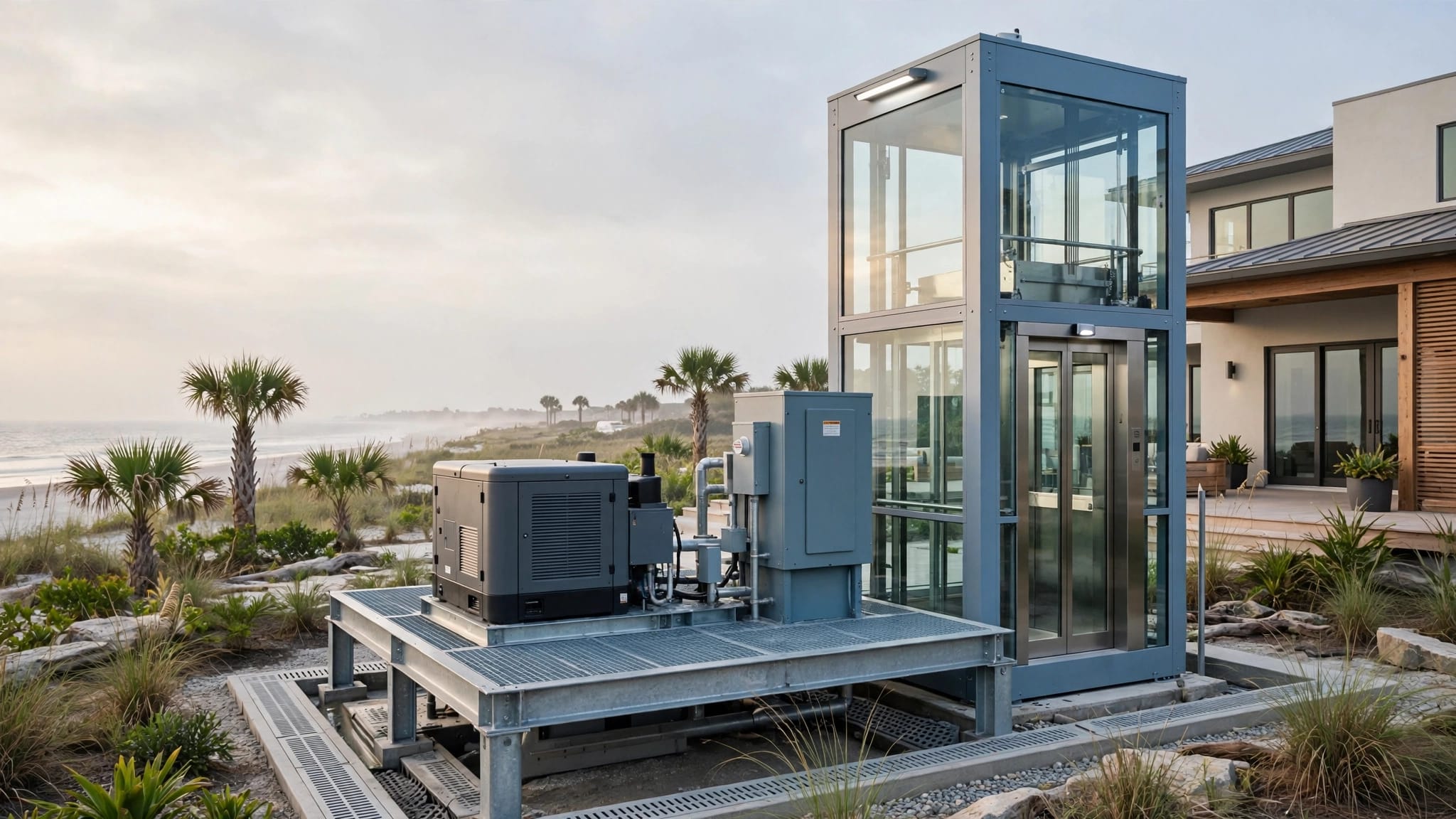
A generator can carry a home's lights and refrigerator yet still struggle when an outdoor elevator starts. Elevator generator sizing depends on the lift's motor-starting demand, controller behavior, transfer equipment, and every other load that comes online during an outage. F...
By Veranda 'Vator September 8, 2026
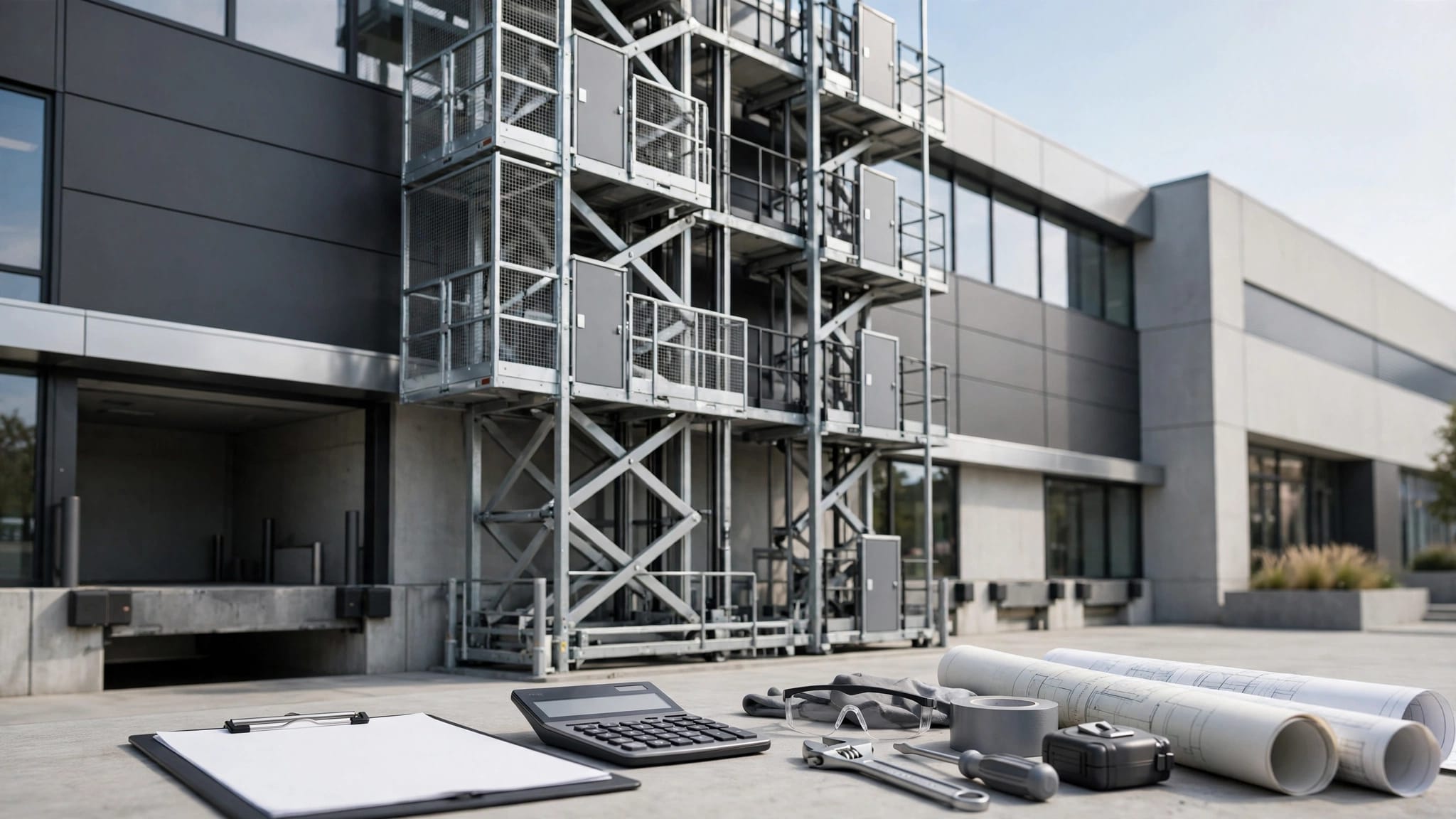
A lift can remove a daily bottleneck, yet a low purchase price doesn't always produce a sound investment. Outdoor lift ROI depends on the full installed cost, the lift's intended use, recurring compliance expenses, and the business problem it solves. For a commercial property...
By Veranda 'Vator September 7, 2026
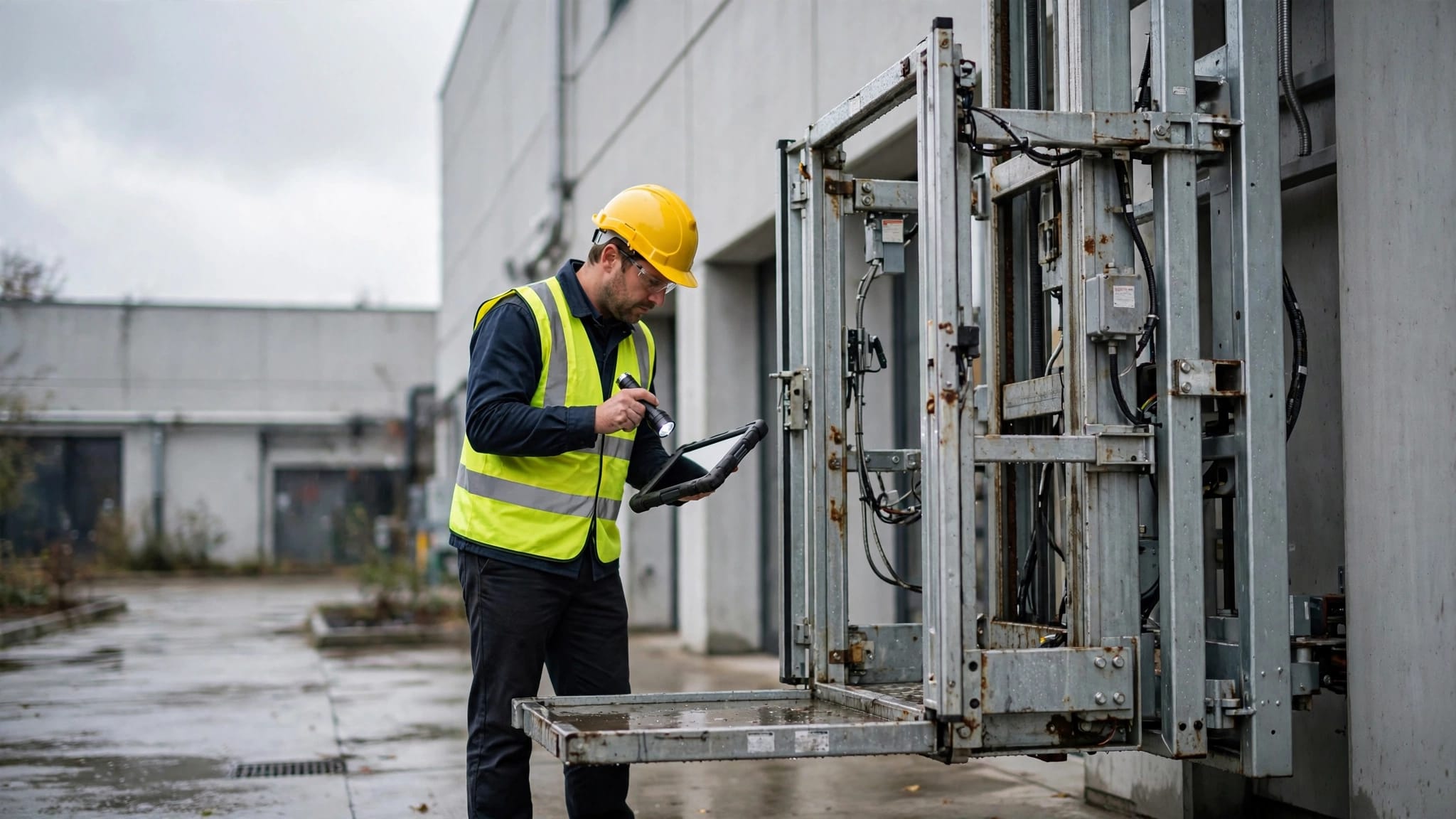
A lift can appear to work normally while moisture, wear, or a weakening safety component develops out of sight. That is why an outdoor lift inspection should follow a written plan, not a guess based on how often the equipment runs. There isn't one inspection interval that fits...
Show More