

Outdoor Elevator Lockout Tagout Procedures for Maintenance Crews

Share this article

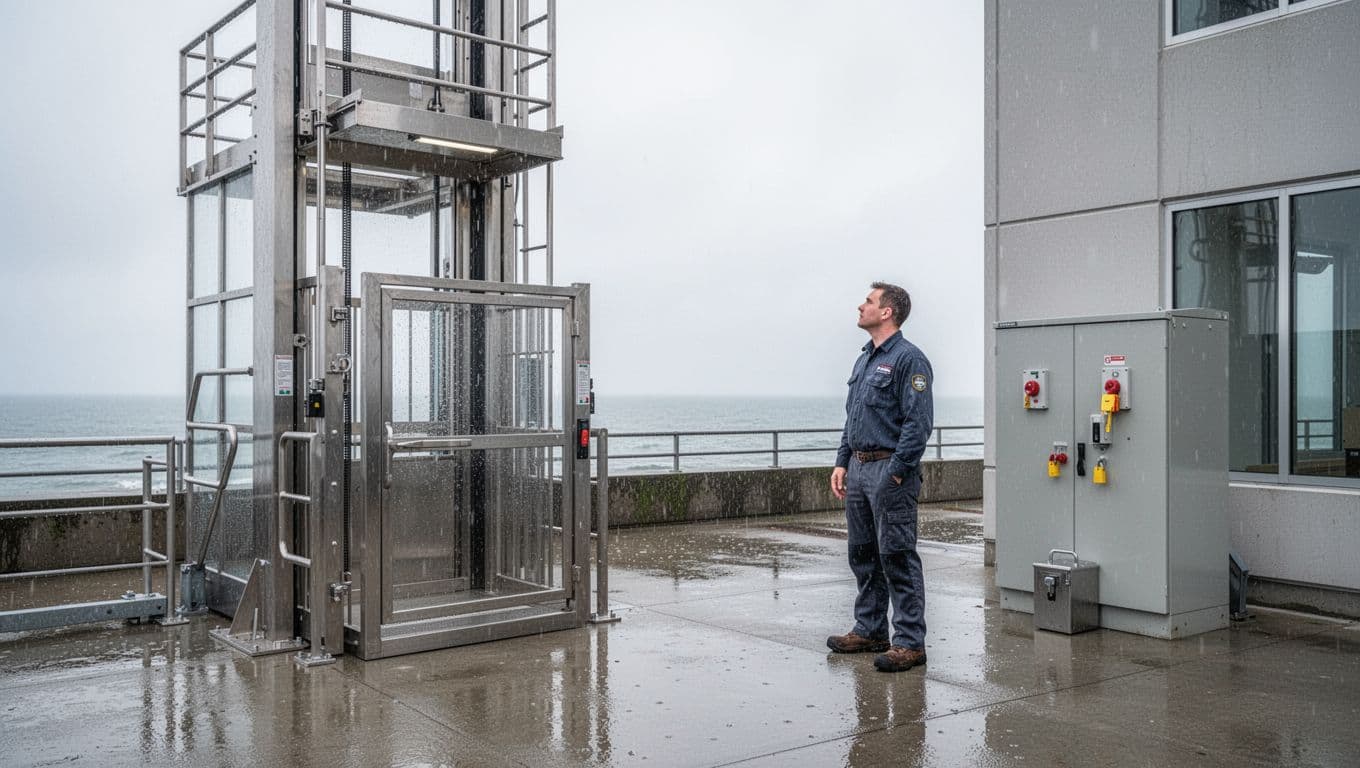
An outdoor elevator can look idle while electrical, hydraulic, mechanical, or gravitational energy remains dangerous. A written elevator lockout tagout procedure protects maintenance crews from unexpected movement, startup, and stored energy during inspection, repair, cleaning, and adjustment.

Outdoor equipment adds rain, wind, snow, ice, lightning, corrosion, poor visibility, and public access to the planning. The equipment-specific procedure, manufacturer instructions, employer safety program, and applicable local requirements always take priority. Use the sequence below as a framework for trained and authorized personnel.

Key Takeaways

  • Only trained and authorized employees should perform lockout/tagout or maintenance work.
  • Identify every energy source, including electrical, hydraulic, mechanical, gravitational, pneumatic, thermal, and stored energy.
  • Isolate every disconnect and interconnected piece of equipment that could energize or move the lift.
  • Apply personal locks and tags, then verify zero energy before anyone begins work.
  • Treat standing water, flooding, lightning, damaged enclosures, ice, poor visibility, and wind-blown debris as reasons to stop and reassess.
  • Never bypass a lockout, tag, gate interlock, safety device, or other control to keep a job moving.
  • Keep passengers, residents, delivery workers, and bystanders outside the controlled work area.

Why Outdoor Elevator Lockout Tagout Needs Site-Specific Planning

Outdoor equipment connects the lift to landings, stairs, decks, walls, foundations, drainage paths, and public approaches. A storm can damage a nearby structure or landing even when the elevator itself appears intact. Review the outdoor elevator site survey checklist before writing or revising a maintenance procedure.

Weather, moisture, and public access

Rain can enter damaged seals, enclosures, conduit openings, controls, and landing equipment. Standing water near a control cabinet, door, drive area, pit, or landing requires the crew to stop use and follow the approved shutdown process. Floodwater and saltwater can damage components that look normal from the outside.

Snow and ice can block gates, alter footing, cover hazards, and affect platform alignment. Wind can move loose objects into the travel path. Lightning creates a separate electrical and weather hazard. Do not begin outdoor work during conditions that prevent safe access, communication, visibility, or control of the work area.

Secure landings and approaches against unauthorized access. Use barriers, signs, guards, or another method required by the employer and site procedure. Keep the public away from suspended loads, open gates, exposed components, and equipment under lockout.

Confirm the equipment and energy sources

Identify whether the equipment is a cargo lift, passenger-compliant elevator, or vertical platform lift before planning the job. A cargo lift is not automatically suitable for riders. The cargo lift versus passenger elevator guidance can help owners and crews confirm the intended use.

Read the exact manufacturer's manual, electrical drawings, hydraulic information, and site procedure. Locate every source that could cause motion or injury, including main electrical power, control power, backup power, hydraulic pressure, suspended or elevated components, rotating parts, counterweights, springs, stored air, and gravity.

OSHA Rules That Govern the Procedure

OSHA's lockout/tagout requirements in 29 CFR 1910.147 apply when servicing or maintenance could expose employees to unexpected energization, startup, or release of stored energy. The employer must maintain an energy-control program with training, procedures, inspections, and suitable lockout or tagout devices.

The authorized employee controls the energy

An authorized employee performs the energy-control work. This includes shutting down equipment, identifying and isolating energy sources, applying locks and tags, releasing or restraining stored energy, verifying isolation, and restoring service.

Affected employees, such as operators, residents, delivery staff, or other workers, need notification and must understand that the equipment is unavailable. They must not remove locks, operate controls, enter the work zone, or ask a technician to bypass the procedure.

The employer's written procedure must describe the actual lift. A generic instruction such as "turn off the elevator" is not enough when the unit has multiple disconnects, a hydraulic power unit, an emergency circuit, or interconnected gates and controls.

Electrical isolation requires qualified testing

For electrical hazards, 29 CFR 1910.333(b)(2) requires circuits that could energize covered parts to be locked out, tagged, or both. The electrical safety requirements still apply when work involves electric-utilization equipment or conductors.

Only a qualified person should perform electrical testing or work on exposed electrical parts. The qualified person must use the employer-approved method and equipment to verify that parts are de-energized and to check for possible backfeed or induced voltage.

The cord-and-plug exception is narrow. It applies only when the plug is disconnected and remains under the servicing employee's exclusive control. A nearby unplugged cord that others can reconnect does not provide effective control.

Step-by-Step Elevator Lockout Tagout Sequence

The exact steps must match the installed elevator and the employer's written procedure. Do not use a reset button, emergency stop, or control switch as a substitute for energy isolation.

Prepare, notify, and shut down

  1. Review the job scope, equipment-specific procedure, drawings, weather conditions, access route, and hazards. Decide whether the work must be postponed because of lightning, high wind, flooding, ice, poor visibility, or unsafe public conditions.
  2. Identify authorized employees, affected employees, contractors, and the person coordinating the work. Notify everyone who may use or approach the lift.
  3. Remove passengers and cargo according to the manufacturer's instructions. Position the platform or car only as the approved procedure directs. Do not place anyone below an elevated platform or suspended load.
  4. Stop the elevator using the normal operating control. Then proceed to energy isolation. A normal stop controls operation, but it does not prove that all hazardous energy has been removed.

Isolate and control stored energy

Open and secure every energy-isolating device identified in the procedure. This may include more than one electrical disconnect, control circuit, hydraulic supply, battery, generator connection, or interconnected device.

Apply locks and tags to each required isolating device. Block, support, pin, lower, or otherwise secure elevated and moving components as specified by the manufacturer. Release hydraulic pressure and other stored energy only through the approved method. Restrain energy that cannot be removed.

Inspect for corrosion, damaged hardware, wet enclosures, loose conductors, and signs of storm impact. Do not touch questionable components to determine whether they are safe. Stop and contact the responsible supervisor or qualified service provider.

Verify zero energy before work

Verification must show that the correct equipment is isolated and cannot start or move. Try the normal controls from a safe position, confirm that they do not operate the lift, and return them to the off or neutral position. Then verify the energy state using the method required by the written procedure.

Qualified electrical personnel must perform electrical testing when electrical hazards are present. Verification should account for backfeed, stored pressure, gravity, batteries, and energy in interconnected equipment.

No one begins work until the authorized employee confirms that isolation is effective. If any energy remains, stop, revise the isolation plan, and repeat verification.

Group Lockout for Maintenance Crews

Group work creates a risk that one person's lock is removed while another person remains exposed. The group procedure must make personal control clear from the beginning.

The primary authorized employee coordinates the job

A primary authorized employee coordinates the group lockout and confirms that each energy source is isolated. That employee reviews the procedure with the crew, controls the central lockbox or group device, and confirms that verification has occurred before servicing begins.

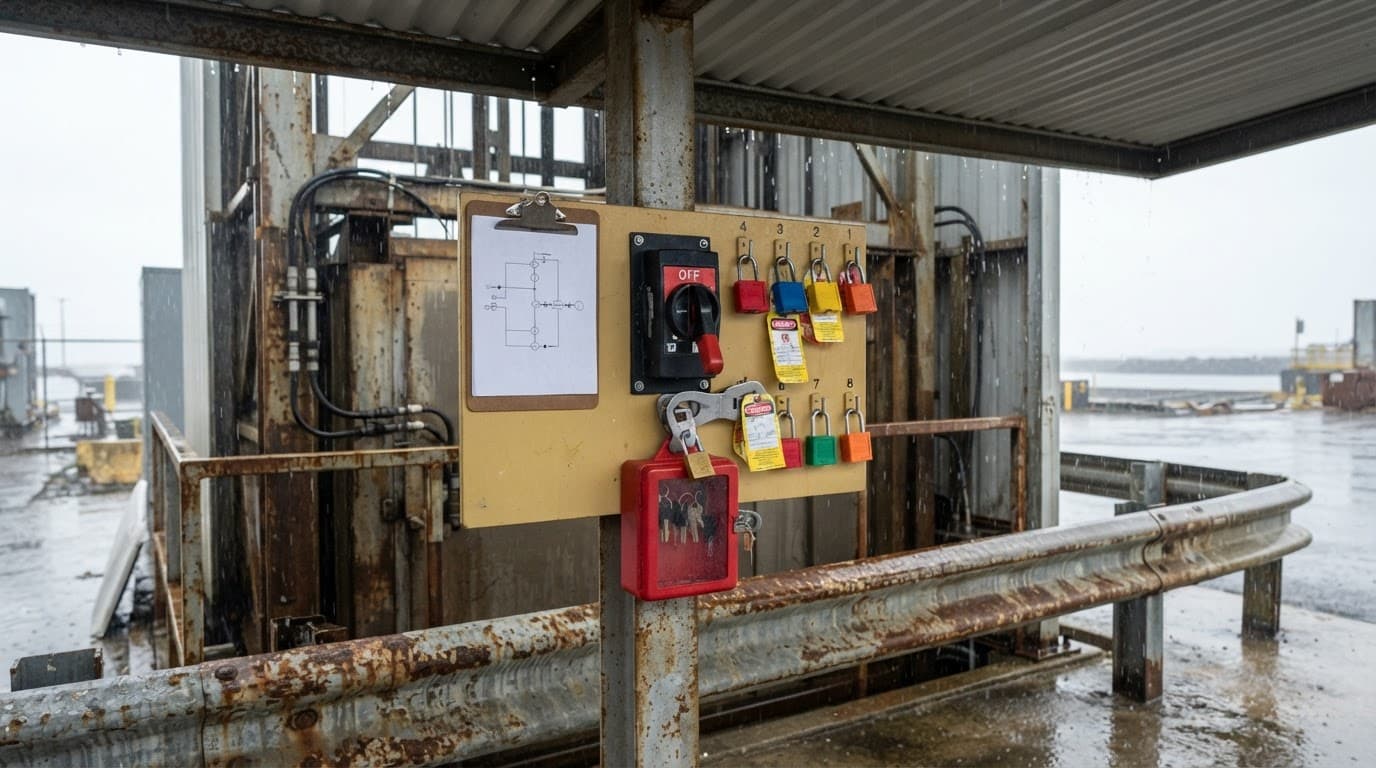
Each participating authorized employee applies a personal lock and tag to the group lockbox, group lockout device, or comparable mechanism. The personal lock identifies the person who is protected by it. A supervisor's lock does not replace each worker's personal lock.

OSHA interpretations recognize that each authorized employee must have the opportunity to participate in verification. A later OSHA clarification allows the primary authorized employee to verify isolation for the group, while other employees may verify it themselves. The employer's written program should state how this opportunity and communication will work on the job.

Control keys, tags, and the lockbox

Keep keys under the control of the person whose lock they open. Never leave a key in a lock, on a disconnect, in an unattended vehicle, or where another person can access it.

Tags must remain legible, durable, and attached to the lockout device. They should identify the hazard and warn against operation. A tag alone does not provide the same physical restraint as a lock, so follow the employer's program and applicable requirements when locks cannot be used.

A lockbox keeps the isolation keys inside while each worker controls access with a personal lock. No worker removes another person's lock as a routine step. If someone leaves the site, the employer must follow the documented exceptional-removal process, including reasonable efforts to contact the employee and notification before the equipment returns to service.

Outdoor Conditions That Require Extra Controls

Weather does not create a lockout/tagout exemption. Instead, it can add hazards that the crew must address before entering the work area. A coastal outdoor lift maintenance checklist can support routine planning, but it cannot replace the model-specific service procedure.

Rain, snow, ice, wind, and lightning

Stop work when wet surfaces, ice, snow, wind, or poor visibility prevent safe footing or access to disconnects. Do not use improvised plastic covers, ropes, or tie-downs that can trap moisture, interfere with moving parts, or become wind hazards.

After heavy rain, flooding, lightning, a hurricane, or a major wind event, keep the equipment out of service if you see water inside electrical areas, damaged gates, shifted supports, loose panels, debris in the travel path, heavy corrosion, or unusual movement. Arrange an inspection by qualified service personnel before re-energizing.

Follow the manufacturer's storm shutdown and securing instructions. Do not assume marine-grade materials, a dry platform, or a working generator makes operation safe.

Corrosion, standing water, and visibility

Salt deposits can corrode fasteners, terminals, switches, gates, cables, and structural parts. Do not pressure-wash control cabinets or apply chemicals and lubricants unless the manufacturer permits them. Corrosion can affect a lock, hasp, disconnect, or tag, so inspect the lockout hardware before relying on it.

Provide enough lighting to identify the platform position, gate condition, controls, and travel path. Keep workers away from areas where glare, darkness, rain, or fog prevents reliable communication and verification.

Returning the Elevator to Service

Completion is another controlled phase of the procedure. Before removing locks, inspect the work area and confirm that tools, parts, temporary supports, jumpers, debris, and personnel are clear. Reinstall guards and covers according to the manufacturer's instructions.

Account for every worker, including contractors and people working at remote landings. Confirm that passengers and affected employees are outside the hazard area. Notify affected employees that the equipment will return to service.

Each employee removes their own personal lock and tag unless the employer's documented exceptional-removal procedure applies. The primary authorized employee confirms that all personal devices have been removed, then restores energy in the sequence required by the equipment procedure.

Test the elevator only as authorized. Observe gates, controls, travel, stopping, unusual sounds, vibration, alarms, and communication systems. If the lift behaves differently, stop operation, attach an out-of-service tag, notify the supervisor, and arrange qualified service. A reset button does not correct an unknown mechanical or electrical fault.

Frequently Asked Questions

Who can perform elevator lockout/tagout?

Only trained and authorized employees should perform energy-control work. Electrical testing and work on exposed electrical parts require a qualified person. Operators, homeowners, residents, and delivery workers should not open electrical enclosures, remove locks, test circuits, or bypass safety devices.

Does an emergency stop count as lockout?

No. An emergency stop or normal control may stop motion, but it does not isolate every hazardous energy source. The written procedure must identify and secure the actual energy-isolating devices, then require verification before servicing.

Can the crew bypass an interlock during maintenance?

No. Lockout/tagout and safety devices must not be bypassed as a shortcut. If a test or adjustment requires a special energized procedure, the employer must use a separate authorized process that meets applicable electrical and machine-safety requirements. Stop the job if the written procedure does not cover the task.

What should happen after flooding or a storm?

Keep the lift out of service when water intrusion, impact, corrosion, debris, damaged enclosures, or abnormal operation is present. Follow the manufacturer's shutdown instructions and arrange an inspection by qualified service personnel before restoring power. Do not repeatedly cycle the equipment to see whether it still works.

Conclusion

Safe outdoor elevator maintenance starts with a complete energy assessment, not with a disconnect that happens to be nearby. Identify every electrical, hydraulic, mechanical, gravitational, and stored-energy hazard, isolate interconnected equipment, control keys and personal locks, and verify zero energy before work begins.

Weather and public access deserve equal attention. Rain, ice, lightning, corrosion, standing water, poor visibility, and unauthorized entry can turn a routine service call into an uncontrolled exposure. A disciplined elevator lockout tagout procedure keeps the crew, passengers, residents, and equipment protected.

Recent Posts

By Veranda 'Vator September 13, 2026
Outdoor elevator ventilation needs careful planning when a lift operates beside the ocean. Heat, humidity, salt spray, wind-driven rain, and direct sun can affect the cab, controls, finishes, and surrounding equipment. For building owners, architects, and facility managers, th...

By Veranda 'Vator September 12, 2026
An outdoor lift can solve a major access problem, but floodplain work requires more than choosing the right equipment. Lift elevation certificates help document how the lift and nearby building relate to flood elevations, grade, and other site conditions. The certificate is no...
By Veranda 'Vator September 11, 2026
An exterior lift can turn a steep porch, raised deck, or split-level entrance into a usable route. However, it has to fit the mobility device, the property, and the weather it will face every day. For homeowners, caregivers, and property managers, outdoor wheelchair lifts need...

By Veranda 'Vator September 10, 2026
A raised coastal home can stay comfortable for decades when every level remains easy to reach. Outdoor elevator planning gives homeowners a practical way to reduce stair use while protecting daily independence. The right lift depends on far more than travel height. Your proper...
By Veranda 'Vator September 9, 2026
A generator can carry a home's lights and refrigerator yet still struggle when an outdoor elevator starts. Elevator generator sizing depends on the lift's motor-starting demand, controller behavior, transfer equipment, and every other load that comes online during an outage. F...
By Veranda 'Vator September 8, 2026
A lift can remove a daily bottleneck, yet a low purchase price doesn't always produce a sound investment. Outdoor lift ROI depends on the full installed cost, the lift's intended use, recurring compliance expenses, and the business problem it solves. For a commercial property...
By Veranda 'Vator September 7, 2026
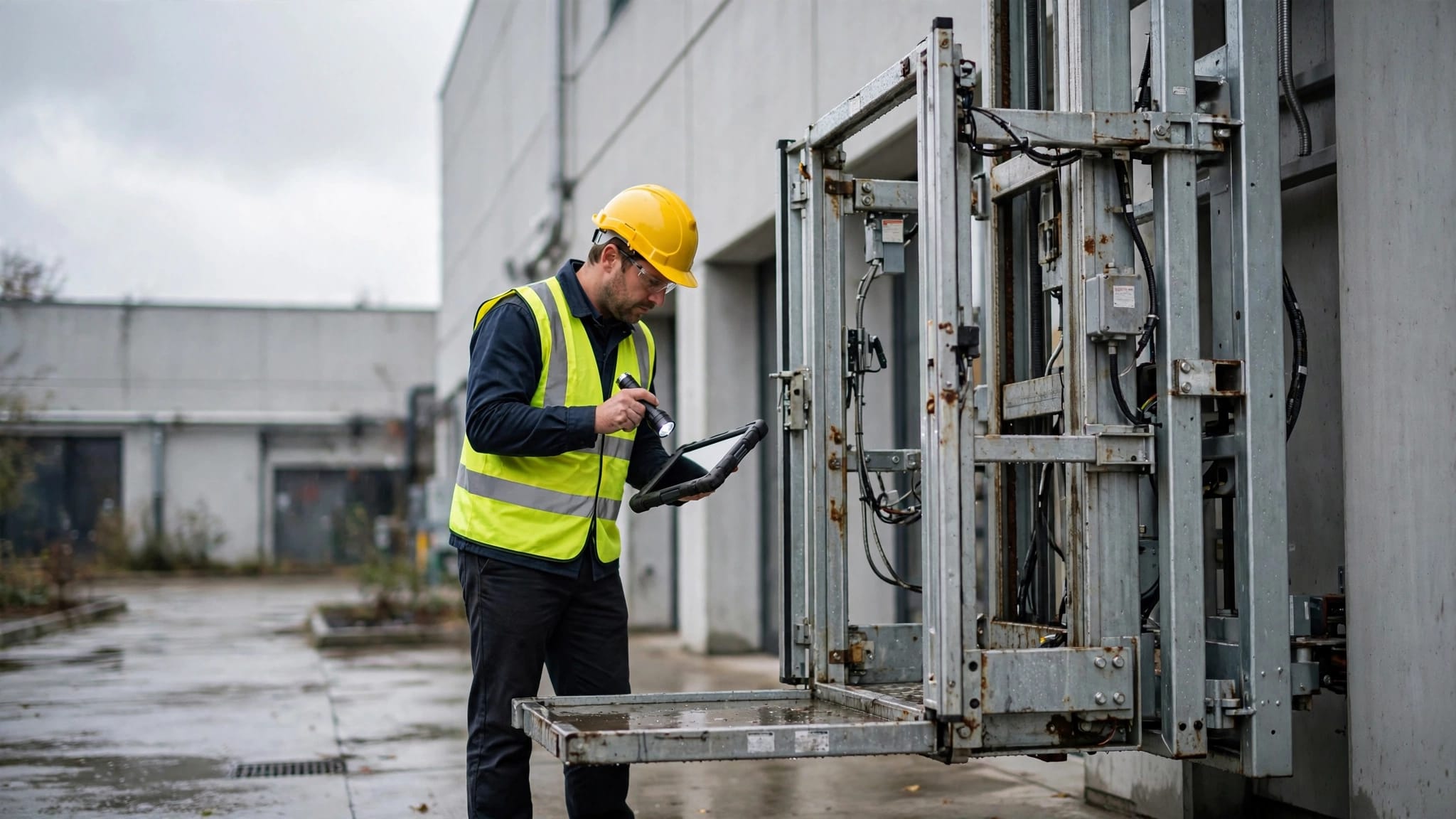
A lift can appear to work normally while moisture, wear, or a weakening safety component develops out of sight. That is why an outdoor lift inspection should follow a written plan, not a guess based on how often the equipment runs. There isn't one inspection interval that fits...
By Veranda 'Vator September 6, 2026
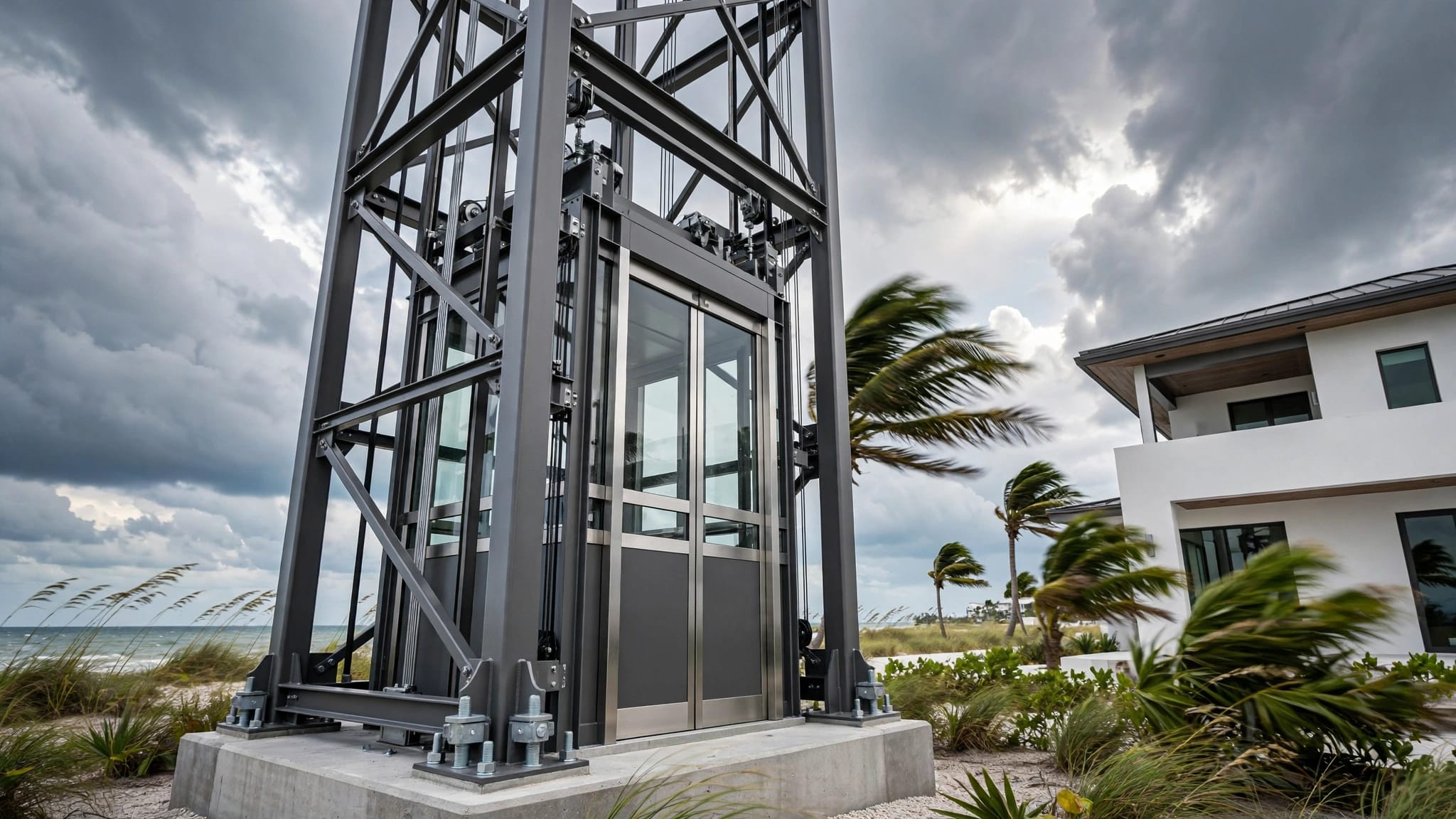
A coastal lift can face more force from a hurricane gust than its size suggests. Outdoor elevator wind load design protects the tower, guide system, doors, anchors, and the structure that supports them. For a Florida beach home, raised residence, warehouse, or rental property,...
By Veranda 'Vator September 5, 2026
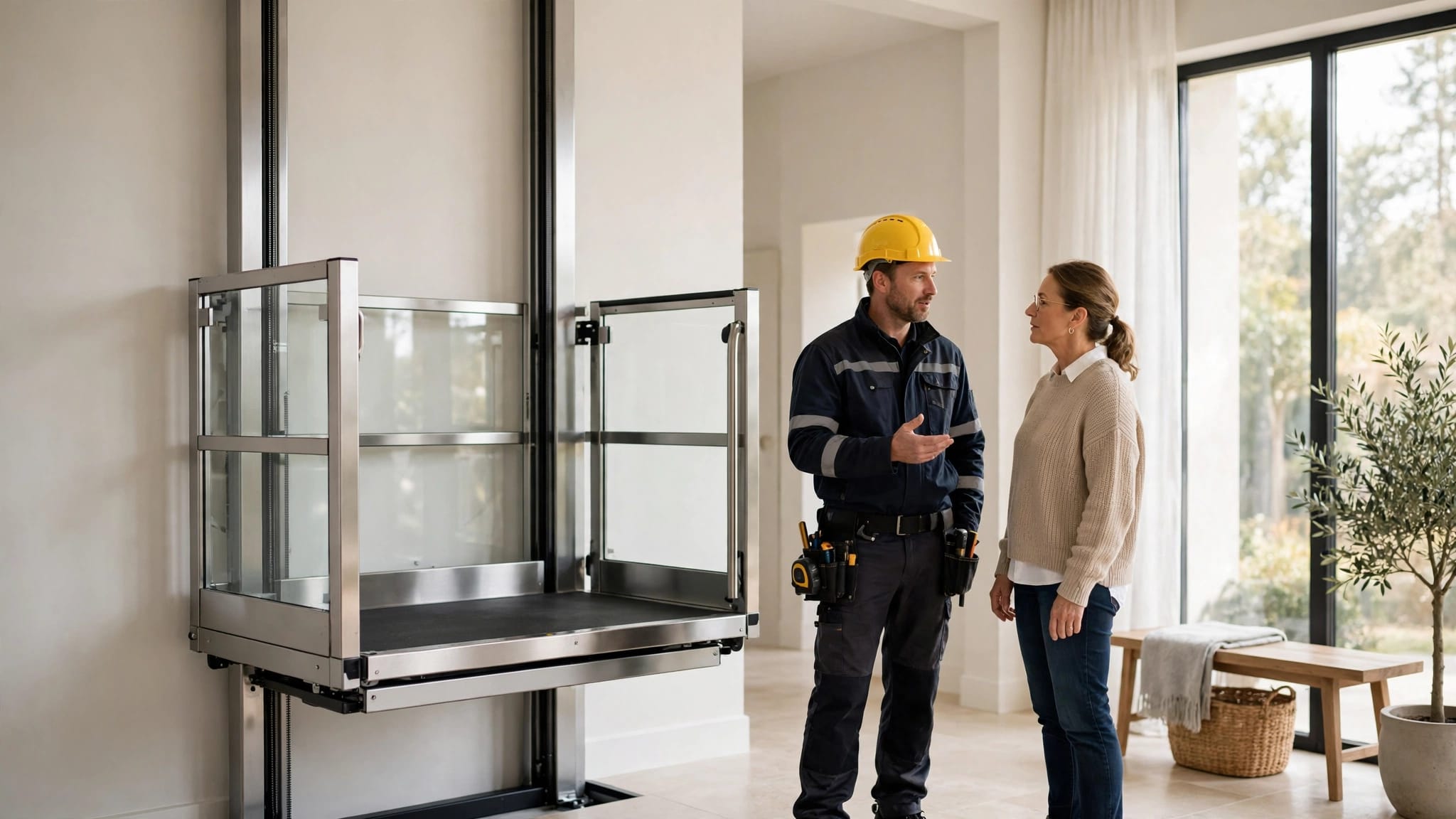
A lift can change how a property works every day, but the value depends on much more than the equipment itself. The lift installer you choose affects safety, access, project timing, and the service you receive years after the system goes into use. For homeowners and property m...

By Veranda 'Vator September 4, 2026
A lift quote can feel dense because it combines equipment details, site work, safety items, and local approval requirements. Knowing the home lift terms on the page helps you compare proposals without guessing what is included. Use this glossary to match each term to your plan...
Show More