
Coastal Lift Service Contracts: What Homeowners Should Compare

Share this article

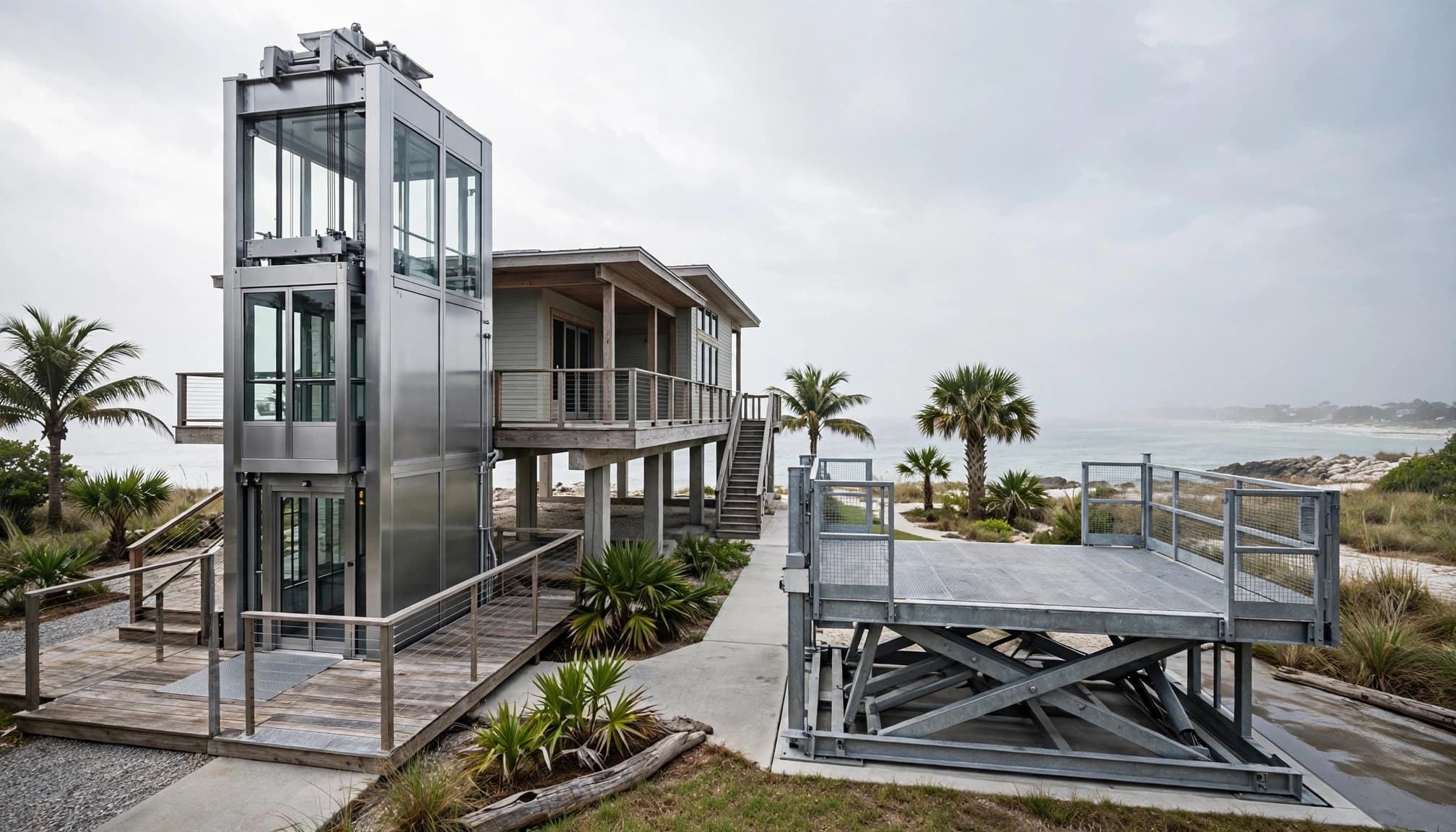
Salt air can damage an outdoor lift before you see obvious rust. For homeowners, coastal lift service contracts should address humidity, wind-driven rain, flooding, storms, corrosion, and the equipment's intended use.

A low-cost plan may cover scheduled visits but exclude parts, water damage, emergency travel, or repairs caused by salt exposure. Compare the actual scope, exclusions, response terms, and documentation before signing. The right questions begin with the environment around the lift.

Why coastal lifts need specialized service terms

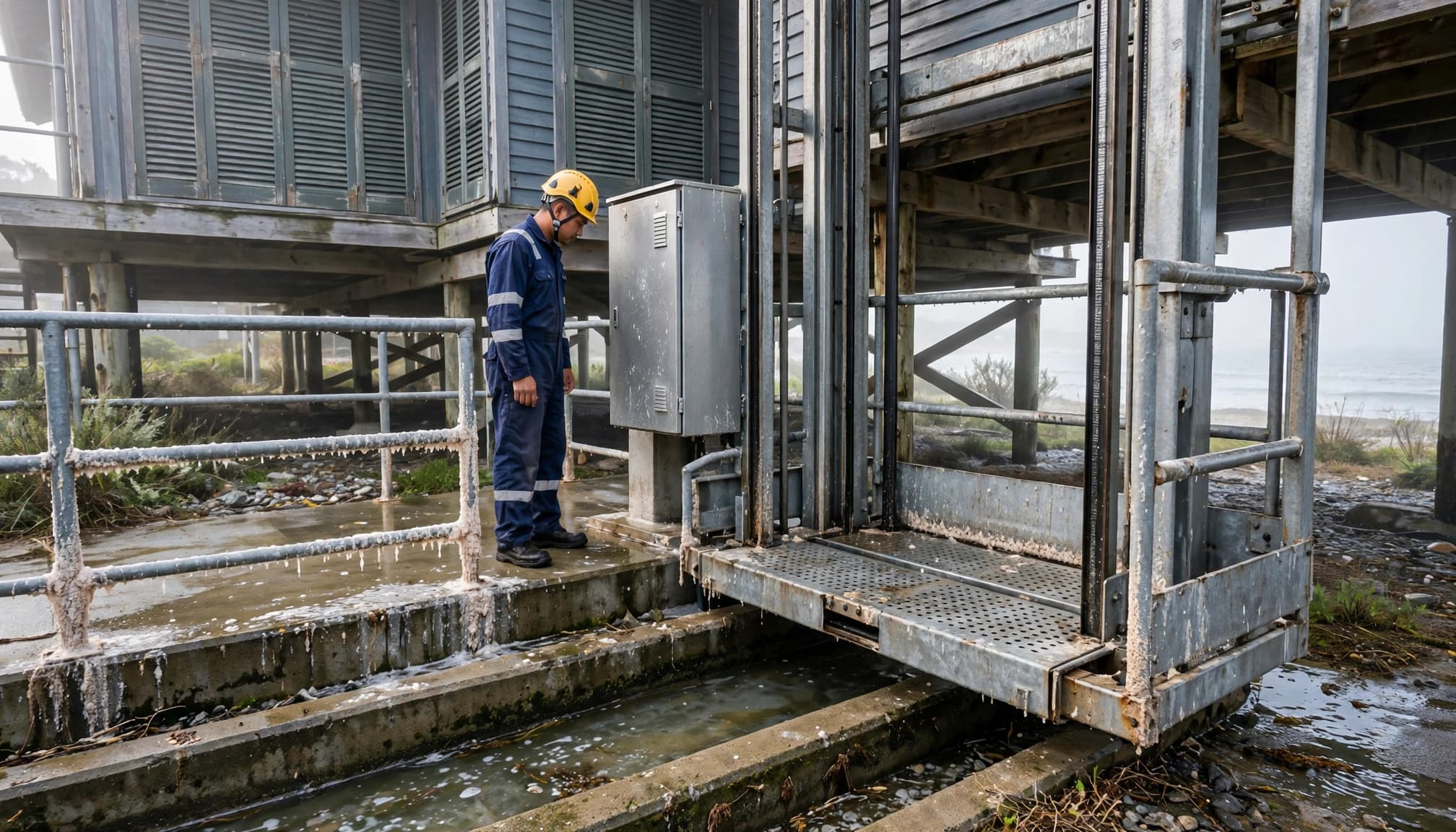
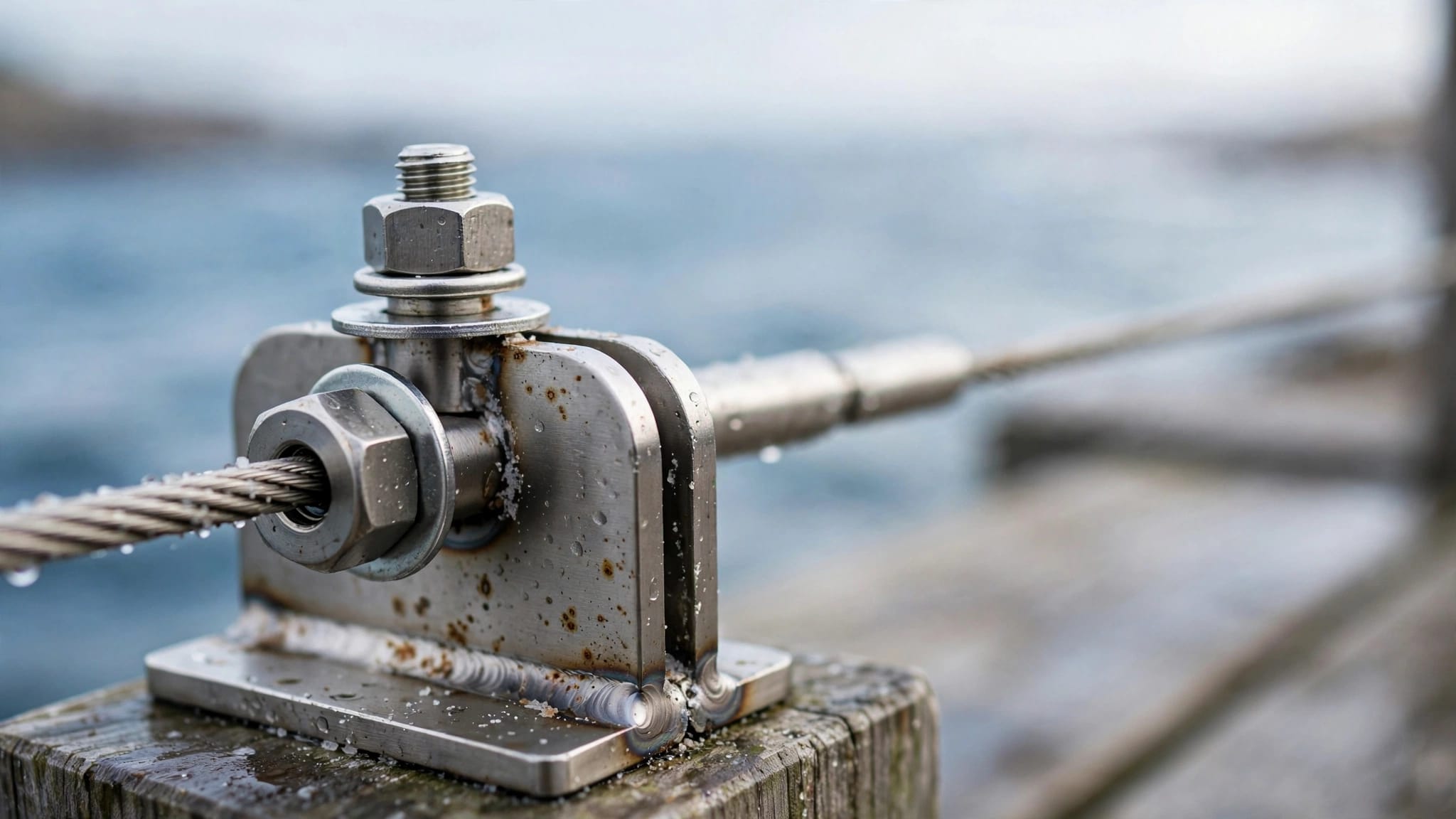
An exterior lift faces conditions that indoor equipment usually avoids. Salt deposits can collect on fasteners, rails, gates, cables, electrical contacts, and control housings. Humidity keeps those deposits active, while heat, rain, sand, and sunlight add more stress.

A lift may still operate normally while corrosion develops inside connections or around drainage points. That makes scheduled inspection more valuable than waiting for a visible failure.

Salt, moisture, and corrosion

Ask the provider how the agreement handles surface rust, corroded fasteners, damaged electrical contacts, deteriorated finishes, and saltwater exposure. Some agreements cover a defective component but exclude damage caused by the surrounding environment.

The contract should also identify the manufacturer's recommended cleaning and inspection schedule for coastal installations. Marine-grade materials, stainless hardware, and protective coatings can improve durability, but they don't remove the need for regular cleaning and professional review.

Storms, flooding, and power events

Wind-driven rain, storm surge, flooding, lightning, power surges, and debris can affect different parts of a lift. A storm can damage the machine, but it can also shift a landing, bend a support, block drainage, or affect the building structure connected to the equipment.

Ask what happens after a hurricane, tropical storm, nearby lightning strike, flood, or visible water intrusion. The agreement should explain whether the lift must remain out of service until a technician inspects it.

Compare the main types of service plans

Providers may use similar names for very different agreements. Read the scope of work instead of relying on labels such as premium, complete, or full protection.

Preventive maintenance agreements

A preventive plan usually focuses on scheduled visits and condition checks. Depending on the written scope, technicians may inspect gates, controls, visible hardware, safety devices, cables, brakes, drainage, seals, and electrical areas.

The agreement should state how often visits occur and which tasks are included. It should also explain whether cleaning, adjustments, testing, travel, labor, and replacement parts cost extra.

A monthly homeowner checklist can complement professional service. It may include removing salt and grit, checking gates and controls, and inspecting visible hardware. Homeowners should leave repairs and internal safety work to qualified technicians. The coastal Florida outdoor lift maintenance checklist offers a useful framework for routine and pre-hurricane checks.

Full-service and repair-inclusive plans

A full-service agreement may combine scheduled maintenance with covered labor and certain repairs. A repair-inclusive plan may cover failures within a defined list of components, but the terms can exclude corrosion, flooding, wear items, misuse, or unauthorized modifications.

Compare the two plans line by line. Confirm whether the provider supplies parts, whether labor is included, and whether travel or after-hours work carries a separate charge. Also ask what happens when a technician finds damage outside the contract.

Emergency-only plans

Emergency-only coverage generally focuses on responding after a breakdown or unsafe operating condition. It may help when the lift stops, but it doesn't replace preventive maintenance.

This option can leave homeowners paying for corrosion inspections, storm checks, scheduled adjustments, and routine cleaning. It also may not provide priority service during a regional storm event. Emergency coverage makes more sense as a supplement when a separate preventive agreement already exists.

What coastal service should include

A strong agreement connects routine maintenance with the conditions at the property. The provider should identify the lift model, location, exposure, intended use, and access requirements in the service documents.

Drainage, seals, controls, and hardware

Water should not pool at a landing, threshold, platform, track, or equipment base. Downspouts, deck drains, landscaping, and nearby surfaces should not direct water toward the lift.

Service visits should address blocked drainage, worn seals, exposed wiring, cabinet condition, gate operation, fasteners, rails, and visible corrosion. The provider should also explain how technicians will safely access the equipment for inspection and replacement.

Seasonal and post-storm inspections

Coastal lift service contracts should state whether pre-hurricane and post-storm inspections are included. A seasonal review may cover covers, drainage, fasteners, exposed wiring, seals, anchorage, and the approved shutdown procedure.

After a storm, don't operate equipment that has suffered flooding, debris contact, lightning exposure, structural movement, or visible electrical damage. A technician may need to inspect the lift, its landings, controls, and connected structure before it returns to service.

Compare coastal lift service contracts by equipment type

The lift's purpose affects its safety requirements, inspection needs, and contract language. A cargo lift, passenger elevator, and vertical platform lift should not receive identical assumptions.

Passenger elevators and vertical platform lifts

Passenger elevators commonly follow ASME A17.1, while vertical platform lifts commonly follow ASME A18.1. These standards address different equipment categories, so ask the provider to identify the applicable code path for your installation.

Florida's 61C-5.013(b) requires annual Category 1 periodic safety tests for elevators covered by the state's program. Annual testing is only one part of a maintenance plan. The professional outdoor lift inspection schedule can help homeowners compare testing with broader service needs.

Vertical platform lifts, including many wheelchair lifts, may have different travel and installation requirements. The contract should identify the approved use, travel range, safety devices, gates, controls, and inspection responsibilities.

Cargo lifts

Cargo lifts move materials such as groceries, tools, luggage, appliances, or building supplies. They aren't automatically approved to carry people. A cargo lift's rated capacity and intended use should appear in the service records and operating instructions.

Repeated heavy loads can affect moving parts, cables, platforms, gates, and supporting connections. Ask whether the plan covers inspections related to rated capacity, loading practices, and material-handling use. Review the cargo lift versus passenger elevator comparison before treating these systems as interchangeable.

Read the warranty and exclusions with the contract

A service agreement doesn't automatically expand the product warranty. The warranty may cover a manufacturing defect while excluding rust, corrosion, saltwater damage, flooding, neglect, ordinary wear, or unauthorized changes.

Ask whether cables, rollers, batteries, switches, seals, finishes, and other moving or exposed components have separate coverage periods. Confirm who pays for labor and travel when a covered part fails.

Storm damage may involve homeowners, flood, wind, or equipment coverage rather than the lift warranty. These policies can have different deductibles, exclusions, and limits. Ask the insurer and lift provider how they define damage from wind, lightning, flooding, storm surge, and power interruption.

Unauthorized modifications can also create a claim dispute. Changing a gate, relocating controls, adding a roof, altering wiring, installing an unapproved generator connection, or using non-approved parts may affect coverage. Get written approval before modifying the system.

Use a written comparison checklist

The following table gives you a practical way to compare proposals. Ask providers to answer each item in writing.

Contract item What to compare
Visit frequency Monthly, semiannual, annual, or manufacturer-recommended schedule
Included maintenance Cleaning, inspection, adjustment, testing, drainage, seals, gates, controls, and hardware
Repairs Covered failures, excluded conditions, labor, travel, and diagnostic charges
Parts Included components, wear items, batteries, cables, rollers, switches, and finishes
Coastal damage Treatment of salt, rust, corrosion, humidity, and saltwater exposure
Storm response Pre-storm preparation, post-storm inspection, flooding, debris, lightning, and power surges
Equipment type Passenger elevator, VPL, cargo lift, rated capacity, and approved use
Documentation Service reports, test records, photographs, recommendations, and open repairs
Emergency terms Response process, after-hours charges, regional storm delays, and return-to-service rules
Cancellation Contract term, renewal, exclusions, price changes, and termination rights

The strongest proposal makes unclear items specific. If a line says "standard service," ask the provider to list every task included under that phrase.

Questions to ask before signing

Questions about service and safety

Ask these questions during the proposal review:

  • Which lift model and equipment components does this agreement cover?
  • What coastal cleaning and inspection schedule does the manufacturer recommend?
  • Does the provider inspect drainage, seals, fasteners, electrical housings, gates, rails, cables, and safety devices?
  • Are pre-hurricane and post-storm visits included?
  • Who decides when a storm-damaged lift can return to service?
  • Does the plan cover labor, travel, diagnostics, adjustments, and replacement parts?
  • Which tasks must the homeowner, caretaker, or property manager handle between visits?
  • How are service records, photographs, safety tests, and unresolved defects delivered?

For vacant properties, ask whether someone must check the lift during periods of nonuse. Salt air continues to affect equipment even when nobody operates it.

Red flags in a service proposal

Be cautious when a provider:

  • Promises complete coverage without defining parts, labor, corrosion, or storm exclusions.
  • Treats annual testing as a substitute for routine maintenance.
  • Doesn't distinguish a cargo lift from passenger equipment or a VPL.
  • Offers no written post-storm or water-intrusion procedure.
  • Can't identify the applicable code path or equipment rating.
  • Requires modifications or replacement parts without written manufacturer approval.
  • Won't provide service reports or records of safety-related findings.
  • Gives a response promise without explaining access, travel, parts, or storm-event limits.

Key takeaways

  • Compare the written scope, not the plan name.
  • Confirm how the contract handles salt, corrosion, humidity, drainage, flooding, storms, lightning, and power surges.
  • Separate preventive maintenance from repair-inclusive and emergency-only coverage.
  • Match the agreement to the lift type, rated capacity, intended use, and applicable standard.
  • Ask about wear items, labor, travel, parts, testing, and post-storm return-to-service decisions.
  • Keep service invoices, inspection reports, photographs, and repair records with your warranty and insurance documents.

FAQ about coastal lift service contracts

Does marine-grade construction eliminate the need for a service contract?

No. Corrosion-resistant materials and protective finishes can reduce exposure, but salt deposits, humidity, standing water, debris, and electrical moisture still require inspection and cleaning. The contract should follow the manufacturer's maintenance instructions for the specific installation.

Does a cargo lift service agreement cover passenger use?

Not automatically. A cargo lift is designed for materials or freight, while passenger elevators and VPLs follow different safety requirements. Confirm the approved use and rated capacity before allowing anyone to ride the equipment.

What should happen after flooding or a hurricane?

Keep people away from visibly damaged equipment and follow the manufacturer's shutdown instructions. Arrange a qualified inspection if floodwater, debris, lightning, power surges, wind damage, or structural movement affected the lift. Don't return it to service solely because the platform still moves.

Conclusion

The best coastal lift service contracts make exposure, maintenance, repairs, storm response, and exclusions easy to understand. They also match the agreement to the equipment, whether you operate a cargo lift, passenger elevator, or vertical platform lift.

Before signing, compare the service schedule, covered components, corrosion language, emergency terms, testing records, and post-storm procedure. A clear contract won't prevent every coastal hazard, but it can prevent uncertainty when the lift needs attention most.

Recent Posts

By Veranda 'Vator September 18, 2026
Salt air can damage stainless fasteners long before a lift shows obvious rust. Stainless hardware corrosion often begins as residue, staining, or pitting around a joint, then spreads where moisture remains trapped. Property owners and maintenance teams can catch early changes...
By Veranda 'Vator September 17, 2026
A small commercial building may need reliable access between floors without the footprint of a full-size passenger elevator. LULA elevators can fit that gap, but only when the building, travel distance, accessibility needs, and local code path support the choice. A limited-use...

By Veranda 'Vator September 16, 2026
The right number of residential lift stops depends on where people, wheelchairs, vehicles, luggage, or supplies need to enter and exit. There is no universal number that suits every home. A two-story house may need two stops, while an elevated coastal home could need three or...
By Veranda 'Vator September 15, 2026
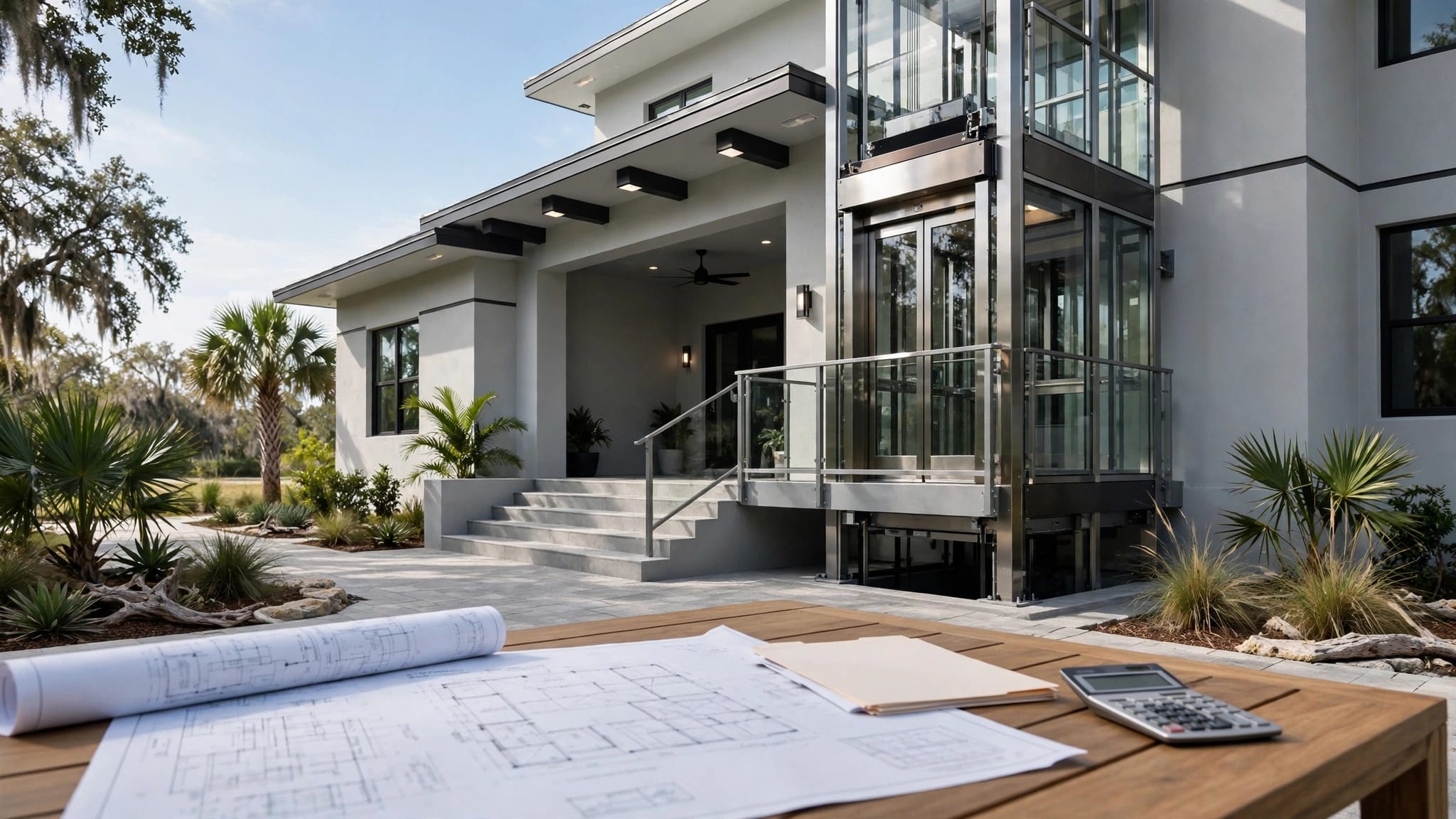
Outdoor elevator financing starts with a clear project, not a loan application. Florida homeowners need to identify the equipment, site work, permits, storm requirements, and access needs before comparing lenders. A cargo lift, vertical platform lift, and passenger elevator se...
By Veranda 'Vator September 14, 2026
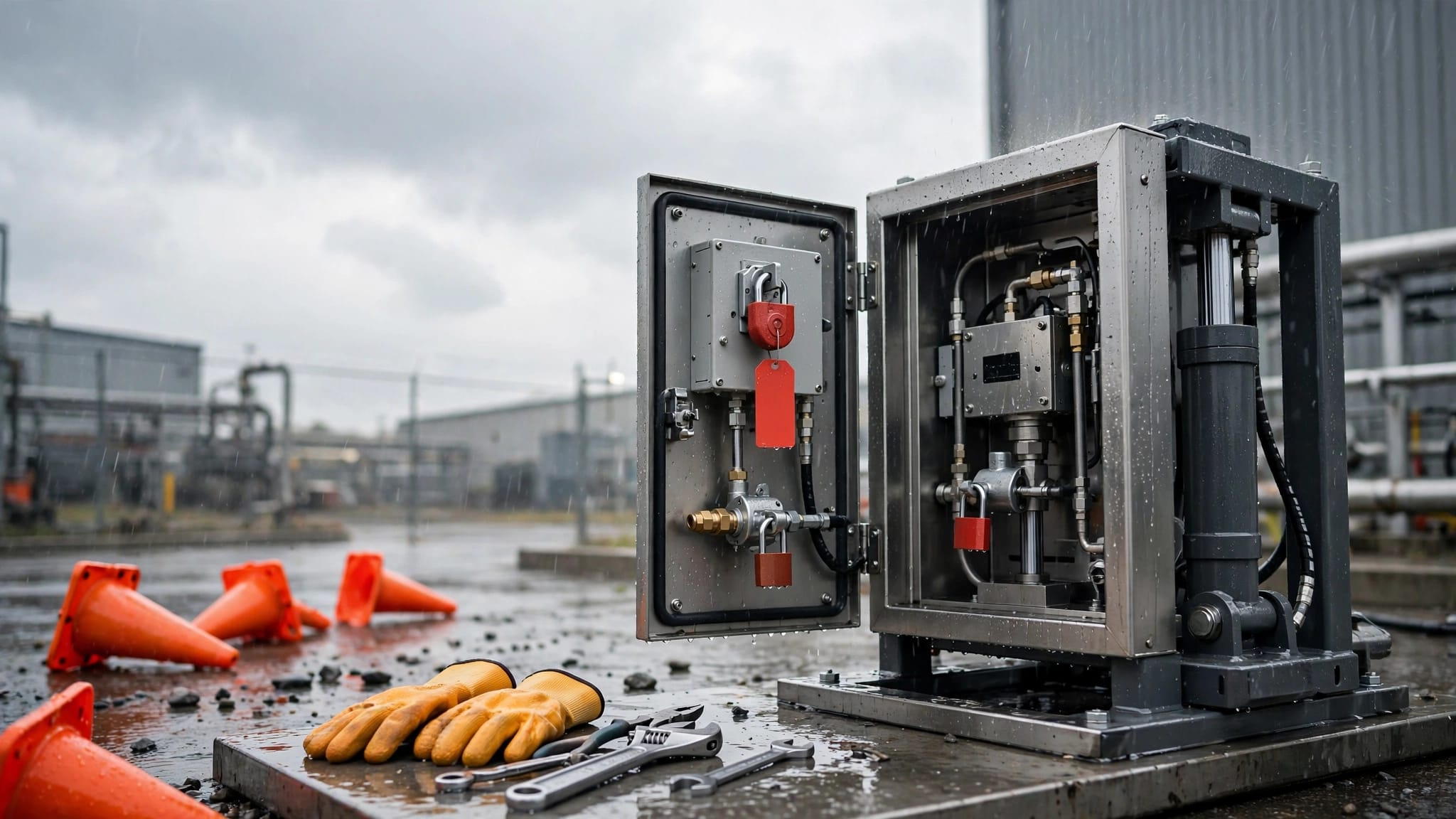
An outdoor elevator can look idle while electrical, hydraulic, mechanical, or gravitational energy remains dangerous. A written elevator lockout tagout procedure protects maintenance crews from unexpected movement, startup, and stored energy during inspection, repair, cleaning...
By Veranda 'Vator September 13, 2026
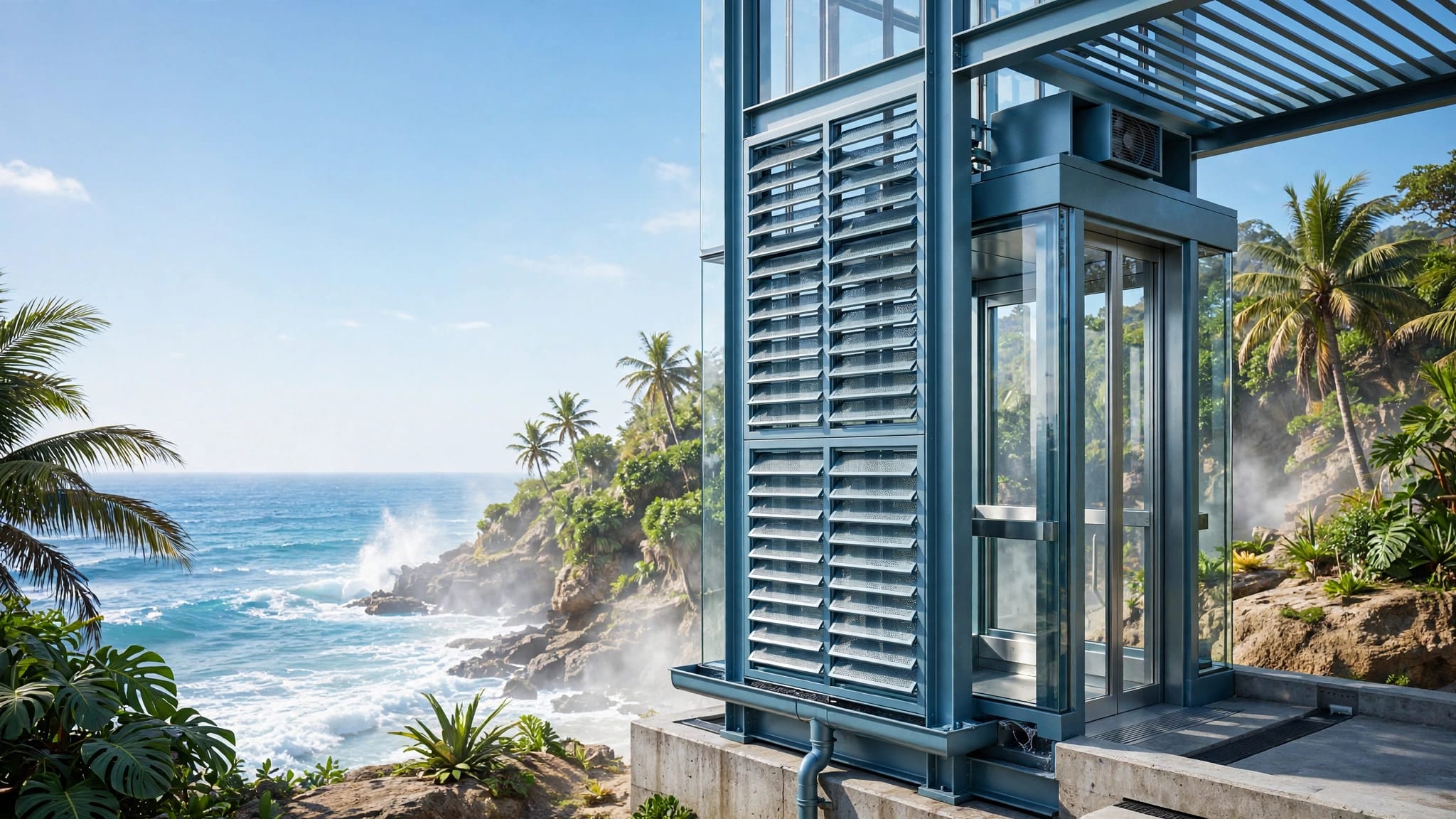
Outdoor elevator ventilation needs careful planning when a lift operates beside the ocean. Heat, humidity, salt spray, wind-driven rain, and direct sun can affect the cab, controls, finishes, and surrounding equipment. For building owners, architects, and facility managers, th...
By Veranda 'Vator September 12, 2026
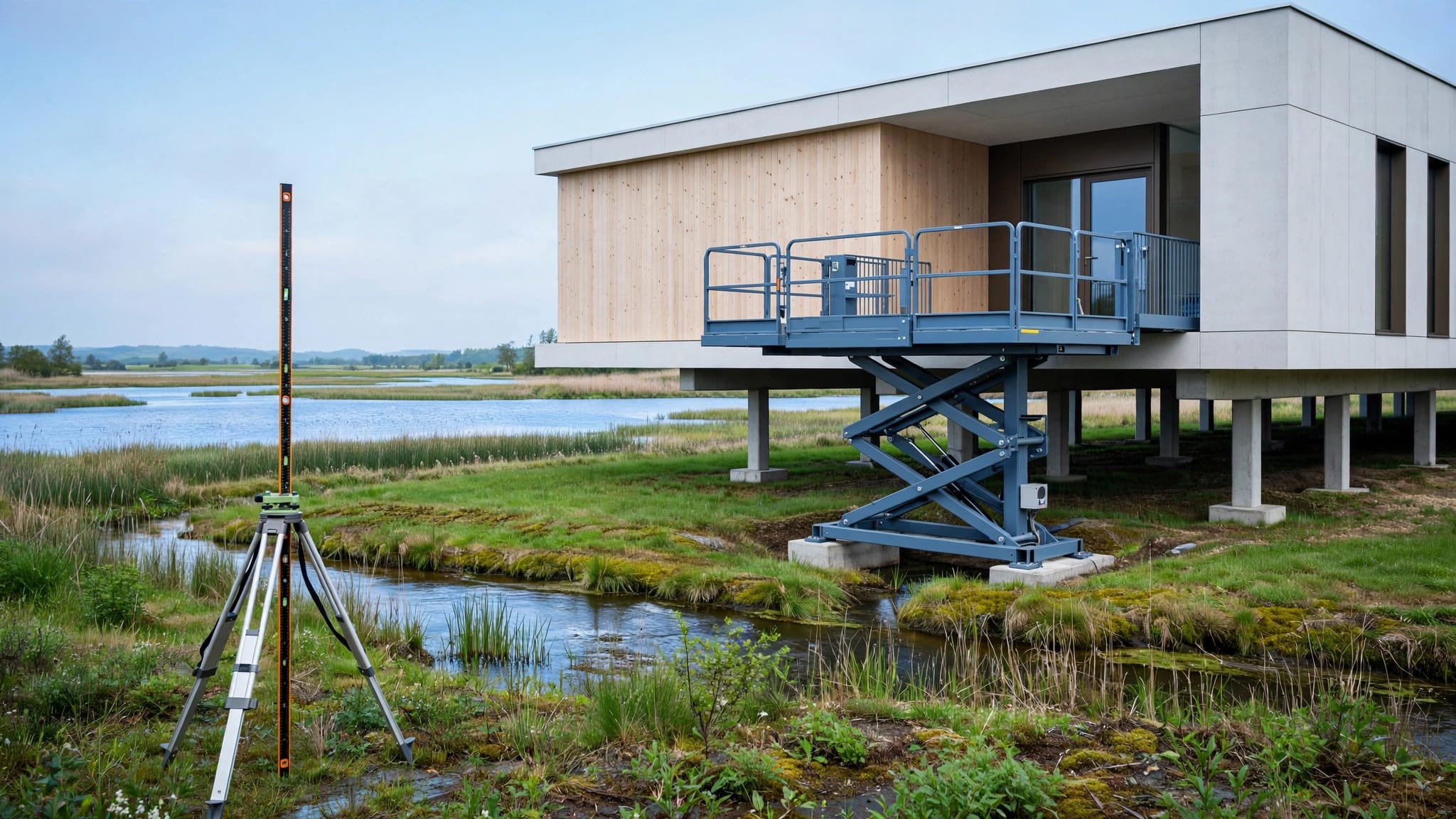
An outdoor lift can solve a major access problem, but floodplain work requires more than choosing the right equipment. Lift elevation certificates help document how the lift and nearby building relate to flood elevations, grade, and other site conditions. The certificate is no...
By Veranda 'Vator September 11, 2026
An exterior lift can turn a steep porch, raised deck, or split-level entrance into a usable route. However, it has to fit the mobility device, the property, and the weather it will face every day. For homeowners, caregivers, and property managers, outdoor wheelchair lifts need...
By Veranda 'Vator September 10, 2026
A raised coastal home can stay comfortable for decades when every level remains easy to reach. Outdoor elevator planning gives homeowners a practical way to reduce stair use while protecting daily independence. The right lift depends on far more than travel height. Your proper...
By Veranda 'Vator September 9, 2026
A generator can carry a home's lights and refrigerator yet still struggle when an outdoor elevator starts. Elevator generator sizing depends on the lift's motor-starting demand, controller behavior, transfer equipment, and every other load that comes online during an outage. F...
Show More