
The grocery trip isn't finished when you park if your kitchen is upstairs. A home cargo lift can reduce repeated carrying trips by moving household items between levels.
That means less hauling of laundry baskets, grocery bags, and trash, while you use a separate route between floors. The distinction is simple: a cargo-only lift transports items, not people .
Start with the chores you repeat most often, then consider how the lift would connect their loading and unloading points.
Key Takeaways
- Groceries, laundry, and contained household trash are practical cargo-lift uses when the equipment permits those loads.
- A lift can reduce loaded stair trips, but it doesn't replace passenger access or eliminate loading and unloading.
- Safe operation depends on the specific model, its rated limits, the installation, and the manufacturer's instructions.
What a Home Cargo Lift Changes in Your Routine
In an elevated home, household chores often include an extra task: carrying everything up or down stairs. Grocery bags travel from the driveway to the kitchen. Laundry moves between bedrooms and the washing area. Trash heads back toward ground-level collection.
A cargo lift provides a separate route for those items. Instead of carrying each load on the stairs, you load the platform, operate it as instructed, and retrieve the contents at the destination.
Fewer loaded stair trips is the practical benefit. However, you'll still need to reach the other landing yourself unless someone is there to unload.
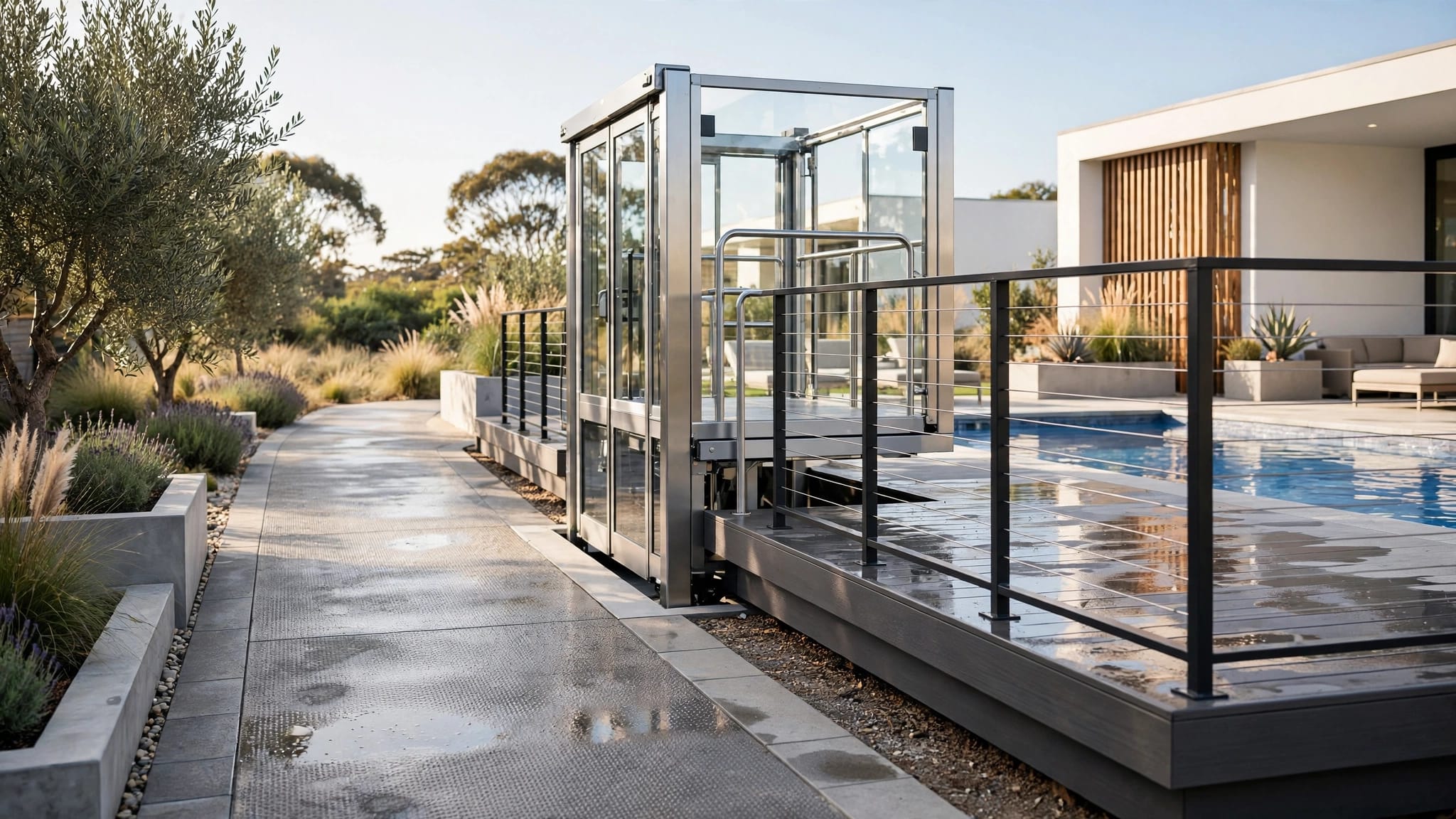
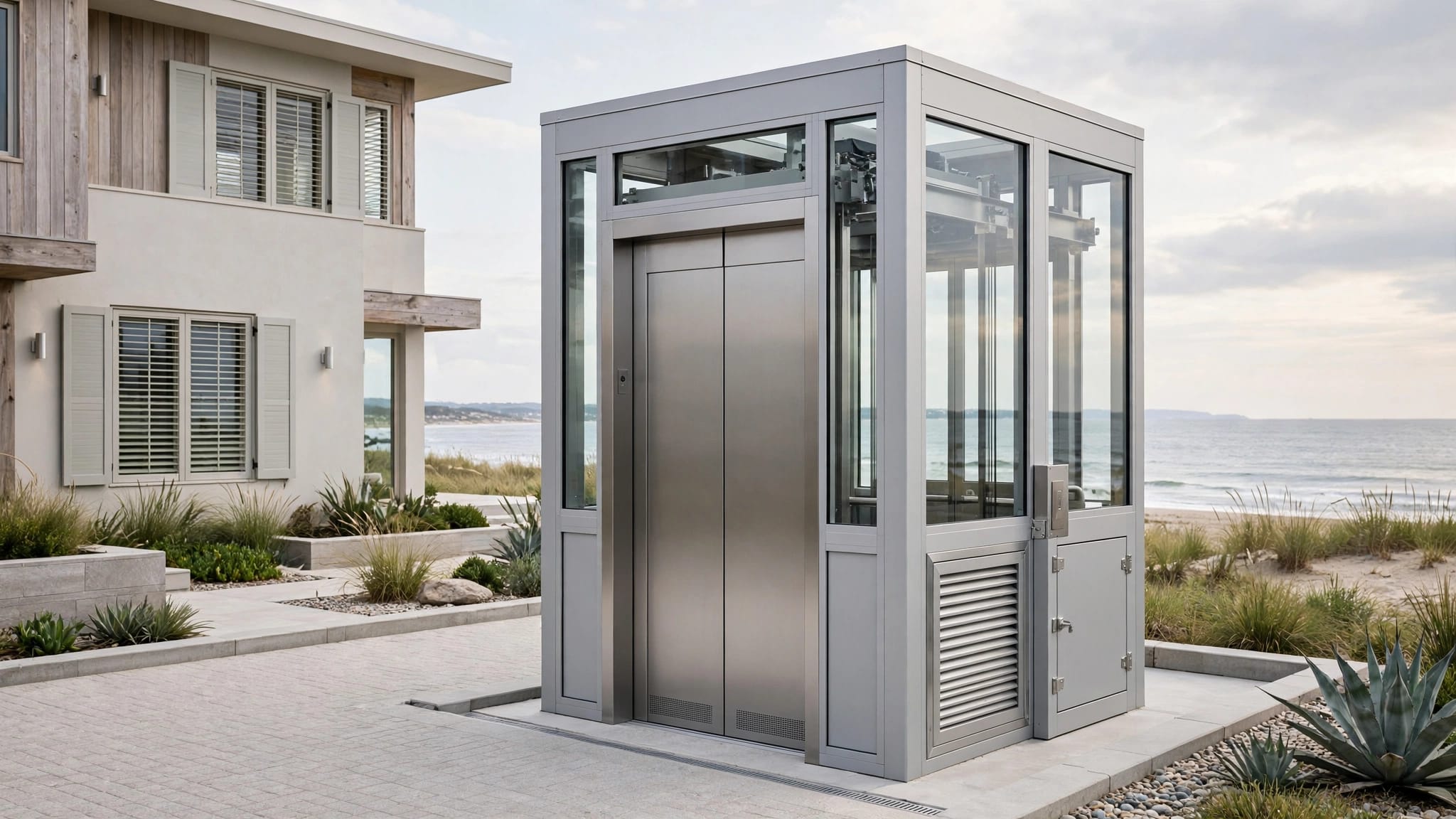
Veranda 'Vator's residential lifting options include exterior-mounted systems that connect with porches, balconies, or stair landings. That arrangement can suit elevated homes where supplies enter at ground level but living spaces sit above.
The lift's usefulness depends on where it stops. A convenient platform beside the kitchen entrance helps more than one that leaves a long carrying route afterward.
Moving Groceries From the Car to the Kitchen
Handle heavy bags and awkward packages
Bottled drinks, canned goods, and pantry staples make grocery bags heavy quickly. Meanwhile, bulky packages such as paper towels can block your view when you carry them upstairs.
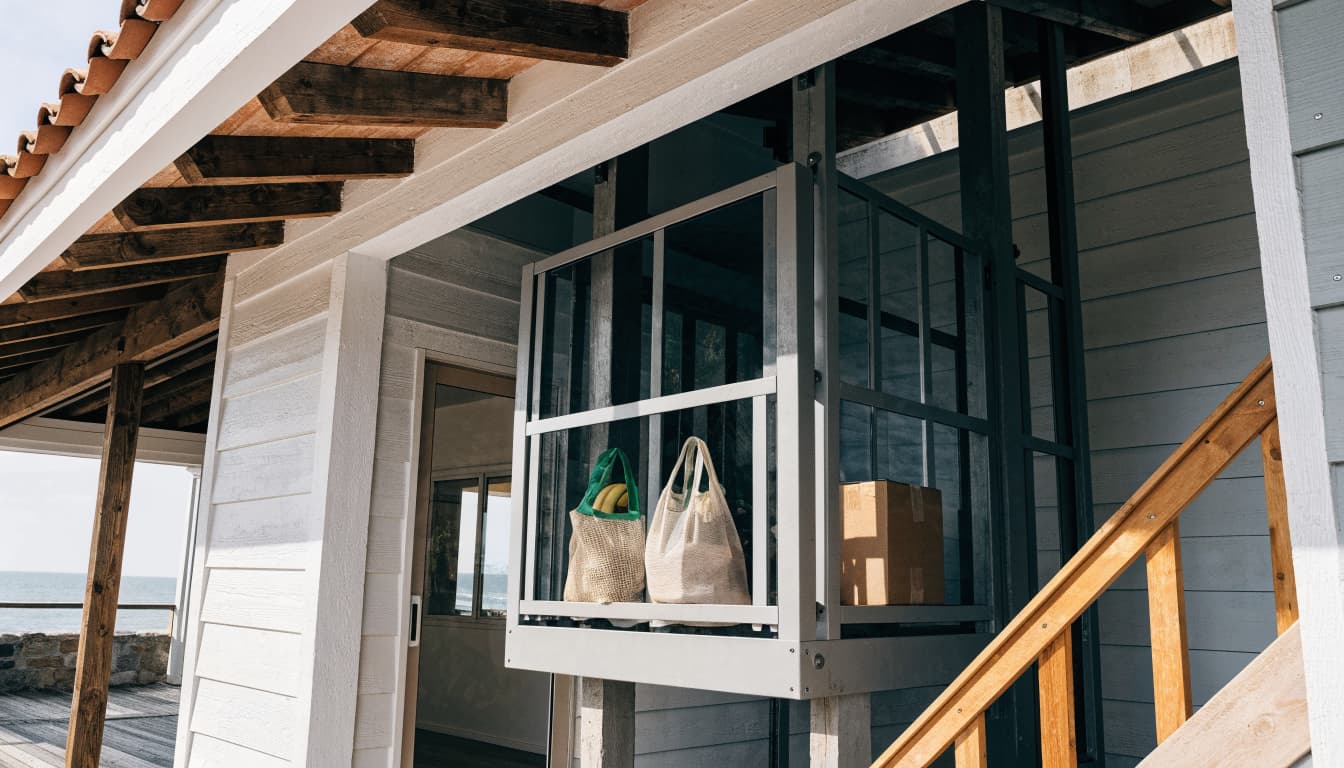
A home cargo lift can move permitted grocery loads to an upper landing without requiring you to carry them on the stairs. You can then take the bags through the nearby entrance and unpack them.
Keep bags upright and contained according to the loading instructions. Don't let handles, packaging, or loose items hang outside the platform or interfere with a gate.
Also, include the weight of any tote or cart in your load calculation. A container makes groceries easier to handle, but it still counts toward the equipment's limit.
Keep the transfer organized
Group groceries by how you'll unpack them. Cold items should remain together so you can move them into refrigeration promptly after unloading.
Reusable totes can keep smaller packages from becoming scattered, provided they fit securely and comply with the manufacturer's loading guidance. Avoid balancing fragile items on top of unstable bags.
Before loading, make sure the receiving landing has room for the groceries. Otherwise, you may arrive upstairs with nowhere clear to set them down.
The lift handles the vertical transfer. A short, unobstructed route into the kitchen makes the rest of the grocery job easier.
Laundry Without Carrying Full Baskets on Stairs
Send laundry to the washing area
Laundry creates a recurring transport job when bedrooms and washing machines sit on different levels. Full baskets can occupy both hands, leaving less freedom to use a stair handrail.
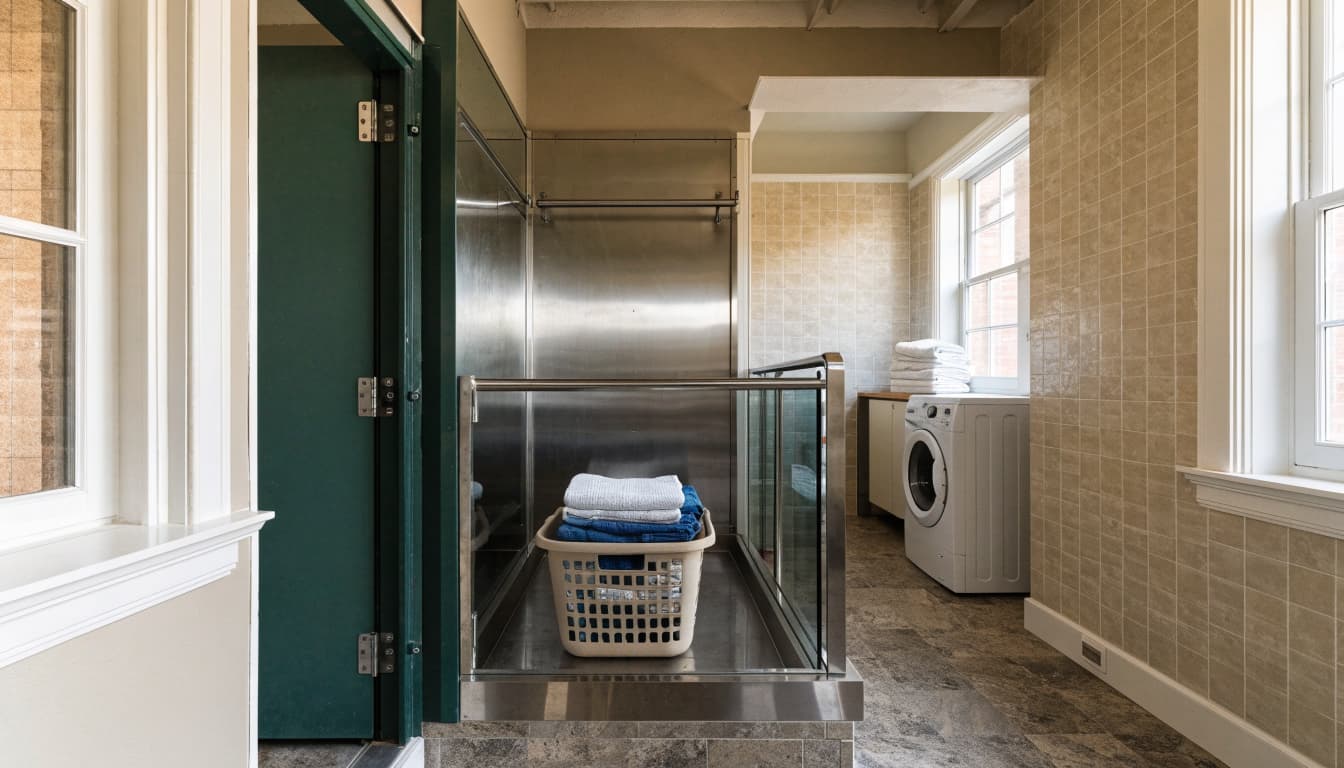
If the lift connects the relevant landings, laundry can travel in a suitable basket or container instead. You'll still move it between the rooms and the platform, but you won't carry that load along the stairs.
Keep clothes inside the basket. Sleeves, towels, and sheets shouldn't trail over its sides or near moving equipment.
Wet laundry also needs attention because it weighs more than dry clothing. Check the complete load rather than judging it by how full the basket looks.
Return clean clothes and household linens
The return journey matters just as much. Folded clothes, bedding, and bathroom towels need to reach the rooms where you'll use them.
A contained load helps keep clean laundry together during the transfer. For an outdoor lift, choose suitable protection from weather and dirt without obstructing gates or moving parts.
In a coastal home, beach towels add another regular laundry load. Shake off loose sand in an appropriate area before transporting them, so it doesn't collect on the platform.
Don't stack baskets simply to avoid another trip. Their fit, stability, and combined weight must follow the instructions for your particular lift.
Taking Trash and Recycling Downstairs
Contain waste before transporting it
Trash follows the opposite route from groceries. Waste collected in an upper-floor kitchen needs to reach a ground-level bin or collection area.
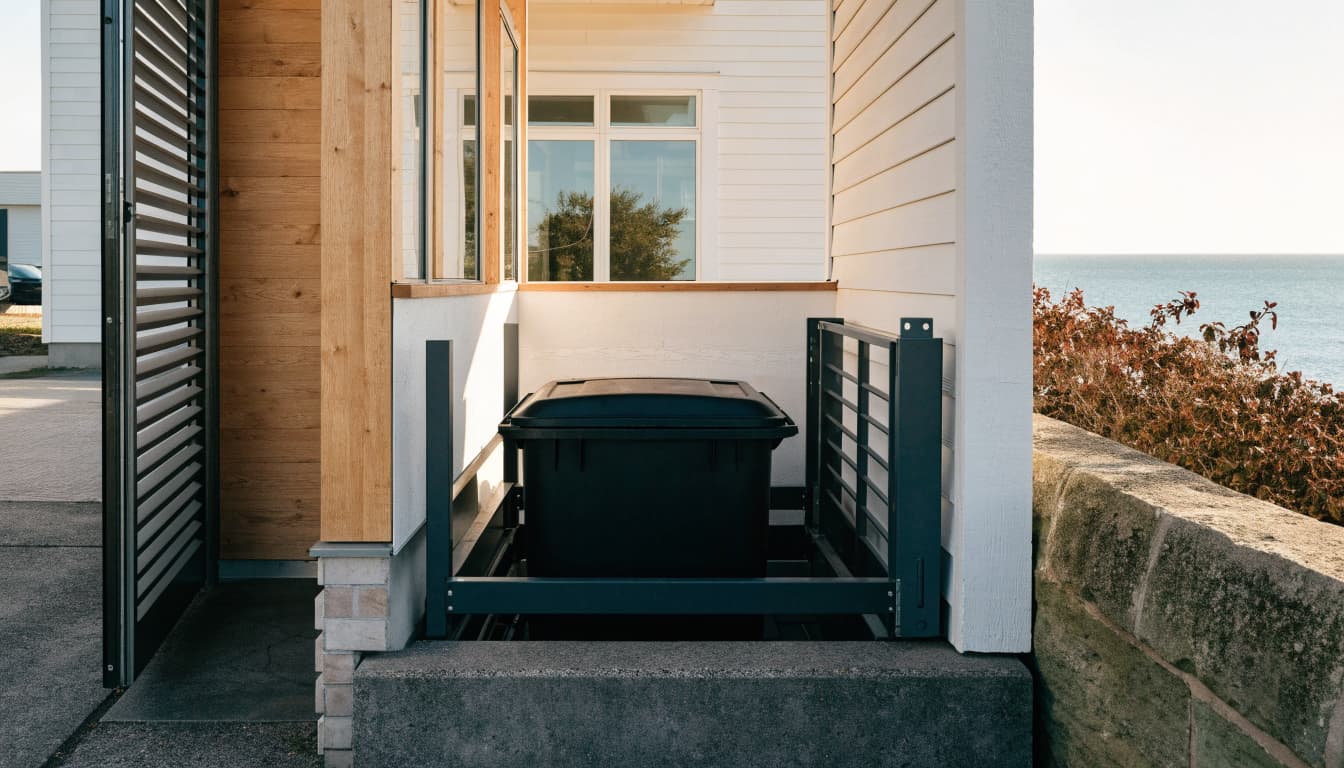
Where the equipment permits it, a suitable lidded container can help contain tied trash bags during transport. Check that the container fits, remains stable, and doesn't interfere with the platform gate.
If you use a wheeled bin, follow the manufacturer's directions for controlling its movement. Don't assume that closing a gate will keep an unsecured bin in place.
Never transport leaking bags, loose waste, or prohibited materials. Household chemicals and other hazardous items require separate handling under the applicable disposal rules.
Keep food and waste transfers separate
Groceries and trash may use the same platform, so housekeeping matters. Keep waste enclosed and remove any residue before transporting food or clean laundry.
Clean the platform only with methods and products permitted by the manufacturer. Hosing down equipment can expose components to water they weren't designed to receive.
Recycling needs containment too. Loose cans and bottles can roll, while cardboard can shift or obstruct a gate. Use an appropriate container rather than scattering items across the platform.
After unloading, remove the container promptly. Leaving a bin on the platform may block the next household task or restrict access at the landing.
Choose the Equipment for the Job
A home cargo lift may suit your routine, but smaller goods and passenger access can call for different equipment.
These categories address different needs:
| Equipment | Main purpose | What to check |
|---|---|---|
| Cargo lift | Moving household goods and supplies | Approved loads, platform fit, and landing access |
| Dumbwaiter | Moving smaller household items | Car dimensions and permitted loading |
| Passenger-compliant elevator | Transporting people between levels | Passenger approvals and access arrangements |
| Vertical platform lift | Providing wheelchair or mobility access | Permitted use, travel, and landing clearances |
A dumbwaiter can handle lighter household transfers, including small grocery bags and linens. Comparing a cargo lift and dumbwaiter helps you match equipment to your largest regular load.
For people, select equipment designed and approved for passenger transportation. A cargo platform's size, stability, or weight rating doesn't establish passenger suitability.
If wheelchair access is the priority, discuss a vertical platform lift or passenger elevator with a qualified professional. The platform, controls, landings, and local requirements all need review.
A cargo-only lift can help someone avoid carrying goods upstairs. However, that person still needs a suitable way to reach the destination.
Plan Around the Loading and Unloading Points
Connect the places you already use
Start with the driveway, kitchen entrance, laundry area, and trash storage location. These are the places that determine whether a lift makes everyday chores easier.
For groceries, consider the route from the parked car to the platform. Then check the upper landing and the entrance into the house.
Laundry and trash may use different routes. A lift beside the kitchen can be convenient for groceries but less helpful if laundry must cross a narrow deck.
When planning an outdoor lift retrofit, review those complete routes with the installer. Don't judge convenience from the lift location alone.
Check fit, site conditions, and service access
Measure the largest basket, tote, or bin you expect to transport. Compare its dimensions with the platform, gate opening, and available clearance using the equipment drawings.
Capacity and fit are separate checks. A load can fall below the weight limit and still be too awkward to enter or unload safely.
For exterior equipment, discuss rain, drainage, salt exposure, and storm procedures. Coastal conditions affect equipment selection and maintenance planning.
Installation requirements vary with the product and property. Ask a qualified installer about structural support, electrical work, permits, and inspection requirements before committing to a layout or budget.
Make Safe Loading Part of Every Chore
Everyday convenience depends on using the lift consistently within its instructions. Don't substitute a familiar routine for the operating manual.
Before each transfer, check the load's weight, fit, and stability. Include baskets, bins, packaging, and any handling equipment that will travel with the contents.
Keep items within the permitted loading area. Nothing should protrude, catch on surrounding structures, or stop a door or gate from closing properly.
A load can be within the rated weight limit and still be unsuitable because it shifts, overhangs, or interferes with a gate.
Follow the specified sequence for loading, closing access protection, operating, and unloading. Never bypass a gate, interlock, or other protective feature to save time.
Veranda 'Vator's information on exterior elevator gate safety provides related access-protection context. Your installed model's instructions remain the authority for its operation.
Keep children and pets away from operating equipment. In a rental property, also make the cargo-only restriction clear to guests and housekeeping staff.
If you notice unusual movement, noise, damage, or a gate problem, stop using the lift and contact the appropriate service provider. Don't reach into the equipment area to retrieve a dropped item.
For equipment questions, consult the manual and residential lift FAQs, then confirm any unresolved details with the manufacturer.
Make Everyday Transfers Easier
Groceries, laundry, and trash are recurring jobs that a well-matched cargo lift can help you handle with less carrying. Its value comes from useful landing access and a loading routine suited to your household.
Choose equipment around the items you move, then verify its limits and operating requirements. Keep passenger needs separate from cargo transport.
When the platform connects the right places, the trip home from the grocery store doesn't have to end with repeated loaded climbs.
Recent Posts