
A service receipt may show that someone visited, but it rarely tells the lift's full maintenance story. A useful home lift service log records what the technician found, what changed, and whether any work remains unfinished.
Your records should connect each visit to the right equipment and make unresolved issues easy to find. Start with the lift's identity, then give every inspection, repair, and follow-up its own dated entry.
Identify the Lift Before Recording Service
A maintenance history becomes confusing when reports describe equipment only as "the elevator." Keep a permanent equipment summary at the front of your log, separate from individual service entries.
Record the equipment details
Include the manufacturer, model, serial number, installation date if known, rated capacity, and location. Identify each landing by floor or deck level so everyone uses the same description.
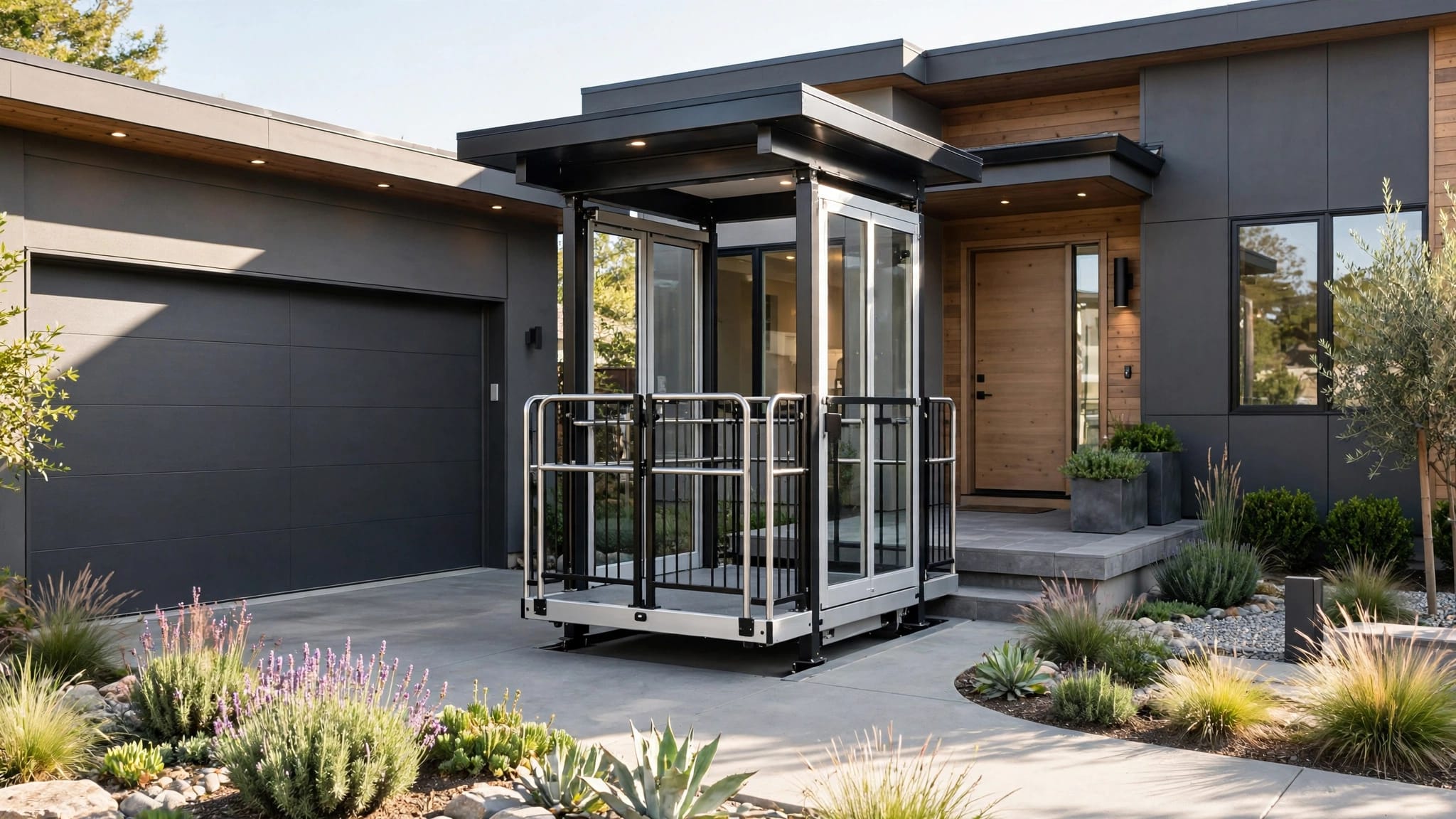
At Veranda 'Vator, we manufacture cargo lifts, passenger elevators, and vertical platform lifts. Record which type you own because its intended use affects the maintenance information that belongs in the file. Cargo lifts carry materials, not people.
Keep the owner's manual and original installation documents alongside this summary. Don't fill gaps with guessed specifications.
Note how the lift is used
Describe whether the lift handles groceries, regular passenger travel, or wheelchair access. Include usage frequency and typical loads when you have reliable information.
Also note changes in use, such as a household member beginning to rely on the lift daily. Outdoor exposure, seasonal shutdowns, and nearby construction belong here because they give later service reports useful context.
Record the Details of Every Service Visit
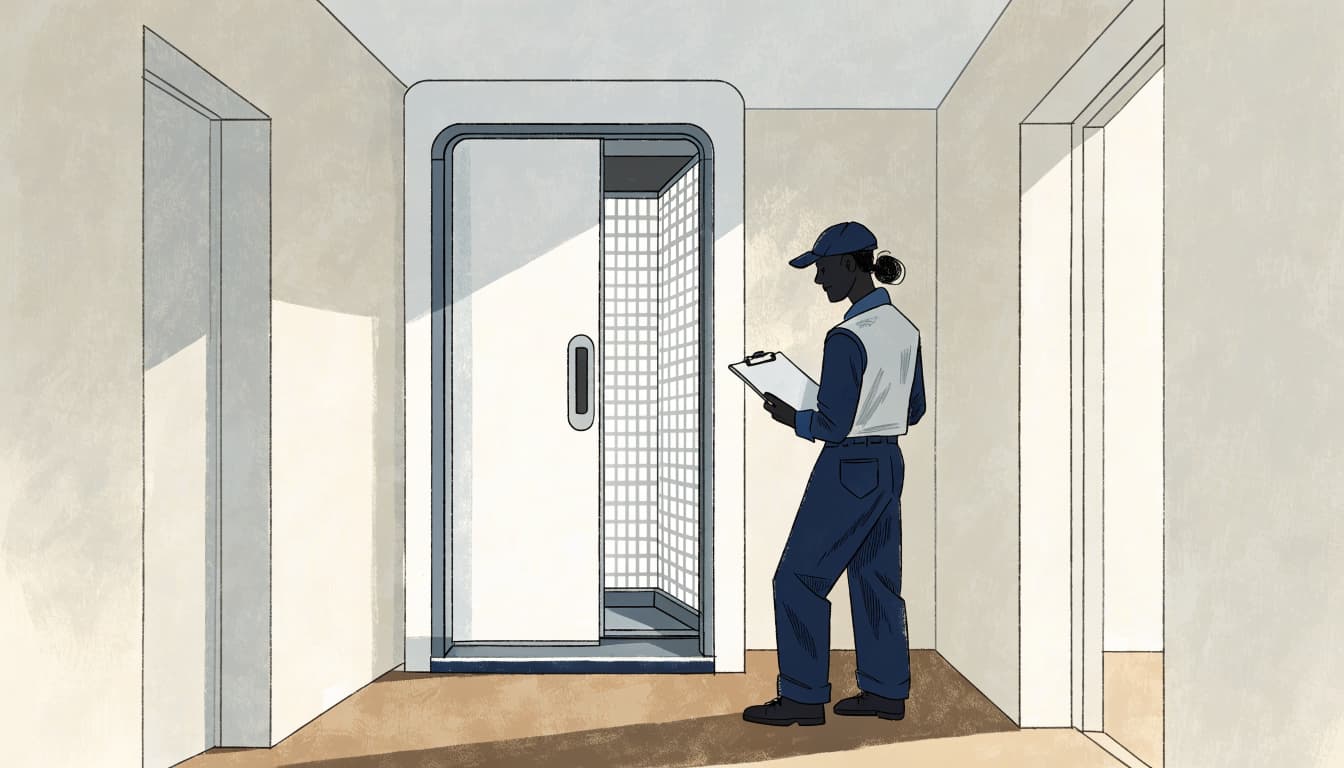
Each visit needs its own entry, even when the technician finds no fault or replaces no parts. Keep the visit details together rather than scattering them across invoices and emails.
Date, technician, and reason for service
Enter the service date, technician's name, company, and report or work-order number. Add arrival and completion times when they help explain downtime or an intermittent problem.
State why the visit occurred: scheduled maintenance, a reported fault, storm exposure, reopening after storage, or a return appointment. Identify the person who reported the issue when several household members or property staff use the equipment.
Attach the technician's report to that entry. An invoice documents charges, but it may omit findings and test results.
Symptoms and work completed
Describe what happened before the visit, including the affected landing, when the problem began, and whether it happened consistently. Note unusual sounds, vibration, poor leveling, or a gate that didn't latch normally.
Our guidance on reporting door and gate problems identifies observations that can help explain intermittent faults.
Then record the actual work completed. Separate cleaning, lubrication, adjustments, diagnosis, and repairs so "serviced lift" doesn't hide what the technician did.
Document Inspection Findings and Test Results
An inspection entry should explain the lift's condition, not simply say "checked." The inspection scope depends on the equipment, reported symptoms, and manufacturer's procedures.
Name the components inspected
Record the components the technician assessed, such as gates, interlocks, rails, cables, brakes, controls, sensors, anchors, or drive equipment, where applicable.
Include findings about wear, corrosion, water intrusion, damaged wiring, loose hardware, and alignment. Use the technician's terminology rather than translating a technical finding into a guess.
Keep observed symptoms separate from confirmed causes. For example, a homeowner can report vibration without diagnosing a worn roller. Also distinguish a finding that requires repair from an observation the technician recommends monitoring.
Preserve the actual test outcome
For each test performed, retain its name, result, and any recorded measurements or observations. Include the affected landing or component when relevant.
These distinctions make test records easier to interpret:
| Test status | What the entry should explain |
|---|---|
| Passed | The test performed and its recorded result. |
| Failed | The failure, affected component, and resulting action. |
| Not performed | The reason the test wasn't completed. |
| Pending | The remaining test and planned follow-up. |
A missing result shouldn't look like a passed test. Record limitations, too, such as a fault that didn't occur during the visit.
Owners shouldn't test brakes, bypass interlocks, or adjust safety devices to complete a log. Those tasks belong to qualified professionals with the appropriate training and equipment.
Track Faults, Replacement Parts, and Follow-Up
Repairs need enough detail to connect the original problem with the outcome. A home lift service log should make repeated faults visible across multiple visits.
Keep symptoms, codes, and causes separate
Record an error code exactly as displayed, along with the date, conditions, and operating stage when it appeared. A safely taken photo can preserve the display without relying on memory.
Then add the technician's diagnosis separately. Note whether the technician identified moisture, corrosion, mechanical wear, a power issue, or another cause. If the cause remains unresolved, say so.
Our guide to safe lift error responses explains why a displayed code calls for an appropriate service response rather than owner experimentation.
Identify parts and repairs precisely
For replaced parts, keep the component description, part number if supplied, quantity, location, and reason for replacement. Attach the parts invoice or repair report.
Also document repairs and adjustments that didn't require a new part. Where available, include before-and-after photos and the technician's post-repair findings.
Use manufacturer-approved replacement parts. Record any warranty claim number alongside the related repair rather than keeping it in an unrelated email folder.
Give remaining work a clear status
List recommended follow-up, its priority, the responsible person or company, and any target date supplied. Separate immediate safety work from routine maintenance and optional improvements.
Record whether the lift remained out of service or returned to operation. When follow-up finishes, add a dated completion entry that references the original visit.
"Part ordered" describes progress, but it doesn't document a completed repair or establish that the lift can be used.
Add Useful Observations Between Visits
The service log doesn't have to stay empty until the next appointment. Owner observations can capture conditions that disappear before a technician arrives.
Note the date and time of unusual noise, vibration, uneven stopping, water marks, odors, or gate trouble. Include weather, recent outages, and which landing was affected. Avoid recreating a problem just to get a better description.
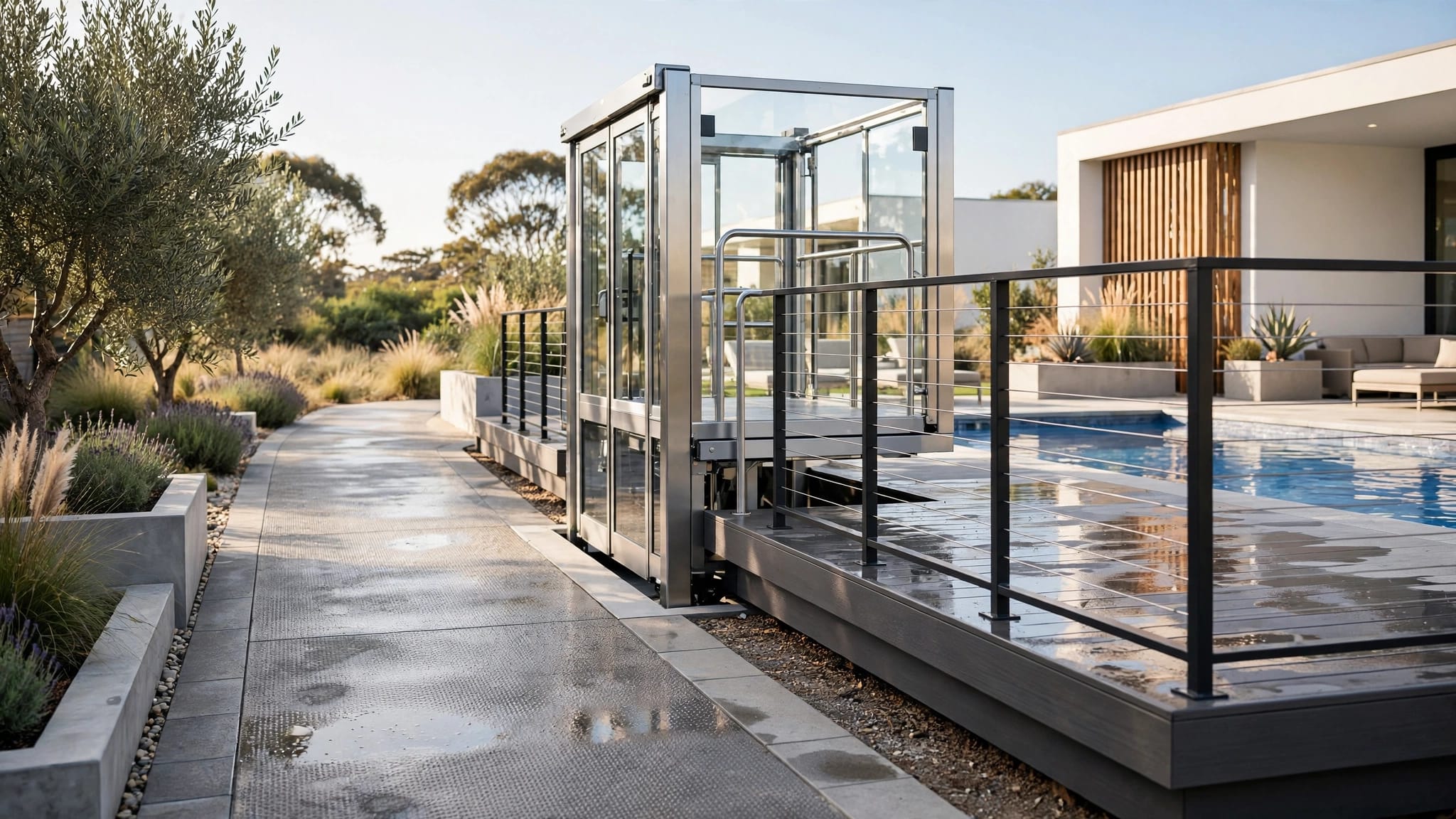
For outdoor equipment, photograph visible corrosion, damaged covers, standing water, and storm debris from a safe position. Dated photos before and after severe weather help show what changed.
Also record nearby work that could affect the installation. A shifted deck board, drainage change, or damaged weather seal can help explain a landing concern.
Our coastal lift maintenance checklist covers useful observations around exposed equipment.
If the owner's manual permits cleaning, document the task and approved materials used. Keep owner housekeeping separate from technical maintenance. Removing leaves from an accessible landing doesn't mean the controls, brakes, or gate system received an inspection.
Seasonal closures also deserve entries showing when use stopped, how long the lift remained idle, and any service completed before reopening.
Separate Routine Entries From Urgent Safety Issues
A service log supports communication, but writing down a hazard doesn't address it. Routine entries include approved cleaning, scheduled service, completed repairs, and technician-directed monitoring.
Conditions that affect movement, access, or safety need prompt action. Keep the lift out of service if it moves unpredictably, stops unevenly, has a gate that won't close or latch properly, shows damage affecting safe operation, or has water intrusion into equipment.
Burning smells, damaged wiring, failed safety features, and repeated protective-device trips also require qualified attention. Don't keep operating the lift to gather more evidence.
Record the observed condition, when operation stopped, whom you contacted, and what access restrictions you put in place. Keep other users informed, especially where someone depends on the lift for mobility.
Never remove panels, adjust brakes, force gates, bypass an interlock, or repeatedly reset protective devices. A temporary return to normal movement doesn't establish that the underlying problem is resolved.
If someone becomes trapped, follow the equipment's emergency instructions. Call 911 for a medical emergency or immediate danger. Don't force doors or attempt an untrained release.
After urgent service, retain the professional's findings, repair details, test results, and return-to-service instructions. Keep the original incident entry so the record shows the full sequence.
Keep the Home Lift Service Log Organized
A binder, spreadsheet, or digital folder can work. The useful format is one that keeps records together and lets you retrieve an earlier fault without searching through unrelated messages.
Use a consistent filing system
Give every entry a date and reference number. Use the same date format throughout, and name attachments so they match the entry.
Store service reports, invoices, inspection documents, dated photos, emails, and claim numbers in one equipment file. Preserve original technician reports rather than replacing them with a short summary.
Keep a digital backup of paper records. If a technician corrects an entry, retain the original and attach the dated correction. This keeps the sequence understandable when another service professional reviews it.
Restrict access to sensitive information, such as property entry codes, instead of including it in broadly shared maintenance records.
Make open items easy to find
Keep unresolved defects and recommended work together in a short follow-up register. Each item should point back to its service entry and show whether it is pending, scheduled, or completed.
Record the next service date supplied through the equipment's maintenance plan. If the appointment changes, preserve both the original recommendation and the updated date.
Maintenance records also support warranty discussions. Our guide to home lift warranty records explains the value of keeping reports, correspondence, and claim details together.
Key Takeaways
A useful service history should answer the questions a future technician or property owner will have.
- Identify the equipment and record who attended, why they came, and what work they completed.
- Preserve inspection findings, test outcomes, faults, replacement parts, and the lift's operating status.
- Track unfinished work separately, and treat urgent safety issues as reasons to stop use and obtain professional help.
Keep a Clear Record of What Changed
A home lift service log is most useful when it connects an observed problem to professional findings, completed work, and remaining actions .
Keep entries specific, preserve the original reports, and make unresolved issues easy to spot. The next person responsible for the lift should be able to understand its condition without reconstructing the story from receipts and memory.
Recent Posts